






















How Hi-Fi culture became fashion and art's newest obsession From the streets of Kingston to the galleries of London
The Hi-Fi Culture, understood not only as high-fidelity audio but as a veneration of the sound system as an object, architecture, and ritual, is the latest cult to conquer the creative upper class. What was born on the dusty streets of Jamaica in the 1950s as a democratic and radical gesture – bringing loud music into communities with homemade speaker towers to counter the lack of dance halls – is now a luxury accessory, a symbol displayed in flagship stores and exhibition spaces to elevate the visitor experience.
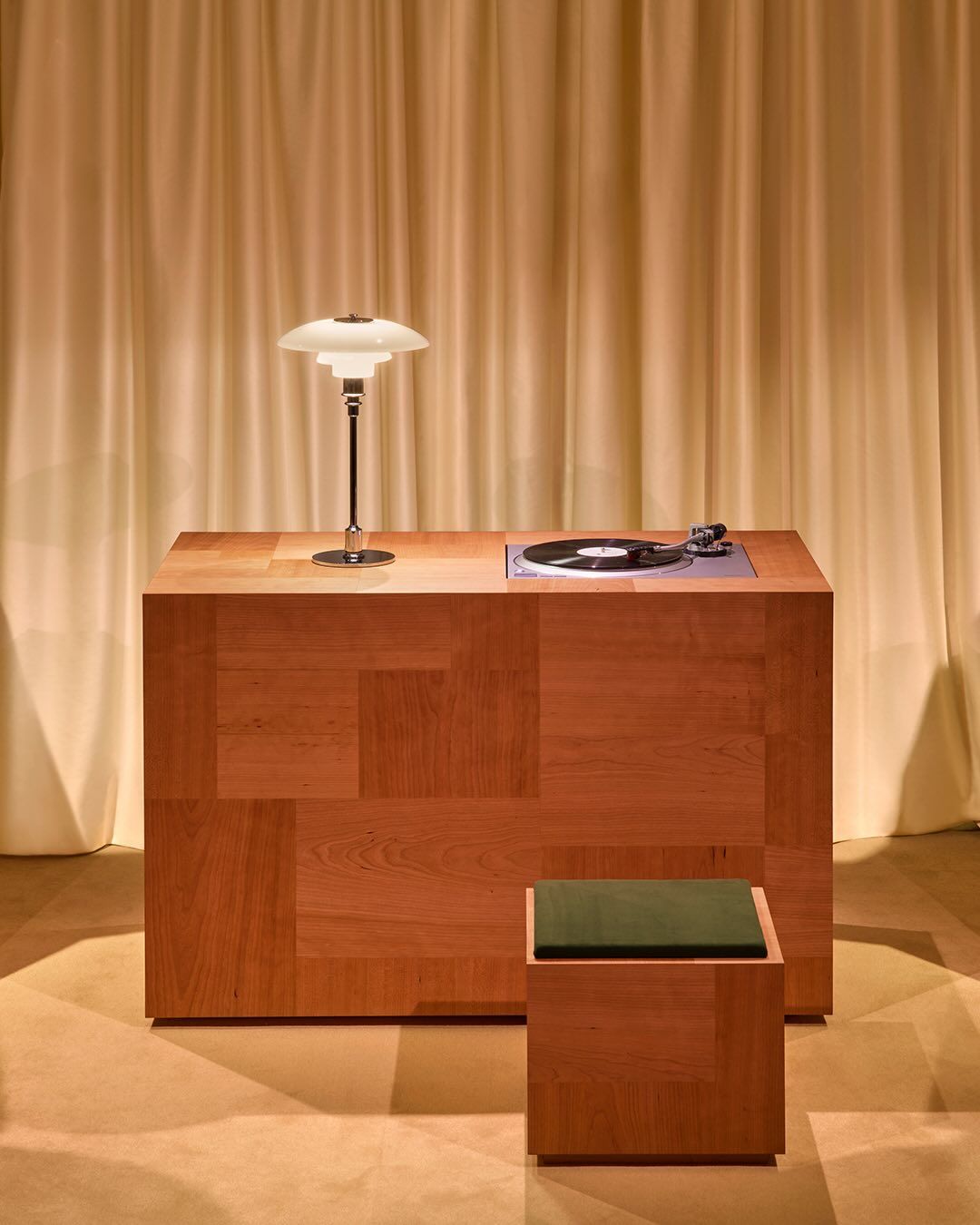
The rediscovery of the sound system today began with the spread of Japanese listening bars in Europe, a phenomenon that has invaded global metropolises from London to Milan. These minimal spaces offering a near-sacred listening experience (deep listening from vinyl) around impeccable audio systems elevate music listening from background noise to a conscious ritual. The phenomenon has requalified audio equipment - tube amplifiers, vintage turntables, and above all, imposing speakers - from nerd-hobby to an element of interior design and lifestyle.
The sound system in art as a political statement
The revival of sound systems is also a late homage to the roots of audio culture, which arrived in the United Kingdom with the Windrush Generation, founding the underground music scene with the heavy, rib-tickling bass that would influence entire generations, from Dub to Jungle. But the true consecration of sound systems came when speaker stacks burst into the temples of high culture, with artists like Peter Doig integrating entire sound systems into their exhibitions, such as House of Music at the Serpentine Gallery, transforming galleries into immersive listening spaces.
Theaster Gates has also made vinyl and musical sharing a central part of his performances, a provocation that injects the telluric energy of bass and the ethics of sharing into the aseptic space of the museum. Projects like the collective Black Obsidian Sound System are updating this sonic architecture as a community resource and queer space, redefining its radical potential.
The sonic aesthetic in fashion
@enlighten.whale Transparent CDJ 2000NXS2 Skeleton by Pioneer DJ c/o Virgil Abloh - 2019 Part of Ablohs exhibition “Figures of Speach” looking at his connections transcending industries connecting music, fashion and architecture. Abloh “As a means to give a new look and feel to the industry standard CDJ and DJM I aimed to design a see-thru and non labeled rendition of the classic models to inspire a different sound while DJing. And perhaps a new way for music technology, and human interaction to equal a different result. What do you think, would you use these? Let us know in the comments. Work by @AlphaTheta/Pioneer DJ Global x Virgil Abloh #art #pioneerdj #lightingart #dj #djing #offwhite #virgilabloh #design #accesories #audiotech #clubbing #homedecor #contemporaryart #modernart original sound - enlighten.whale
Fashion could not remain indifferent to the status symbol of audio systems, since Hi-Fi is the perfect representation of discreet and performative luxury. Already Virgil Abloh, a DJ before a designer, had predicted this convergence, influencing figures such as Devon Turnbull (whose OJAS project has built acoustically perfect listening rooms), while today luxury brands display high-end audio systems like genuine sculptures.
Recently, Valentino collaborated with Terraforma for the Atelier Sonoro, a listening room on the second floor of the brand's Madison Avenue boutique, while Celine under the creative direction of Hedi Slimane has often relied on powerful audio systems for its shows, as in the case of SS22. The speaker stack has become the equivalent of an artistic installation, a sign that the brand is attuned not only to visual aesthetics but also to sonic ones.
Signs of an analog resistance
The reason behind the rise of Hi-Fi Culture is twofold: on the one hand, it reflects the growing influence of creatives of Afro-Caribbean origin in the arts and fashion, as well as the industry's willingness to draw from radical cultural histories (though often sterilizing their resistance dimension). On the other hand, in an era dominated by screens and the instant gratification of earphones, investing in a powerful audio system is the ultimate act of analog resistance. It is the choice to dedicate space, time, and significant expense to a physical and collective experience.