.gif 2000w)

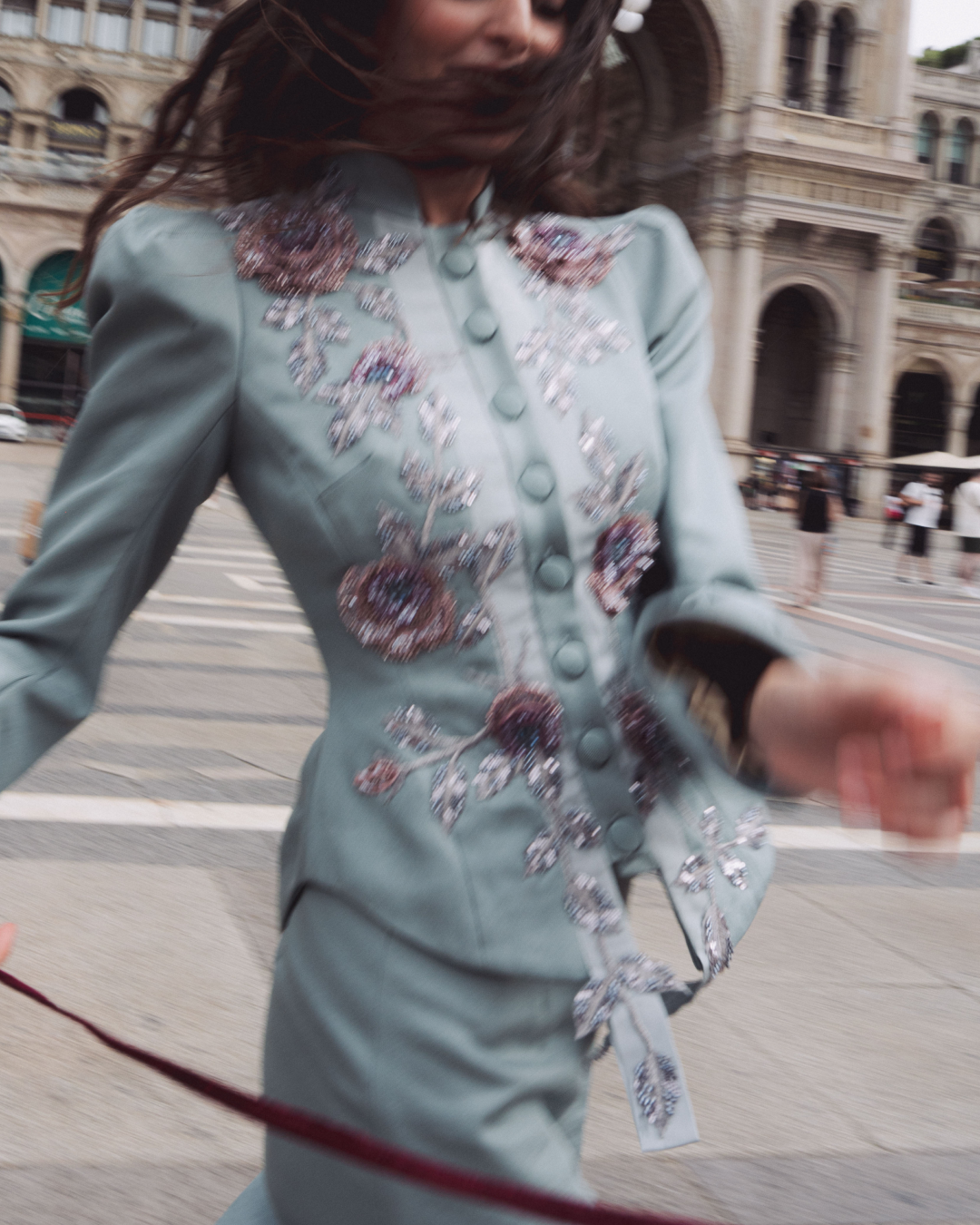
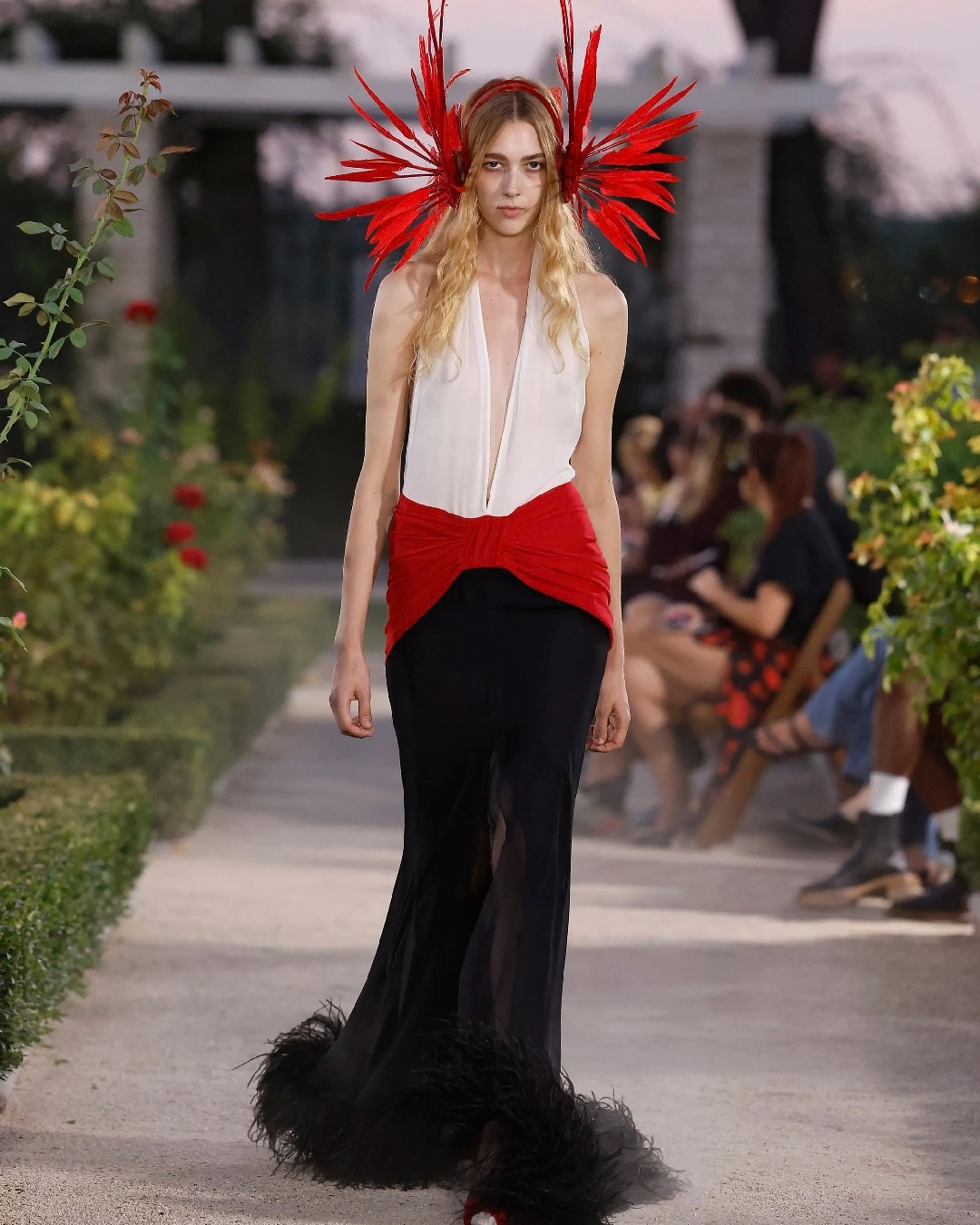
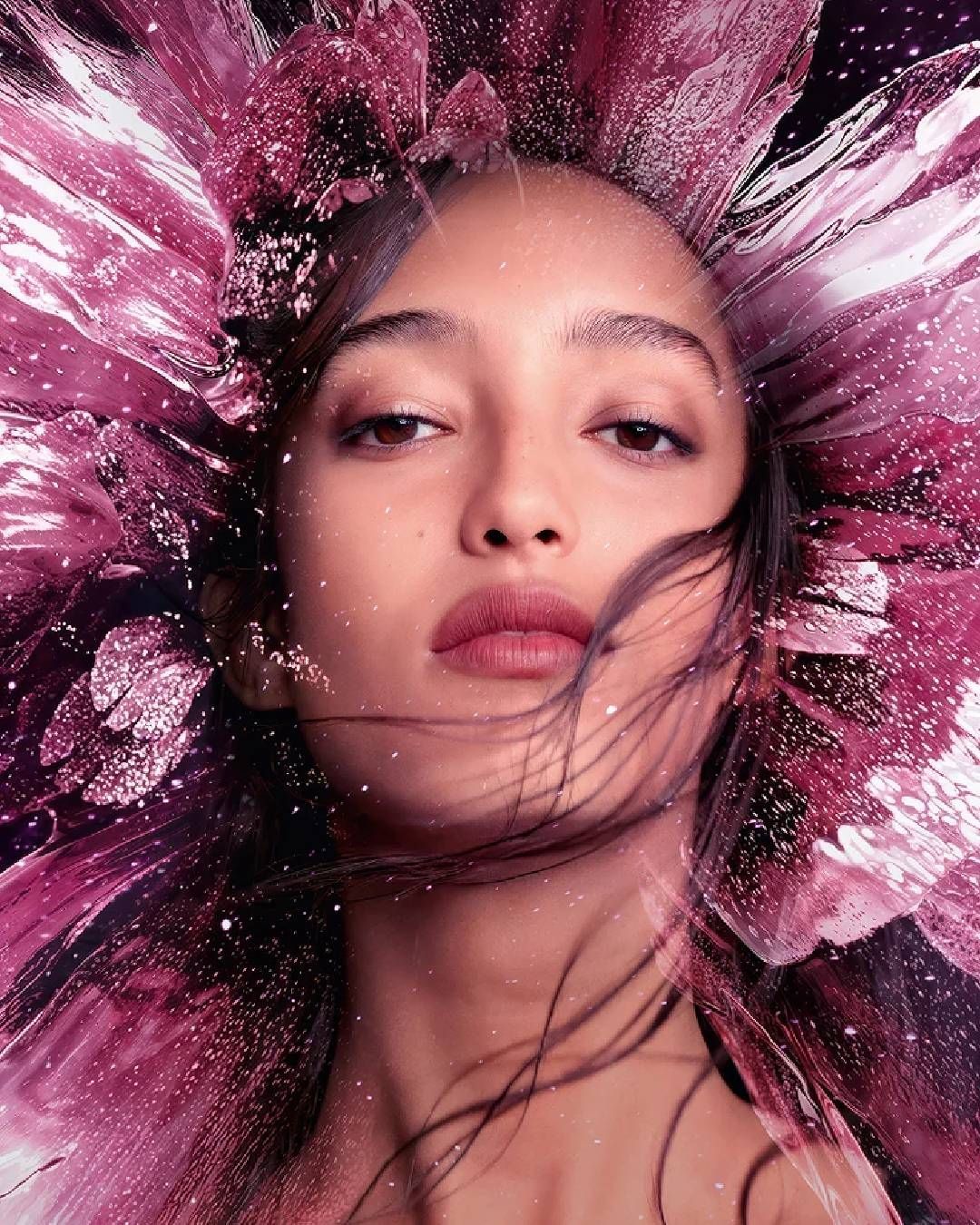

























The anatomy of JW Anderson's success Retracing the history of the fashion alchemist
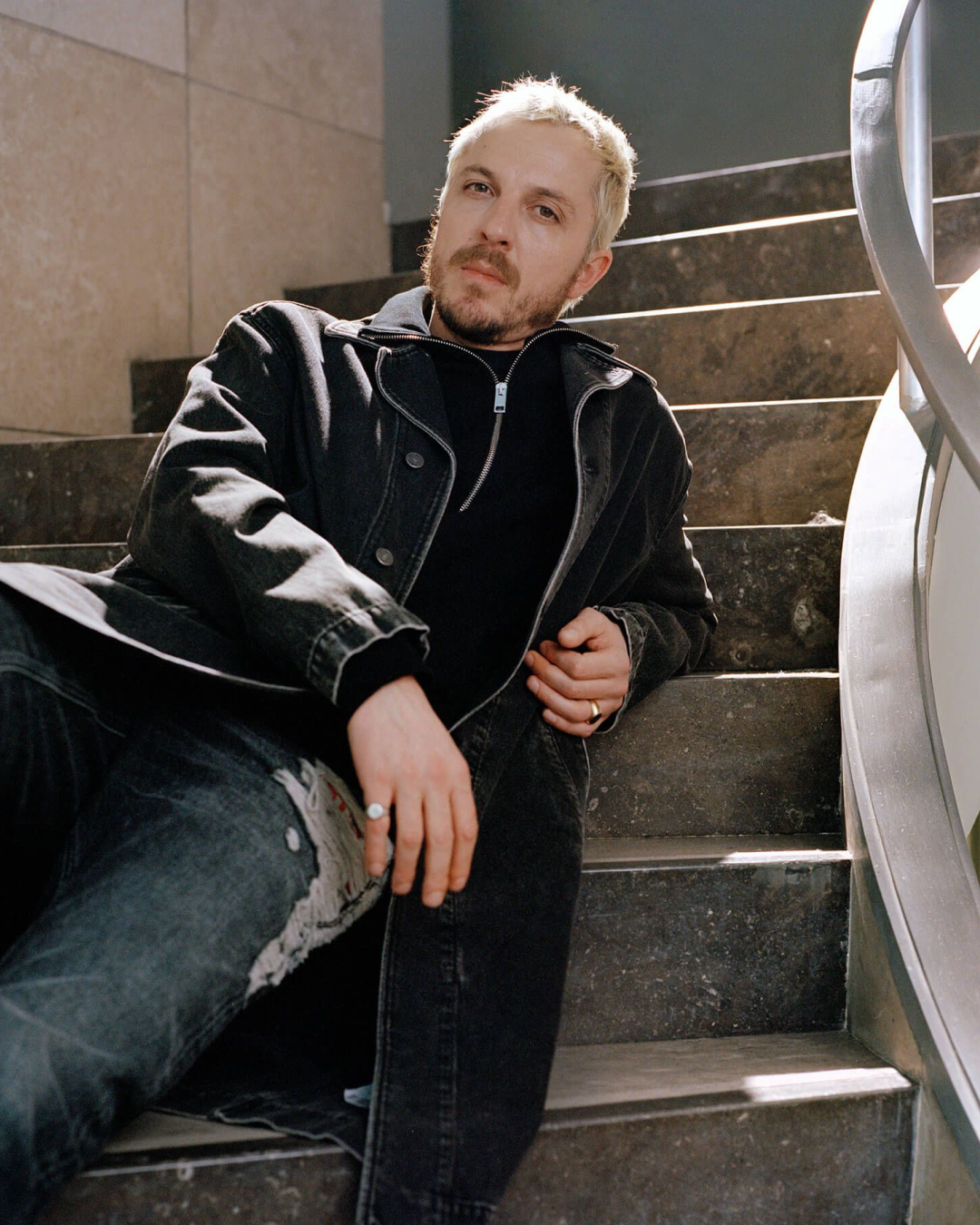
Jonathan William Anderson never misses a beat. With fashion month just around the corner, amid highly anticipated debuts and other major question marks — Trotter at Bottega Veneta, Piccioli at Balenciaga, Belotti at Jil Sander — the only one who seems to have a permanent place in the Olympus, deservedly so, is him. It’s worth understanding why, retracing his story, the key steps, and the philosophy that made him the perfect prototype of the creative director in the era of fashion as entertainment.
Irish, born in 1984, he grew up in Northern Ireland marked by civil tensions, with a strong desire to escape and let his mind fly far away. Two elements shaped him from the very beginning. The first concerns family and early choices: his father was an important rugby player, while he chose theater. Two worlds that demand discipline and teamwork, qualities that would become central to his career. The second element is his encounter with Manuela Pavesi, photographer and fashion coordinator at Prada, who became a true mentor: she supported him, guided him, and encouraged him to enroll at the London College of Fashion, where he trained as a designer.
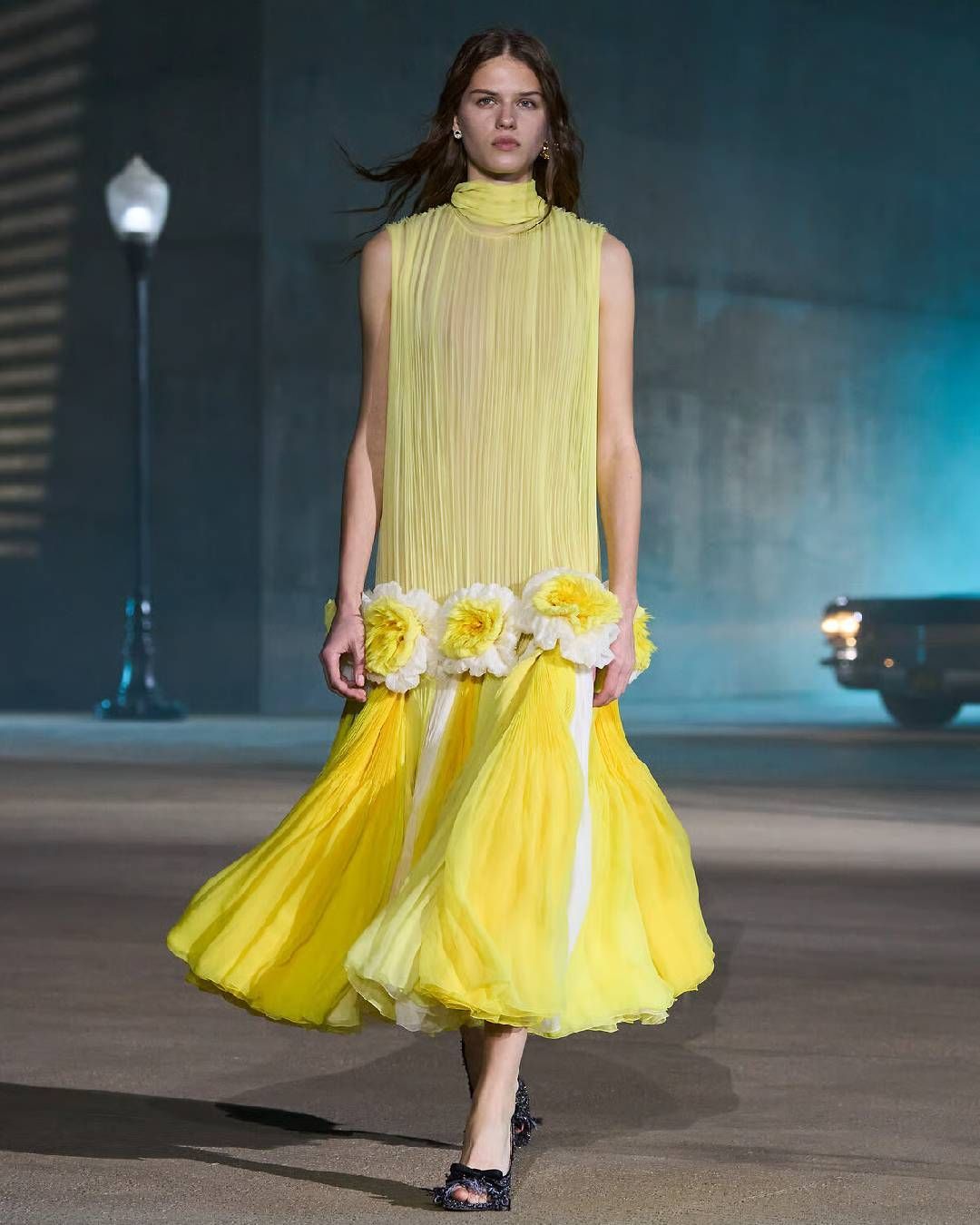
In 2008 he debuted with his first JW Anderson collection. From there, growth was rapid: in 2012 LVMH invested in the namesake brand, giving it structure and stability, and in 2013 he was appointed creative director of Loewe. In just a few years, he transformed the historic, and then stagnant, Spanish leather goods maison into one of the group’s most interesting realities, thanks to a perfect balance between craftsmanship and culture. At the same time, he carried on his own brand, which today is no longer just fashion but a true lifestyle laboratory.
Anderson is considered one of the most brilliant designers of our time. As a millennial, he understood that technological tools must be mastered and used to dialogue with consumer appetite, without being overwhelmed by trends. His collections never follow a single path, just like our on-life lives. A connoisseur, collector, and scholar of contemporary art, he moves like a curator. His exhibition Disobedient Bodies at the Hepworth Wakefield in 2017 is proof: a journey that put sculptures and works of art in dialogue with avant-garde pieces from his archive and the museum’s collection, reflecting on the relationship between body, fashion, and form.
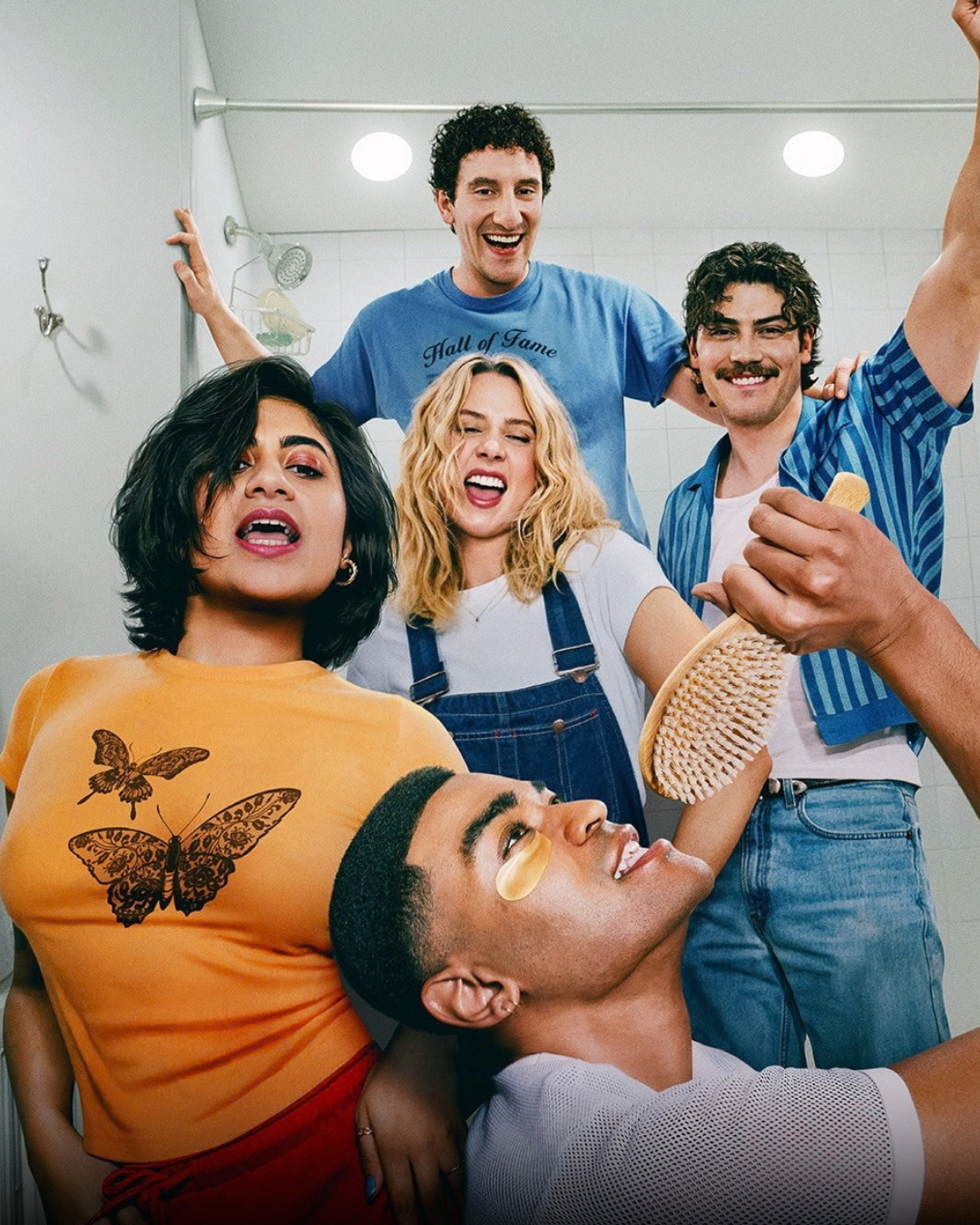
@loewe This was 100% @ayo’s idea and you cannot tell us otherwise. #AmbikaMod #MurrayBartlett #LOEWE original sound - LOEWE
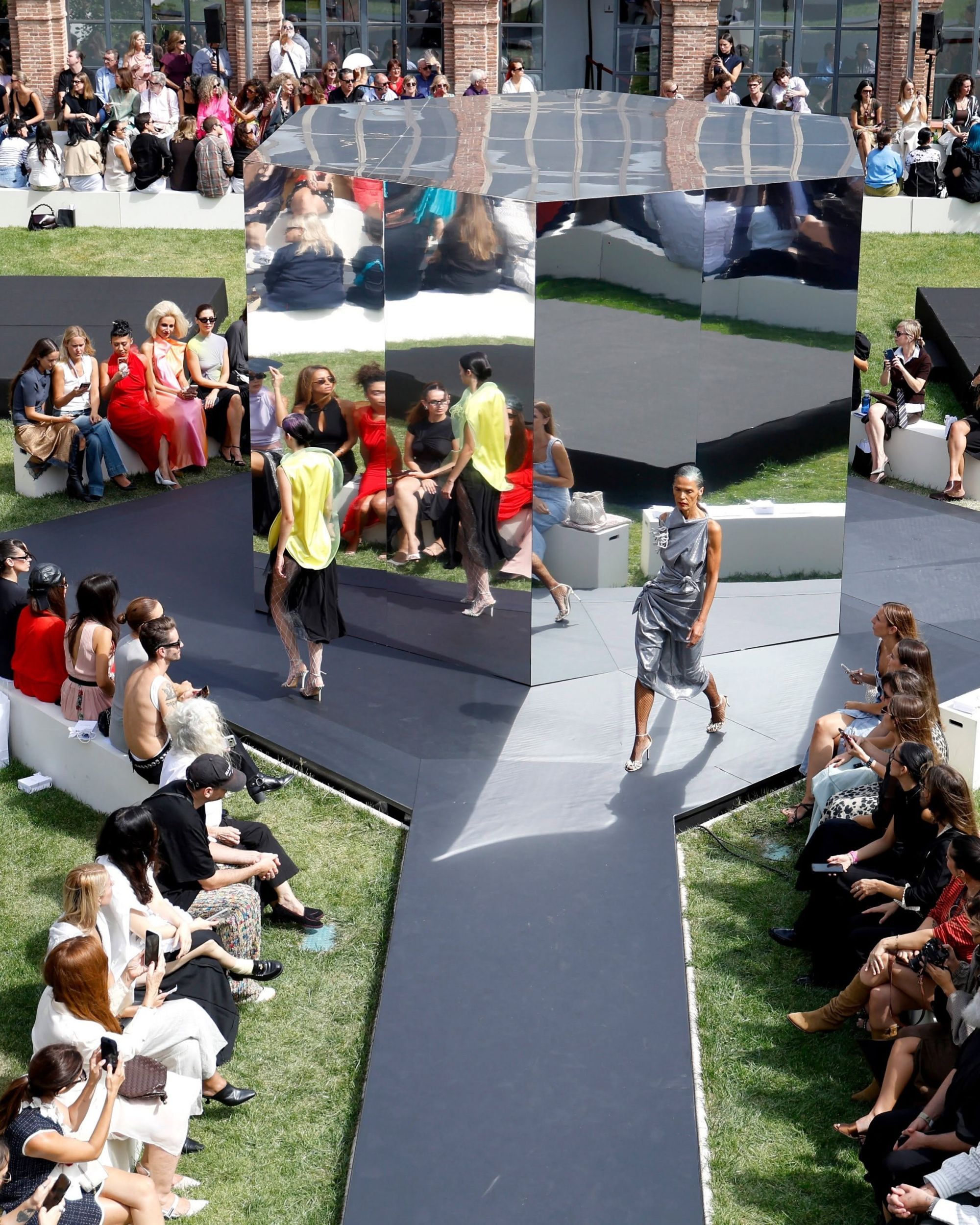
Anderson’s collections work like an afternoon spent scrolling on platforms: never a single narrative, but many fragments. Mini capsules that tell different stories and together form an ordered chaos, still capable of entertaining. And how much is entertainment lacking today in this world? Celebrities and actors in the front row fuel the show’s tension for those not interested in clothes, while installations like Lara Favaretto’s for Loewe FW24 — which, beyond emphasizing refined taste, amplify his status as a creative and his respect for the artistic sphere — demonstrate his ability to move naturally within the art world.
Alba Rohrwacher in Venice today. Could this be yet another peek at Dior womenswear by Jonathan Anderson? pic.twitter.com/P2AbdoVLcX
— linda (@itgirlbackup) August 28, 2025
These dualisms are the synthesis of our time: omnivorous and seemingly coherent. An approach reiterated also in his Loewe SS25 show, with the sculpture of a small bronze bird by Tracey Emin at the center of the runway, suggesting a bird’s-eye view, Anderson presented a series of recognizable archetypes — from the floral circle skirt to feathered t-shirts with Mozart and Van Gogh as nods to the merch world — explaining his approach with the words: «Putting out ideas, like archetypes that you believe in». Exactly the same method that led to his debut with Dior Homme and that fuels his incursions into cinema, beginning with Challengers alongside Luca Guadagnino: fashion as screenplay rather than just clothing production.
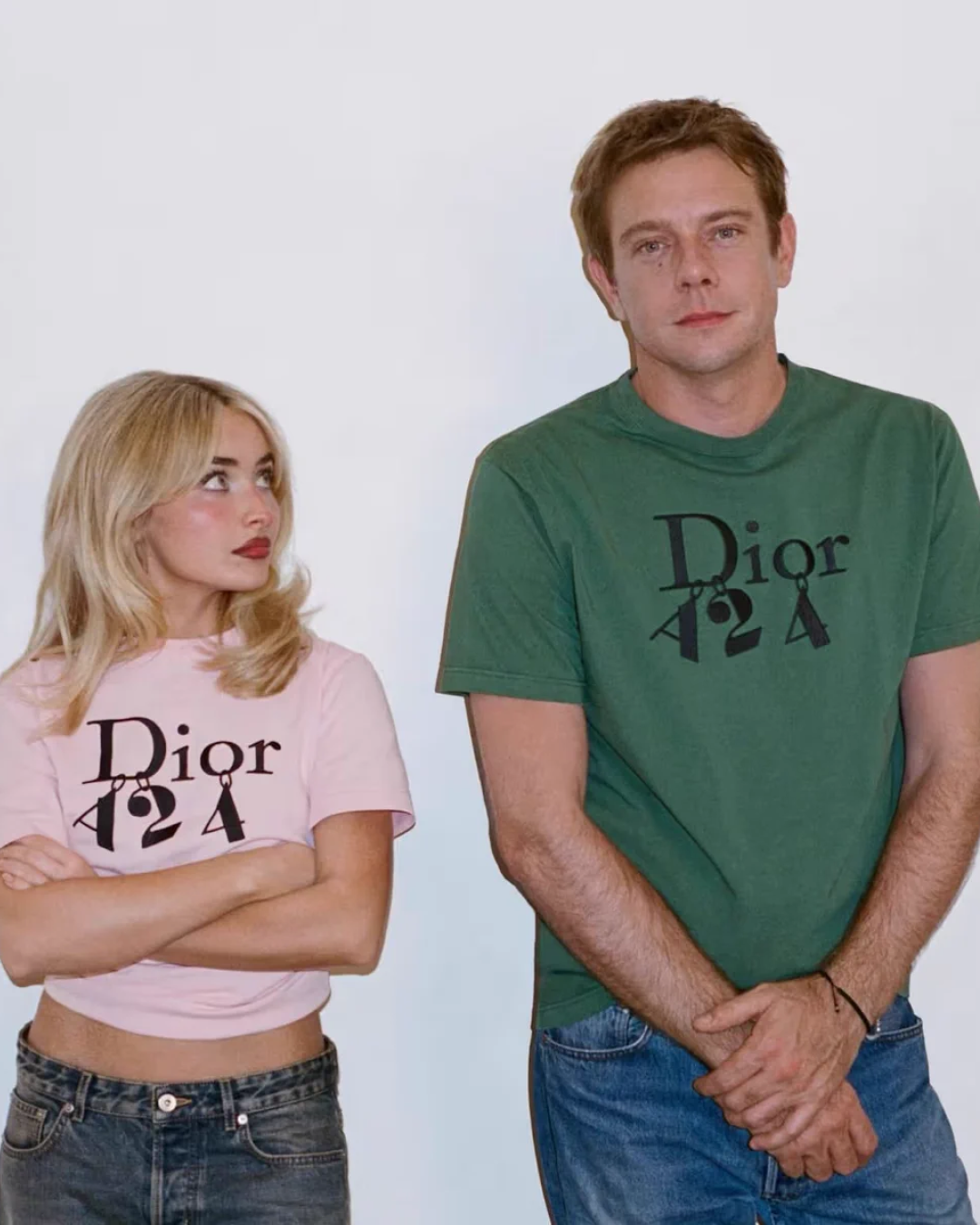
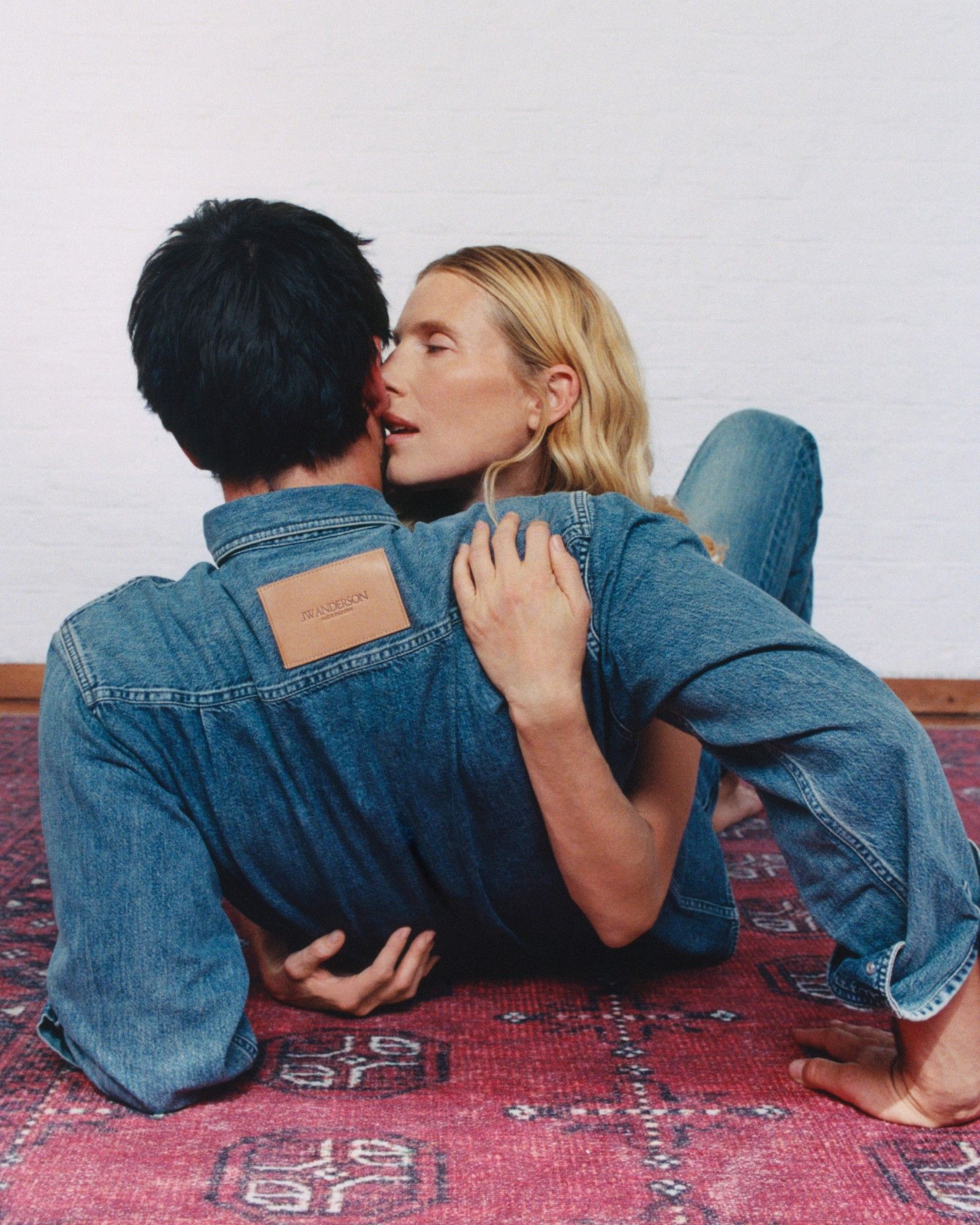
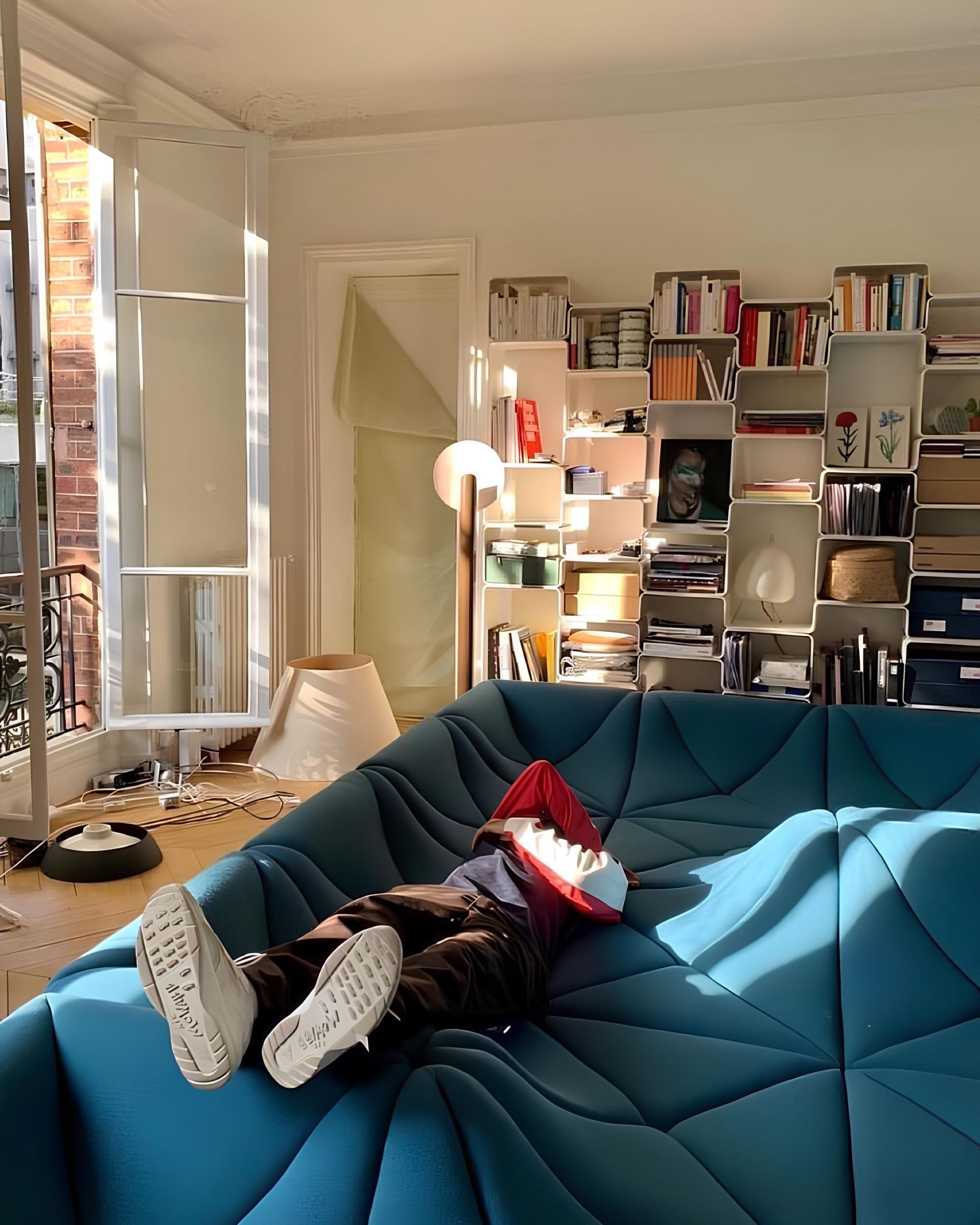
In a system that has exhausted codes and taken refuge in micro trends, Anderson’s curatorial attitude becomes a key to making the fashion world desirable again. He exercises it with clarity, irony, and method, between cigarettes and artist studio visits. And while we await to see what he will do next with Dior, his namesake brand has made a strategic choice: transforming from a clothing brand to a lifestyle brand, reprogramming its codes into an open laboratory. Over 560 objects — ceramics, vintage chairs, artisanal honey, books — narrate his aesthetic like a living archive. A choice that reflects the spirit of the times, one that increasingly pushes people to invest in an object rather than an overcoat.
Jonathan Anderson is a big mood pic.twitter.com/BsHoDbhW6k
— CONNOR (@homocowboi) August 29, 2025
The clarity with which Anderson interprets the present also makes him a potential subject of study. It is clear, now more than ever, that fashion is pure entertainment, a world increasingly close to cinematic storytelling and further removed from the production of mere wearable projects. In contemporary universities, studies are now central, as demonstrated by the famous course Politicizing Beyoncé at Rutgers University in New Brunswick (New Jersey). It would therefore not be surprising, in the future, to come across a course entirely dedicated to Jonathan Anderson.