























What is “Made in Italy washing”? When a label is no longer enough
Talking about Made in Italy today means starting a conversation about the scandals and production issues linked to Italian craftsmanship. Because faced with the wave of news related to outsourced luxury from renowned maisons like Dior, Valentino, Armani, and Loro Piana, and the strikes by workers in production centers in Tuscany and Emilia, it is difficult to still refer to Made in Italy as a synonym for quality and excellence. Everything that has come to light in recent months (as well as the way the press communicated it to the public) has radically changed consumers' perception of the Italian label, at a time when the fashion sector is struggling on all geographical fronts: Trump's tariffs have put the future of luxury and fast fashion in America at risk, the conflicts and wars in Asia and the Middle East have created difficulties in the global supply chain, all while China - once the main market for high fashion - now turns its back on European products. Within the fashion industry, there is talk of Made-in-Italy-washing (from greenwashing, referring to the false claims of brands wanting the benefit of marketing without the production effort), but talking to those who work in the Italian production chain is enough to understand that the washing has already happened, and now the industry is paying the consequences. But who is responsible? Who needs to step up to fix the situation? We asked Virginia Rollando, an industrial engineer focused on developing sustainable production tools, and Francesca Strigi Loddo, founder of Ube Studio, a footwear consulting agency that oversees the entire production process for client brands.
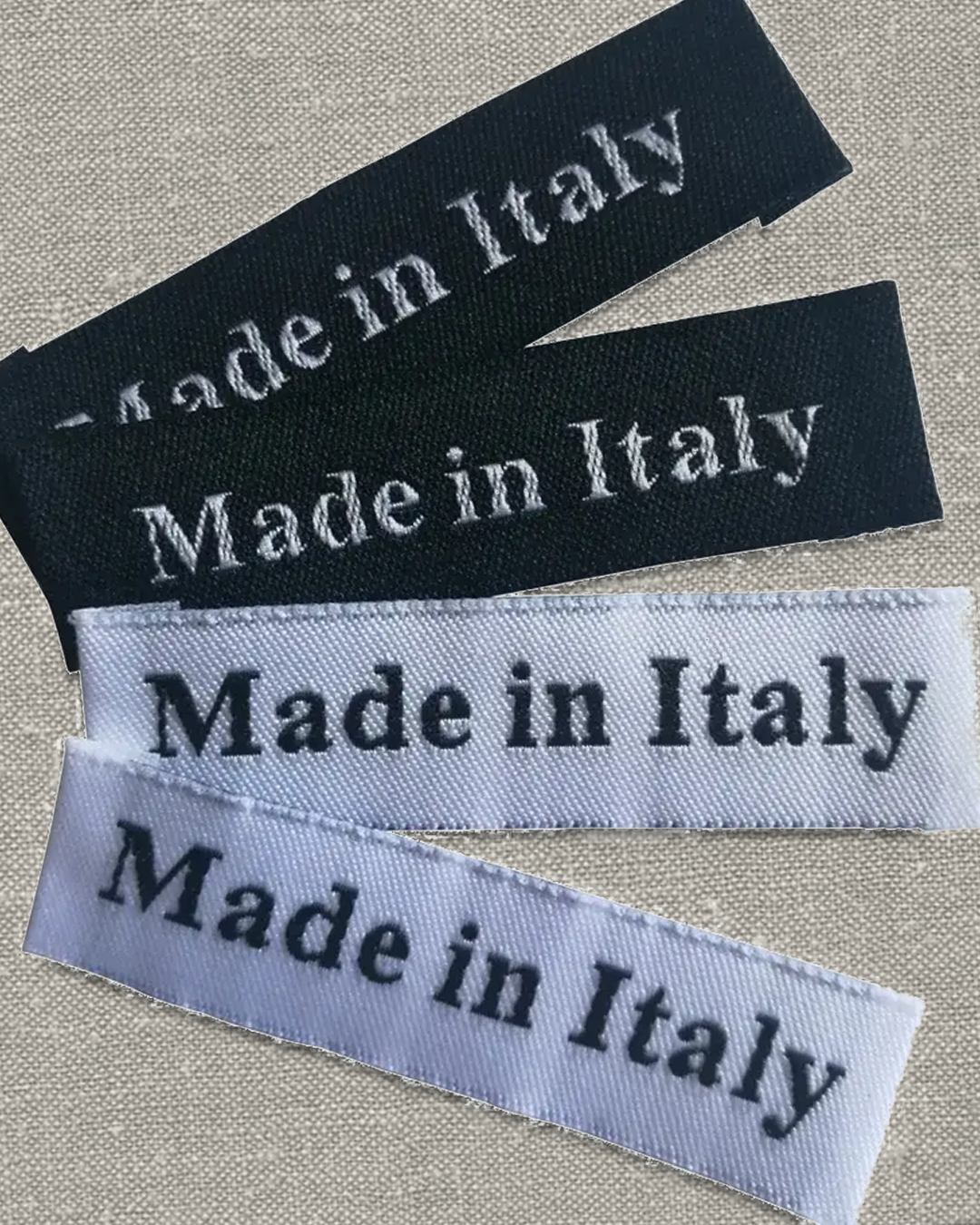
Let’s start with the meaning we’ve always attributed to the Made in Italy label: quality, craftsmanship, respect, and tradition - adjectives that until just a few months ago would come to consumers’ minds when they would find the label on the sole of a shoe or on a bag tag. «Very often people think that Made in Italy is a symbol of sustainability, but this is not always true,» explains Rollando, comparing the Western perception of the label to Made in Asia. In both continents, there are now «terrible factories as well as very sustainable ones,» but while Asia focuses more on efficiency «of materials, of energy, on upcycling waste and recycling, because everything has value,» in Europe, and particularly in luxury, as the focus shifts from quantity to quality, there are greater risks and waste. «In Italy, there are still beautiful artisanal processes, but there is no data, no monitoring of energy efficiency or water usage, and the waste management is not as transparent or sustainable as consumers believe.» And if the standards are lower in Asian countries, Rollando continues, it's because people have different living standards; in truth, she adds, there are far more controls in the Asian supply chain than in Italy. «There is so much more fear that more attention is paid to fair trade. In my opinion, the consumer who buys Made in Italy doesn’t even know that there is no minimum wage in Italy.» In short, we would do better to stop attributing values like sustainability and quality to a country: whether it’s luxury, craftsmanship, or even fast fashion, the value of an item does not depend solely on the place where it’s made, let alone what a label says.
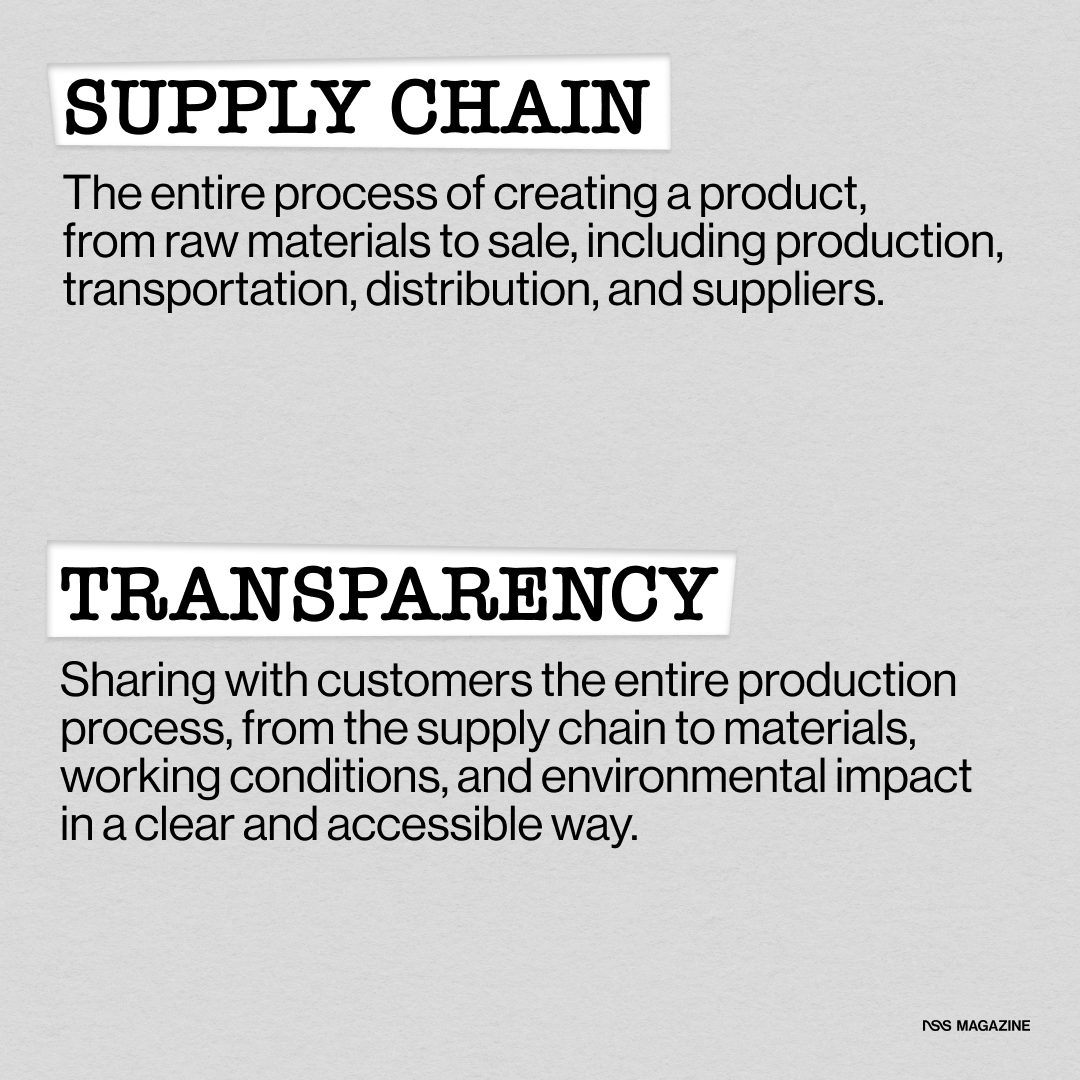
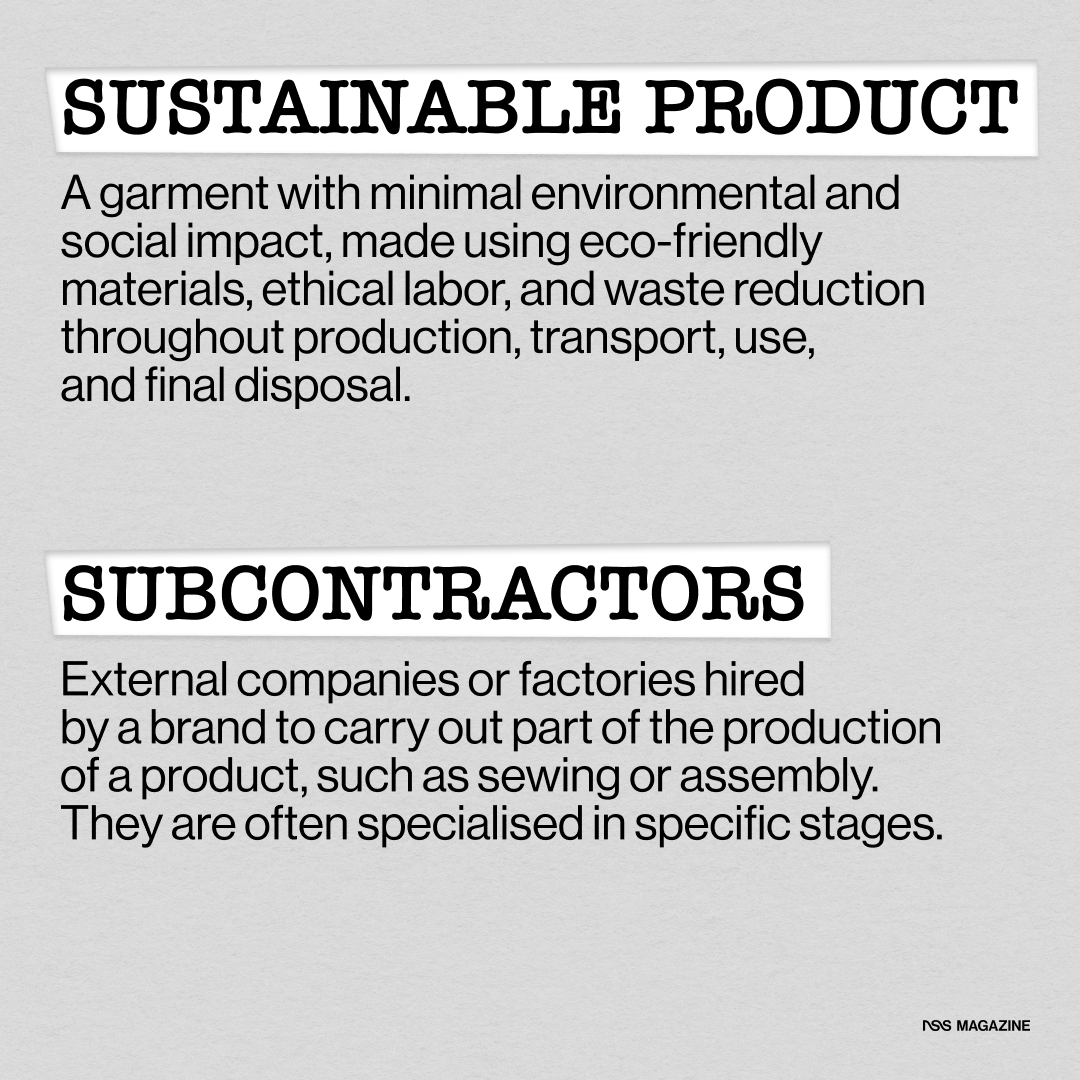
By now, says Rollando, «Made in Italy doesn’t mean anything.» There is an endless amount of information far more important than a label in determining whether a garment is ethical and sustainable. The place where materials are sourced and assembled has relatively little impact on the ethical value of a product: «What materials were used? Were the rights of the people involved in the supply chain respected? Is the item of a style and quality that makes it long-lasting?», these are just a few of the more important questions that companies and subcontractors should be asking themselves, adds Rollando, emphasizing that the fragmentation of production in Italy, that is, the division of labor among the now infamous subcontractors in fashion, makes Made in Italy an even more complicated matter, as confirmed by the latest news on the topic.
According to Rollando, the damage to the image of Made in Italy primarily concerns brands and large companies, those who profit the most, have the financial capacity, and the duty to choose which producers to rely on - «brands benefit from a fragmented supply chain, but if they want it to stay that way, they must take responsibility for the potential consequences». For Francesca Strigi Loddo, who with Ube Studio is tasked precisely with overseeing the entire production cycle, even though she acknowledges that part of the damage lies with companies choosing to pay less and “trust” subcontractors who operate without transparency, much of the blame lies with the media and social networks, which with sensational headlines and unclear texts confuse the consumer. «For a single shoe, there are at least twelve factories collaborating, and we manage everything,» says Strigi Loddo. «The issue is choosing suppliers who share your values, people who don't crush others for profit, which clearly costs a bit more.» Having grown up in a family of artisans crafting shoes for four generations, the founder of Ube Studio tells us that her greatest frustration in this challenging time for the industry is the inability to educate consumers on the difference between quality Made in Italy and what is merely a label.
In the production of clothing and accessories, the founder explains, the level of secrecy is exceptional, to the point that even sharing one’s knowledge online to make craftsmanship more accessible becomes difficult. Due to exclusive contracts with the brands she works with, Ube Studio cannot reveal anything about its production, a paradox in the much-celebrated transparency of Italian craftsmanship, which ends up hurting companies trying to protect their know-how more than those who might copy it. With social media filled with posts shouting about subcontractor scandals, yet lacking informative content about Italian manufacturing, confusion reigns. «There is so much misinformation, and that’s why so many people say Made in Italy no longer exists,» says Strigi Loddo. «I also think this is why big brands have never succeeded on TikTok, where you can do both entertainment and education.» In a scenario where Italian fashion is portrayed as a lost treasure, brands have taken refuge in aesthetics, an area where education is not lacking, just think of the impact nostalgia has had on recent Fashion Weeks, from the return of past it-bags to the broader stylistic dominance of entire decades. If Made in Italy once was synonymous with quality, today we can define it only on an emotional level, not a technical one.
Returning to the key topic, Made in Italy washing should not be seen as a dishonest practice used by all Italian producers, but it is time to move beyond the label. After all, some of the biggest names in Italian fashion are no longer just Italian: Loro Piana was acquired by LVMH in 2013, Bottega Veneta by Kering in 2001, Valentino by Mayhoola in 2012, and so on. It is therefore fair to consider the ownership changes of Italian brands as a catalytic and transformative moment for Made in Italy - no longer in the hands of executives who, being Italian or descendants of the founding family, felt a duty to protect it, but entrusted to those abroad who use it only for profit. It’s hard to defend the reputation of a label when the powers that be tarnish it as they please. «Why doesn’t Camera Moda come talk to us instead of the big brands?» is a question asked by artisans, young entrepreneurs, and workers who, like Strigi Loddo and many others, watch as support projects and investments go to already established companies, while their work (the very craftsmanship discussed above) ends up forgotten. Because scandals aside, what Made in Italy really needs now is a bit of compassion, from both the guilty who damaged it and from the press that shares its downfall with overblown headlines.