







































What are Gen Z's favorite foods? We went from avocado toast to matcha in the blink of an eye
There was a time when avocado, sushi and quinoa ruled lunch tables everywhere. During the golden years of the Millennials, before the rise of Gen Z, these were the trendiest foods, choices that reflected the globalisation of a generation raised on Facebook and WeRoad trips. Today, the eating habits of young people look very different, partly because food trends, like fashion trends, shift over time, and partly because Gen Z is famously a generation that likes to go against the grain. But how does Gen Z do its grocery shopping?
The obsession with Asian cuisine
When I was coming of age, there were millennial-coded groceries: kale, avocado, quinoa (which fell off, but that’s another story). Are there gen-Z groceries?
— The Unahugger (@ned_flaczynski) November 18, 2025
A few days ago, user @TheUnahugger asked the X community: «What exactly is in Gen Z’s grocery haul?» Countless users (743) responded, highlighting a huge number of references to Asian dishes.
Among Gen Z’s favourite Asian foods, there is certainly matcha, the traditional Japanese green tea known for its aromatic profile. Walking through the world’s major cities, it’s impossible not to notice the proliferation of bars and cafés offering drinks and desserts based on matcha, constantly shared across social media.
The various Chinatowns, from London to New York, have become the main shopping hubs for young people, since they offer all the currently most desired foods. Thinking of Milan, via Paolo Sarpi alone offers dishes from across the entire Asian continent, from kimchi to ramen. Even when it comes to sweets, Gen Z is fascinated by desserts from the East, such as Japanese mochi, rice flour treats that, after gaining visibility on social media, have become one of Gen Z’s favourite snacks.
Ozempic has reshaped young people’s diets
Among the most popular responses under the X post were also baked goods — croissants, cinnamon rolls and pastries — which have become some of the most viral foods on social media, along with the specialised bakeries that make them, such as Signor Lievito in Milan or Mamiche in Paris.
Gen Z’s love for baked goods is somewhat paradoxical, considering the effect that Ozempic is having on people’s diets. The weight-loss drug, initially launched in the US and now increasingly used worldwide, has introduced new food behaviours: by acting on the hunger levels of its users, the widespread adoption of weight-loss drugs has effectively reduced sales of snacks and junk food, as reported by the New York Times.
Just think of the “small plates” trend, with tables filled with assorted mini-dishes, for some reason almost always served in steel bowls, meant to be shared among friends. Or the “Girl Dinner”, a term coined by TikTok to describe dinners reduced to a board you just pick at. Of course, neither trend exists because of Ozempic alone, but the overlap is still a rather ironic coincidence.
A more mindful way of shopping
Beyond the attraction to Asian dishes and the rise of small-plates trends, the ethical factor also plays an important role in the new generation’s grocery habits. The increased attention given to products is evident in the haul videos posted on social media, both in terms of quality and quantity. Judging from TikTok videos, Gen Z seems to have a real passion for fruit and vegetables. But not just any fruit and vegetables — they have to be bought at the market.
Last year the organic sector recorded a 4.5% increase in sales, affecting countries all over the world. This is an important sign for food trends, with young people among the first buyers of organic products.
Gen Z has also revived an aesthetic that had been fading: the return to neighbourhood markets has brought back the idea of a slow life, typical of the period before the economic boom of the 1970s, when people’s lifestyles radically changed under the influence of consumerism. Today’s young people no longer want to buy things just to indulge themselves — they want to enjoy the act of shopping itself, while also paying attention to reducing waste.
The Gen Z grocery cart is a perfect balance between awareness and curiosity: from locally sourced market products to the wide variety of Asian dishes. The new generation’s goal is to set itself apart from the Millennials, whose tables were certainly full of food but lacked quality. All that’s left is to give Gen Z’s way of grocery shopping a chance, while we wait to discover what the tastes of the upcoming Gen Alpha will be.
What to read next

What does the return of “Girls” mean today?
Lena Dunham has announced a reboot of the cult series, here's why we're excited

Gen Z is spending more on art than any other generation
A new Arts Economics report on global collecting reveals the trend
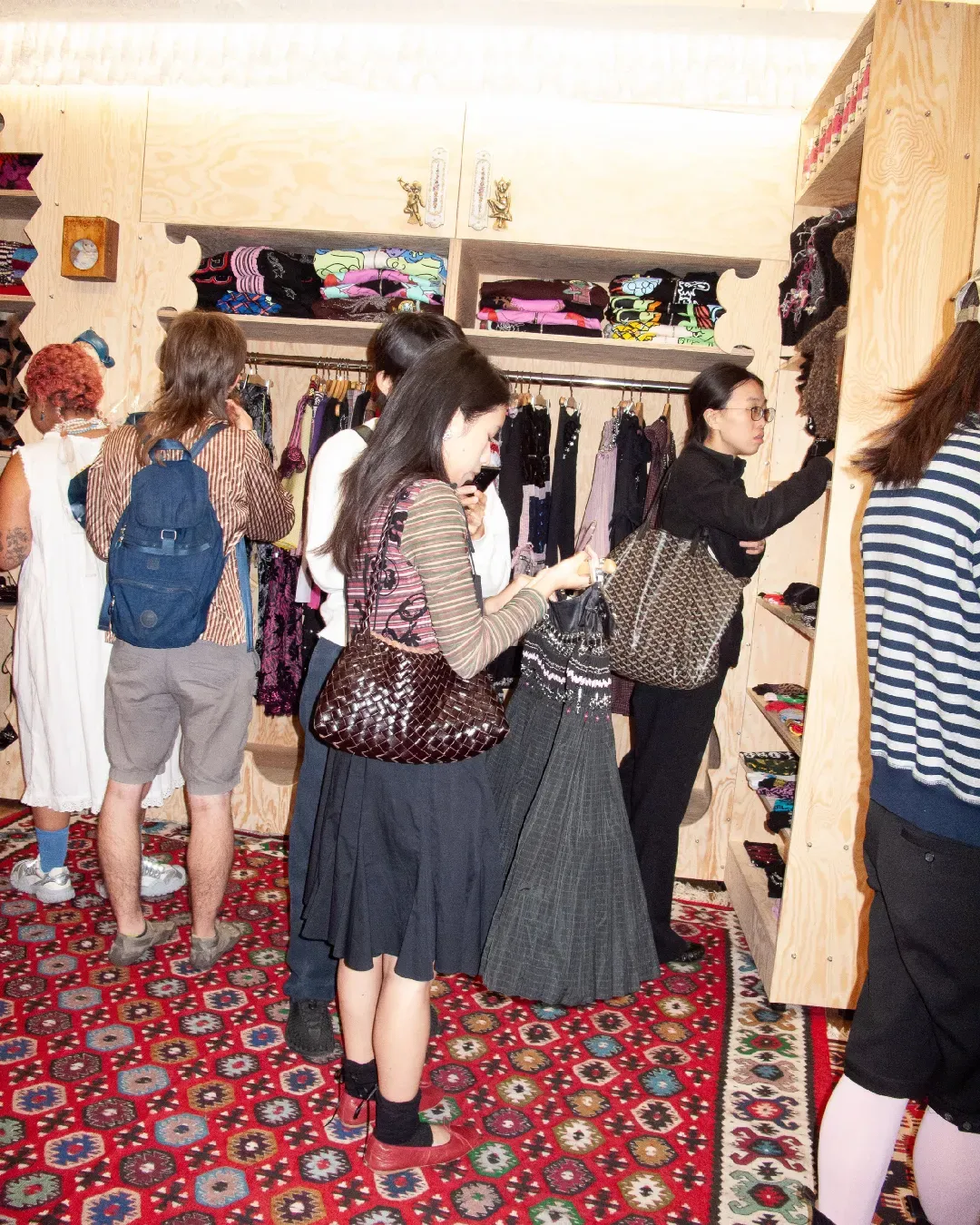
How Gen Z is changing the rules of physical retail
From clubhouses to test labs, new brands are transforming stores into something that goes far beyond shopping