



















What is a mockumentary? Charli xcx is ready for her The Moment and follows the long tradition of one of cinema's most creative genres
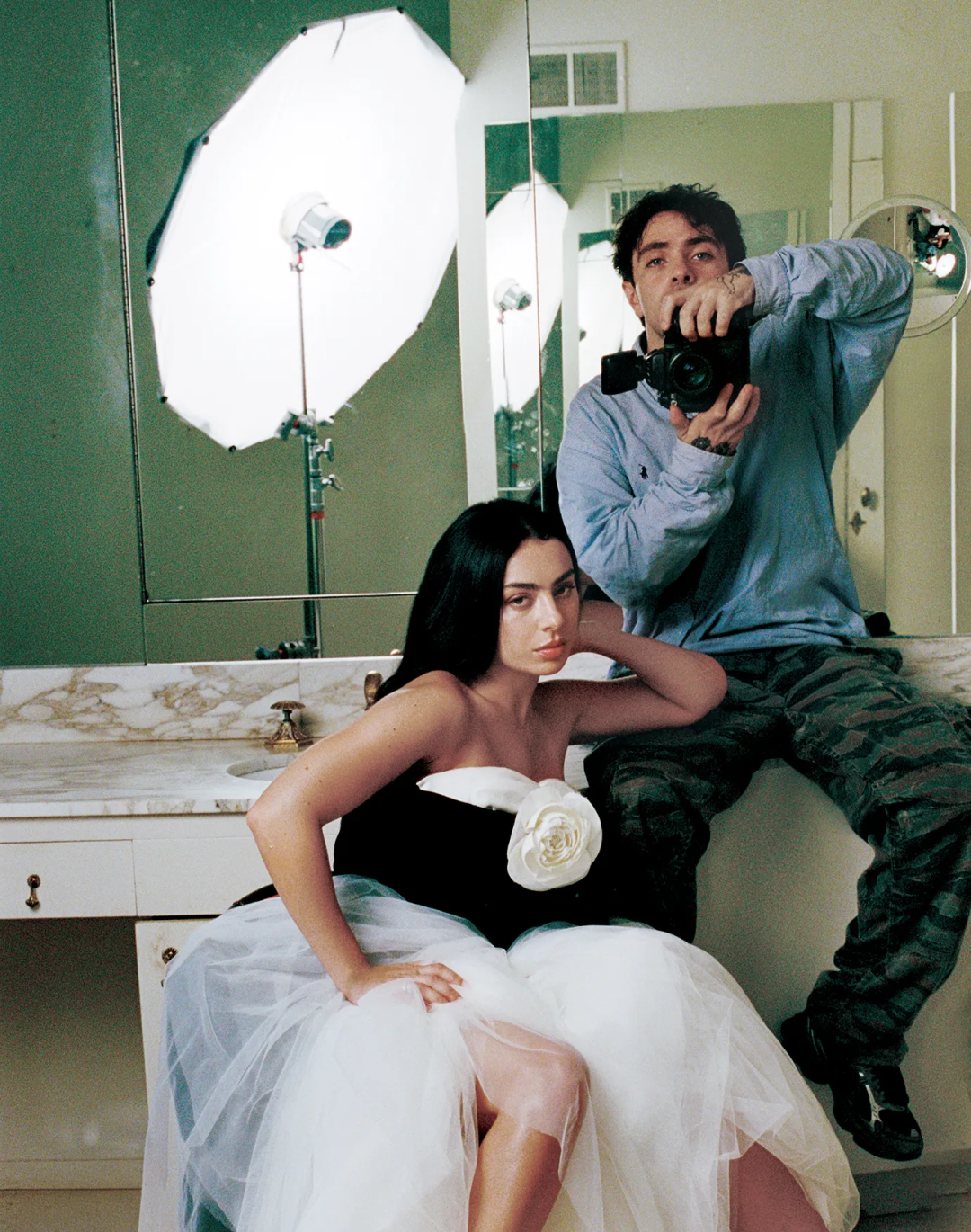
The Moment is the next film set for release in 2026, starring Charli xcx, and it may share several similarities with Akiva Schaffer and Jorma Taccone’s 2016 film Popstar: Never Stop Never Stopping. It tells the story of two music icons, one embarking on her first world tour and the other retracing the origins of her success, both fictional yet narrated as if they were real. One, The Moment, is more psychedelic and hallucinatory. The other, Popstar, is purely comedic with a tendency toward the absurd. So distant yet part of the same cultural humus, the two films belong to the mockumentary genre, a type of storytelling that appears rooted in truth while nothing on screen is actually real. There are even times when the main character plays themselves, as in The Moment.
What is a “mockumentary”?
But in a mockumentary, it is always an alternative version of the protagonist, a world that becomes parallel and which, in the case of Aidan Zamiri’s work, is described by the debuting director (already behind several Charli xcx videos, as well as ones for Billie Eilish and FKA Twigs) as the story of the British popstar during the Brat Era if she had made all the wrong choices. The Moment is therefore both the singer’s experience and its exact opposite, while in Popstar: Never Stop Never Stopping the protagonist Conner4Real, played by comedic genius Andy Samberg, was entirely invented by its creators despite being treated as one of the most influential names in the global rap scene.
The blurred boundaries between real life and fiction multiply within the mockumentary format. That is why, in 2010, it wasn’t hard to believe that Joaquin Phoenix was as unhinged as he appeared in Joaquin Phoenix – I’m Still Here by Casey Affleck, so much so that his famous interview on the David Letterman Show became unforgettable. Promoting James Gray’s previous film Two Lovers and already preparing the mockumentary about abandoning his acting career to pursue hip-hop, Phoenix showed up with a long beard and sunglasses, mumbling his words and creating a deep sense of discomfort.
Some of that footage ended up in Affleck’s film, and a year later Phoenix returned to late night television to explain what had happened. The stunt helped cultivate an aura of mystery and questions both inside and outside the screen for a mockumentary that required the boundary between true and false to become incredibly thin, to the point of the two bleeding into one another. And within the genre, characters are often either real people retelling their own stories or fictional ones rendered so authentic that they are mistaken for real.
The birth of mockumentaries
It begins in 1964 with what some consider an early form of the mockumentary: A Hard Day’s Night, which reconstructs the Beatles’ rise and success by creating a sense of authenticity as John, Paul and George search through London for Ringo so they can perform. Many others followed. From This Is Spinal Tap—remaining in the musical realm—a benevolent parody of the heavy metal scene directed by Rob Reiner, to Forgotten Silver by Peter Jackson, about the fictional New Zealand cinema pioneer Colin McKenzie.
With mockumentaries, some characters have become more real than reality itself. This might not have happened to the populist conservative candidate in Bob Roberts, played and directed by Tim Robbins, but it certainly did for Borat, the Kazakh journalist brought to life by Sacha Baron Cohen in 2006. Not only did the film become one of the most hilarious and irreverent titles in cinema history, but it cemented its protagonist so deeply into pop culture that even those who have never seen the film know exactly who Borat Sagdiyev is.
Success through horror
it fascinates me how they made the blair witch project with the budget equivalent of a dominos pizza and then with only internet marketing proceeded to make 250 million dollars and create a whole new genre of horror. truly revolutionary
— dəb (@pinkishincolorr) November 19, 2025
Yet it is with horror and fantasy that the genre seems to have forged a pact from the start. Dating back to the 1960s, a golden age for literary and cinematic horror and science fiction, the mockumentary arguably found its true beginning in 1965 with Peter Watkins’ hybrid The War Game, whose fate mirrors that of Orson Welles’ 1938 War of the Worlds, in which the Mercury Theatre on the Air reimagined H. G. Wells’ sci-fi novel as a radio broadcast. The BBC’s pseudo-documentary begins by depicting a nuclear war and showing the consequences citizens and the world must face, deemed so shocking that it was banned from public broadcast and shown only in theatres. Paradoxically, it won the 1967 Oscar for Best Documentary.
Both works act as precursors to Matt Reeves’ 2008 film Cloverfield, which feels not only like a recording of extraterrestrials invading a terrified New York, but also like an example of what could truly happen if alien contact were ever to occur under unfriendly conditions. A film that appears real in its false documentation, following the low-budget, high-impact formula that had revolutionised the horror genre and ushered in digital filmmaking in 1999 with The Blair Witch Project, a found-footage film shot on Digital 8 and 16mm that significantly boosted the box-office potential of independent cinema.
The Italian mockumentary
Even in Italy, the mockumentary has produced notable examples. The most recent and subversive one, pushed outside the rules by an auteur who has never wished to conform to industry conventions, is Franco Maresco’s Un film fatto per Bene, where the existence and artistic mission of the Sicilian director, along with his obsessions and worship of Carmelo Bene, merge into one giant provocation that aims—without ever declaring it—to upend the face of the medium and its industry.
But ten years earlier came Pecore in erba by Alberto Caviglia, the story of a young man celebrated as a national hero for his obsessive dedication to antisemitism. A precise and pointed satire full of surreal irony that became something of a cult anomaly within the Italian landscape.
Mockumentary TV series
@theoffice Dwight is prepared for every situation imaginable. #theoffice #office #funny #comedy #fyp #foryou #foryoupage #dwightschrute #wigs original sound - The Office
However, the realm in which audiences have become most familiar with mockumentary storytelling—at least from the early 2000s onward—is that of TV series, particularly comedies. In an era of uncontrollable serialisation, sitcoms found in faux interviews and direct-to-camera glances their natural ecosystem in which to flourish, giving rise to some of the finest television gems of the present and future. Among them, the genre is forever indebted to The Office—yes, the American version, but first and foremost the original British one. And equally unforgettable are its offshoots, such as Parks and Recreation from the same creators Greg Daniels and Michael Schur, or the decade-long Modern Family.
With a 2025 comeback for The Office through the spin-off The Paper, set in the same professional universe as Michael Scott and his colleagues but relocated to the newsroom of a local paper. Everything is fake in the magical, unpredictable, imaginative world of mockumentaries. All you need is one thing that is real: a great idea. And for the upcoming The Moment, that idea comes directly from Charli xcx’s mind.
What to read next
Clayface is the first truly horror superhero film
The lead is Tom Rhys Harries, and the story concept comes from Mike Flanagan of "The Haunting"
"I Play Rocky" is more than just a film about Sylvester Stallone
Peter Farrelly's work had its premiere at the Rome Film Festival and will be in cinemas from December 31
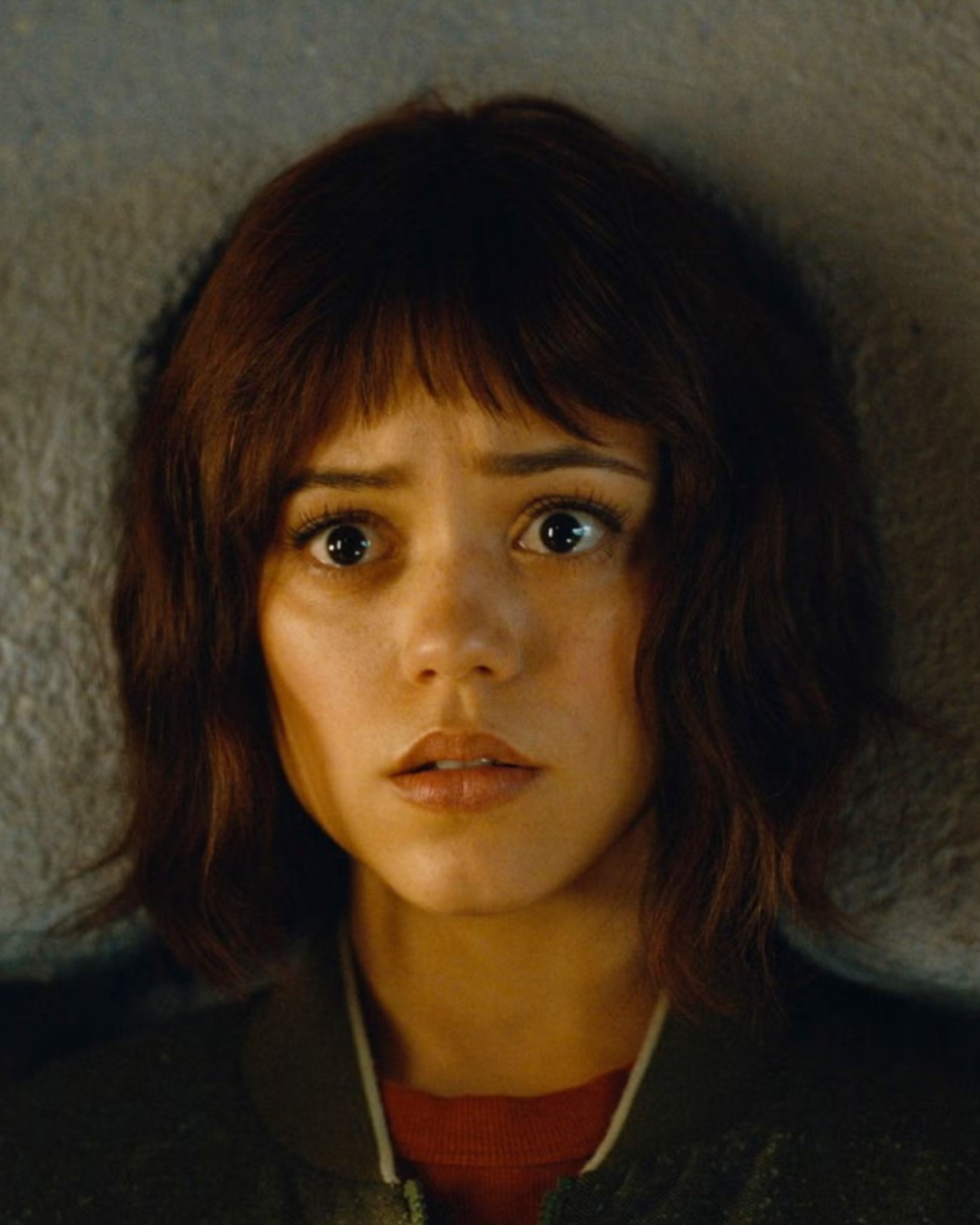
"Klara and the Sun" by Taika Waititi is a complete misfire
The film starring Jenna Ortega had its premiere at the Rome Film Fest and is in cinemas from October 22