























Creative directors want a soft launch too Why a teaser look on the red carpet is often better than a plain debut
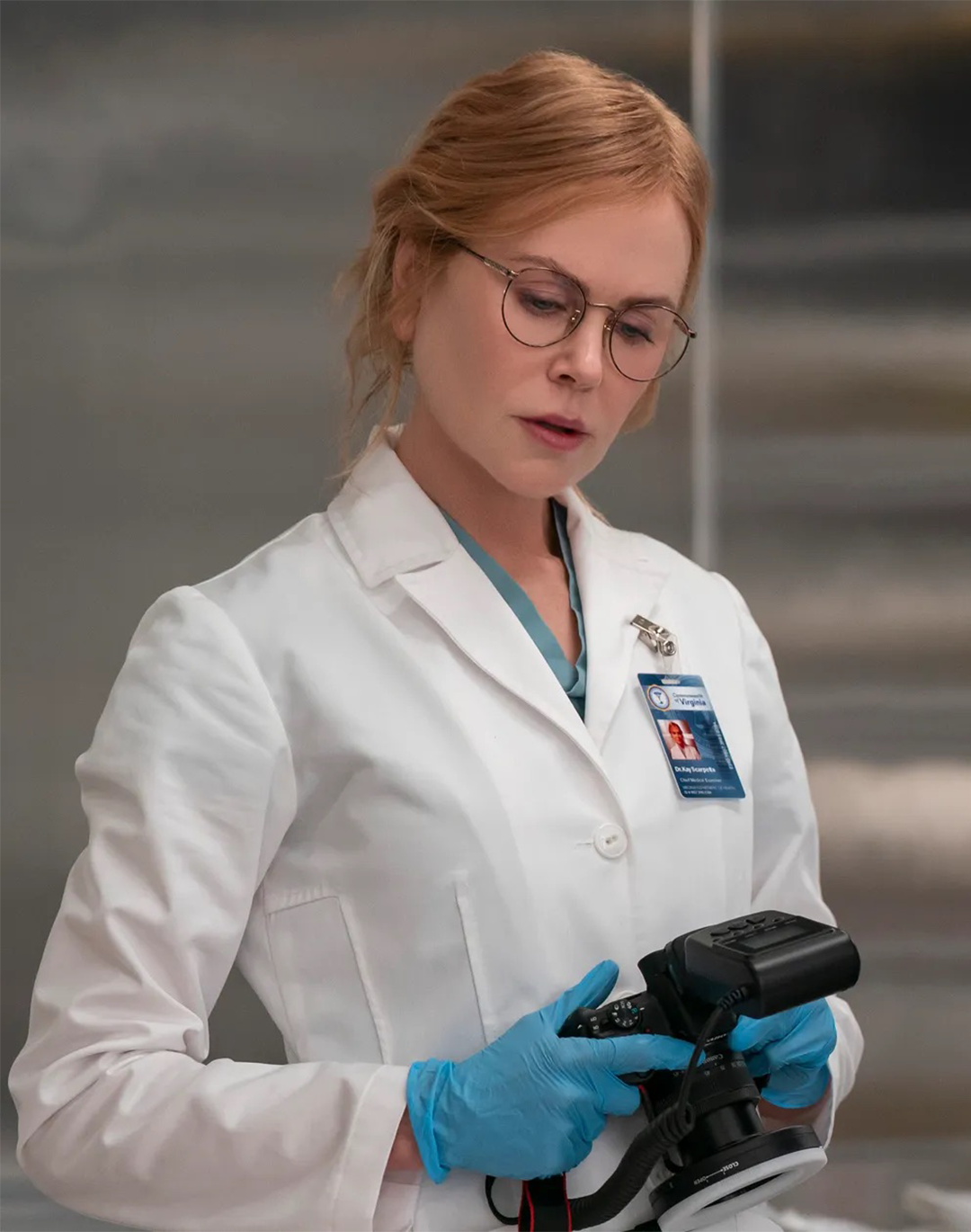
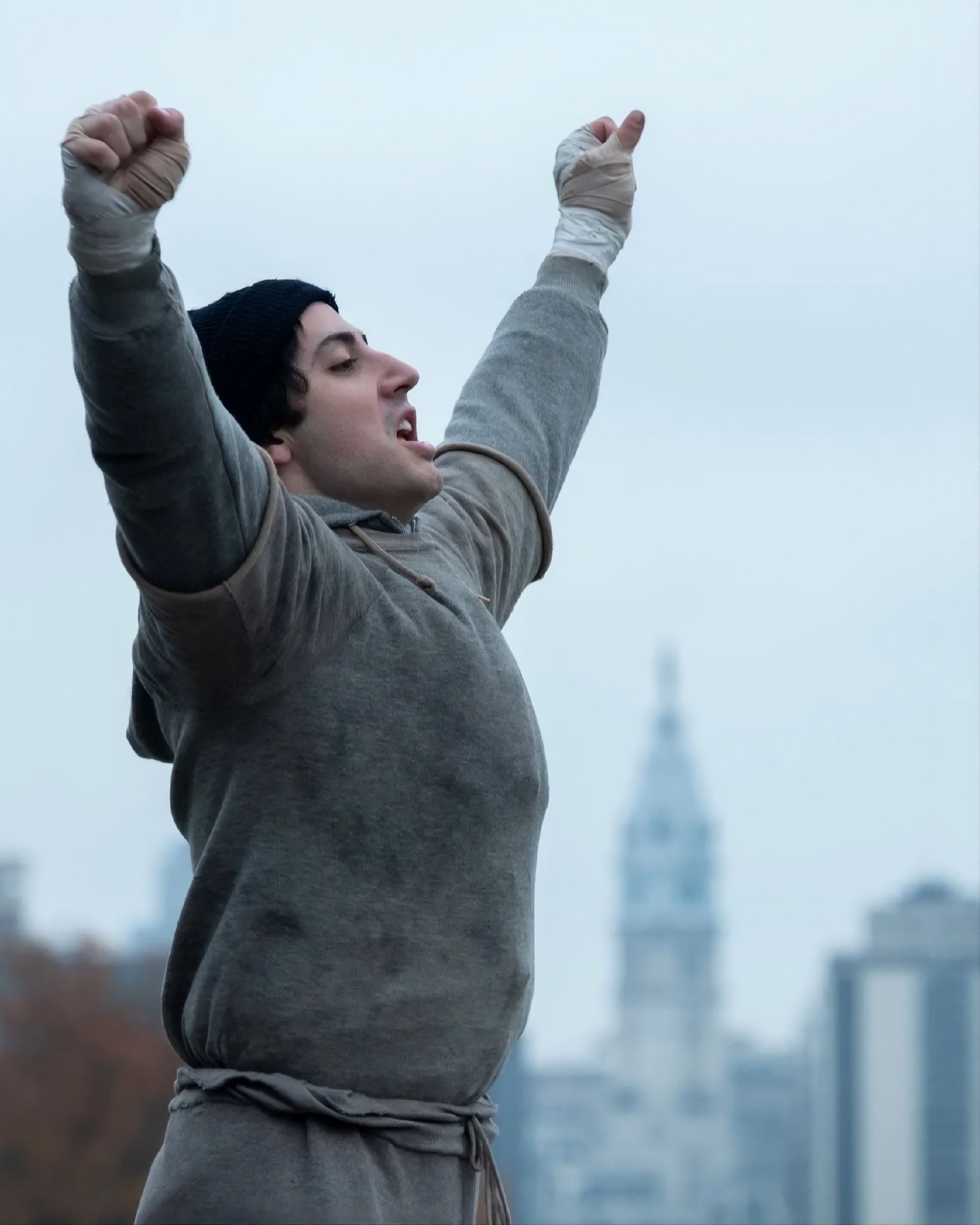
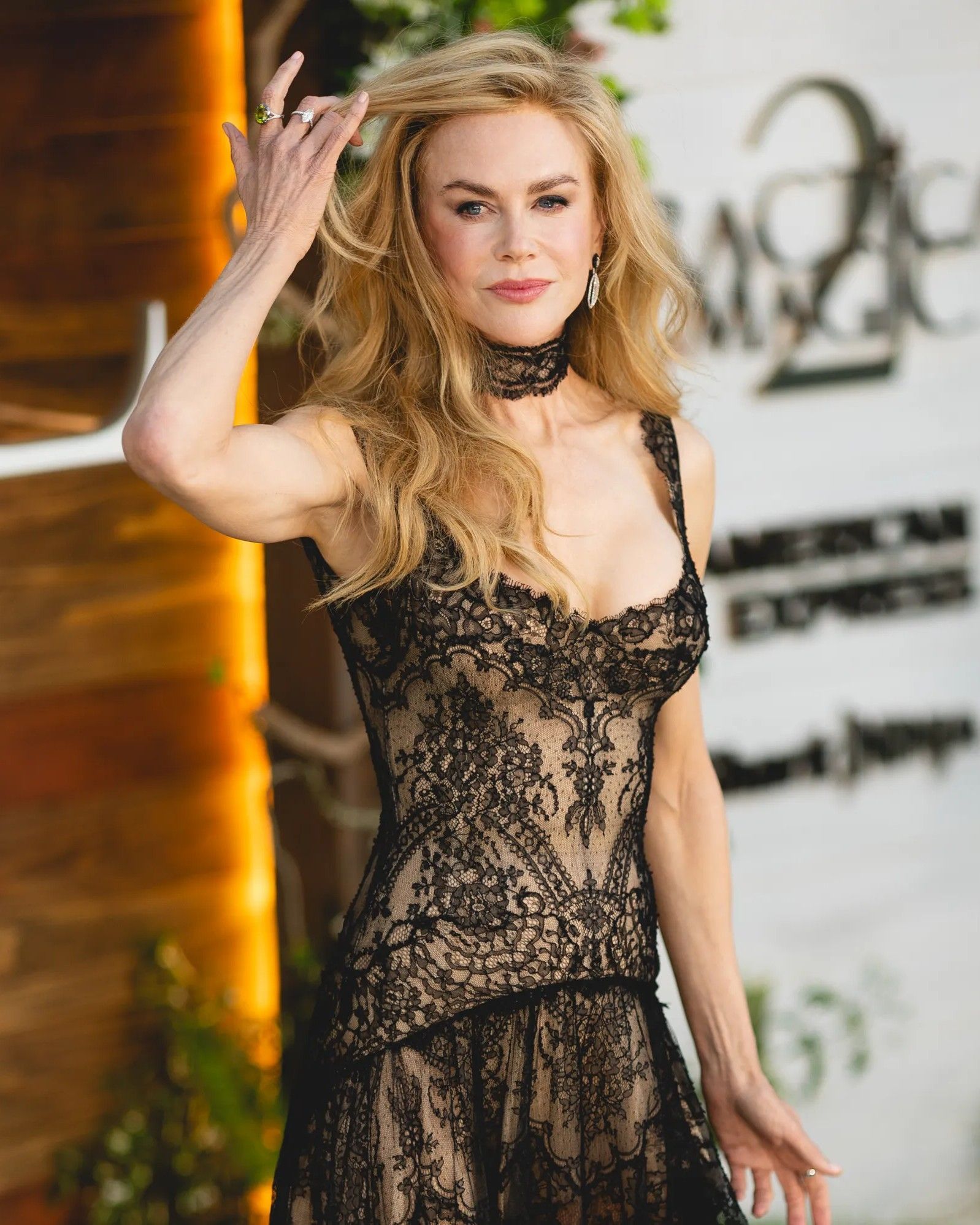
For the past few days, everyone has been talking about Nicole Kidman's look at the premiere of Practical Magic 2. Not because the actress's outfit was particularly shocking, but because the look was the first taste of the "new" Versace under Pieter Mulier. Following the complicated Dario Vitale affair, who is now rumoured to be heading to Emporio Armani, curiosity about what we'll see on the Versace runway next February is through the roof. And this first teaser did exactly what it was meant to do: it got people talking about the brand before a single full collection had even appeared. And Versace is not the first to adopt this strategy.
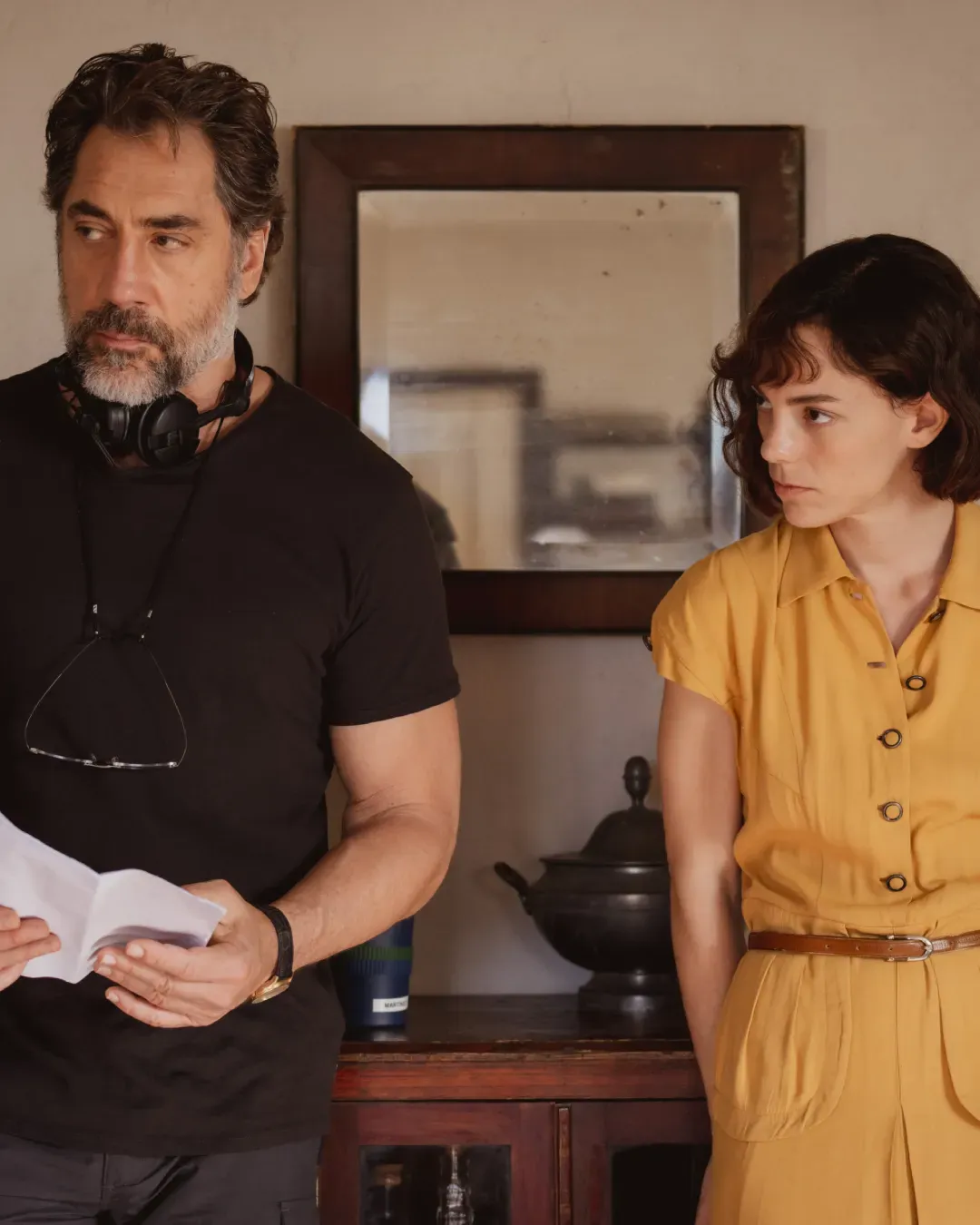
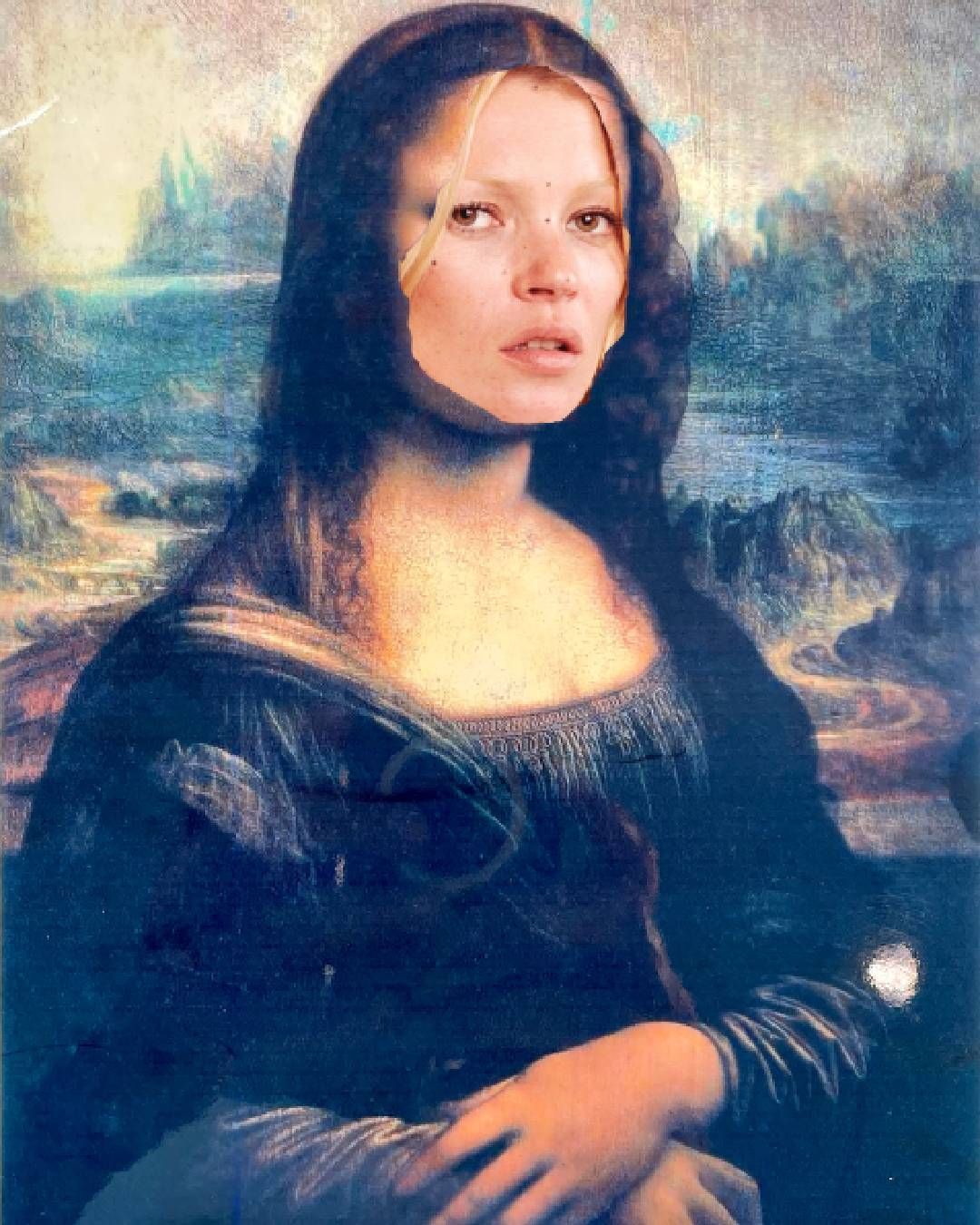
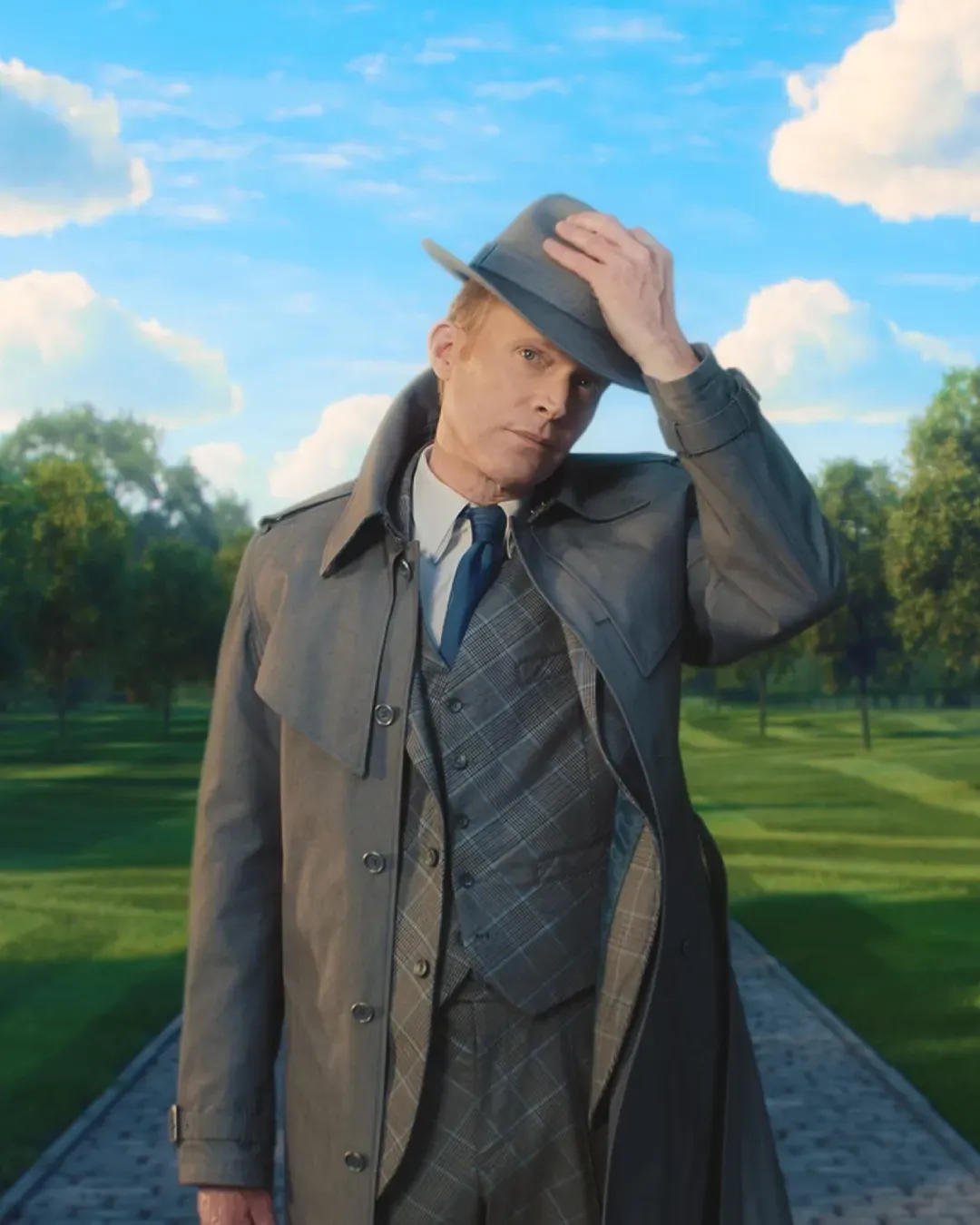
For about a year now, in fact, while waiting for a new creative director to make their runway debut, the red carpets of major festivals, premieres and award ceremonies have become the means of keeping public interest alive. A year ago, at the Venice Film Festival, it all came together at once: Julia Roberts previewed Versace by Dario Vitale, Ayo Edebiri arrived in the first custom piece from Chanel by Blazy, while Greta Lee, Mia Goth, Alba Rohrwacher and Andrew Garfield offered a preview of the "new" Dior by Jonathan Anderson. Last May, at Cannes, Julianne Moore unveiled the first evening look from Louise Trotter's tenure at Bottega Veneta. Timothée Chalamet, meanwhile, wore the first teaser look from Tom Ford by Haider Ackermann at the 2025 Golden Globes, and from Givenchy by Sarah Burton at the Oscars.
But why do all these major brands prefer a soft launch to a straightforward runway show?
The discreet allure of the soft launch
Fashion today moves fast, thrives on public attention and, above all, lives and dies by first impressions. A teaser look on the red carpet ticks all three boxes: it gives impatient audiences a preview, generates a surge of attention and engagement, and creates a strong first impression. It is no coincidence, in fact, that all the previews we have seen in recent months were not truly indicative of what we would later see at the first show. On the contrary, they were relatively generic designs onto which audiences could project their own expectations.
In an era of monetisable and measurable attention, a single star presenting the world with a new creative director's first design generates a spike in media coverage that is often, if you'll forgive the expression, "zero-calorie". An entire collection can be criticised, can have strengths and weaknesses; but a single look worn by the ultimate Hollywood icon can be simply admired, and nothing more. Looking at everything written about Nicole Kidman's look, for instance, one notices that every article contains the same content, reducible to the sentence: "This is the first preview — what will the rest look like?" There is nothing else to add or explore, yet the clicks remain the same.
One might also assume that the teaser-look technique serves to gauge audience preferences, but that is hard to believe. In fashion, creative directors are allergic to any form of feedback: surviving the pressure, especially at the highest levels, requires a blind self-confidence that precludes any genuine course correction. It seems more likely, instead, that teaser looks — typically simpler in design — are safe bets for generating conversation without causing division and, above all, without needlessly exposing new designers to public ridicule.
The problem of saturation
Nicole Kidman in Atelier Versace.
— Aurella (@allurehaven) September 1, 2026
Sometimes a single dress can make as much noise as an entire runway. pic.twitter.com/5aJr5msa71
Now that this practice seems to have become firmly embedded in the industry's modus operandi, the most predictable thing of all has happened: it has become a cliché. As noted above, these media moments are "zero-calorie," and the sad truth is that their longevity in the cultural conversation rarely outlasts a tweet or a viral post, which within seventy-two hours at most is swallowed back up by the churning sea of real and fake news, gossip, AI slop and stan account speculation.
It doesn't help, either, that these looks are so aesthetically cautious. If in the early 2000s controversy was courted and, even without deliberate transgressions, a particularly daring look could embed itself in pop culture (think of Björk's swan dress at the 2001 Oscars, Gwyneth Paltrow's Gucci suit at the '96 VMAs, or even the thong dress by Eduardo Lucero that Gillian Anderson wore, also in 2001), today the preference is to harvest engagement online without ruffling feathers or running into unwelcome surprises.
In other words, the practice of soft-launching a new creative director through a first preview look risks becoming an overly widespread and monotonous protocol — one that exhausts its novelty after an initial surprise effect and, above all, leaves little lasting impression beyond superficial curiosity. Perhaps it is fortunate that the great creative reset is now over and that, consequently, there will be no need to soft-launch anyone in the coming years, if things remain as they are. At the same time, however, this new convention offers a telling portrait of an increasingly corporatised fashion world that wants to astonish but no longer knows how to shock.
What to read next
Prada Group revenues continue to grow at double-digit pace
The company closed the first half of 2026 with an 11% increase in turnover