























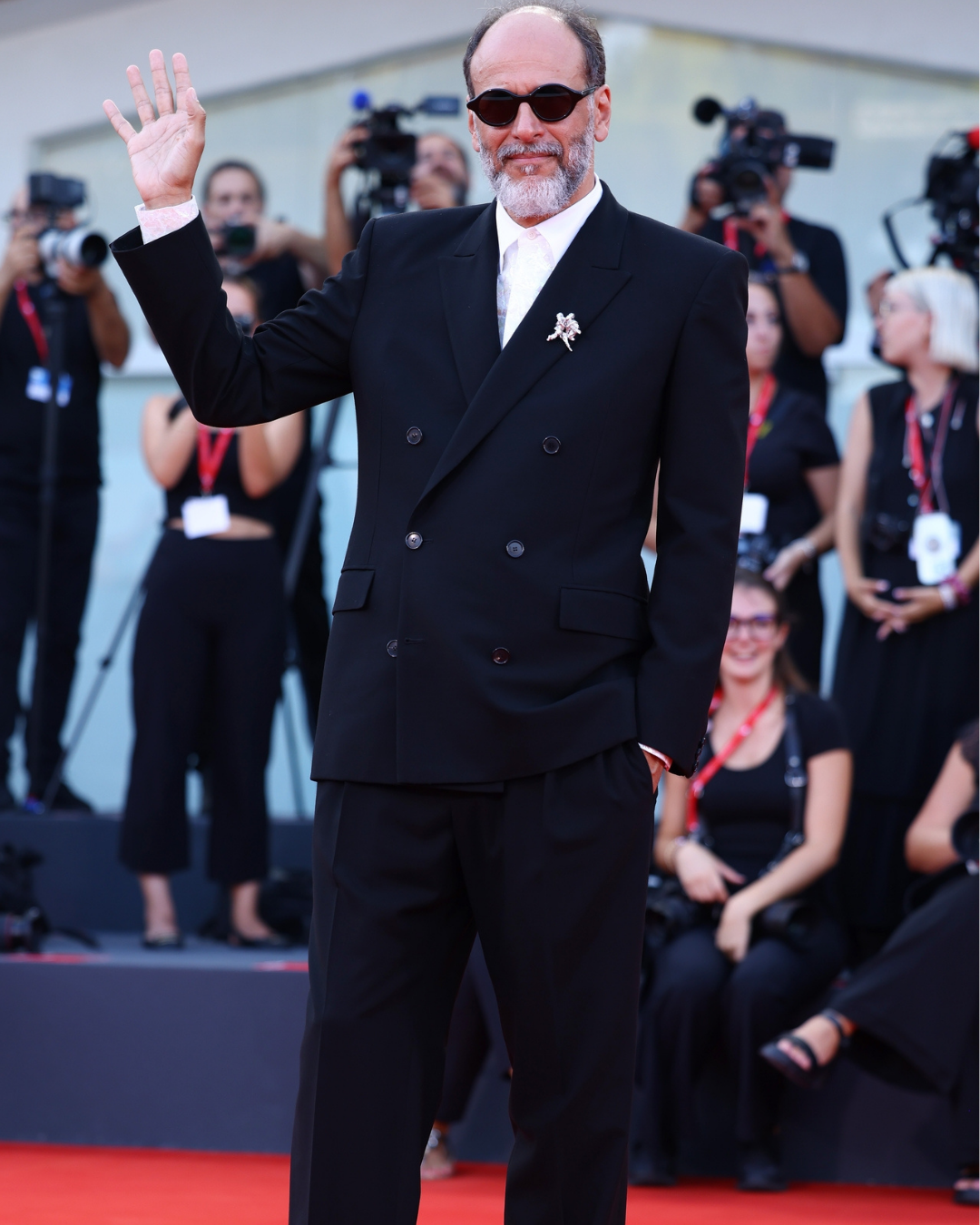
Luca Guadagnino will bring his collection with Zara to Milan Fashion Week A 140-piece collaboration, for the home and the wardrobe
This month, during Milan Fashion Week, Luca Guadagnino and his production designer Stefano Baisi will present their (much-anticipated) collaboration with Zara: a collection of approximately 140 pieces spanning clothing and furniture, including large items, with which you can essentially furnish your entire home and wardrobe. The collection has not yet been officially presented, but the Financial Times, in an exclusive interview, has given the public a first look at this truly monumental collection. Could it end up becoming yet another collector's-item collection?
If the furniture prices seem high (and they're not even that high), the resale prices will be mind-boggling. But perhaps it's worth it. The collection will be called Baisi Guadagnino, giving due weight and credit to the production designer/architect of the celebrated director, who worked on the sets of Queer and After the Hunt, and also on Artificial, the film about OpenAI whose status remains uncertain. The two first met years ago during the renovation of Federico Marchetti's villa on Lake Como — Marchetti being the founder of Yoox — and then, in 2017, they founded Studiolucaguadagnino and worked on the renovation of several shops and hotels across Europe. But let's get to the point: in what sense is this a 140-piece collection?
What does the collection include?
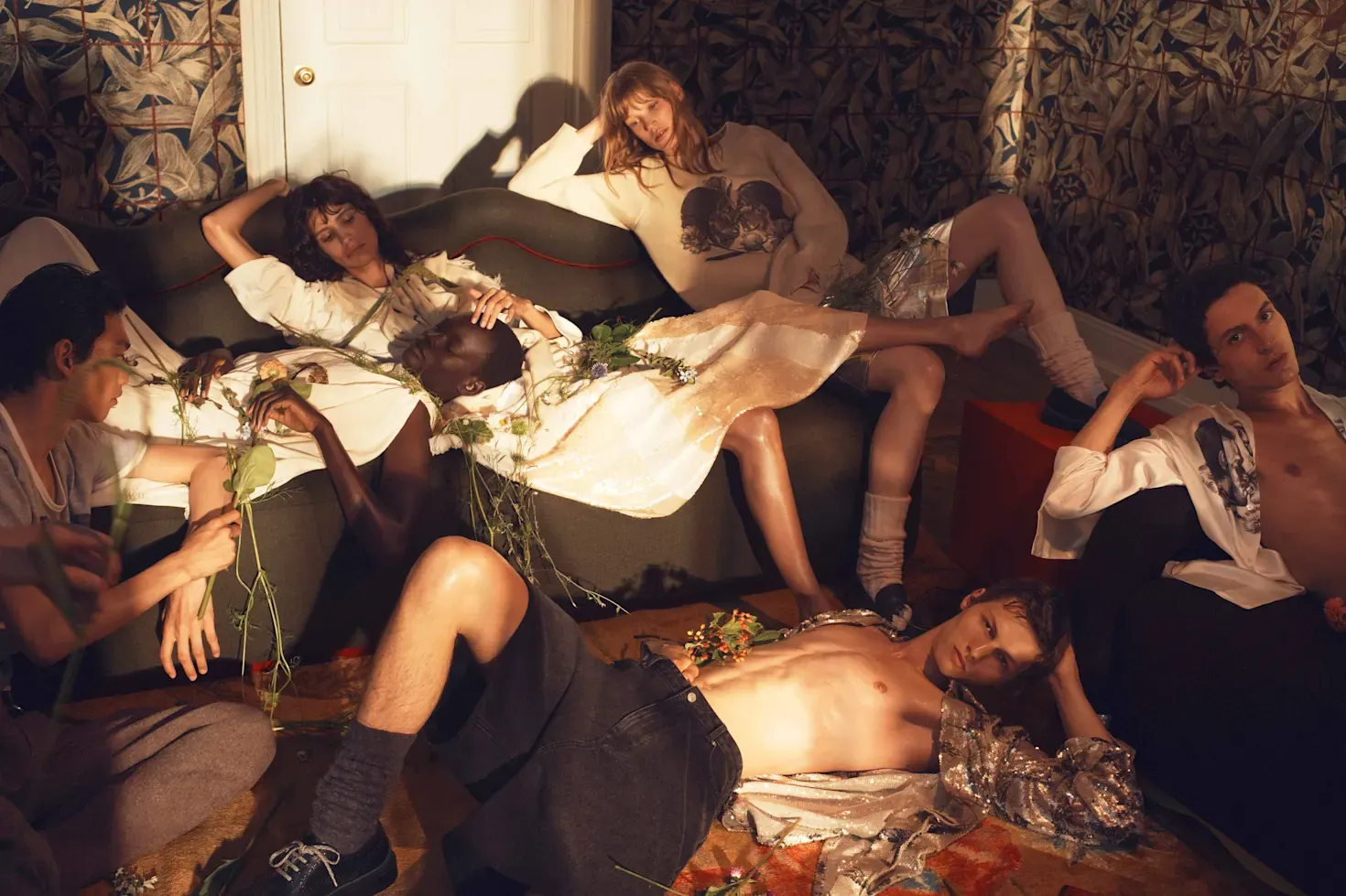
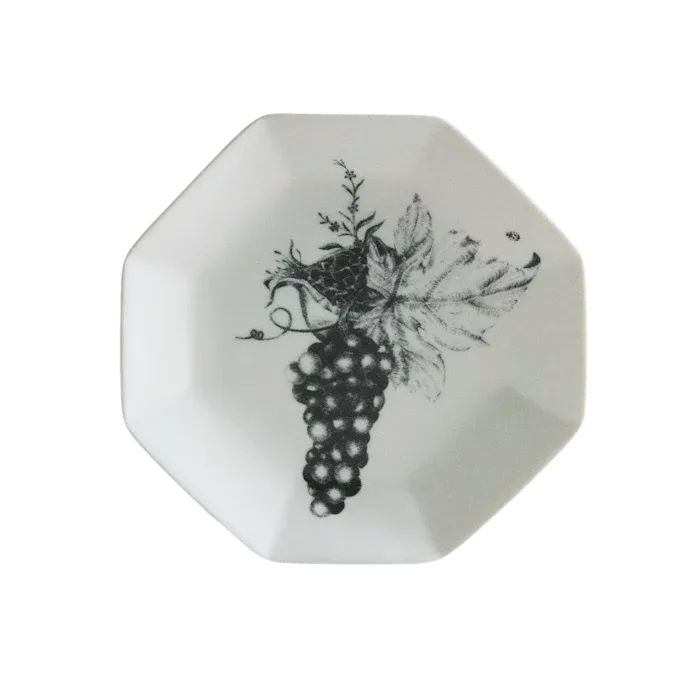
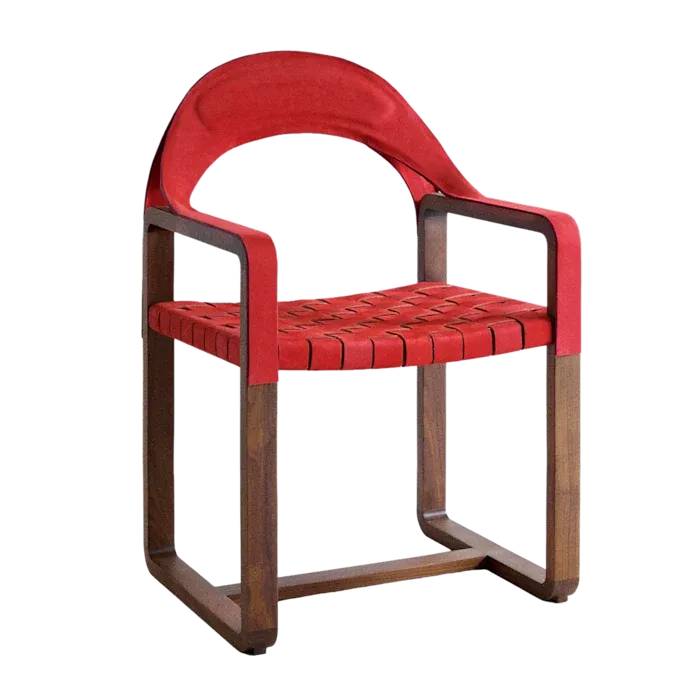
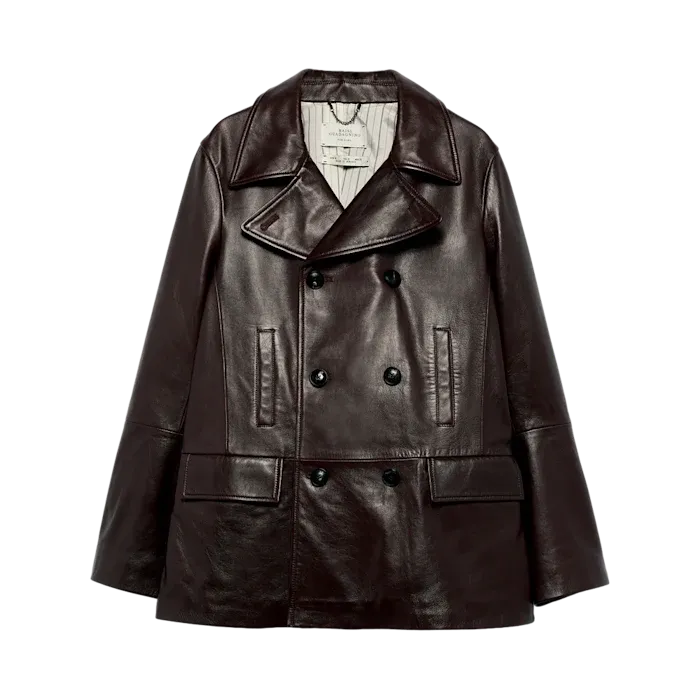
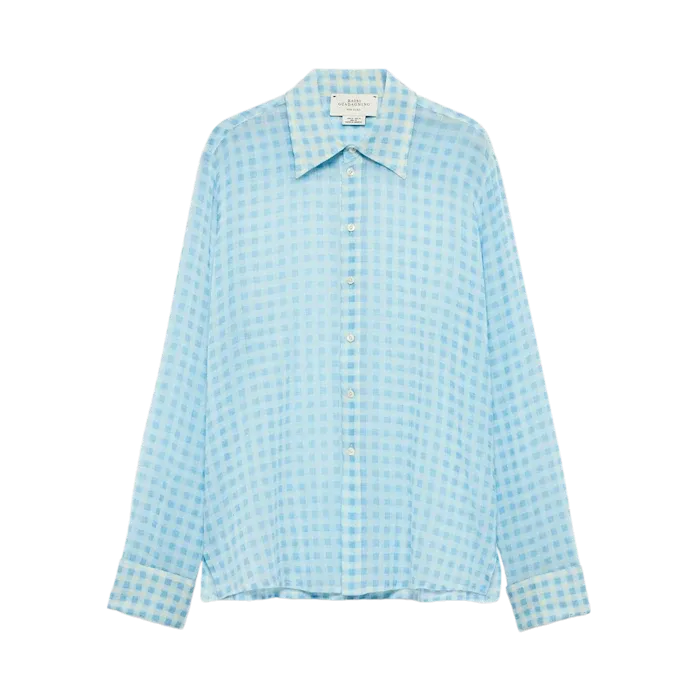
The collaboration actually starts from homeware and is, in theory, a Zara Home collection. The starting point was the prototype of a never-realised table with its undulating lines, which then inspired a fairly extensive range of furnishings — from bookshelves to tableware — that Zara Home's managing director, Lorena Mosquera, described in the Financial Times as «a complete universe in which furniture, lighting, accessories and fashion speak to one another». It is a refined universe: the Financial Times lists several prices in pounds sterling, which we have attempted to estimate in euros, without aiming for too precise a conversion.
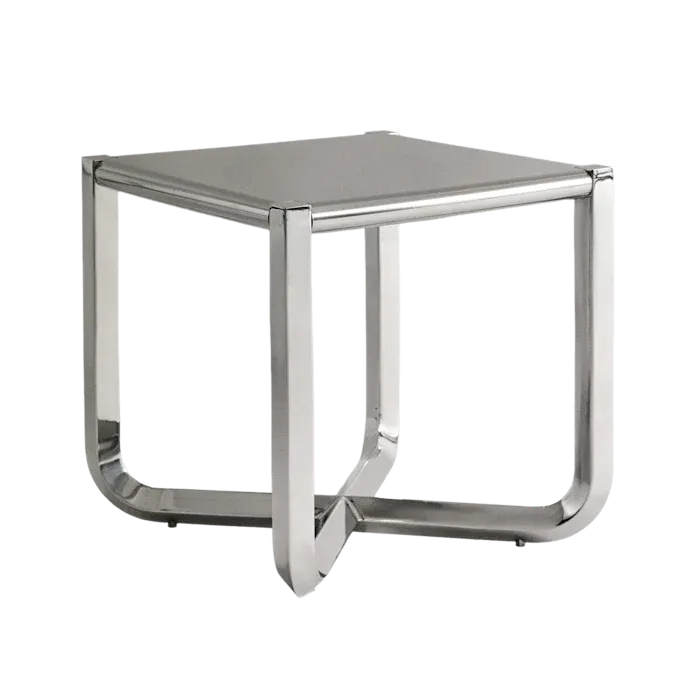
The prices are in keeping with pieces of real distinction. There is a sofa at £11,660, or over €13,000; armchairs exceeding €2,500, and another armchair (which Guadagnino described as «decadent») upholstered in wool flannel priced at over €6,000. There are also chairs and stools in stainless steel with an almost science-fiction aesthetic, priced between €460 and €1,500; side tables with glossy lacquered tops and matte oak legs starting from €1,400; and rectangular travertine mirrors estimated at around €3,800. The floral-motif rugs, based on paintings by Francesco Snote, come in at just under €1,200.
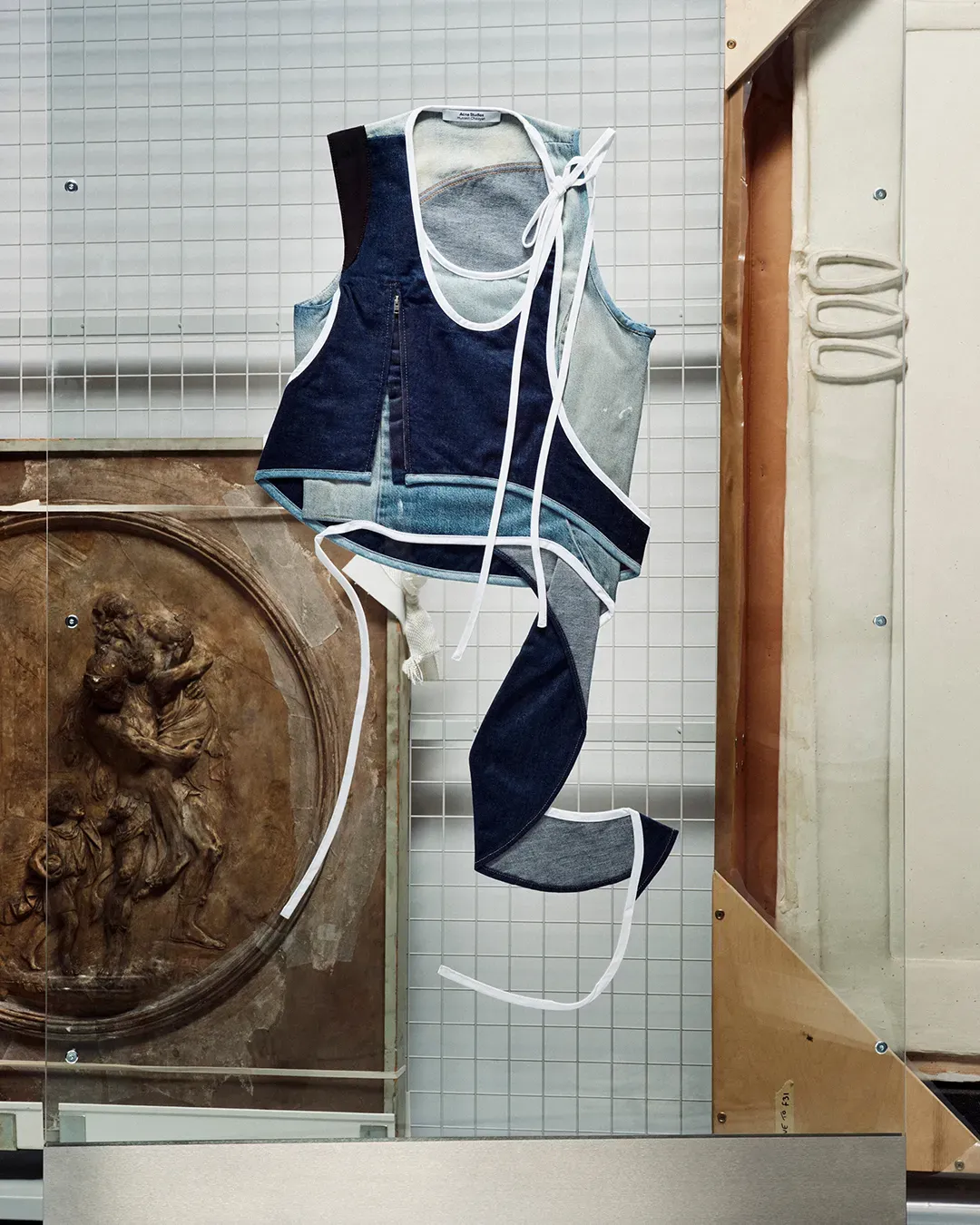
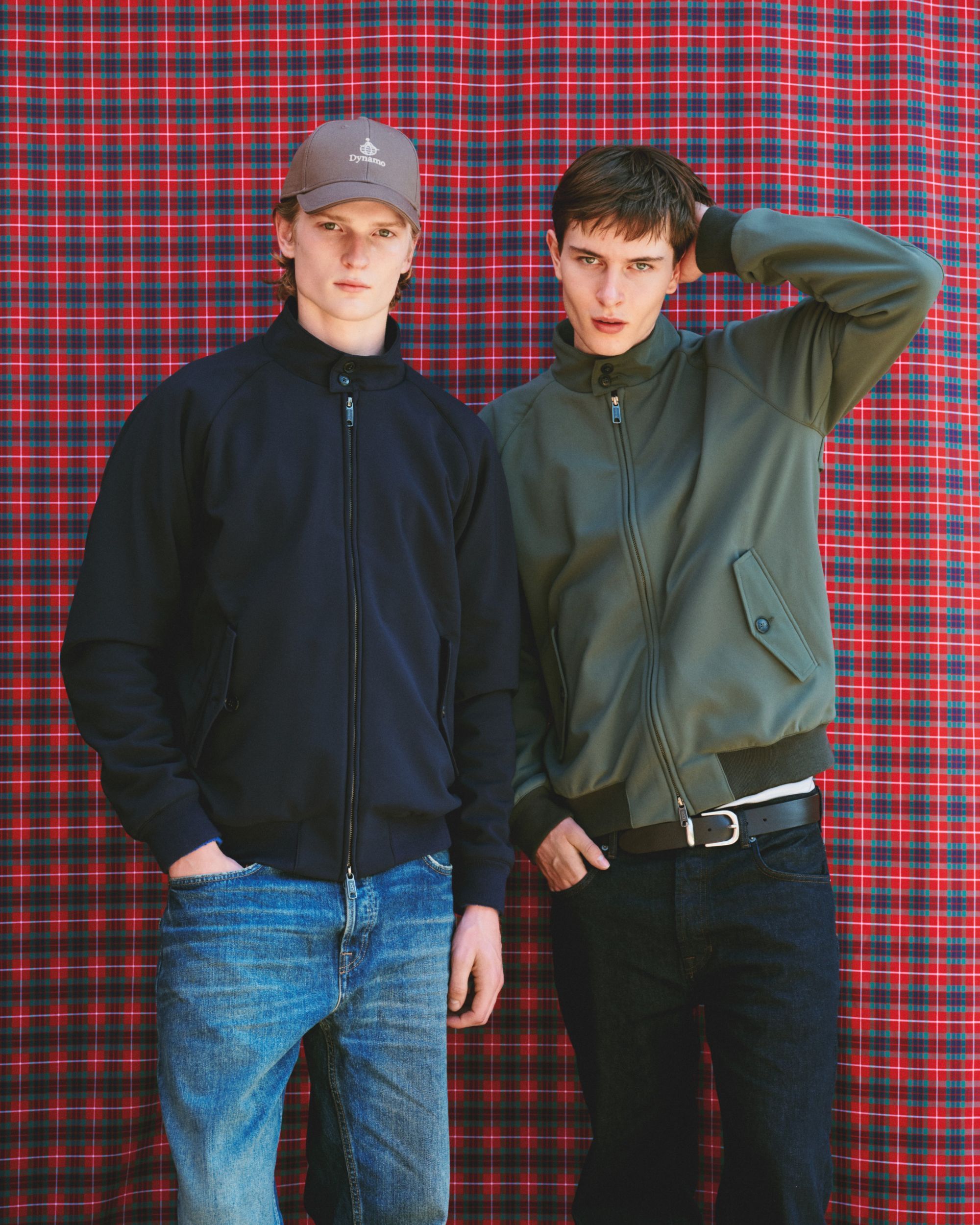
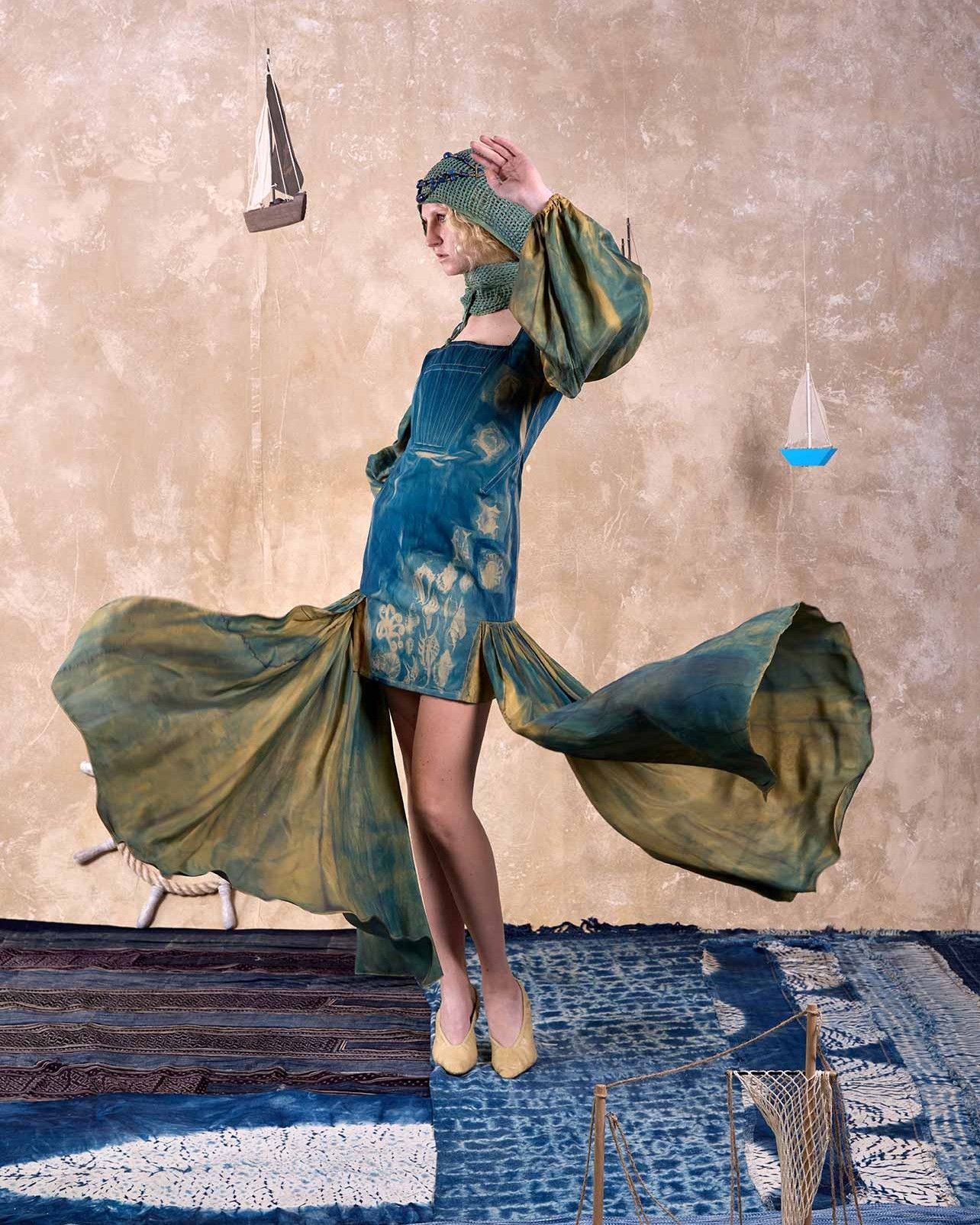
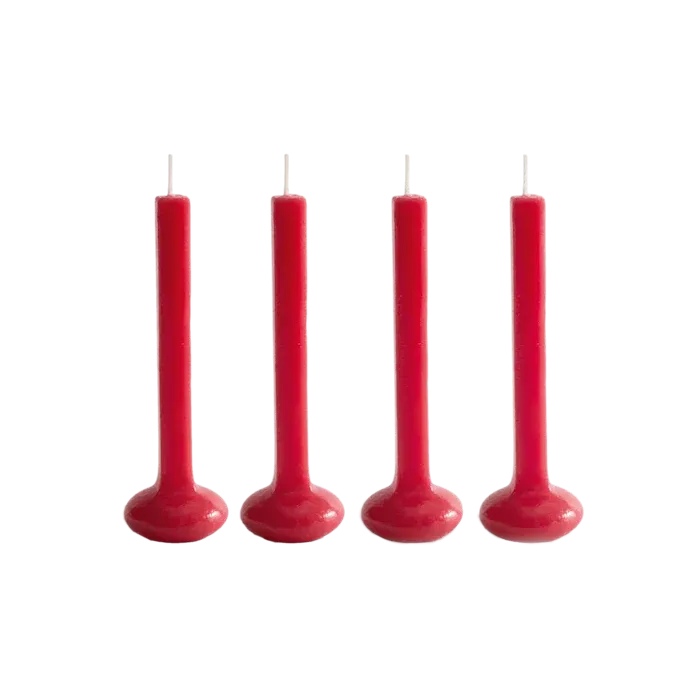
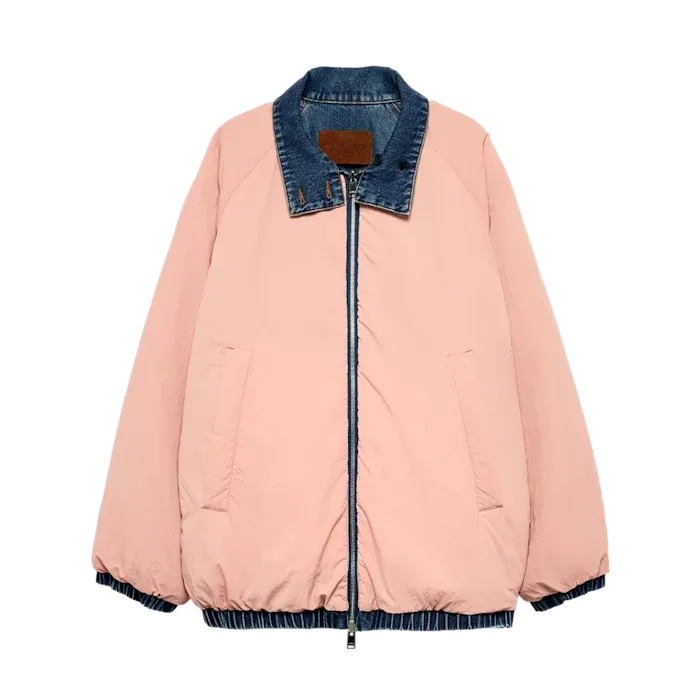
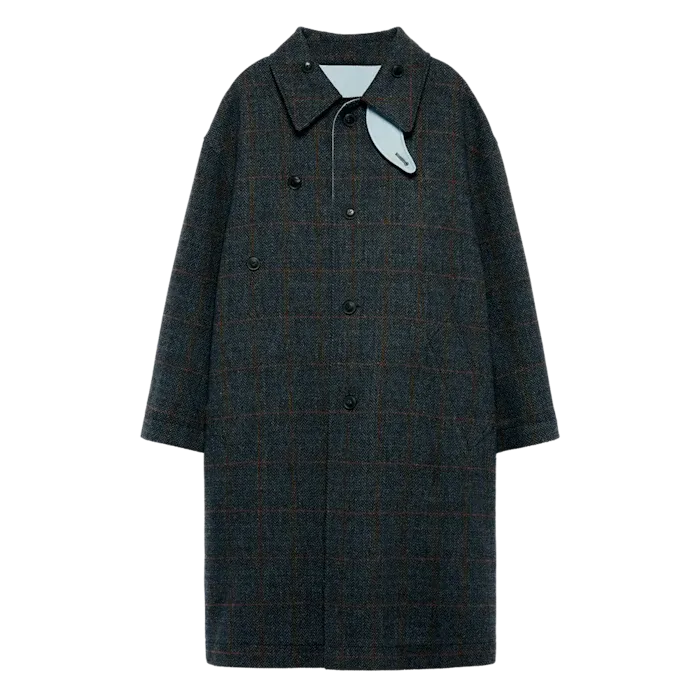
Alongside designer lamps and shelving units, there is also a more accessible section featuring cutlery, candles, plates and glasses — items that will fly off the shelves. There is also a clothing component, about which advance information is considerably more limited: leather jackets, checked and white shirts, printed pieces, women's dresses in viscose, and an entire series of pieces covered in sequins. From the little that can be seen, the pieces look interesting (we'll admit it: in our view, the collection draws heavily on the vibes of Dries Van Noten), but they won't be the true protagonists of the collaboration. The really interesting point, however, lies in the style in which they are made.
The aesthetic of the collection
The formal element of the collection that immediately catches the eye is the undulating silhouette — vaguely «inflated» and with a slightly vintage feel, almost reminiscent of the late 1960s and early 1970s. Guadagnino described the process as «bending an otherwise rigid structure to create something sensual». Considerable emphasis has also been placed on the materiality of the various pieces. The interesting point that emerges from the Financial Times interview, however, is that the collection does not draw on any single reference — it has no desire to ape a specific style. It has its inspirations, but seeks to transcend them.
The temporal and cultural influences are clearly perceptible, even though the collection is entirely dupe-free. The two designers themselves have said that their moodboard featured the work of Gio Ponti, Lina Bo Bardi and Ettore Sottsass, as well as Jean-Luc Godard, Edward Yang and Nagisa Oshima. The particularly interesting aspect of the interview here is a rejection of minimalism and the Millennial Grey aesthetic that over the past decade, partly driven by social media, has become an increasingly tired cliché as well as deadly dull. This also makes the collection strangely in tune with the times and the growing rejection of the commercialised Scandinavian austerity that has dominated recent years.
One final noteworthy point about the collection is its highly ambitious scope and its attempt — which has precedents in fashion but not for a democratic brand — to create a coherent universe in which cinephile and design references coexist with fashion in a fully rounded proposition. Could this be the future of high-profile collections for lifestyle brands like Zara?
What to read next
How Ploom* Flavour Garden Went, Between Ernia's Live Set and Four Immersive Worlds
Music, new talent and immersive installations: on October 15th, Superstudio Milano transformed into a great garden of creativity
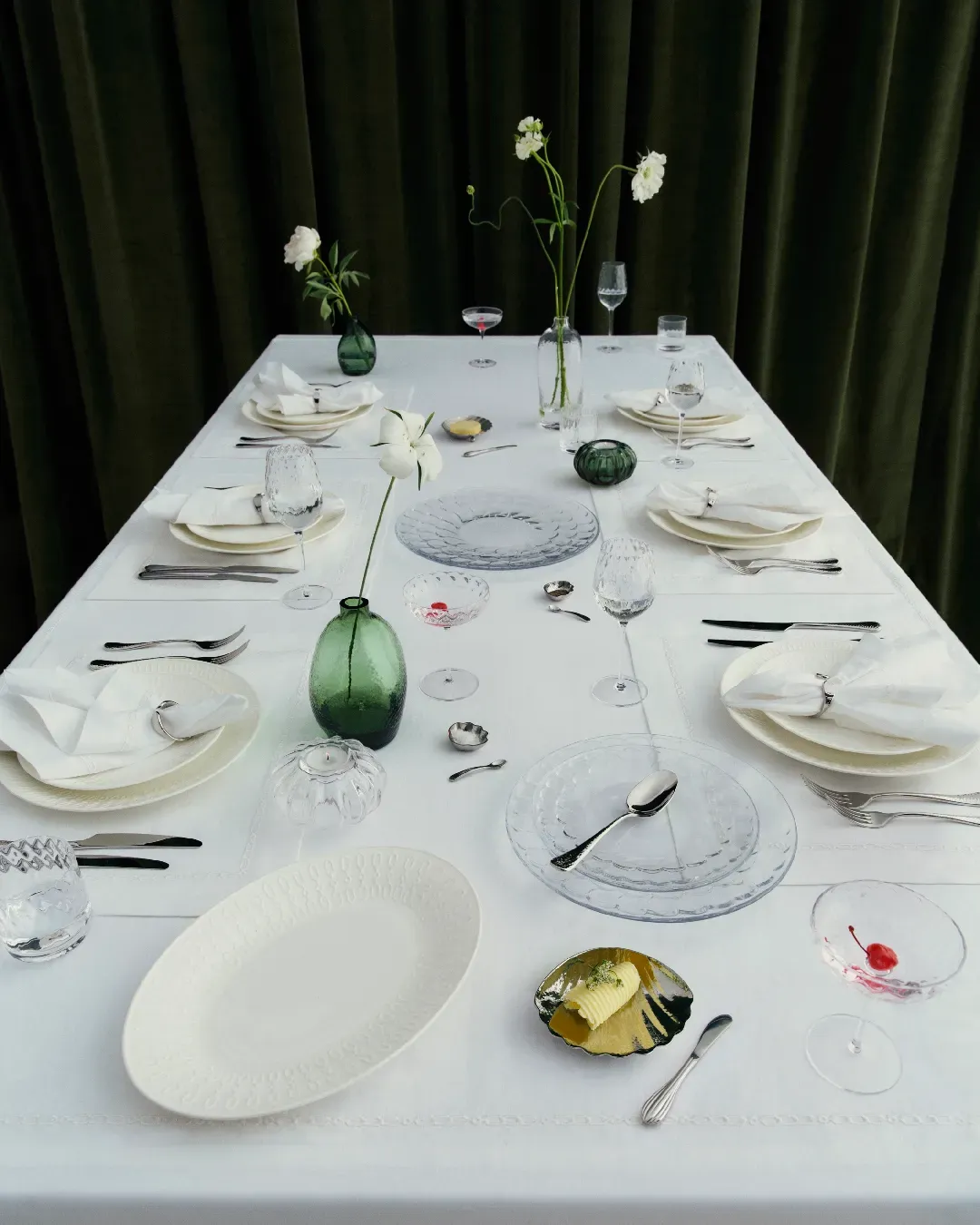
Westwing and Victoria Beckham have collaborated on a tableware line
The English designer explores the world of the table
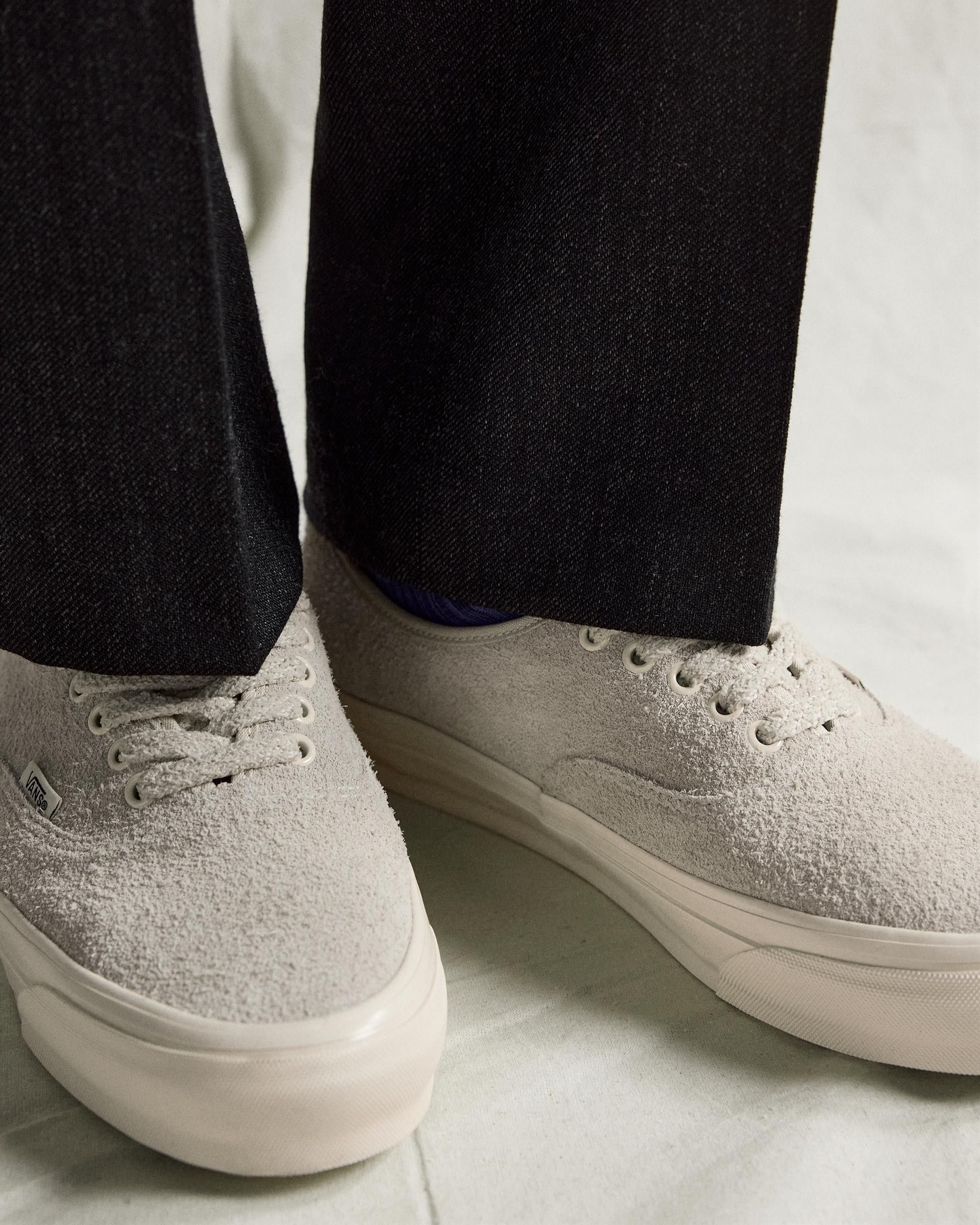
What do you mean Zara started selling Vans?
The two brands have entered into an ongoing partnership