
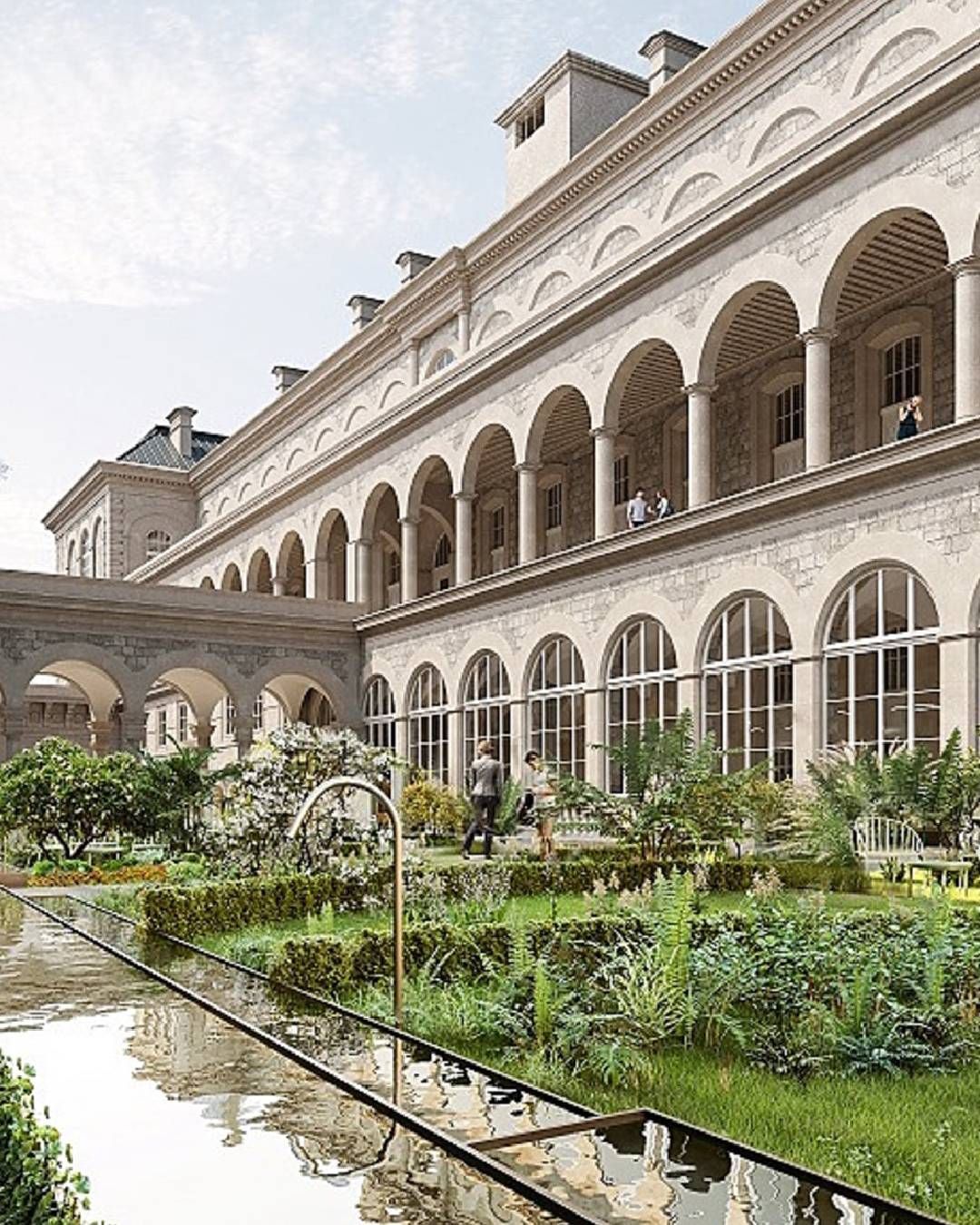
A luxury shopping centre on the Notre-Dame Plaza? The project sparking controversy
As Notre-Dame de Paris cathedral rises from its ashes, a real estate and commercial tug-of-war is playing out in its shadow. At the heart of the discord: the transformation of part of the historic Hôtel-Dieu hospital into a temple of luxury.
A Golden Deal in the Heart of Paris
@cspanofficial World leaders joined French President Emmanuel Macron and his wife, Brigitte, for the reopening ceremony of Notre Dame Cathedral in Paris on Saturday. The iconic cathedral suffered severe damage from a fire in 2019. #notredame #notredamedeparis #emmanuelmacron #cspan original sound - C-SPAN
The case dates back to May 2019, when real estate developer Novaxia was granted an 80-year construction lease for €144 million. The agreement covers a third of the Hôtel-Dieu’s footprint, amounting to 20,000 square metres of this historic hospital built during the Middle Ages.
The architectural project plans to consolidate all healthcare services on the Seine side of the complex to free up a strategic 2,200-square-metre commercial space over two floors, scheduled to open in 2030. The economic stakes are colossal. Located directly on the cathedral's plaza, the future complex will face a continuous flow of 30,000 daily visitors.
The Planning Commission's Double Veto
However, Novaxia's project is running into strong administrative resistance. The developer has already suffered two consecutive defeats before the Departmental Commercial Development Commission (CDAC). A first draft was rejected by a large majority last March, before a second, revised proposal met the same fate on July 8.
The CDAC is particularly concerned about commercial drift and a radical shift in philosophy. Originally, the specifications called for food shops and a food court - local services that are sorely lacking for both residents and tourists on the Île de la Cité.
The new version presented by Novaxia now closely resembles a high-end department store, modelled after La Samaritaine (owned by LVMH) located just a short distance away. The redesigned layout planned for eleven ground-floor boutiques with semi-open glass façades, reminiscent of airport duty-free shops, officially dedicated to "French savoir-faire." On the upper floor, the developer planned a high-end concept store featuring designer items, home decor, and fine arts and crafts.
Although Paris City Hall and the local district authorities support the overall rehabilitation of the Hôtel-Dieu, they now fear a "colonisation" and excessive grip by luxury multinationals on the capital's historic centre.
Ultra-Luxury Takes Over Central Paris
@zestforart Inauguration de la #Samaritaine après 15 années de fermeture. Ici le superbe hall #Jourdain restauré #patrimoine #cognacqjay #culture #culturetiktok Altiplano - Erlend Øye & La Comitiva
This clash over the Hôtel-Dieu illustrates a much broader trend of tourism and hotel gentrification in the historic heart of Paris. The area is already saturated with prestigious addresses such as La Samaritaine or the Cheval Blanc hotel (LVMH) near the Pont-Neuf.
Another major project confirms this rapid mutation. The recent acquisition of the iconic BHV Marais building on Rue de Rivoli by Canadian investment fund Brookfield Asset Management paves the way for a new hotel to open within five years. Management of this prestigious establishment is expected to be handed to the Experimental Group, whose shareholders include the Moueix family (owners of the prestigious Pétrus winery) and Christian Louboutin.
The battle for commercial control over the centre of Paris and the Notre-Dame plaza is only just beginning. The line between heritage preservation and tourist profitability has never been thinner.
What to read next

LVMH's fashion division keeps getting worse
Third-quarter results showed a -5% decline driven by the Chinese market
LVMH expands its Parisian empire from the Bois de Boulogne to the street redevelopments of Paris
Culture and urban development become the ultimate showcases for the luxury empire