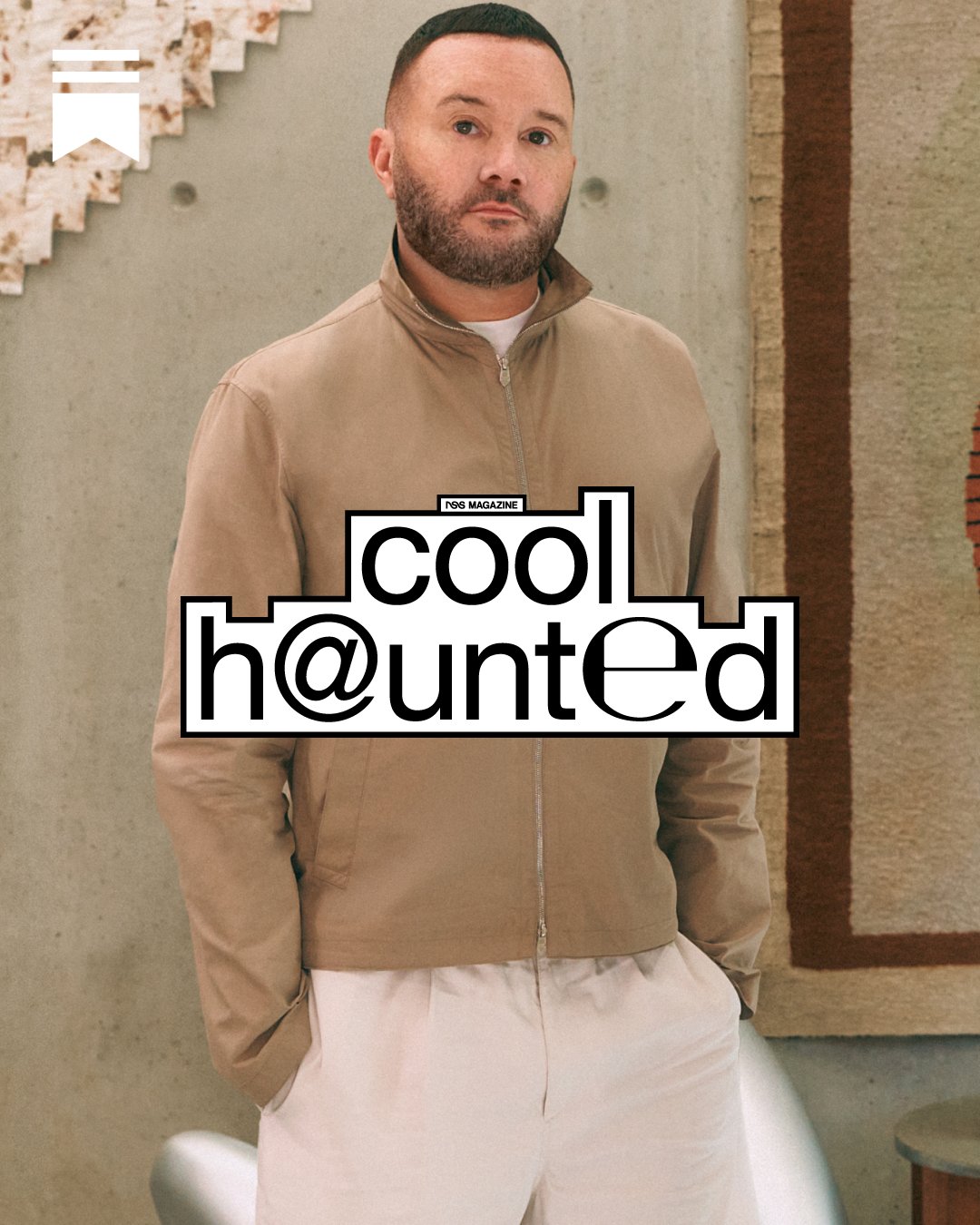






















Who Is Clavicular and why Is he at Paris Fashion Week? We had already seen him on the runway at Elena Velez in New York
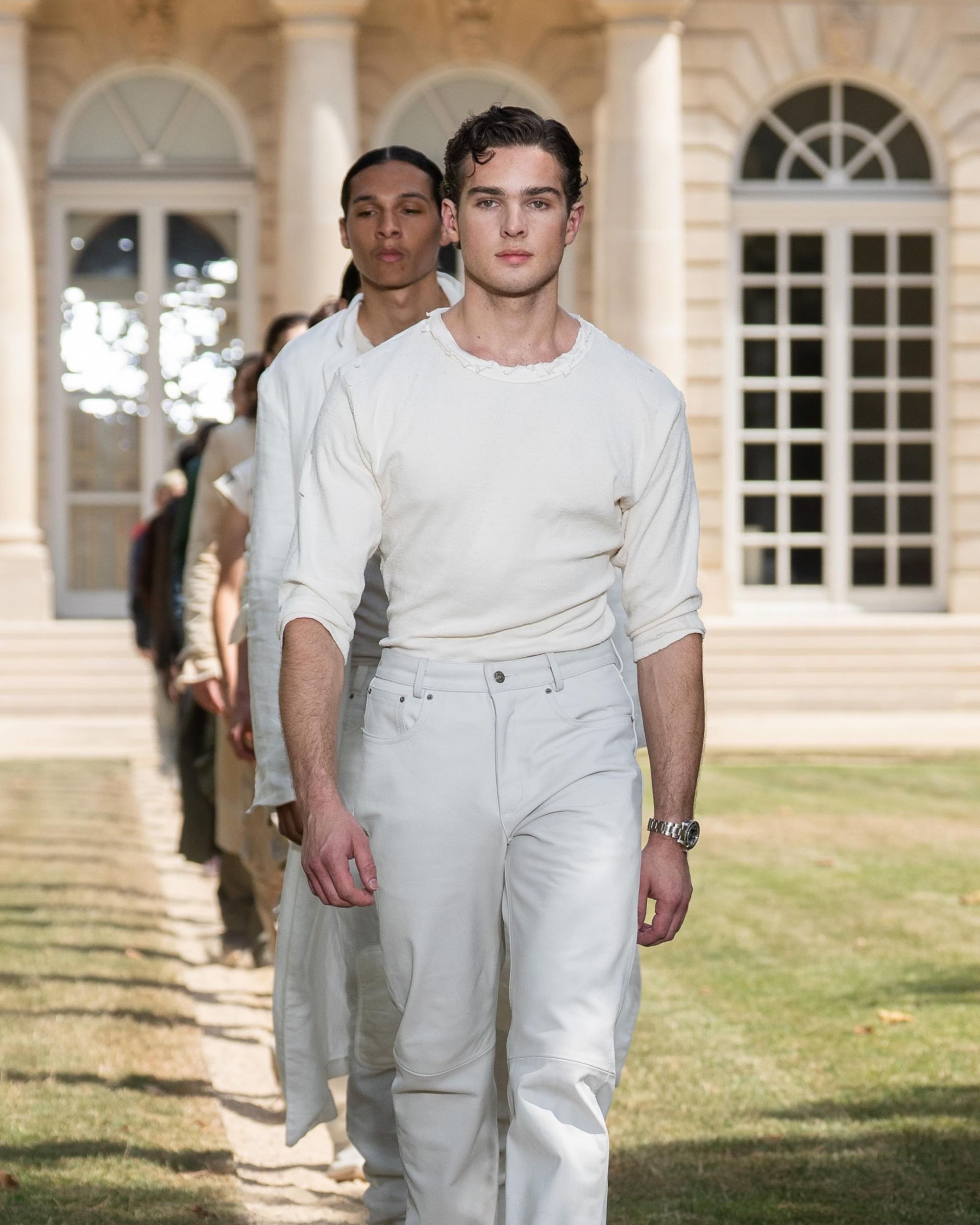
Yesterday, in the courtyard of the Musée des Archives Nationales, Braden Eric Peters, better known as Clavicular, opened the SS27 show for California-based brand 424. It was Clavicular's second foray into fashion, after Elena Velez had chosen him to close her show at New York Fashion Week. His is an inherently controversial presence (and we'll get to why shortly), but above all it is symptomatic of a fashion ecosystem where a lack of substance is compensated for by the viral buzz surrounding problematic — or at the very least, fairly cringe-worthy — figures. But why does everyone have such strong opinions about Clavicular?
Who is Clavicular?
@nssmagazine Clavicular just opened the 424 show in Paris! #clavicular #paris #pfw #fashionshow original sound - nxstalgic.audios
Braden Peters became Clavicular after being expelled from college for possession of steroids in his dormitory. From there, he began monetizing his personal journey, which evolved from simple fitness into looksmaxxing. In the parlance of this subculture, the journey is called an "ascension," and Clavicular has documented it through daily streams, detailed accounts of hormonal cycles, discussions of facial proportions, and self-improvement strategies. An online presence that earns him hundreds of thousands of dollars a month.
This is how Clavicular was born — a nickname derived from the bone fetishized by the looksmaxxing community. Looksmaxxing is the obsessive pursuit of maximizing one's physical attractiveness through a hierarchy of practices ranging from conventional skincare and gym routines to techniques such as mewing and the use of surgery, steroids, and controversial methods like "bone smashing" — that is, striking one's face with a hammer to reshape the bones.
Unlike biohackers who hide behind the rhetoric of health and longevity, Clavicular is brutally honest: his stated goals are dominance, status, and desirability. This makes him, paradoxically, more credible in the eyes of his audience while also making him more problematic in everyone else's. Not to mention somewhat ridiculous. Months ago, he was spotted in the company of Nick Fuentes, Andrew and Tristan Tate — currently on trial for rape and human trafficking — while singing Kanye West's Heil Hitler.
Peters has pumped himself so full of anabolic steroids and hormones that he became infertile at 19, and uses microdoses of meth mixed with ketamine and Adderall to stay lean. He also sells packages outlining his method for maintaining his looks, and according to the NY Times, his streams on Kick earn him $100,000 a month. During these streams, he has injected fat-dissolving peptides into the cheeks of his 17-year-old girlfriend to reshape her jawline, and administered Aqualyx injections — also a fat dissolver — to 19-year-old Jenny Popach.
Over time, his controversial persona has softened considerably. From web villain, he has become something of a laughingstock, thanks to numerous cringe-worthy episodes and the peculiar language of his subculture — all "-maxxing" suffixes, "cortisol spiking," and fellow looksmaxxxers with names worthy of B-list Batman villains. The videos that drop daily actually portray him as a somewhat damaged person, almost tender and fragile beneath the danger, stupidity, and arrogance of his choices. His extreme physical transformations have made him more an object of pity than hatred, even though his influence is harmful and his state of health is often alarming. In short, whatever he does, it only ever attracts more attention. Especially now that he's in Paris.
What is Clavicular doing in Paris?
@vibescape35 Thanks Paris #fyp #clavicular #paris #viral #humor son original - VibeScape
Braden Peters arrived in Paris during the Fête de la Musique, wearing an "I love Paris" tank top and the apparent conviction that he was a star in Europe too. His approach is the same one that built his following in the United States: walking the streets while live streaming on Kick and approaching women with the camera rolling, delivering pick-up lines that the more clear-eyed French girls sent straight back to him.
The interactions are highly entertaining and have generated a great deal of commentary from American audiences. His arrival in Paris comes after two weeks of surgical procedures, particularly on his nose, which kept the looksmaxxxer at the center of attention — and online memes — and left his appearance noticeably altered.
A fashion industry sick on engagement
Girls from the US are a lot more attractive than EU simply because the gene pool was devastated during WW2. All the good genes died in war, while the physically unfit stayed back and reproduced.
— Clavicular (@Clavicular0) June 22, 2026
Genetics are the number one factor in looks, but Looksmaxing still can bring… pic.twitter.com/8ob4Xwpbp9
Clavicular is not an anomaly. He is the most consistent product of an ecosystem that long ago stopped selecting for talent or aesthetics and began selecting for the ability to generate conversation. Fashion has always had an ambiguous relationship with provocation, but in an era where social media turns every appearance into a viral event, the line between provocation and endorsing controversial figures grows ever thinner.
Brands and media don't truly choose these figures: they get swept along by them. Ignoring Clavicular means missing the thread, the tweet, the TikTok. Covering him means feeding him. There is no neutral way out. There was a time when Tom Ford and Alexander McQueen caused scandal through their own creativity, when there existed a recognizable dialogue between the clothes and the controversy. Today that critical space has emptied, and provocation has become a mere tool for visibility.
Just hours after the 424 show, it was already clear that however successful Guillermo Andrade's collection might have been, it would not be his clothes that lingered in the collective imagination, but rather the platform offered to a figure from the manosphere. Ironically, the collection itself was barely discussed. Fashion has spent decades presenting itself as the place where culture takes shape. Today, more and more often, it is the place where the algorithm becomes spectacle.
What to read next
5 key trends from Paris Fashion Week SS27 Women's
What we'll be wearing next summer, according to the fashion of the Ville Lumière
How did Telfar take part in Paris Fashion Week but held a show in New York?
The American brand's trick of presenting its collection on the other side of the world
Miu Miu's SS27 is something new, something old, and something sporty
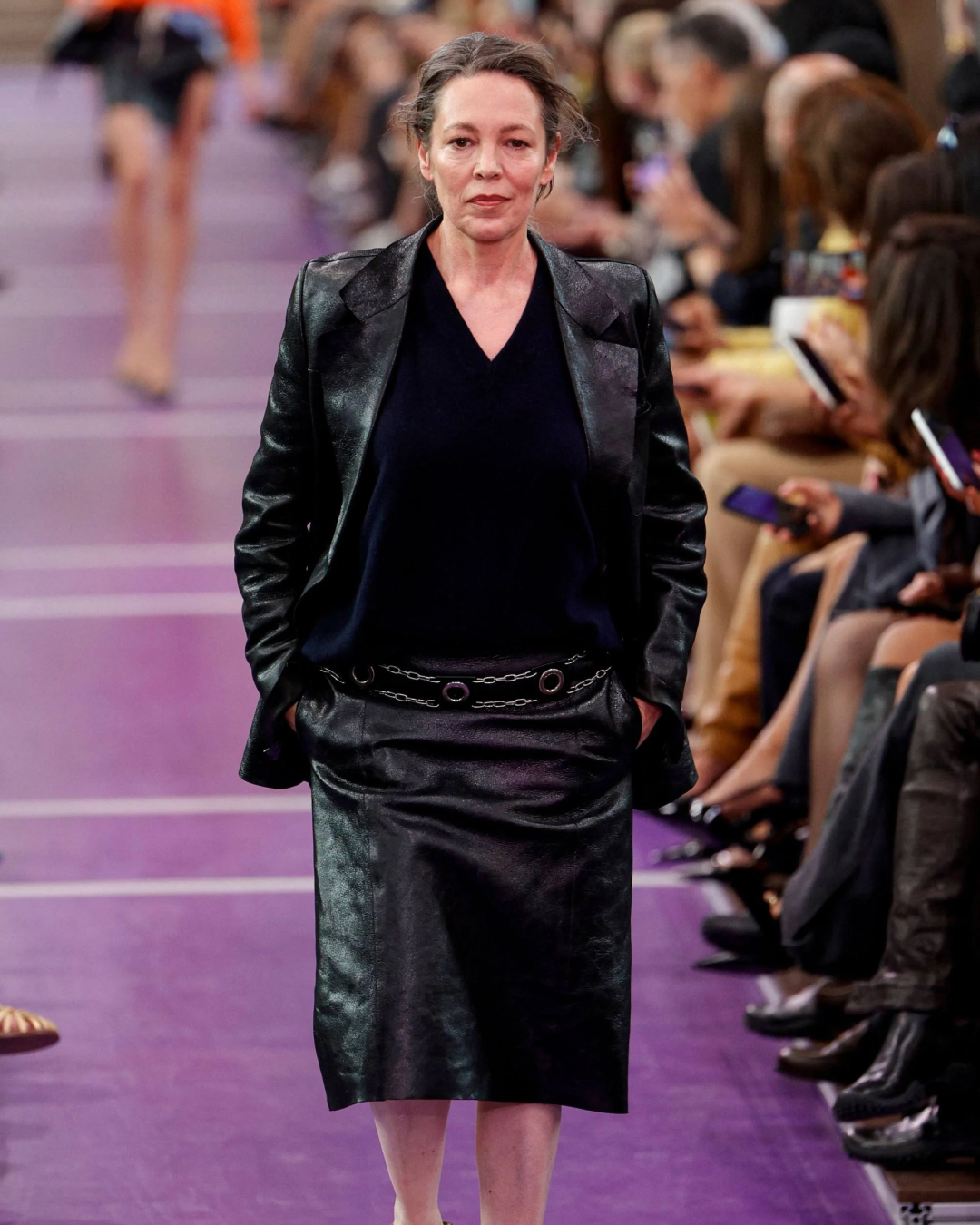
With special appearances by Olivia Colman, Gigi Hadid, Emma Corrin, Noah Jupe, and many more