



























Who needs a luxury suitcase? How fashion aims to conquer the luggage category
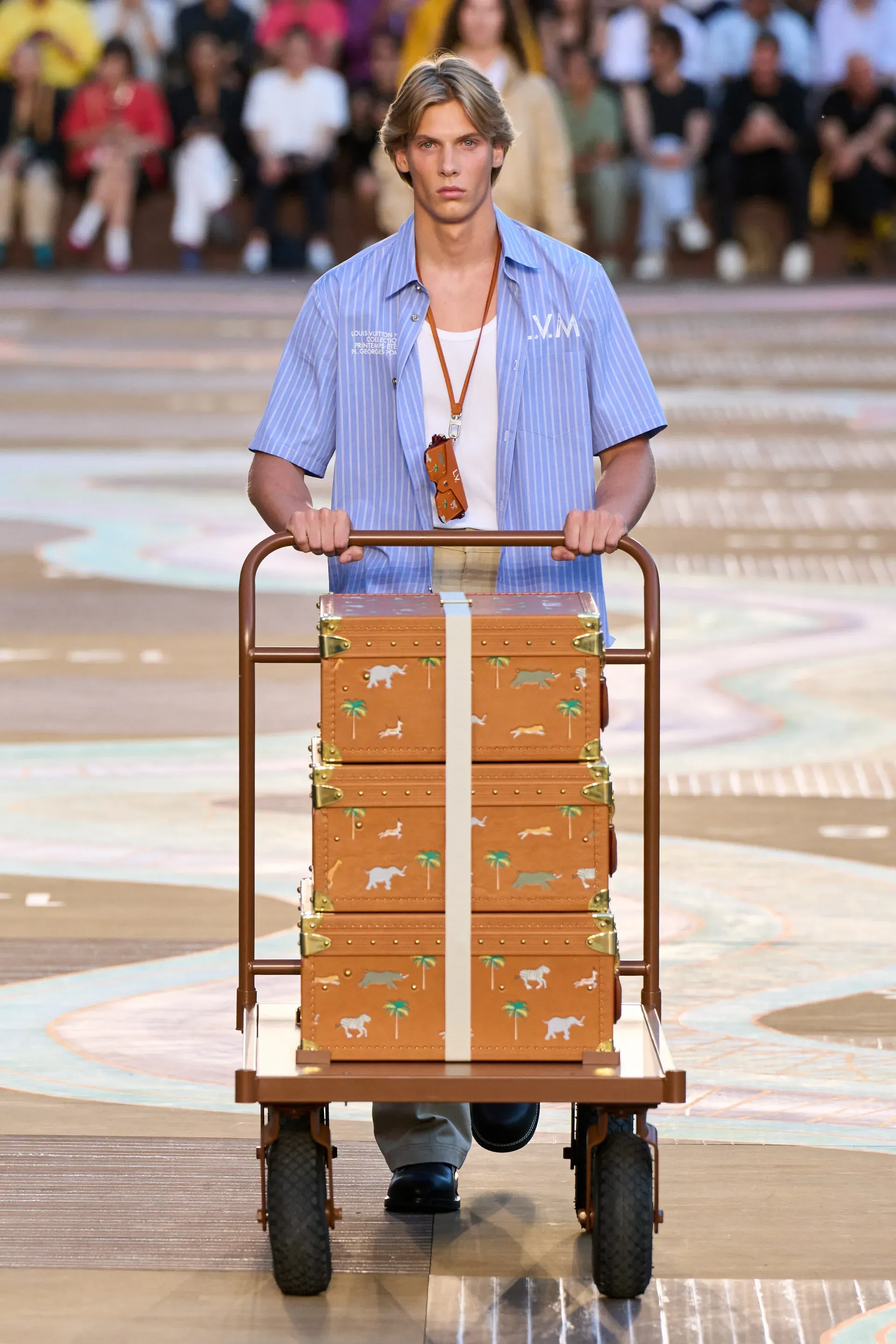
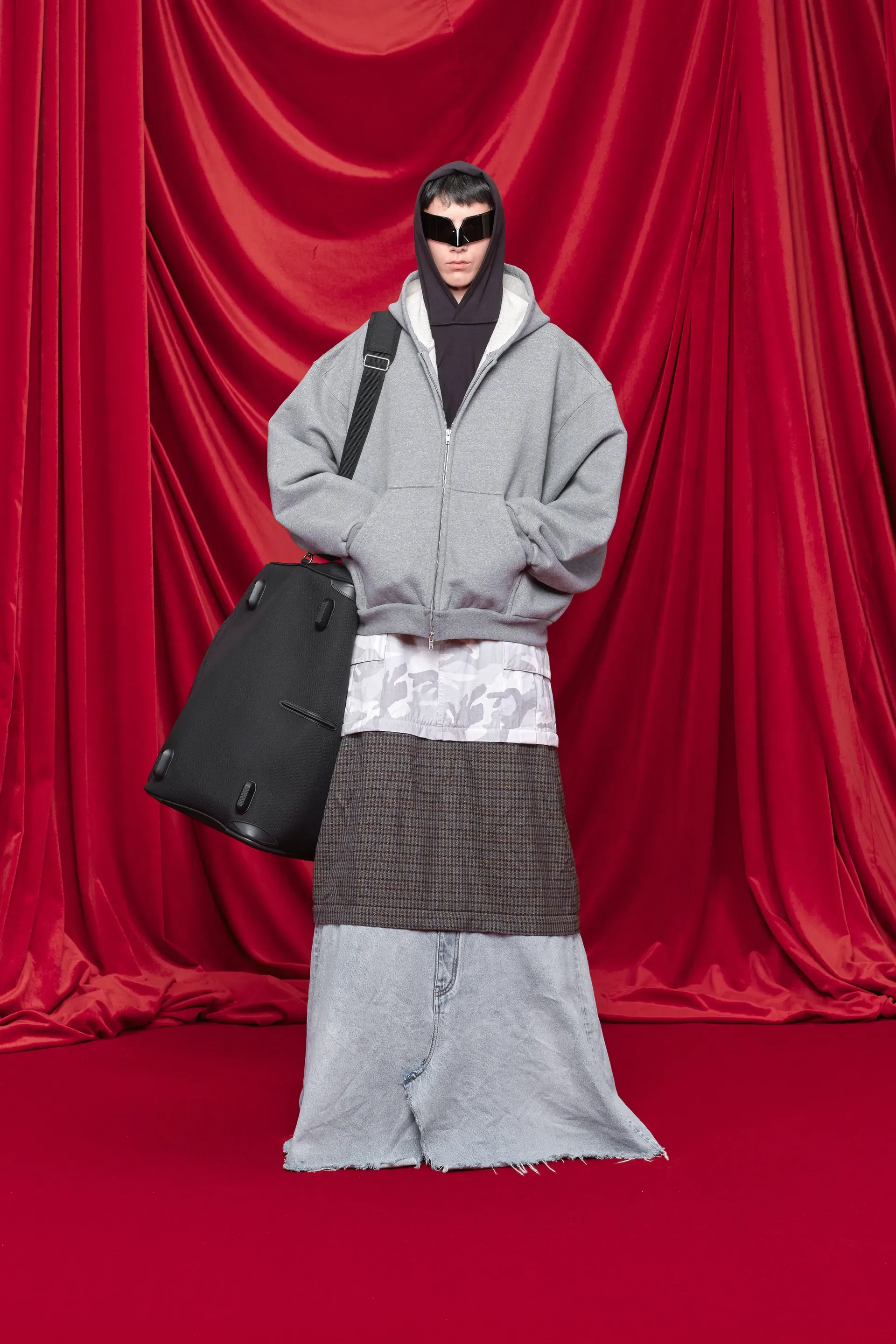
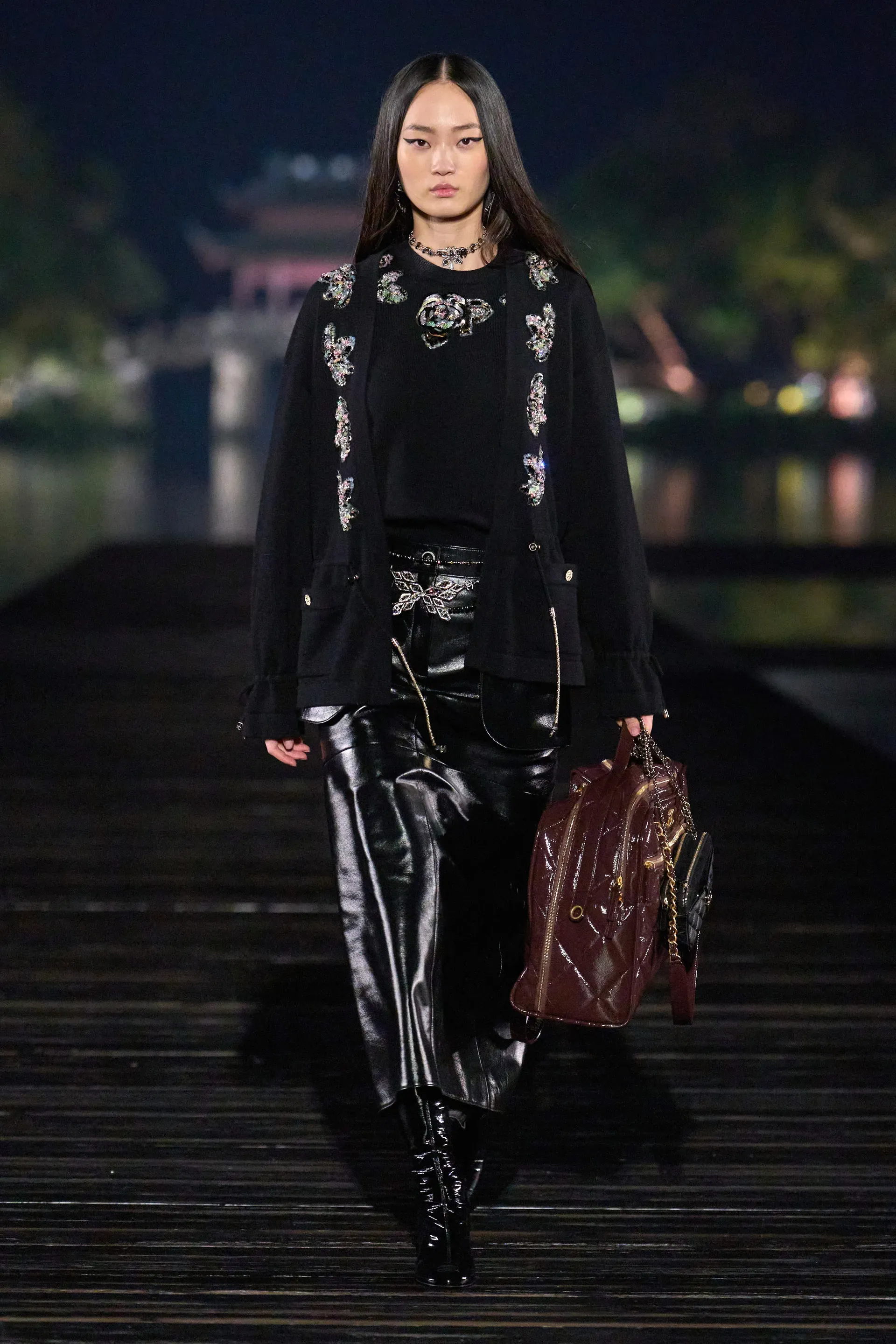
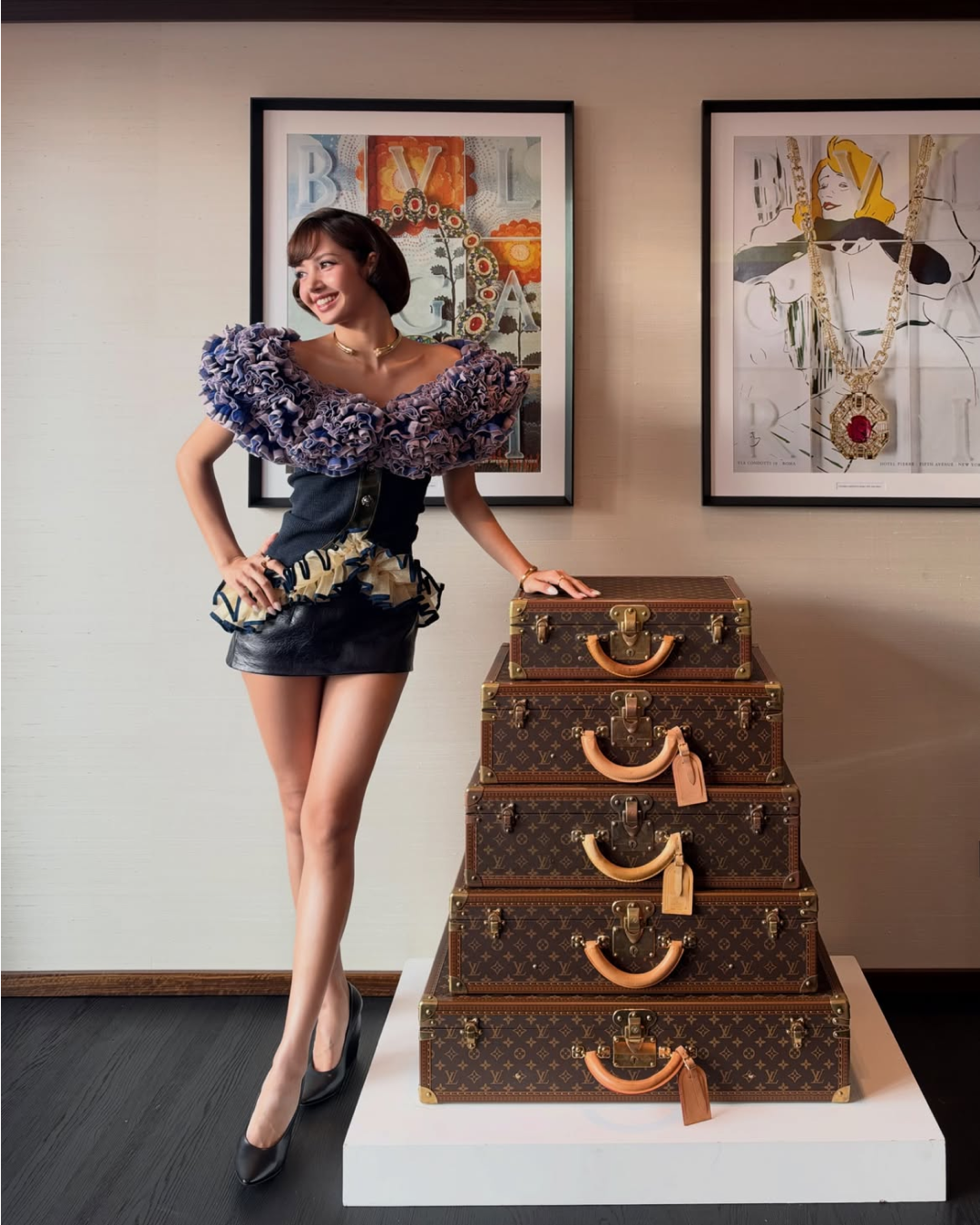
When Louis Vuitton was founded, the brand's name had one more word: mallettier, meaning suitcase maker. Even Prada, when it was born over a century ago, specialized in suitcases, and the same could be said of Gucci. Suitcases, trunks, and duffel bags were, in fact, the ancestors of modern handbags. Over the years, this type of business may have taken a backseat without ever disappearing: in the '80s and '90s, Fendi and MCM suitcases were hugely popular, while in the early 2000s, Alexander McQueen even collaborated with Samsonite on a set of trolleys that have now become rare collectible items.
And now, in a period where fewer and fewer bags are being sold, and where sales are struggling in general due to prices and the mediocrity of products, fashion, focusing on the still profitable segment of the ultra-rich, seems to have rediscovered the potential of luggage. However, these potentials represent not only an expansion effort: as Vogue reports, they are increasingly requested by customers who, traveling all year like true jet-setters, have started to see suitcases as an extension of their wardrobe. But how concrete is the boom in luxury suitcases?
Luxury Suitcases for Luxury Trips
@travelwithdesmond One of my favorite bags + carry-on combos — #rimowa #bottega #travelessentials #luxurytravels #mensfashion internet girl pull up unreleased - internet girl
As Vogue reports again, the global luggage market recorded a 4.5% increase in 2024, reaching a turnover of 19 billion dollars. It involves the renewed passion for travel and experiences, of course, but also the dynamics of mass tourism. In the era of overtourism, affordable trips for everyone, and crowded airports, a luxury suitcase has become a very particular status symbol: a luxurious bag can be bought even used, but no average spender will ever invest in an extremely expensive suitcase if they then have to see it thrown into the hold of a commercial airline. It is truly a product that only the crème de la crème not only could but would want to buy.
In short, luxury baggage is for the truly rich. It must also be added that very often, when talking about real fashion brands (and not "specialists" in suitcases like Tumi, a historic brand in strong expansion owned by Samsonite), the target audience consists of individuals who travel with numerous bags to resort-style locations like White Lotus where one certainly cannot show up with the classic battered bags seen on airport conveyor belts.
In this sense, the push of brands toward luxury suitcases also illustrates how, in global tourism dynamics, there is occurring a increasingly marked condensation based on spending power. If once the luxury customer and the normal tourist could even cross paths on the same trip, today the two segments move in such separate spheres that, for the richest, one can speak of true enclaves: from spaceships to luxury trains, passing also through our Milan. But what have brands done in recent years to enter this rich but small market?
How Fashion Wants to Conquer the World of Luggage
Just take a tour of the boutiques to see brands like Hermès, Chanel, Dior, Prada, Saint Laurent, Loewe, Balenciaga, and Bottega Veneta not only offering complete lines of luggage but promoting them aggressively. It all started with the post-pandemic travel boom but has its roots in 2016, when LVMH acquired Rimowa to strengthen its presence in high-end travel, kicking off the "race." It still took until 2019 to see Dior collaborate with Rimowa, marking the brand's entry into the luggage segment and opening dedicated pop-ups like the one at Harrods.
But for the true flourishing of the scene, it took waiting for the post-pandemic period. 2022 was a hot year for Gucci, which intensified its push into luggage with a campaign featuring Ryan Gosling and the inauguration of the first flagship store dedicated exclusively to baggage in Paris, on Rue Saint-Honoré. Later, in 2023, the push continued with Gucci's campaign featuring Kendall Jenner and Bad Bunny walking through an airport surrounded by branded suitcases.
The following year, Chanel's Métiers d'Art 2024/25 collection, presented in China, placed some emphasis on a new large suitcase and travel bags with a crinkled effect. Meanwhile, outside the runways, Prada also brought travel bags into its Re-Nylon collection campaigns. In both cases, the brands historically produce suitcases and travel bags, but the attention given to that product category testifies to how interesting the category was for the brands. Even Balenciaga included in the SS24 show a deconstructed and modular suitcase, timidly entering the segment.
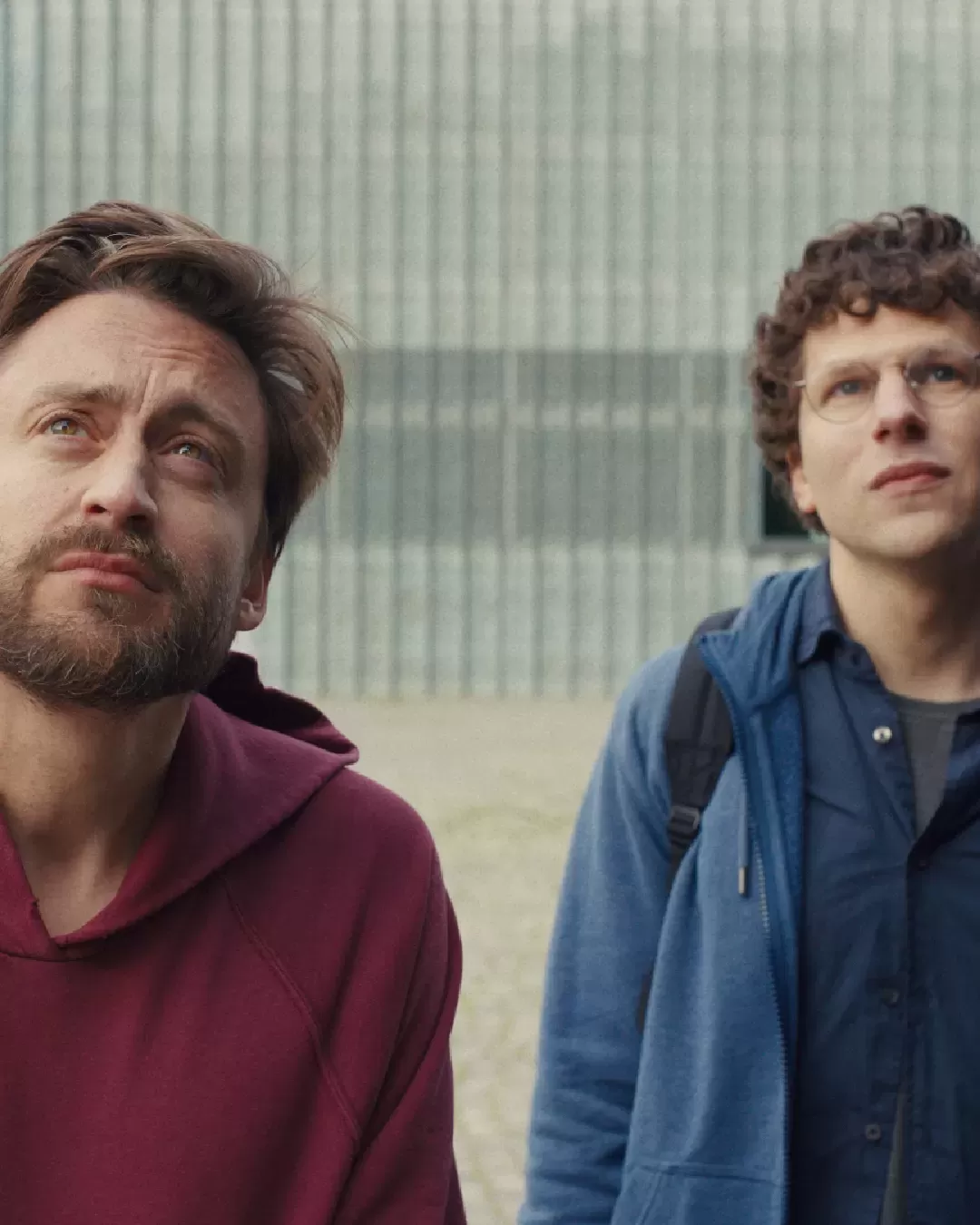
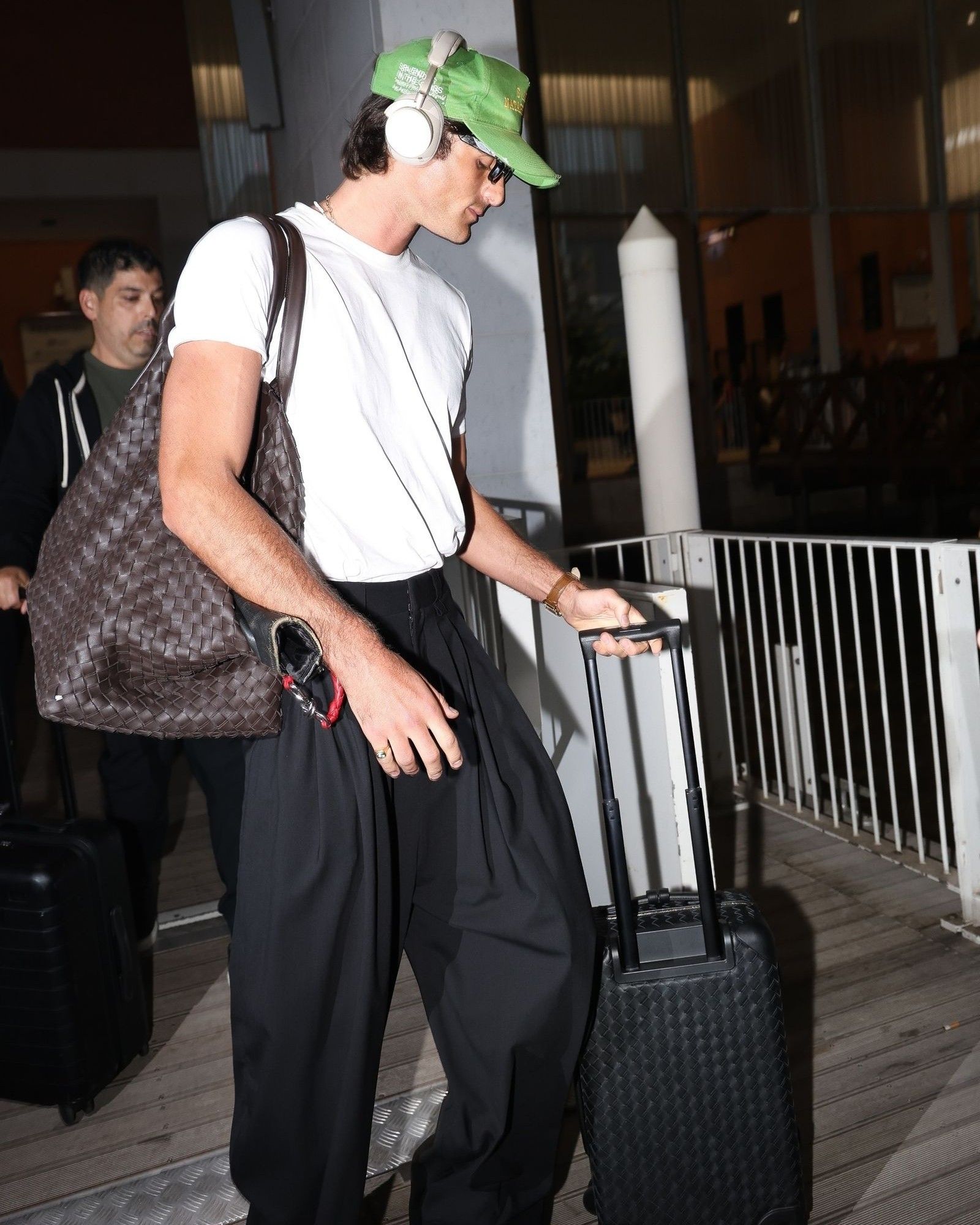
This year, Saint Laurent started selling a leather Globe-Trotter Suitcase, while Bottega Veneta promoted its suitcases through ambassador Jacob Elordi, portrayed in a series of viral photos at Melbourne airport with three leather suitcases and then at the August Venice Film Festival with the Odyssey trolley. Elordi then appeared in the brand's "Going Places" campaign with two different weekender bags. Finally, Louis Vuitton, in addition to introducing a new Vintage Monogram Canvas line, also recreated, this year, the suitcases from the film The Darjeeling Limited, bringing them to the runway for the SS26 collection. But it has been since Pharrell took the helm of the brand that trunks and large travel suitcases have found a place on the brand's runways.
Suitcases Only for the Rich?
An interesting aspect highlighted by Vogue is that even in luggage, just like in fashion in a broader sense, there is occurring a new flourishing of the middle market that sees new and innovative brands growing decisively in a segment where prices range between 400 and 800 dollars. Far from the thousands of dollars or euros, as one might say, requested by the most traditional luxury brands. The idea is that these premium brands offer, with their suitcases, truly functional and elegant accessories with high performance and a different appeal compared to luxury brands.
In recent years, a vibrant ecosystem of similar brands has formed. There's Away, born in 2015, which after exceeding two hundred million dollars in revenue was acquired by Samsonite in 2023. In 2024, the British Antler reached global sales of 45 million pounds, with double-digit growth compared to previous years. Another brand, the Australian July, has grown by 400% in three years thanks to the US pull, while the German Horizn Studios has raised a total of 38.1 million dollars in cumulative funding up to 2025.
A Territory Yet to Be Conquered
Legacy pieces.
— gucci (@gucci) January 3, 2024
Expressed through historic craftsmanship and codes, the Gucci Savoy hard-sided suitcases echo the House’s century-spanning vision of travel.#GucciValigeria pic.twitter.com/jucfJaPxN8
What makes the suitcase market so rich in potential, as mentioned earlier, is precisely the fact that innovations in materials and functionalities are, for the average-spending public, investments that are actually worthwhile. This not counting that according to UN Tourism, international tourist arrivals will go from 1.5 billion in 2025 to 1.8 billion in 2030, with a 20% increase. Numbers that represent, to put it all in scale, 300 million more travelers in five years.
And all of them will need suitcases, more or less. The beauty, of course, is that the suitcase industry is also one where the power of fashion branding (Rimowa aside, perhaps) is easily overshadowed by the functional qualities of the suitcases that the most innovative brands in the premium segment offer. The conquest of the baggage market, in short, could bring luxury brands back to competing with younger, more agile competitors who are stronger than them. We'll see how it goes.
Takeaways
- Luxury brands like Louis Vuitton, Prada, and Gucci have historical roots in luggage, which is currently experiencing a boom thanks to the focus on the ultra-rich and the desire for post-pandemic travel experiences, transforming suitcases into functional status symbols.
- The global luggage market recorded a +4.5% in 2024, reaching 19 billion dollars, driven by the passion for travel and mass tourism, where premium baggage distinguishes jet-setters from ordinary tourists.
- The expansion is evident in the brands' strategies: from LVMH's acquisition of Rimowa in 2016, to collaborations like Dior-Rimowa in 2019, up to Gucci's iconic campaigns with Ryan Gosling and dedicated store openings.
- In the middle market segment, innovative labels like Away, Antler, July, and Horizn Studios are growing rapidly with prices between 400 and 800 dollars, offering elegant and high-performing suitcases that compete with luxury giants.
- With UN Tourism projections of 1.8 billion tourist arrivals in 2030 (+300 million compared to 2025), the luggage market promises fertile ground for innovation, challenging traditional brands to measure up against more agile competitors.