

































The subtle difference between finance bro and quiet luxury A philosophical problem, as well as one of proportions
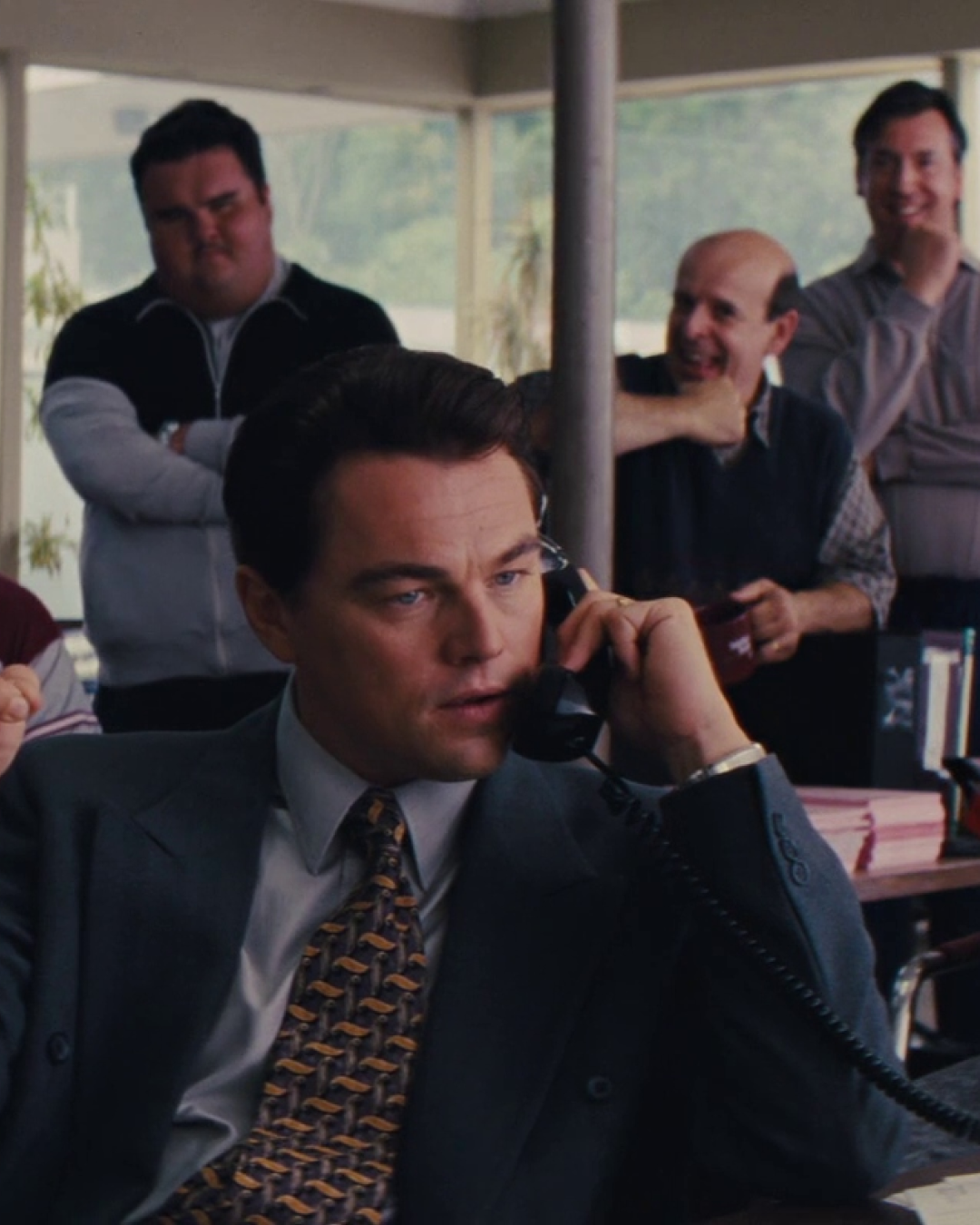
As films like American Psycho or Succession have abundantly pointed out, the finance bros of this world are far from insensitive to their own image and, in a broader sense, to fashion. Tailored suits with Loro Piana fabrics, Church’s shoes, Marinella or Hermès ties, cashmere sweaters, Burberry trenches (but also a Barbour jacket on the weekend), and the indispensable Rolex. Theirs is a world where appearances are everything, but eccentricity is a mortal sin: the simplest Gucci Horsebit loafer, in high finance, is an unforgivable confession of frivolity. That’s why the idea of quiet luxury struck the world of finance bros like crack hit the streets in the ’80s. But it was misinterpreted: why do finance bros still seem so badly dressed to us?
The “quiet” of quiet luxury has never meant boring or with skimpy proportions, just as the “old” of Old Money doesn’t mean obsessively dressing in navy blue. On one hand, the concept was co-opted by gym bros who wanted to clean up their image without giving up Instagram likes; on the other (and here we get to the heart of the finance bros), the idea of quiet luxury has become a justification for many not to critically examine their own wardrobe, realizing, for example, that they only own slim-cut suits that don’t evoke Gianni Agnelli or John Kennedy at all, but rather a very superficial idea of elegance that is actually precisely the attention and care for detail. This is also the reason why many of these finance bros, in their free time, switch from suit pants to slim-fit jeans, from leather derbies to Air Force 1s, and so on. Looking at the general without focusing on the particular is their problem. Just as it is focusing on a fairly basic range of brands, luxurious but bland, without infamy or praise.
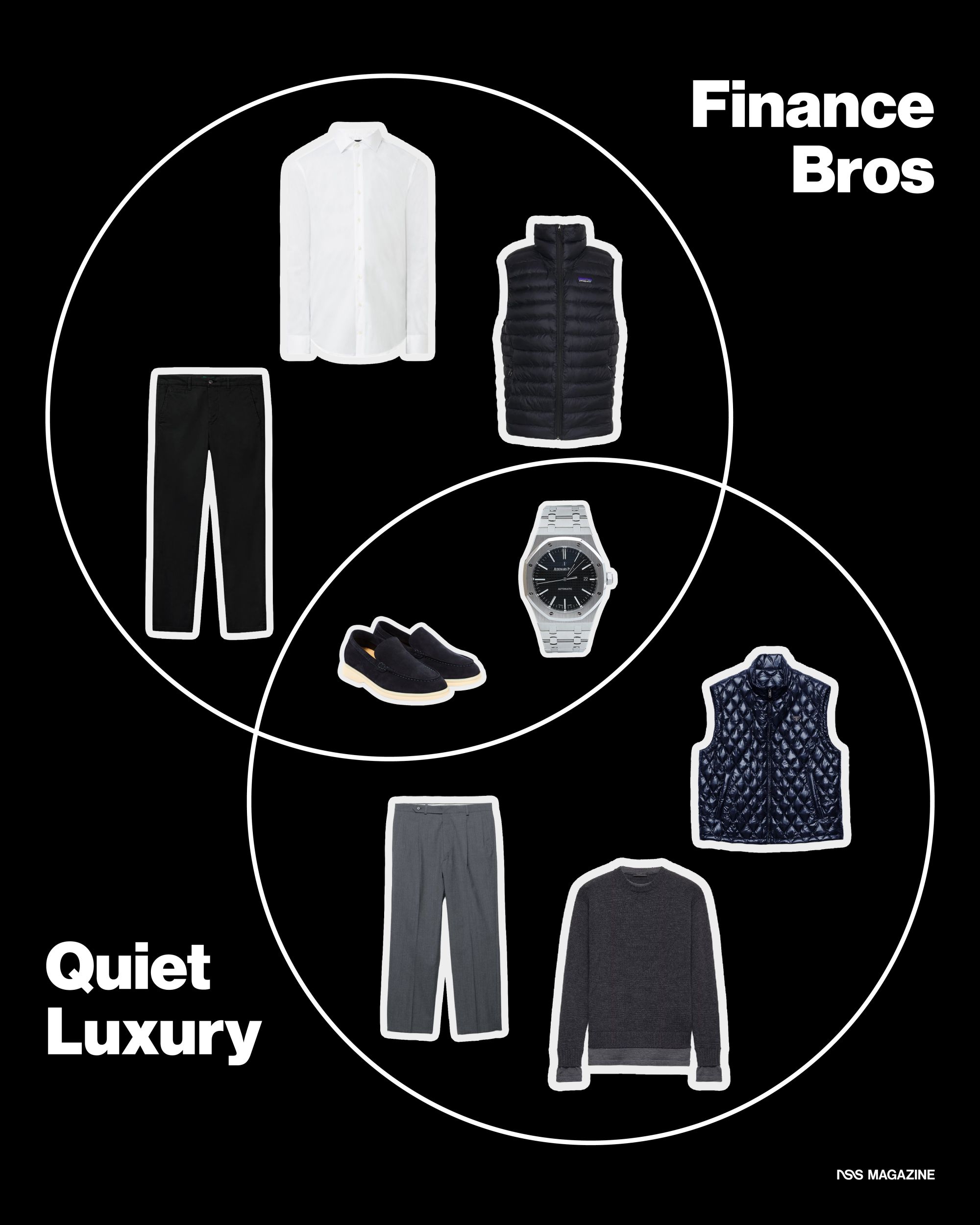
The main theme that emerges when confronting finance bros is cultural: their uniform is a rigid code of social acceptability based on the idea that it’s much better to impress than to give the impression of wanting to impress. If in fashion style is an expression of an ideal Self, in finance fashion is an expression of an ideal Self: the first is subjective, the second objective; the first is based on creating personal narratives, and the second on perfectly adhering to collective narratives. And there’s nothing to say about that: different rules for different worlds. The problem arises, however, when moving from the field of pure tailoring to that of business casual, where the finance bro look often consists of the famous vest with shirt, semi-formal compromise shoes, the sweater over shirt that ages ten years, the omnipresent blue, and predictable and discounted accessories that signal social status but arouse no one’s admiration.
@msexcelesports anything to add? #financetiktok #financebro #fyp #wallstreet original sound - Excel Esports
Here the knot of the problem emerges: the idea, that is, that the addition of classic elements in classic colors can amount to something more than an acceptable style. The attempt to coexist tailoring and functionality in the most tepid way possible, which leads to the vest-and-shirt combo, slim-fit pants worn without any regard for proportions, and the aforementioned semi-formal shoes with white soles. We could also add, at this point, a further problem, namely that the culture of finance bros is a sort of closed circle in which the same references (all pertaining to a somewhat British idea of elegance) are recycled ad nauseam without introducing new and better ones that break the obsessive conformity of a silhouette that’s too narrow or of a color palette in which only navy blue exists and in which gray or a plaid pattern already seem seditious vanguardism.
it's crazy how everyone recognizes that business casual is pretty ugly but people stick with it bc they don't want to stand out
— derek guy (@dieworkwear) March 7, 2024
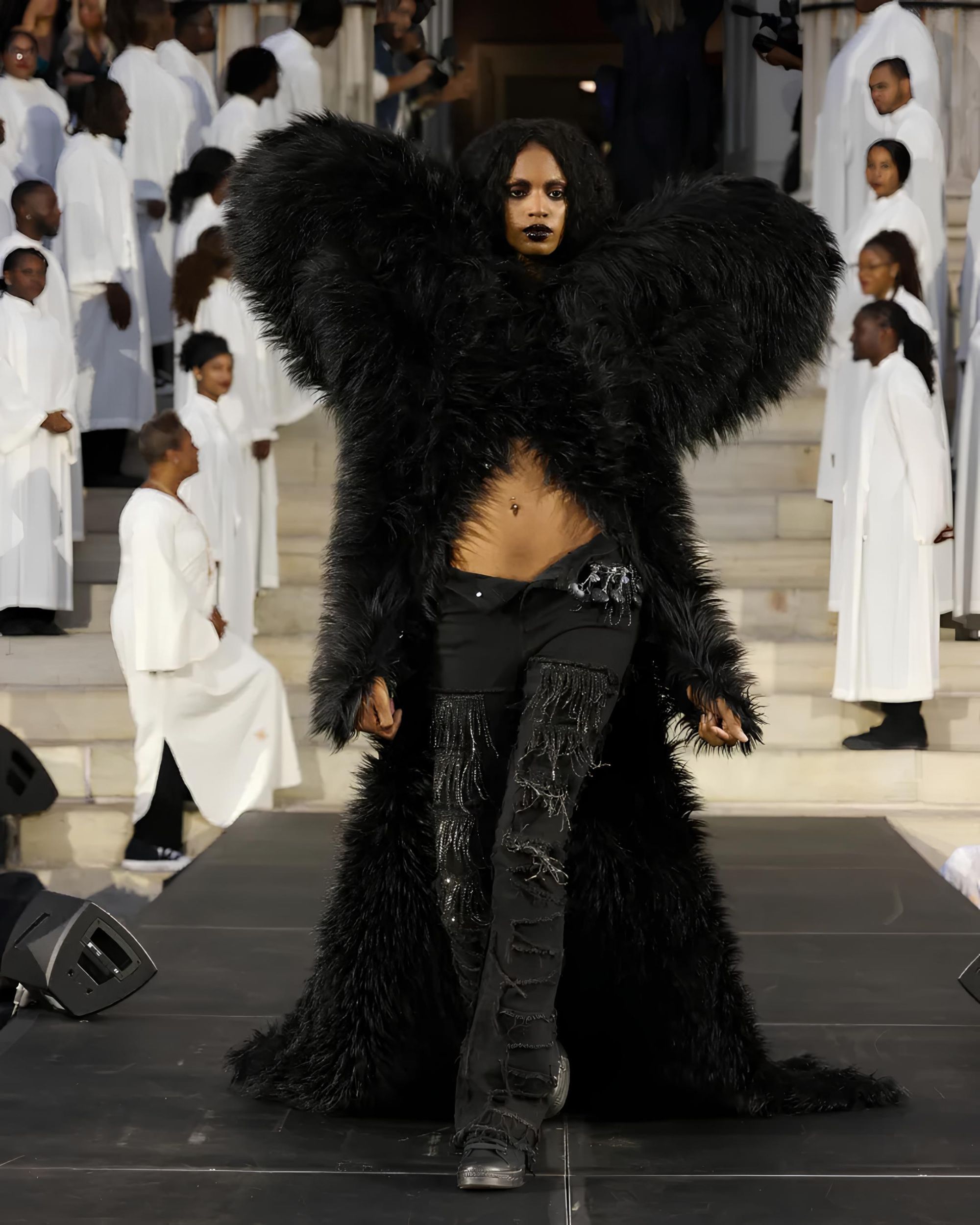
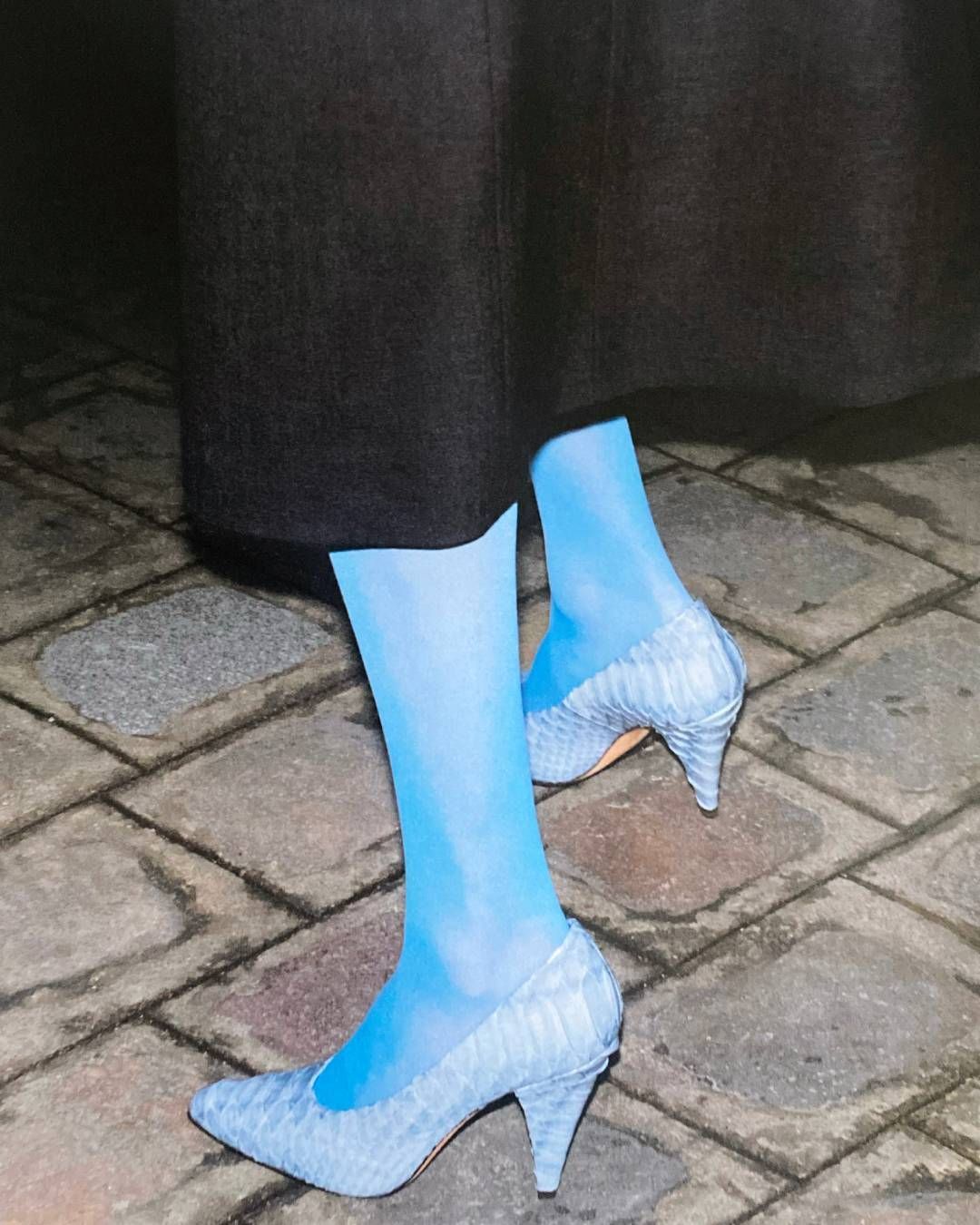
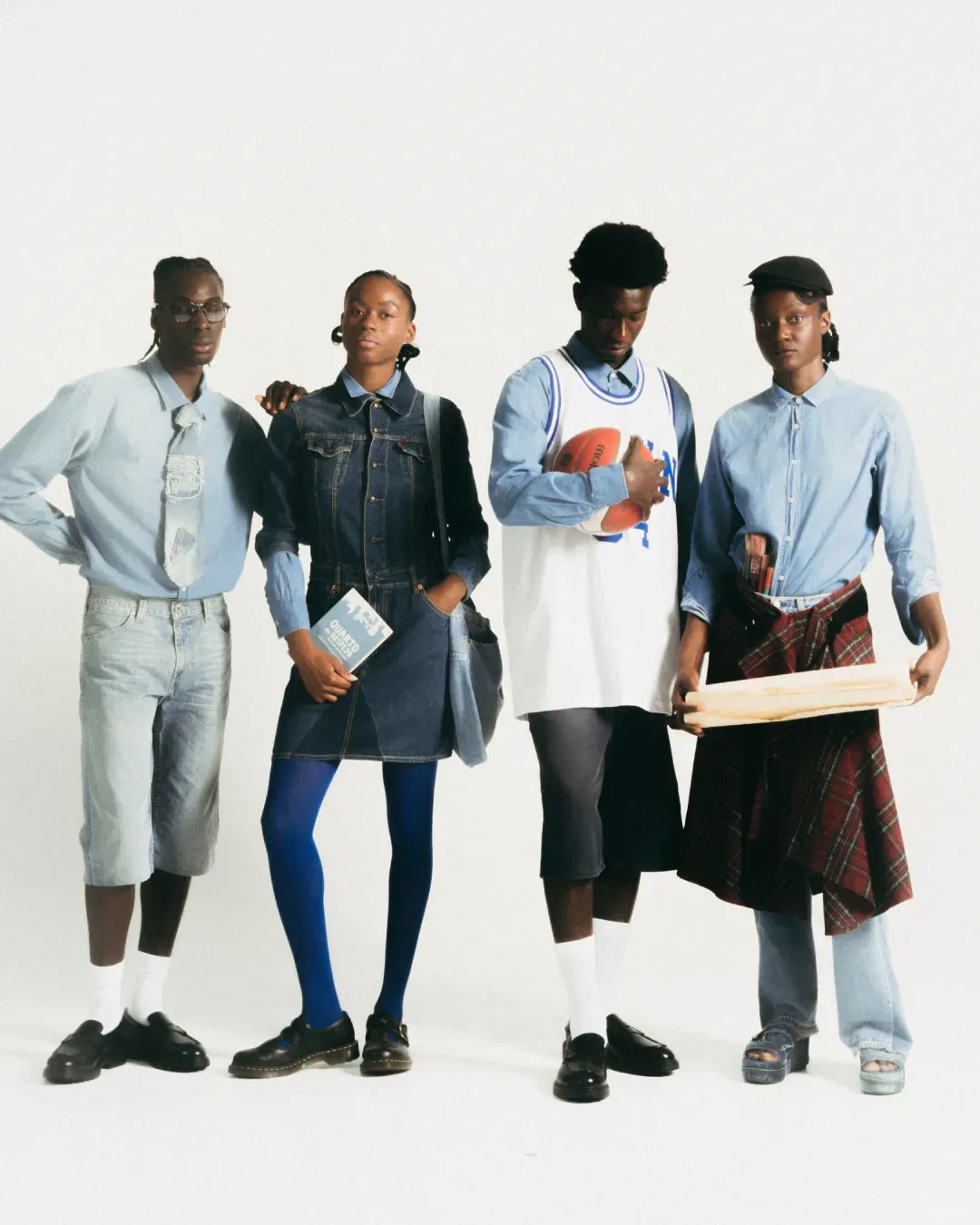
It’s groupthink: for the finance bro, there is only one way a suit can fit, only two or three colors that are permissible to wear, only one way to be. A field so narrow that it prevents the development of that sense of character and personality that is then the basis of any personal style. The style of finance bros and that of quiet luxury certainly have the same price range but opposite messages: quiet luxury wants to communicate a sense of comfort and lived-in elegance, its fits are more generous, its functionality is “soft,” and its classicism never primped and rigid; the finance bro, on the other hand, always has something to prove and a club to belong to, his is an absolute centrism in which personality and pleasantness evaporate. A difference that shows in the colors and fits: finance bro clothes don’t fall on the body but constrict it from every side; the colors he chooses are the same ones you could decorate a dental office with. If they didn’t refuse to understand, they might discover that you can wear a uniform without looking uniform themselves.