





































Is Coupang the new threat to Amazon's empire? The Korean e-commerce continues to grow
While Amazon still dominates the Western economy, in Asia the hierarchy seems far less stable. As Temu and Alibaba fight for the low-cost market amid tariffs and geopolitical tensions, Coupang is quietly but steadily positioning itself as a growing threat to American giants. Founded in 2010 by Bom Kim, the Korean company has built its success on a hybrid model between a marketplace and a proprietary logistics platform, combining a fast, algorithmic, and hyper-localized shopping experience with the culture of precision that defines South Korea.
In recent months, Coupang has achieved record-breaking results. According to the Korean Herald, the company surpassed $9 billion in revenue in the third quarter of 2025, marking a 20% increase year-on-year and its third consecutive profitable quarter. Growth is no longer limited to Korea: Taiwan has become the new testing ground, where the Rocket Delivery service (same-day or overnight delivery) is achieving adoption and retention rates comparable to its domestic market. Today, Coupang has over 24 million active customers and an average revenue per user of $323—figures that demonstrate the brand’s ability to turn logistical efficiency into behavioral loyalty.
What is Coupang?
@basicallyenya time for a new grocery haul!!!!!!!! #fyp #livinginkorea #livingabroad #foreignerinkorea #groceryshopping The Sims Theme - Steve Jablonsky
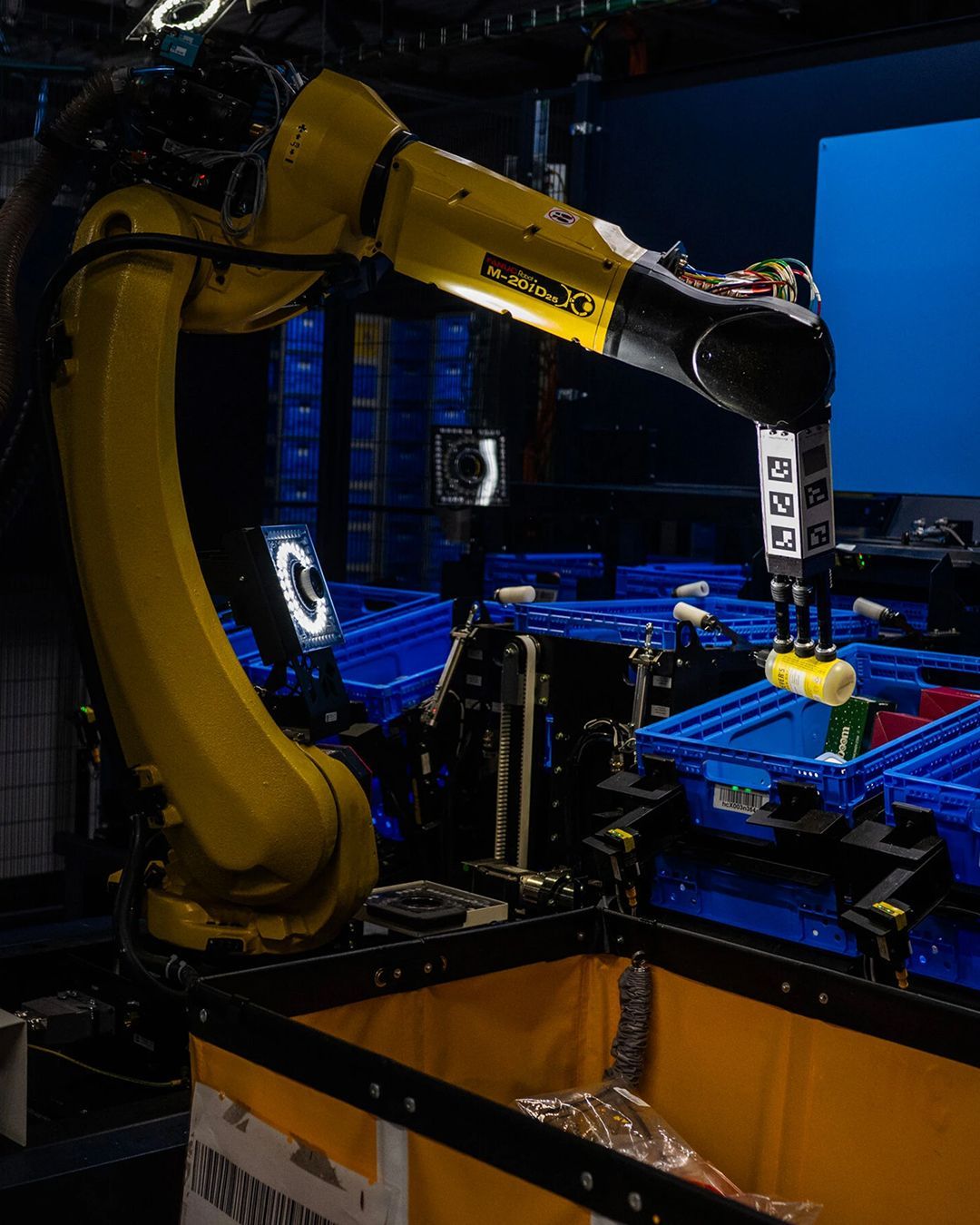
The secret to its success lies in a fully integrated ecosystem. Today, Coupang is not just a marketplace but the manager of its entire supply chain, from warehousing to optimizing delivery routes. The use of artificial intelligence and automation within its logistics network allows the company to anticipate demand and drastically reduce fulfillment times—with Rocket Fresh (its grocery division) ranking among the fastest services in the world. It’s a model similar to Amazon’s, but with an almost obsessive efficiency, powered by South Korea’s urban density, which allows for highly precise implementation.
Coupang today is no longer just an e-commerce platform but a growing digital conglomerate: from food delivery (Coupang Eats) to streaming (Coupang Play), and now international marketplaces. This last area represents the group’s newest ambition—to become a global player capable of directly challenging Amazon in emerging markets where logistics infrastructure remains fragmented. Yet, despite aggressive expansion and growing profits, not all of its ventures have been successful.
Coupang’s entry into fashion
One of Coupang’s boldest—and most uncertain—experiments has been its entry into the fashion system. It all began at the end of 2023, when Coupang rescued Farfetch—the British luxury e-commerce giant—from collapse by injecting $500 million to prevent its bankruptcy. The move, hailed as the “white knight deal” of the year, was meant to transform Coupang into a bridge between European luxury and Asian technology. However, the plan did not yield the expected results. Farfetch was ultimately left drained of its creative and financial resources and failed to reverse its decline, dragging down New Guards Group as well, once considered the ultimate hub of “new luxury.”
In recent months, several designers have regained independence from the group’s contracts: first Alanui and Ambush, followed by Marcelo Burlon and most recently Heron Preston, all of whom have either left or regained ownership of their brands. The acquisition of Farfetch was supposed to secure Coupang a stable entry into fashion, but it turned out to be a challenging operation to integrate. The modus operandi of the luxury sector is inherently different: margins are thinner, decision-making cycles are slower, and the economies of scale that made Coupang unbeatable in e-commerce simply do not align with the pace of the fashion system.
Can Coupang really become the new Amazon?
$CPNG Q3 2025 earnings: Core Profit Engine Fires on All Cylinders, Funding an Even Bigger Taiwan Bet.
— Finsee (@Finsee_main) November 4, 2025
Coupang reported a strong quarter driven by impressive performance in its core Korean e-commerce business. This segment showed excellent revenue growth and record-high…
While Jeff Bezos’s giant is built on a decentralized, sprawling empire, Coupang operates with the opposite logic—one of extreme centralization, logistical efficiency, and near-total control of its supply chain. Amazon conquered the world by adapting to local cultures, whereas Coupang seems to favor a more selective but methodical expansion strategy, replicating the Korean model wherever the technological infrastructure allows it.
Of course, Amazon remains the global benchmark in scale and capitalization, but the pace at which Coupang is strengthening its position suggests that the era of Western e-commerce monopoly may be slowly coming to an end. And if the next giant capable of rewriting the rules of online commerce doesn’t emerge from Silicon Valley but from Seoul, it wouldn’t be much of a surprise—after all, it’s increasingly clear that Asia no longer imitates the West; it surpasses it.