
























Why have fashion films replaced fashion shows? A bridge between visual consumption and elitist reality
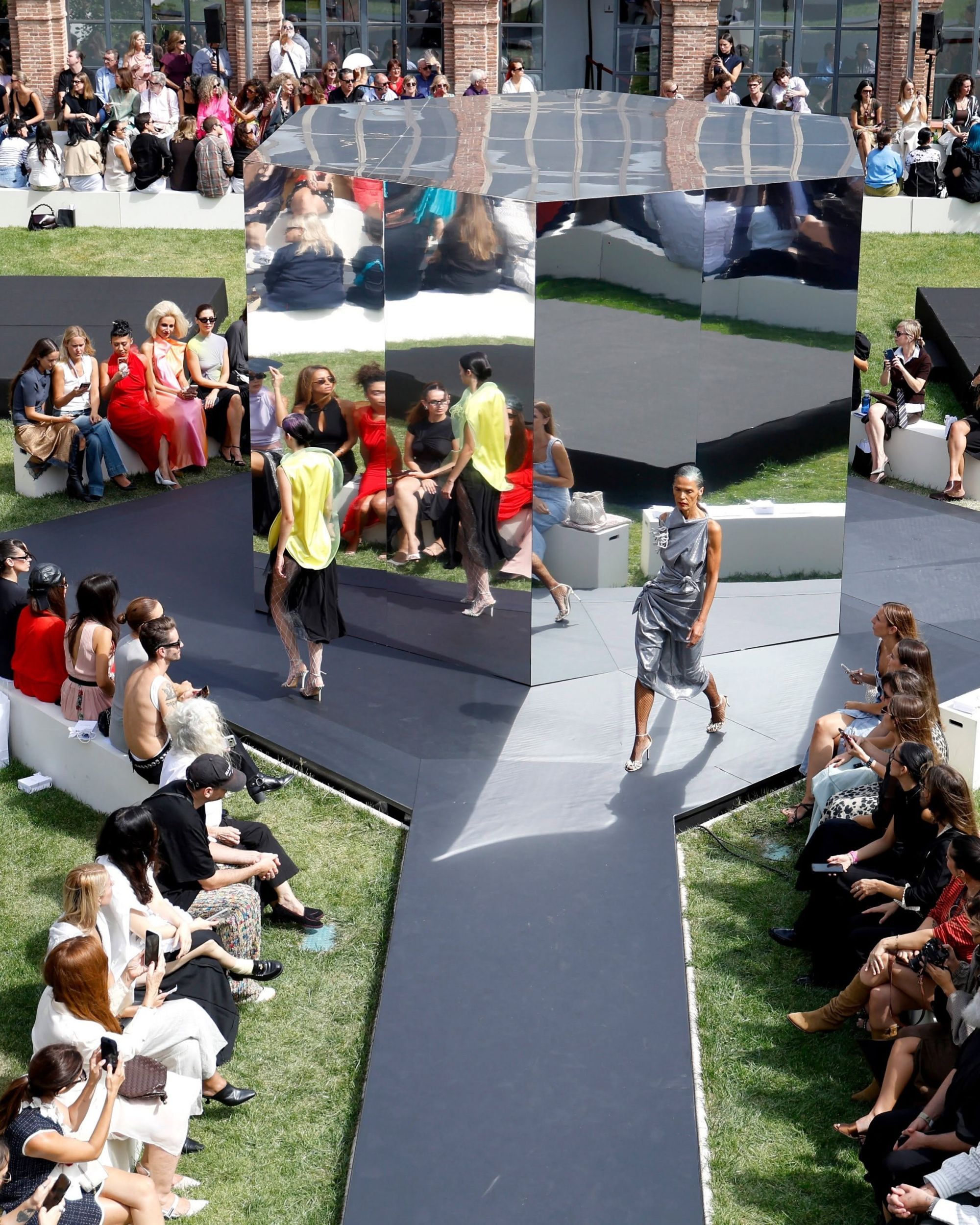
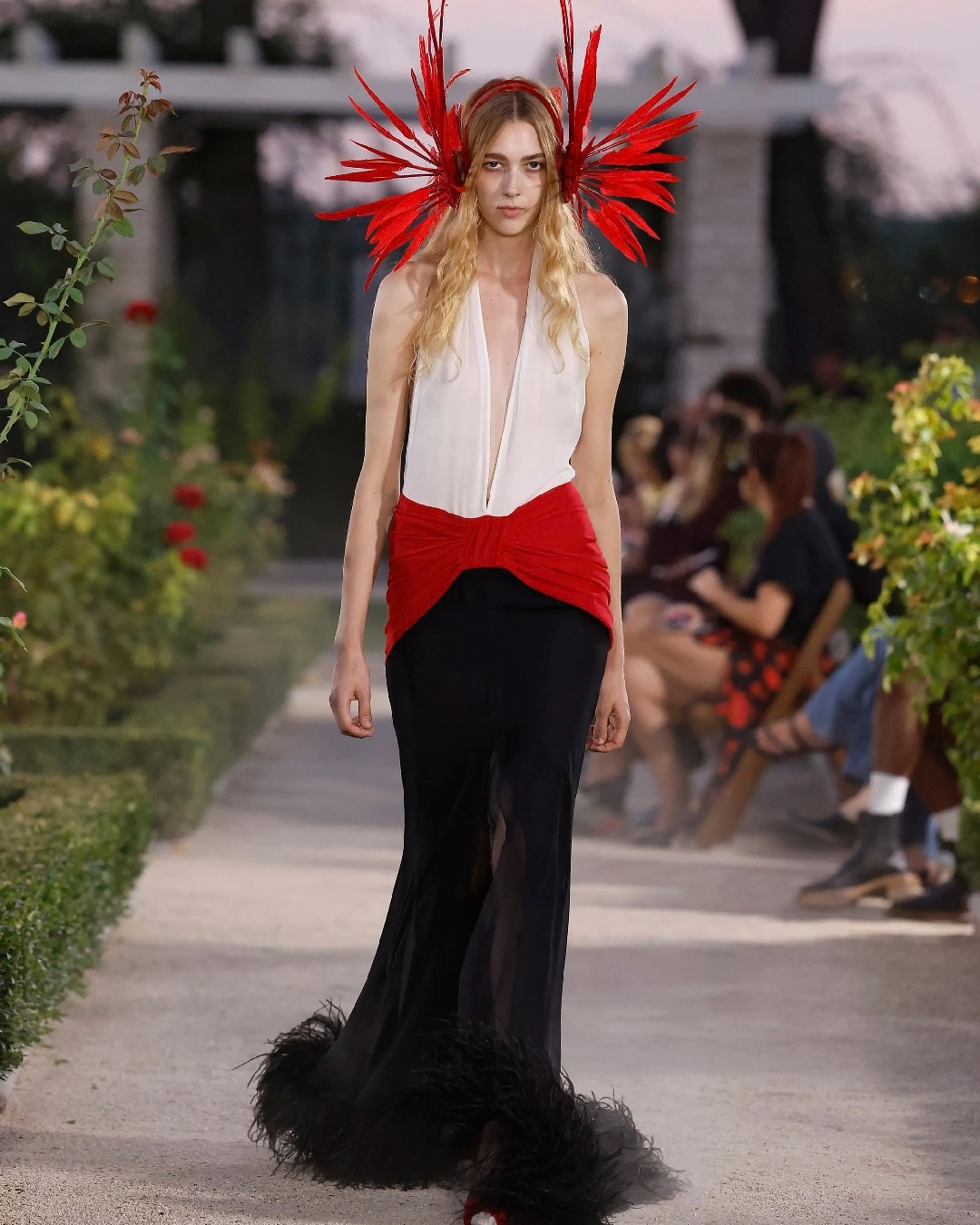
We find ourselves in a transitional Milan Fashion Week: between long-awaited debuts and revamped formats, many brands opted for more intimate presentations and controlled settings, far from the clamor of traditional runways. Versace chose a close-up approach, almost like an exclusive showroom, to present the new collection by Dario Vitale. Diesel, on the other hand, leaned on a democratic yet limited format, with an egg hunt culminating in a party that served as the actual presentation of the new collection. In a landscape dominated by these alternative showcases, Gucci, under the guidance of Demna, opted for a film directed by Spike Jonze as its main presentation medium: not just a simple recording, but a standalone work projecting the SS26 collection into an artistic dimension. Cinema also convinced more mainstream brands, with Borbonese screening the short film Ci vediamo da Bice, dedicated to one of Milan’s most popular restaurants, during Fashion Week. And at the top levels of fashion, Jil Sander introduced Simone Bellotti with a trailer, while Prada hired Yorgos Lanthimos for a campaign featuring Scarlett Johansson.
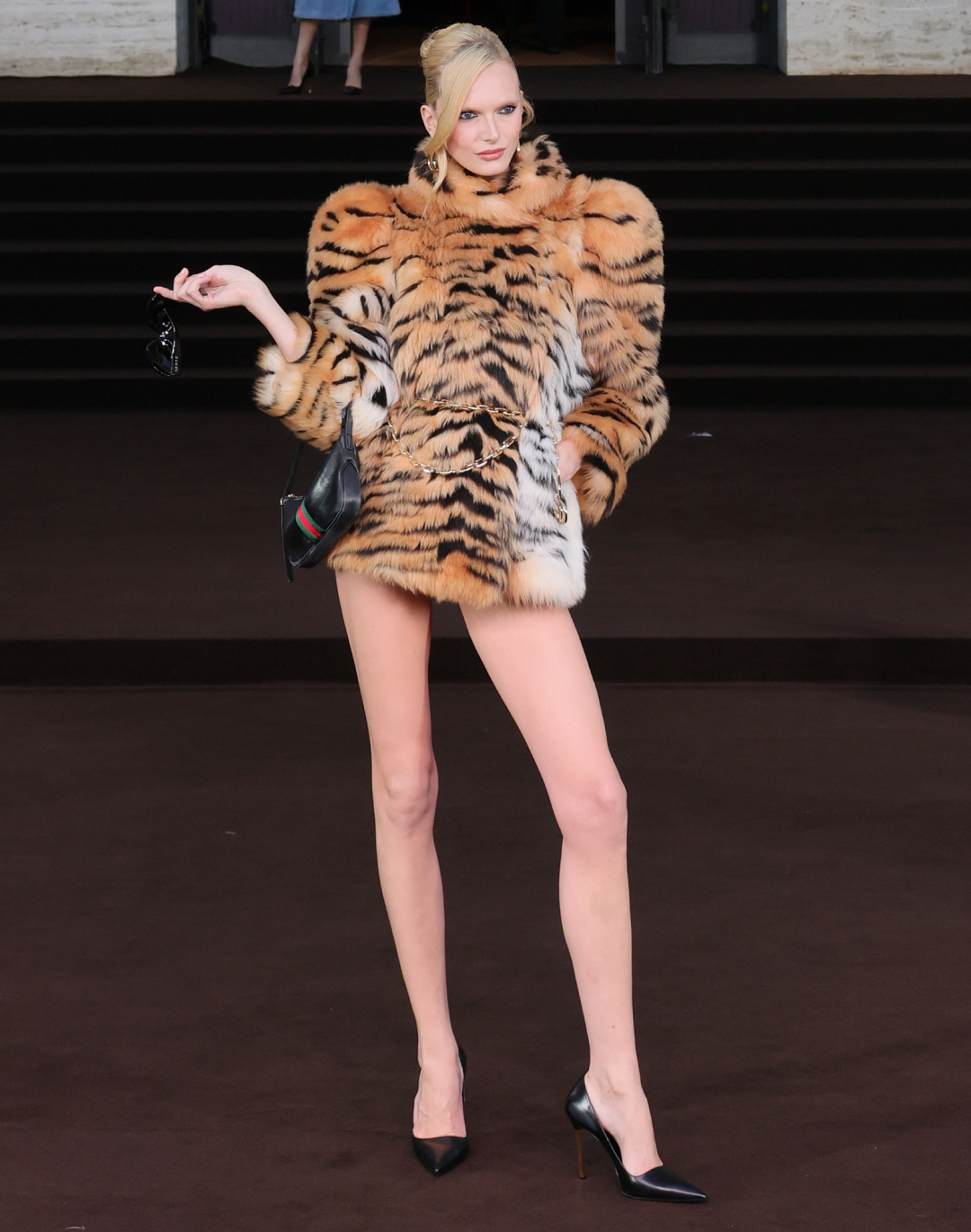
Needless to say, everyone’s attention, both inside and outside the fashion industry, yesterday was on The Tiger, Gucci’s film with a stellar cast: Demi Moore, Edward Norton, Ed Harris, Alex Consani, Elliot Page, Keke Palmer, Kendall Jenner, Alia Shawkat, Julianne Nicholson, Heather Lawless, Ronny Chieng. Demna’s debut—he’s a designer who made drama his signature at Balenciaga—at the creative direction of the maison was already a major event of the week on its own, but the addition of an alternative presentation like a film premiere amplified its value. And in such a chaotic season, marked by creative leadership changes across the industry, still managing to capture everyone’s attention is no small feat. The buzz and success sparked by Spike Jonze’s film suggest that perhaps, starting from the coming seasons, fashion may begin to prefer movie theaters over runways. But what does this mean for the industry?
Why are brands communicating through cinema?
Choosing to present a new collection on the big screen rather than on the runway is not just a creative whim, but a strategic move to bridge the gap between a visual consumer good for millions and an elite product purchasable by very few. Gucci’s film The Tiger seemed designed to bring the collection to the broader social media audience rather than to the “chosen few” among press, buyers, and influencers. Moreover, the collection will immediately hit the brand’s main boutiques, showcasing the immediacy that Gucci’s directors wanted to inject into the brand’s new artistic direction. Another example of how cinema has become useful for fashion to appear more accessible is the production company created by Saint Laurent, which at the latest Venice Film Festival even won the highly coveted Golden Lion for Jim Jarmusch’s Father Mother Sister Brother.
In this trend, the revival of Trussardi is arriving precisely in the form of a film entitled The Gentle Society, a short movie premiered at the Venice Film Festival 82 with Eva Herzigová and Fernando Lindez as protagonists, exploring the brand’s new chapter before being reintroduced at Fashion Week as the spearhead of the conversation. But this tendency goes beyond isolated debuts. In addition to the trailer Wanderlust for the new Jil Sander under Simone Bellotti, Prada also created a campaign with Yorgos Lanthimos and offers its Chinese customers film screenings in the new and stunning Rong Zhai in Shanghai. Meanwhile, in the indie fashion world, Luis de Javier opted for a 24-hour livestream presentation, essentially a documentary filmed in real-time of himself and his team preparing the collection in a see-now-buy-now format, while Tolu Coker chose a film with Naomi Campbell over a classic show.
Film or show?
It’s true that the pandemic revived the desire for in-person, tangible presentations, almost like a return to physical normality after months of screens and forced streaming. At that time, brands were already struggling to balance exclusivity and digital inclusivity—but of course no one expected that within five years prices would explode and, let’s be honest, the world would fall apart. Today, almost no one can afford luxury fashion, and indeed fewer and fewer are buying it. On top of that, nearly 90% of industry insiders and almost the entire global audience consume shows through video: clips on YouTube, reels on Instagram, or digital lookbooks.
This divergence between the elite on-site experience and mediated consumption highlights a paradox: fashion aspires to be cultural, but risks being reduced to ephemeral content if it doesn’t embrace narrative formats like film, which turn a collection into a shareable story capable of generating authentic hype without relying on instant likes. And this is where, for example, trailers and teasers for creative directors come into play: not only to build awareness and avoid cinematic-style “flops,” but to provide a partial taste of the overall aesthetic, as in Maison Margiela’s micro-videos with Glenn Martens or Dior’s teaser with Jonathan Anderson and Sam Nivola. Incidentally, Maison Margiela’s Artisanal 2024 collection under Galliano was presented with a film called Nighthawk—not to mention that all recent collections of Celine under Hedi Slimane were presented exclusively via film. And the brand’s sales didn’t suffer.
A need for intimacy?
Take Willy Chavarria at New York Fashion Week: for SS26, the designer preferred the salon format, an intimate atelier gathering prioritizing direct dialogue with buyers and VIPs, emphasizing craftsmanship and the brand’s cultural identity. Without staying behind closed doors, other brands in New York also opted for a format that the press began calling «intimate presentation»: the term salon—meaning the classic Haute Couture presentation for buyers and clients only, with little press—was used to describe the shows of Wiederhoeft and LaPointe. A search for intimacy that strongly recalls the intimate modes chosen by Versace, Gucci, and Diesel in Milan, but especially the no-phone policy of The Row, so sensational in an era where Wi-Fi and views suppress all human emotion.
The movement of prices in luxury seems to suggest that we’re heading toward a polarization between accessibility and exclusivity: while big brands like Gucci and Versace push hybrid strategies to democratize visual access, niche labels like The Row retreat into an elite that values "quiet luxury" as a symbolic status, with investments from giants like Chanel amplifying its value to over a billion dollars. In this context, trailers serve as the perfect bridge, adopting entertainment tactics to build awareness in a 2025 full of radical changes, where creative directors evolve into “creative franchises” expanding storytelling into lifestyle and aesthetic-intellectual tastes, creating inviting micro-worlds. But a further step is needed.
Look but don’t touch
As mentioned, fashion will have to choose what to be: an integral part of culture, capable of influencing public debate through powerful media like cinema—as Demna or Saint Laurent are doing with their respective projects—or a niche for a few, where exclusivity becomes a luxury for its own sake? In any case, those who can afford it already belong to a niche: as highlighted by the report True-Luxury Global Consumer Insights 2025, the customer segment able to consume luxury fashion at the frequency brands desire is measured in tens of thousands, not hundreds or millions. To sustain a slew of businesses that only want to keep growing, that’s a customer base that’s no longer enough.
Films, with their ability to narrate and democratize, could be the way for a fashion that doesn’t isolate itself, but reinvents itself as a shared experience, bridging the gap between those who watch and those who own. In an era of exclusivity crisis, fashion has ceased to be a niche industry and has become part of pop and internet culture, ending up massified while trying to exclude everyone with a very high price barrier. This has translated into a concrete decline in digital engagement over the past three years, down 40% according to Bain. Today, therefore, embracing cinema is not just a format, but a choice to survive its own intrinsic contradiction and inspire an excluded audience that is increasingly drifting away from it.