

























A brief history of the button: from artful ornament to contemporary fastener Chronicle of a fashion micro-monument
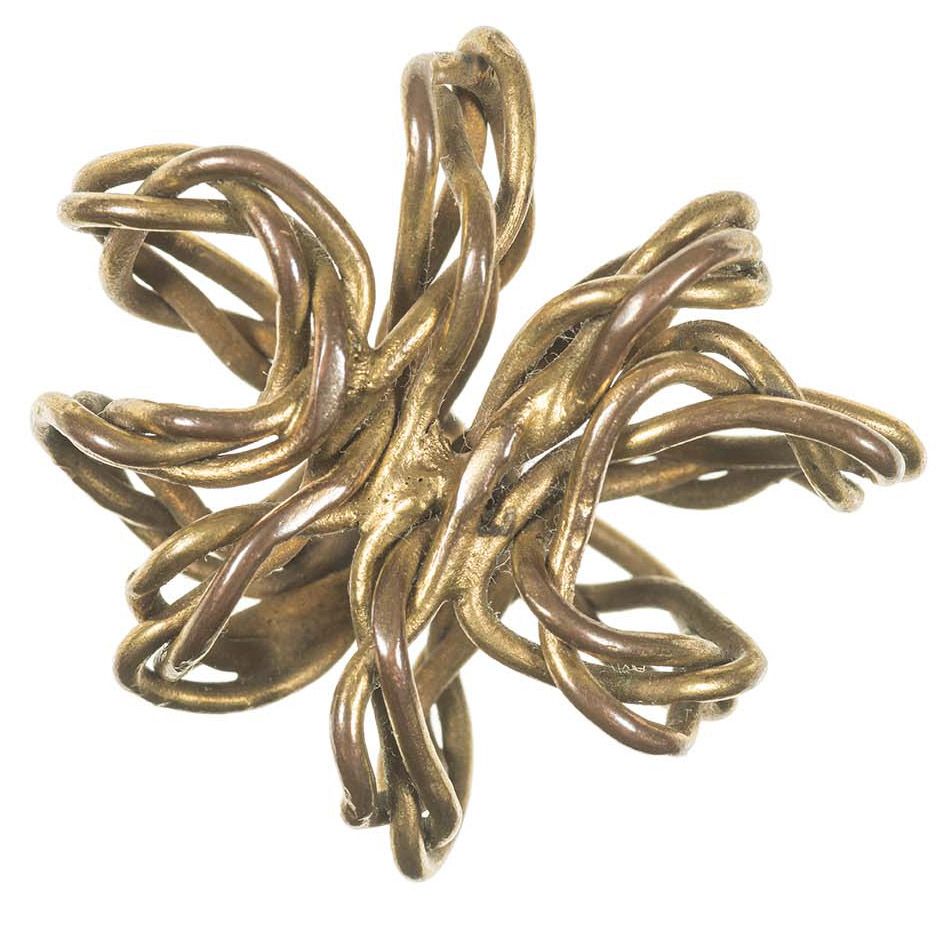
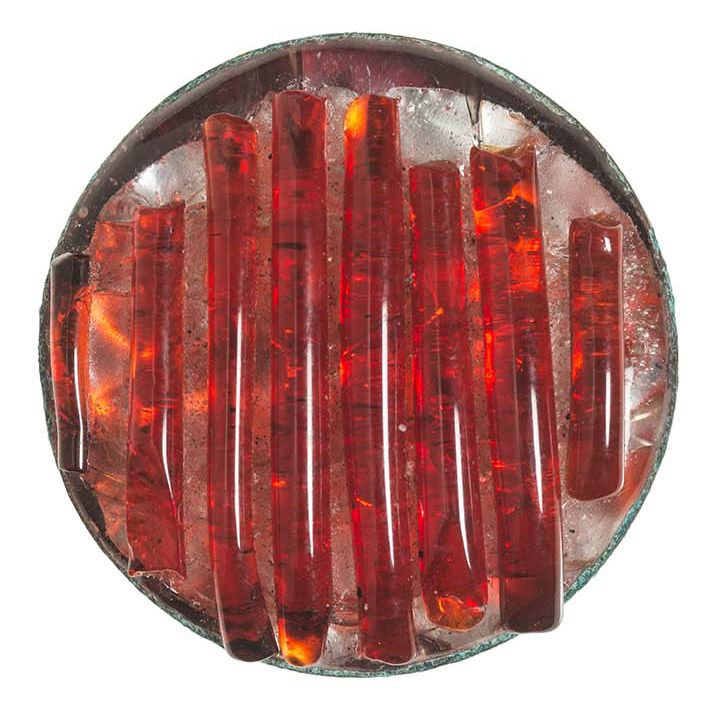
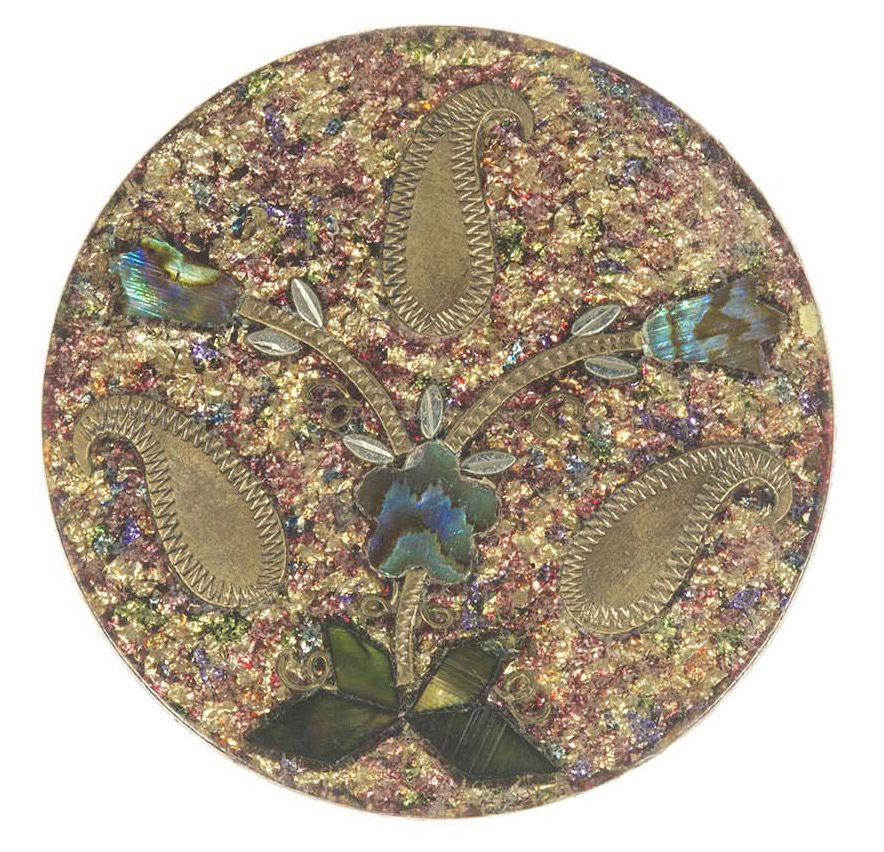
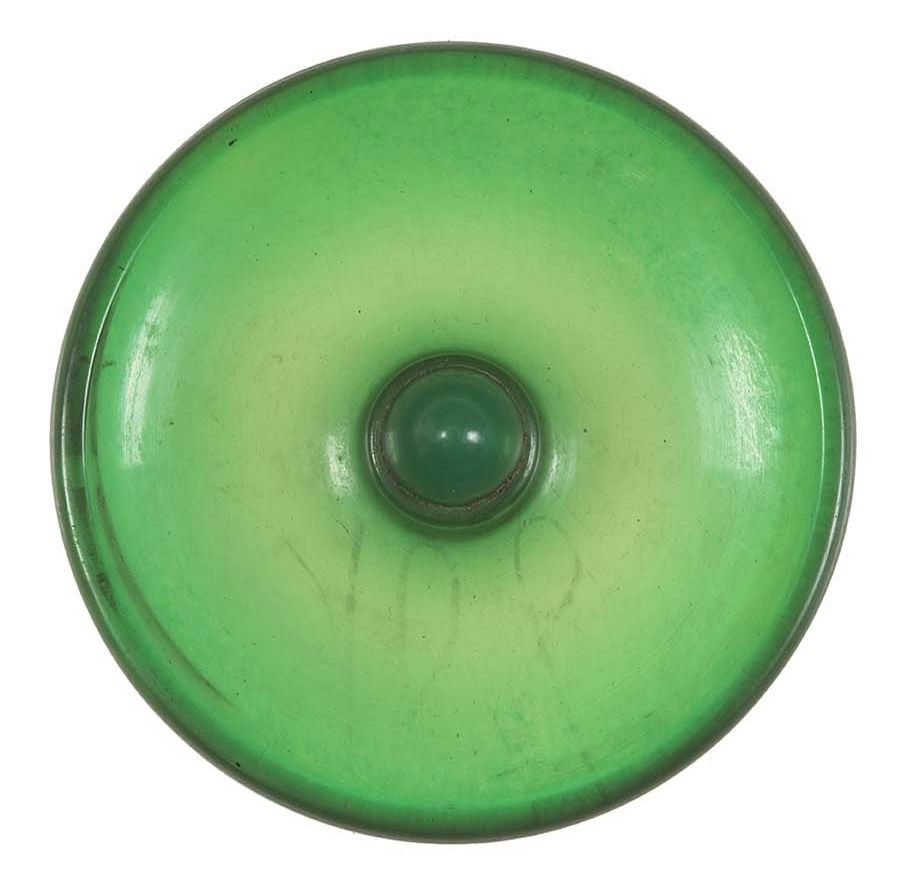
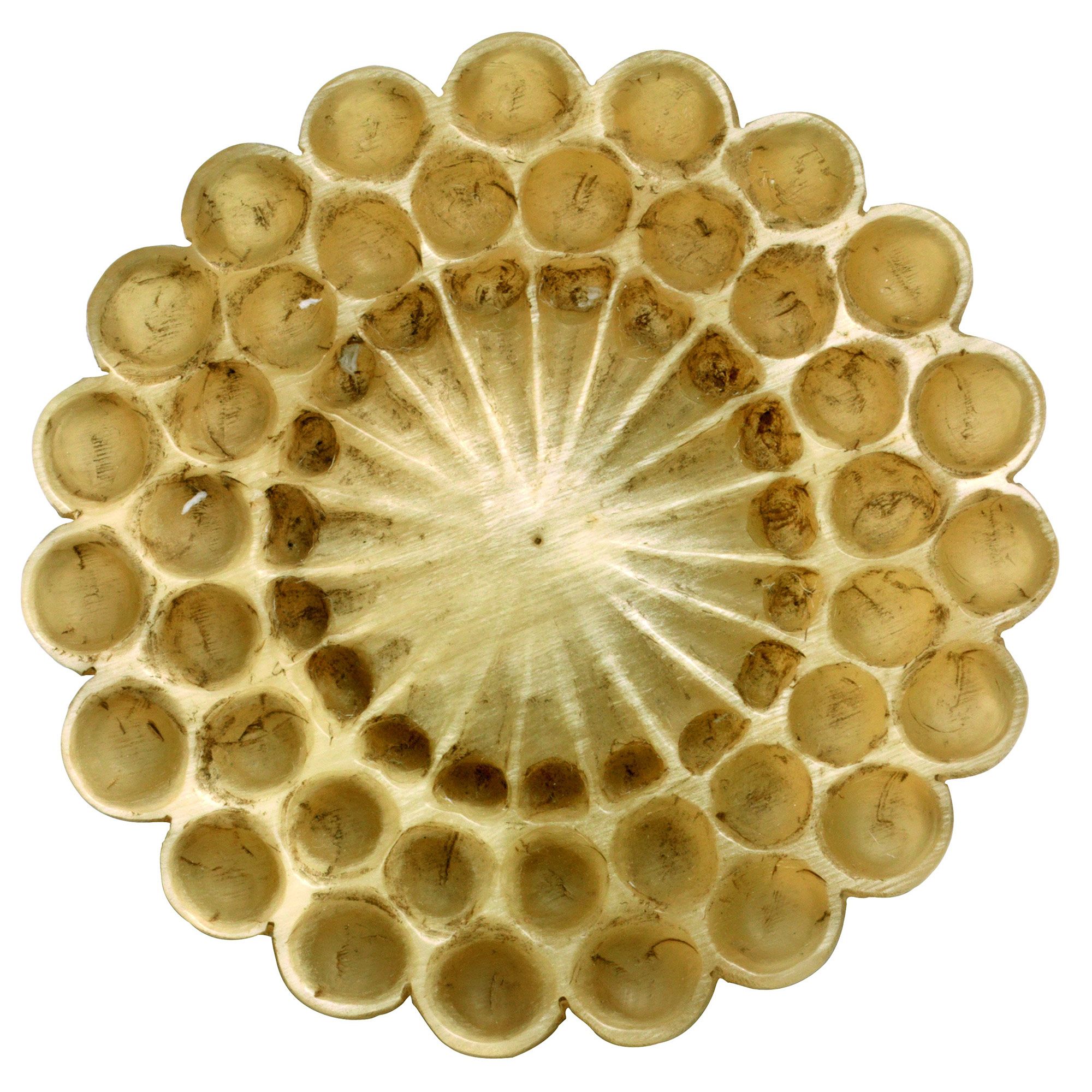
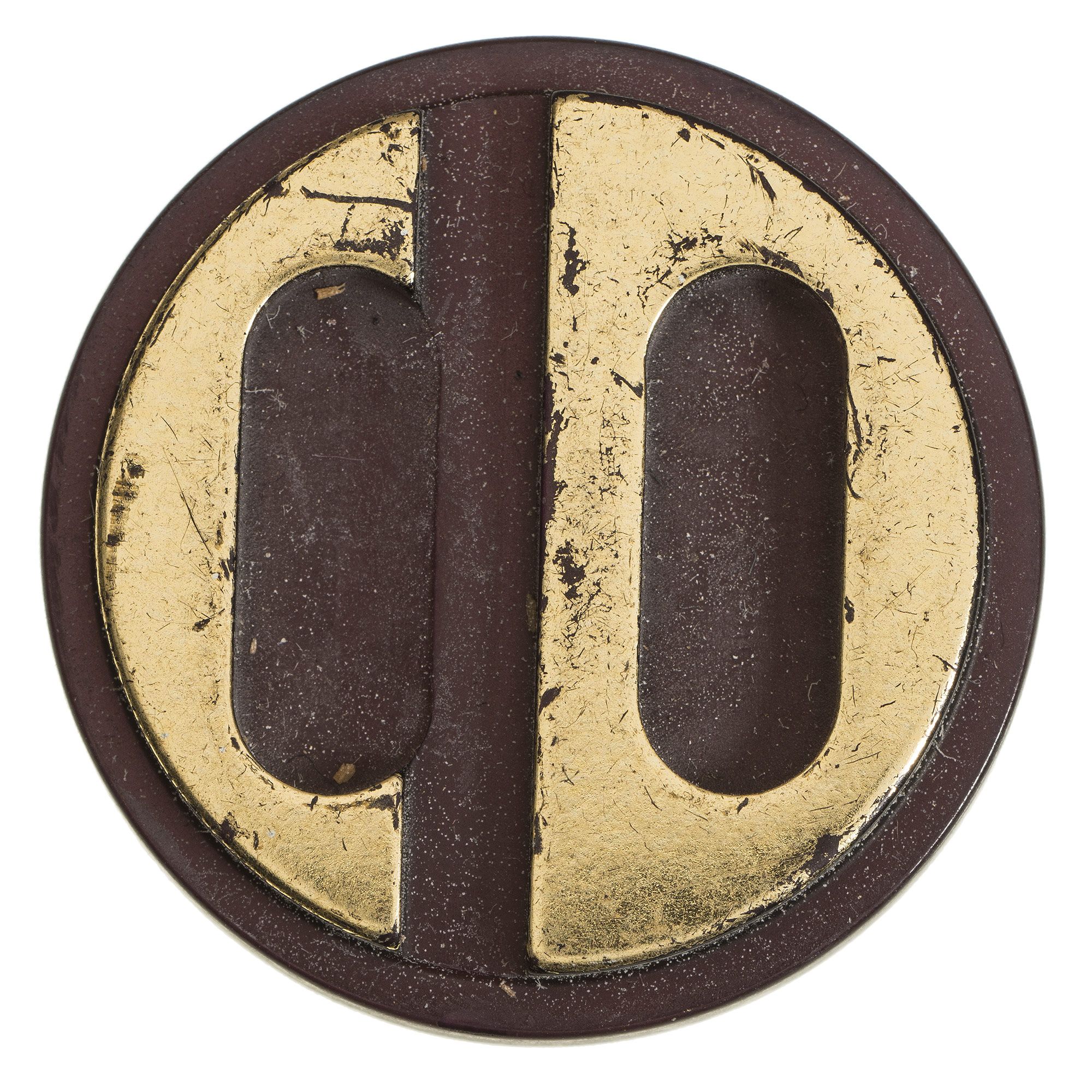
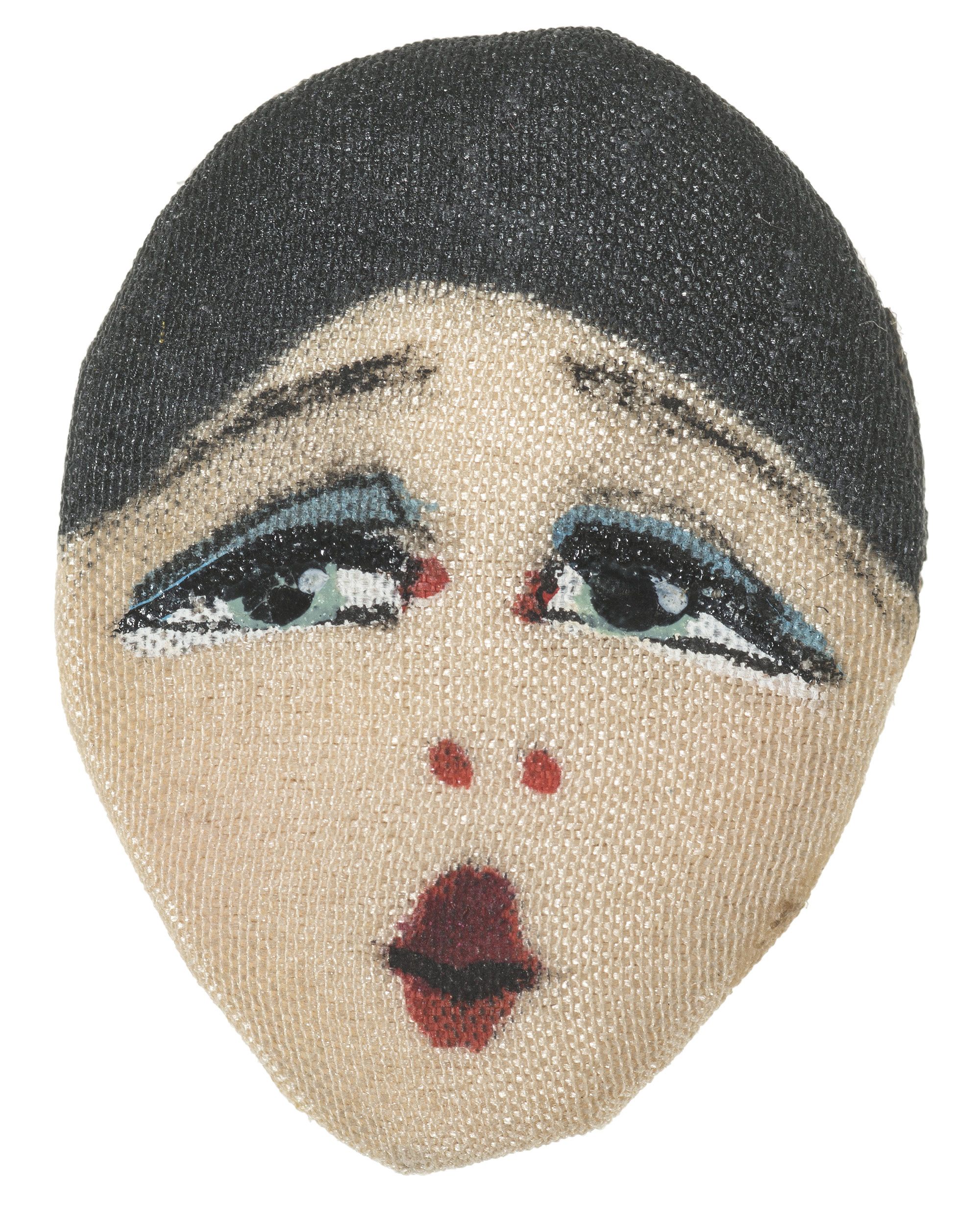
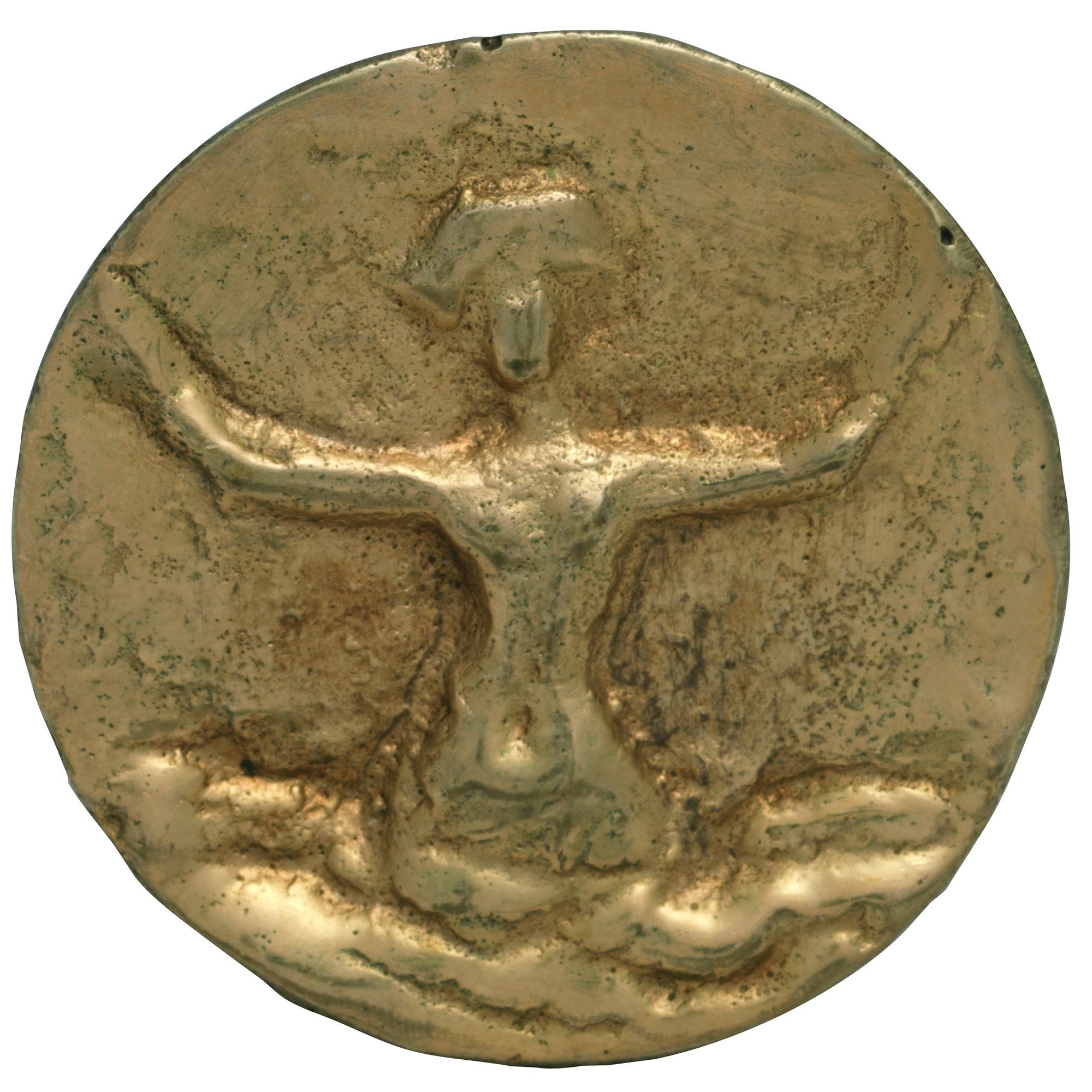
Long relegated to mere mechanical utility, the button is nevertheless one of the most revealing elements of the technical, artistic, and sociological revolutions of our wardrobe. From a symbol of power under the Ancien Régime to a driver of avant-garde design in the 20th century, this imperceptible detail alone encapsulates centuries of fine craftsmanship and creative intent. Here is the anatomy of a fashion micro-monument, bridging luxury object and couturier signature.
The historical rise of an object of power and prestige
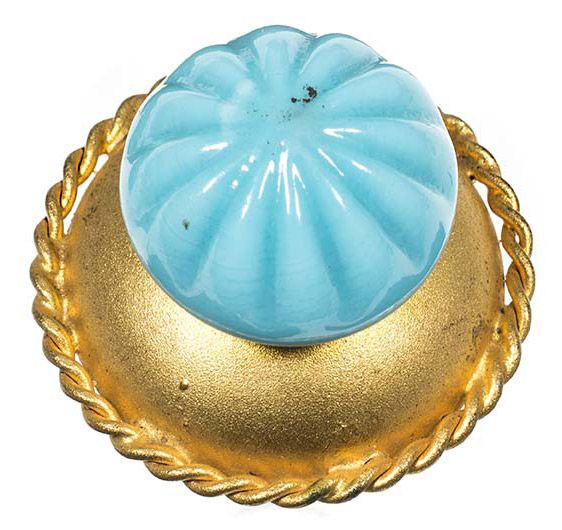
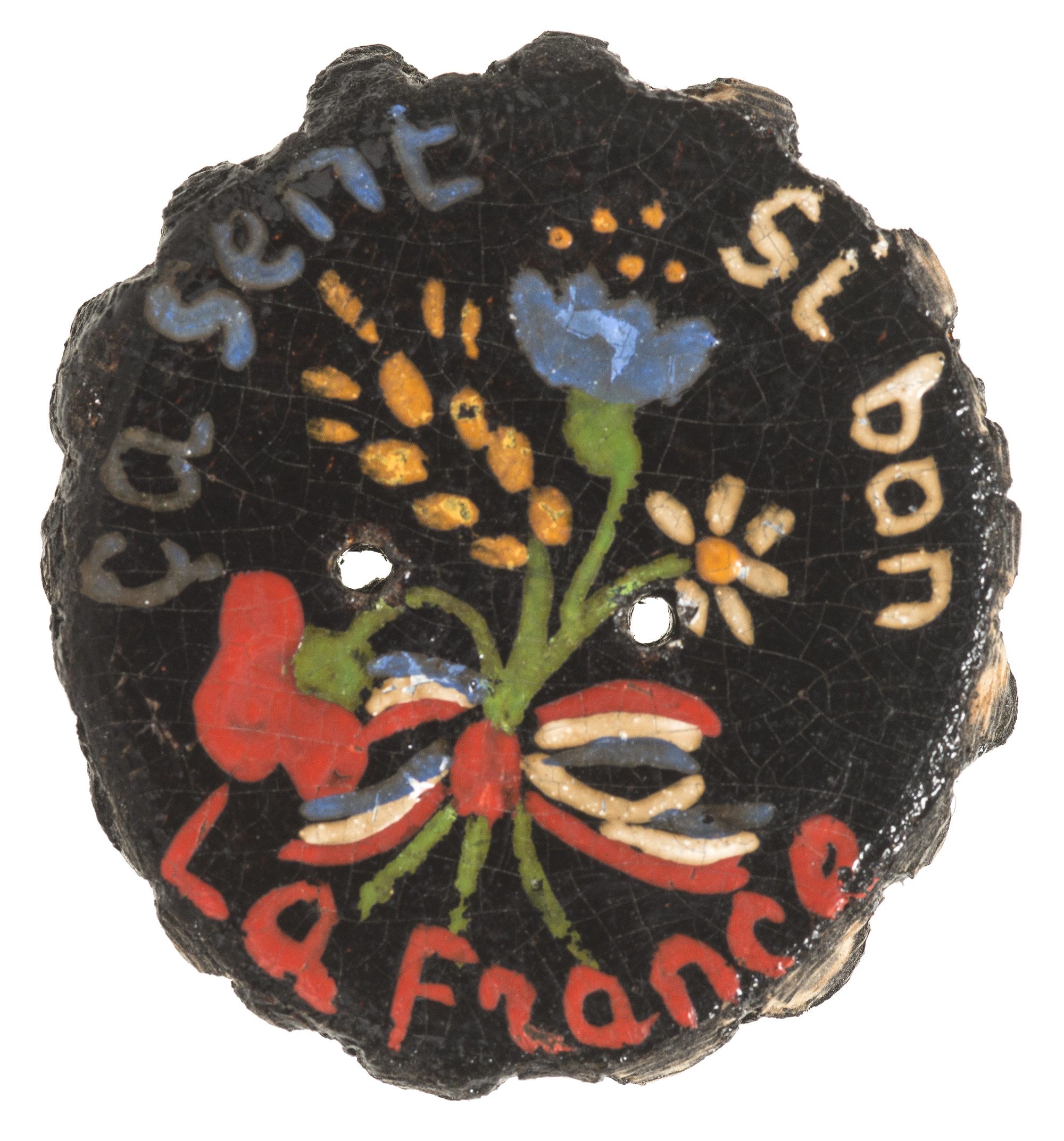
The history of the button reflects a gradual ascent that began in the 13th century, reaching its peak in late 18th-century France. During this golden age, the button transcended its primary function as a fastener to become a piece of fine metalwork whose monetary value often surpassed that of the textile it adorned. Serving as a miniature medium, it conveyed the wearer's political views, intimate declarations, or social satire - featuring everything from riddles and scenes of the storming of the Bastille to royal portraits. The Anglomania of the 1780s gradually introduced this element into womenswear, securing cuts inspired by menswear.
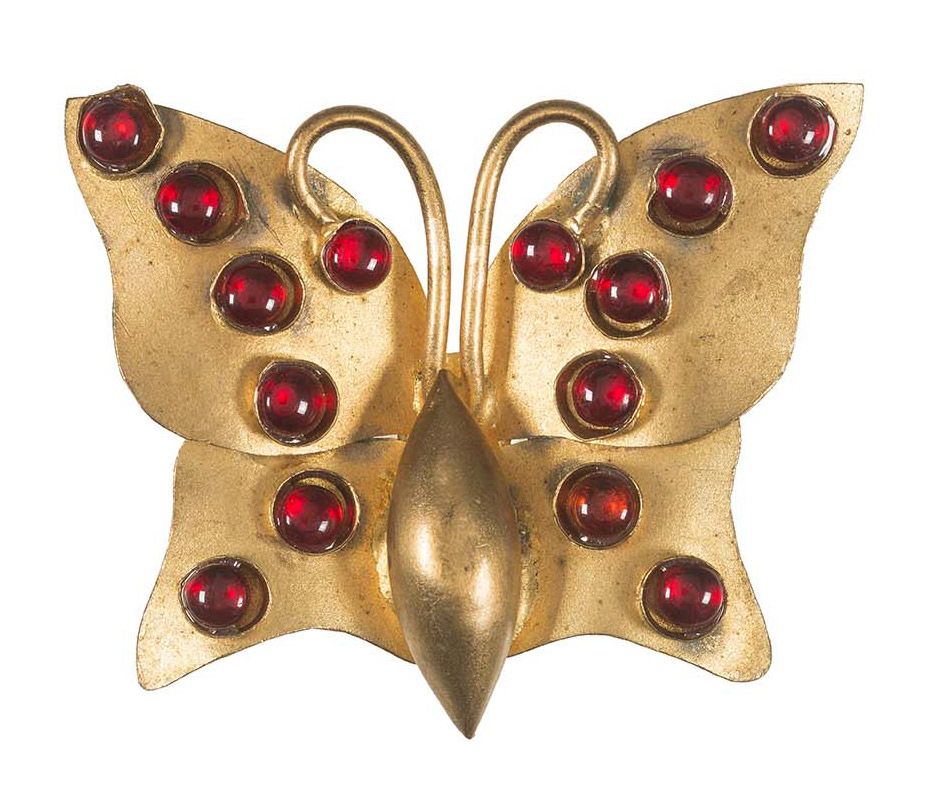
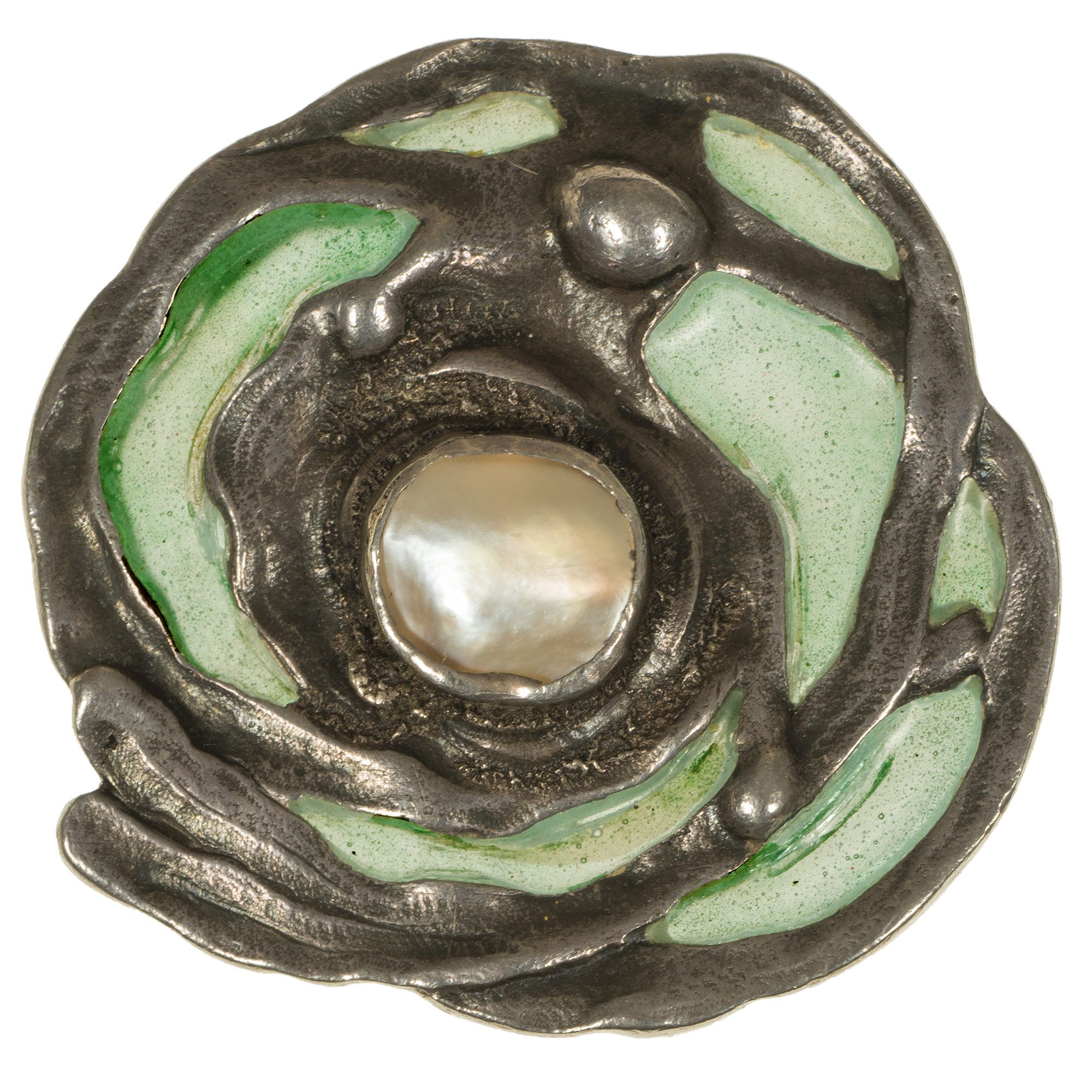
The Industrial Revolution of the second half of the 19th century transformed this artisanal craft into a thriving industry, multiplying shapes, shades, and uses. While men's buttons remained imposing, women's fashion favored modesty in size and multiplicity in number, spreading across fine lingerie, gloves, and boots. An object of seduction meticulously described in the literature and fashion gazettes of the era, the precious button was approached by jewelers as a standalone piece of adornment, echoing the sinuous lines of Art Nouveau. This decorative hegemony waned, however, at the turn of the 1980s, when prevailing minimalism reassigned the button to purely functional restraint.
The button as a canvas for artistic expression
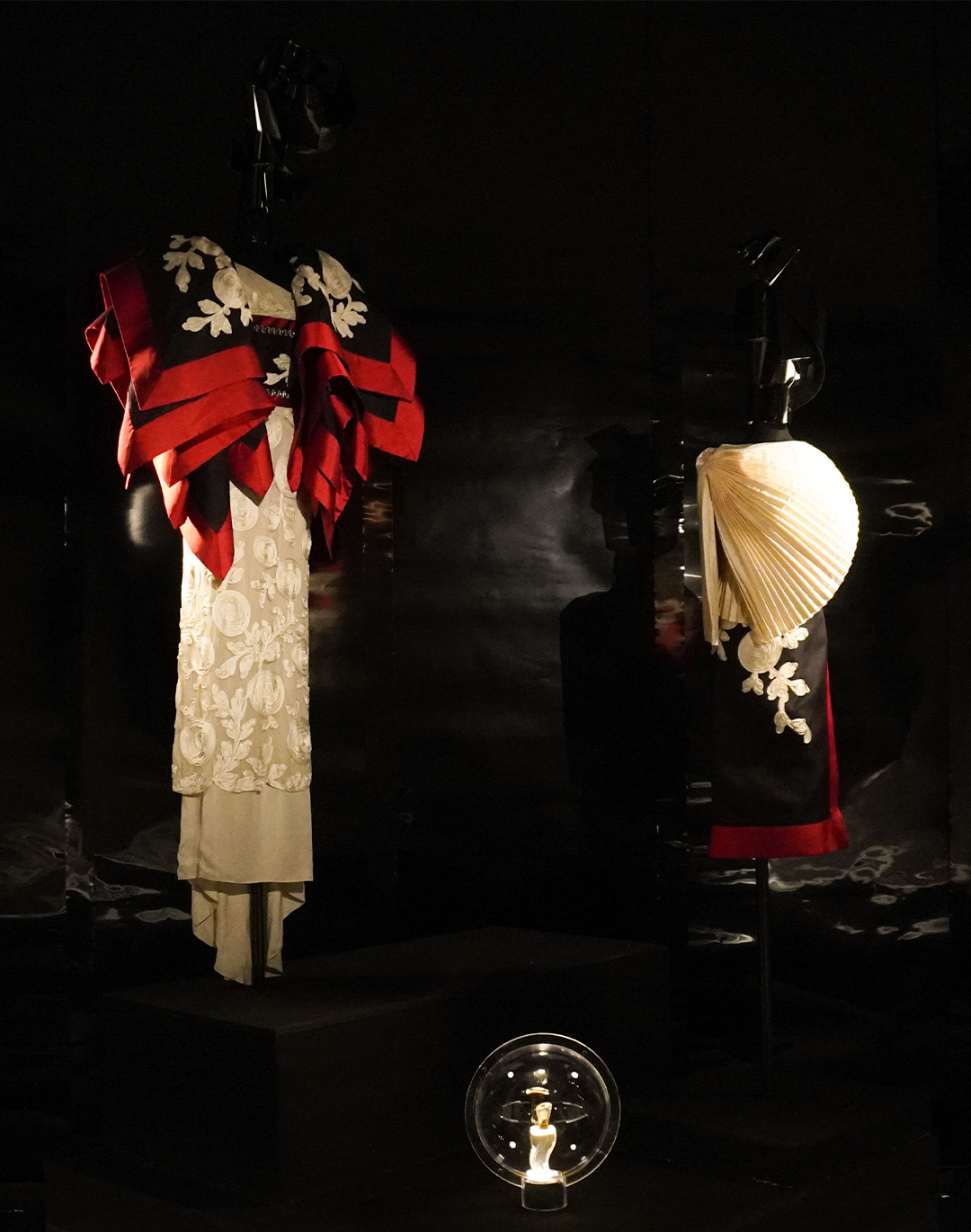
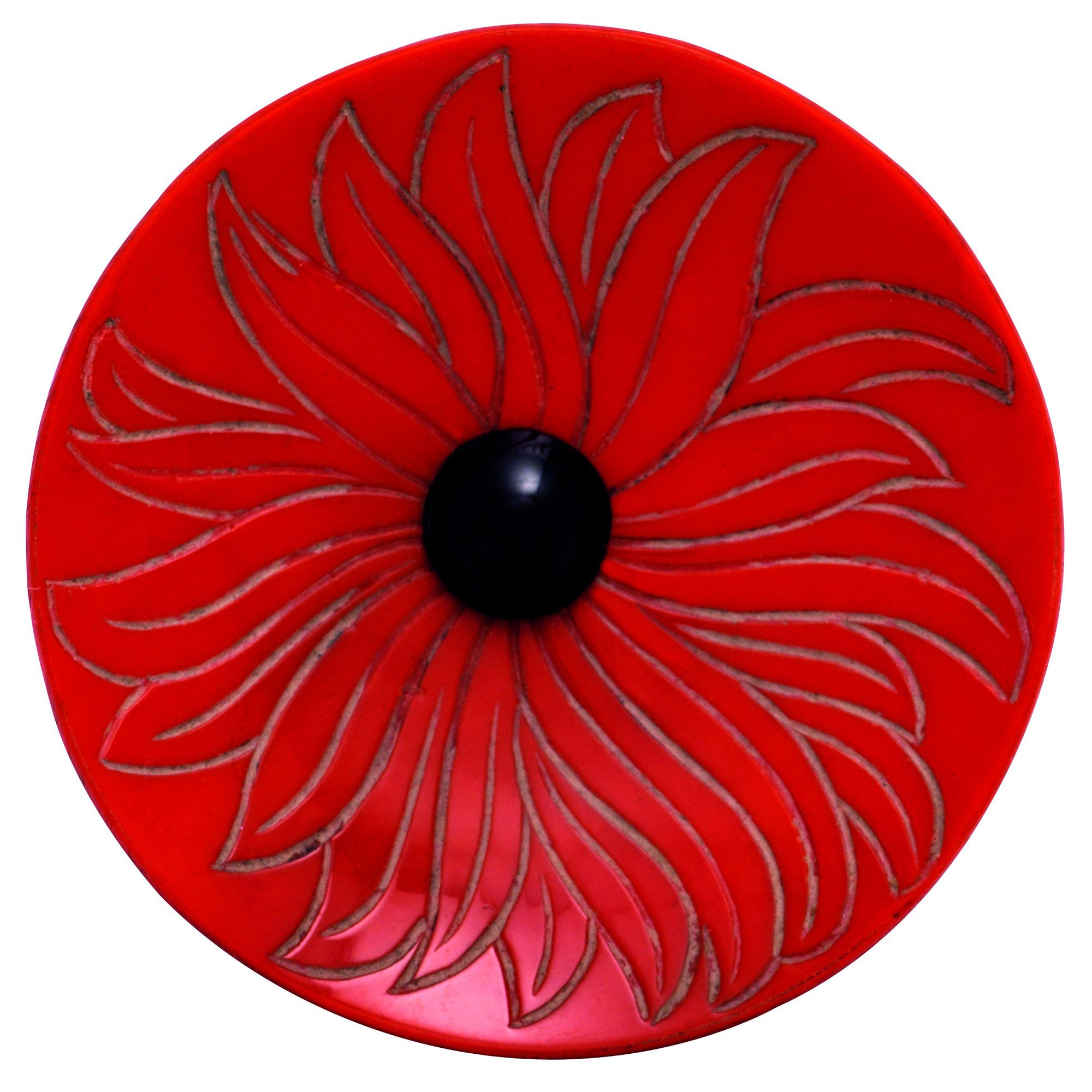
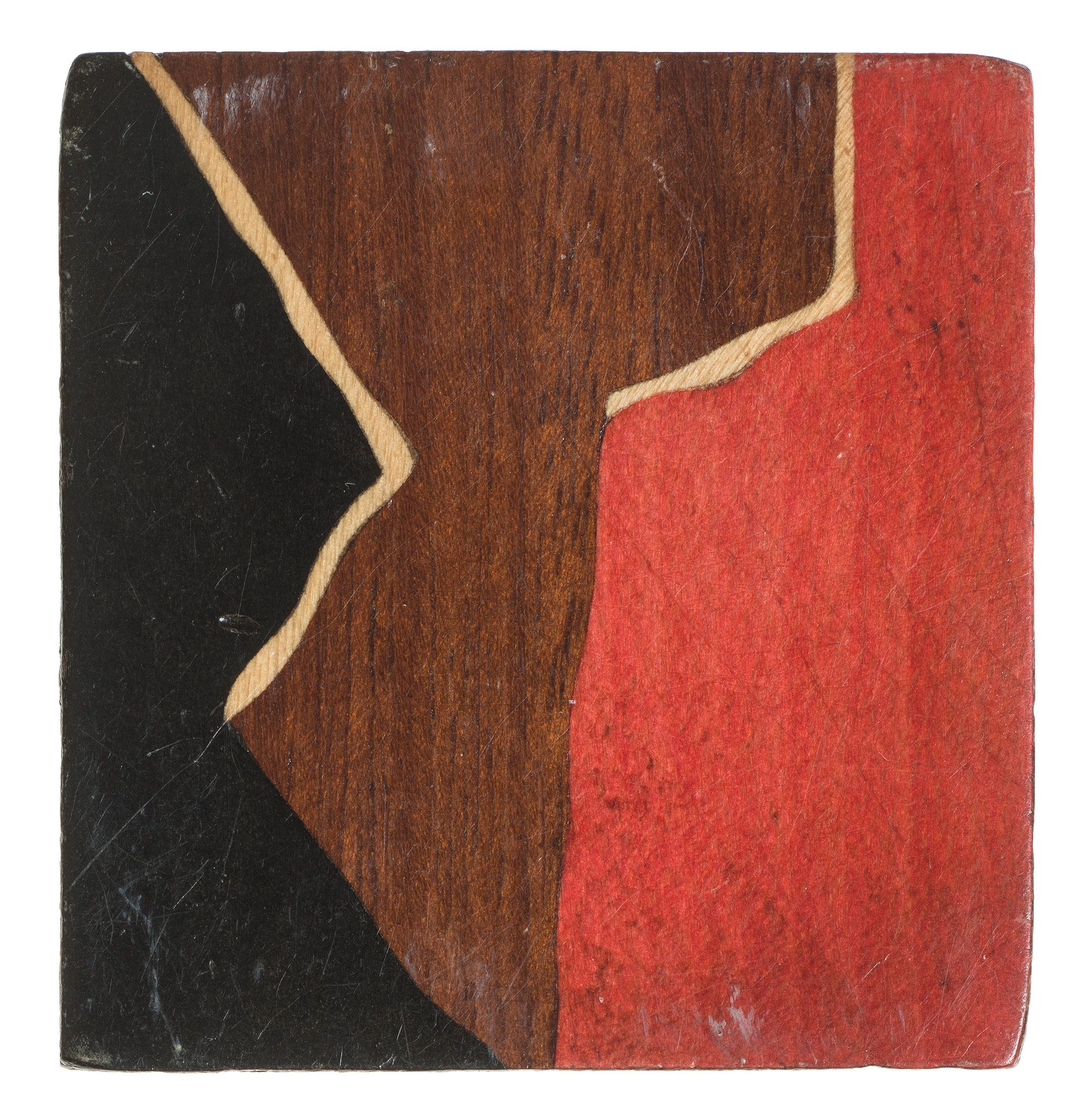
The "Unbuttoning Fashion" exhibition held at the Musée des Arts Décoratifs in 2015 shed light on how this micro-object, spanning the 18th to 20th centuries, served as an exceptional disciplinary crossroads. Crafting a button historically called upon the expertise of passementiers, embroiderers, glassmakers, ceramists, goldsmiths, and costume jewelers. This convergence of techniques naturally drew the attention of major artists. Rare pieces bear witness to this creative effervescence: La Fontaine's fables crafted by goldsmith Lucien Falize, miniatures painted on porcelain by Camille Naudot, a sculpted series of 792 pieces by Henri Hamm, and works signed by Sonia Delaunay.
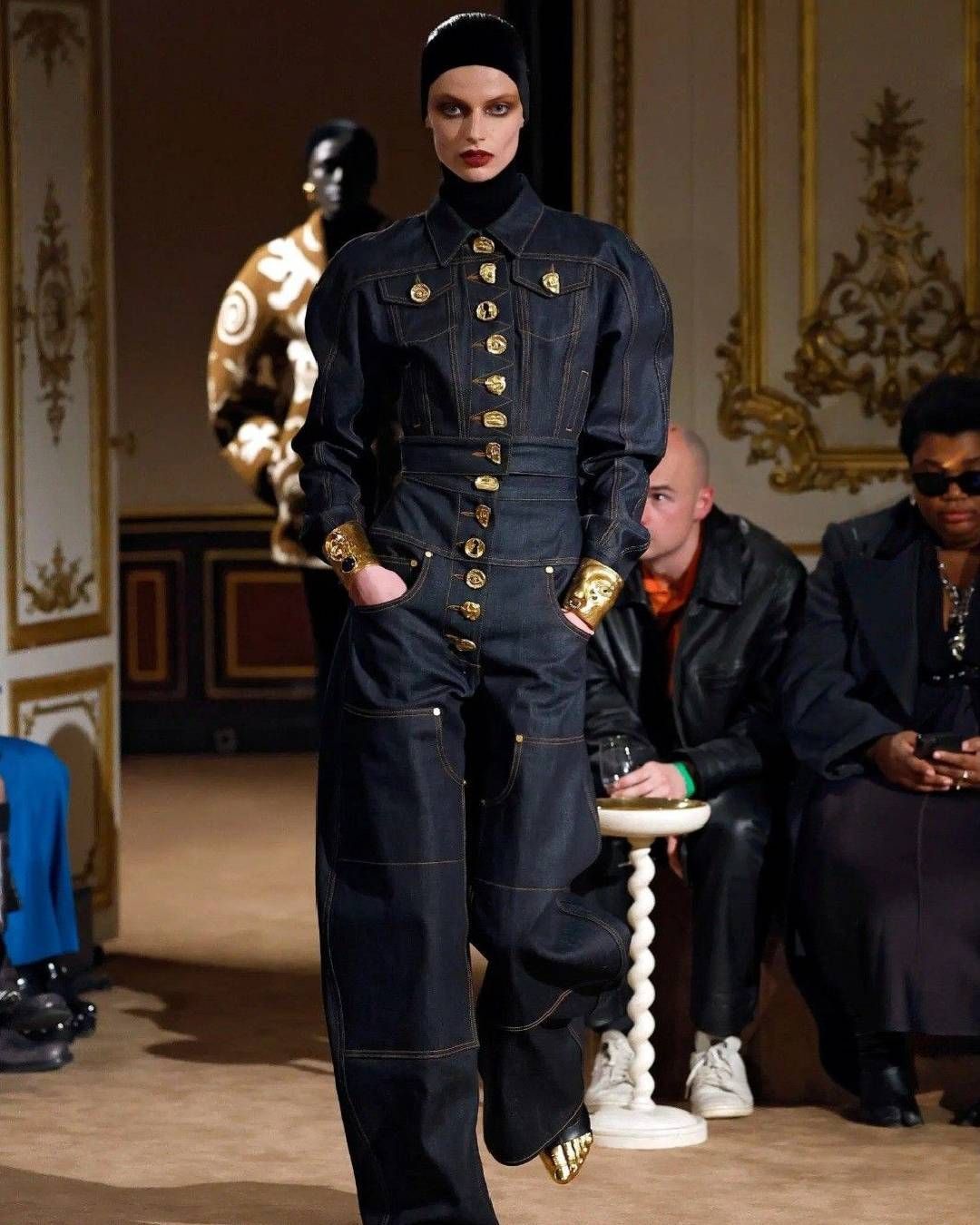
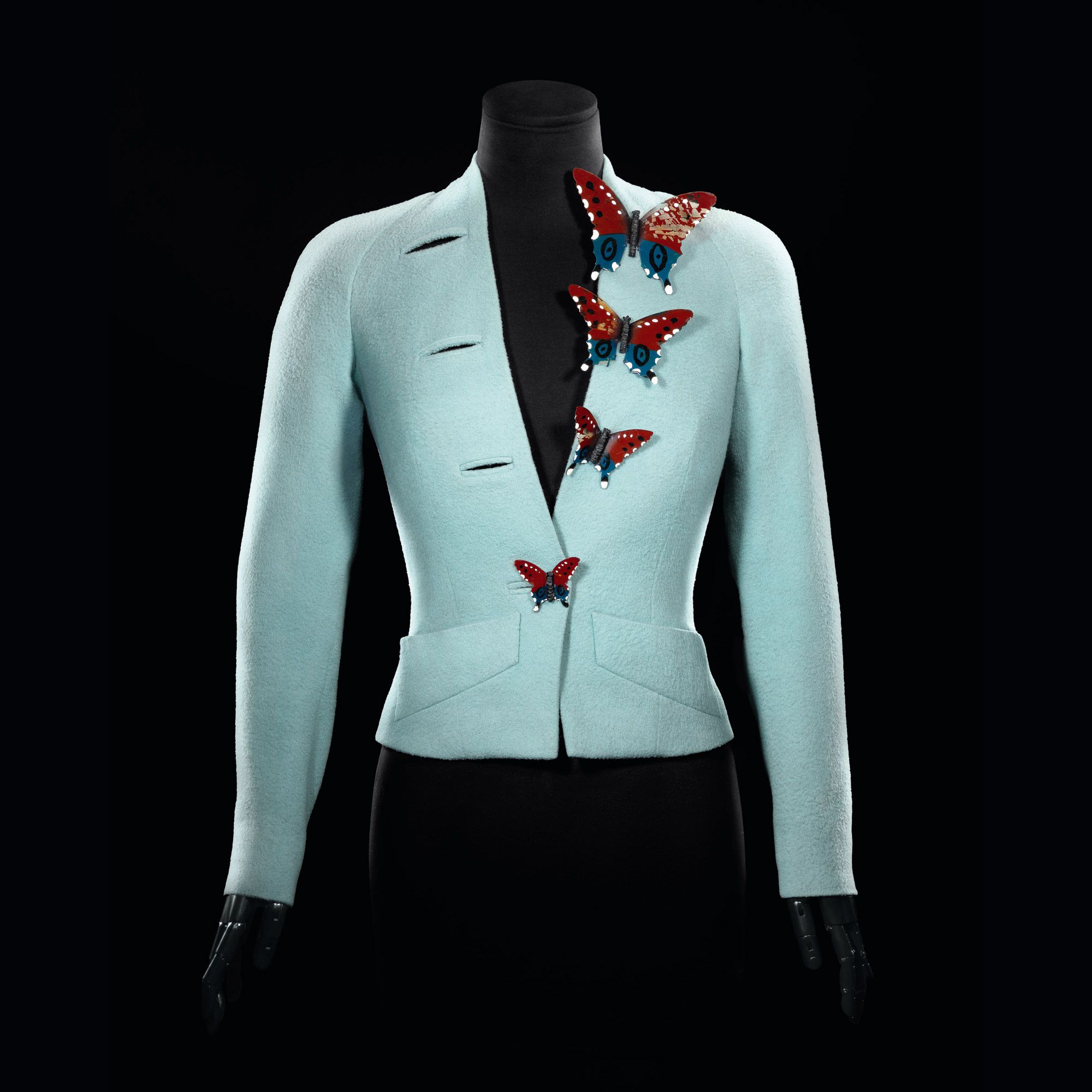
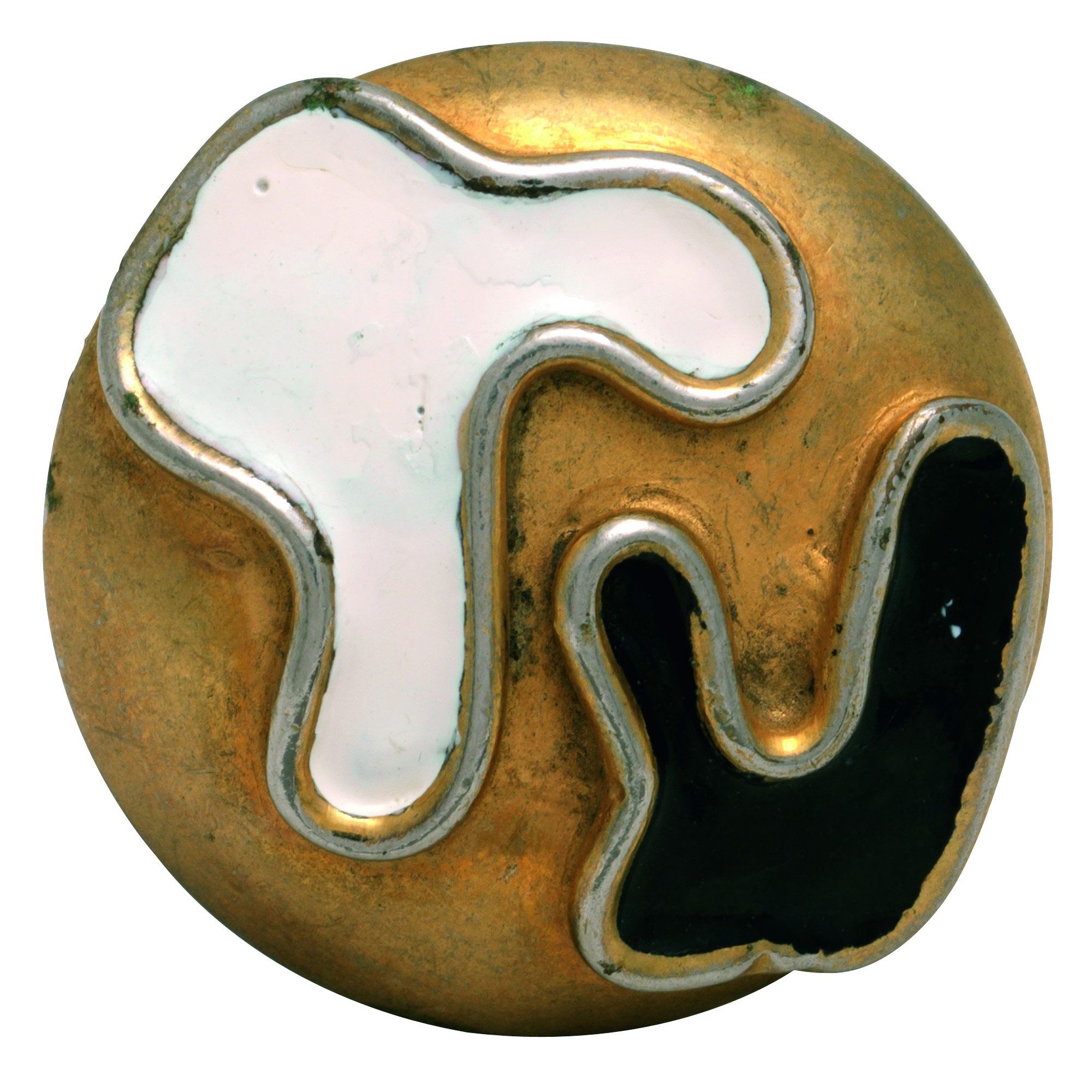
The great names of Haute Couture swiftly seized the button's creative potential, entrusting it to the most daring artists of their time. Maurice de Vlaminck designed models for Paul Poiret, while Jean Arp, Alberto Giacometti, and paruriers Jean Clément and François Hugo shaped the surrealist universe of Elsa Schiaparelli. Later, houses such as Dior, Balenciaga, Givenchy, Balmain, and Yves Saint Laurent relied on the genius of jewelers Francis Winter and Roger Jean-Pierre to design jewelry-buttons. From the structural rigor of Gabrielle Chanel to Jean Paul Gaultier's fully mother-of-pearl-covered pantsuit in the 2000s, to contemporary reinterpretations of double-breasted cuts by Céline, the button has established itself as an ageless tailoring signature.
The button as a collector's item
Beyond its aesthetic value on a garment, the button has established itself today as an art object in its own right. While mid-20th-century industrial productions in Bakelite, plastic, or Bohemian glass trade for a few euros, exceptional pieces from Haute Couture or antique metalwork reach staggering heights. For instance, a pair of bronze buttons sculpted by Alberto Giacometti for Elsa Schiaparelli in the 1930s has risen to the status of artwork, currently valued at over €85,000. Similarly, creations signed by the Arts & Crafts movement or Liberty of London at the turn of the 20th century are now fiercely contested at auction for several hundred euros apiece.
This craze for button collecting - known as button collecting or fibulanumism - is explained by the sheer concentration of craftsmanship packed into these tiny objects. Collectors hunt down the preciousness of forgotten techniques: 18th-century hand-painted enamel ceramics, silver foil-backed glass designs, or Georgian paste-stone buttons. Given the rarity of original garments, which have often suffered the ravages of time, a new trend has taken hold among antique dealers and jewelers: repurposing. Transformed into rings, pendants, or earrings, these antique buttons set with diamonds or emeralds find a second life against the skin. This creative adaptation proves once again the fluid boundary between the button and fine jewelry.
Contemporary reinvention through the Pankou revival
@itscaro0o this jacket is going to be my whole personality #adidas#adidaschinesenewyearjacket#fyp#viral#tangjacket 原创音乐 - Jessica Melbourne
Faced with the standardization of zippers and industrial snap fasteners, contemporary design finds a singular alternative in resurrecting traditional closures. The pankou button - a knotted textile fastener rooted in Asian heritage - is asserting itself on today's runways as the new disruptive detail. This resurgence demonstrates that a heritage fastening element can invigorate even the most streetwear-oriented silhouettes.
The most striking illustration of this phenomenon lies in the massive success of the adidas Tang jacket. By grafting knotted pankou closures over a classic zipper on a track jacket inspired by traditional Chinese attire, the brand built an unexpected bridge between sportswear and craftsmanship. First embraced in Asia through an exclusive release, the piece triggered global fascination.
By crossing centuries without losing any of its grandeur, the button reminds us that fashion's greatest revolutions are often decided down to the millimeter. As fashion seeks to reinject meaning and craftsmanship into garments, this heritage detail is far from finished dictating the rules on the runway.