





























Paul Schrader persists with tormented men in "The Basics of Philosophy" The director's new film arrives out of competition at Venice83, but is less convincing than his previous works
Aside from the brief interlude of Oh, Canada at Cannes, Paul Schrader has premiered each of his recent films at the Venice Film Festival over the past decade. The same holds true in 2026 with The Basics of Philosophy, screening out of competition at Venice 83 and once again centered on a man grappling with existential questions, as well as a story focused on the search for meaning and the ever-present shadow of guilt that haunts his characters.
It is a recurring theme in the filmmaker's body of work, one that has become almost an obsession in recent times, ever since First Reformed in 2017, also premiered at the Lido, a film starring Ethan Hawke as a Dutch Reformed Church pastor.
A film that tries to say too much
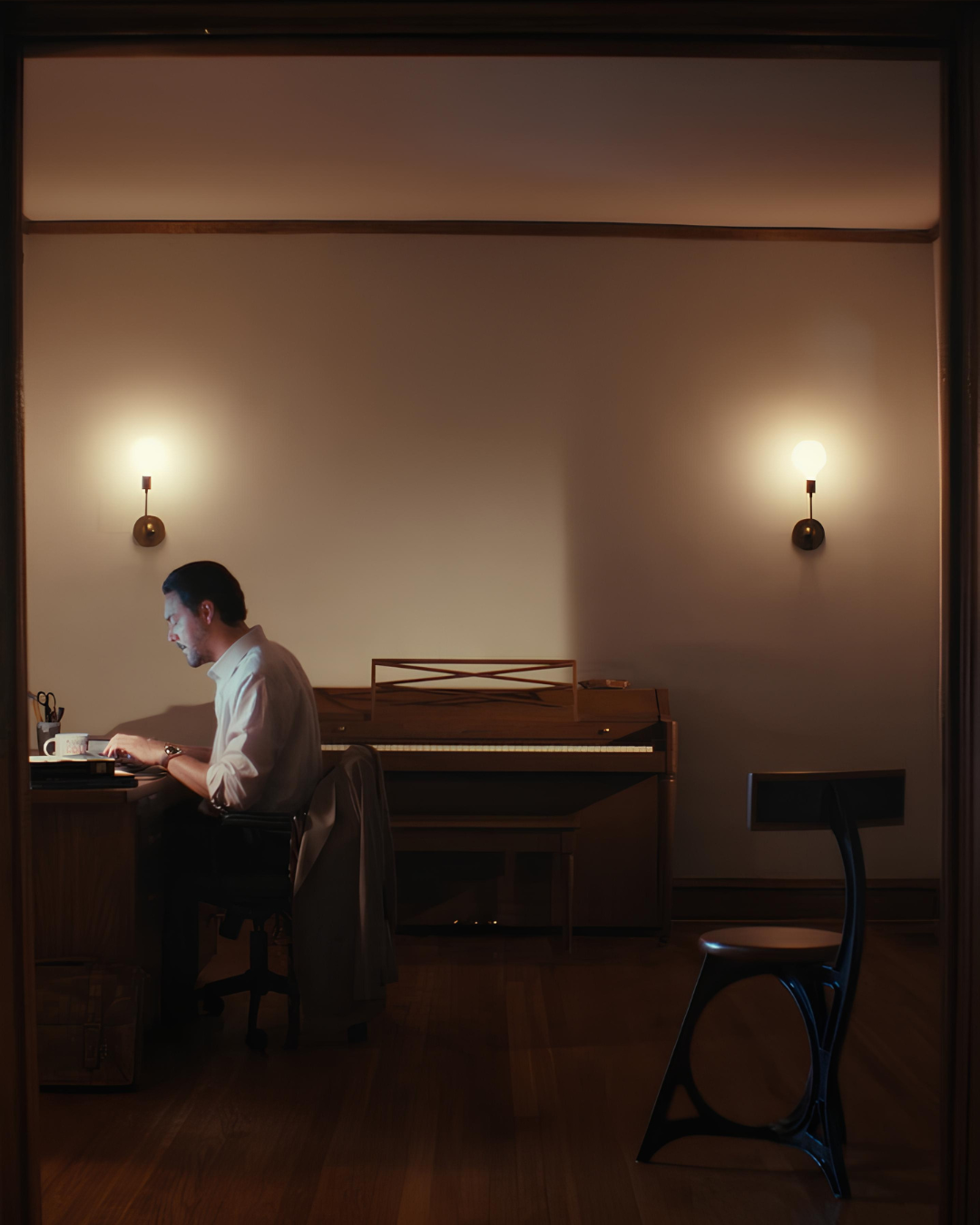
A torment that John Jorissen must also endure — a university philosophy professor played by Jack Huston. A teacher who questions himself, just as he does with his students, about the two questions every person eventually asks in life: why does the universe exist? And why do we ourselves exist? Questions that John has devoted his studies to and continues to wrestle with as he works on his manual about Baruch Spinoza. These questions will grow ever more insistent — particularly around the why and how of living — when an event from the past comes knocking at his door, coinciding with his father's death.
Despite the theoretical and intellectual premises that the protagonist's profession and disposition promise, the John Jorissen of The Basics of Philosophy is the least compelling of the male characters wrestling with complexes and dramas that Schrader has sketched out during this artistic phase. The shadow that has lately darkened the protagonists of his filmography shifts somewhat — not to shed any light on the characters, but rather dragging them to a place where reflection becomes slightly hollow and solipsistic.
The story is once again murky and, while it is often difficult to empathize with the troubled men described by the American filmmaker, this time it proves even more challenging given the protagonist's backstory. On that past, however, the film never casts a judgmental eye, instead also interrogating another major theme: the possibility or impossibility of change. Yet this is also one of the weaknesses of Schrader's work here: wanting to say so much, perhaps even too much. Every subject is handled with due care, but the film opens up such a broad field of inquiry that it becomes inevitable that not all threads reach a conclusion.
The least unsettling of Schrader's films
The performances and staging do not help. Jack Huston gives it his all and delivers his performance, but the dramatic weight overwhelms the various layers that are supposed to bear down on his character, never making him particularly convincing. This is especially true in the black-and-white flashback scenes with his father, played by Bill Pullman. Those around him are at the same level, perhaps even below it. Sofia Boutella, for instance, is given a marginal, underexplored role with which she can do very little.
Despite Paul Schrader's spare style, combined with an editing approach that fades to black and a certain visual cleanliness, the film's surface quality adds a further distance between the work and its audience. The cinematography by Sean Price Williams does not help either, coming across as flat and antiseptic.
Even with an incongruous apparition of Spinoza brought to life (played by Karl Glusman) and a brief cameo from friend Richard Gere lasting just a few minutes, The Basics of Philosophy is the least unsettling of Schrader's films about men and their demons in his current chapter. The Card Counter (2021) and Master Gardener (2022), along with the already-mentioned First Reformed, were of an entirely different substance.
What to read next
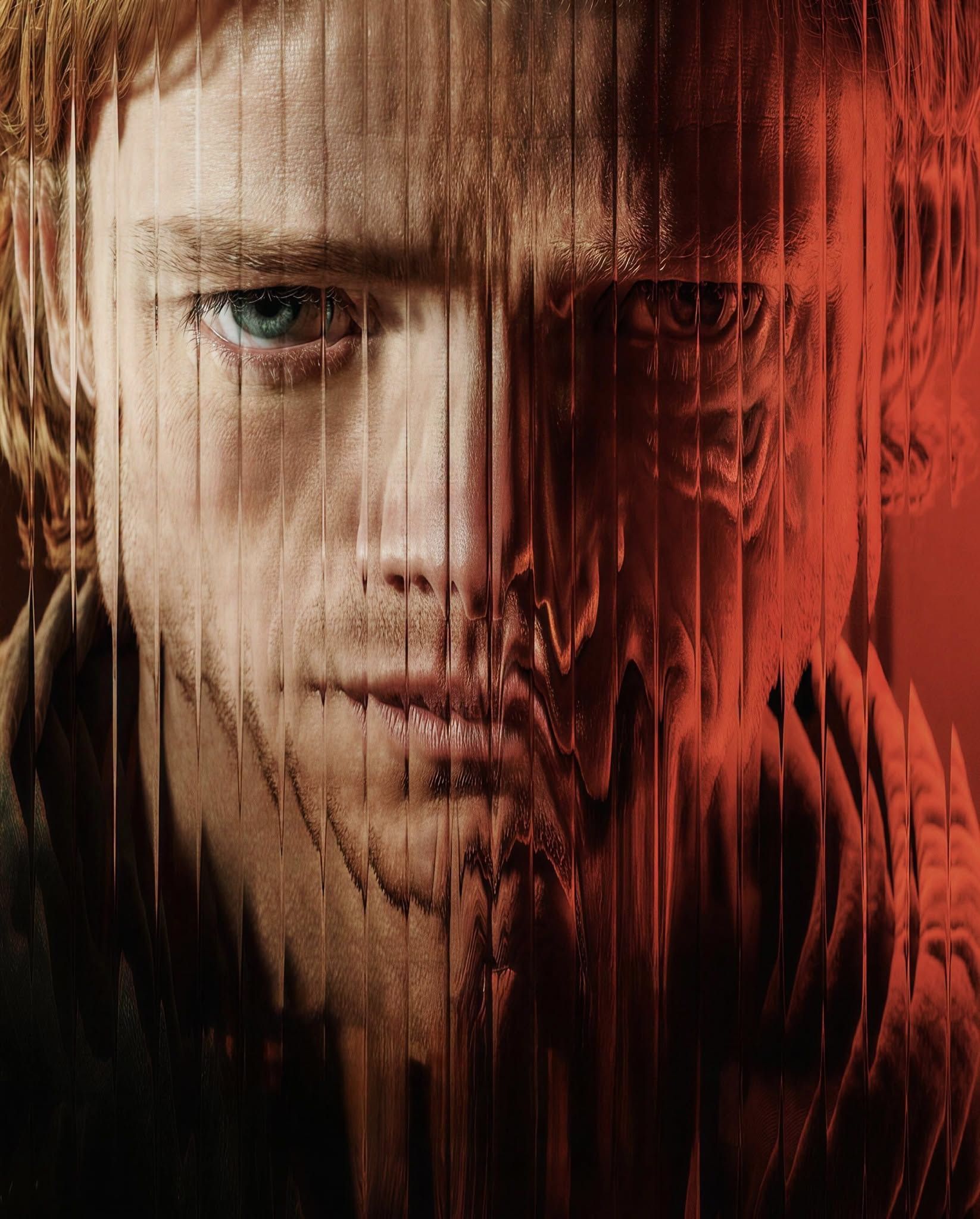
Clayface is the first truly horror superhero film
The lead is Tom Rhys Harries, and the story concept comes from Mike Flanagan of "The Haunting"
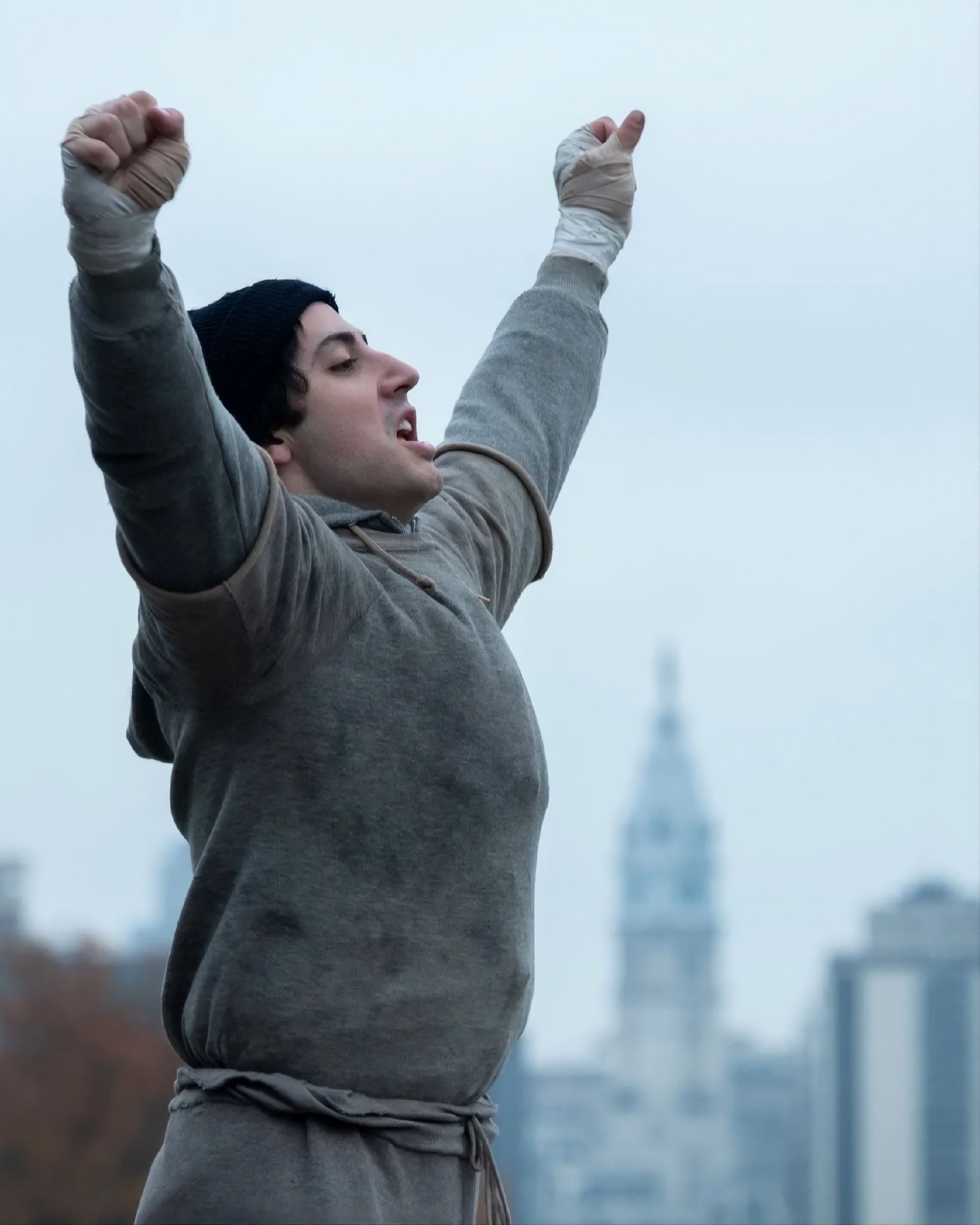
"I Play Rocky" is more than just a film about Sylvester Stallone
Peter Farrelly's work had its premiere at the Rome Film Festival and will be in cinemas from December 31

"Klara and the Sun" by Taika Waititi is a complete misfire
The film starring Jenna Ortega had its premiere at the Rome Film Fest and is in cinemas from October 22