
























The Intriguing strangeness of "No Pain" Gianni Amelio's film is part of the Out of Competition lineup at Venice 83
No Pain by Gianni Amelio is a strange film. Strange because for much of its runtime it moves suspended, halfway between so many things, in the anonymity of the characters who are introduced to us gradually, in stages — first through their jobs and only later through their names. It is strange because it wants to talk about guilt and prejudice, because it wants to place books at its center — and it does, though sometimes to achieve this it puts everything else on pause — and because it uses its actors like ghosts, faded silhouettes who do not know what to be or who to be, at the mercy of themselves more than of the outside world. No Pain is a strange film because, for just over an hour and a half, it seeks a lightness of tone that clashes fiercely with the harshness of the themes it addresses. And it is strange because it seems frayed, hazy, almost insubstantial, yet it is sustained by a clear vision, perhaps, that bears the signature of Amelio (and, in parallel, of Davide Serino, co-screenwriter, and Andrea Quetti, who collaborated on the writing).
No Pain – Plot and Characters of the Venice83 Film
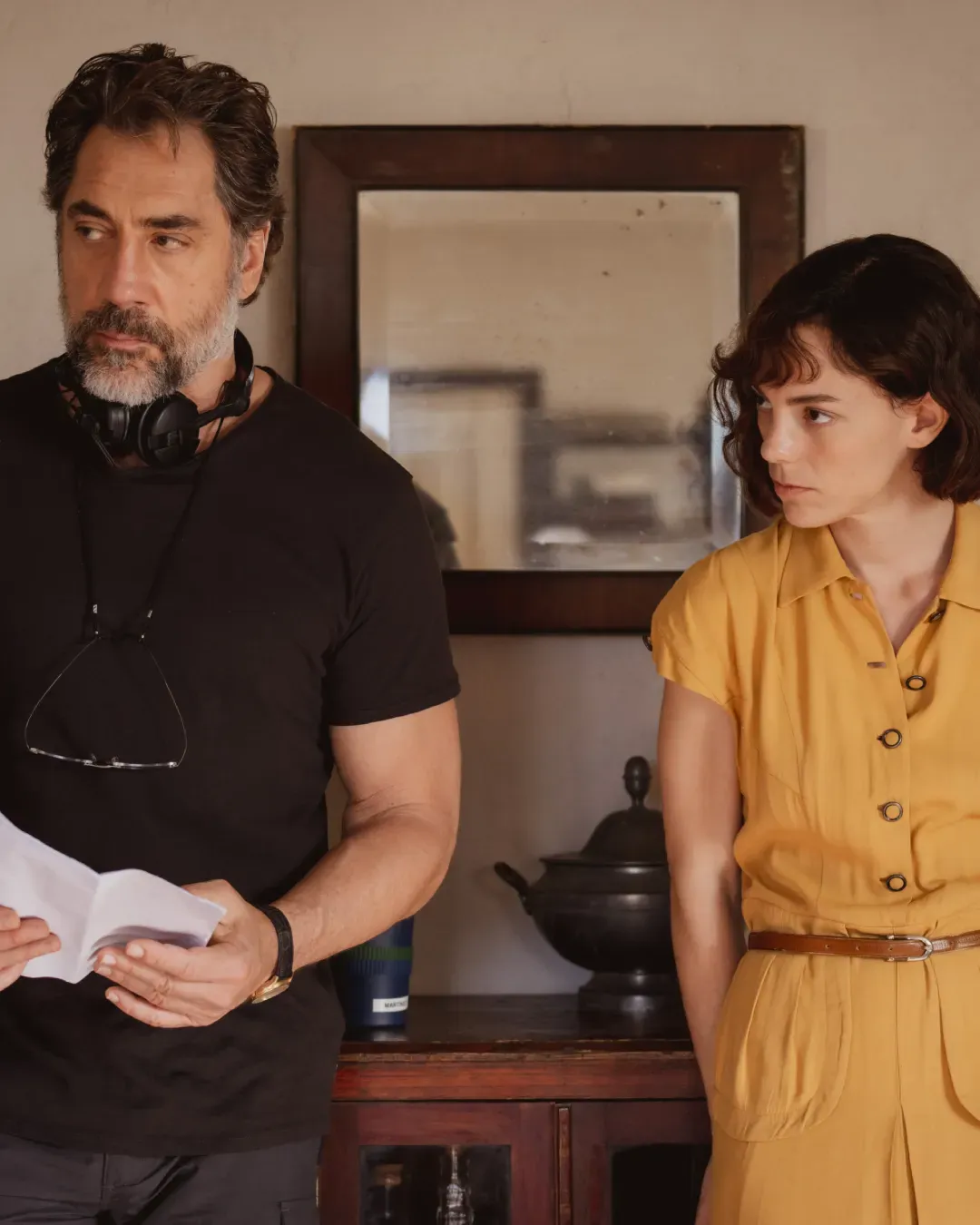
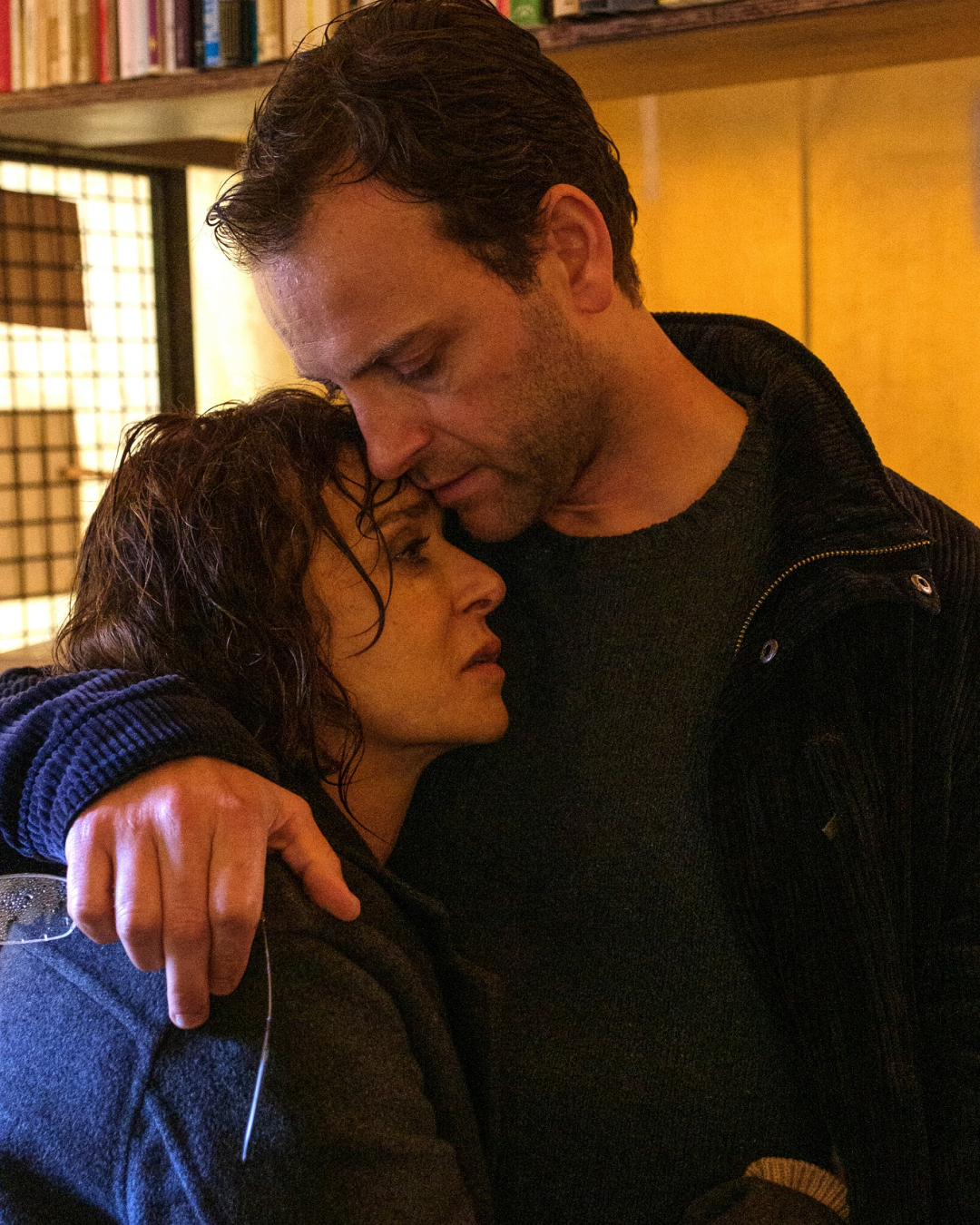
The protagonist, Davide, played by Alessandro Borghi, sells used books from a small kiosk. The most important thing for him, he says, is to keep stories walking. Elsa, played by Valeria Golino, is a university professor who frequents Davide's kiosk and occasionally gives him books to resell. At a certain point, the reality Amelio presents to us at the beginning of the film compresses and shatters, and tragedy strikes: Davide becomes involved in an accident; he watches a child die — a child whose father had tried to entrust to him to save him from the streets and from poverty. He watches him die and his world falls apart, and guilt overwhelms him. Amelio expresses this guilt through silences, through insistent and shameless close-ups; Borghi, by contrast, works with his voice, with pauses, with tics. His face transforms. It becomes a mask of horror and terror, but there is a problem: Borghi, like the other actors, seems to move on his own. Not without direction, but always wrapped in that haziness we mentioned earlier.
Davide decides to take Aminah into his home — played by Beidja Yahiaoui — convinced that in doing so he can do some good and atone for his guilt. But Aminah takes advantage of the situation, invites other people in, fills Davide's home, and Davide is forced to leave. In the end, he is arrested. He even ends up in prison. But Amelio is not interested in a more "Kafkaesque" drift in the narrative. He stops just short of the abyss and changes direction once again. A film about the marginalized transforms into a film about guilt, and a film about guilt transforms into a film about grief and loss. At this point, Michele enters — played by Valerio Mastandrea — the head of the hospital morgue. He is kind, affable, and corresponds to the film's ironic vein — but he is never banal or superficial; on the contrary, he is probably the most sharply focused element in No Pain.
Amelio attempts to construct a legend made of fairly evident references and symbols: the protagonist who hoists a coffin onto his shoulders and carries it as though it were a cross; the books that keep returning, in the foreground, blending words and the meaning of things said, first serving as a support and then losing substance and density, becoming ideas, glimpses of other worlds, momentary pauses. No Pain attempts to confront a certain populist rhetoric by pushing to the extreme the protagonist's decision to take in immigrants and people in need; it highlights the contradictions of a State that chooses to punish those who help rather than those who exploit. It also speaks, subtly, of parenthood: there is Davide's failed, absent version, built on deprivation, and there is Michele's, which is more conciliatory and tender.
Why Is "No Pain" a Strange Film?
Being strange, in the case of a film, is not necessarily a bad thing. On the contrary, it is sometimes a quality that coincides with originality, or comes very close to it. In the case of No Pain, however, we find ourselves in an almost borderline situation. Amelio's film is a compact film, relatively short in duration, yet despite this it still manages to lose its way. It wants to say a great deal, perhaps too much, and it often seems to abandon its own actors, who must take refuge in a minimal style of performance, at times rigid (which is why Mastandrea stands out: because he is completely at ease, drawing on his natural quality). No Pain is not in competition at Venice; it was presented in the Venice Open section and will be released in cinemas on 24 September by 01 Distribution. And yet, in its own way, it tells us something about the direction our cinema is heading: the more auteur-driven, more recherché cinema that wants to be political and engaged. There is a risk, however, of being overwhelmed by good intentions, of losing one's direction and failing to say — not in the way one had perhaps imagined — what one had in mind.
The strangeness of No Pain becomes, in short, its greatest limitation: being unclassifiable, being unlike anything else, ends up flattening every intention. And so the journey of a solitary man, crushed by guilt, who wants to do good, turns into a narrative spin-out, suffocating, where themes and subjects risk devouring one another, where the actors are off-balance — not as an exercise or a narrative tension — and where the writing, in its very form, is called into question. But not in order to improve or to reflect. It is called into question in its reliability.
What to read next
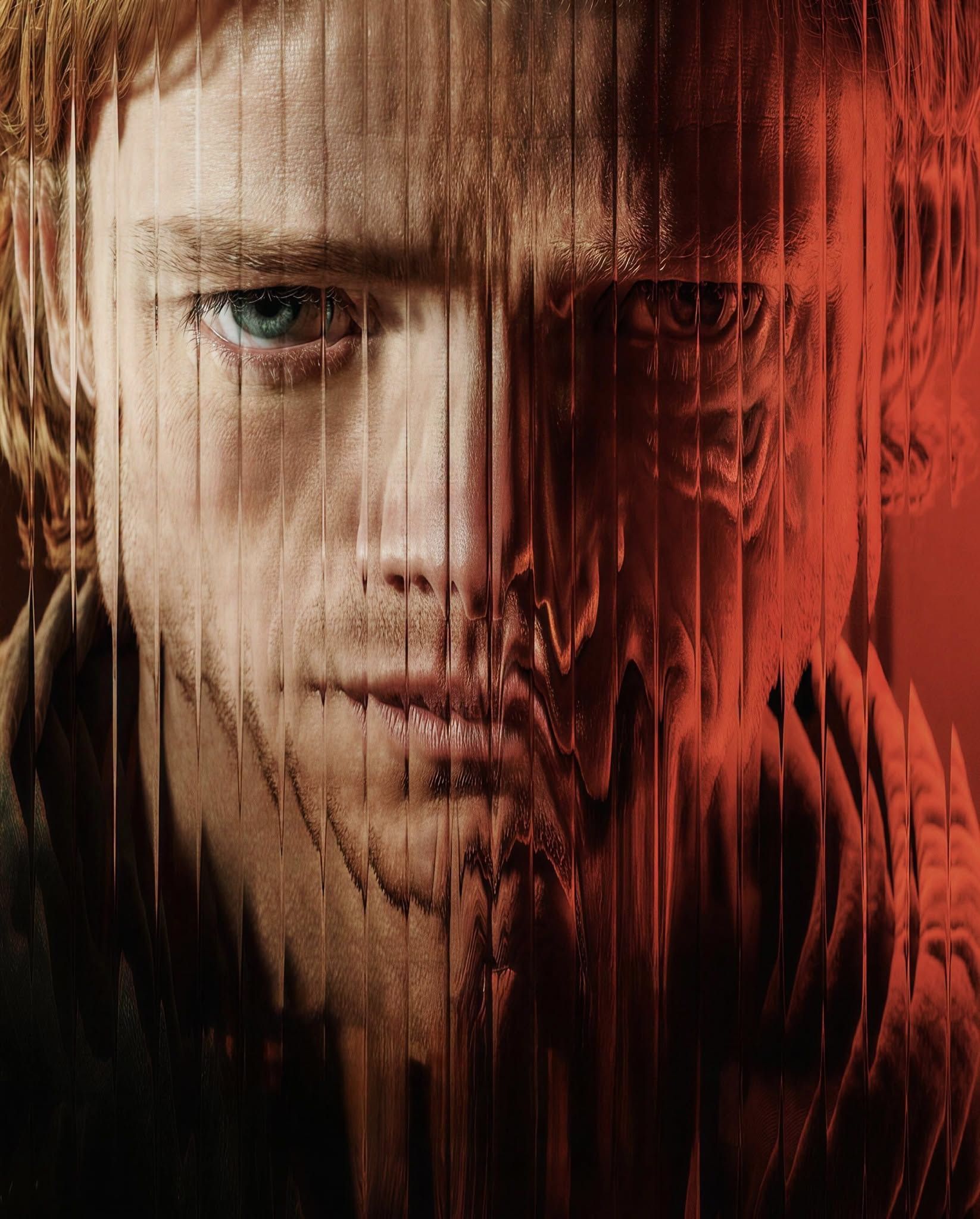
Clayface is the first truly horror superhero film
The lead is Tom Rhys Harries, and the story concept comes from Mike Flanagan of "The Haunting"
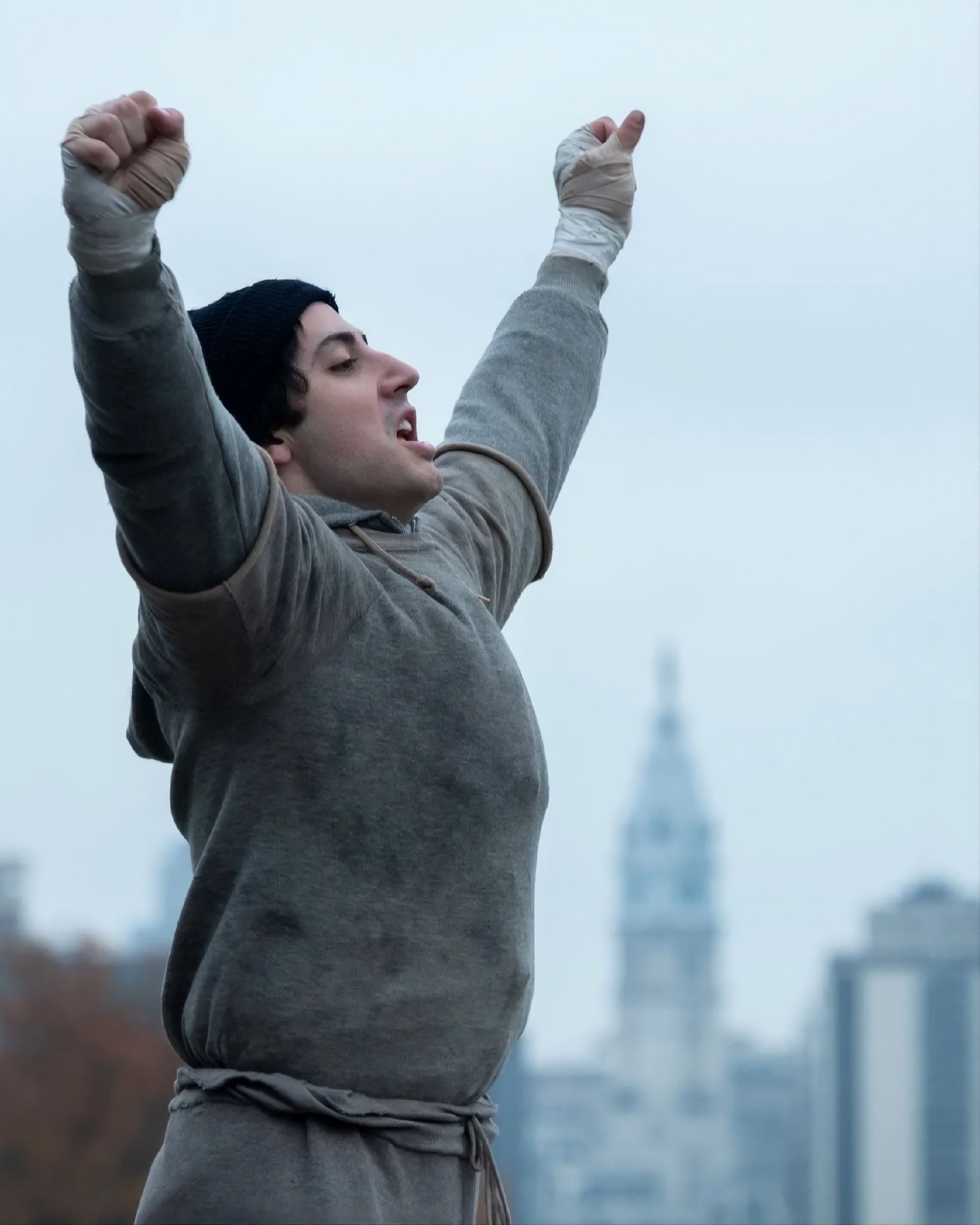
"I Play Rocky" is more than just a film about Sylvester Stallone
Peter Farrelly's work had its premiere at the Rome Film Festival and will be in cinemas from December 31
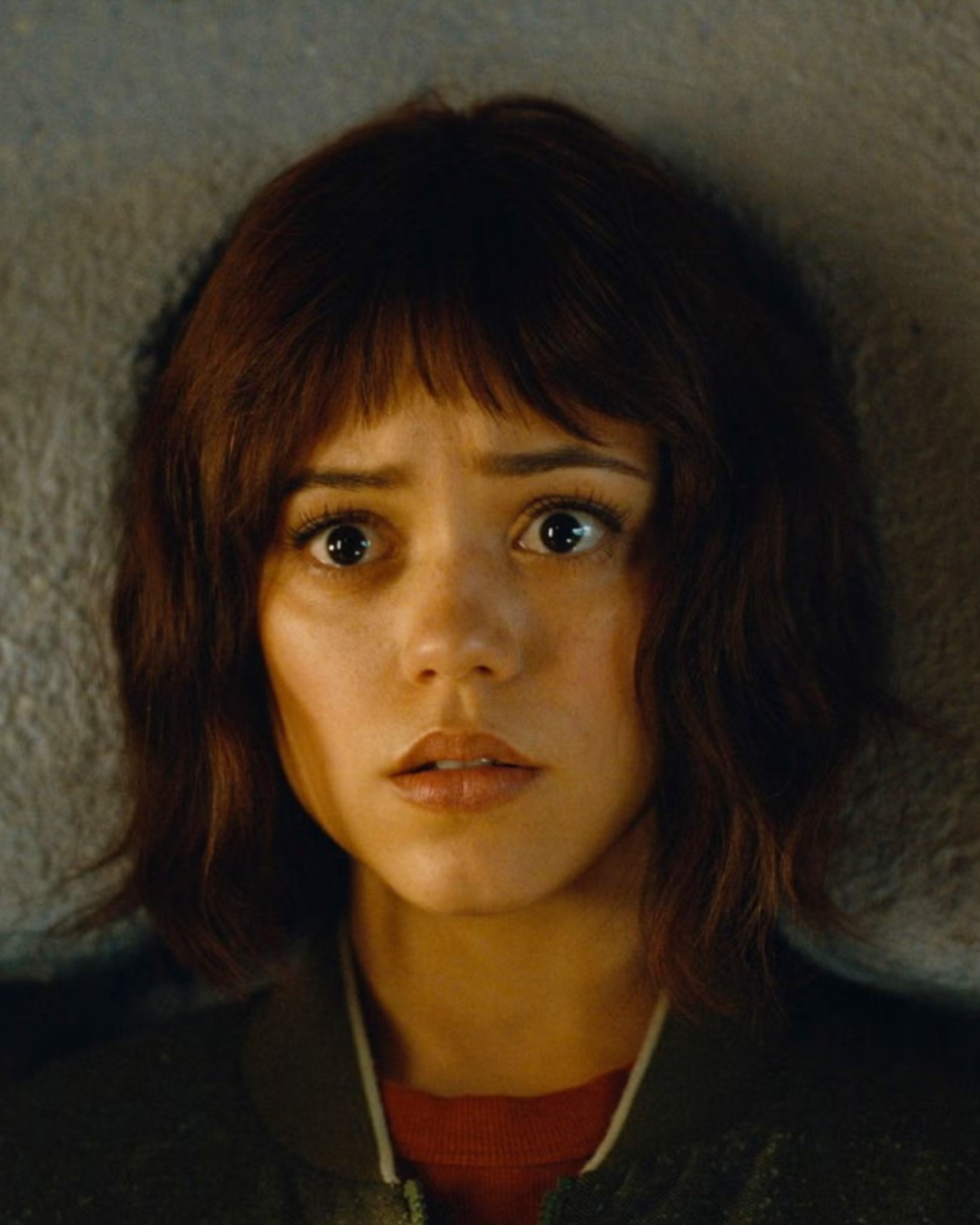
"Klara and the Sun" by Taika Waititi is a complete misfire
The film starring Jenna Ortega had its premiere at the Rome Film Fest and is in cinemas from October 22