




















Now leasing: your own chiringuito in Milan With the new announcement by the municipality, one wonders if it is really time to drop everything and open a chiringuito
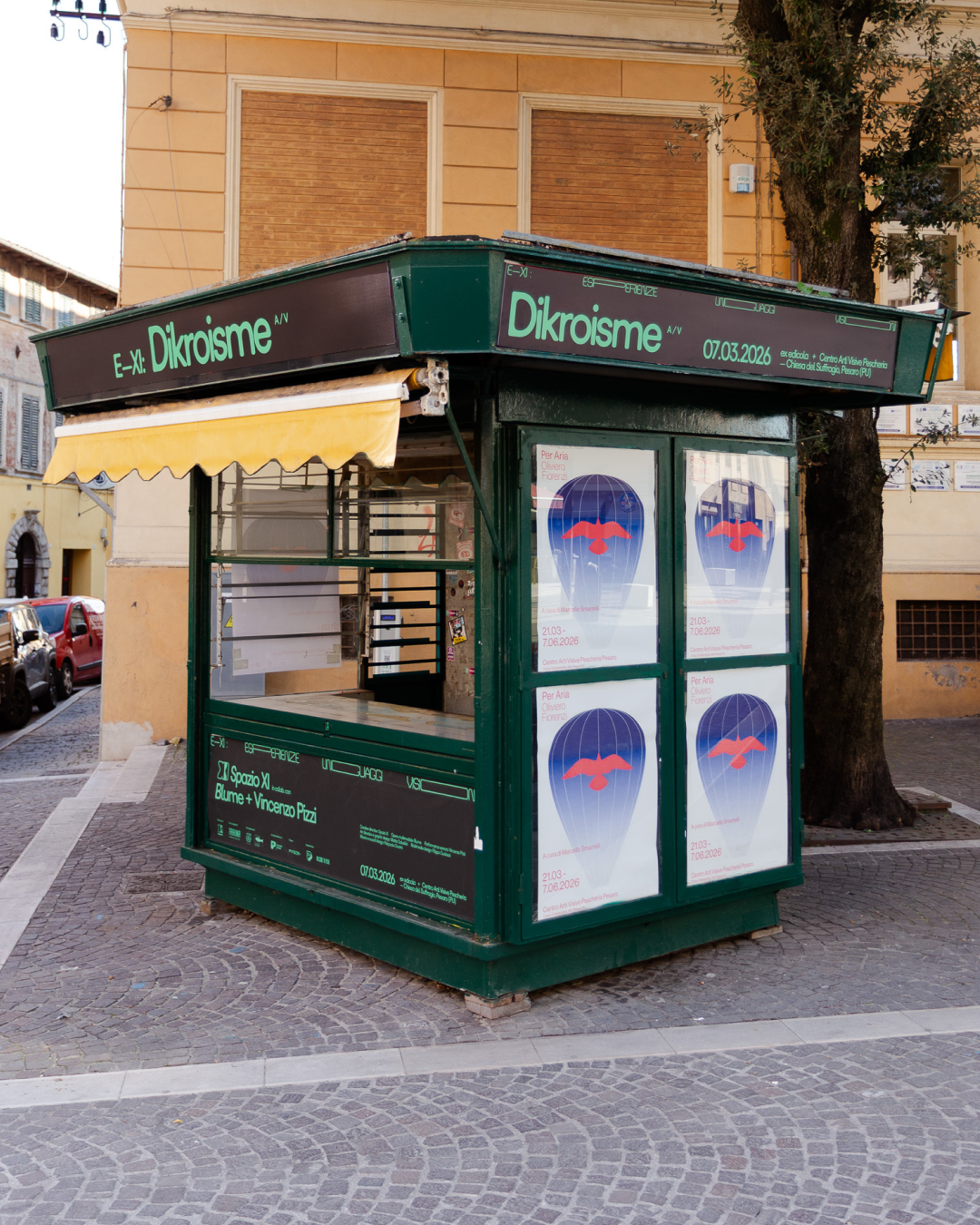
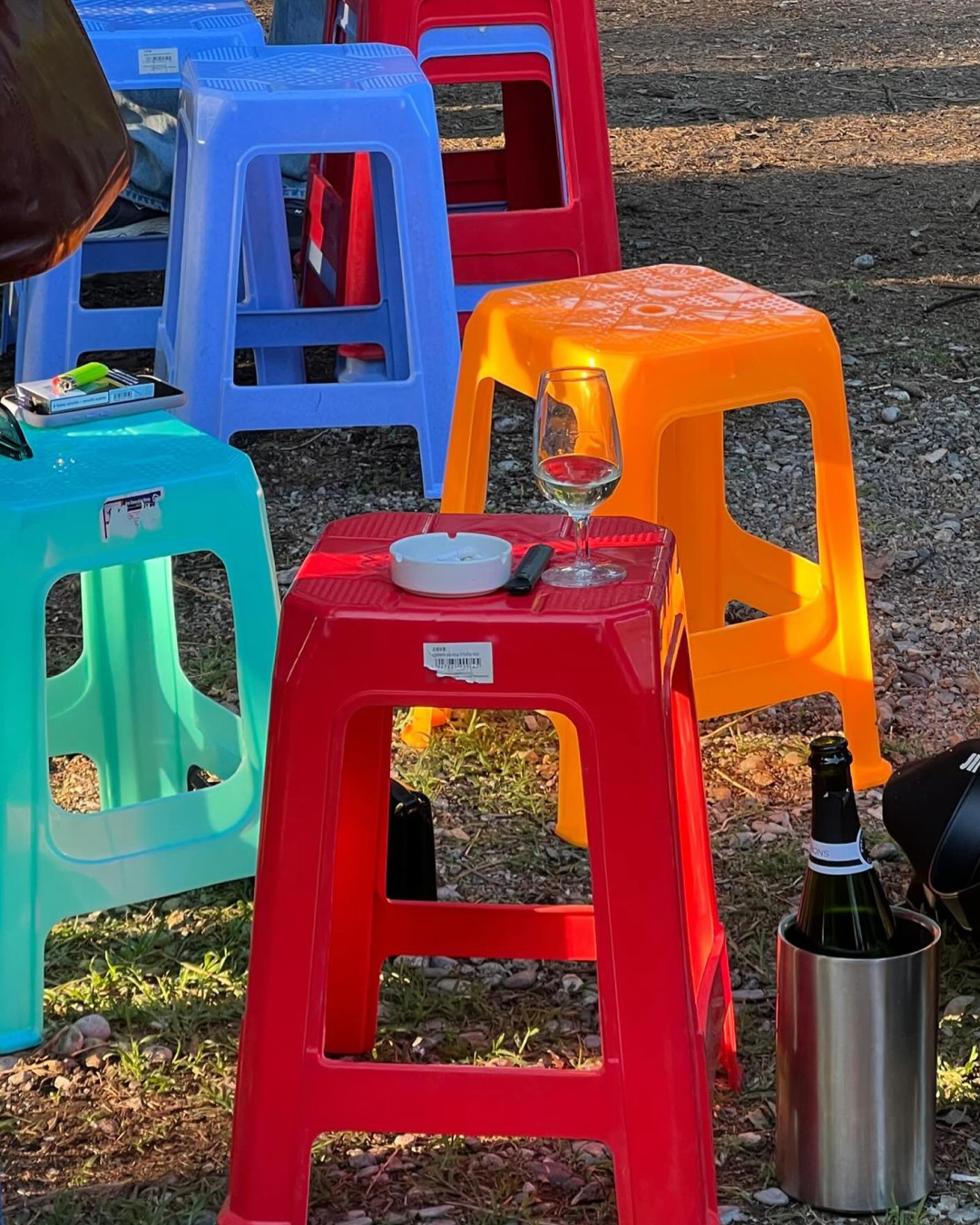
Among the clichés, memes, and jokes that define Milanese life, the chiringuito probably ranks first, right alongside the urban legends of trolleybuses 90/91. It has become so central to the life of the "imbruttito" that in 2021 it even inspired a film titled Mollo tutto e apro un chiringuito. In recent years, the popularity of kiosks in the Lombard capital has matched, if not surpassed, that of traditional bars—unfazed by competition from new-generation venues like listening bars. It’s no coincidence that, with the arrival of summer, much of Milan’s under-40 crowd celebrates the reopening of Chiosco Ravizza, Chiosco Mentana, or even gathers outside Il Politico in Parco Sempione during the winter, braving the cold. More than just simple refreshment points, chiringuitos are genuine social hubs, authentic third places where food and drink consumption takes a back seat to the social and conversational dimension these spaces foster. For this reason, the new call for tenders launched by the City of Milan—reported by MilanoToday—has drawn particular interest. It involves four kiosks strategically distributed across some of the city’s most vital areas, including Parco Sempione, Parco Forlanini, Chinatown, and Giardino Baden Powell. All future operators will be allowed to sell food and drinks inside the kiosks, but placing tables, chairs, or external structures will require a specific authorization obtained through a separate procedure. Has the new generation of Milanese chiringuitos arrived?
@sandrinoalpepe CHIOSCO MARADONA
original sound - sandrino
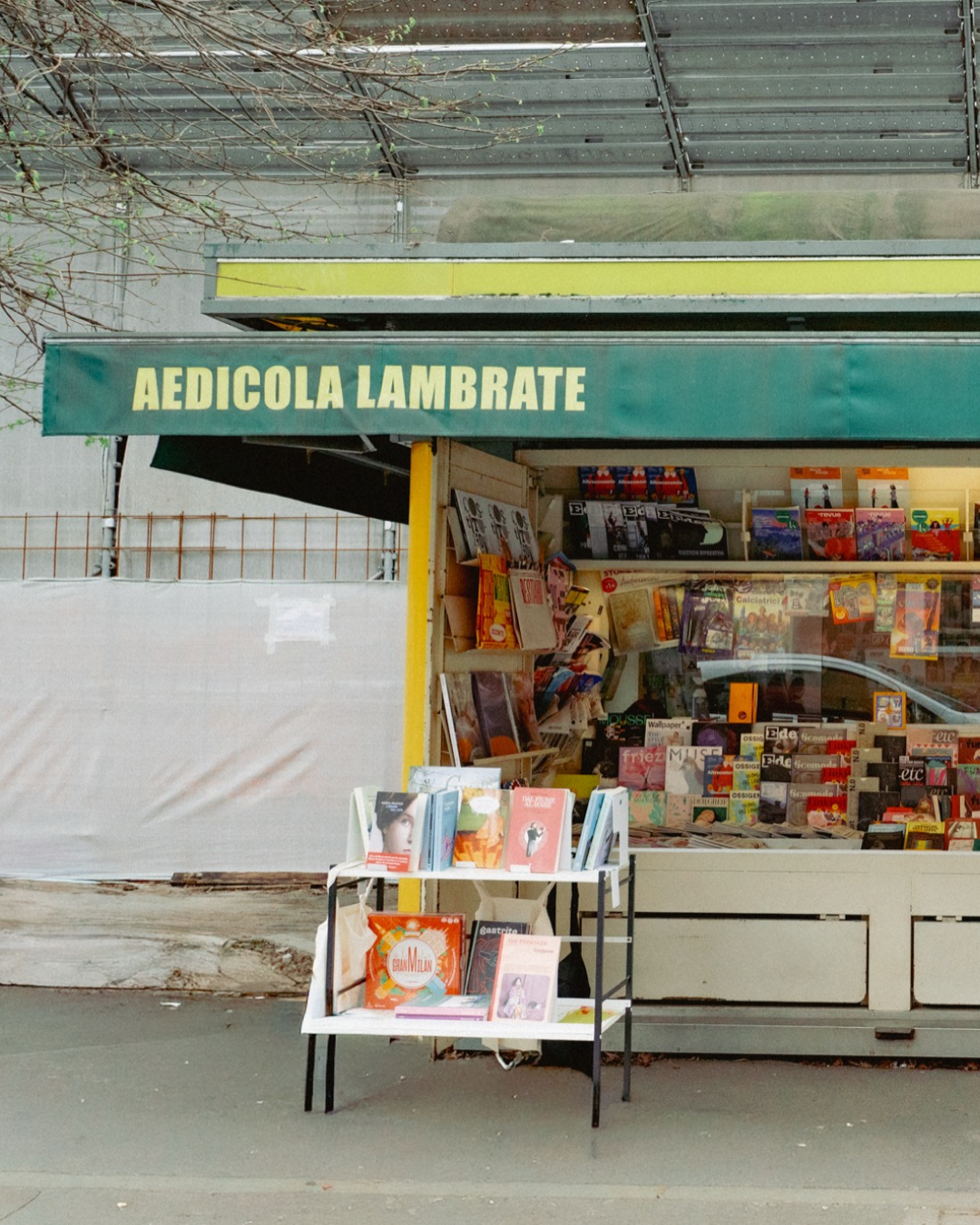
As stated by Councillor for State Property Emmanuel Conte, the goal of this initiative is to return some of the city's strategic locations to its citizens through transparent bidding processes. The project aims to regenerate and enhance public assets, clearly prioritizing the quality and urban integration of proposed concepts over mere economic offers. In evaluating candidates, 60% of the score will be based on how well the kiosk is integrated into the urban context, its accessibility, and the inclusion of cultural or social activities. The economic component will weigh only the remaining 40%. The call for tenders fits into a broader strategy of public-private cooperation, aimed at supporting local commerce and offering new ways to experience Milan’s urban spaces. At the same time, it addresses one of the issues most keenly felt by Gen Z: the rejection of forms of entertainment beloved by previous generations. After years of viral and international openings that spread the FOODMO trend across the city like wildfire, perhaps it’s time to return to a more “traditionally” Italian form of conviviality. Maybe it's also time to update the very concept of the chiringuito, giving it a much-needed renaissance—similar to what happened recently with newsstands. And what if the new trend was simply meeting up in a park, sitting on those classic white plastic chairs, sipping a 3-euro beer, chatting about your day or playing a round of briscola? Are we ready for Italianità 2.0?