



















Why make a movie with an iPhone? A whole other way to filmmaking
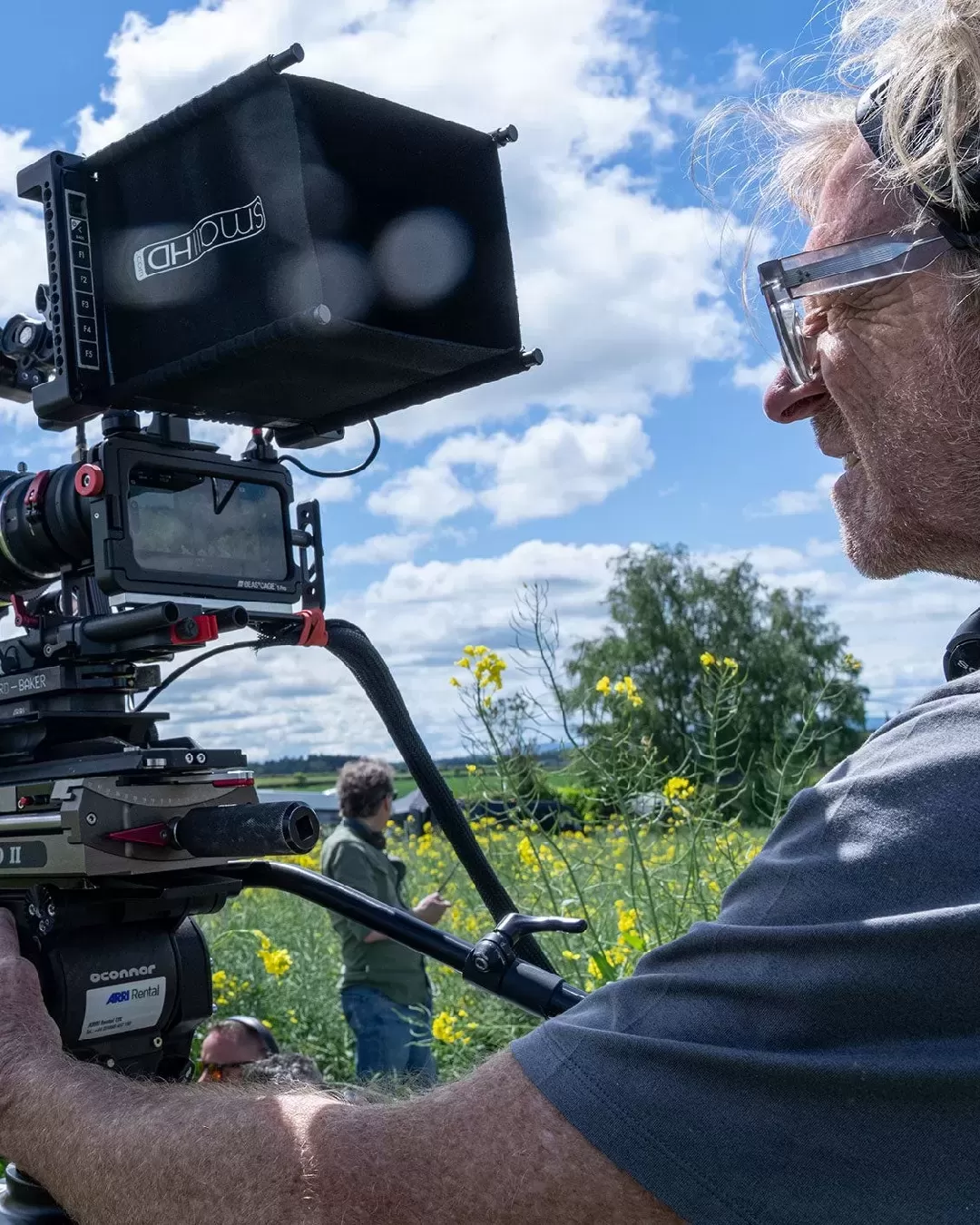
The first question one should ask when a film is shot with an iPhone is: why? The reasons can vary and range from artistic motivations to practicality, from the effect and atmosphere one wants to evoke to the financial resources available to the production and the filmmakers. For director Danny Boyle, it was certainly not a budget issue. Although it wasn’t filmed with the kind of investment seen in major Hollywood blockbusters, his 28 Years Later, sequel to 28 Days Later (2002) and 28 Weeks Later (2007), and the starting point for a new trilogy, started off with a solid backing. A budget between 60 and 75 million dollars allowed the film featuring Aaron Taylor-Johnson and Jodie Comer to stand — and run, given the zombies — on its own legs. Yet, Boyle chose to use iPhone 15 Pro Max devices for the scenes in his post-apocalyptic horror, replacing traditional equipment and enabling unrestrained and imaginative experimentation, which helped define the film's aesthetic. It was not just a choice dictated by visual outcome, but also one of care for the environment and the opportunity to grant the actors genuine freedom.
“28 YEARS LATER was shot using an Iphone 15 Pro Max”
— Physical Media Forever (@VHSDVDBLURAY4K) May 30, 2025
The iPhone 15 pro max in question pic.twitter.com/8tzcP8x34C
For the British director, then, using iPhones had a dual purpose: to preserve the natural greenery surrounding the characters — drones were also used — and to achieve a sense of agility in both the actors’ movements and, even more so, in the directing itself. An exciting result that contributes to the film’s punk spirit, from a director active for over thirty years who, beyond showcasing Danny Boyle's taste for exploration and artistic risk-taking, reaffirms that to make cinema — real cinema — today more than ever, the tools are within reach. The revolution began in the early 2000s, when from the ‘90s onwards, lightweight digital cameras replaced the bulky and costly traditional ones, allowing anyone to plan and shoot their own film at a modest cost, even discovering and experimenting with a whole new aesthetic. The next step was the arrival of smartphones.
Sean Baker's 'Tangerine' (2015) pic.twitter.com/ON3pXHhd4x
— Film Daze (@filmdaze) June 1, 2025
Just like digital cameras, the phone has become an even more immediate and accessible substitute. At first, of course, it was mainly used for production purposes, later evolving into a form of more artistic and budget-friendly experimentation. Consider the contrast between two major auteurs, Sean Baker and Steven Soderbergh, both of whom used smartphones, albeit with different intentions and production methods. For Tangerine, a 2015 film about a transgender sex worker seeking revenge on her cheating boyfriend/pimp, Baker had a $100,000 budget, which required using three iPhone 5s and an app called Filmic Pro to complete the project. For High Flying Bird and Unsane, Soderbergh had different reasons: though both were made with independent budgets under two million dollars, his aim was to explore the cinematic potential of smartphones. In High Flying Bird, the phone provided the sense of realism and immediacy the director sought, capturing everyday life with the speed and portability only a smartphone can offer.
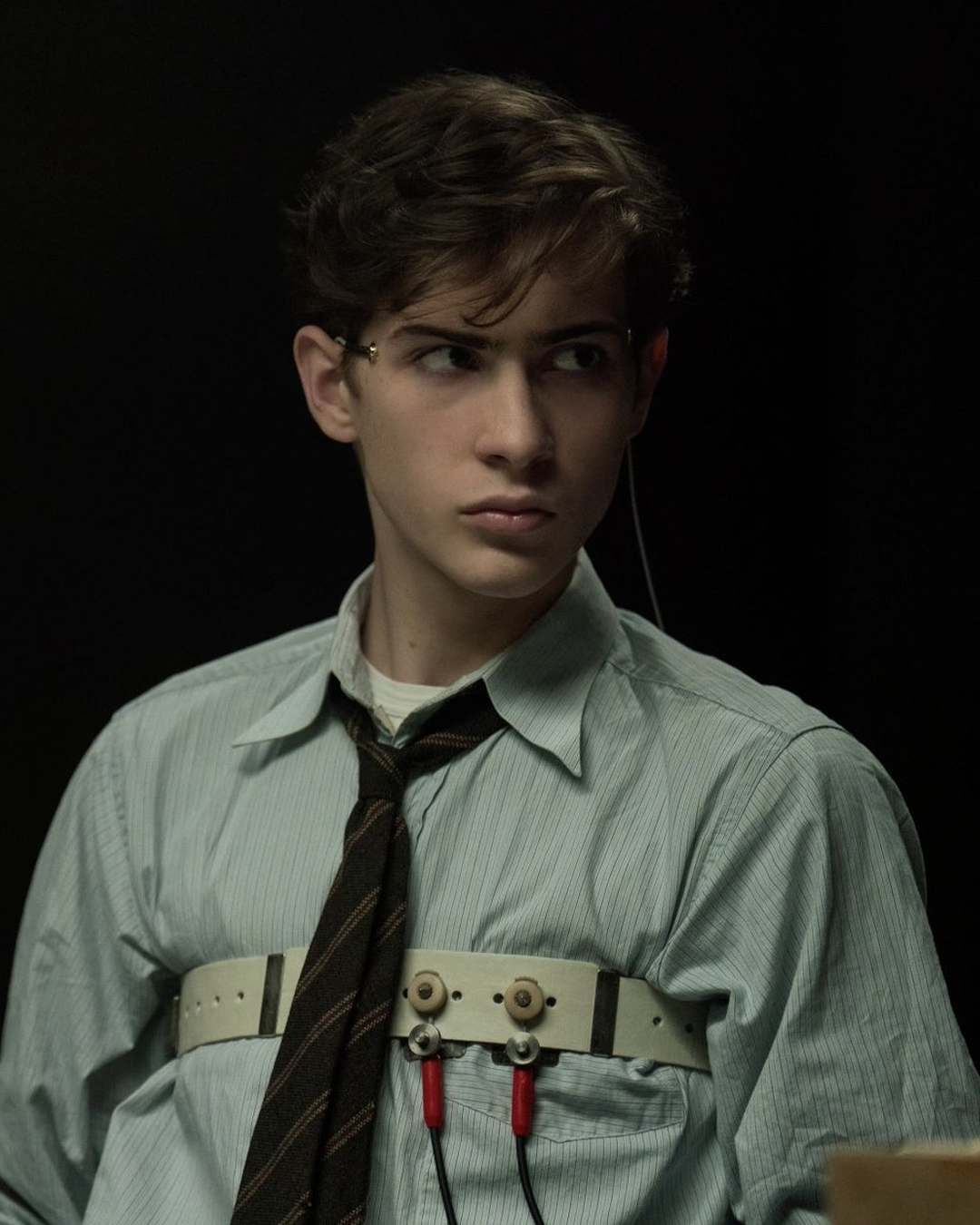
What stands out about High Flying Bird, a film focused on a basketball agent trying to save his career, is the pragmatism of a story that perfectly balanced script and cinematography, the immediacy of the medium and the narrative, in such harmony that it made the iPhone invisible on set, creating the impression of filming real life. This is another reason why smartphones are favored over traditional cameras: the intimacy with what's close to the frame — the same feeling found in Soderbergh’s other work, Unsane. Shot in about a week, the thriller-horror starring Claire Foy was reportedly filmed with an iPhone 7 Plus, capturing the claustrophobic atmosphere of the protagonist involuntarily confined in a psychiatric hospital while trying to escape a stalker. Unsane — perhaps even more so than High Flying Bird — marks the peak of Soderbergh’s experimentation, who, since his 1989 debut, has never shied away from embracing new technologies to push the limits of cinematic production and its infinite possibilities.
UNSANE was released on this day-March 23, 2018 pic.twitter.com/w4cTLRxH6O
— I Love To Talk Film (@ILoveToTalkFilm) March 23, 2024
Not just the U.S., though: over eighty years old, French director Claude Lelouch decided in 2019 to shoot La Vertu des Impondérables with an iPhone X, after including a twenty-minute iPhone-shot sequence in his The Best Years of a Life, also released that year. Lelouch is among the most enthusiastic advocates for the use of iPhones in the film industry, viewing them as a valid counter to the rigidity of a system that can be liberated by embracing this new tool. From Spain came the 2013 found-footage horror Hooked Up by Pablo Larcuen, the first full-length horror film shot with an iPhone 4S during six days of filming in an abandoned villa in Barcelona on a $15,000 budget. Then, in 2018, came the first musical shot with an iPhone 7, La tribu, which took advantage of the smartphone’s flexibility to film in various locations, from indoor gyms to the streets of Madrid.
iPhones are no longer taboo — not for feature films, nor for Oscar-winning documentaries like Searching for Sugar Man (2012) or more recently San Damiano by Gregorio Sassoli and Alejandro Cifuentes, where a phone was given directly to the protagonist in a story focused on the homeless around Rome's Termini station, further blurring the line between fiction and reality. Nor is it taboo for music videos, where even a giant like Steven Spielberg experimented with Cannibal by Marcus Mumford in 2022, or for imaginative short films like Détour by Michel Gondry in 2017. Whether for technique, aesthetics, or budget, filming with an iPhone is becoming more and more a deliberate choice. Not just a trend, but another, more accessible way to make cinema.