




















«You've made clothes, but have you made fashion?»: An Interview with Andrew Groves We spoke with the professor, archivist and designer during Milan Fashion Week
When people talk about fashion archives, everyone's mind immediately goes to runway pieces. But not Andrew Groves, founder and director of the Westminster Menswear Archive, the first public menswear archive in the United Kingdom. What interests him most is what fashion can say when placed in the context of reality and history — the testimony it is able to offer, not so much of certain designers' abstract fantasies, but of how a specific garment, even an anonymous one, can tell the story of the intersection between the history of dress and society. "There's something wonderful about going into an archive: you arrive with an idea of what might be there," he told us. An idea that, incidentally, is always subverted in some way.
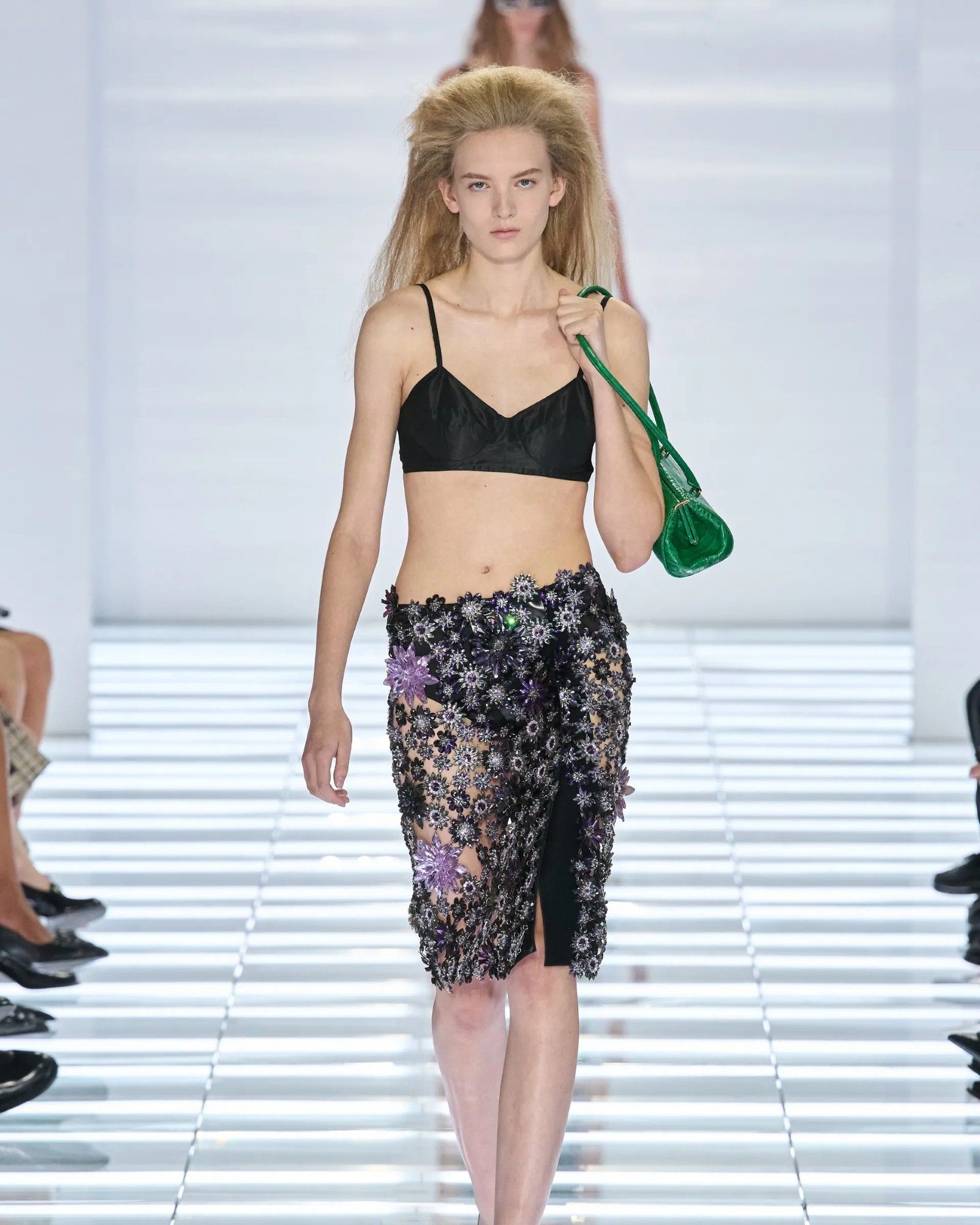
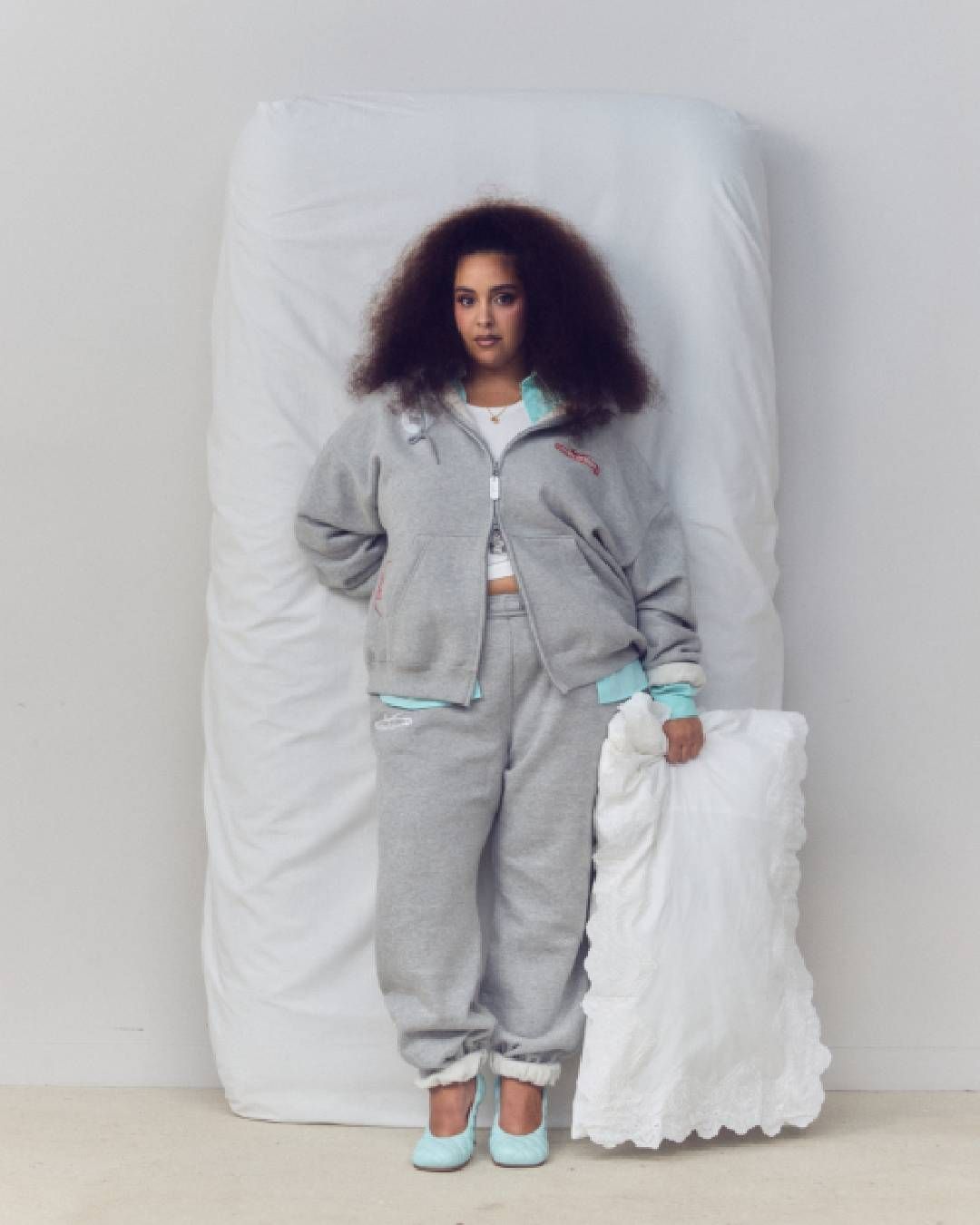
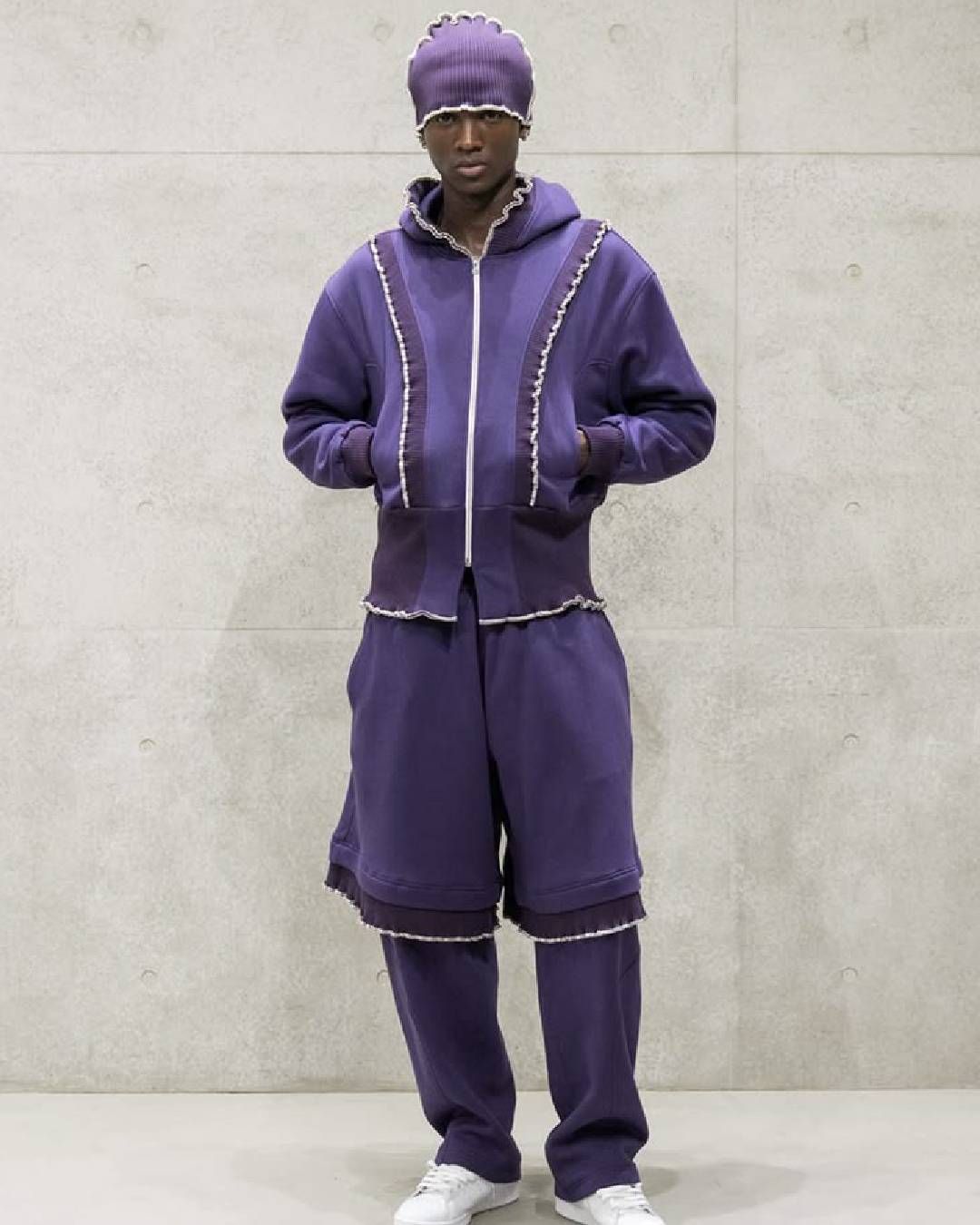
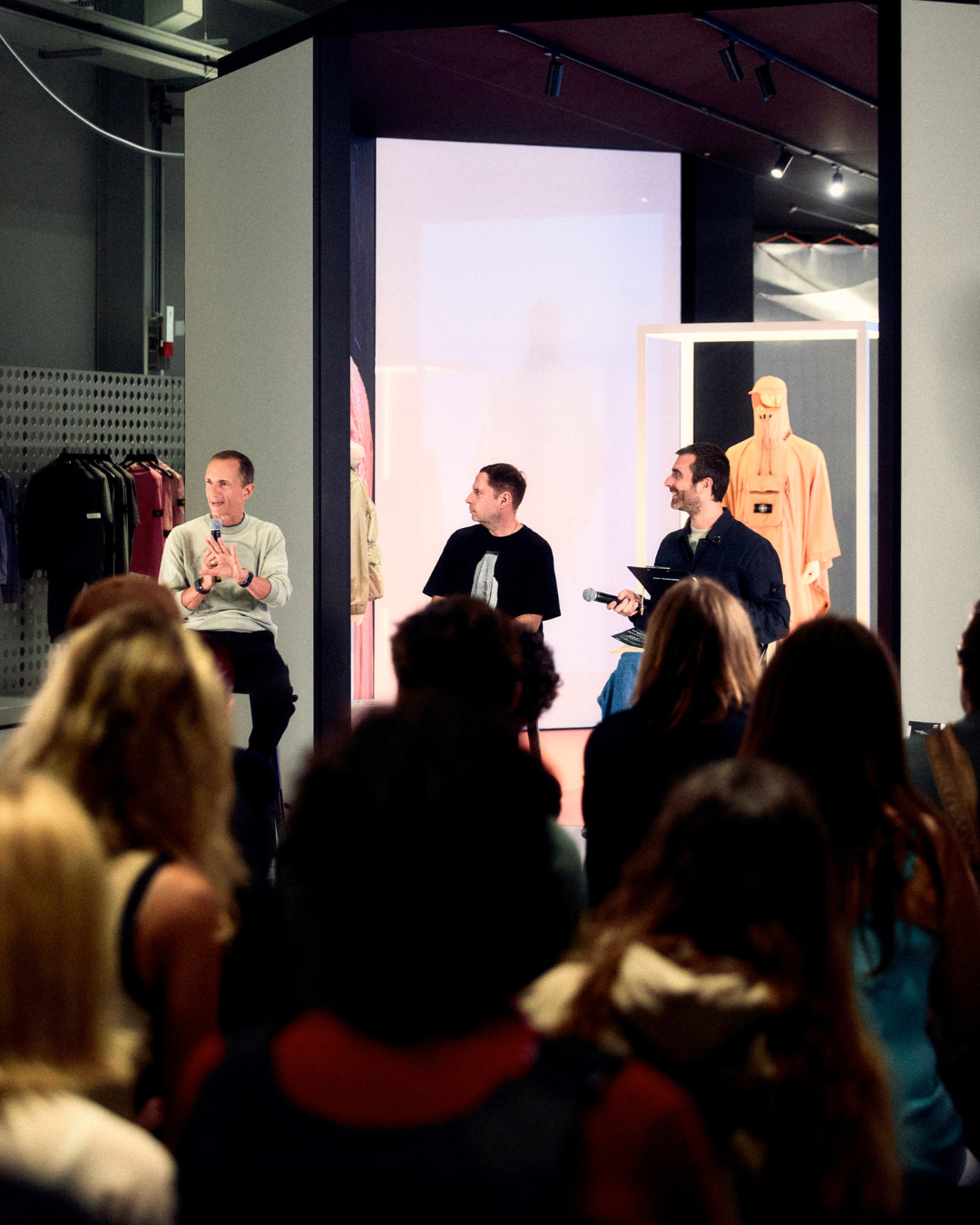
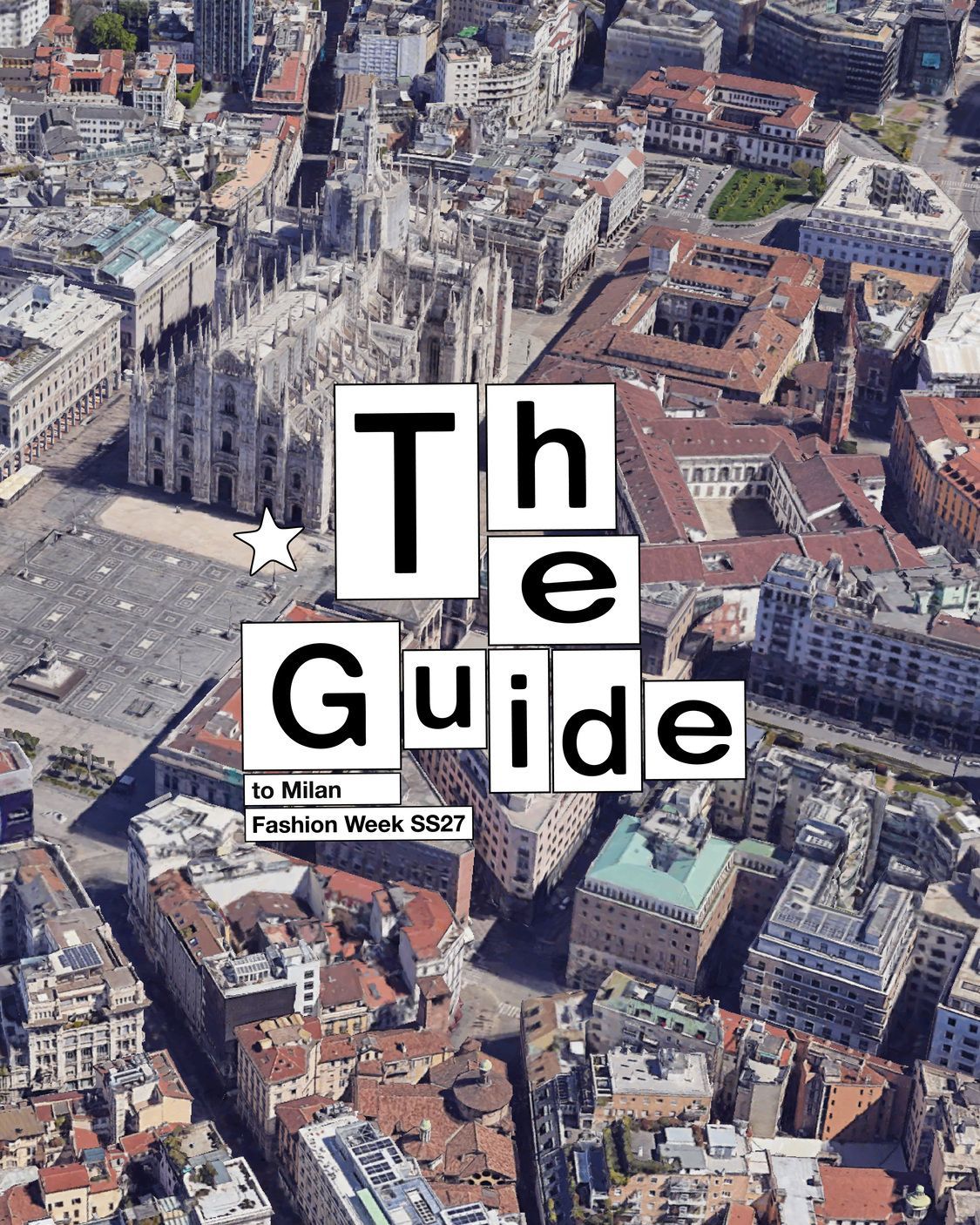
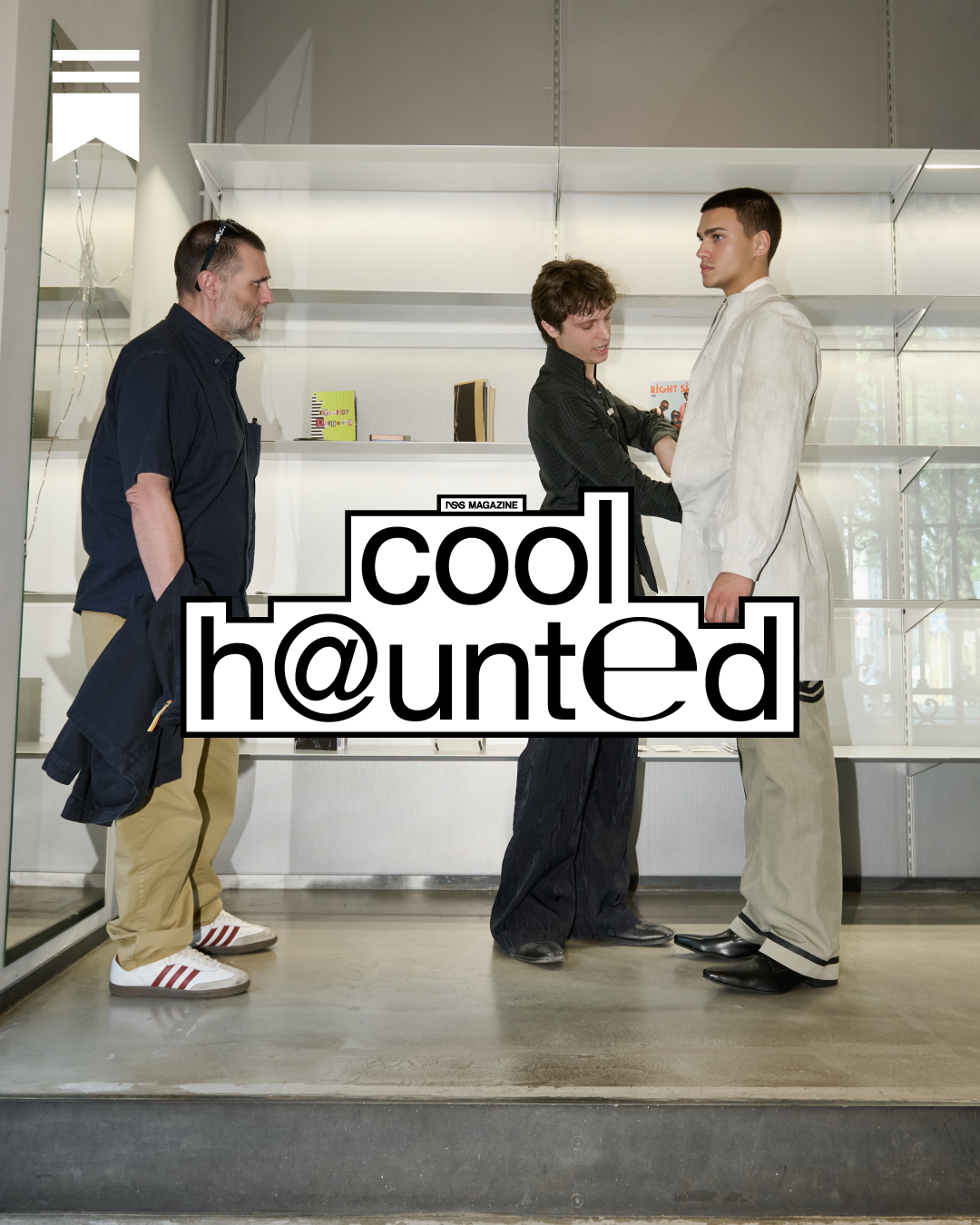
On the occasion of Milano Fashion Week Uomo SS27, Groves and the University of Westminster brought the Master of Fine Arts students' final collections to Milan, to show them in the spaces of the Slam Jam Center in Brera. Here, alongside the collections, an installation entitled Visible Systems was created, in which ten objects from the Westminster Menswear Archive are paired with ten objects from the Slam Jam Archive through a series of thematic combinations. The idea is to create pairings that read fashion as a set of systems: garments that conceal and alter the body, surfaces that produce meaning, visibility that shifts from simple function to a tool of identification, social roles and hierarchies, equipment for movement and work, the organisation of space and mobility.
At the same time, many of the pieces on display tell the story of how the design process evolves through prototypes, of how simple marks on ordinary garments can alter their meaning, of how design identity circulates through branded objects, and of how copies and imitations manipulate the language of branding to generate new meanings. The selection includes, among other things, counterfeit Comme des Garçons and Supreme T-shirts, tambourines created by Lidl for the Oasis reunion, riot police helmets, functional reflective garments paired with samples from Alyx and Been Trill, as well as prototypes, staff uniforms and personalised football shirts.
To better understand how this exhibition was constructed and what idea of fashion underpins it, we met Andrew Groves at the Slam Jam Center to put some questions to him.