






























CMNI says Italian fashion is recovering But to tell the truth, there is only a slowdown in the decline
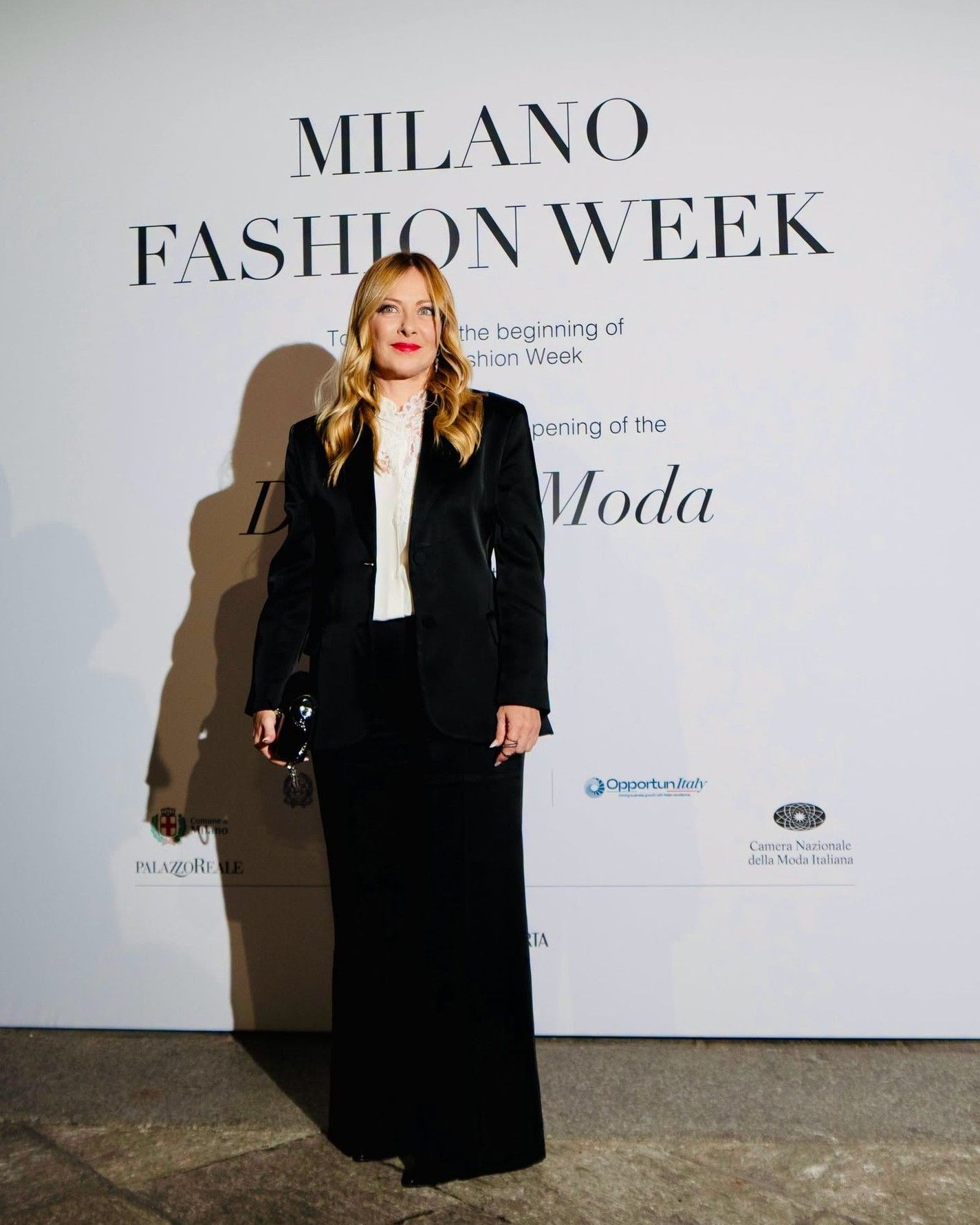
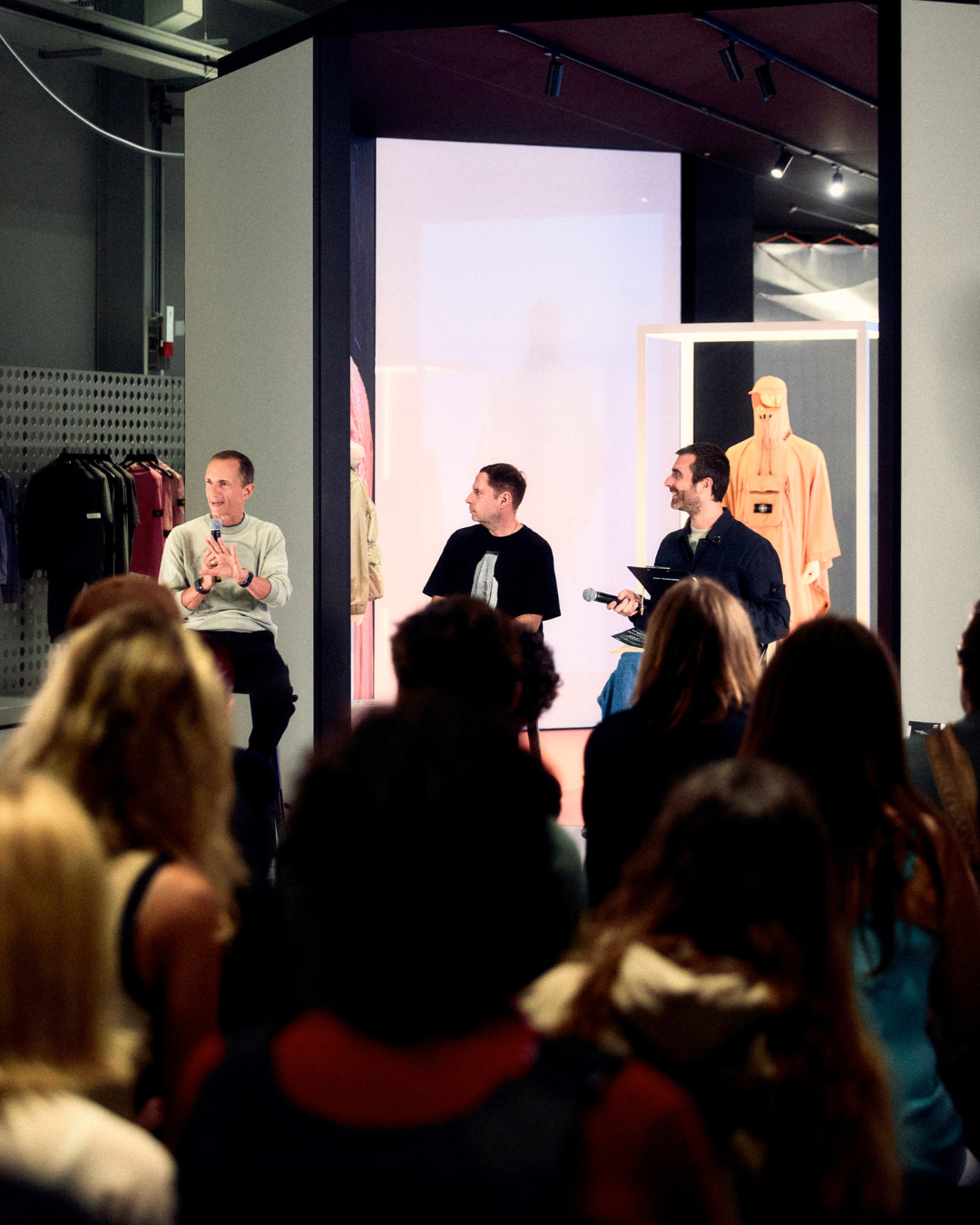
As every December, the time has come for the final annual report from the Camera Nazionale della Moda Italiana. During the press conference for Milano Fashion Week FW26 Uomo on December 10, Carlo Capasa announced a figure that seemed almost unthinkable just a few months ago: after eight consecutive quarters in the red, Q3 of 2025 finally showed a modest yet noticeable sign of recovery for the entire Italian fashion sector. A piece of news welcomed with relief, though it calls for caution rather than enthusiasm.
According to Capasa, 2025 is expected to close with a turnover decline between -2.7% and -3%, a result still better than the more pessimistic forecasts from a few months earlier, which pointed toward -5%. A partial rebound that, however, does not erase the structural loss of the last two years: the sector has seen 3,000 companies disappear and lose ten billion euros in turnover, a figure that weighs far more than any quarterly uplift.
How is Made in Italy really doing?
According to the latest data, as early as July a first reversal of trend was beginning to emerge, with +1.4% compared to the same month in 2024, later reinforced in September with +5.7%. A rebound that helped soften the overall negative performance of the year’s first nine months, still at -2.7%. This is therefore a recovery that feels more psychological than structural, further weakened by the negative performance of related sectors such as jewelry and eyewear, which continue to lose ground, mainly due to slowing demand in export markets.
In the overall landscape of the fashion industry, including related segments, the turnover of the first nine months fell by 3% compared to 2024. On the pricing front, the textile supply chain remains in negative territory, while apparel and footwear stay slightly above zero. Cosmetics and jewelry remain resilient, with prices rising despite the cooling of sales: a paradox that reveals an increasingly polarized system, where some segments operate almost independently from the market’s real performance.
Perfumery and personal care continue to grow with a strong +4.2%, and surprisingly, apparel is timidly back in positive territory (+1.4%). These contrasting signals reflect a highly selective consumer, price-conscious and far more willing to spend on categories perceived as “useful” or linked to well-being.
Perhaps calling it a recovery is too optimistic
The narrative of a return to growth is reassuring, but risks being misleading. The sector is not growing; it is simply falling more slowly than before. The Q3 reversal looks more like a technical rebound than a solid turnaround, especially given the current environment: exports are slowing, European consumers are cutting discretionary spending, and China, historically a major source of demand for luxury, remains in a phase of deep uncertainty.
Within this context, Made in Italy continues to suffer from two key weaknesses. First, the fragmentation of its production fabric and its difficulty competing globally in a market dominated by conglomerates able to invest in marketing, innovation and distribution. Secondly, the disappearance of thousands of companies in just two years confirms that the issue is not cyclical but structural.
Capasa’s cautious optimism is understandable, yet it risks encouraging an overly indulgent reading of an ecosystem that requires deep structural reforms more than good news. The sector remains fragile, heavily export-dependent and vulnerable to any global macroeconomic shock. Speaking of recovery without clarifying that the sector is still contracting—albeit more slowly—creates the illusion that the worst is behind us, while the data tells a different story. The real issue is not the positive sign in Q3, but whether Made in Italy will be able to turn these micro-bounces into real, sustainable growth.