
2025 was the year of yearning The older Gen Z gets, the more they pine away
Yearning is one of those English words that does not have a direct translation in Italian. Technically, it means longing, but with a deeper, more melancholic, and visceral undertone. It is a consuming desire, born out of absence, that becomes almost physical. It is the feeling that can be sensed in the early albums of The Smiths, in the films of Celine Song and Joe Wright, and in the novels of Jane Austen. It is not just love, and it is not just nostalgia. It is something far more intimate and undefinable, a hunger for emotion that never finds fulfillment.
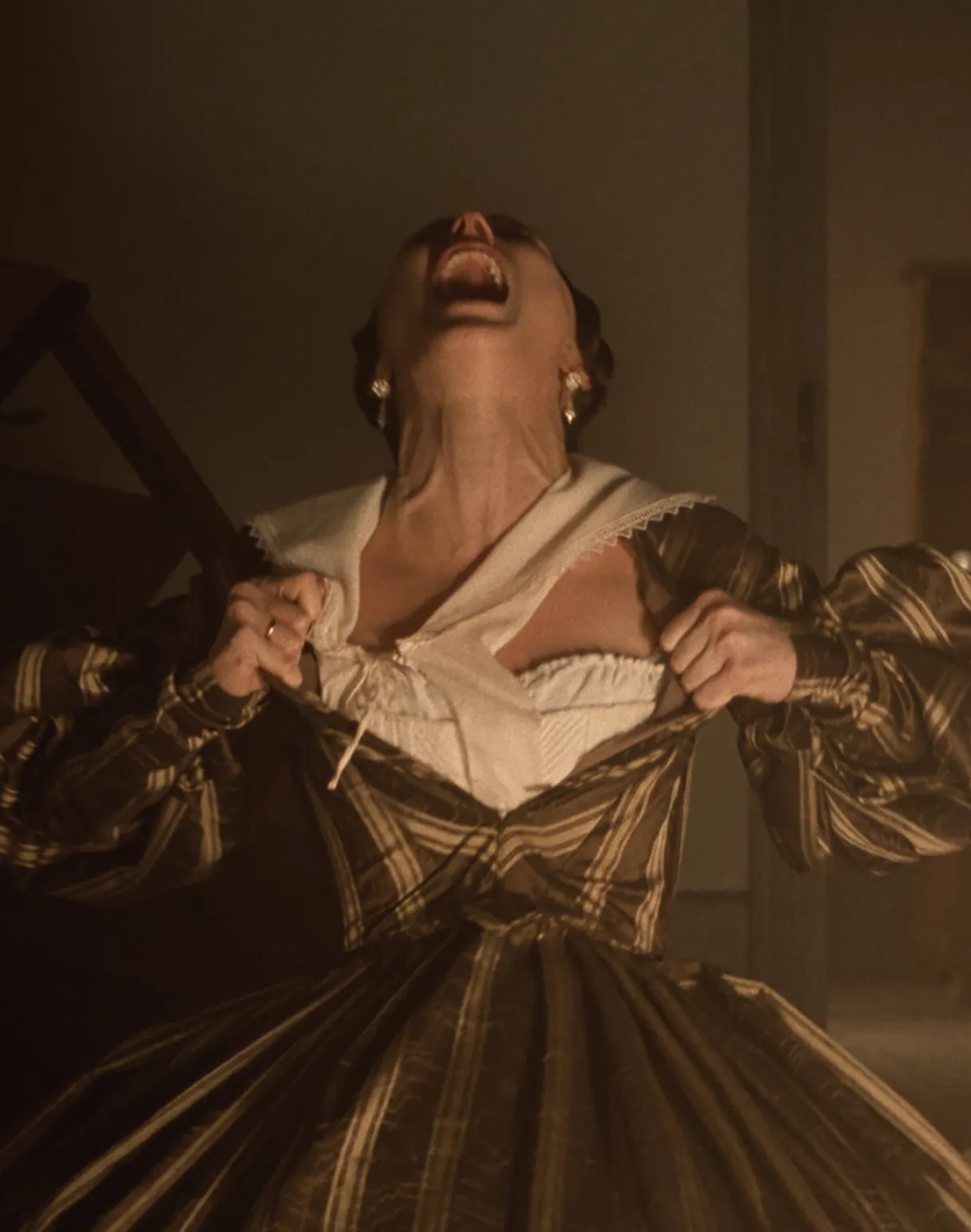
By 2025, this feeling has become almost a shared language for Gen Z. Yearning has become a way to describe the atmosphere surrounding people in their twenties, that constant tension toward something elusive, a quiet anxiety for completion that rarely arrives. It can be recognized in the characters that have shaped the collective imagination of the year, from Conrad Fisher from The Summer I Turned Pretty to the creature in Frankenstein by Guillermo del Toro, all united by the same unease: the hope of being reunited with a loved one, a lost version of oneself, or simply a sense of being. This has become the new leitmotif of Gen Z, a kind of shared melancholy that crosses languages, platforms, and identities.
The virality of yearning
@majorismusic Jeff Buckley Vinyl Deep Listening Session Pre Launch Tickets are LIVEEEE! Comment “Jeff” are we’ll drop you an exclusive link #jeffbuckley #bookclub #shoreditch #dj #vinyl original sound - Majoris Music
A feeling now found across every medium, from music to cinema and even memes. Musically, Gen Z has rediscovered Jeff Buckley, the young American singer-songwriter who, at just 30 years old, lost his life in 1997 at the very beginning of his career. Lesser-known tracks such as Lover, You Should’ve Come Over and Everybody Here Wants You have become some of the most viral audios of 2025 on TikTok, with 346,000 and 82,800 posts respectively in the second half of the year.
Buckley has once again come to represent that form of authentic and aching sensitivity that today’s social media no longer seems able to contain. His voice, suspended between desire and pain, has become the perfect soundtrack for those who feel out of time, out of place, yet still capable of feeling deeply. In a different but parallel way, one of the new breakthrough artists of the year has been Sombr, born in 2005 and considered one of the main hopes of the new male pop scene. With 56,000 monthly listeners, Sombr is now seen as Gen Z’s ultimate “yearner.” All his lyrics speak of fleeting loves, regrets, and lost futures, going viral time and again thanks to their emotional relatability.
Why Gen Z struggles to connect
Exhausted by a desire to desire, not so much for someone as for something that could bring depth back into their lives, today’s twenty-somethings increasingly express their inner unease on social media. No longer just the generation that does not have sex, does not party, and does not drink, but now also the most single and loneliest generation in history. A recent Pew Research Center study confirmed that 56% of people under 30 identify as single and without any romantic prospects. This situation is no longer simply concerning, but almost catastrophic when compared to data from previous generations.
It is as if physical touch, presence, and real intimacy have become elusive concepts, remnants of a distant past. Perhaps the problem is that so far everyone has focused too much on the symptoms of the so-called “relationship recession” and far too little on the causes that made it inevitable. As Isabella Camargo wrote on GenZine, “In recent times, the word ‘yearning’ has become increasingly popular among young people. It is a feeling born in a post-pandemic world.” What Camargo describes is a void that took shape after the pandemic, when digital relationships replaced real experiences and intimacy became an abstract concept.
On one hand, it could be said that this generational yearning is simply one of the first major psychological consequences of lockdown, visible only years after the end of Covid-19. On the other hand, perhaps it was inevitable, given the nature of a generation born and raised in a filtered, digital world that constantly watches and is obsessed with being watched.
The rise of “performative yearning”
some of you are performative yearners but my yearning comes from a real and terrible place
— emo normie (@emonormie) May 22, 2025
And yet, even an emotion as raw and unfiltered as yearning seems to have become just another performative act of this generation. As Vishakha Punjabi wrote for Elle India, performative yearning is the latest evolution of digital romanticism: sad playlists with millions of streams, dimly lit bedrooms where someone films themselves crying and then goes viral on TikTok, and Pinterest boards titled “us in another life.” It is yearning, neatly packaged and tamed by the algorithm, stripped of its emotional core and turned into a fleeting meme to repost.
As Punjabi points out, this is where the deeper contradiction lies. The same generation that craves genuine emotion is also the one that has mastered the art of concealing it, with millions of young people online calling themselves nostalgic but not really knowing for what. It is a subtle game of simulation and defense, where pain is displayed to seem real and made viral so that it will not hurt.
In this sense, performative yearning becomes a kind of collective emotional paradox, a hunger for meaning consumed in the very act of being shared. It is not fake, but rather a desperate attempt to give shape to something too vast to contain, crafted in a way that is aesthetically digestible for social media. Today, calling oneself a “yearner” is no longer a declaration of intent, but a performance. A nostalgia that has lost its object and turned into an aesthetic of itself. So at this point, it feels fair to say: “bring back real yearning.”