
























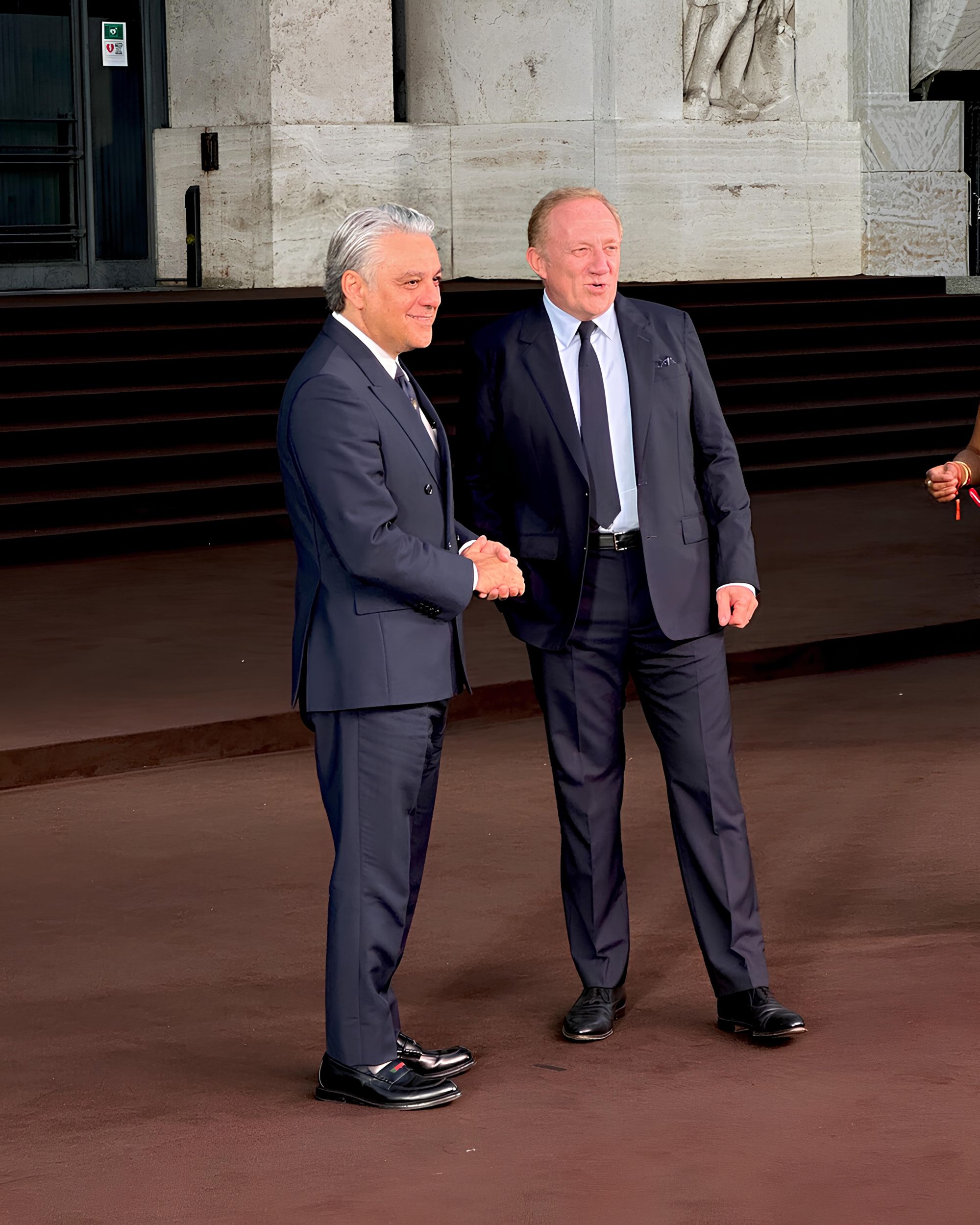
With Luca de Meo at Kering, creative directors will matter much less A shocking strategy, but much more reasonable than it seems
With the arrival of Luca de Meo at the helm of Kering, the landscape of French luxury and global fashion is preparing for a paradigm shift. Appointed CEO on September 9 and officially taking office on the 15th of the same month, the Italian manager whose background has been in the automotive sector has outlined a new managerial approach that prioritizes analytical rigor and quick decisions, with the aim of overcoming the crisis in which the group finds itself. Yesterday, during an internal plenary session that involved about 300 executives, as reported by Pambianco, the new operational rules and the method that de Meo intends to impose emerged. A new formula based on efficiency, customer orientation, and process acceleration.
Reinvent the wheel or break it?
@ertodemirel Unboxing the new Gucci by Demna om the streets of Paris. Are we obsessed? #demna #gucci #unboxing #viral #fyp original sound - ertodemirel
At the center of de Meo's vision is a fundamental change in the very functioning of luxury so far, which aims to reduce the brands' dependence on creative directors by orienting them toward a market-based approach. The most radical revision to be introduced is the disempowerment of the subjective artistic visions of designers. In short, the manager intends to limit the influence of creative directors to 20% of the most iconic products in a collection. For the remaining 80%, namely accessories like bags and shoes, as well as carry-over prêt-à-porter items, the creation of collections will be based on detailed analysis of sales data, customer feedback, and studies on public sentiment. A notion perhaps shocking for those of the old school, but which in reality protects the brands' heritage from market volatilities and creative turnover, effectively establishing a priority for carry-over collections that already exists in practice.
Another fundamental pillar is the operational speed of production, another potentially revolutionary factor. Currently, the development of a collection in luxury requires about a year from the initial concept to arrival in stores. De Meo's plan intends to halve the timelines to just six months, through a reorganization of production flows and greater integration between creative teams and commercial functions. Some have already compared this push for acceleration to fast fashion methodologies, but, after all, isn't it precisely with the very fast fast fashion that luxury finds itself increasingly competing? The idea could also finally resolve the complex issue of the temporal distance between the actual runway show and the arrival in stores of the collections, perhaps even succeeding in synchronizing fashion seasons with those of the year, a topic that has been discussed since the lockdown times.
These are the two main new factors of a strategy that has identified among the most urgent problems of Kering indebtedness and poor financial performance. It will therefore be necessary to reduce net debt, review and streamline the entire set of global operations, and, another potentially shocking measure, simplify the brand portfolio to better concentrate resources. This means that in the coming months, Kering could sell some of its brands. A tough method that has, however, restored the stock market's confidence in Kering, whose stock in Paris has recorded a 98% growth in the last six months.
Demna and Bellettini: Gucci's "tigers"
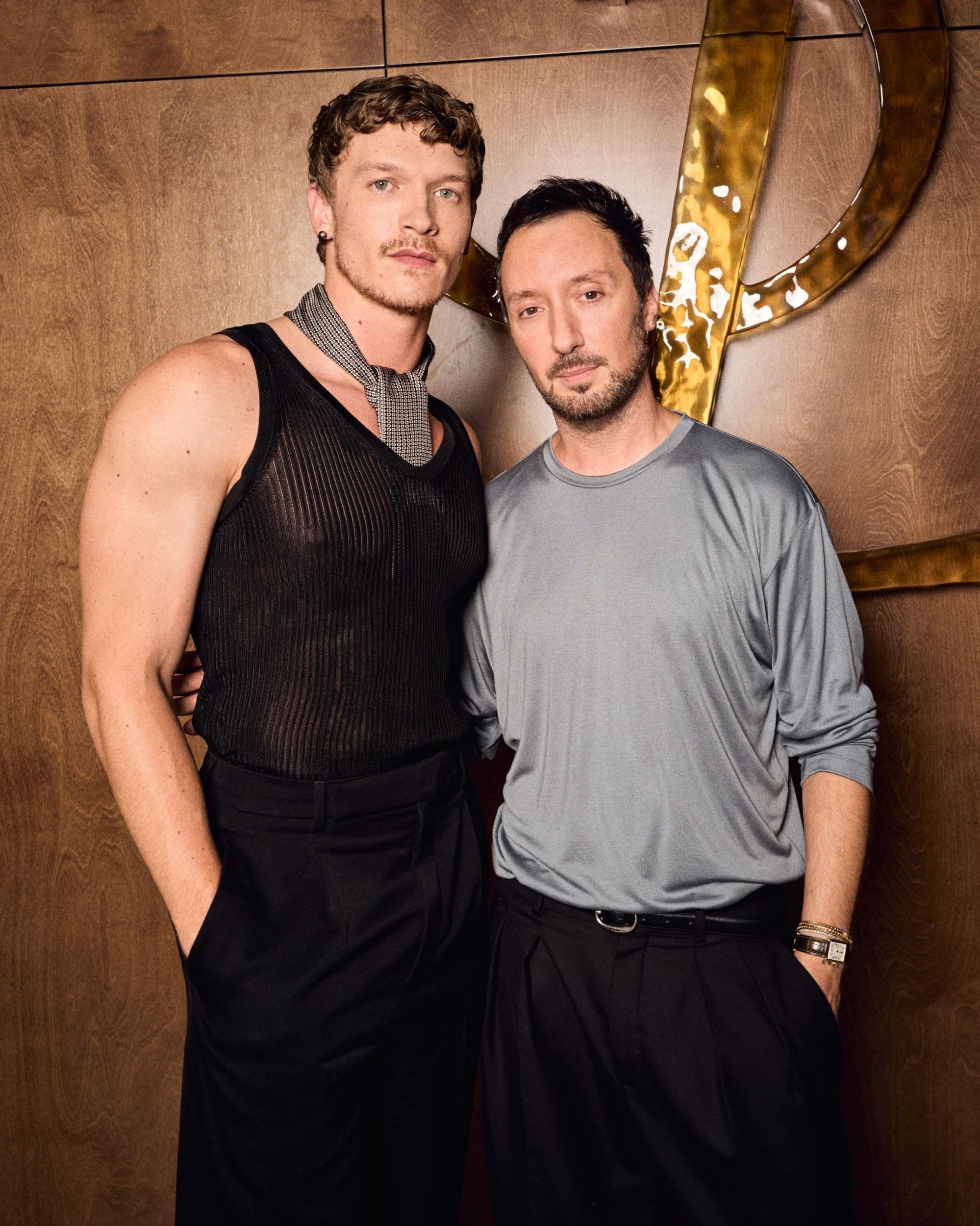
If de Meo's method represents a general framework for the entire group, its effects are already being felt tangibly at Gucci, the true engine of Kering where interventions have been more timely. With Francesca Bellettini as president and CEO, and with Demna at the creative direction, a "see now, buy now" approach has been implemented that already embodies de Meo's speed principles. After the presentation in Milan, whose proceedings we have already analyzed in recent weeks, Demna's debut collection arrived immediately in a dozen Gucci boutiques around the world, following the principle of "strike while the iron is hot." In fact, the idea of making the collection immediately available by exploiting the burst of media popularity post-presentation.
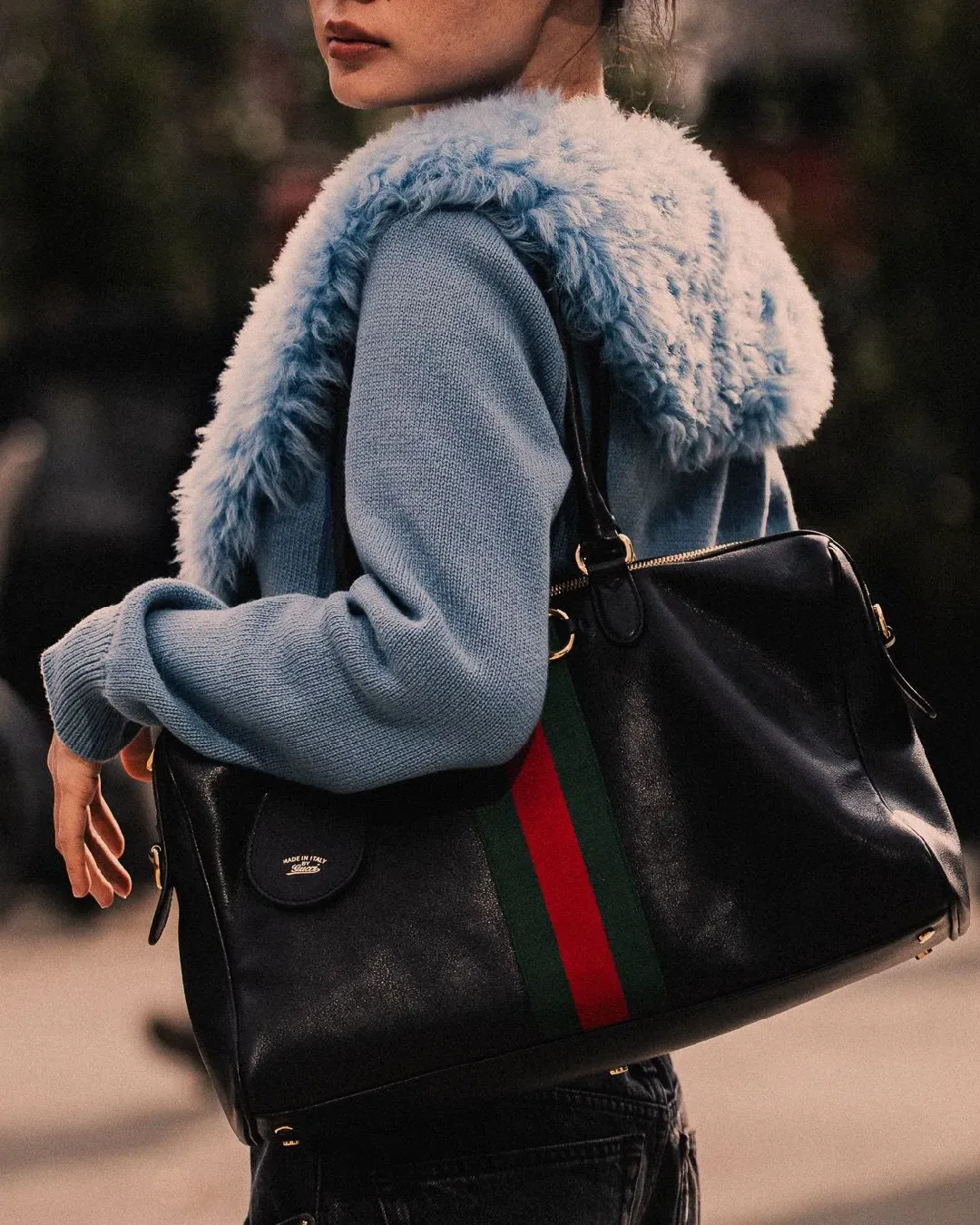
As BoF reports, the preliminary data on customer traffic in Gucci's American boutiques are quite encouraging. In Los Angeles, on Rodeo Drive, weekly visits increased by 53% compared to the previous week, while in New York the growth was 19%. At the national level in the United States, the peak influx was recorded in the weekend following the launch, the highest in the last three weeks. In practice, de Meo, Bellettini, and Demna have given the brand a defibrillator shock, revitalizing interest in Gucci after two years of decline. A significant part of this strategy is the slow reopening toward aspirational consumers with products like a new Jackie and other bag models that cost less than 2000€.
So far, this fast and aggressive technique had been adopted by other smaller and independent brands, but if this commercial test for Gucci obtains the results that the first data promise, it is very likely that, in a different form or anyway optimized, it will become the new normal for many of the group's main brands. To understand, however, we will have to wait until January. If the strategy should actually work and be extended to the other brands of the group, practically a quarter of the main institutional fashion brands, and thus a huge piece of the luxury industry, could be on the verge of an epochal update of its methods.
Why the new strategy is convincing
@rebeccakrizman Fashion 101 ep4 the difference between the clothes on the runway and those in stores #fashion #fashiontiktok #fashionweek #fashionshows #hautecouture original sound - rebecca
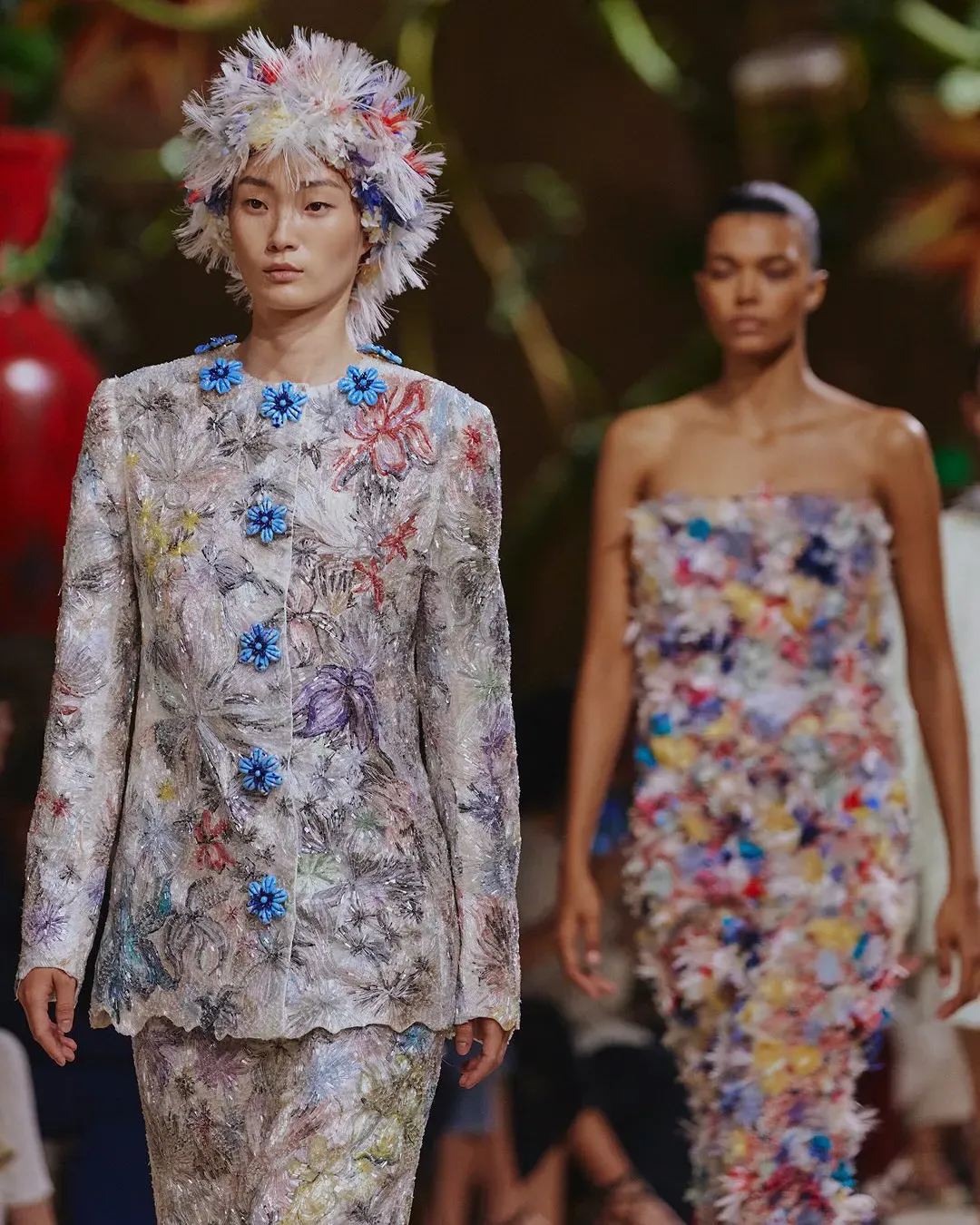
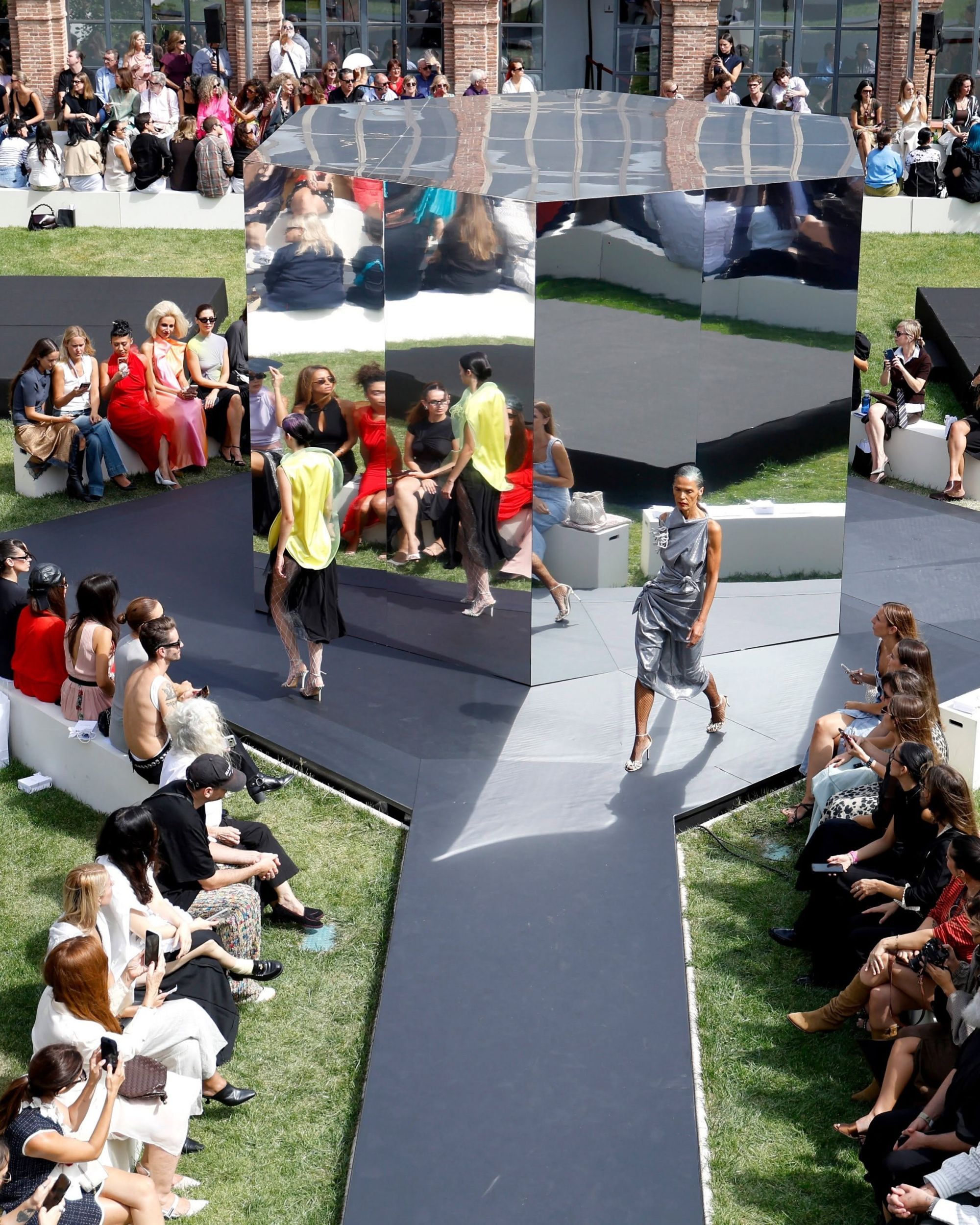
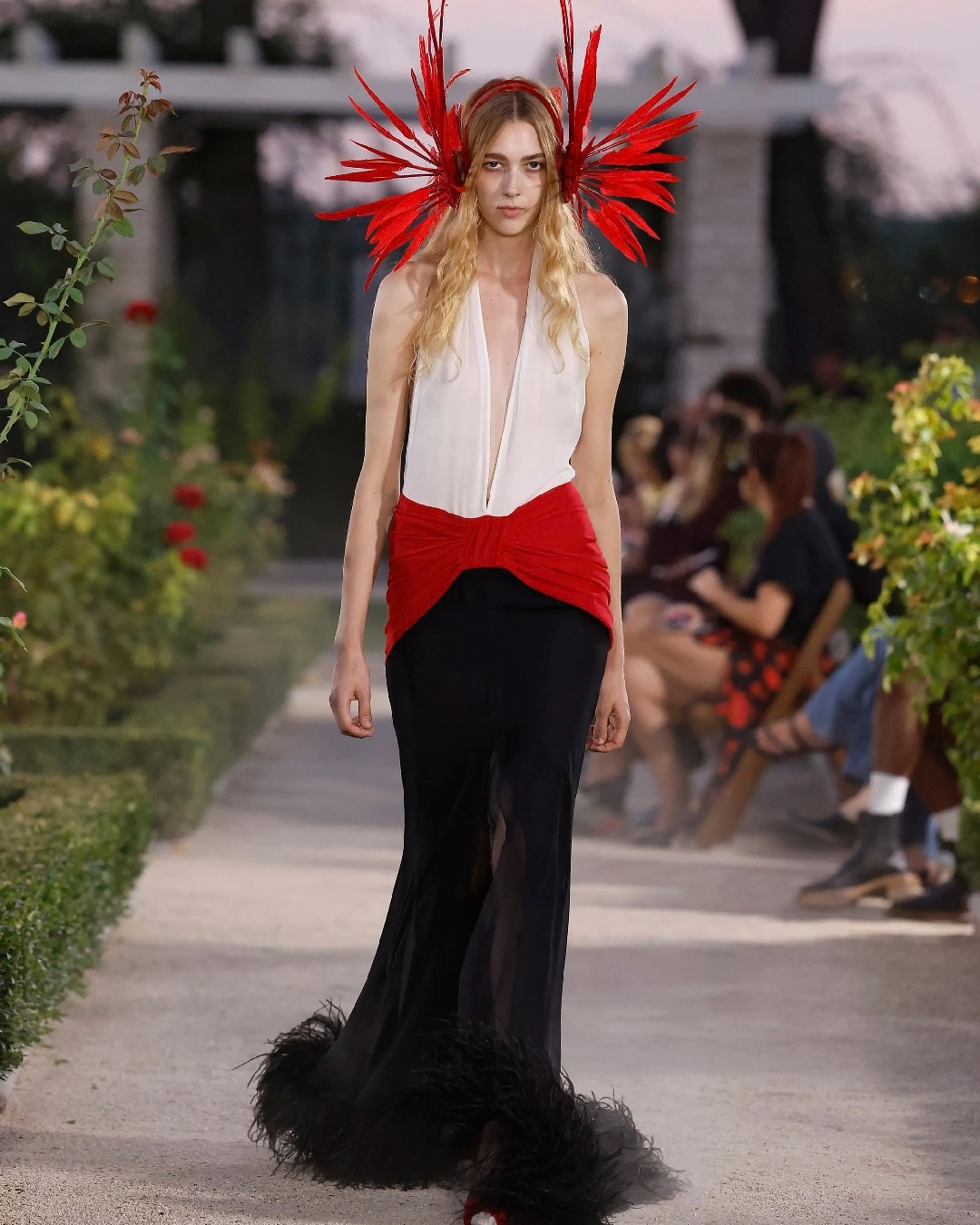
Wanting to be optimistic, de Meo's new method promises enormous changes but also enormous improvements. Reducing the influence of the creative director, as anti-artistic as it may seem, actually makes a lot of sense. We have already mentioned, in previous analyses on fashion malfunctions, how in the passage from the runway to the store a collection is filtered and refiltered until it often results completely different from the original concept. By eye and cross, without claims of scientificity, about only one fifth of a runway collection actually ends up in stores as it is. Taking the recent Dior show as an example, for instance, one could notice how the collection worn by celebrities in the front row and that on the runway had several differences.
In general, a quick tour of any brand's e-commerce is enough to see that between what is sold and what parades in fashion week there is often a real abyss. And even when the show pieces arrive in stores as they are, the bulk of the collection is still made up of more common and logoed items that represent that 80% of carry-over that de Meo wants to remove from the influence of creative directors. The same goes for the speed strategy, which simply makes sense in an increasingly aggressive sector where these big brands for categories like ready-to-wear must measure themselves against new brands much more agile, fast, and intuitive than those of fashion. After all, listening to customers, insisting on carry-over, and moderating prices is working for Burberry. If it works in Kering, however, it has the potential to change the luxury manual forever.