
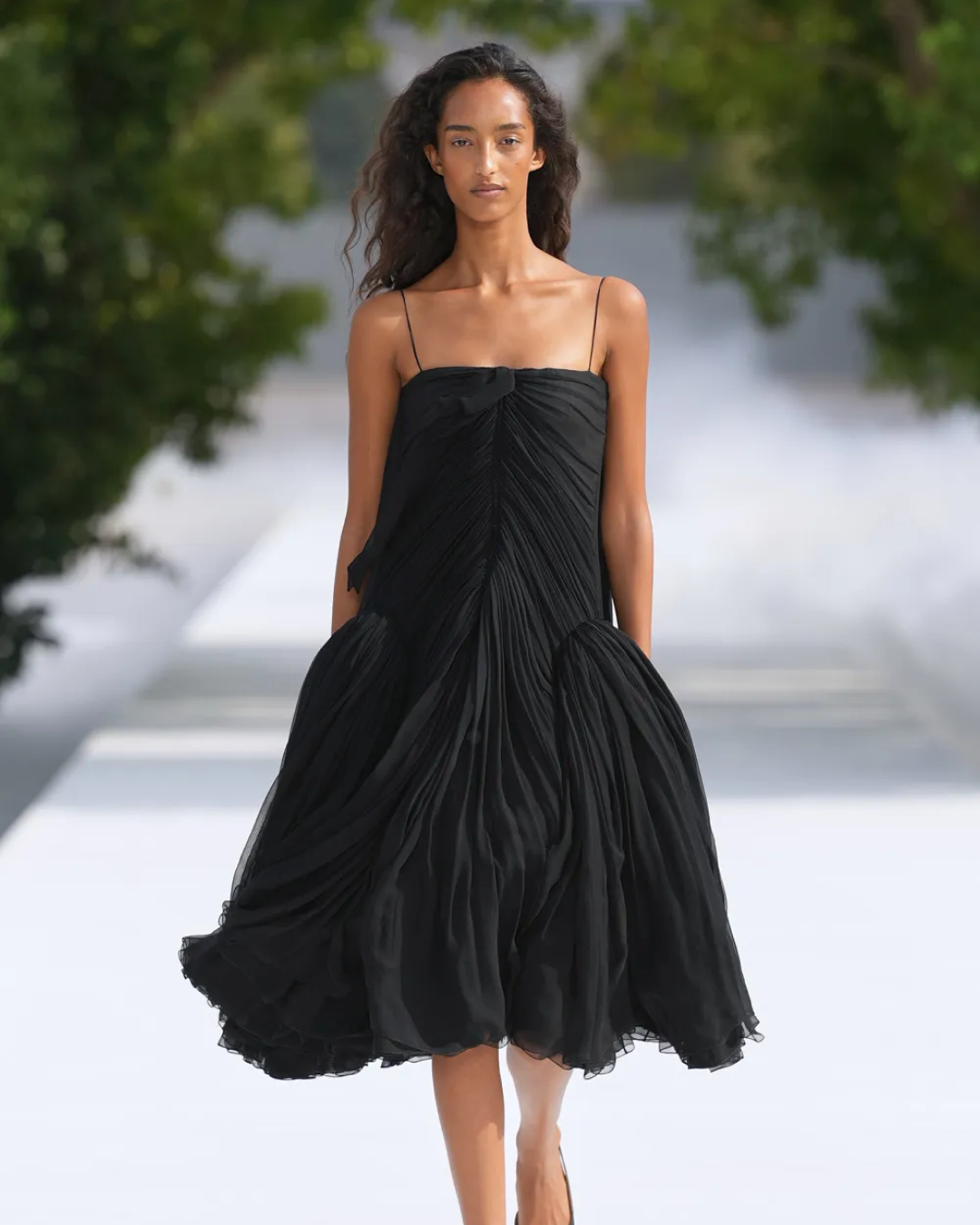
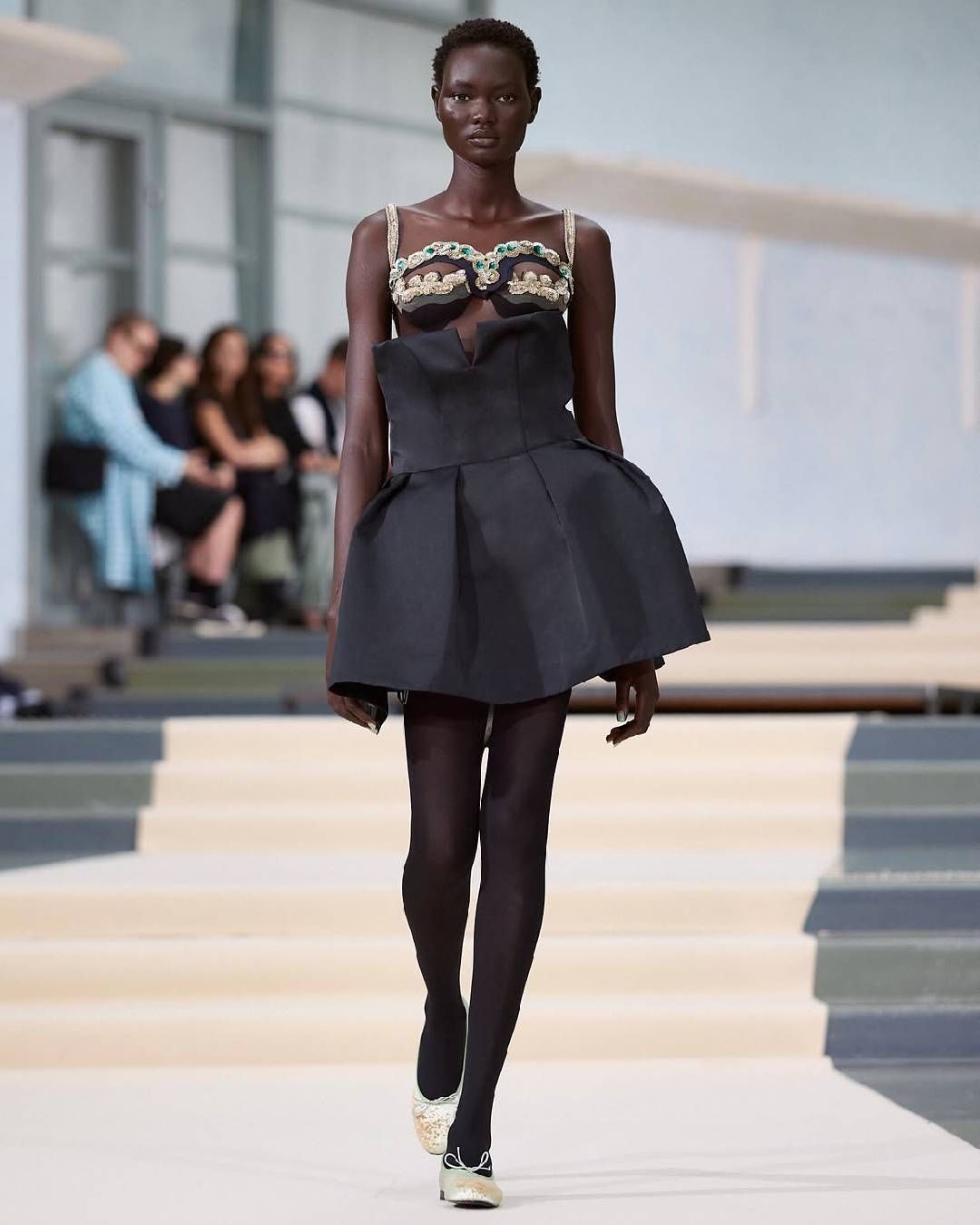
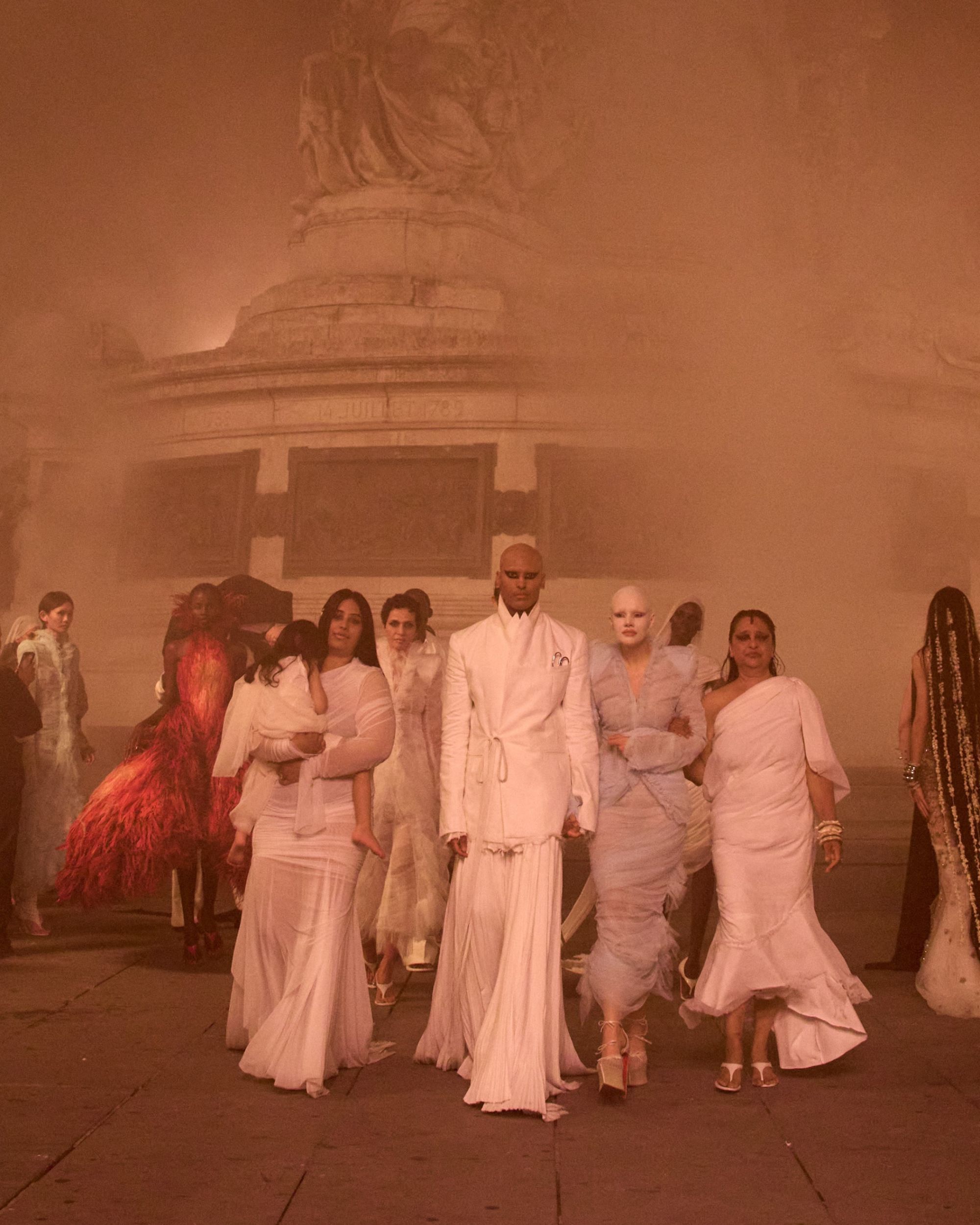
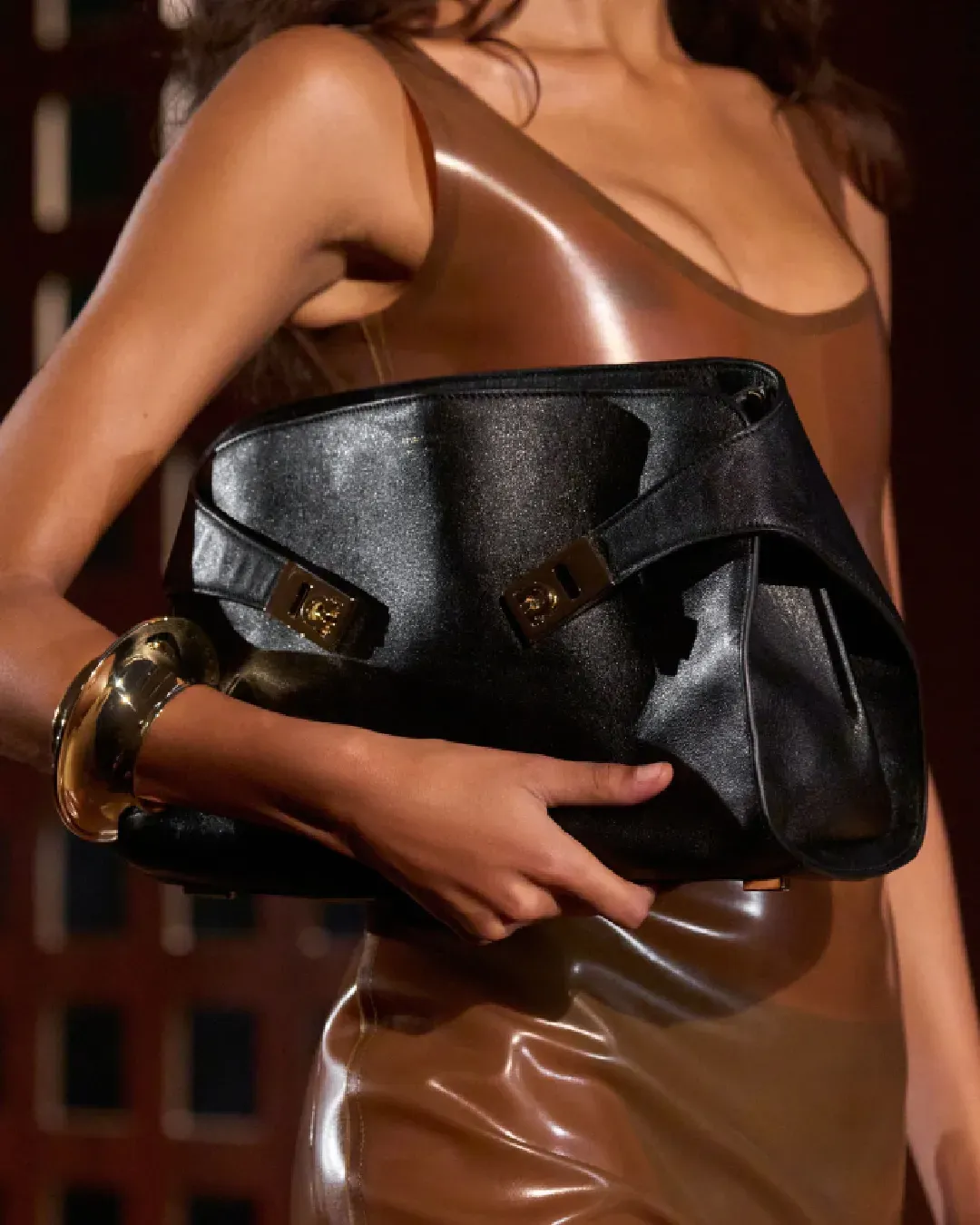





















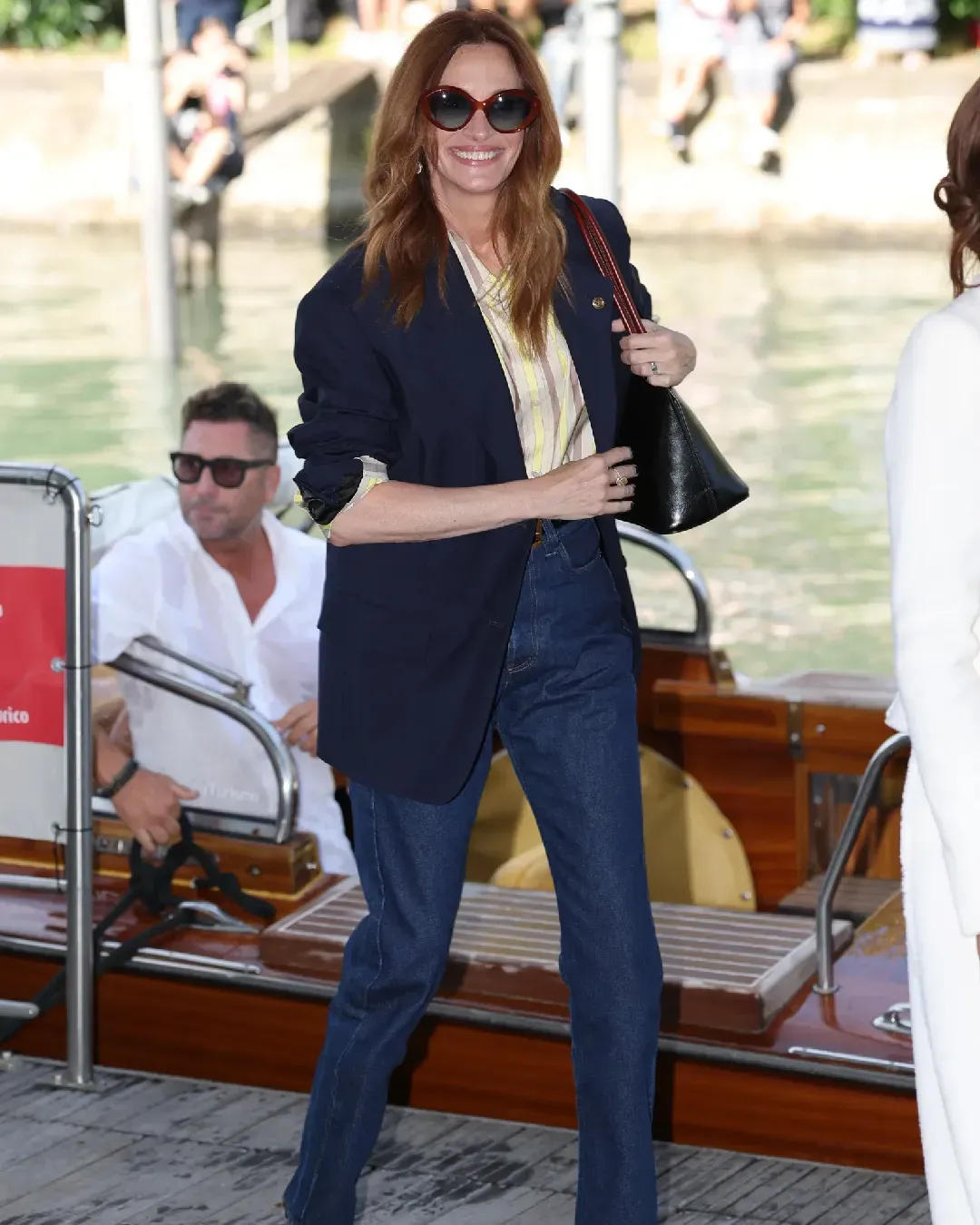
Is the Venice Film Festival the new fashion week? The soft launches of Dior, Versace, Bottega Veneta, and Chanel test the waters of new creative directions
«No Dior, No Dietrich» read the Dior t-shirt worn by Luca Guadagnino at the Venice Film Festival a few days ago. A slogan that has the distinct flavor of Jonathan Anderson’s meta-irony, whose Dior was among the great protagonists of the lagoon festival’s red carpet. But it is also a phrase that underlines the indissoluble bond between fashion and cinema – after all, before the digital boom, photos of red carpets and divas in long evening gowns were the first point of contact between the general public and fashion.
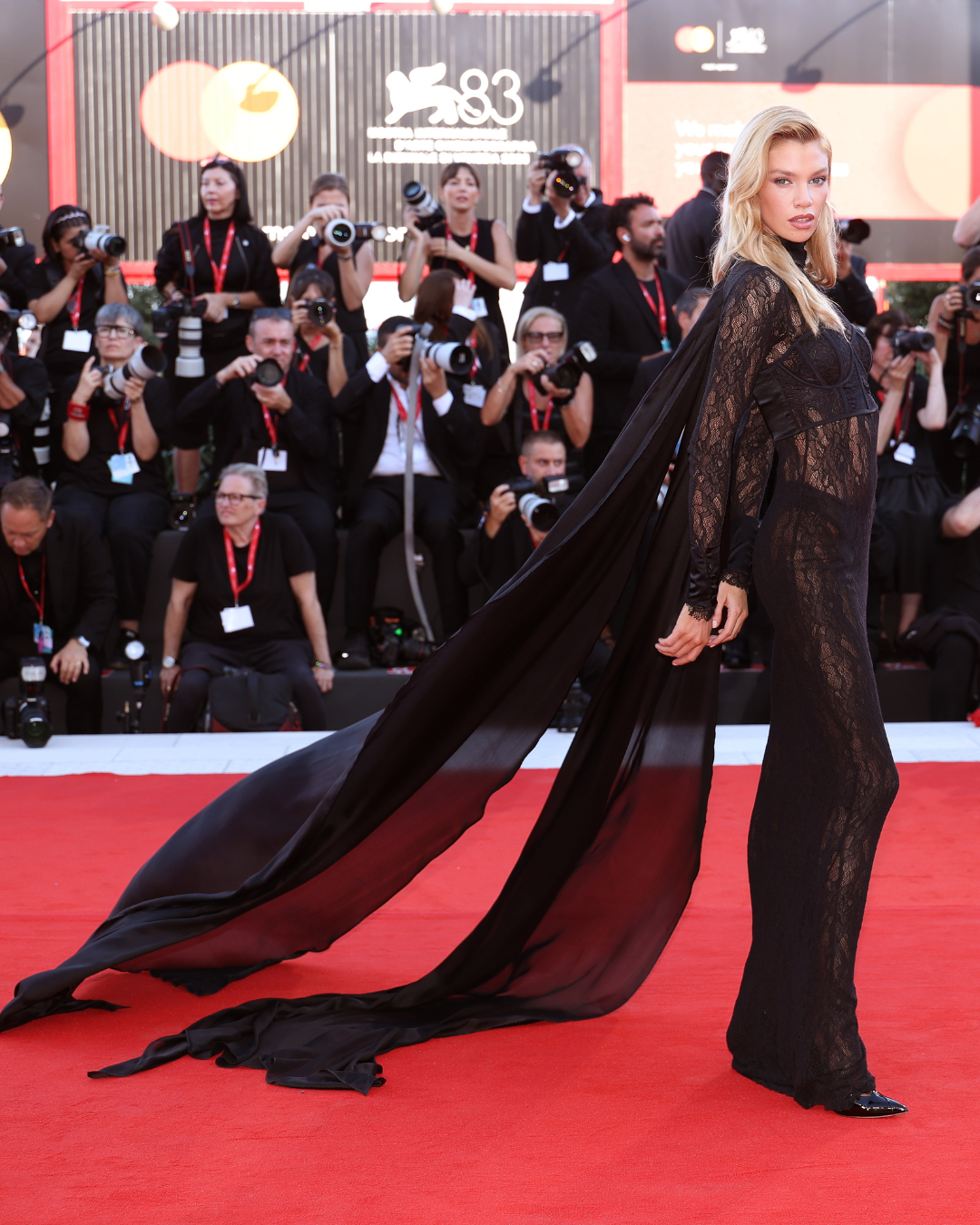
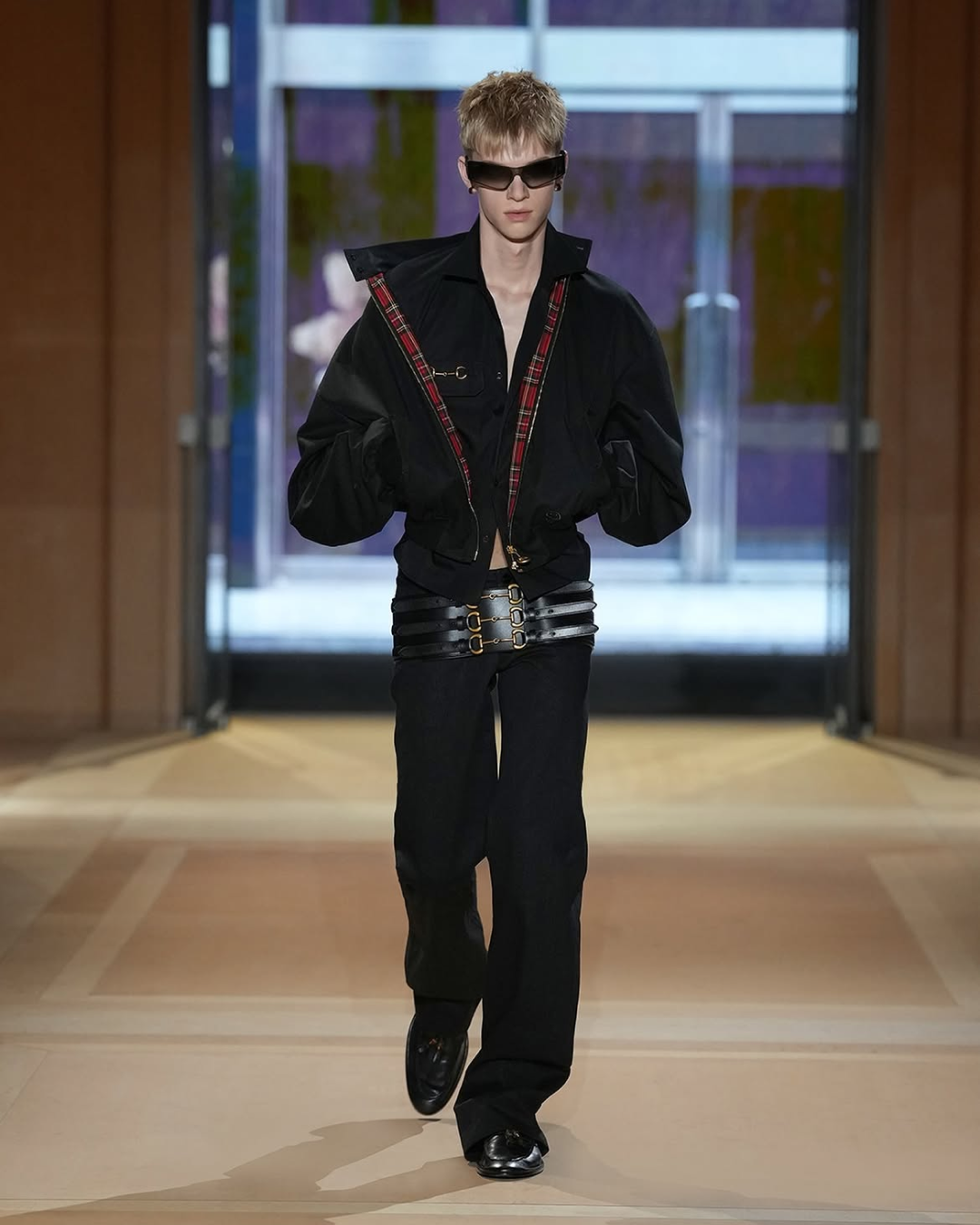
This season the Venice red carpet has become the testing ground where major luxury brands have presented the first looks of their new creative directors: teasers in every sense, whose media impact, however, is far higher than what would be achieved with the classic fashion week launch, which has high coverage but is far less mainstream. What’s more, the presentation of these looks takes on even greater importance when their “novelty” is supported by the charisma and personality of a certain actor.
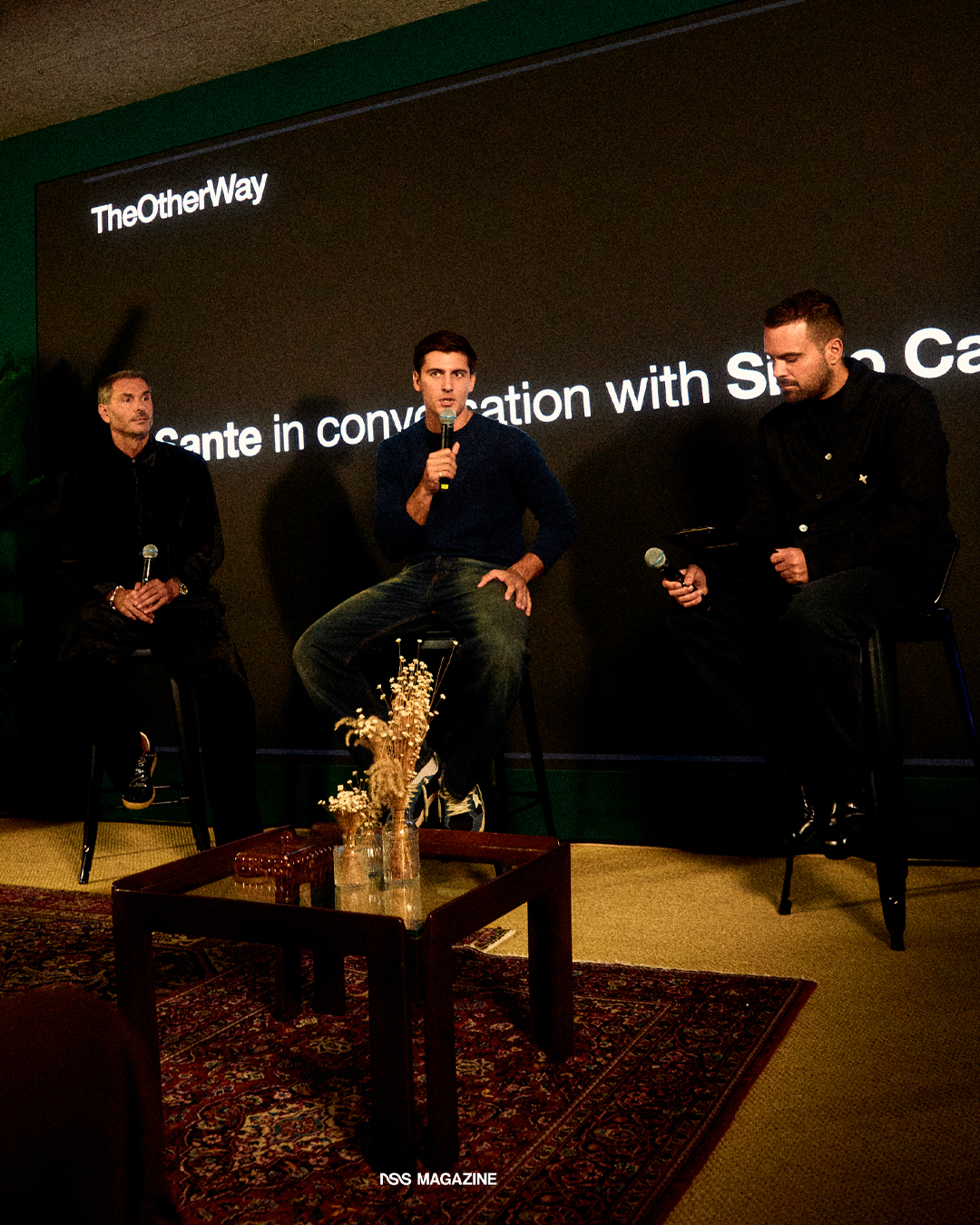
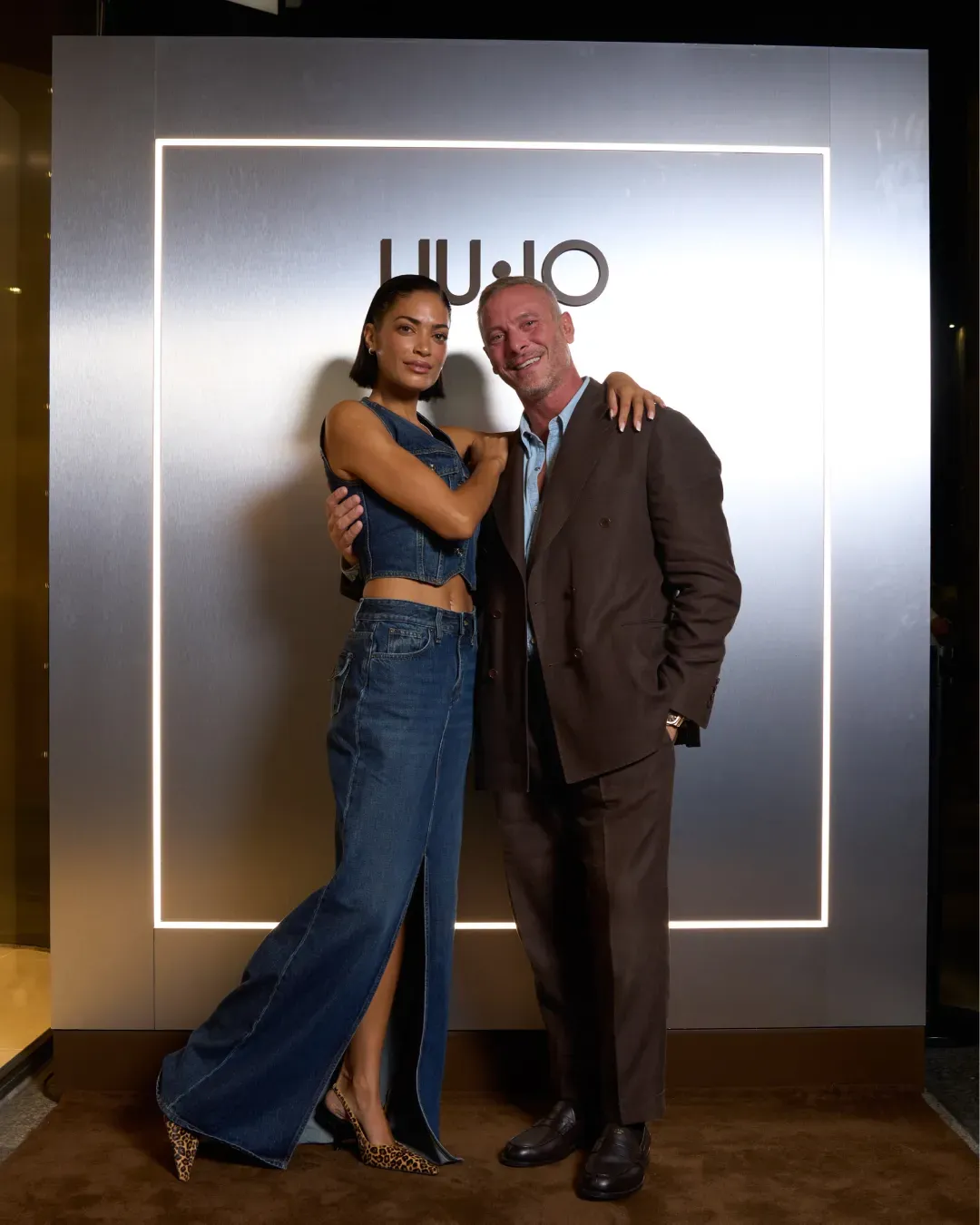
And so Tilda Swinton and Ayo Edibiri announce the upcoming arrival of Mathieu Blazy at Chanel; a lineup of personalities including Mia Goth, Greta Lee, Alba Rohrwacher, Luca Guadagnino, Andrew Garfield and Monica Barbaro showcased Jonathan Anderson’s new Dior on the field, with excellent results; while Julia Roberts was the ambassador for the launch of Versace by Dario Vitale, she wore an off-duty look from the “new” Bottega Veneta by Louis Trotter, which in recent days has also dressed Jacob Elordi and Vicky Krieps. As Simone Cotellessa pointed out on Instagram in the last few hours, could these “soft launches” on the red carpet indicate a new way of communicating fashion that has become unpopular?
The fashion industry: from exclusive to unpopular?
It is often said that fashion is a bubble. A small universe whose inhabitants live in a separate cultural system: inside it, everyone knows what a Margaux bag is, considers Dries Van Noten’s Suede Sneakers a highly recognizable product and loves Lemaire’s Croissant – names that mean little or nothing to the general public. In fact, years ago it was said that certain historic Chanel clients in Asia didn’t even know who Karl Lagerfeld was at the time of his death: between those who buy fashion and those who consume it as media and culture, the gap in awareness is as deep as it is imperceptible.
Thus a second bubble has been created, that of fashion weeks, often presented as huge media events with millions of views and tons of audiences, but whose noise often tends not to reach much beyond a narrow circle of insiders. In fact, outside that circle, fashion week is perceived not only as the elitist event it actually is but also almost as a nuisance: in Milan, months ago, a video went viral of a woman raging against the traffic and streets blocked by shows and their audiences.
@bonsaitv_ Abbiamo fatto un giro al mercato per capire cosa pensano davvero le persone della Milano Fashion Week Guarda il video completo sul nostro canale YT! #bonsaitv #milanofashionweek #moda #intrattenimento #attualità #perte #mfw Vaporsoft - Official Sound Studio
Linked as it is to the world of the rich and privileged, careful not to alienate the sympathies of a fundamentally frivolous clientele, fashion also struggles to be accepted by a popular media audience that is in fact excluded from it and often holds strong ideological positions. It is unlikely that the creative director of a major brand, effectively a mega-manager of a global company, will be able to expose themselves publicly, expressing cultural or political orientations truly aligned with those of the general public.
Added to this is the fact that all the novelties and the work of major brands, which put enormous quantities of products on the market across an equally vast range of categories, are unattainable for 90% of an audience that therefore has no real reason to participate in a culture that does not involve them. In reality, the most entertaining content seen on TikTok in those days are from people who simply have to go to the office while traffic is blocked by streams of black vans and influencers taking pictures in the middle of the street.
What’s the use of knowing who the new creative director of a certain brand is, if you will never be able to buy it? In short, by ceasing to be democratic (with price increases, closure of secondary lines, exclusive practices) fashion is also experiencing a popularity crisis: its very existence simply does not really concern the general public – and that’s a problem. The same cannot be said of cinema, the true “dream factory” whose admission costs no more than a movie ticket. And fashion intends to take advantage of that.
The Venice Festival, between culture, politics and desire
the venice film festival starts today I’m ready to collect more of those press panel pics like pokemon cards pic.twitter.com/lxrlYUa7va
— (@saintdoII) August 27, 2025
In contrast to the world of fashion weeks, there is that of cinema and red carpets. The film industry and its public figures are much more openly liberal than those of fashion, they are not afraid to speak out on the occupation of Gaza or the Russian aggression in Ukraine and are, in short, much more capable of engaging the general public in discussions and issues that it feels very close to.
The wider reach of cinema as a medium, the fact that actors and actresses are like brands themselves to which access is not barred by a sky-high price barrier, and the media circus that is relatively less overloaded, saturated, and excluding than that of fashion (a red carpet is certainly more entertaining for the general public than a runway show) means that cinema retains an indisputable prerogative over the luxury world, which compared to it is less immediately relevant and more “decorative,” at least on a first impression level. This explains, for example, why Tilda Swinton is currently the face of three different brands, namely Chanel, Tom Ford and Gentle Monster; or why Jacob Elordi, simply walking out of the airport with a bag over his shoulder, did more for Bottega Veneta than numerous campaigns put together.
These large-scale global events, where all the major faces of the film industry gather in one place to bring the public all the novelties of the coming year and, ultimately, of themselves, do what fashion weeks have been trying to do for the past five years: seduce the public. But this seduction is the result of a dialogue that, if not honest, at least takes place at the level of an audience (or we could even say “market”) that the film industry knows it must win over.
It is undoubtedly a matter of access and cultural relevance, since a good movie is a treasure to keep for life; it is also a matter of dream and aspiration and, in some ways, also of desire born from the parasocial relationship we have with many of these stars. Even if richer than us, movie actors are like us – a concept that the far more aloof world of fashion cannot remotely entertain, since within it accessibility is synonymous with dilution, flattening. Which is ironic for a luxury culture that for years has stopped raising the bar of everyday ready-to-wear, preferring instead to sell out with tracksuits and logo t-shirts, with faux leather and polyamide, with brass trinkets plated in gold leaf, while presenting to the world an image of high sophistication that more often than not masks an absolute commercial rapacity and a business model that, as shown by the recent collapse of SSENSE, is actually as fragile as a house of cards.