




























Everything wrong with "In the Hand of Dante" An all-star cast wasted on one of Venice82's most disappointing films
In the Hand of Dante is not only one of the worst films of Venice 82, but it is also one of the worst films of the year. One could even say it is among the least accomplished works in the careers of its actors and its director, Julian Schnabel. To think that the title was at the center of a small scandal, leaked, and made available online. A serious embarrassment for feature films meant to premiere at festivals of a certain level, which turned out not to have been uploaded out of mischief or revenge, but simply due to an error by one of the companies involved in the project that, instead of setting it to private on Vimeo, clicked the “public” option. In the Hand of Dante is a loud thud following the success of a film adored both at the Venice Film Festival, where it was presented in 2018, and by a wide audience: At Eternity's Gate, which told the story of Vincent Van Gogh and in which Willem Dafoe lost an ear, winning the prestigious Coppa Volpi for his performance.
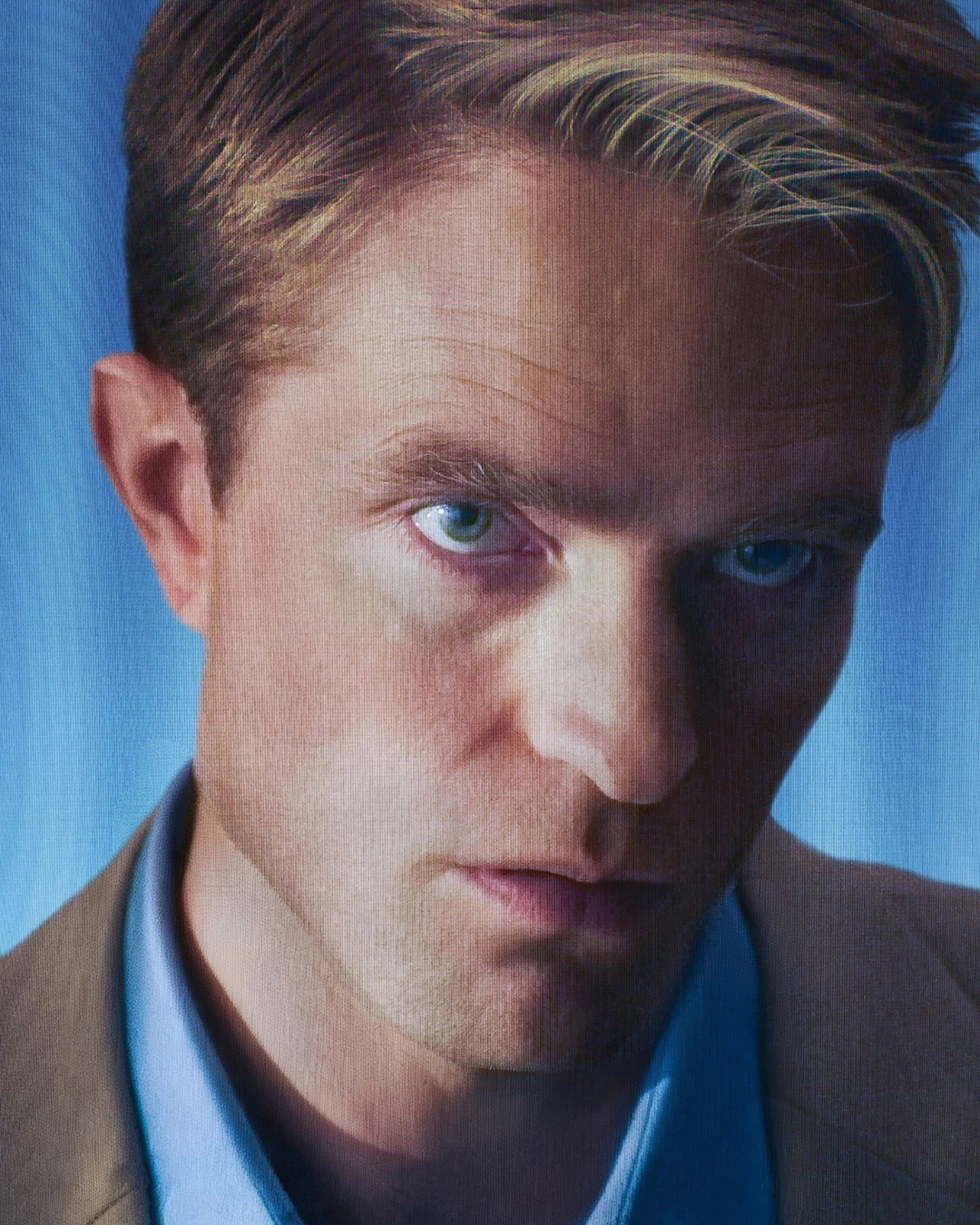
It must be said that the more ambitious the goal, the more disastrous the fall can be. The problem with In the Hand of Dante is that the project creaked from the very beginning, even if at first glance such a lineup of stars might have suggested an auteur work with mainstream ambitions. So much so that, by accepting, even Oscar Isaac risks having participated in the worst film of his career. Certainly, the one with his weakest performance, complete with dramatic outbursts in Italian monologues invoking the words of Dante Alighieri, a performance that almost makes one forget having just seen him in a not overwhelming, but certainly commendable work thanks to its cast, Guillermo Del Toro’s Frankenstein, also screened at the same edition of the festival.
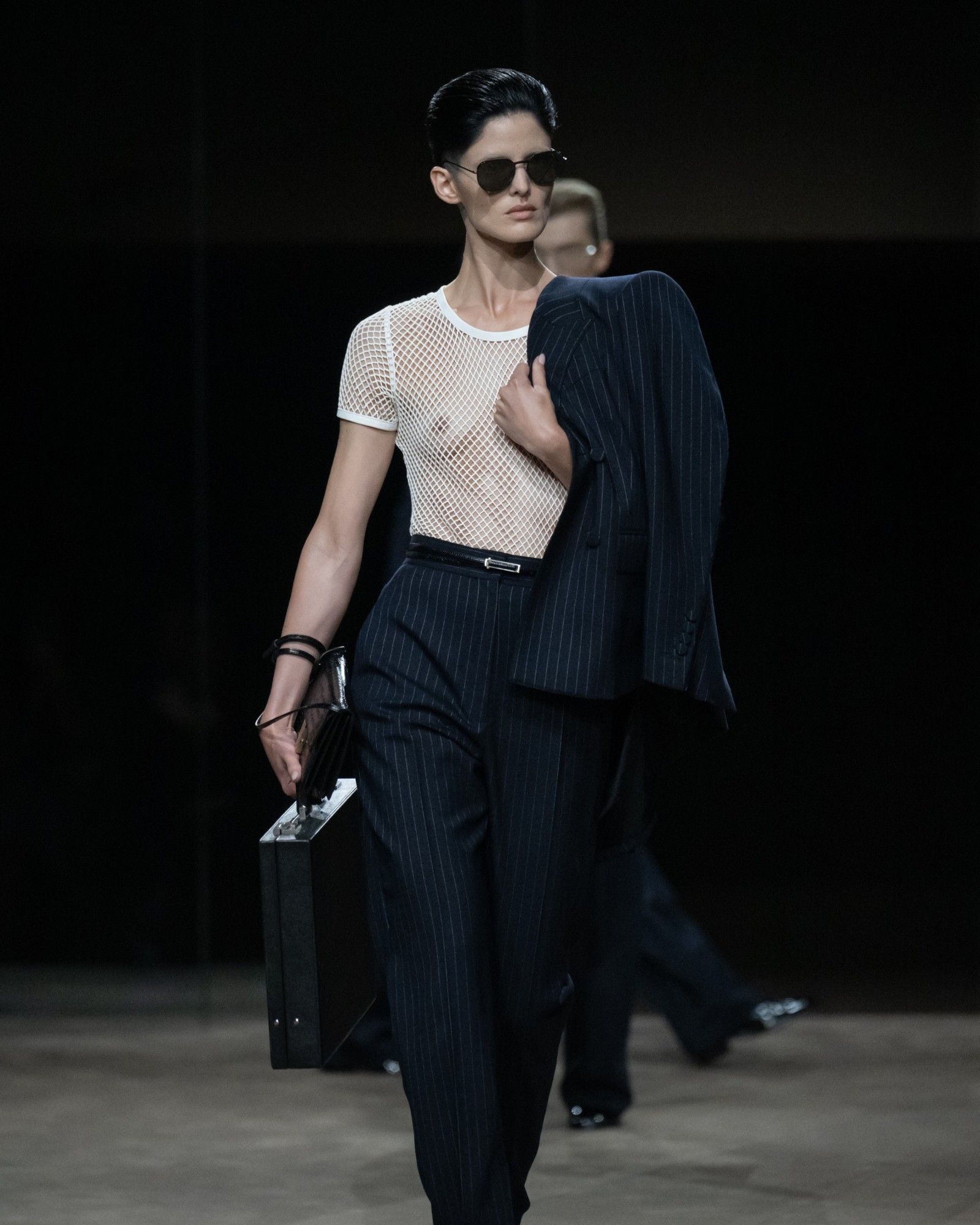
For Gerard Butler and Gal Gadot, there was little doubt. Never brilliant as actors and trapped in the nested-box structure of a story that moves back and forth in time, the film highlights all the effort they put into appearing serious and intense, with an annoying and overblown characterization of their roles. Particularly, the Scottish actor, eager to become one of those charming gangsters admired for their misconduct, tough men who wear bras in the privacy of their homes, comes off as fake as the toupee on his head while he launches into rants full of vulgarities and redundant speeches. The fact that both Butler and Gadot did not attend the Venice festival was due to the request for the event to boycott Zionist presences, in protest of the genocide committed by the Israeli government in Gaza. But it would not have been out of place even if their absence had been dictated by the embarrassment of presenting the film in its out-of-competition premiere. One might also say that on such a prestigious stage, compared to the many valuable titles that passed during the days of the festival, it would have been difficult to justify such a work.
venice bullied gal gadot away from the film festival free palestine and free cinema from such awful "actress" pic.twitter.com/H0uGyITSNf
— reb (@torturedgaga) August 25, 2025
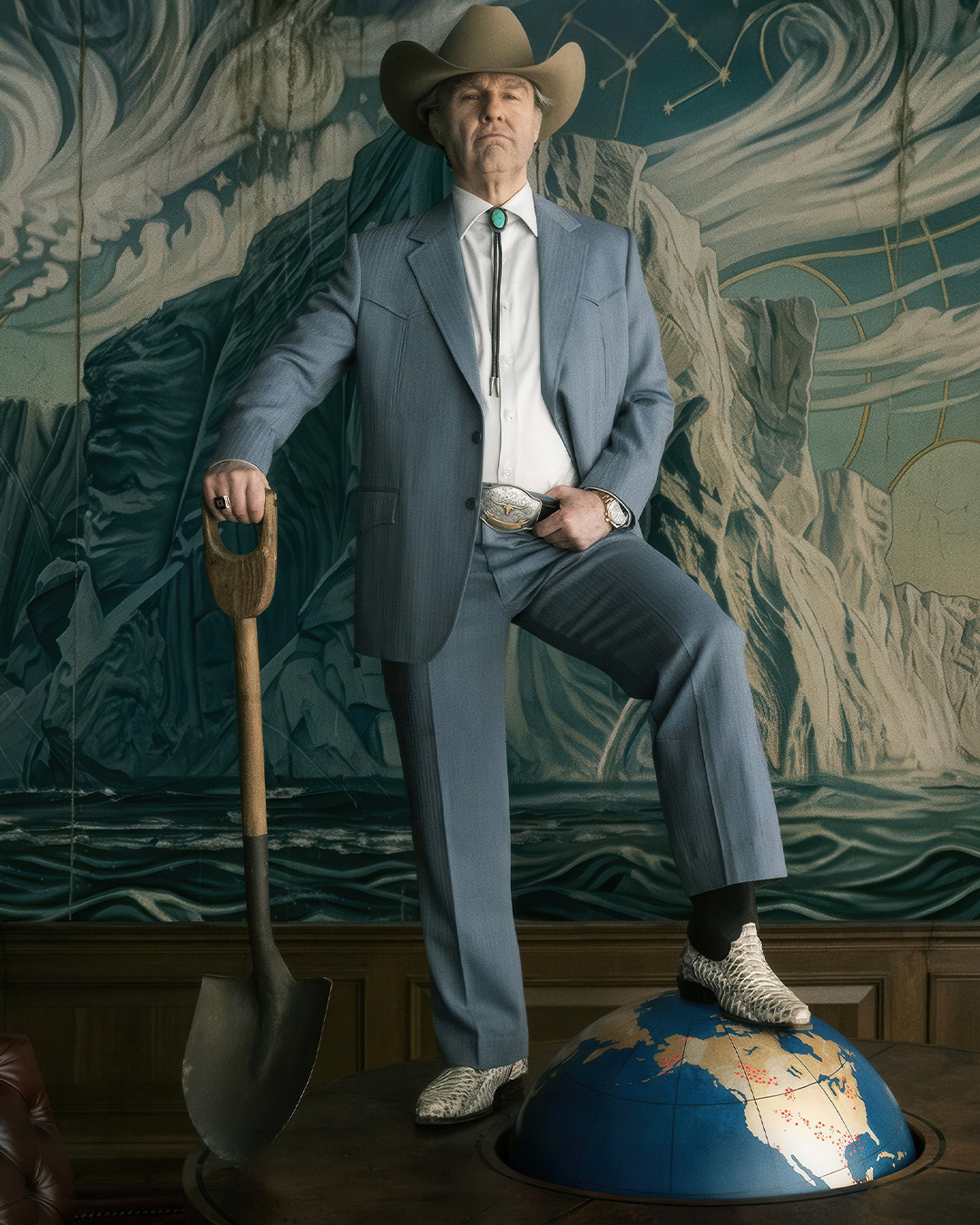
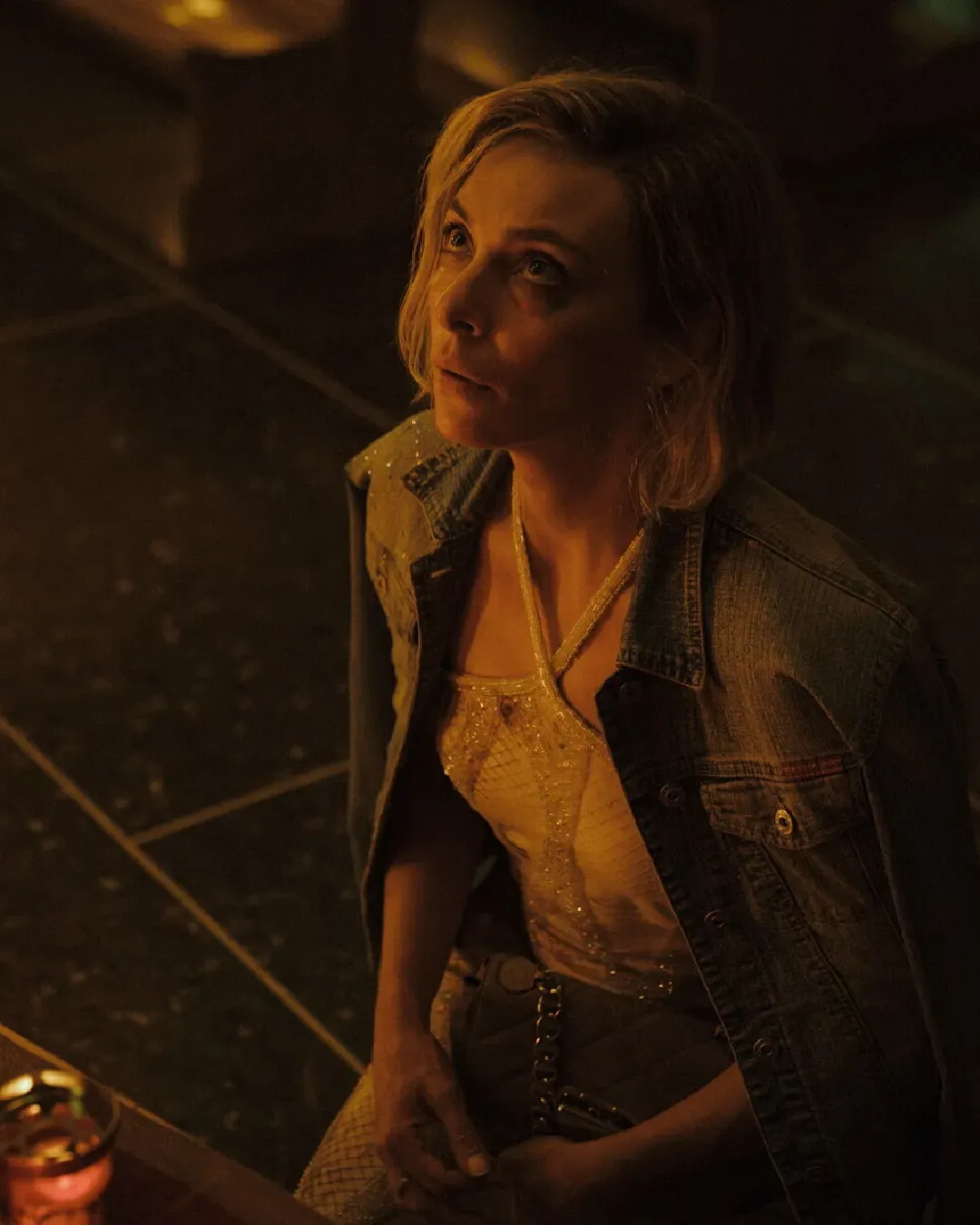
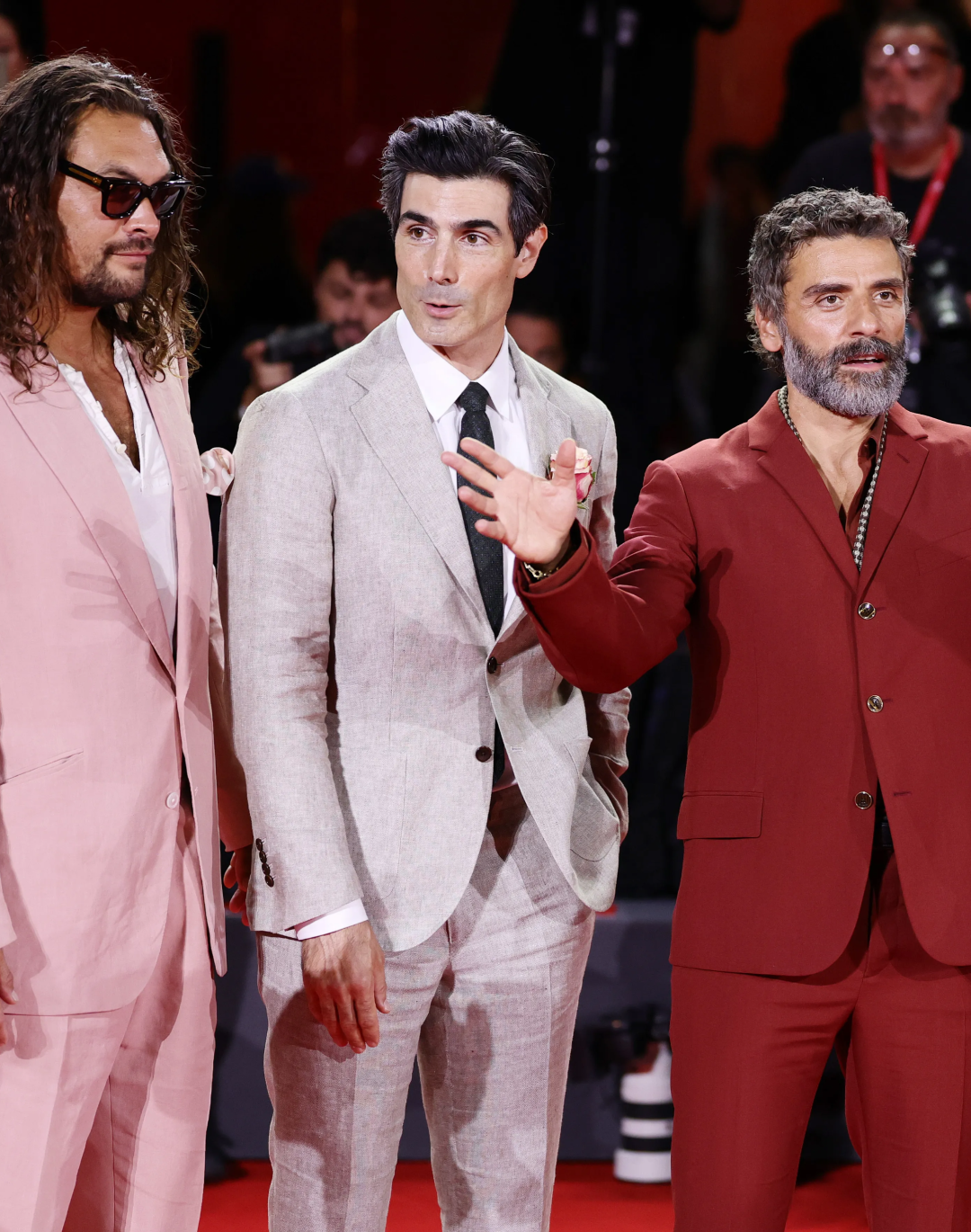
Not that their colleagues are any better, from the “Sicilian” Jason Momoa to Sabrina Impacciatore. Schnabel himself, more than for his directing, which still shows a certain taste, albeit pompous and pretentious, stands out for the confusion and vanity of a script that constantly stirs the waters of a story in which the period of the Italian poet’s creation intertwines with the present of the protagonist played by Isaac, along with time jumps tied to his private life. The result is a heist movie about stealing the manuscript of the Divine Comedy, which is also a period drama and a sentimental film, in which Dante’s words are meant to reverberate and come alive through the characters.
In reality, it is nothing but disrespect toward a divine work of Italian and world literature. A fall far too deep, “like a dead body falls,” to quote the pages of the Inferno, from which there is no return to see the stars again. With only one soul saved, who could gain access to Paradise: Martin Scorsese as the mentor, Isaiah in a cameo, dressed like Merlin, but with such skill that he momentarily suspends the surrounding chaos and makes one wonder why the director never chose to pursue an acting career more frequently in the past.
