





























« Mariage au goût d’orange » is a Celebration Made of Dances and Traumas An exceptional cast for Christophe Honoré's film, presented out of competition at the Cannes Film Festival
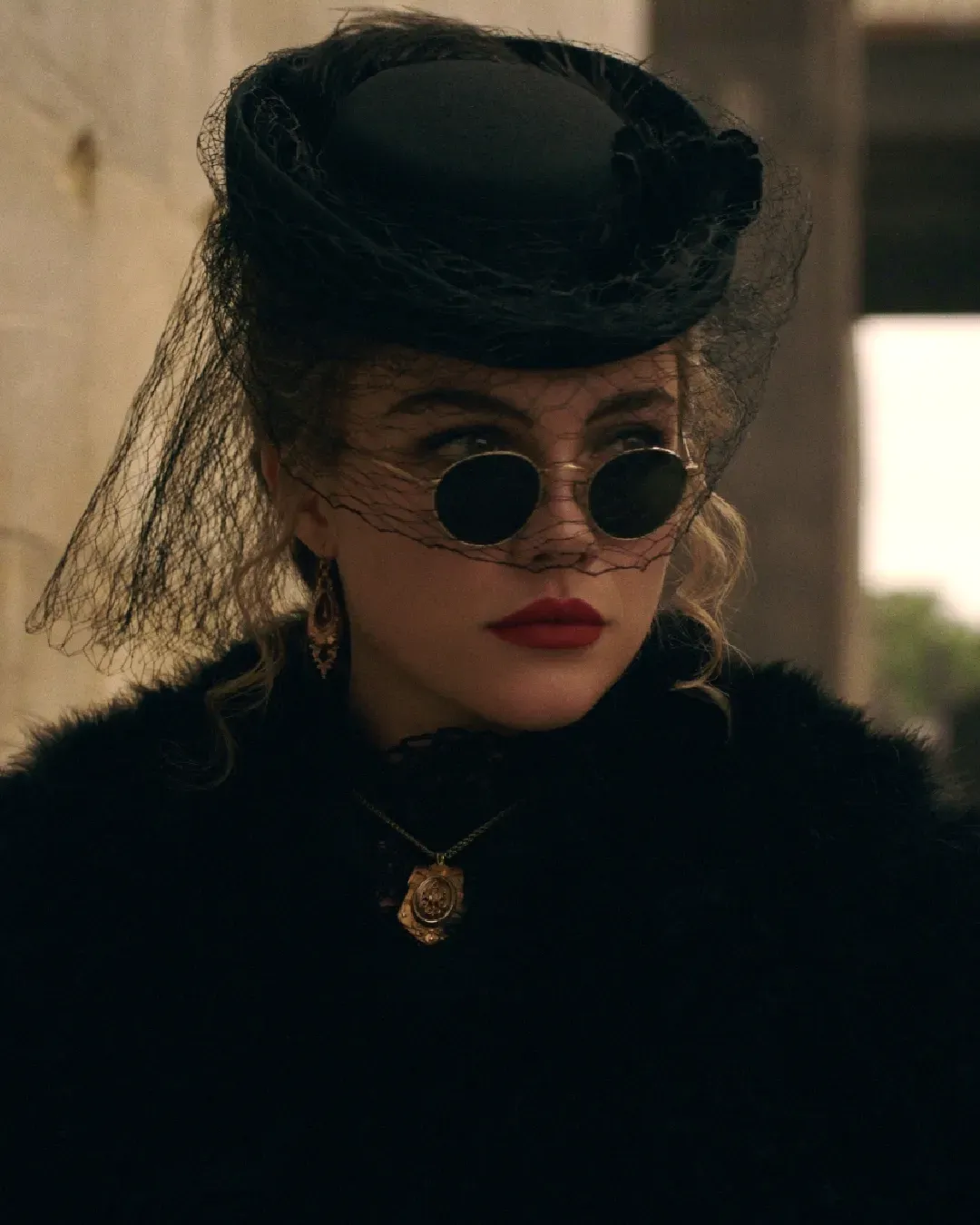
French cinema has invaded the 2026 Cannes Film Festival. Both in competition and in the side sections, French-language films have dominated, sometimes showcasing the same faces from their industry across multiple movies. Furthermore, several titles have become genuine showcases for bringing together multiple actors well-known to the public. Among these is Christophe Honoré's Mariage au goût d'orange, a work that the film festival chose to place in the Cannes Première section, but which, given the lineup of fellow national films competing for the Palme d'Or, would not have looked out of place in the main competition.
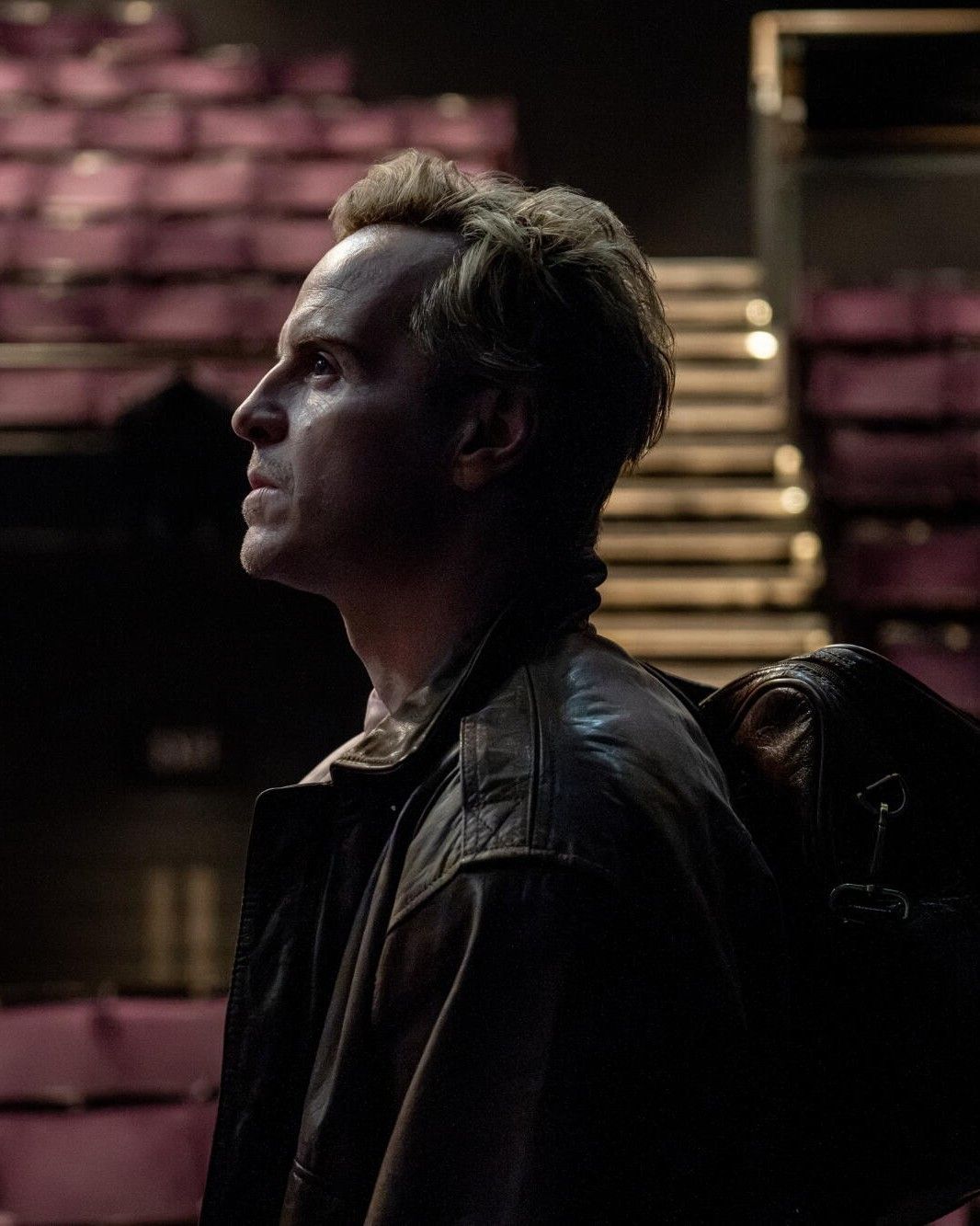
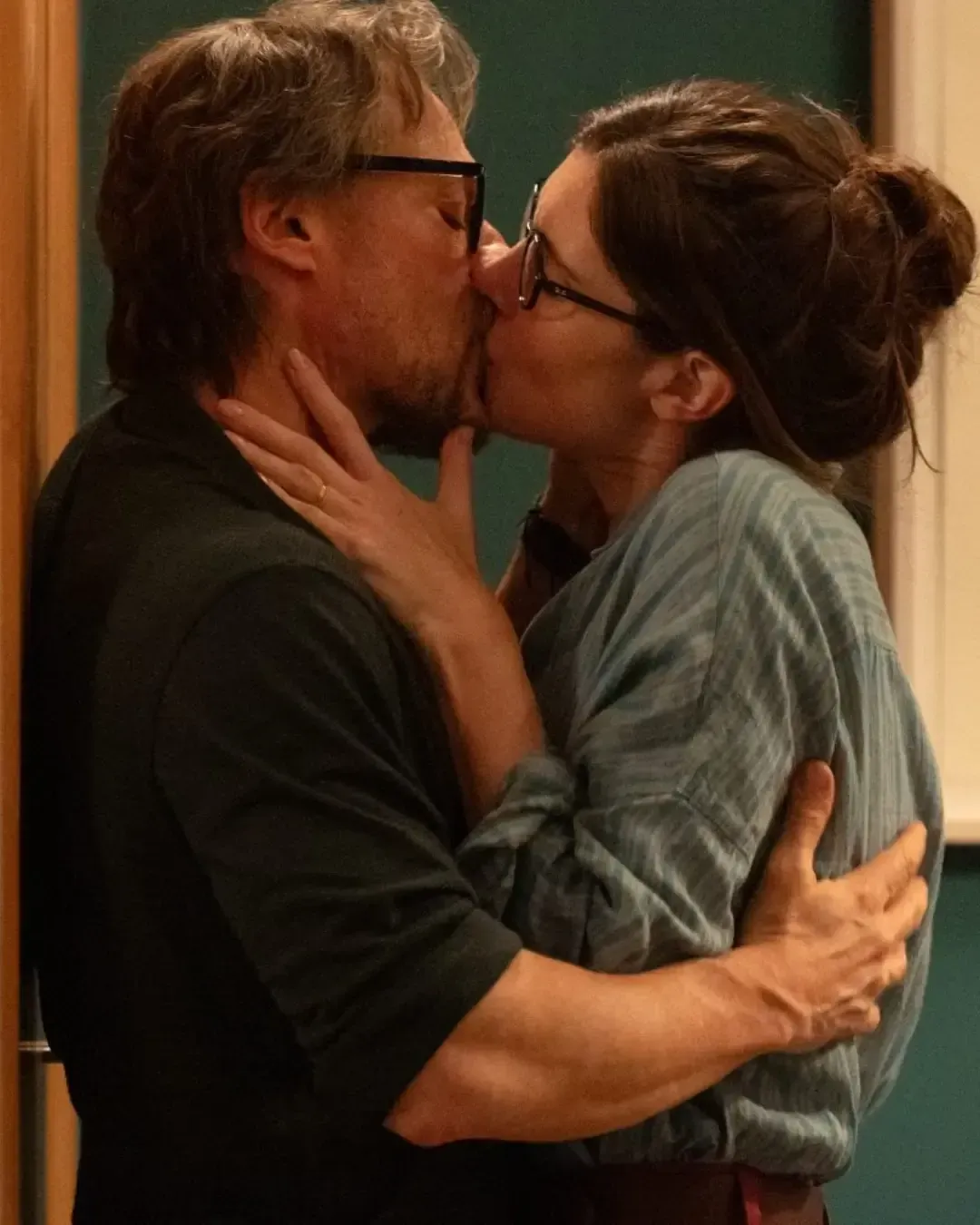
On the contrary, even with its heightened melodrama and the sometimes complex management of a massive cast (to name just a few of the actors, we find Adèle Exarchopoulos, Vincent Lacoste, Paul Kircher, and Nadia Tereszkiewicz), the film has more soul and grit than what has often been seen in the competition of this 79th edition. This is a festival to which Honoré returns after his last film Marcello Mio, which was instead among the titles in the official competition; this time, he focuses in parallel on the troubled marriage of the characters played by Paul Kircher and Malou Khebizi.
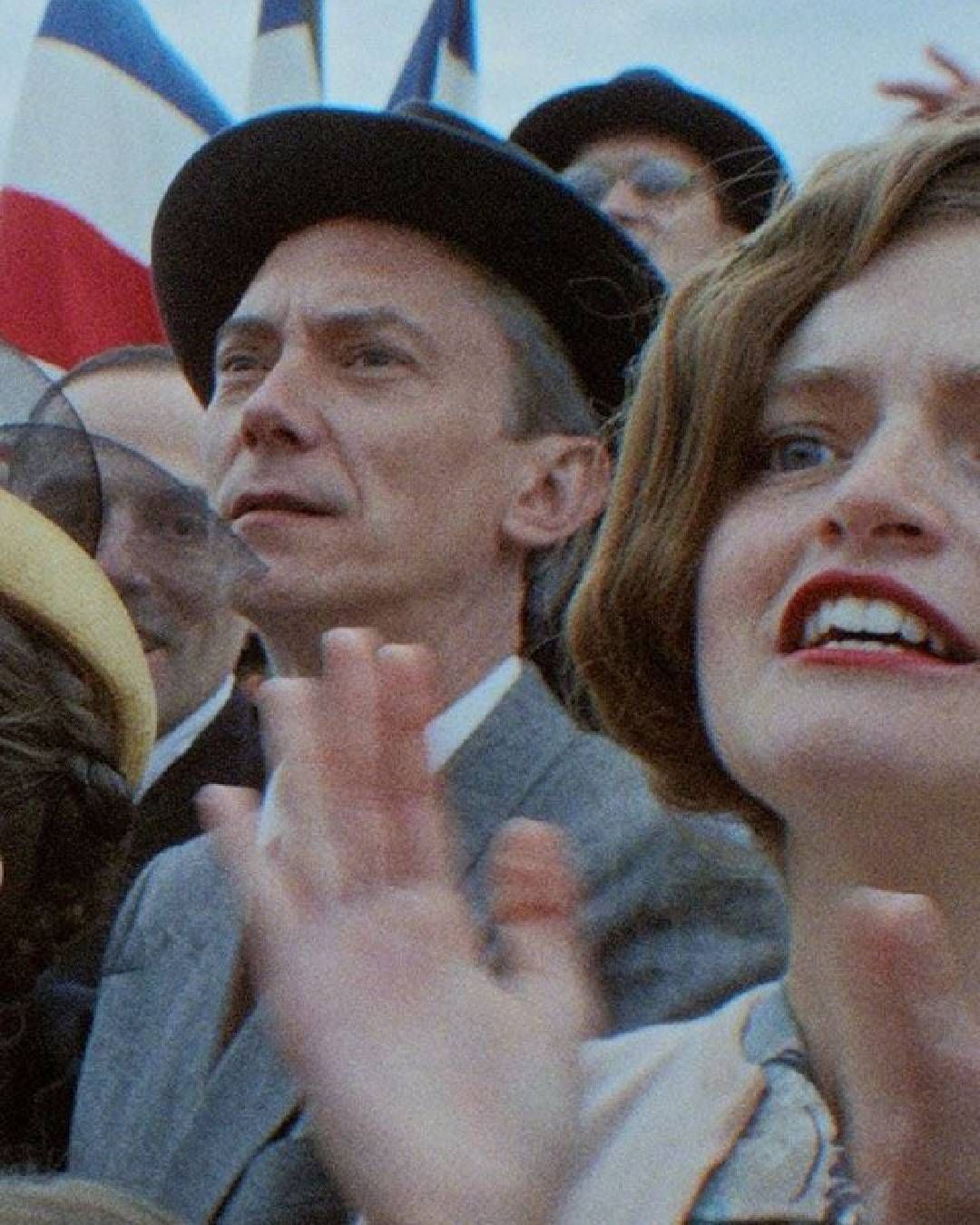
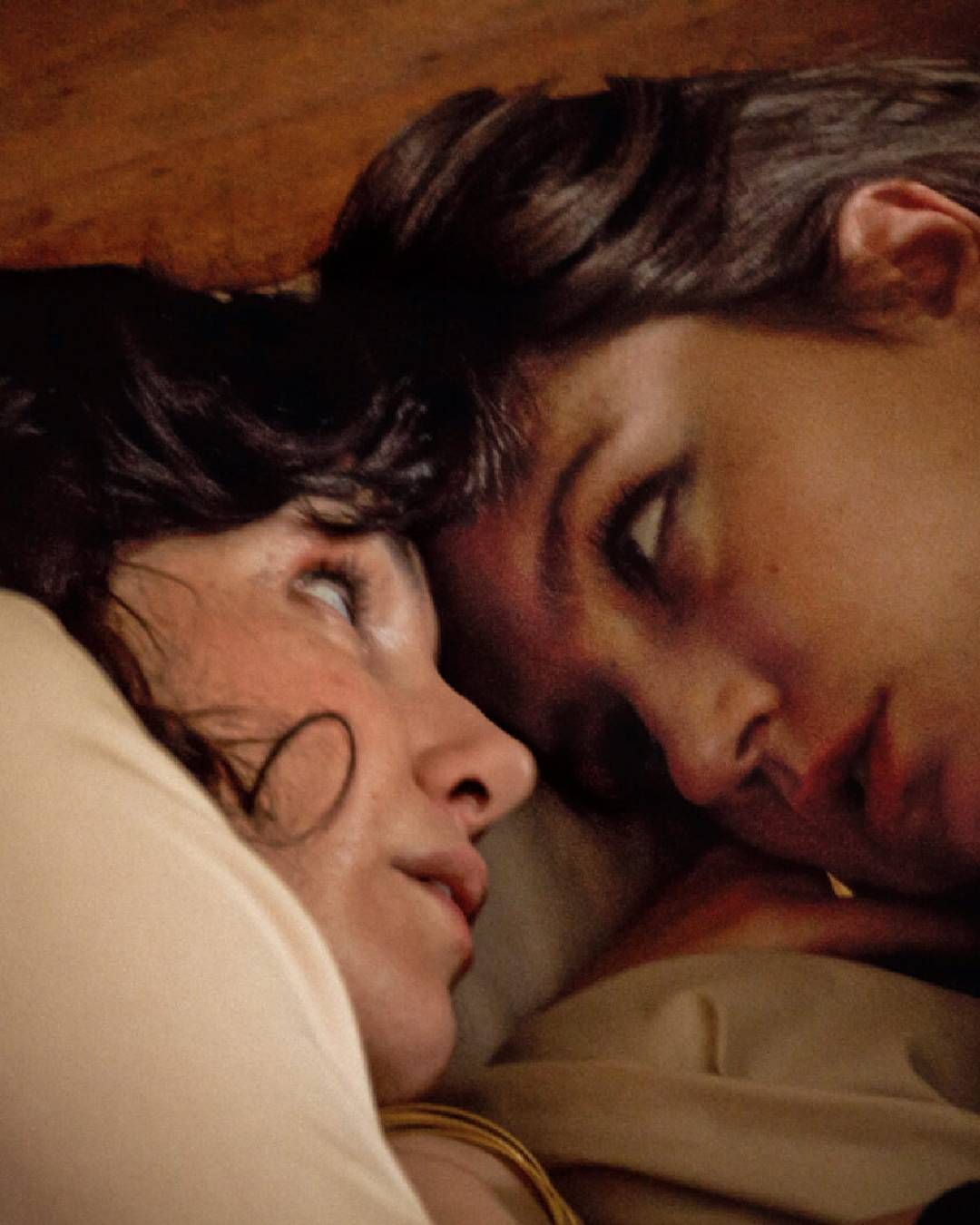
The work is a choral ensemble in which the anxieties of all the protagonists swirl amid family traditions and the dance floor where they let loose. However, these anxieties take on entirely different nuances when they step away from the party, allowing the most painful fractures to emerge and be dealt with. Seven children are part of a story that Honoré captures by drawing inspiration from his 2021 theatrical play Le Ciel de Nantes, whose destinies are overshadowed by the absent presence of a monster-father looming over the happy wedding day.
An interesting character investigation mechanism that builds two narrative scales within Mariage au goût d’orange, which is also what can happen in real life: while everyone is together in the reception hall abandoning themselves to the rivers of fun and conviviality, it is when they step away from the music and entertainment that situations become serious, even tragic. Pieces of life that would be impossible to be proud of are consumed, and that is why they happen away from the eyes of others. Secrets and distortions which, as expected, are inside a pressure cooker that is inevitably destined to burst.
The continuous movement inside and outside of the narrative, although not always easy to untangle given the thousands of intersections of such a large family, is both a narrative intuition and a contribution to giving rhythm to a story in which the characters' situations clash without a moment's breath. The trauma they carry with them — this invisible parent with a heavy memory — is a shroud that Honoré manages to impose as if it were a curse. Like an anathema that has been cast and has had disastrous consequences on the minds, attitudes, and, ultimately, the fate of his family. A core unit to which all the actors are skilled at giving body, managing to create it with a melancholy and unfortunately rotten truth. Performers who are capable of rendering both the sense of family bond and the impossible wound to heal in everyone. A work that has the scale of theater and the worst sides of humanity.
What to read next

"Teenage Sex and Death at Camp Miasma" is gory, fun and ruthless
An essay on sex, death, and pleasure opens Cannes’ Un Certain Regard section
The Louvre Paradiso Cinema makes a grand return
Silver screen classics take over the Cour Carrée
Cannes Films Land in Paris
Exclusive catch-up screenings to discover the hidden gems of the Croisette