




























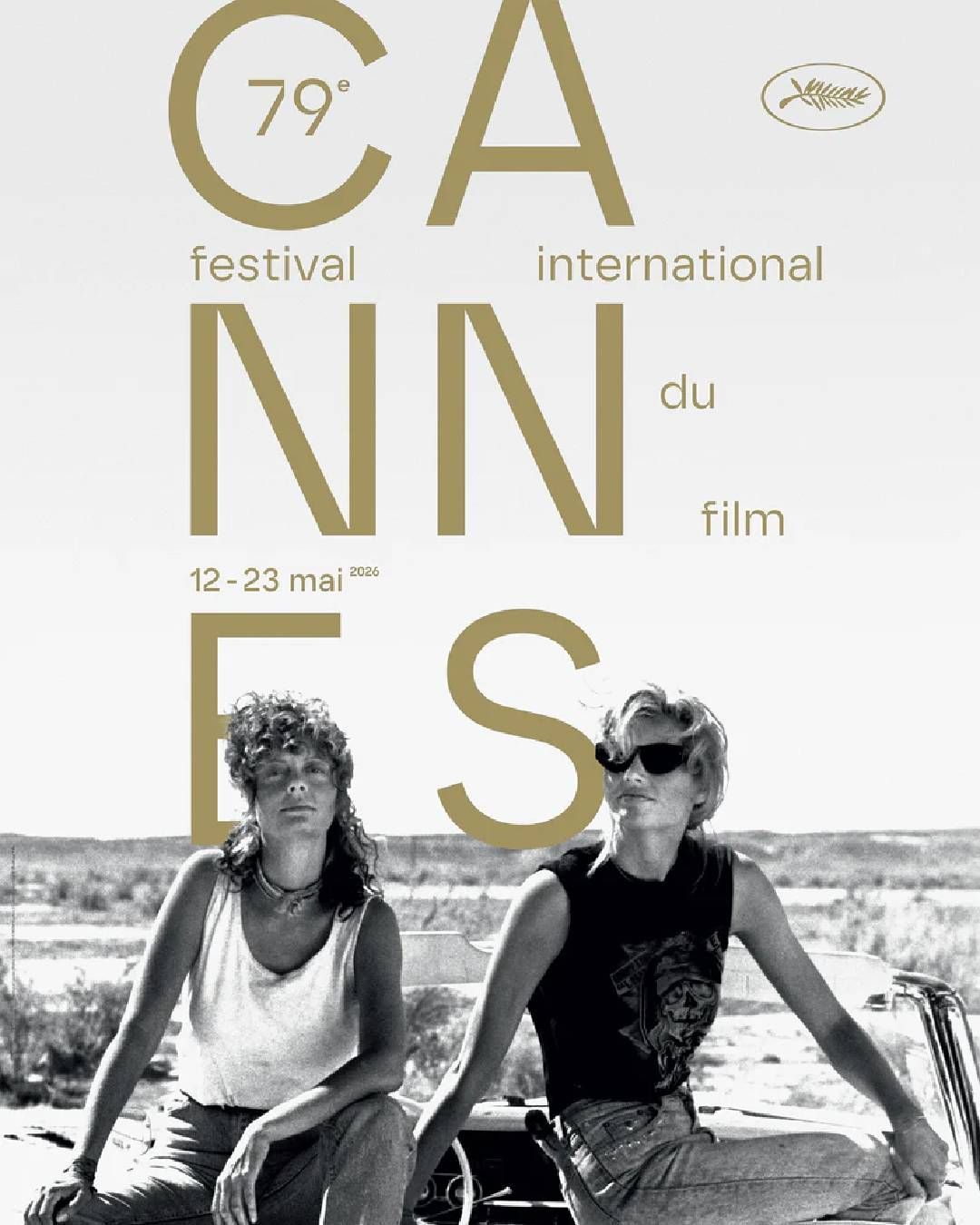
Cannes 2026: Curtains for TikTok as Meta Takes Over Amidst AI Controversy The Palais des Festivals is changing its algorithm
After TikTok’s four-year reign, American giant Meta (Facebook, Instagram, WhatsApp) has stepped in as the official partner for the 79th edition of the Cannes Film Festival. This handover underscores Silicon Valley’s growing grip on the Croisette, transforming the temple of the "Seventh Art" into an open-air laboratory for Mark Zuckerberg’s ambitions.
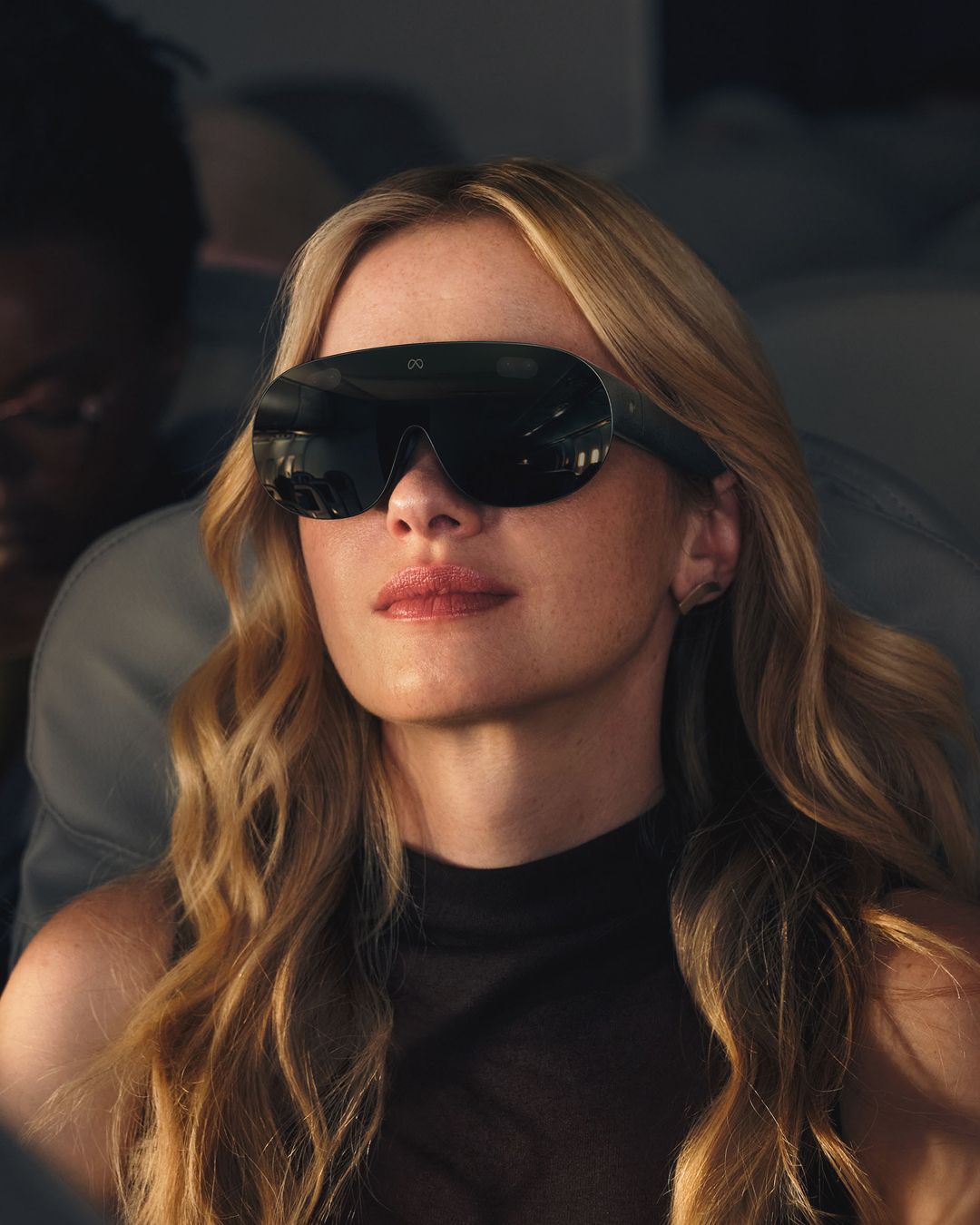
Cannes has always waged a war -perhaps a losing one- against selfies and smartphones on the red carpet steps. However, the wolf is now officially in the fold. Meta plans to equip its "brigade" of influencers with Ray-Ban Meta smart glasses. These frames allow users to film and live-stream without ever taking a phone out of their pocket. Better (or worse) yet: they serve as a showcase for the brand’s real-time translation tool. Under the guise of breaking down language barriers in global cinema, Meta is primarily ensuring a raw, permanent capture of the festivities, rendering the ban on screens completely obsolete. This move inevitably bolsters the presence of content creators who, year after year, are encroaching on the space once reserved for journalists and film critics.
The multinational’s involvement extends into the screening rooms with the presentation of John Lennon: The Last Interview, directed by Steven Soderbergh. This project, which benefits from a direct technological partnership, made massive use of Meta’s artificial intelligence tools during its creation. Such a collaboration creates a striking contrast with the statements made by Festival President Iris Knobloch during the official selection announcement. On April 9, she stated: "Artificial intelligence has already entered the studios, the editing rooms, and the creative process. We are not closing our eyes, but we refuse to let it dictate its law to cinema." Yet, by hosting the "Meta House" at the prestigious Majestic Hotel, the Festival appears to be validating the hegemony of this very technology.
This choice of partner has triggered a wave of indignation within the French film community. Weeks before the opening, a signed op-ed in Le Parisien featuring 4,000 actors denounced the "systematic looting" carried out by generative AI. The unease is even more palpable given that the Palais des Festivals already hosted the World AI Film Festival (WAIFF) in late April. This convergence of financial and technological interests is unfolding within a particularly tense social and legal climate for Meta.
Indeed, the prestige of the Croisette serves as a smoke screen for the platform’s tarnished legal record. Meta was recently found liable by a Los Angeles court for deliberately designing algorithms that create addiction in minors. Sentenced to pay six million dollars to a young plaintiff, the company has been singled out for grave failures in safety and prevention. By aligning itself with such a behemoth at a time when the industry is fearing for its survival, the Cannes Film Festival risks sacrificing its ethics on the altar of digital modernity.