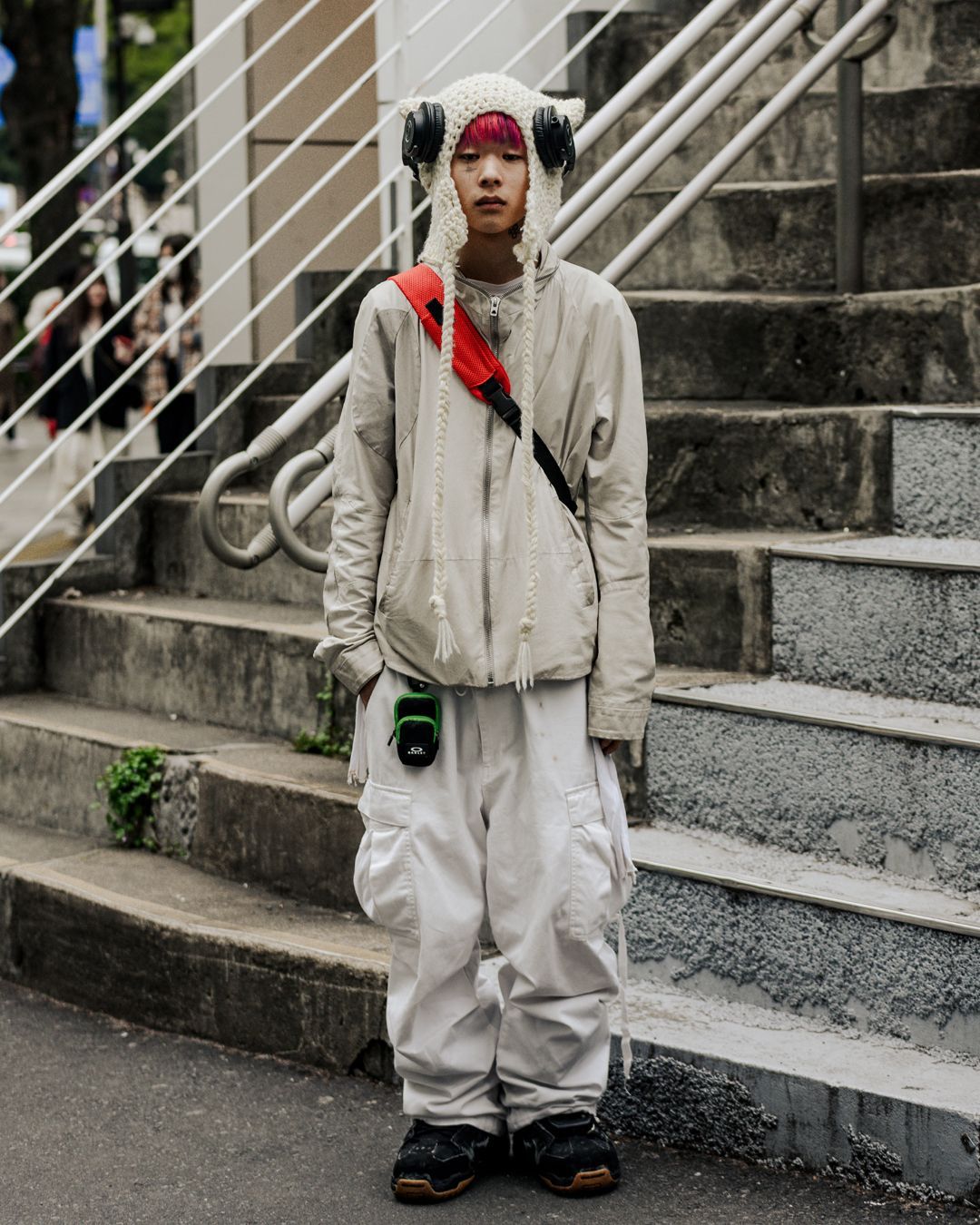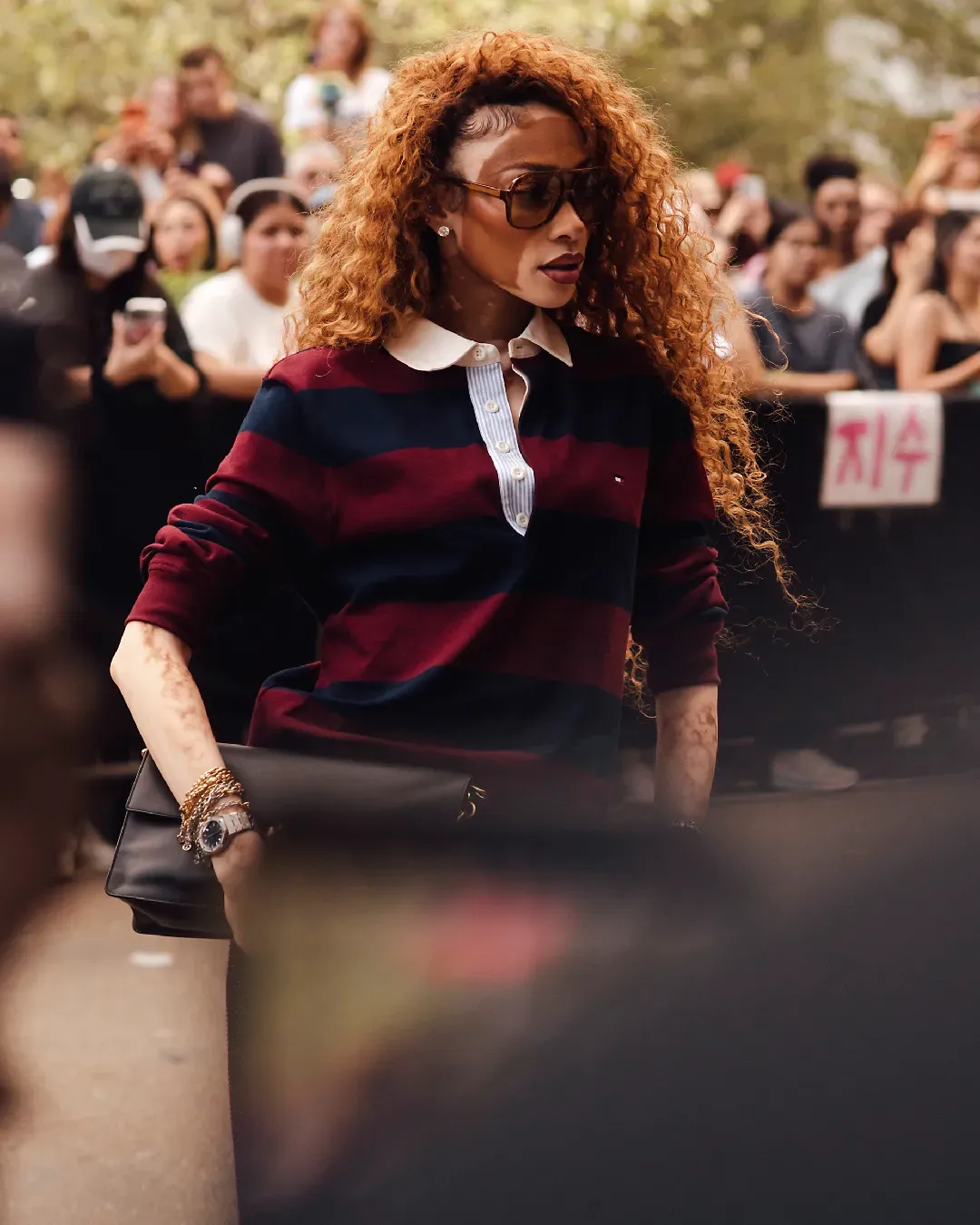
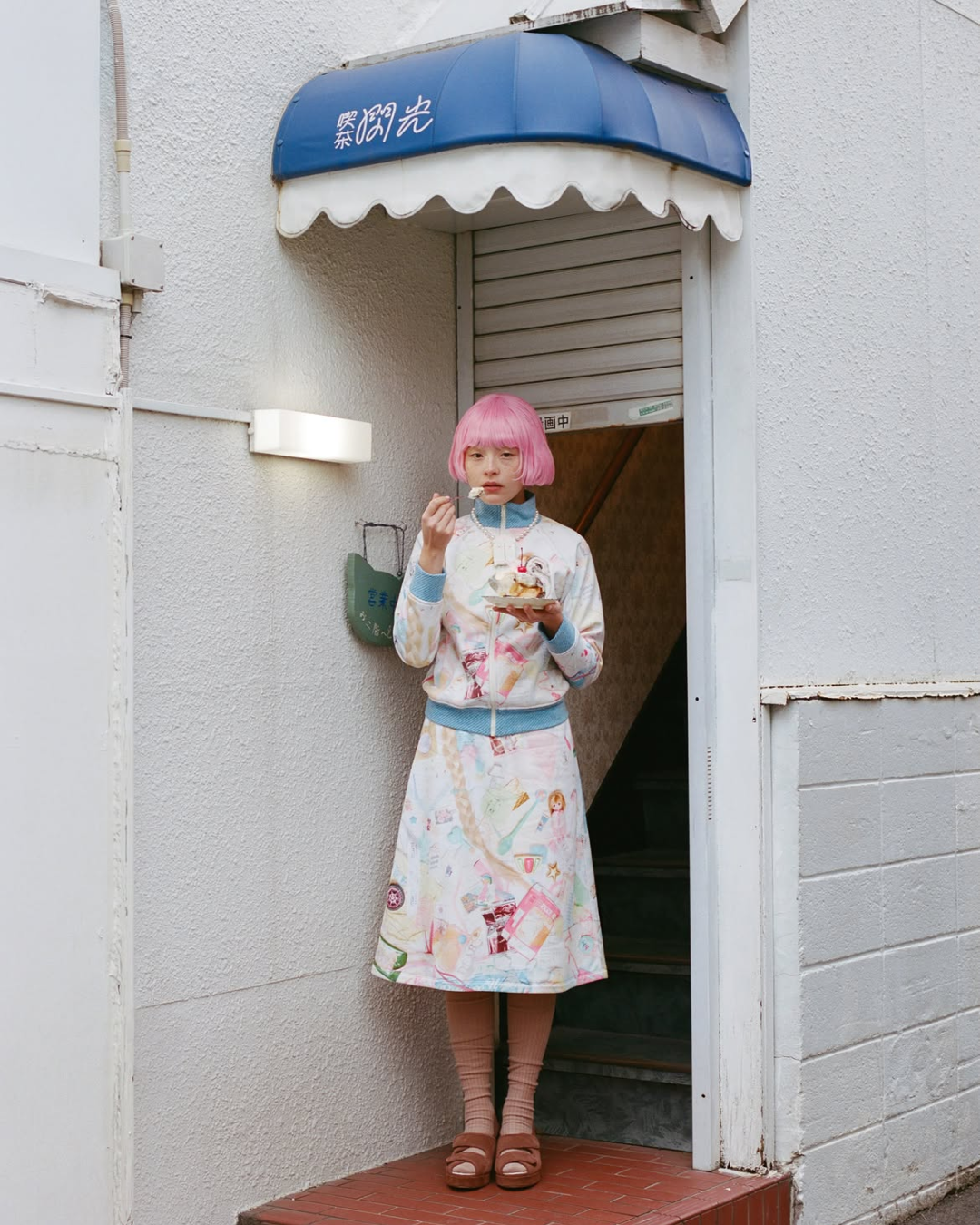
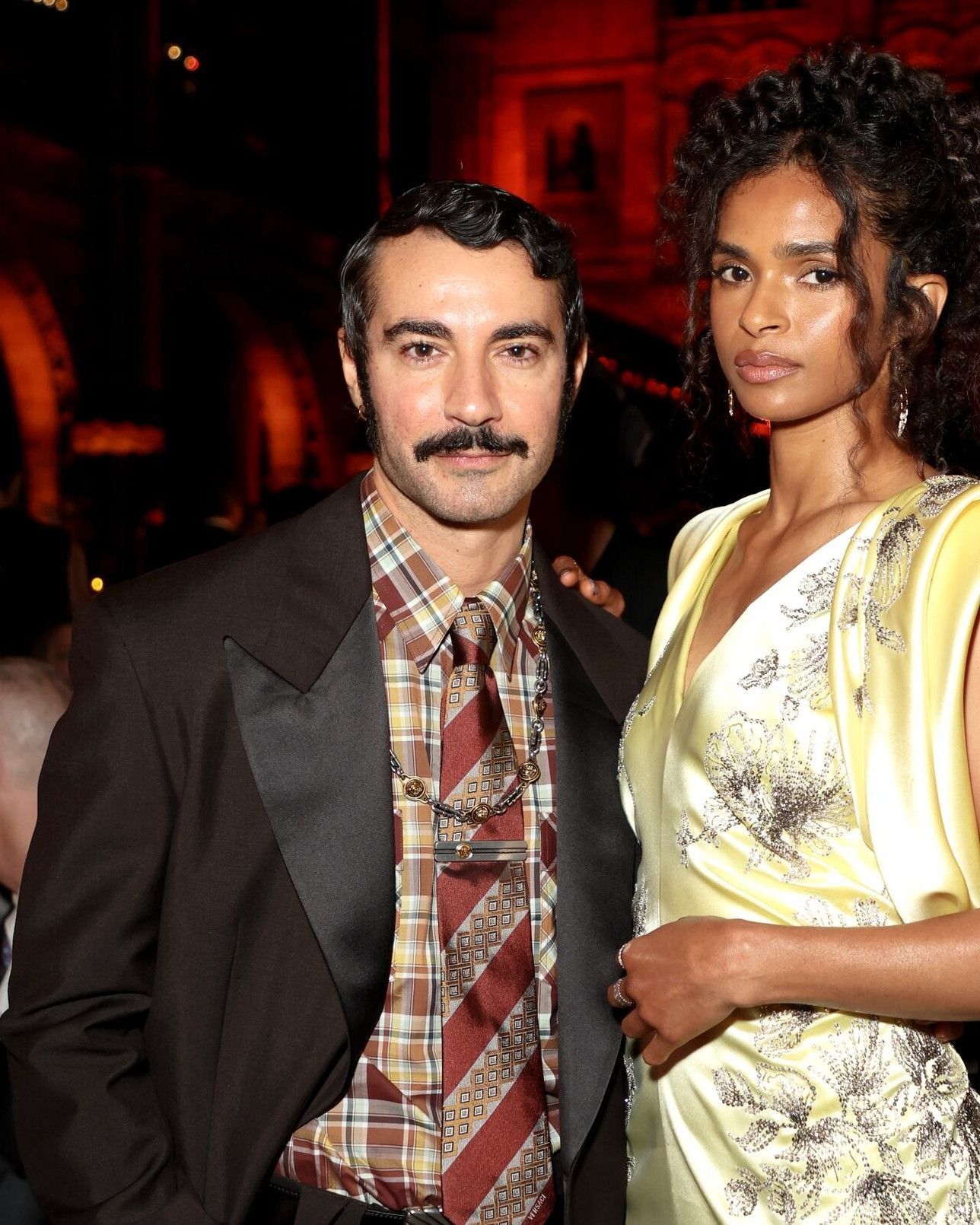
























Shanghai by Helena Yeung
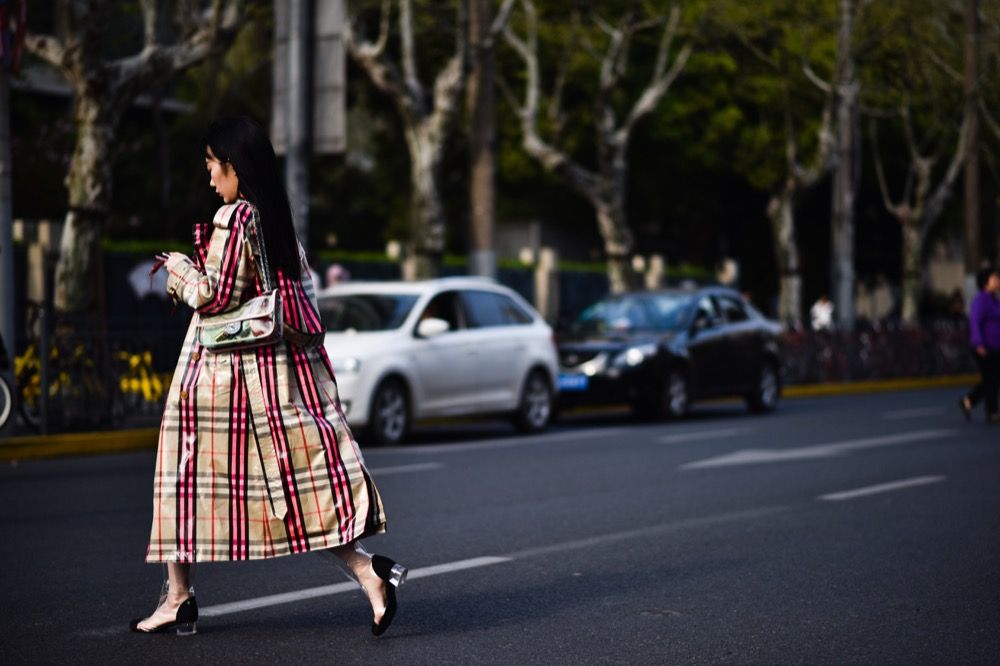
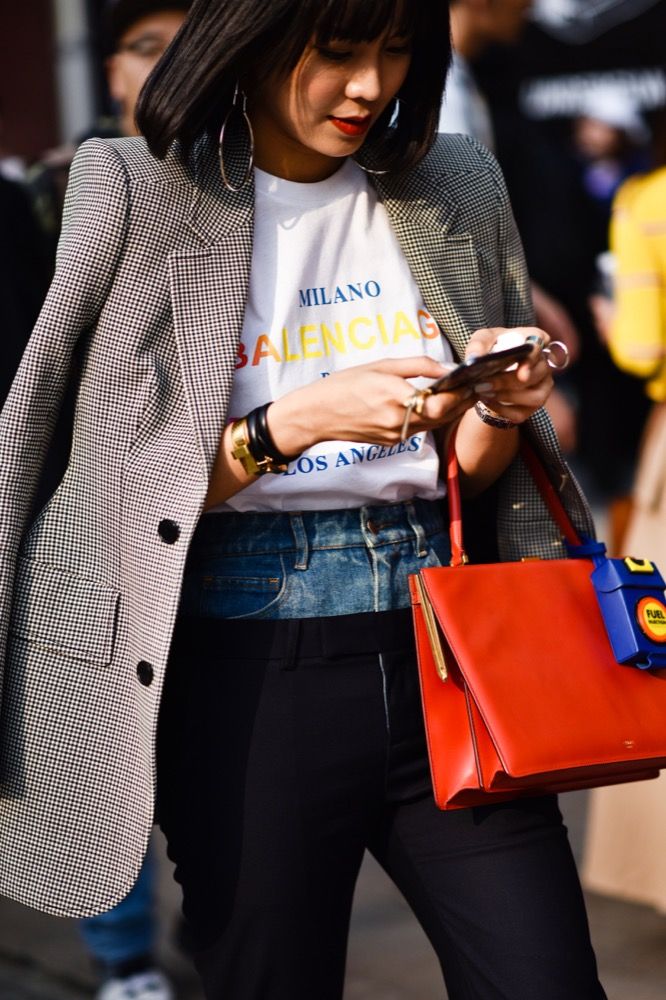
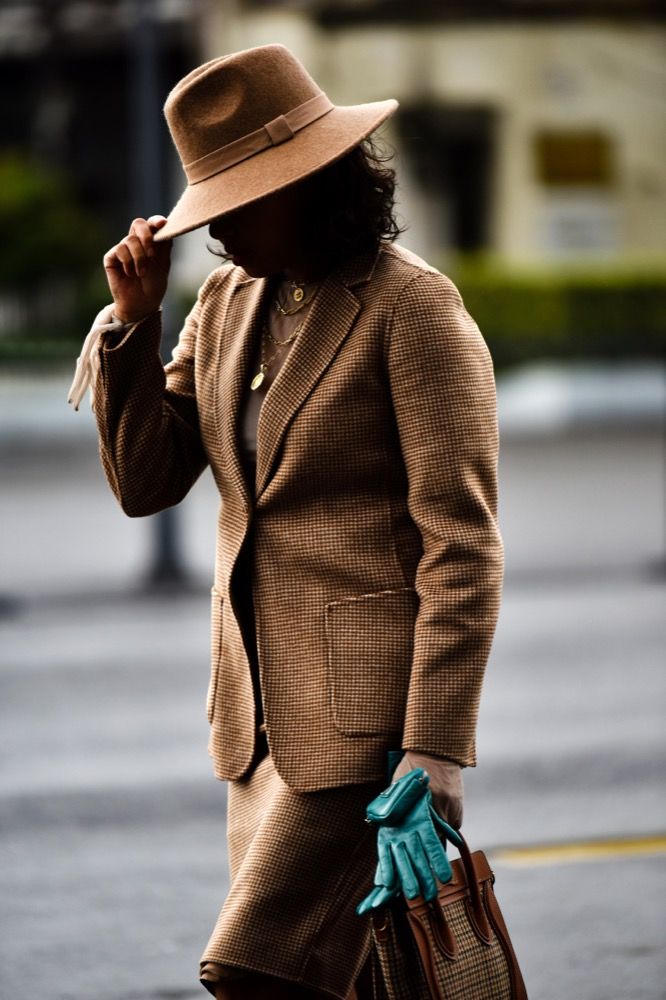
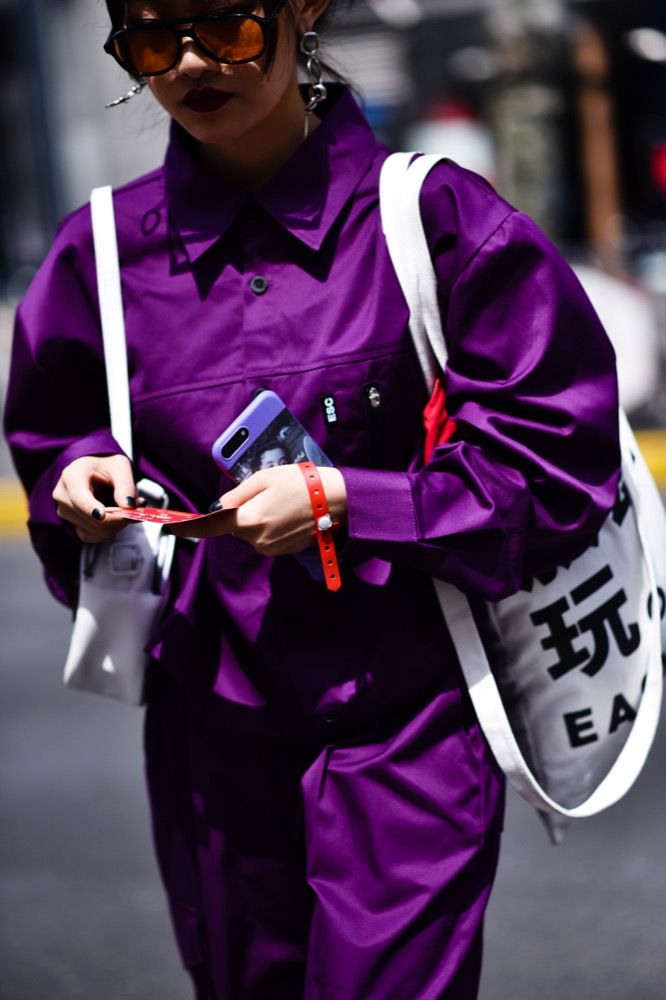
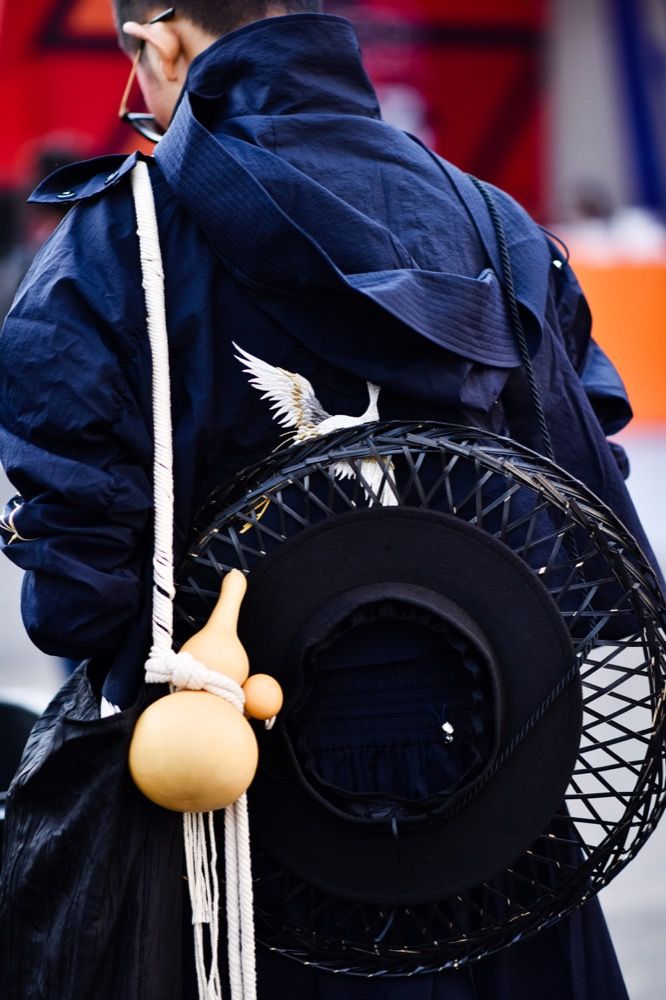
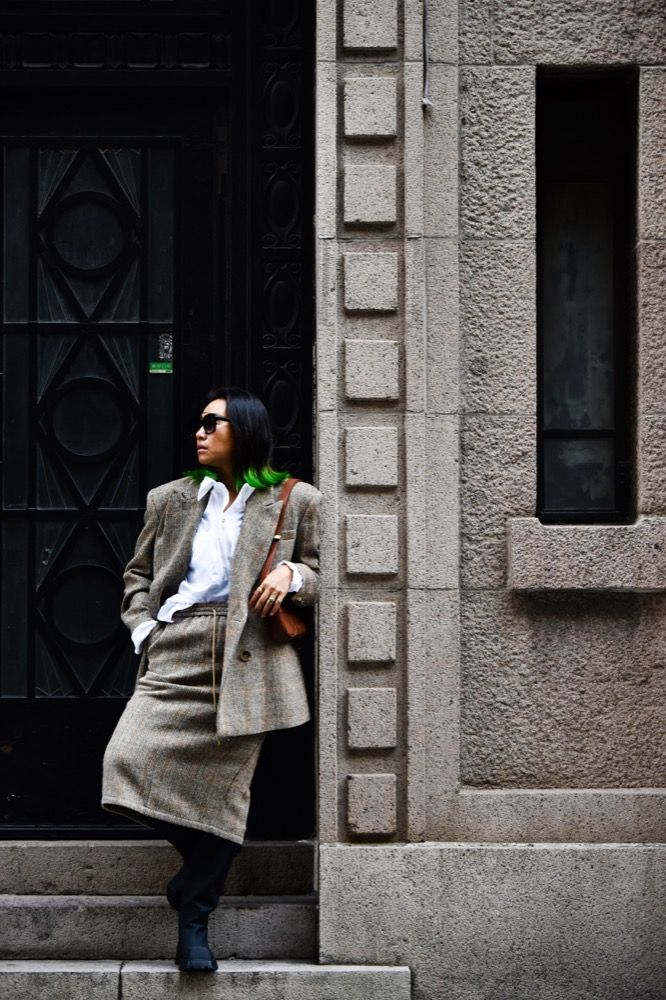
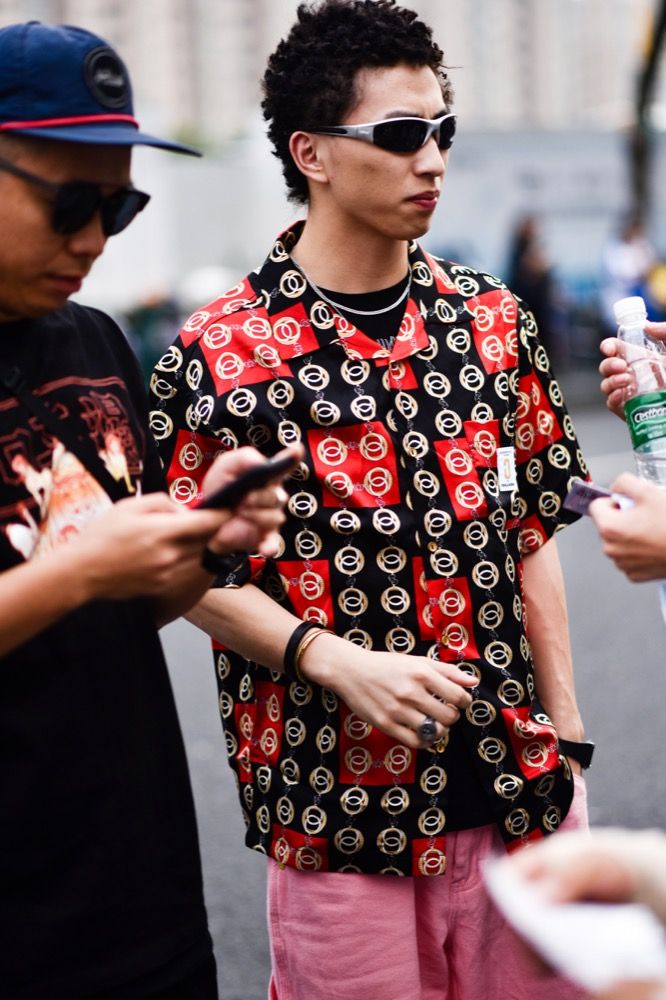
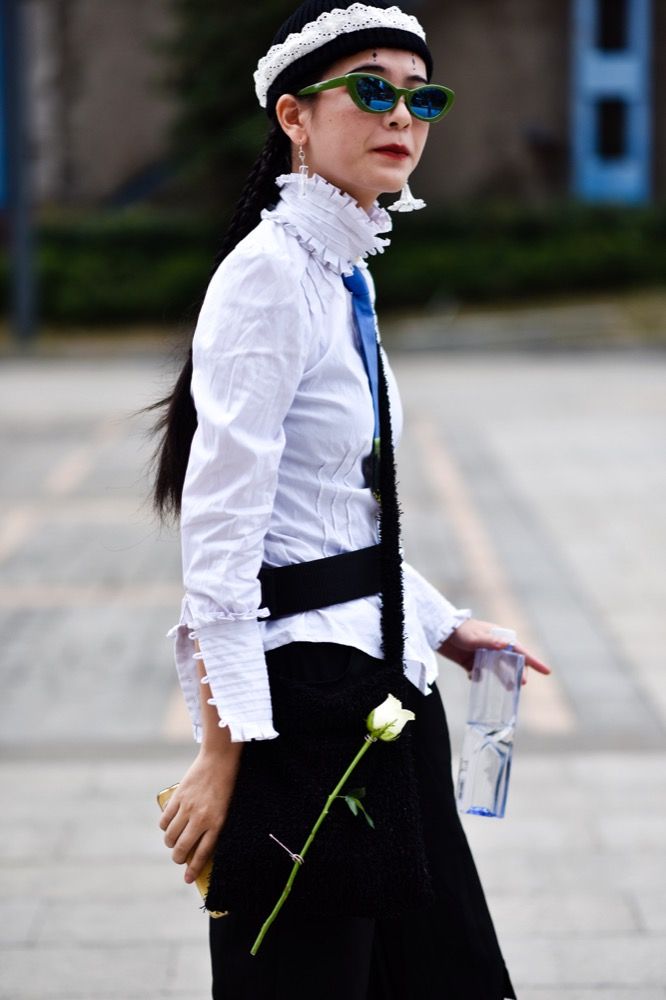
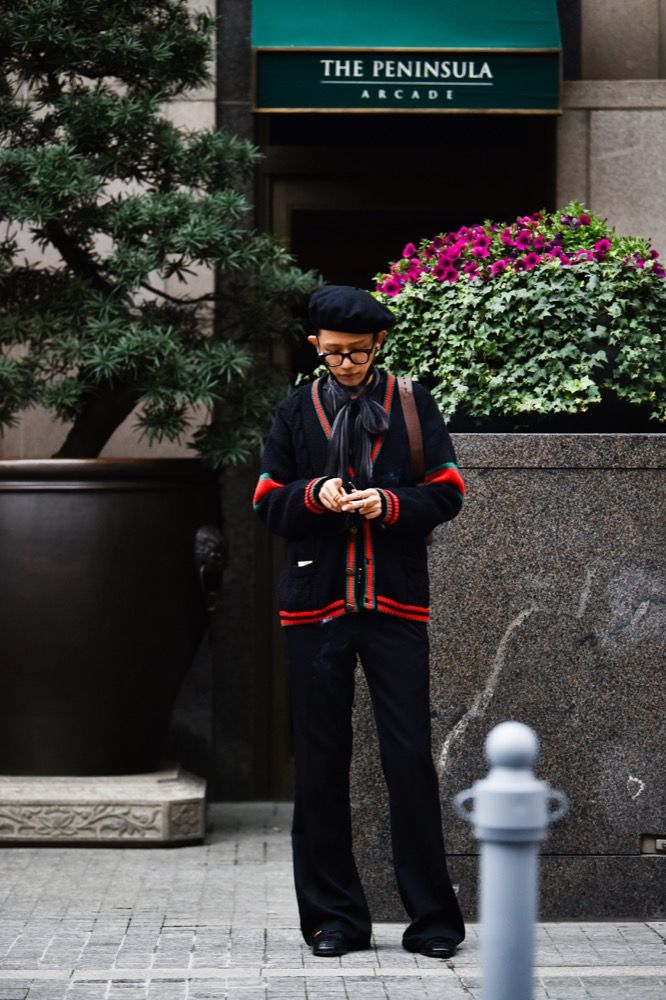
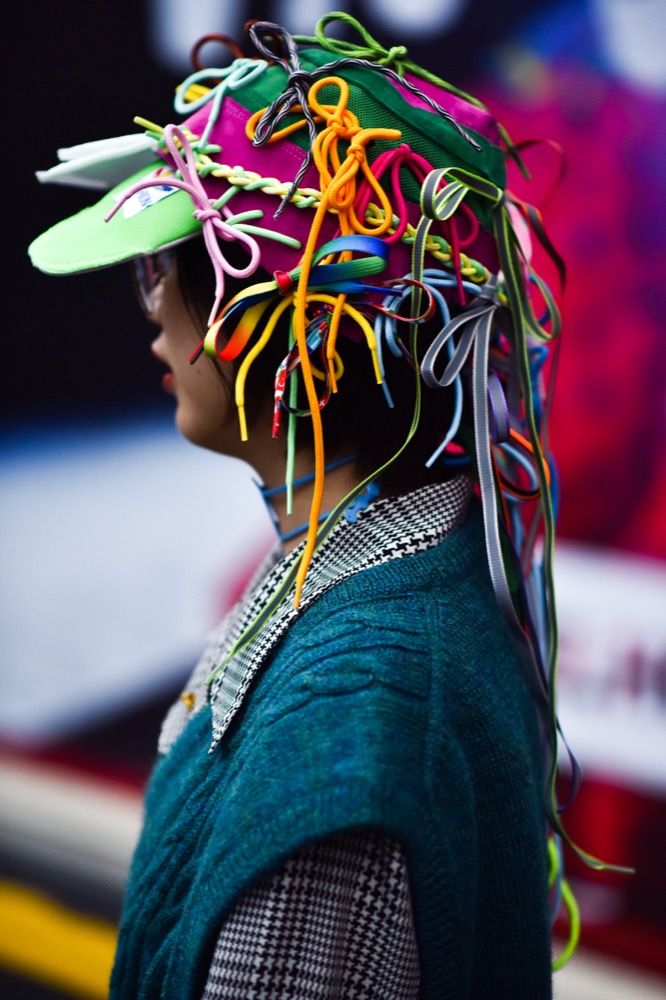
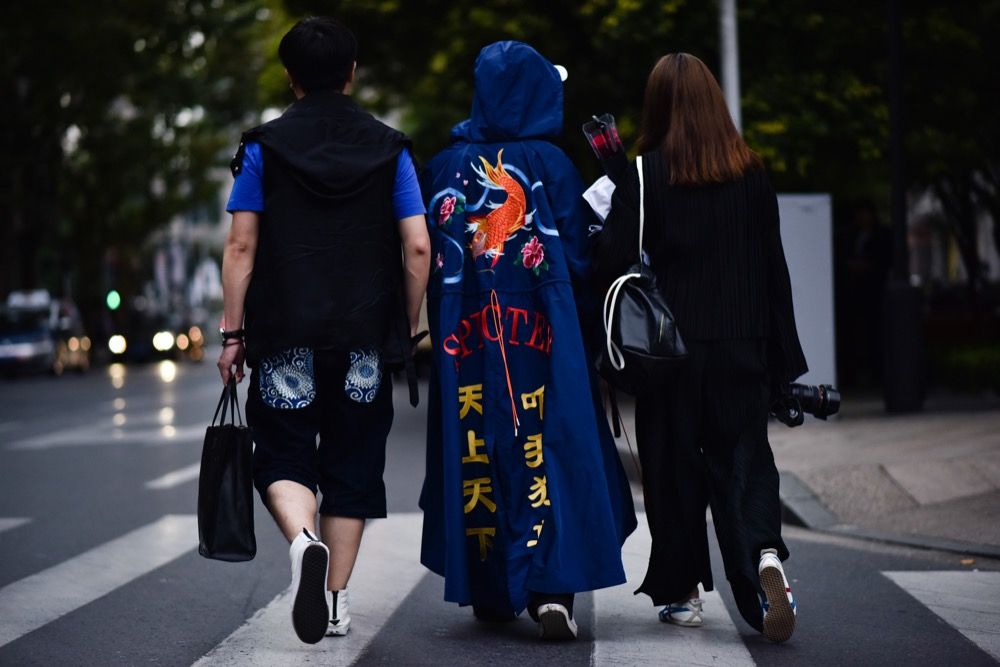
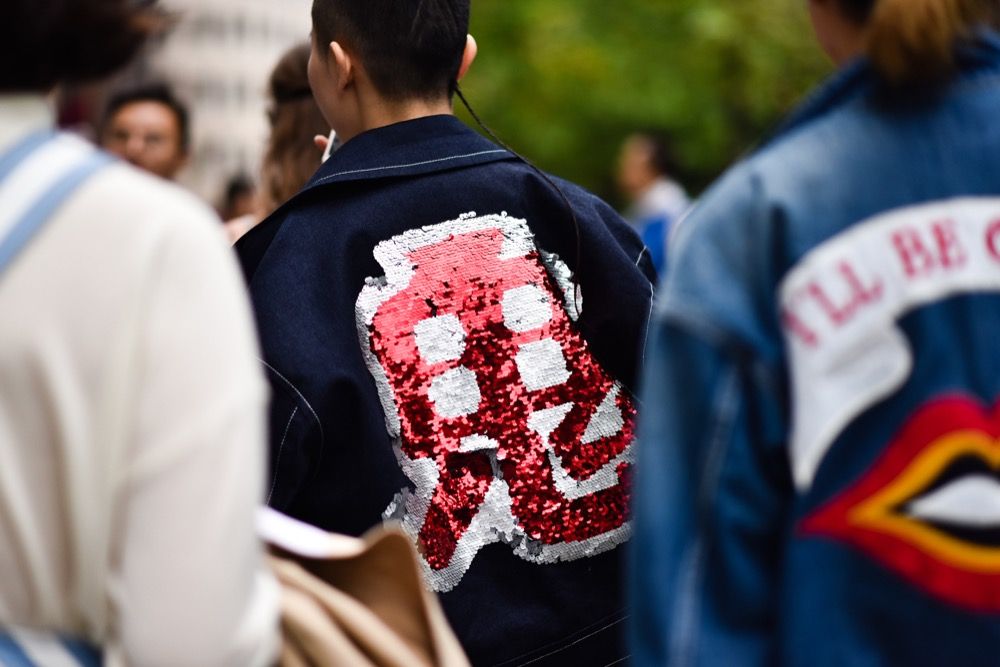
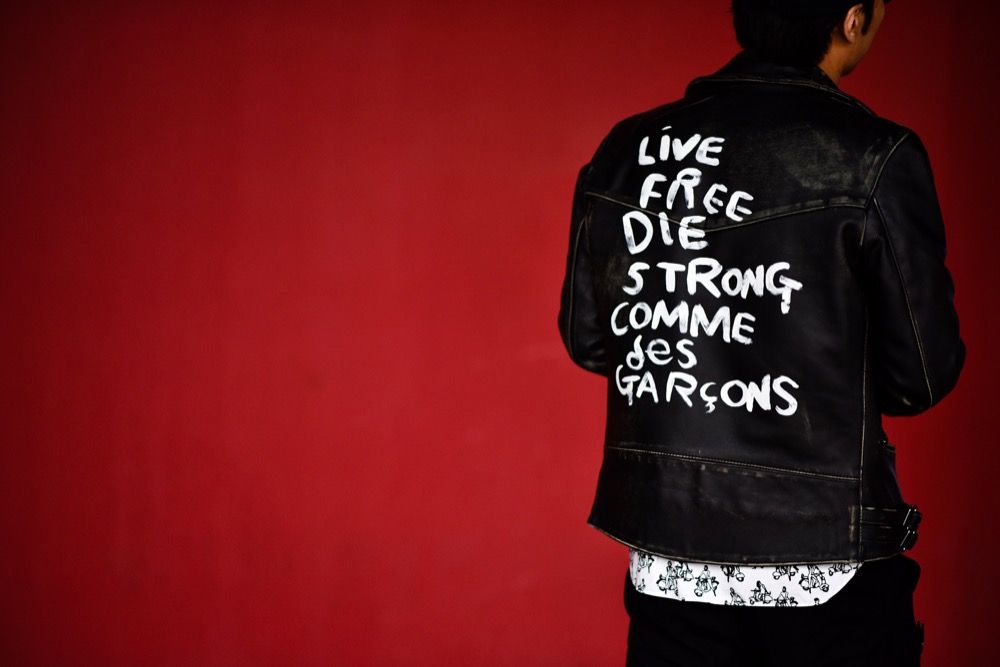
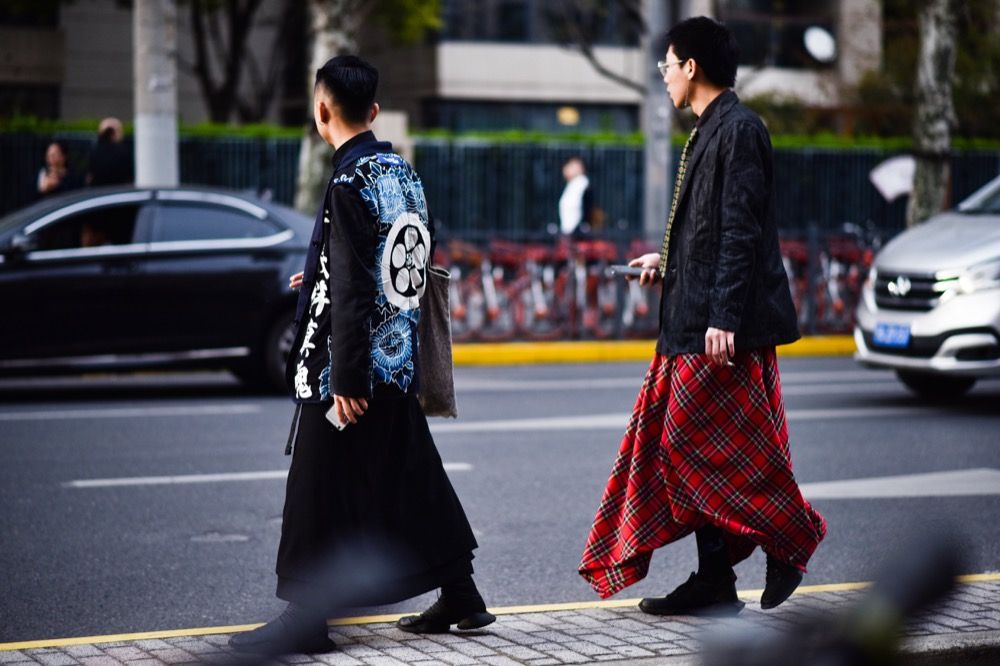
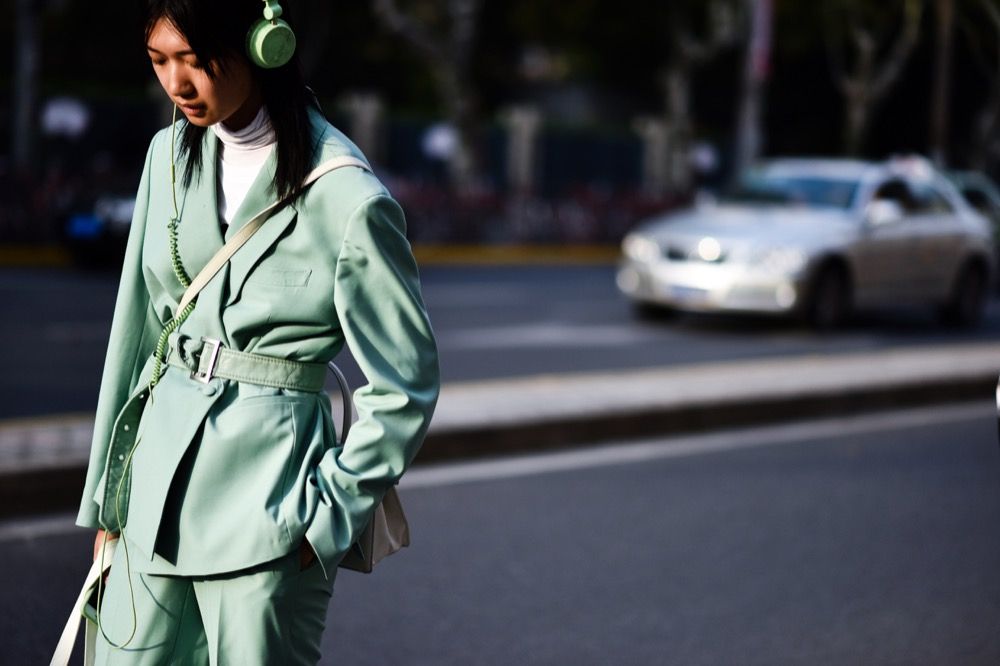
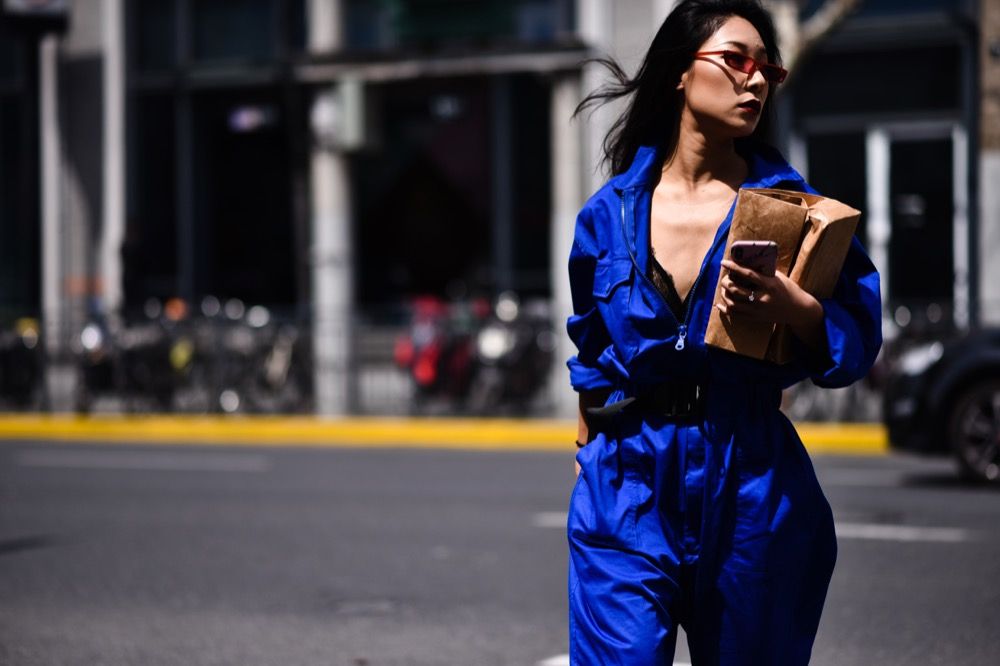
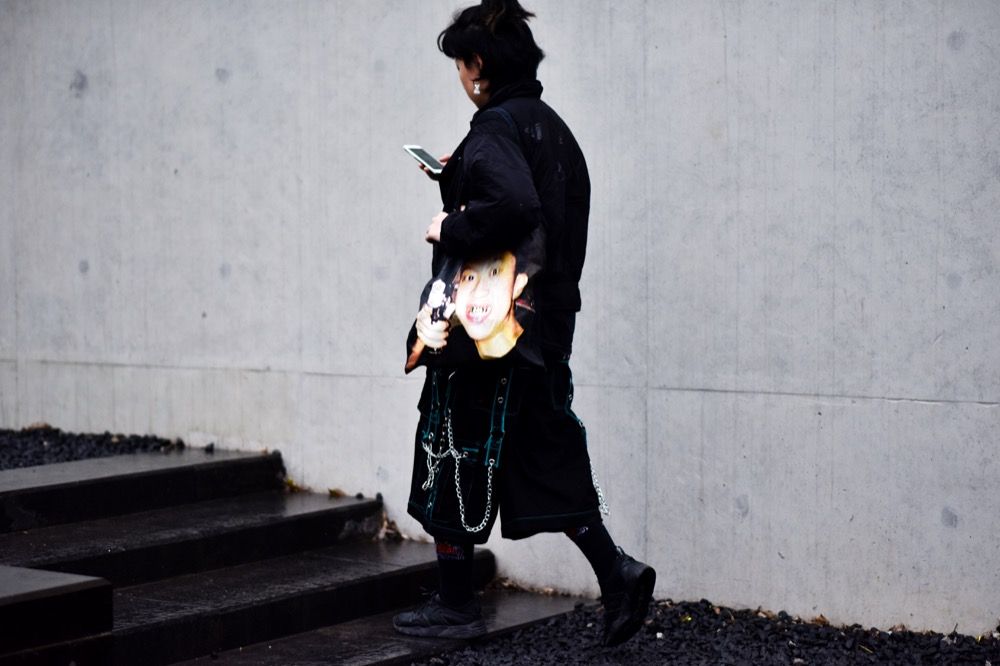
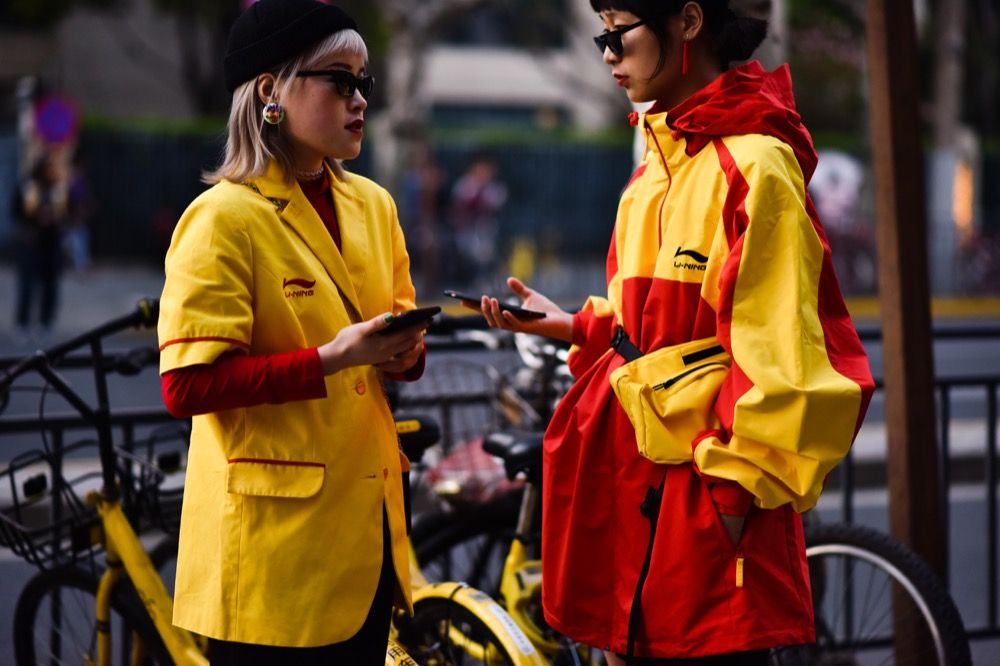
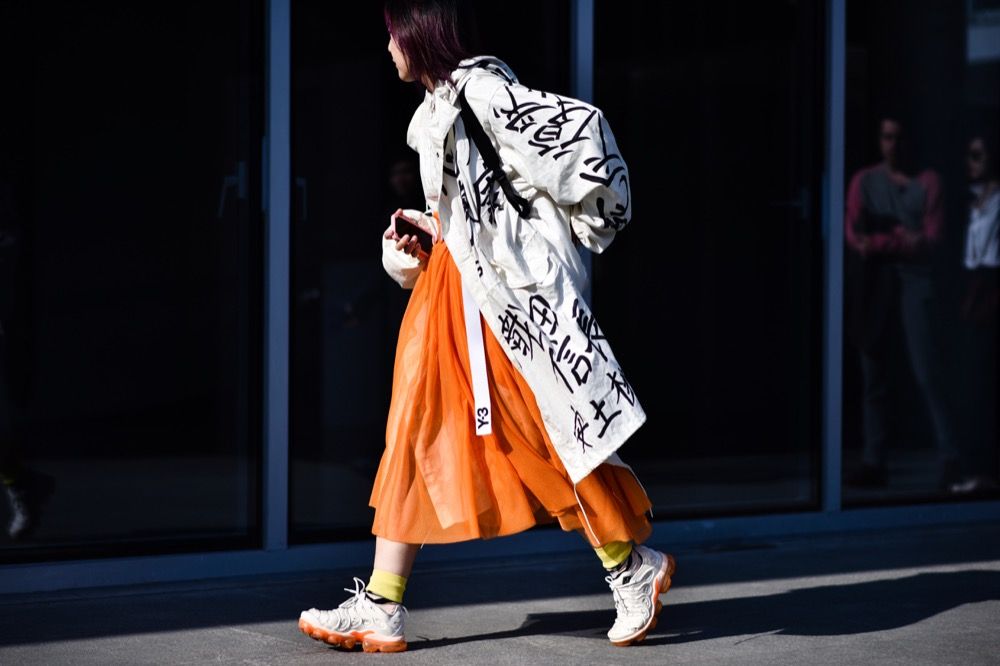
Seemingly mysterious and closed-off to the rest of the world, the local fashion and style scene in China is one that rarely receives recognition beyond its own borders. Perhaps memes or street style images draw the attention of viewers abroad, but there’s always a feeling of "otherness" when thinking about the distant fashion culture in a country with a population of 1.1 billion residents. China's retail industry is one of the biggest in the world, logging in $4.6 trillion USD in 2021, and its burgeoning streetwear category is already a $15 billion market. Needless to say, China's local fashion scene doesn't technically need any international recognition or support in its own self-sufficient market. With a completely closed-off social media sphere and platforms that differ from the rest of the world, China's quickly evolving fashion scene may be too fast for the rest of the world to grasp.
Not long ago, China was known for knockoffs, misspelled brand names, and a nascent understanding of international brands. Global luxury houses and labels became extremely sought after soon after they entered the market, and Chinese fashion became known for its loud, in-your-face style that often raised eyebrows elsewhere. Despite this, major changes have completely altered the landscape of style in China. Gone are the days of the gilded, all-over logo prints commanded by international brands - now, we're looking at refined, creative, and local - some adjectives you might not associate with "Made in China." Ushered by a new creative class of local designers and brands alongside a more mature consumer population, China's style has evolved with the times and has birthed some noteworthy labels gaining massive exposure both locally and overseas. Marking a generation of talents that were educated elsewhere and then brought their gifts back to China - names such as WINDOWSEN and Susan Fangm – leverage a connected globe and a unique perspective. From showing at Shanghai Fashion Week to London Fashion Week, the new creative class of China is redefining what Chinese style means: a more worldly outlook and varied influences.
The Chinese consumer has also become more mature and is willing to explore fashion as an extension of identity. Subcultures are emerging, building underground communities for a new generation of youth. Case in point - "Yabi" (亚逼) is a fashion style and subculture emerging from China's underground music scene. Mixing 90s Y2K, emo, and kawaii, it represents a population of Chinese youth that are willing to be and look different. China's millennials and Gen Z are creating a diverse and interesting cultural landscape that hasn't been seen before. Leveraging China's social media platforms, the new generation is outspoken and individualistic, and this has proven to be the perfect impetus for an evolution in collective style.
However, there have been specific events that changed the landscape of Chinese fashion forever, and none is more memorable than the 2019 Better Cotton Initiative issue. A PR crisis like no other, the BCI issue caused a national outcry and boycotts of international brands that publicly refused to use cotton sourced from Xinjiang due to concerns over forced labor. The news stoked the fires of China's nationalism - especially among the youth generation - and forced brands like Nike, Adidas, and H&M to suffer. For a politically-driven country like China, these brands were forced to cut ties with ambassadors, halt e-commerce launches, trash marketing plans, and completely reevaluate their brand's international status in an increasingly nationalistic country. Naturally, local brands flourished, and suddenly, lines snaked around Li-Ning rather than Nike. Soon after, COVID-19 hit and China was under the Zero Covid Policy until the beginning of this year. Having effectively been closed off to the rest of the world for three years, fashion in China became a potent mixture of nationalism and self-dependency. Locally born and bred brands suddenly had an edge, and in streetwear, a focus on "国潮" or "Chinese Trendy Streetwear" became a hit. Names such as ROARINGWILD, Army Logic, and Randomevent suddenly became household names. International brands - those who learned the lesson of Chinese pride the hard way - started to pool more resources into nurturing and collaborating with China's new creative class, putting a stamp of approval on Chinese style as China opens back up to the rest of the world.
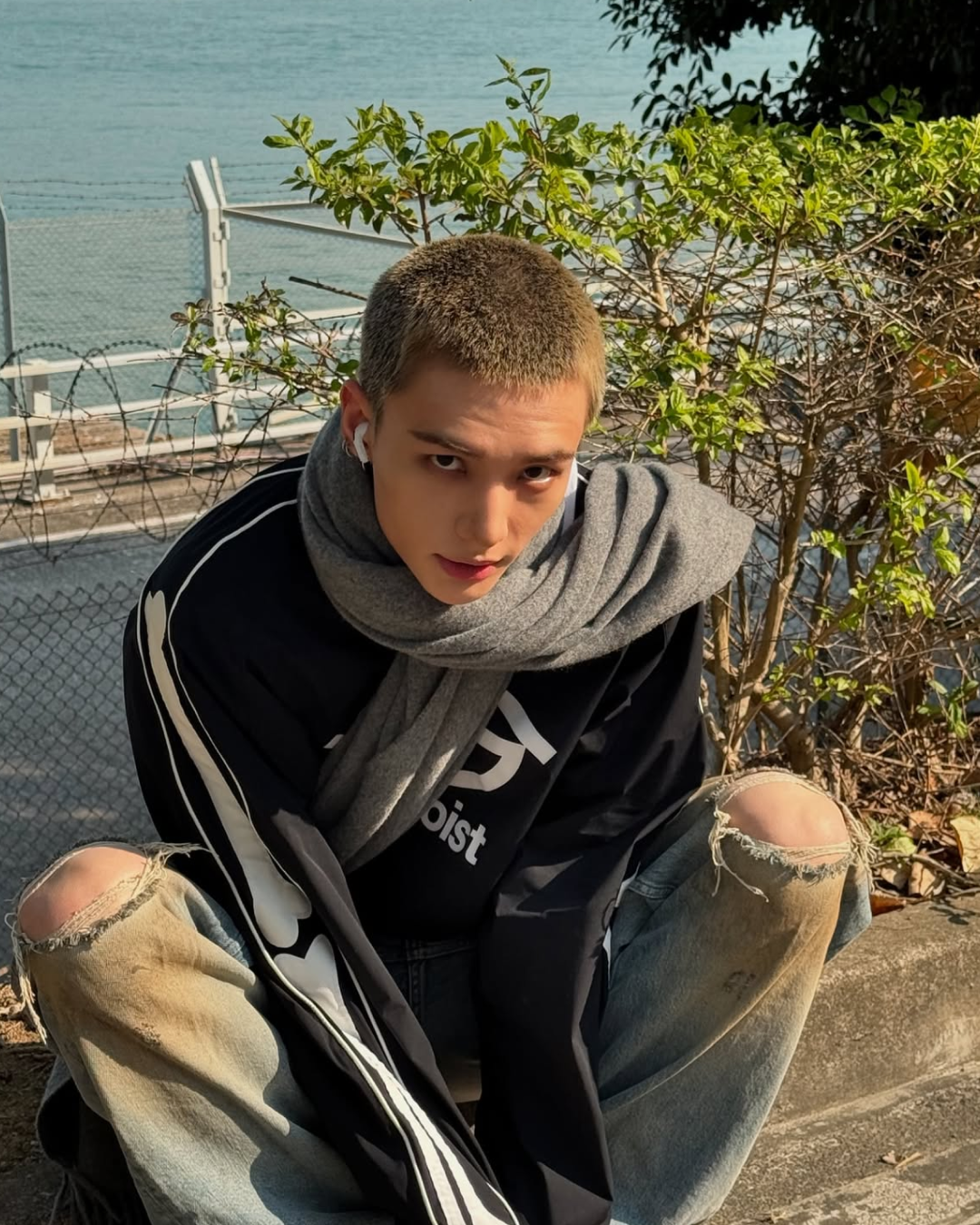
While the world slowly begins to reconnect with China, don't assume that Chinese street style hasn't changed. A quick swipe on the popular Little Red Book platform will hit home the fact that China boasts a brand-new, confident, and culturally interesting generation ready to take over the world. Coupled with a hint of national pride and a truly talented class of local brands, the balance of influence might be finally tipping East.