







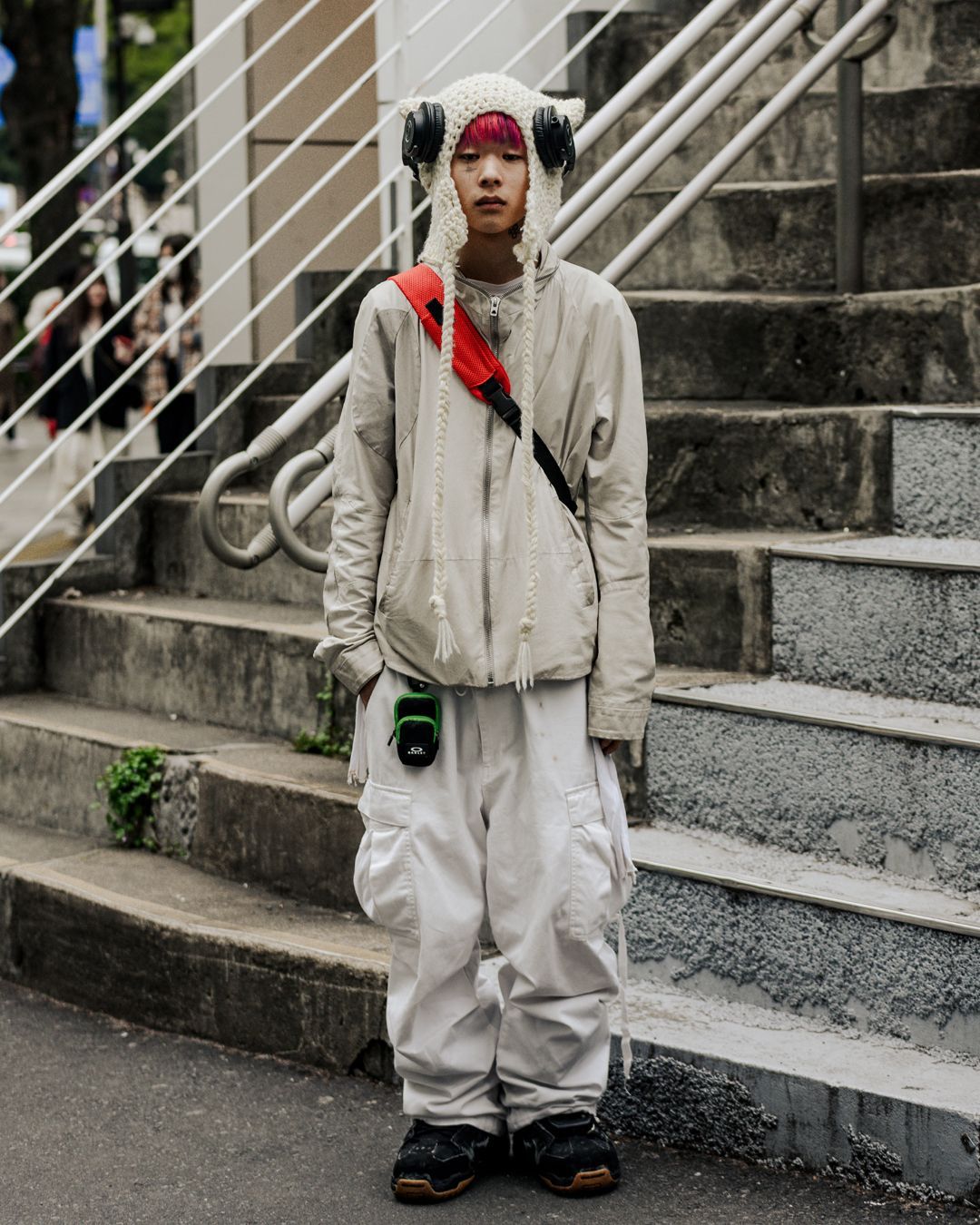
Tokyo by Casey Omori / sabukaru
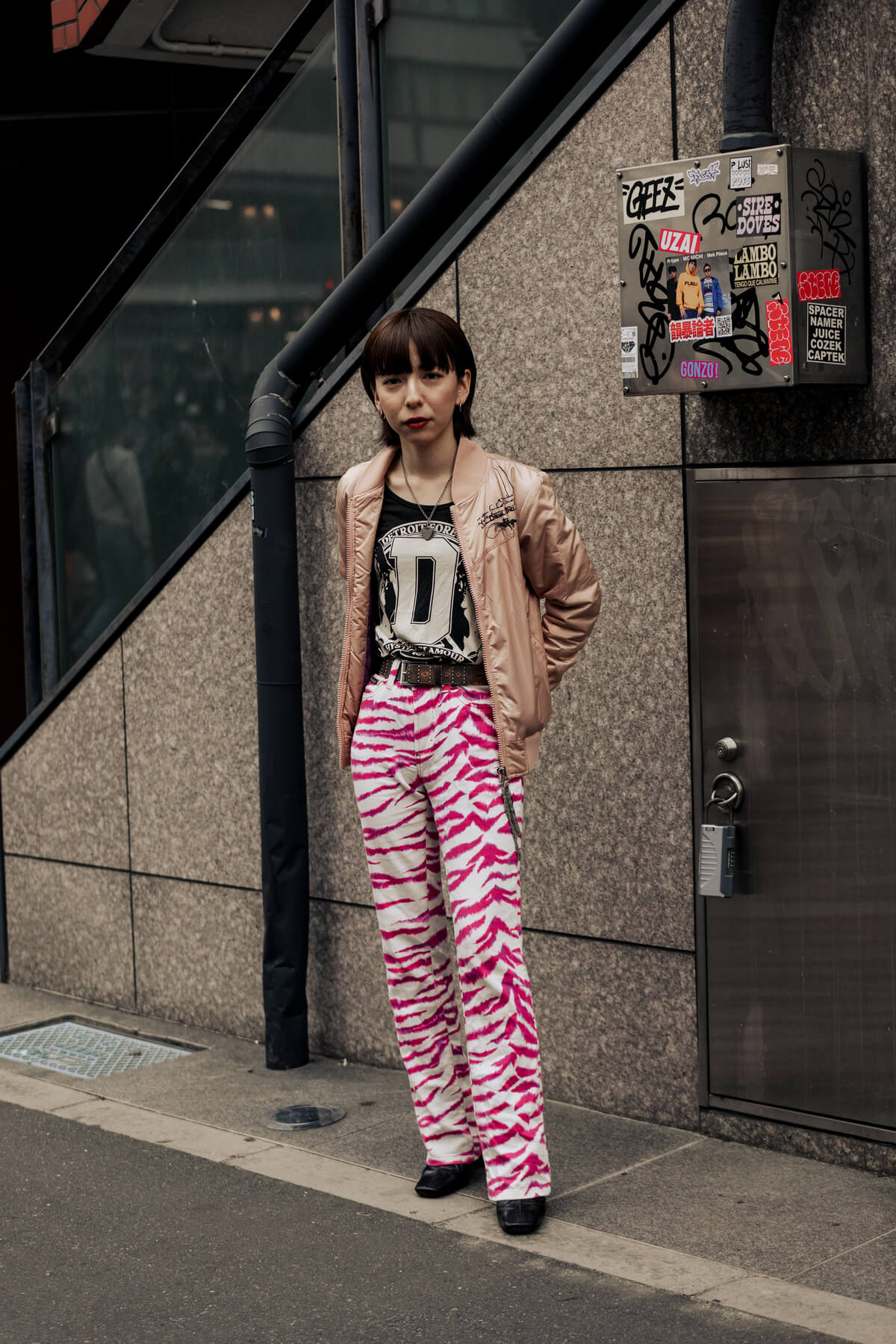
by Tanase
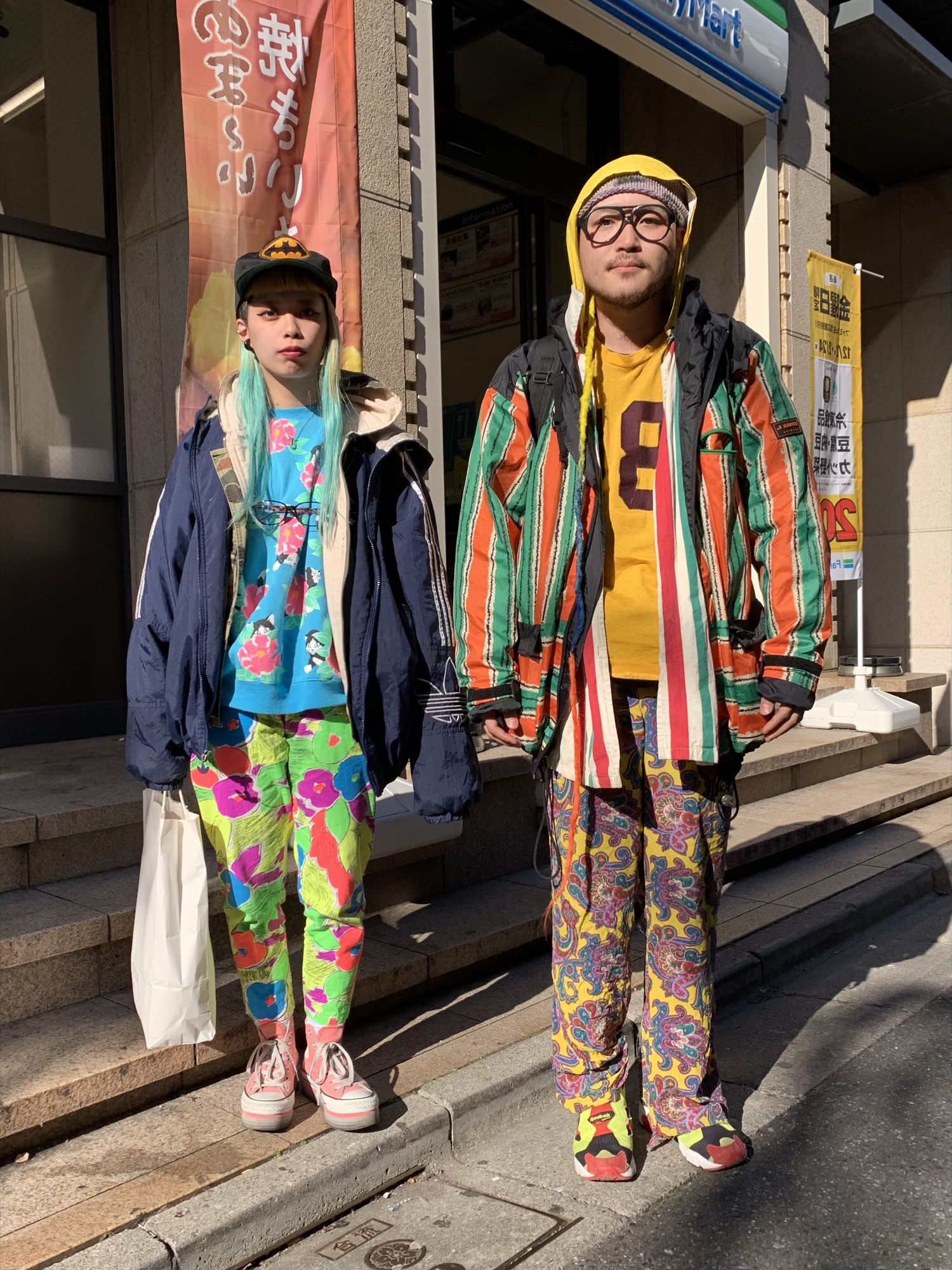
by Shoichi Aoki
by Shoichi Aoki
by Shoichi Aoki
by Shoichi Aoki
by Shoichi Aoki
by Shoichi Aoki
by Shoichi Aoki
by Shoichi Aoki
by Shoichi Aoki
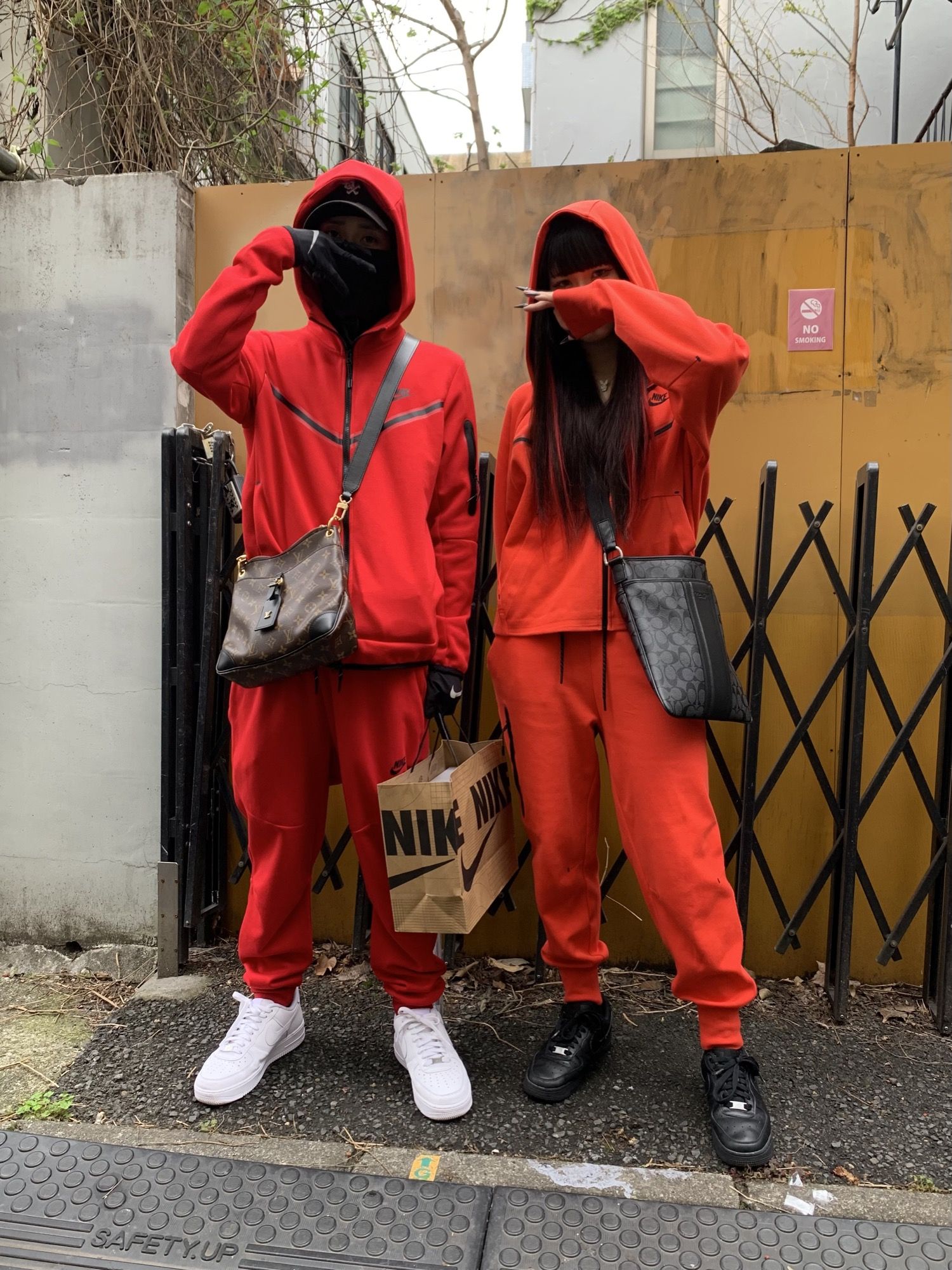
by Shoichi Aoki
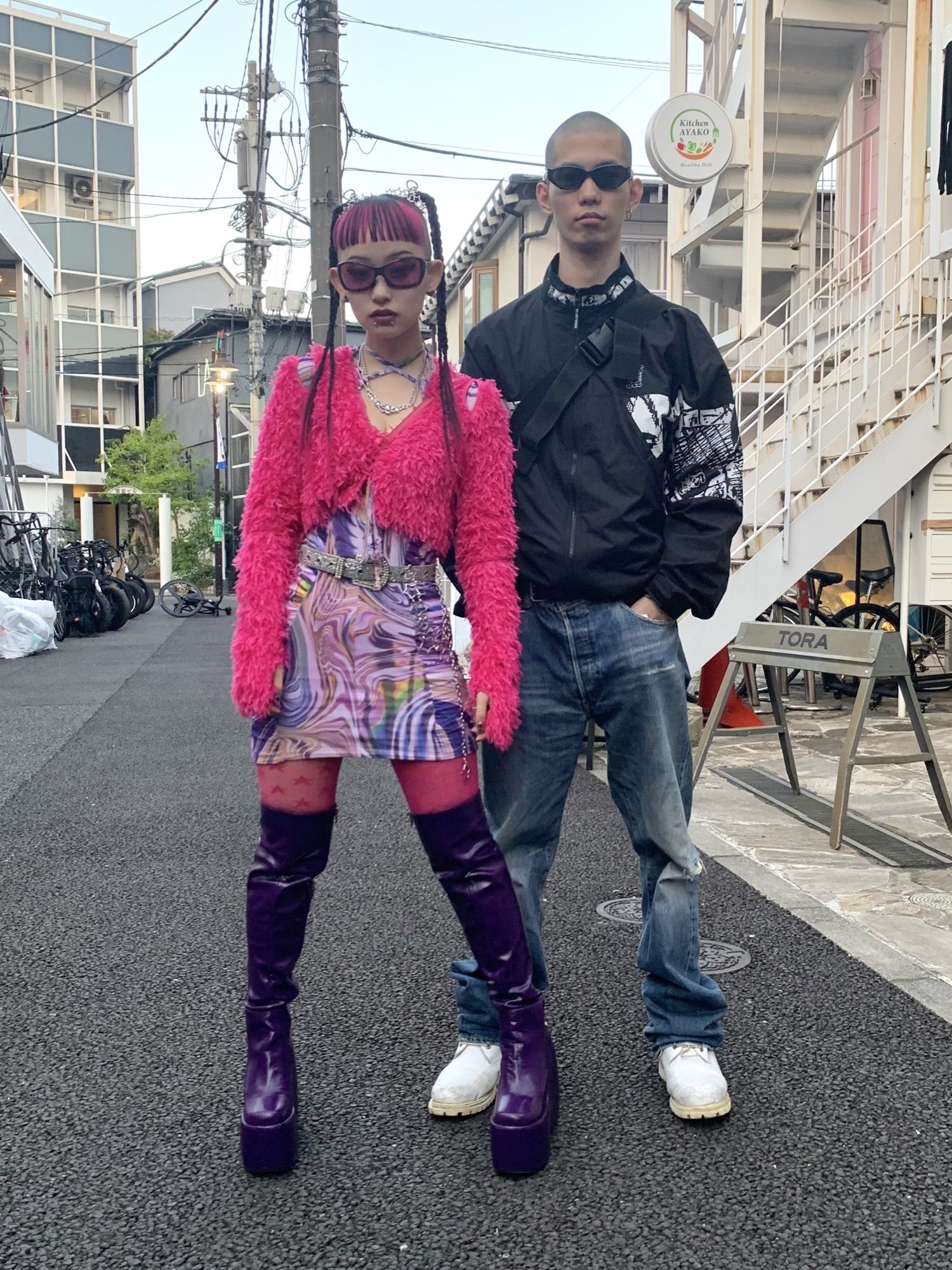
by Shoichi Aoki
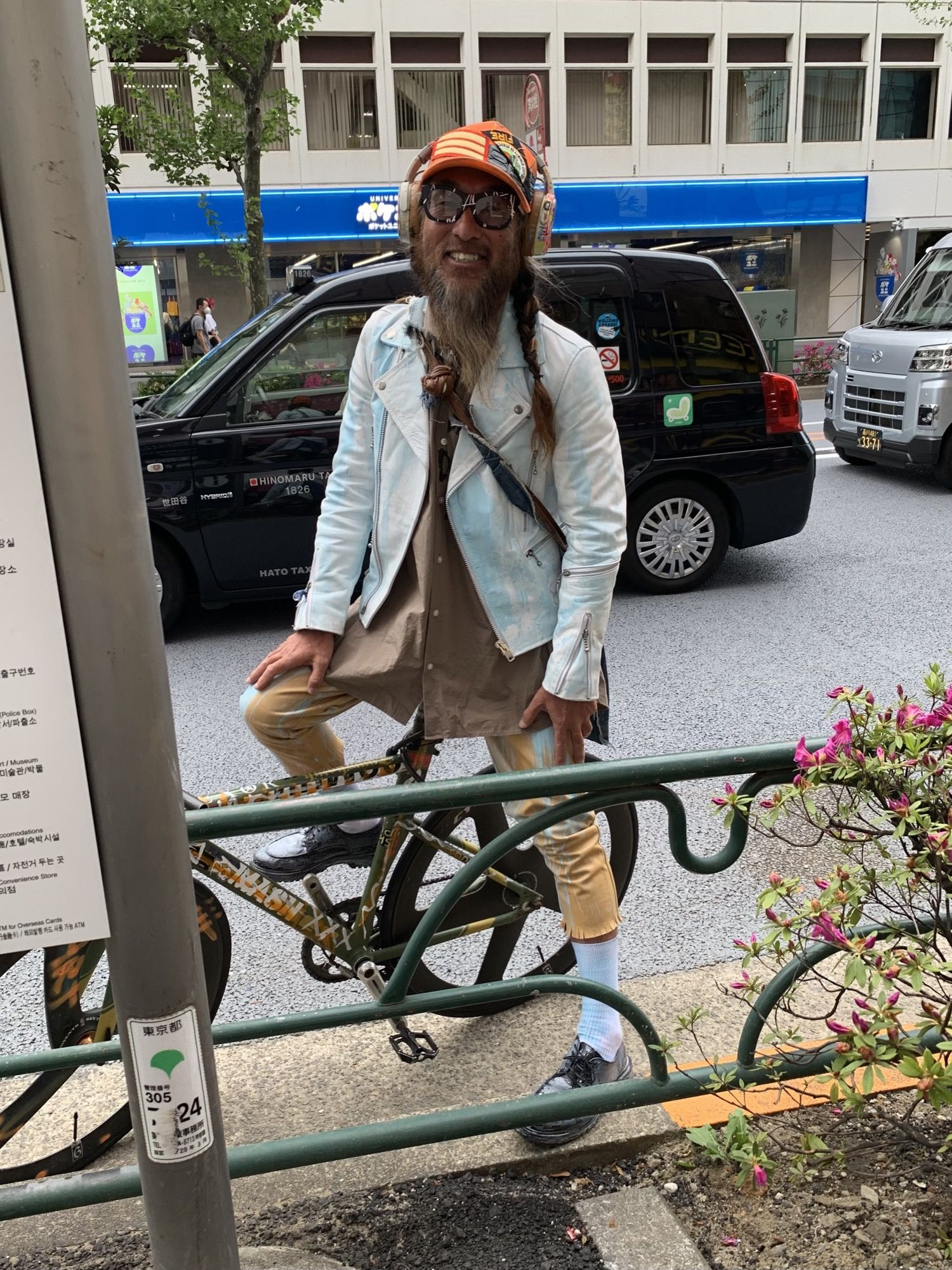
by Shoichi Aoki
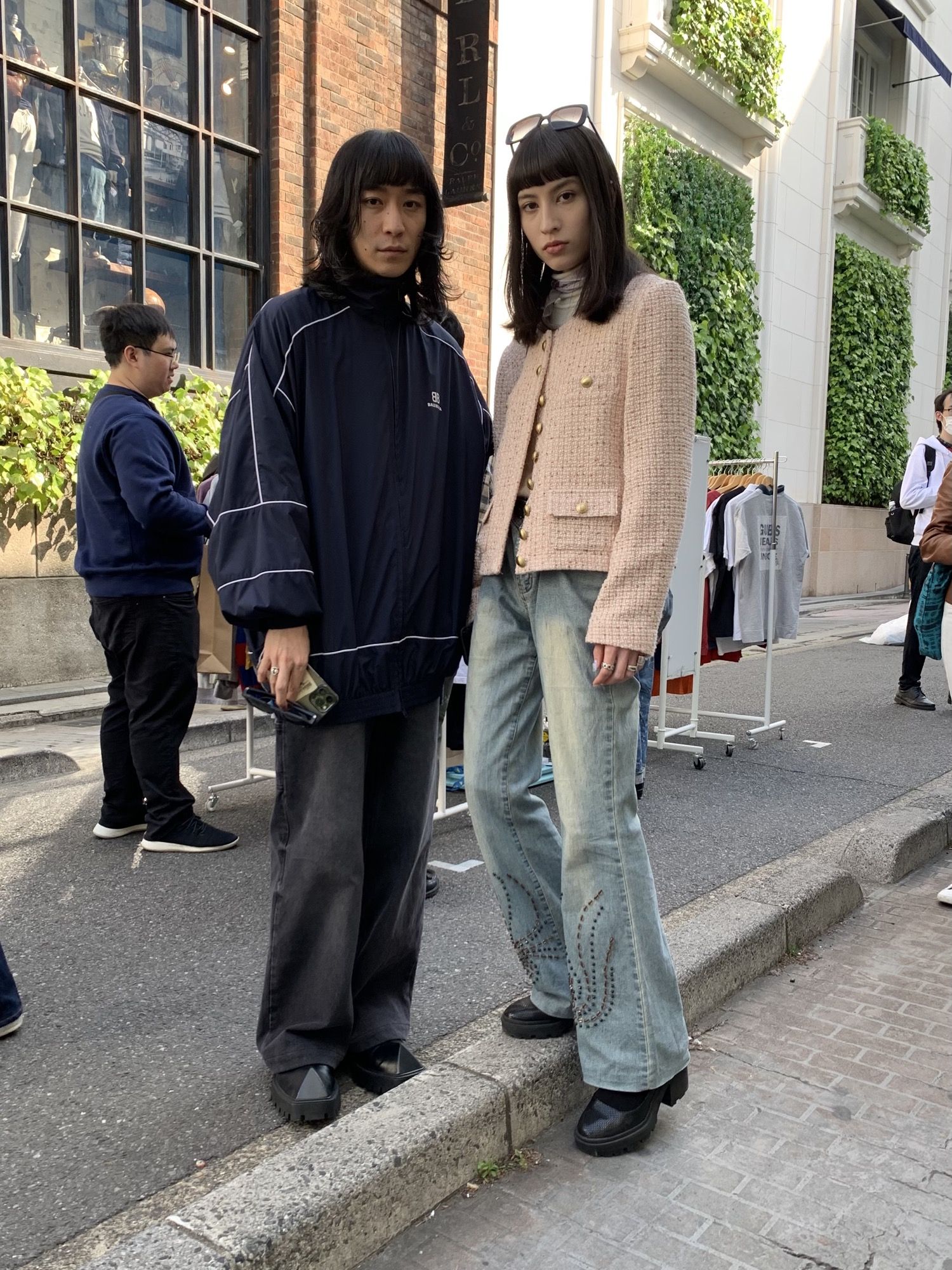
by Shoichi Aoki
by Shoichi Aoki
by Tanase
by Tanase
by Tanase
by Tanase
by Tanase
by Tanase
by Tanase
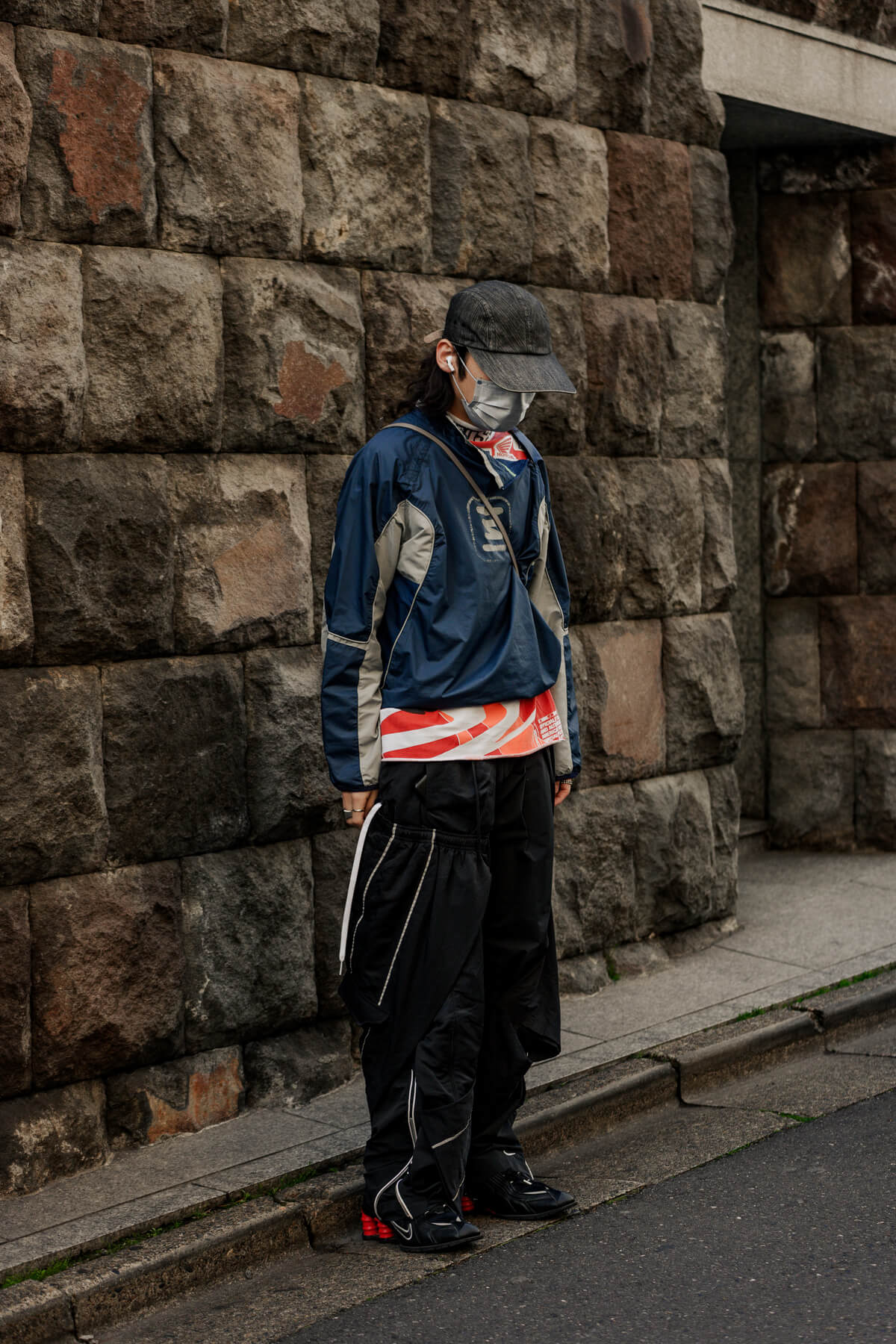
by Tanase
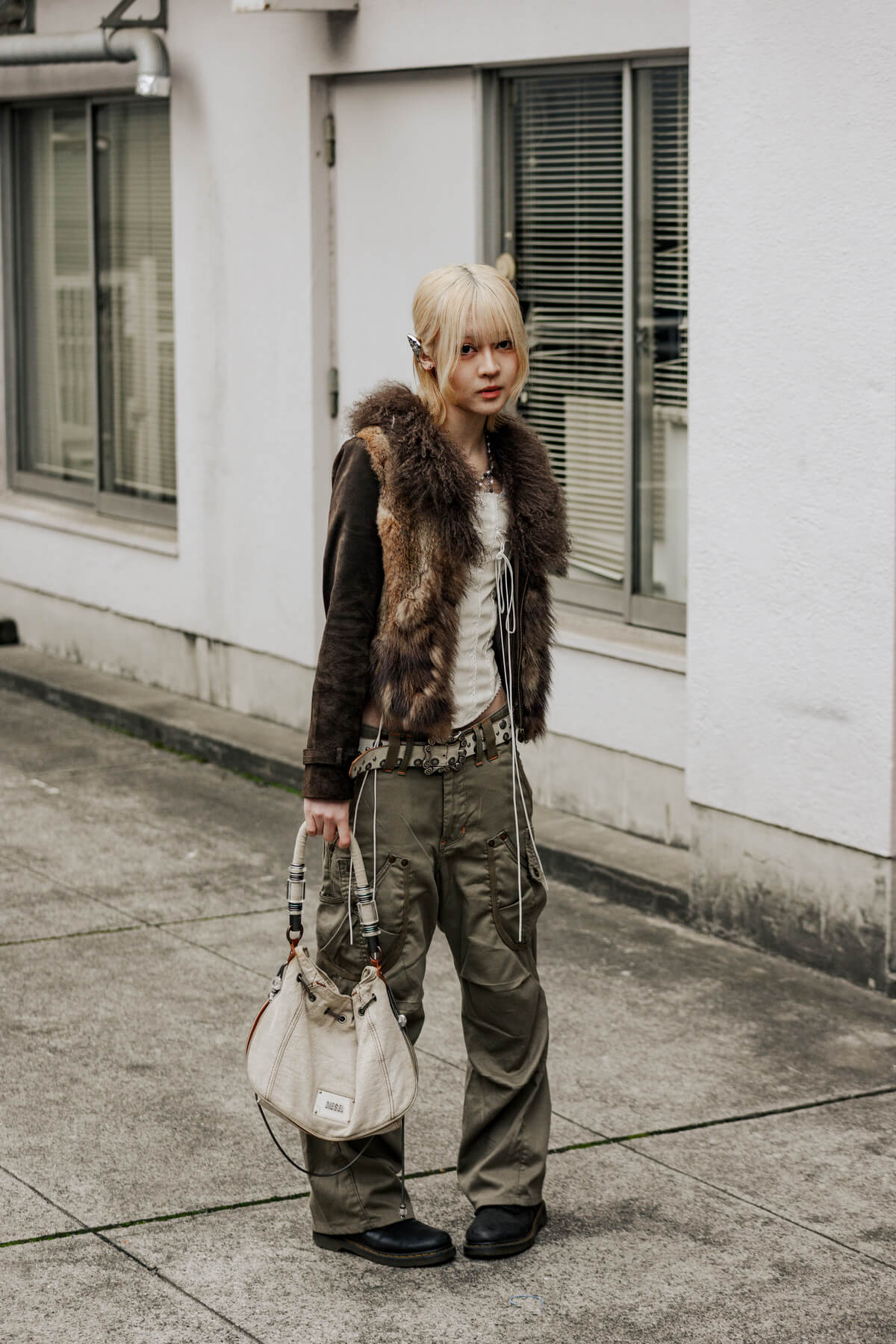
by Tanase
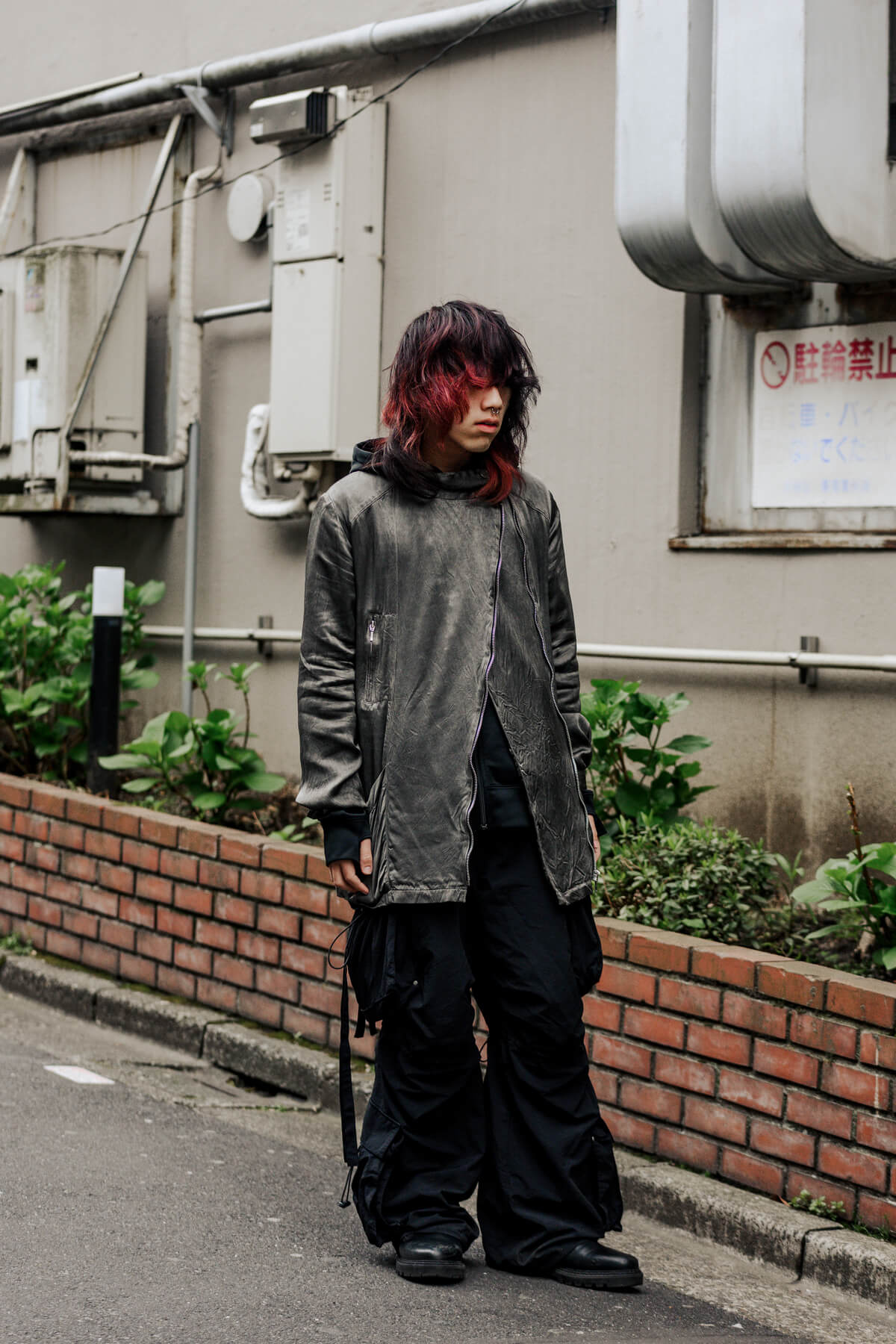
by Tanase
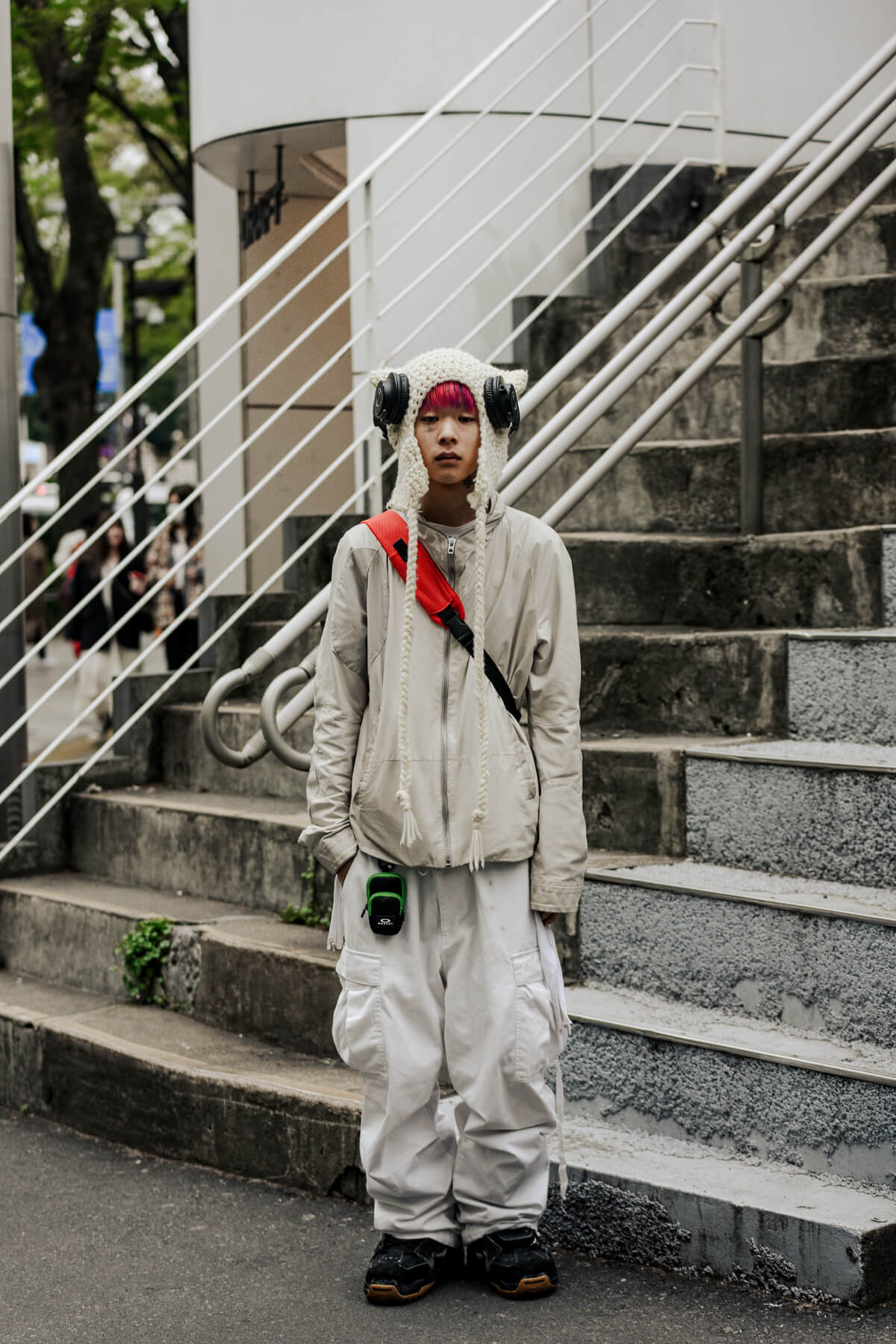
by Tanase
by Tanase
by Tanase
by Tanase
by Shoichi Aoki
Fashion is said to run in 20-year cycles. Trends and styles renew themselves every 20 years, and what was hot then becomes hot again. Japan also follows this rule, and every 20 years trends are not only recycled but updated with a unique twist. Tokyo is known as one of the global epicenters of fashion. If you take a look at Japan's fashion & streetwear history, it doesn't take long for one to realize that everything started in the streets of Ura-Harajuku. Today, the word "Ura-Hara" is in the dictionary of every fashion head, and names like Hiroshi Fujiwara, Jun Takahashi, and Nigo are always the center of discussions. 20 years later, Ura-Hara-era fashion is making a comeback, with a sprinkle of modernness on top. Today we take an in-depth look into the evolution of Japanese streetwear and style in the past decades.
As mentioned above, Japan began to be a world-recognized fashion capital during the Ura-Hara era, which is said to have started in the early 90s. There are 2 landmark events that are most commonly referred to as the igniters of this era; the start of GOODENOUGH in 1990 and the opening of NOWHERE in 1993. GOODENOUGH was founded in 1990 by 4 members, "The Godfather of Streetwear" Hiroshi "HF" Fujiwara, SK8THING, Tōru Iwai, and Mizutsugu. Today the brand is known to be the brand that started it all, and people instantly associate Hiroshi's face with it. But back then, no one really knew who was behind the brand. With no social media, magazine serialization like "LAST ORGY" were street heads' main source of information. GOODENOUGH made its way into pages, but there was no info on who was behind the brand, with many people thinking it was a clubwear brand from the UK. It was only when HF would be seen wearing and introducing GOODENOUGH more and more in magazines that people slowly started to connect the dots.
by Tanase
by Tanase
by Tanase
by Tanase
by Tanase
by Tanase
by Tanase
by Tanase
by Tanase
by Tanase
by Tanase
by Tanase
by Tanase
by Tanase
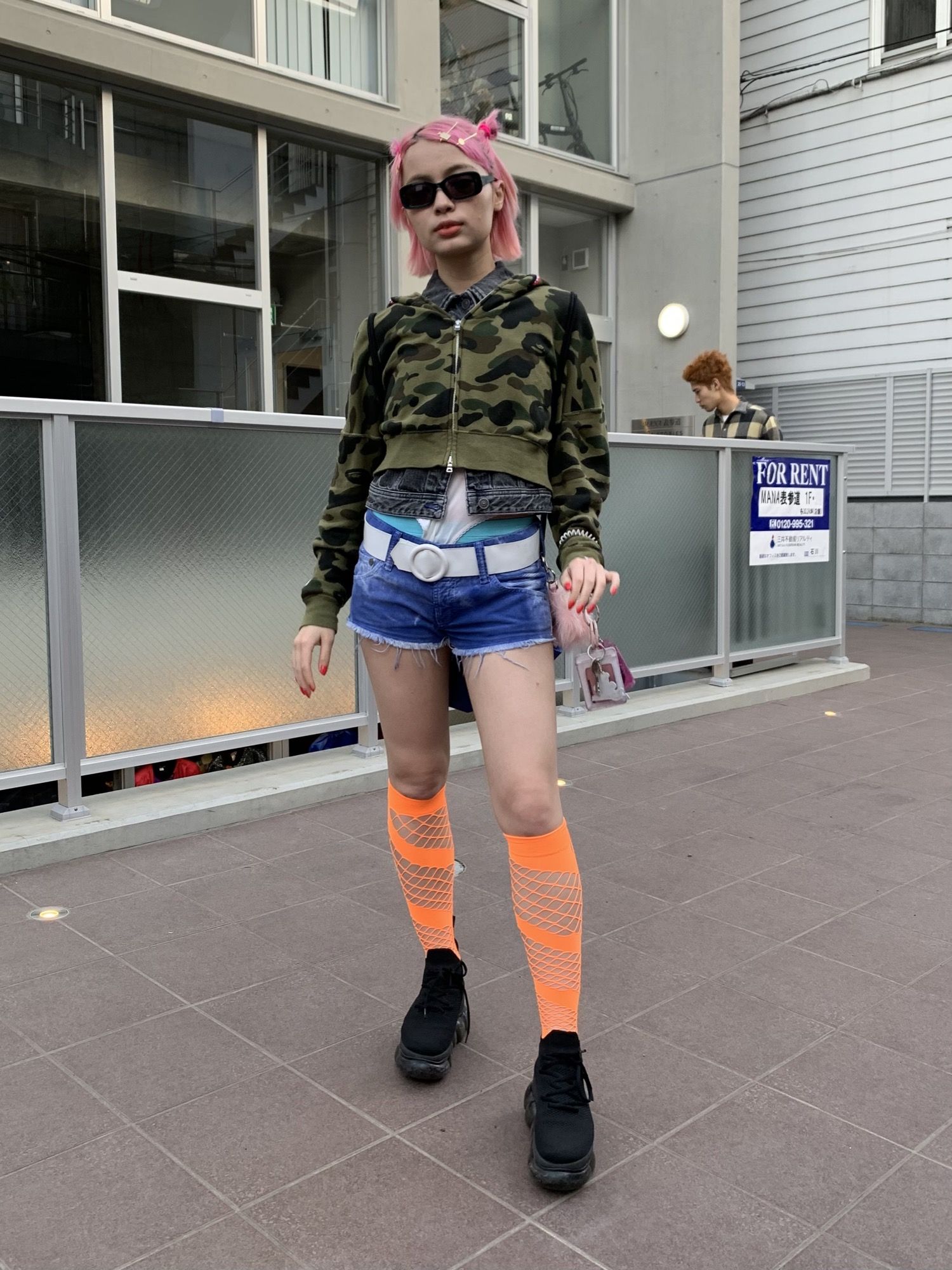
The latter event that solidified Ura-Hara as the hot spot was the opening of the legendary store NOWHERE in 1993. Opened by two Bunka Fashion College friends Jun "Jonio" Takahashi and "2GO" aka NIGO, the store stocked a young UNDERCOVER as well as pieces curated by NIGO. With the double meaning of "NO WHERE" and "NOW HERE", the store doesn't exist anymore but was a go-to location for people of the time. The above two events are most commonly referred to as the official start of the Ura-Hara era. But it didn't mean streetwear didn't exist in Japan before. Brands like Stüssy and Anarchic Adjustment had already made their way into Japan, and there were also Japanese brands like TAR (Tokyo Air Runners) that were worn in the streets as well. And even after GOODENOUGH and NOWHERE, there are countless brands, shops, and people who left a big footprint on the street scene. HECTIC by Yoshifumi "YOPPI" Egawa, NEIGHBORHOOD by Shinsuke Takizawa, WTAPS by Tetsu "TET" Nishiyama, SOTQ by Kimihisa Senju, the list goes on forever. When the above names shone, naturally so did the streets. People would find their own style, whether it was American-vintage-inspired NEIGHBORHOOD pieces, flashy hip hop style BAPE, or earth-toned military style WTAPS, people were pairing them in ways never seen before. The Ura-Hara era truly was one of the most diverse scenes of all time, and it doesn't take long to realize that when you check out some old magazines like "asayan" or "FRUITS". You'll be able to see what people of almost every fashion tribe were wearing.
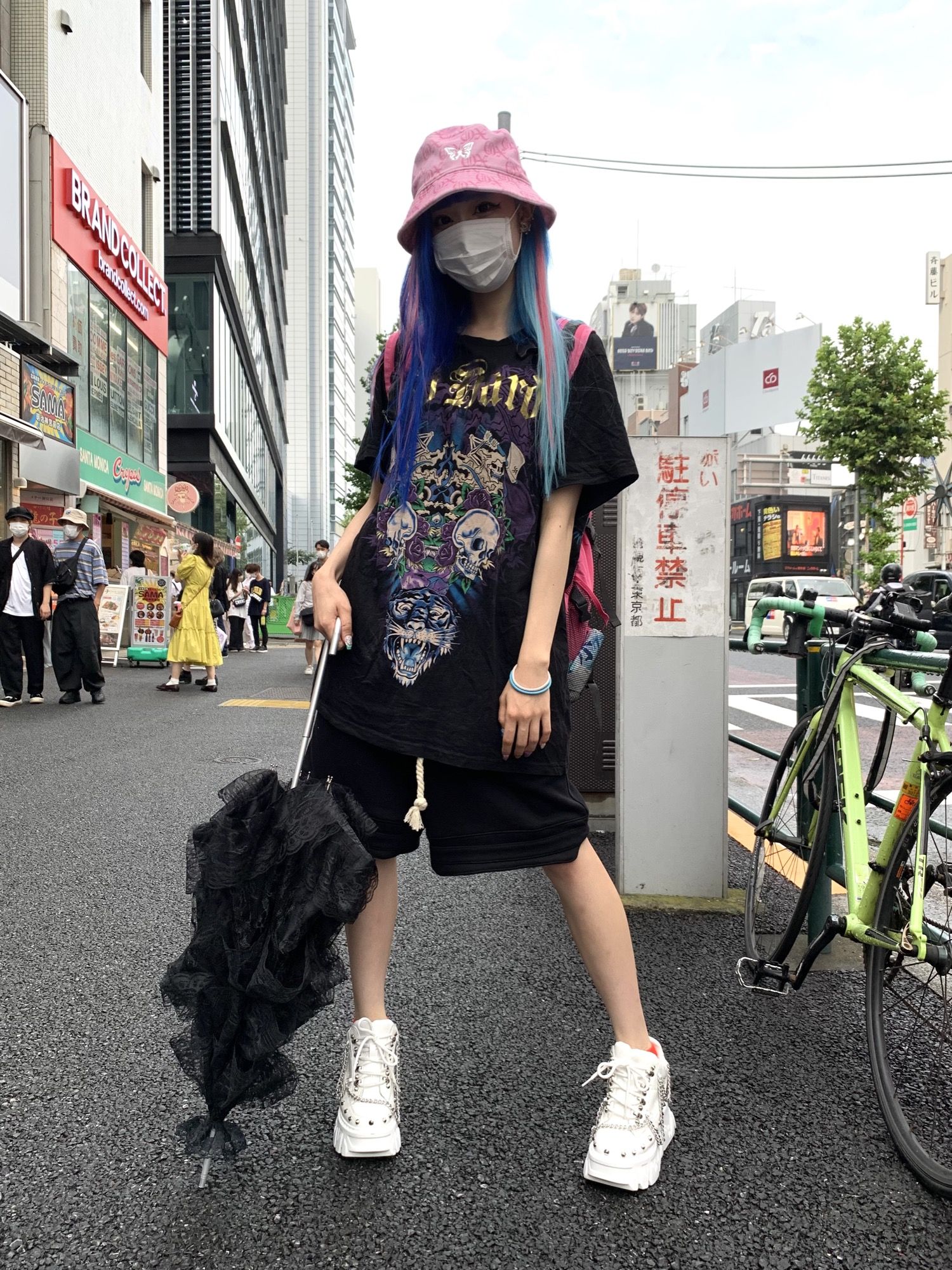
But all good things must come to an end, and that was no exception for the Ura-Hara era. The now-legendary brands that were birthed back then naturally were getting bigger and bigger, and so did their playing fields. From Ura-Hara to the world they expanded, making not just Ura-Hara the center of it all, but Tokyo as a whole. "Kawaii" styles became much more popular during the late 90s and early 00s due to artists like Namie Amuro introducing a new aesthetic & way to dress, one of the origins of what we now call Y2K style. Once the clock ticked past the year 2000, more and more "select" stores (think stores like BEAMS) began to open near the Jinnan area, making it another fashion hotspot. From BEAMS, Supreme Shibuya, Rag Tag, and more, the Jinnan area is a melting pot of streetwear.
by Shoichi Aoki
by Shoichi Aoki
by Shoichi Aoki
by Shoichi Aoki
by Shoichi Aoki
by Shoichi Aoki
by Shoichi Aoki
by Shoichi Aoki
by Shoichi Aoki
by Shoichi Aoki
by Shoichi Aoki
by Shoichi Aoki
by Shoichi Aoki
by Shoichi Aoki
by Shoichi Aoki
by Tanase
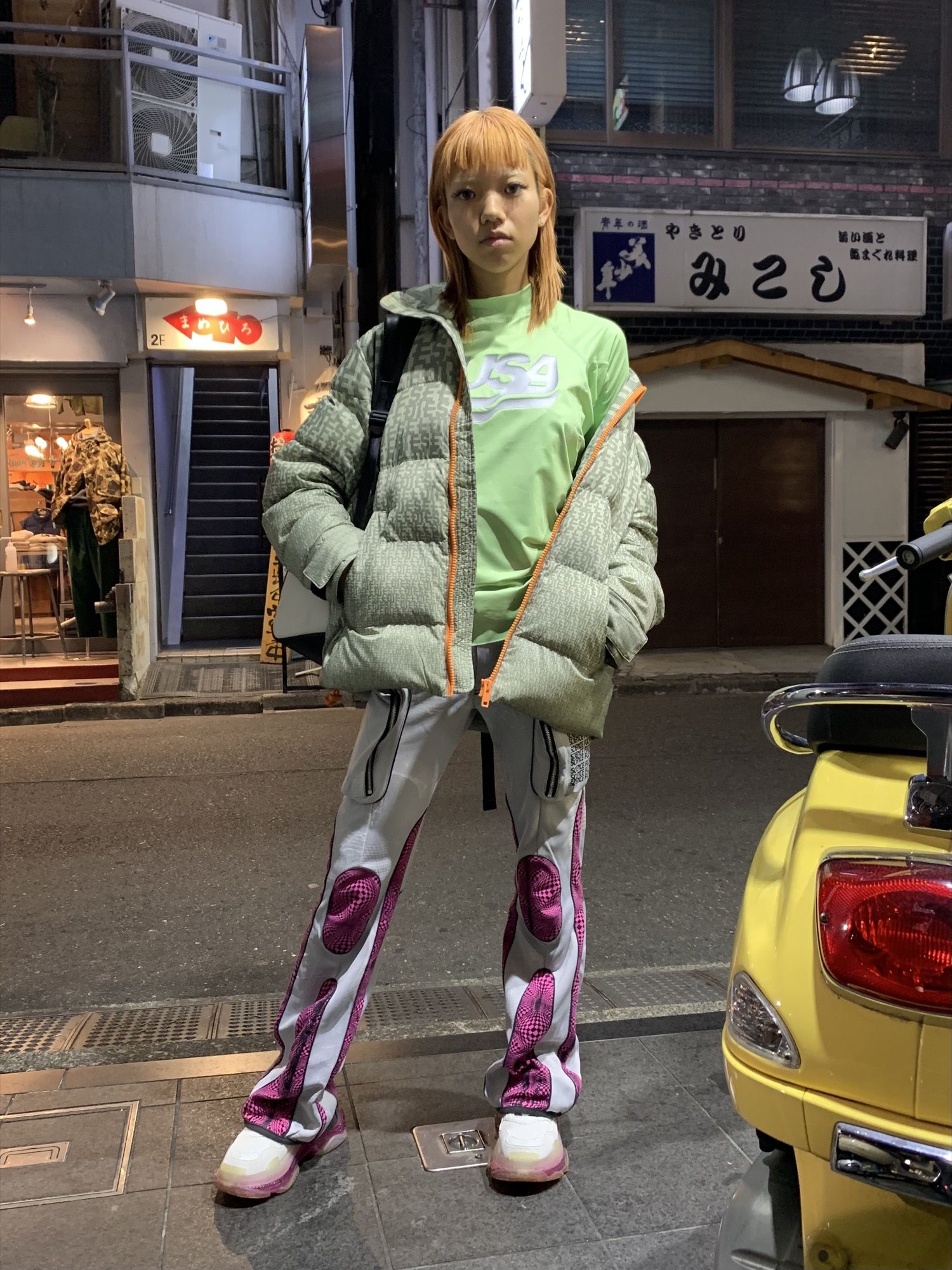
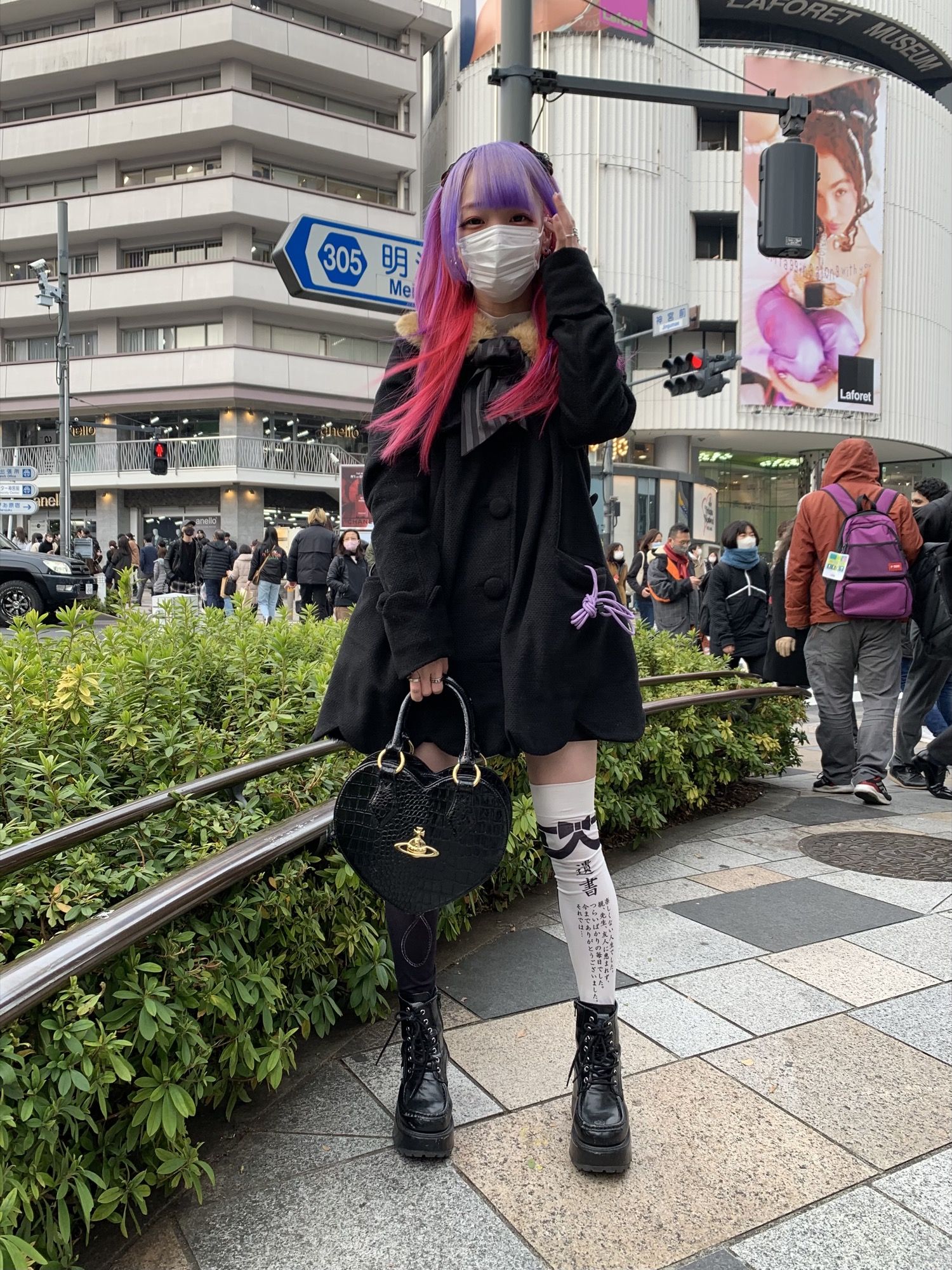
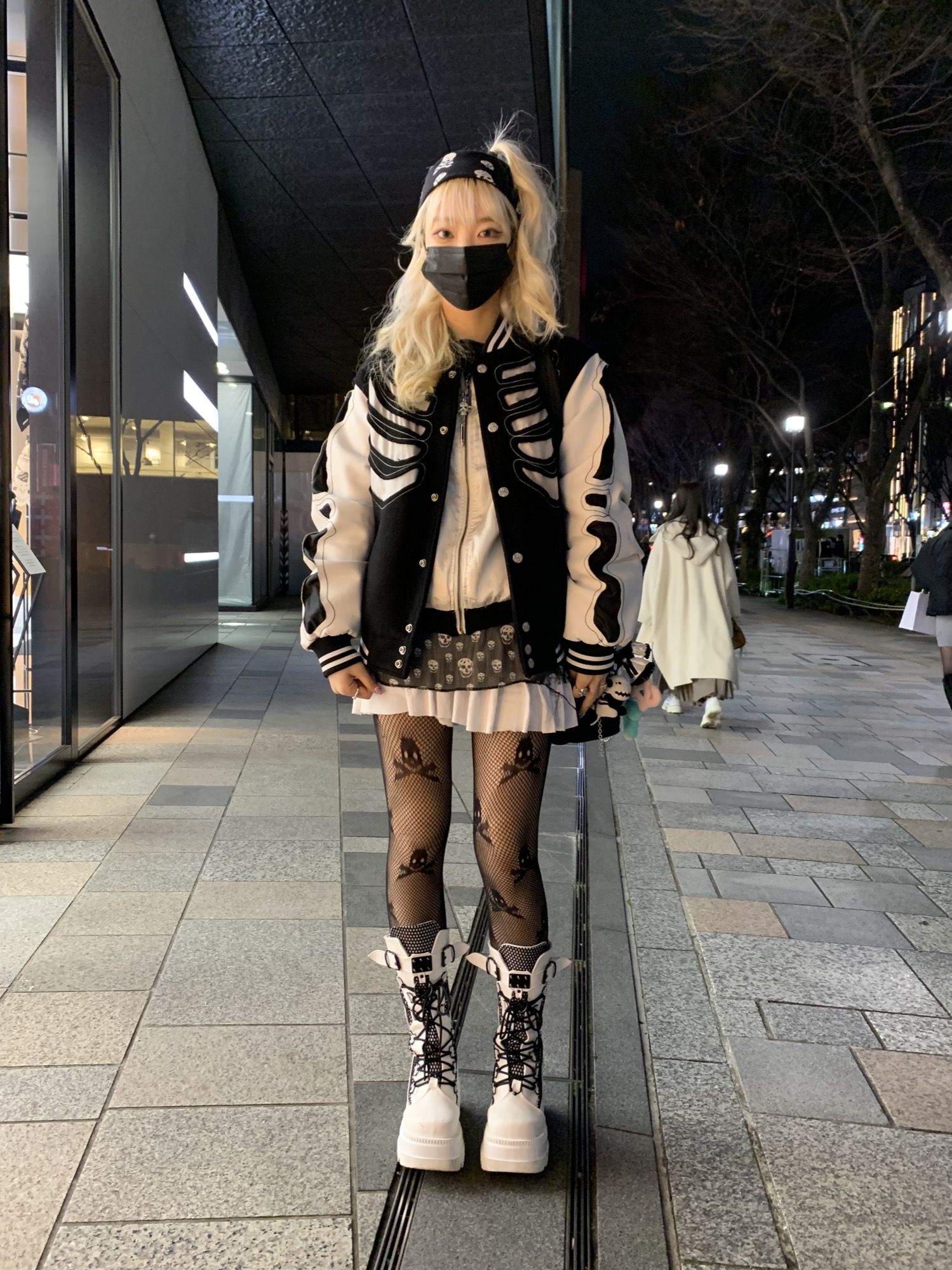
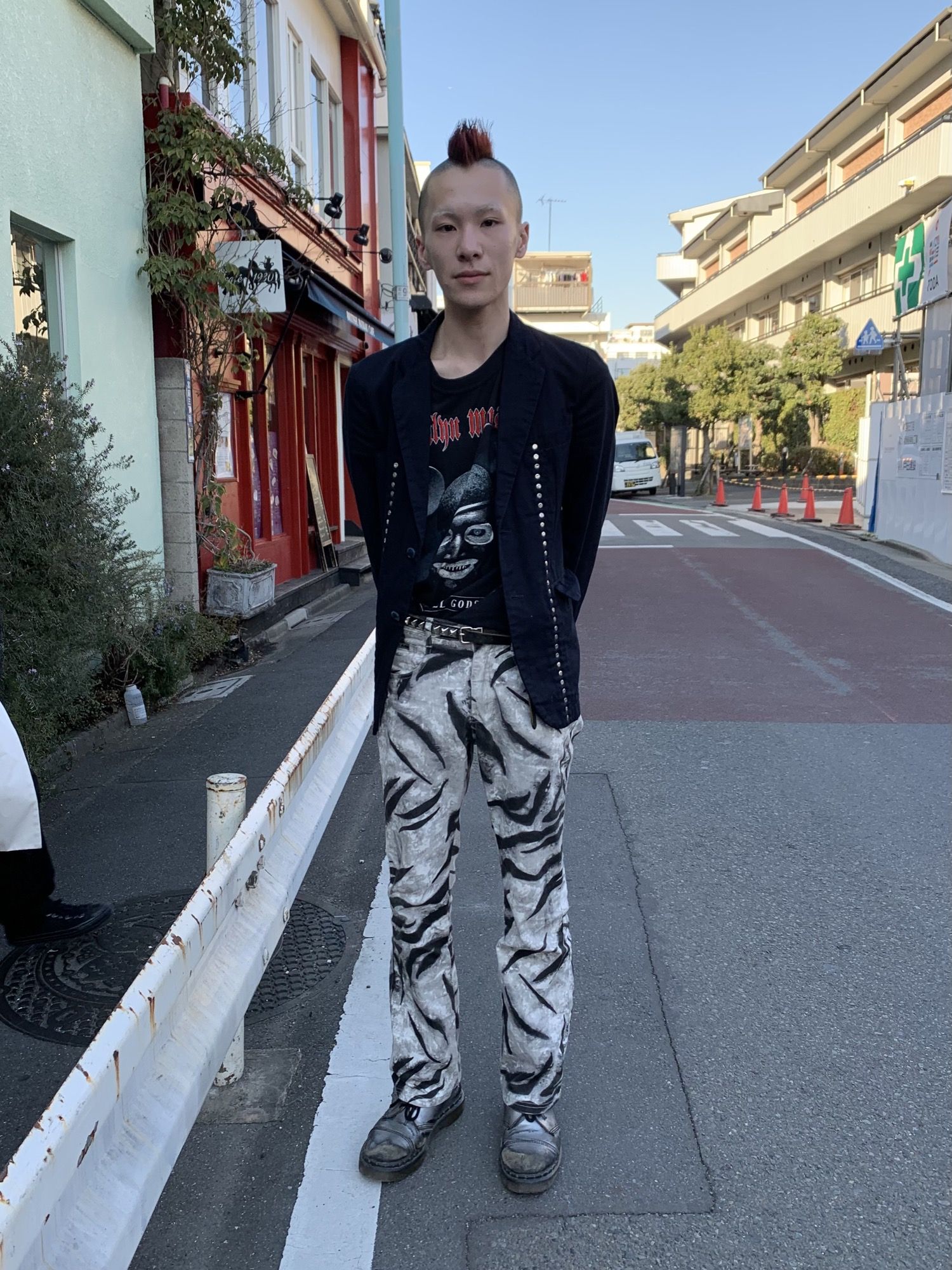
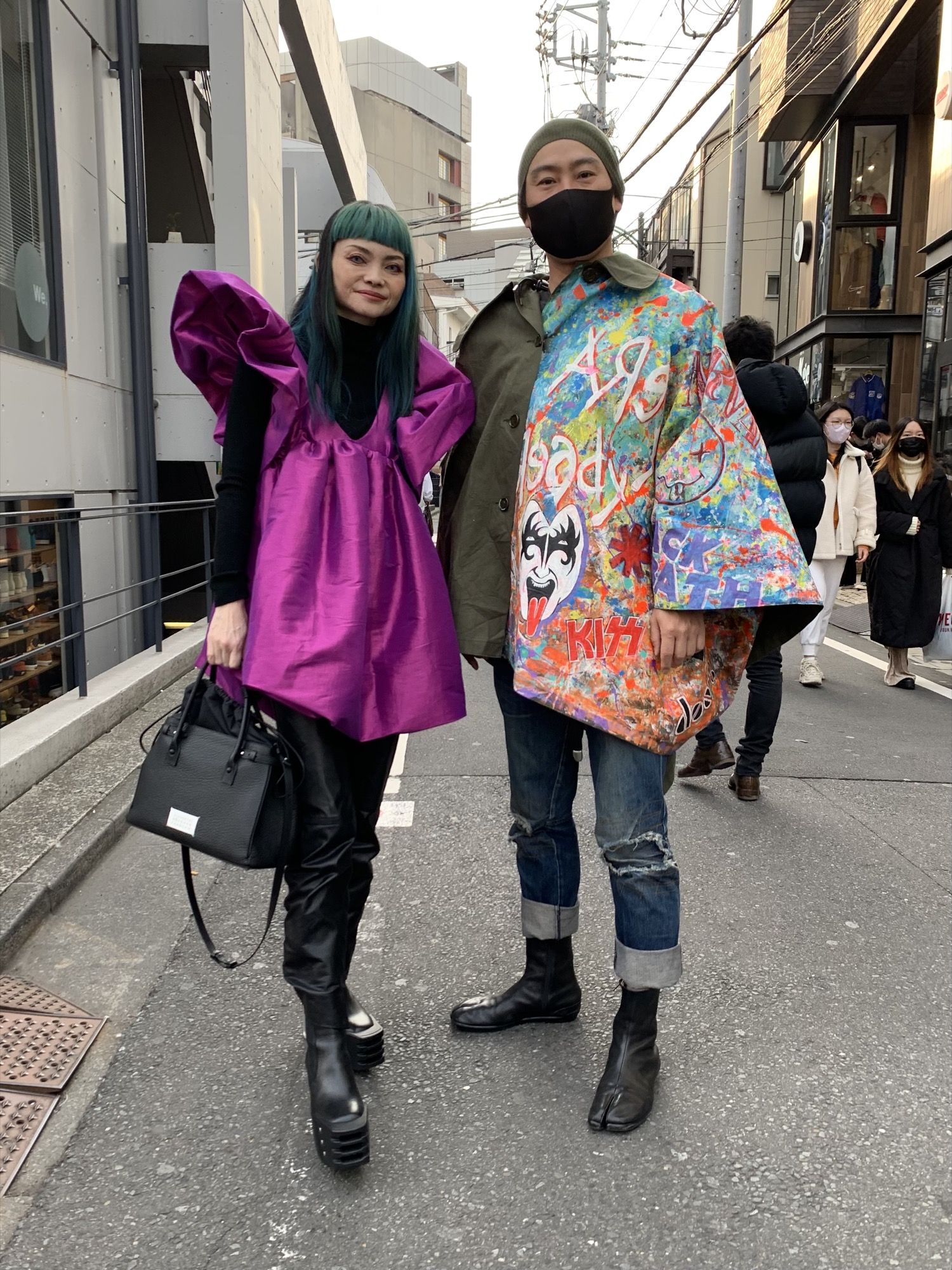
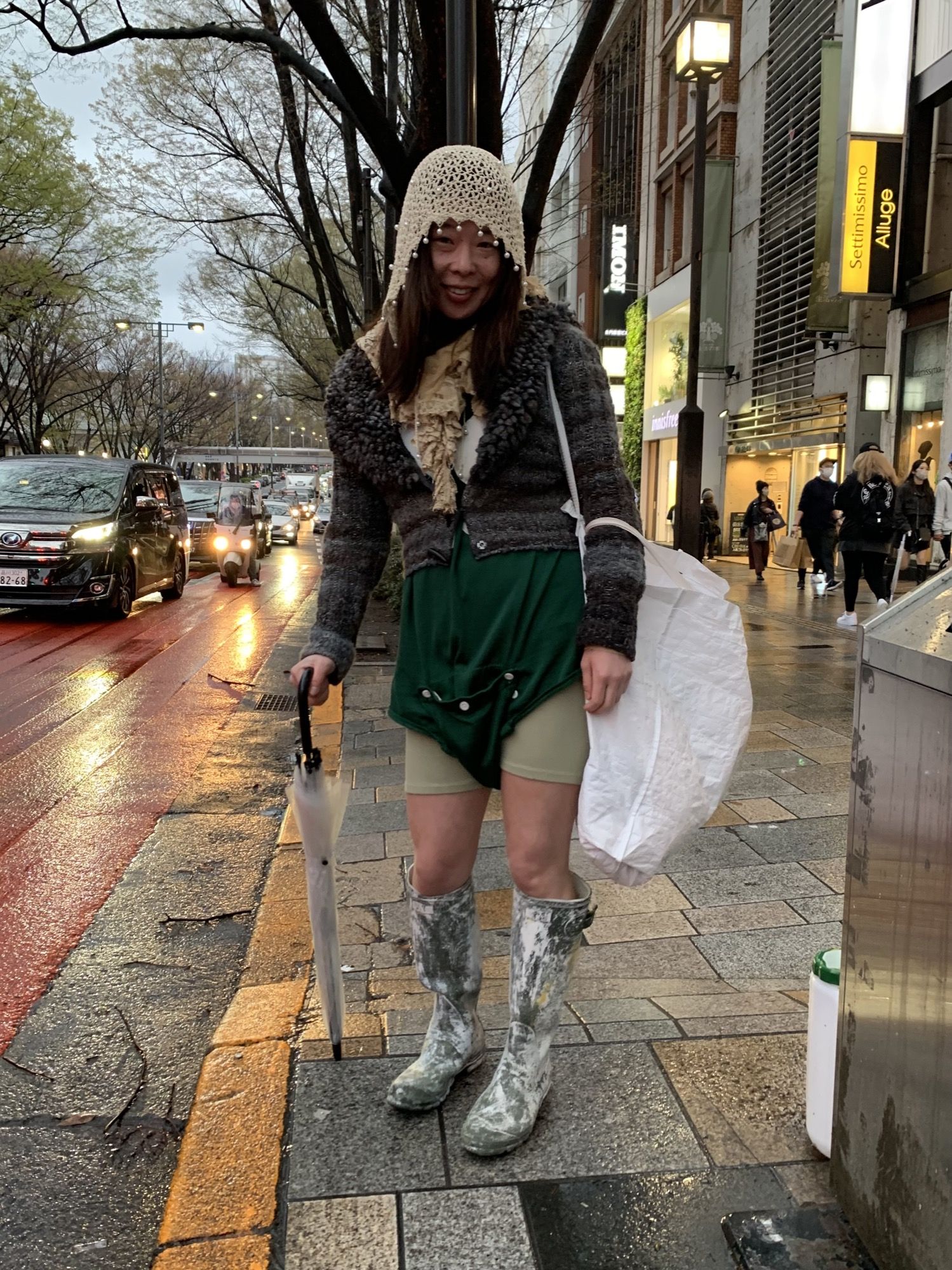
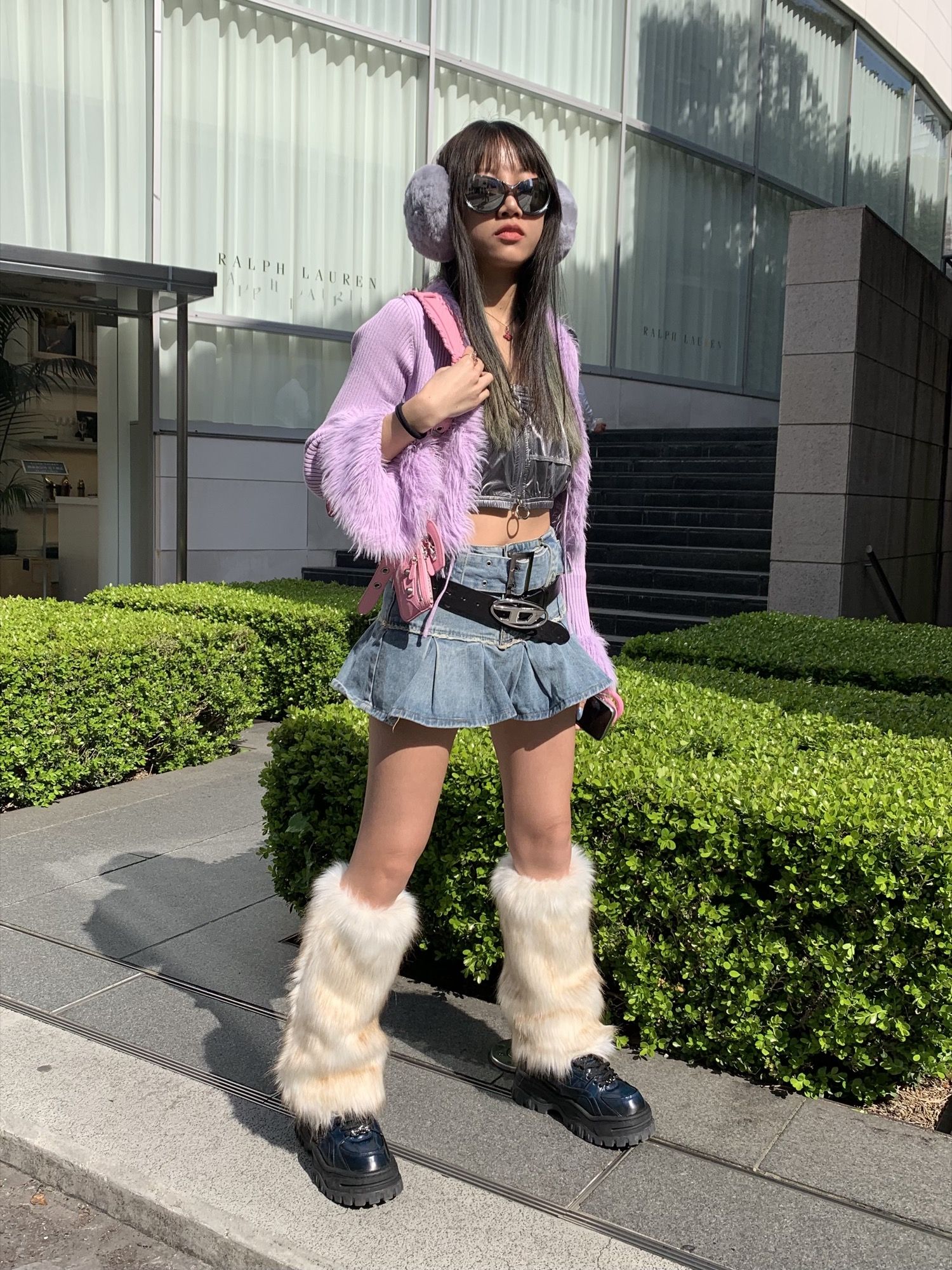
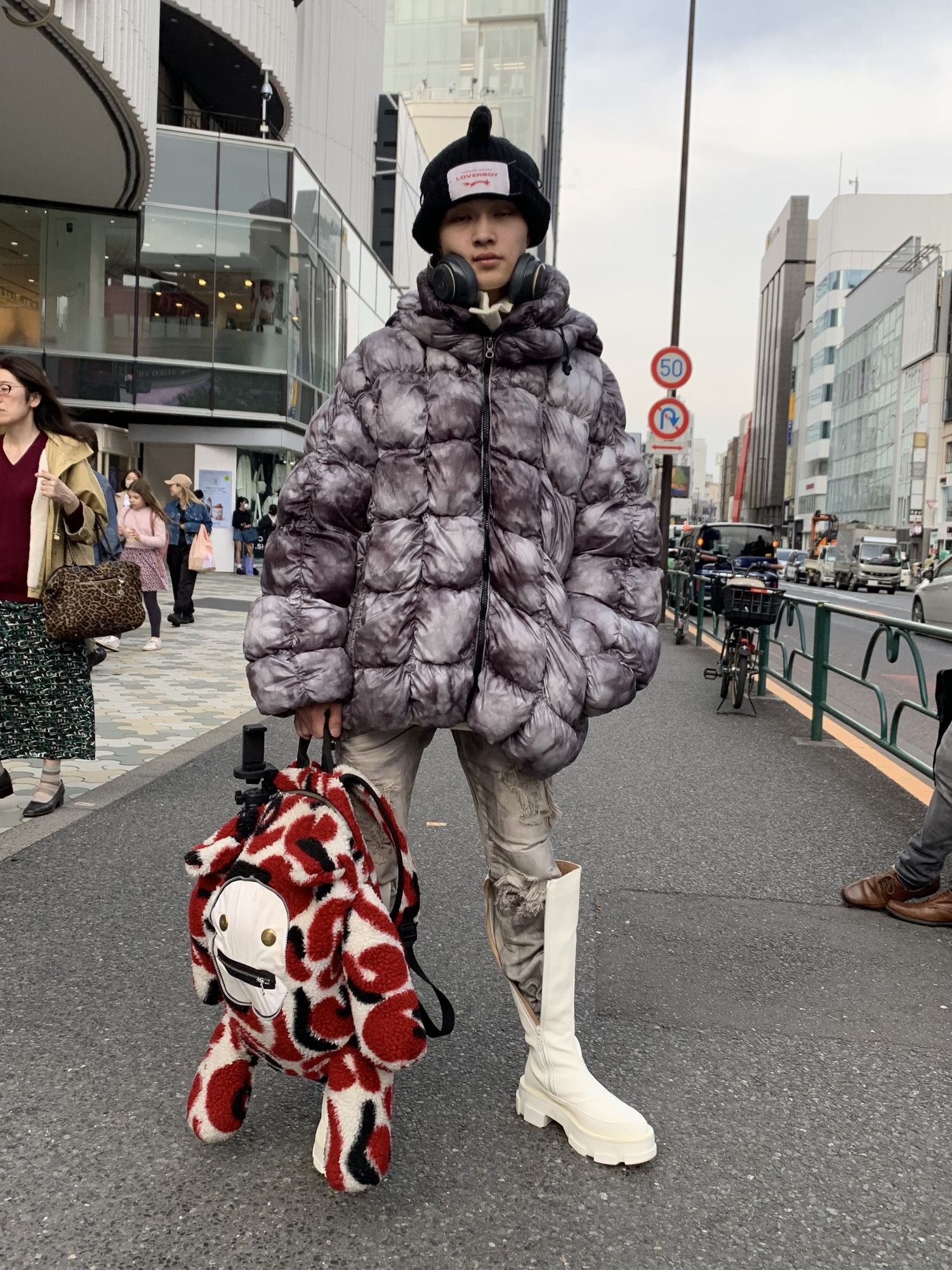
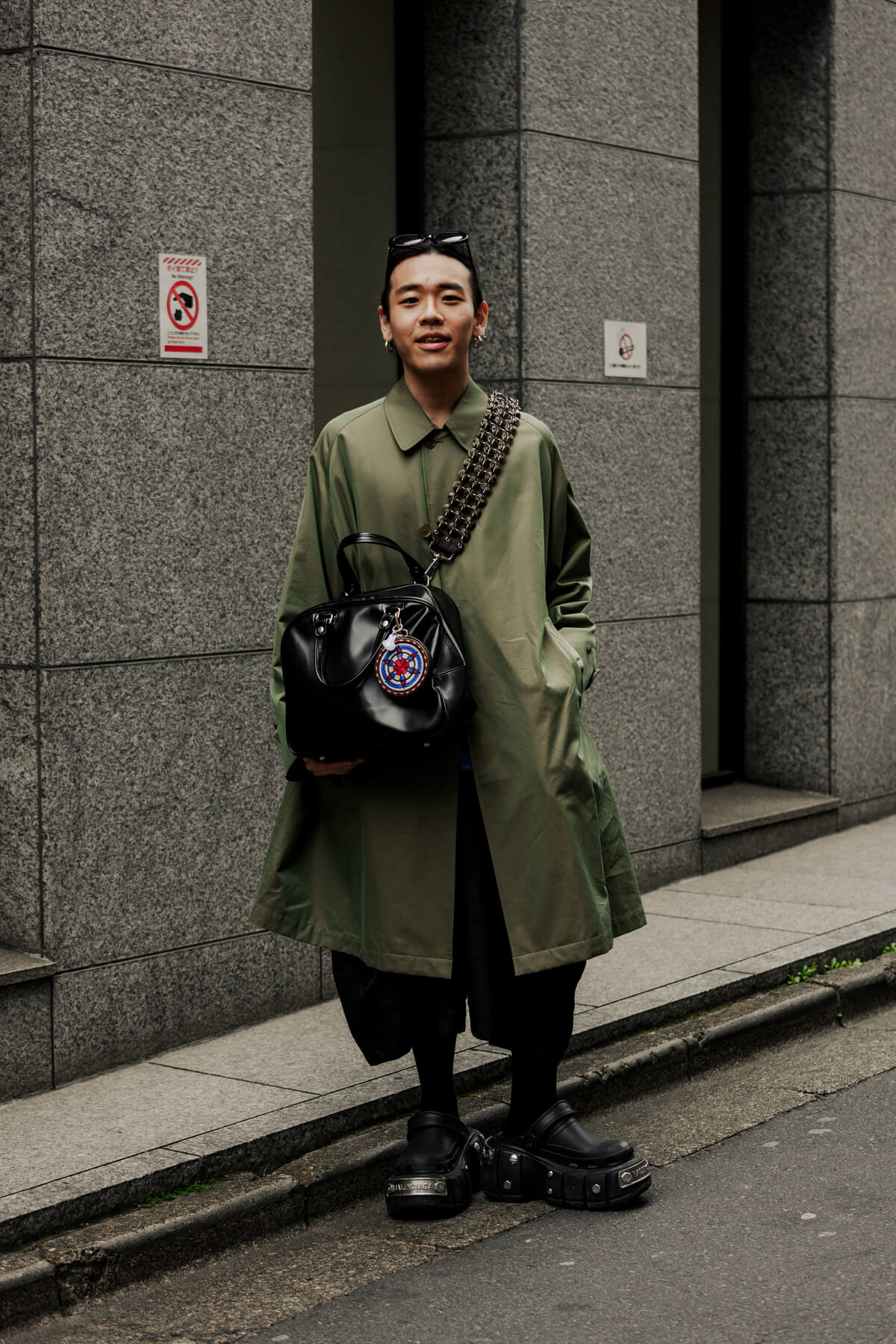
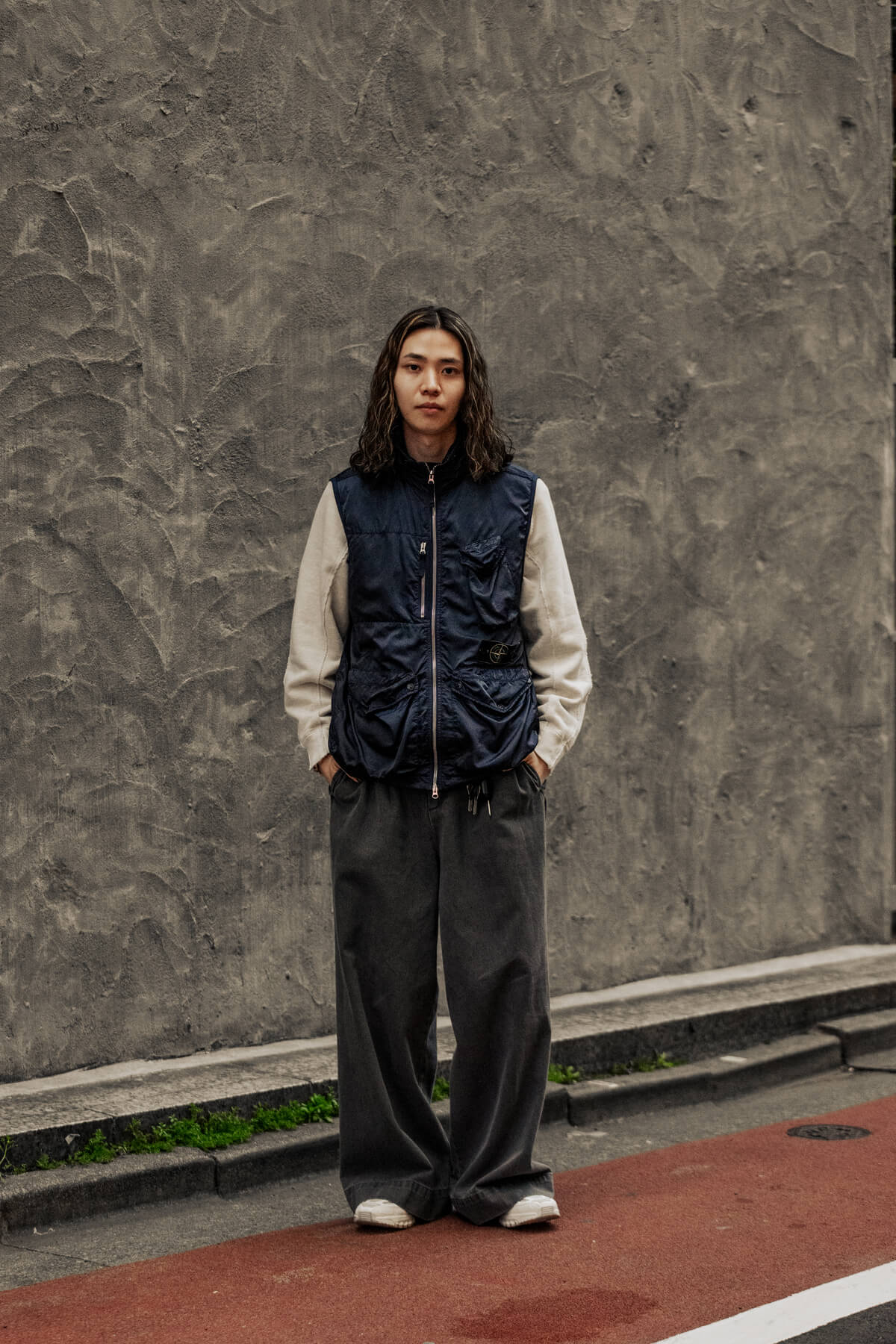
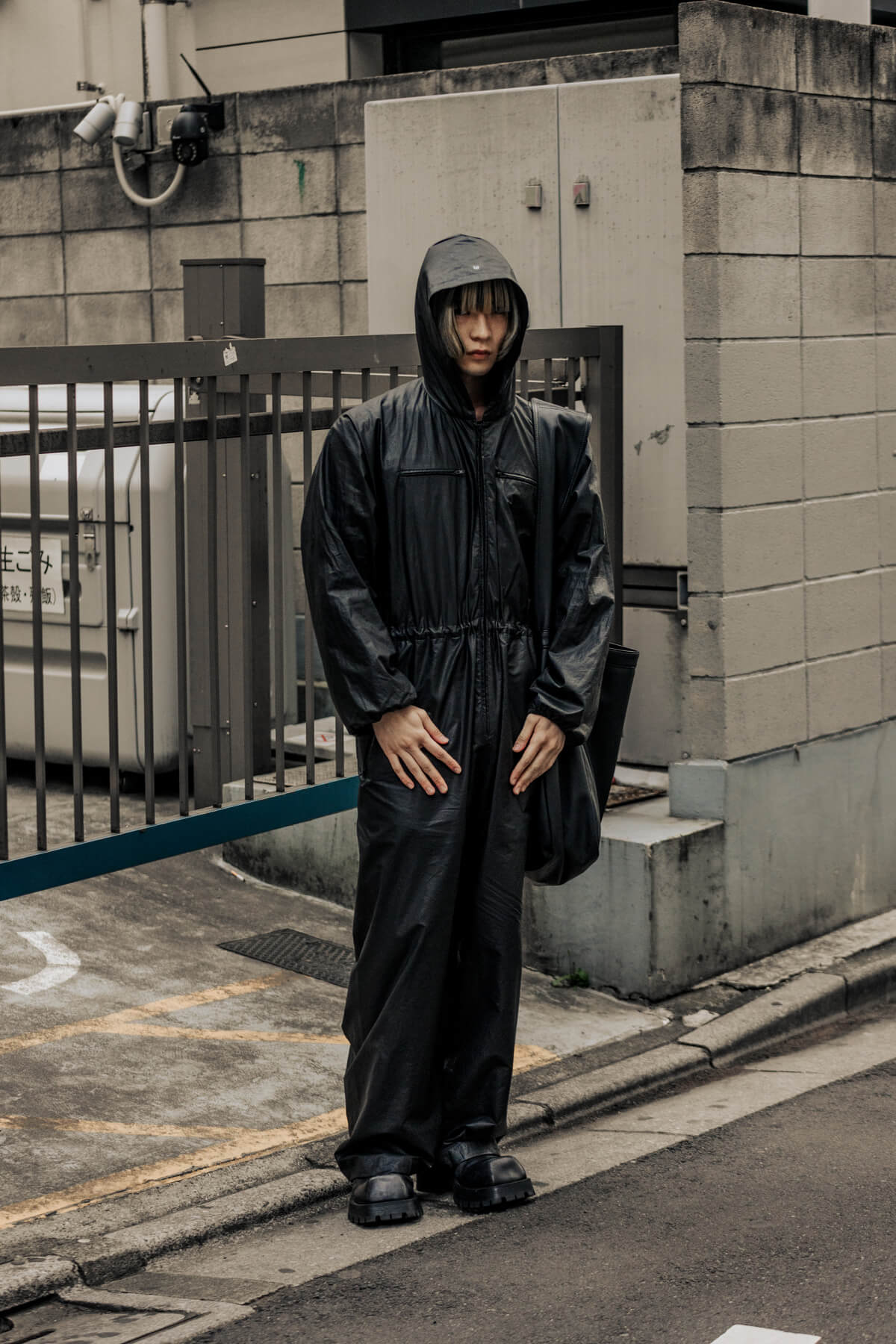
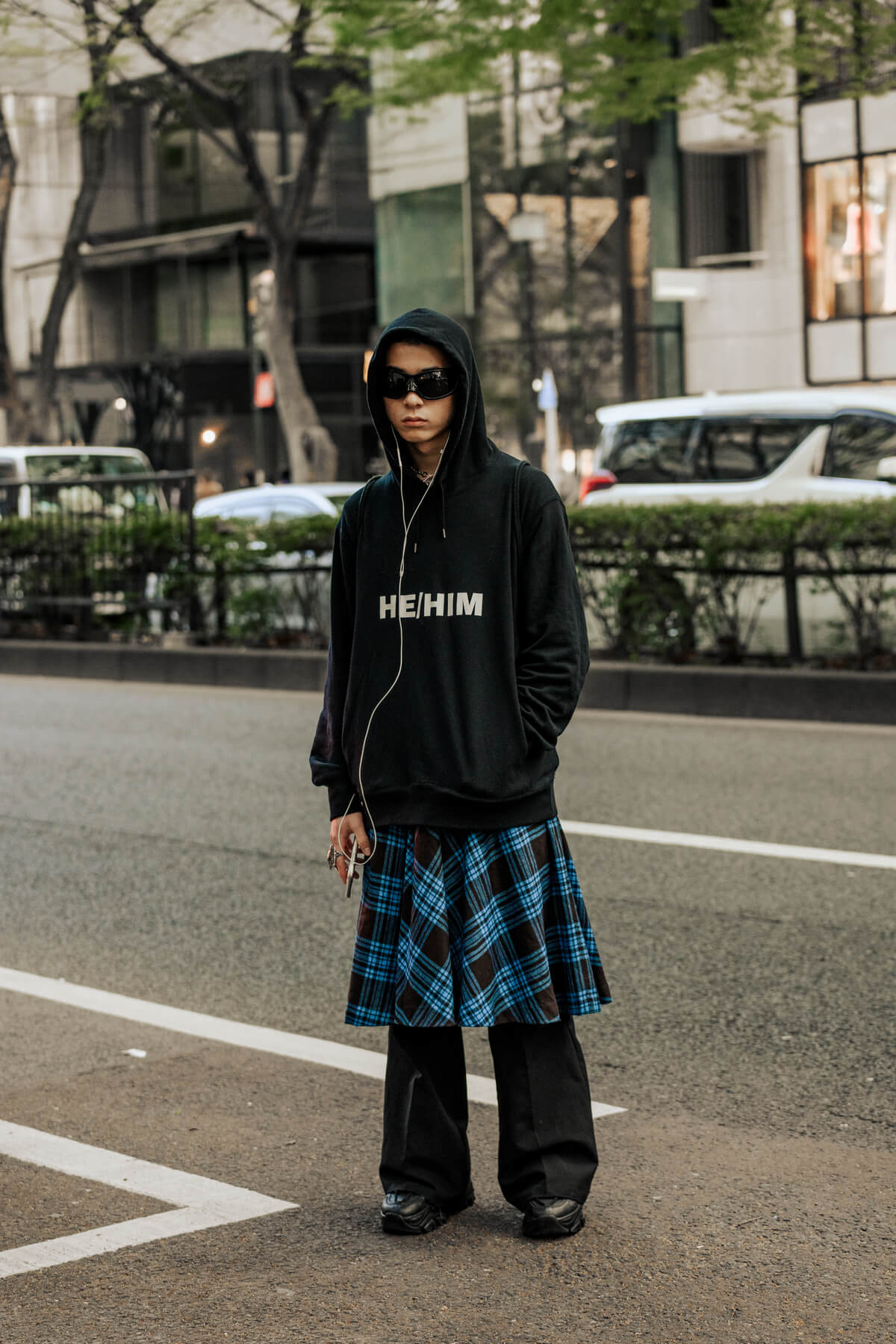
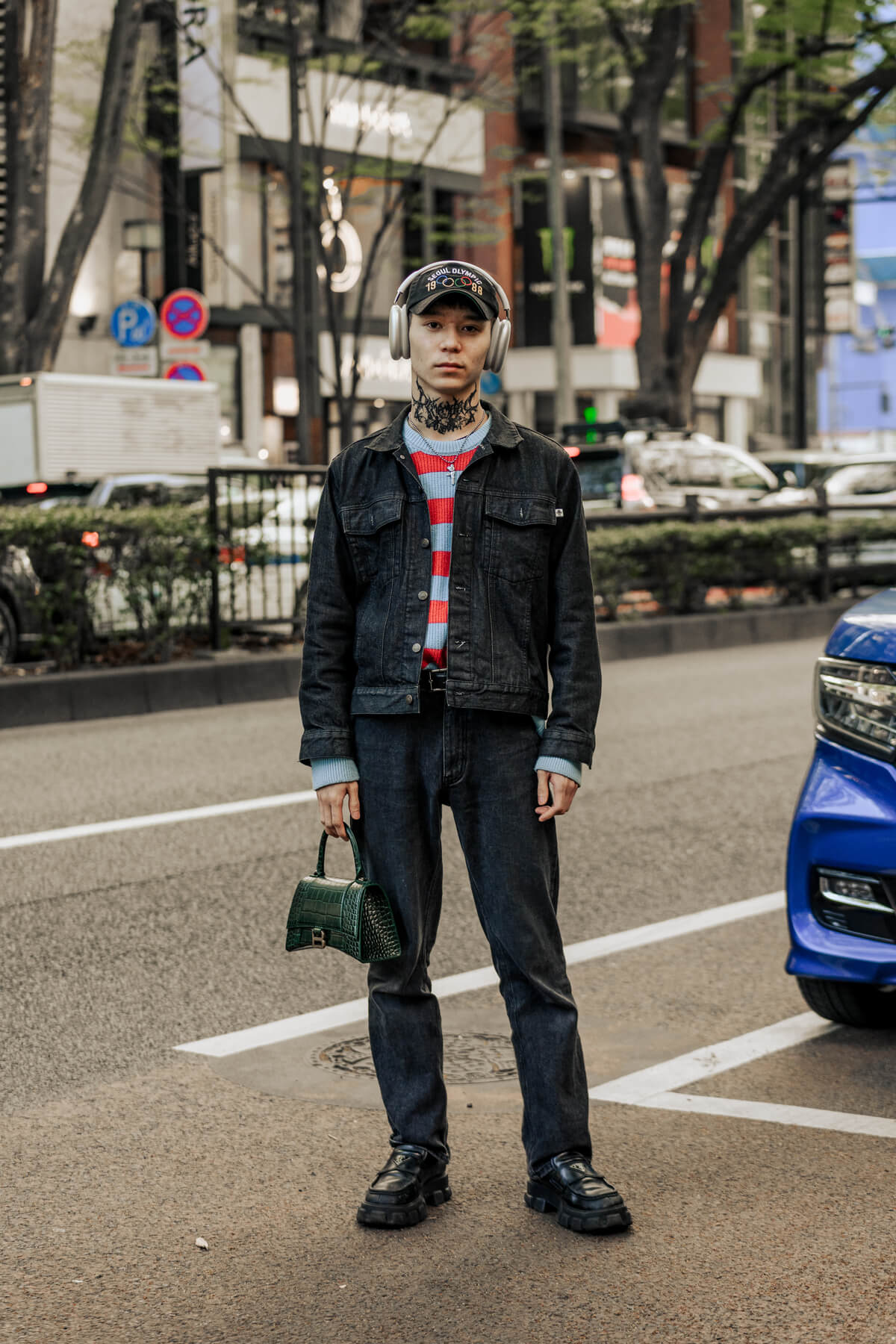
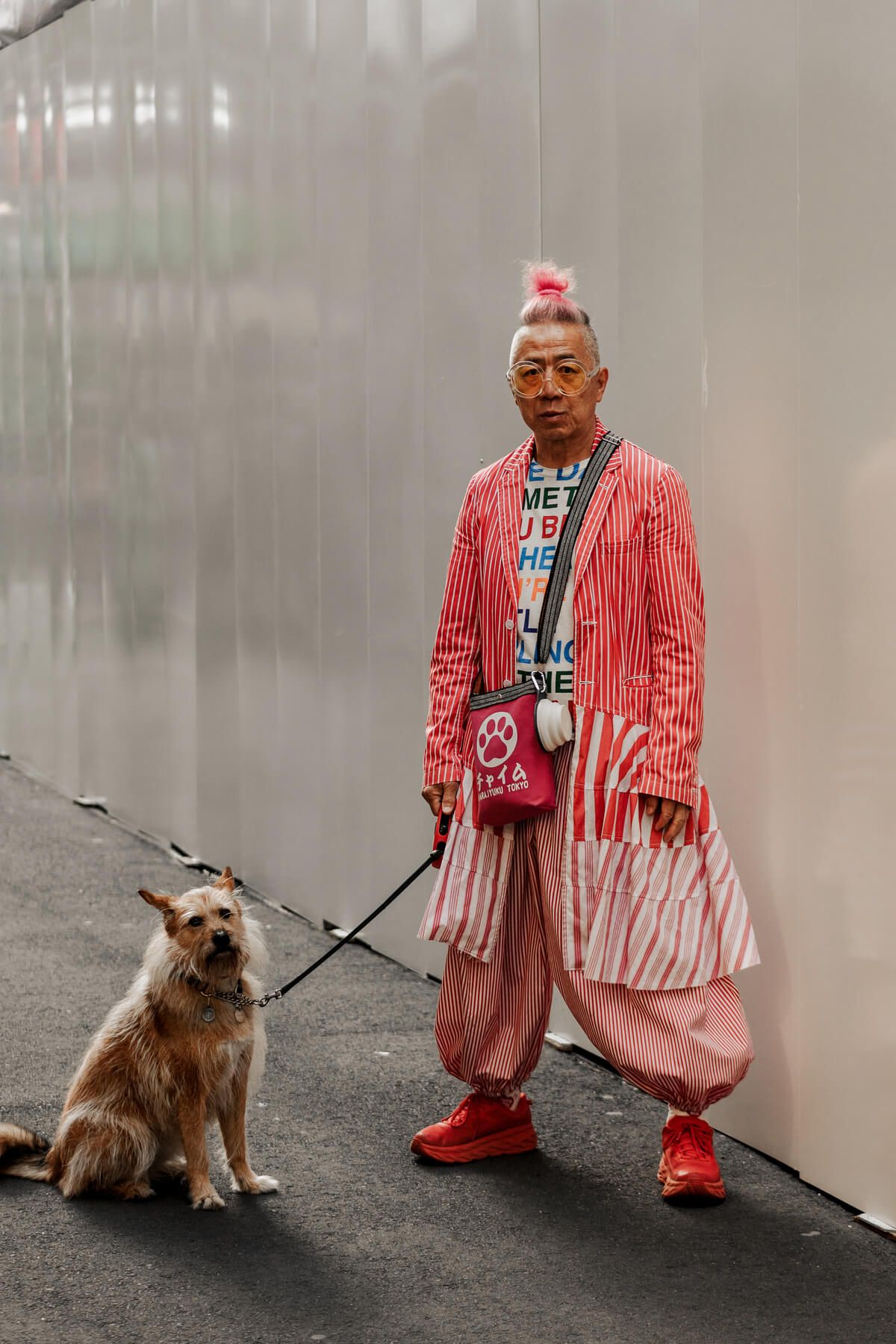
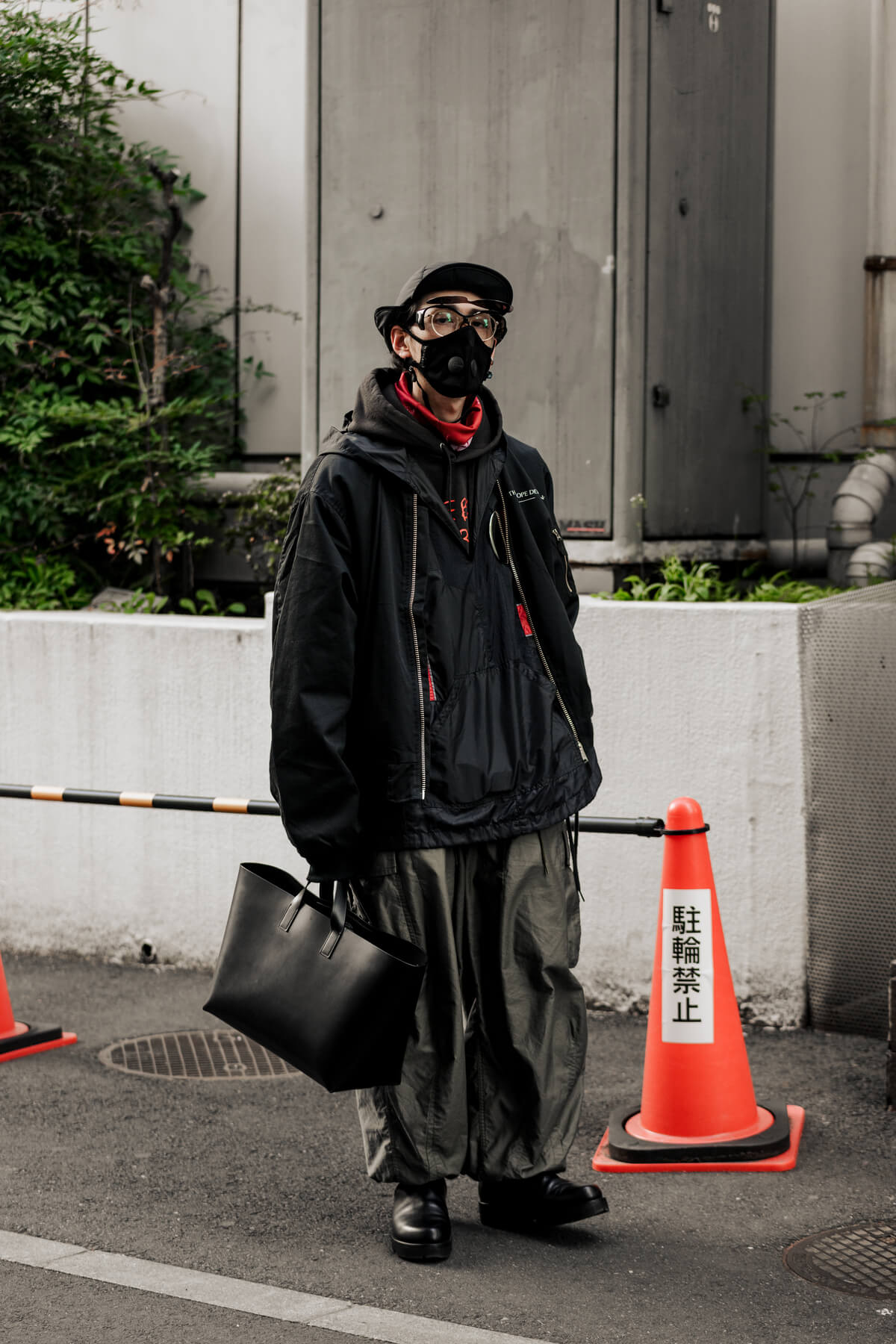
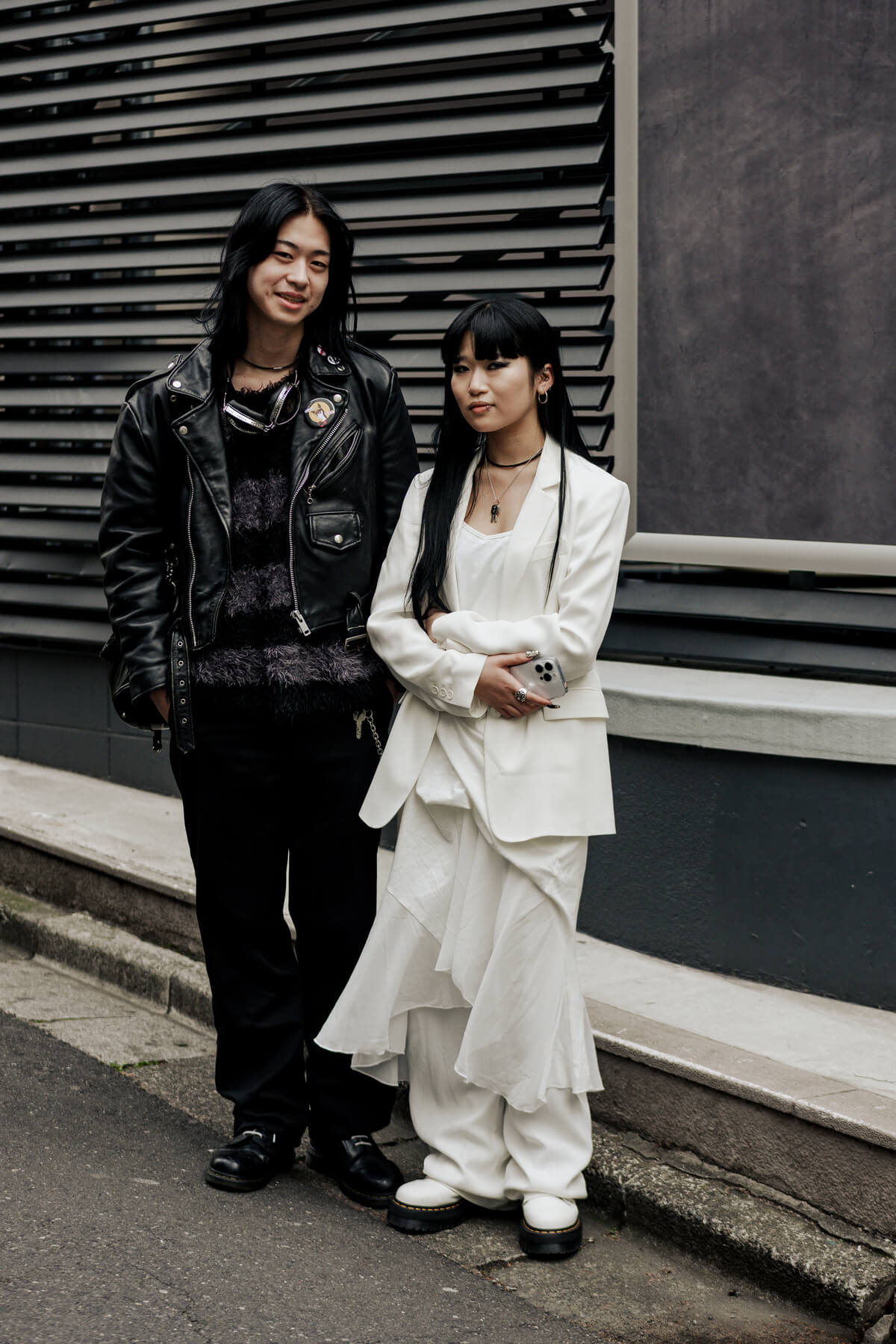
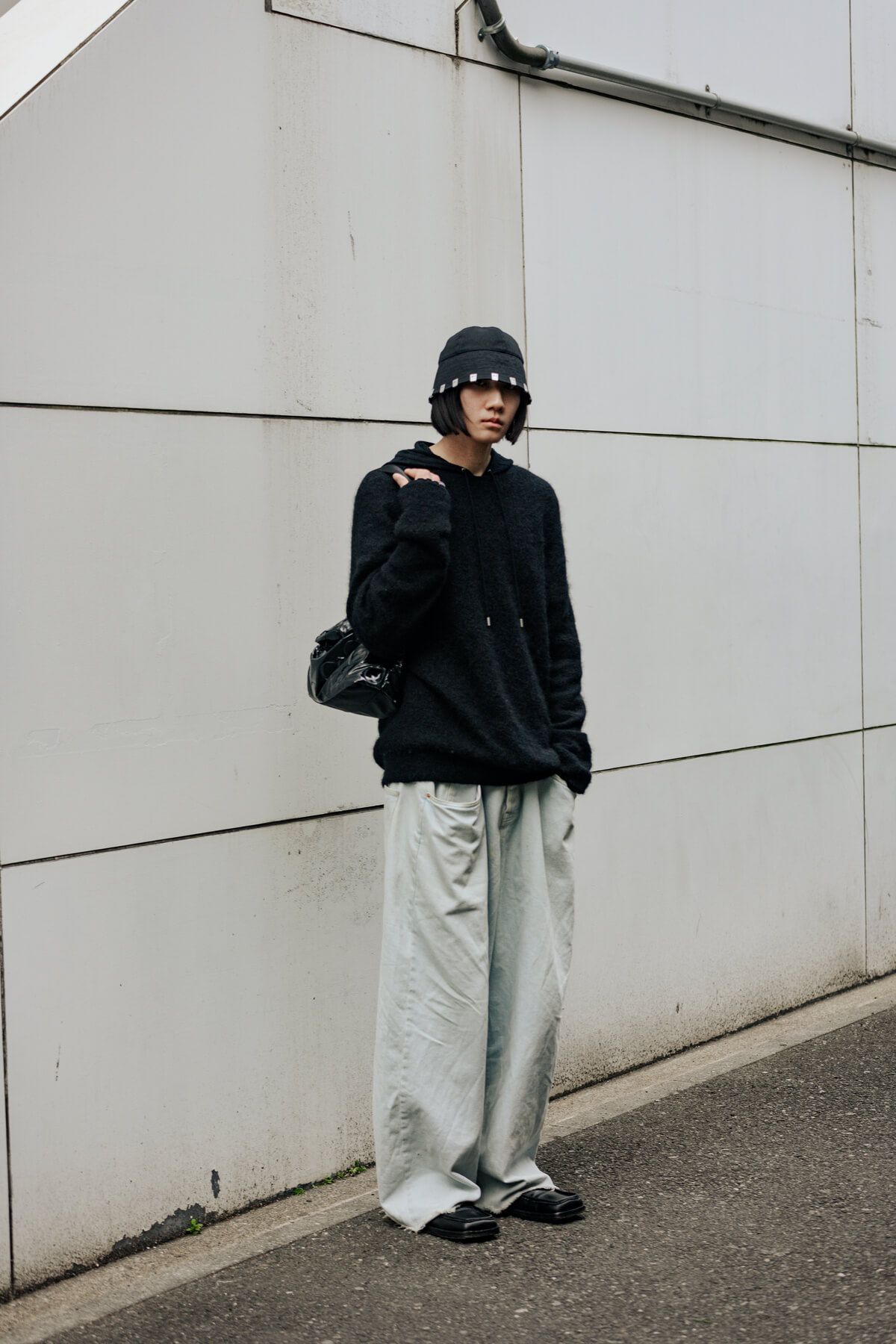
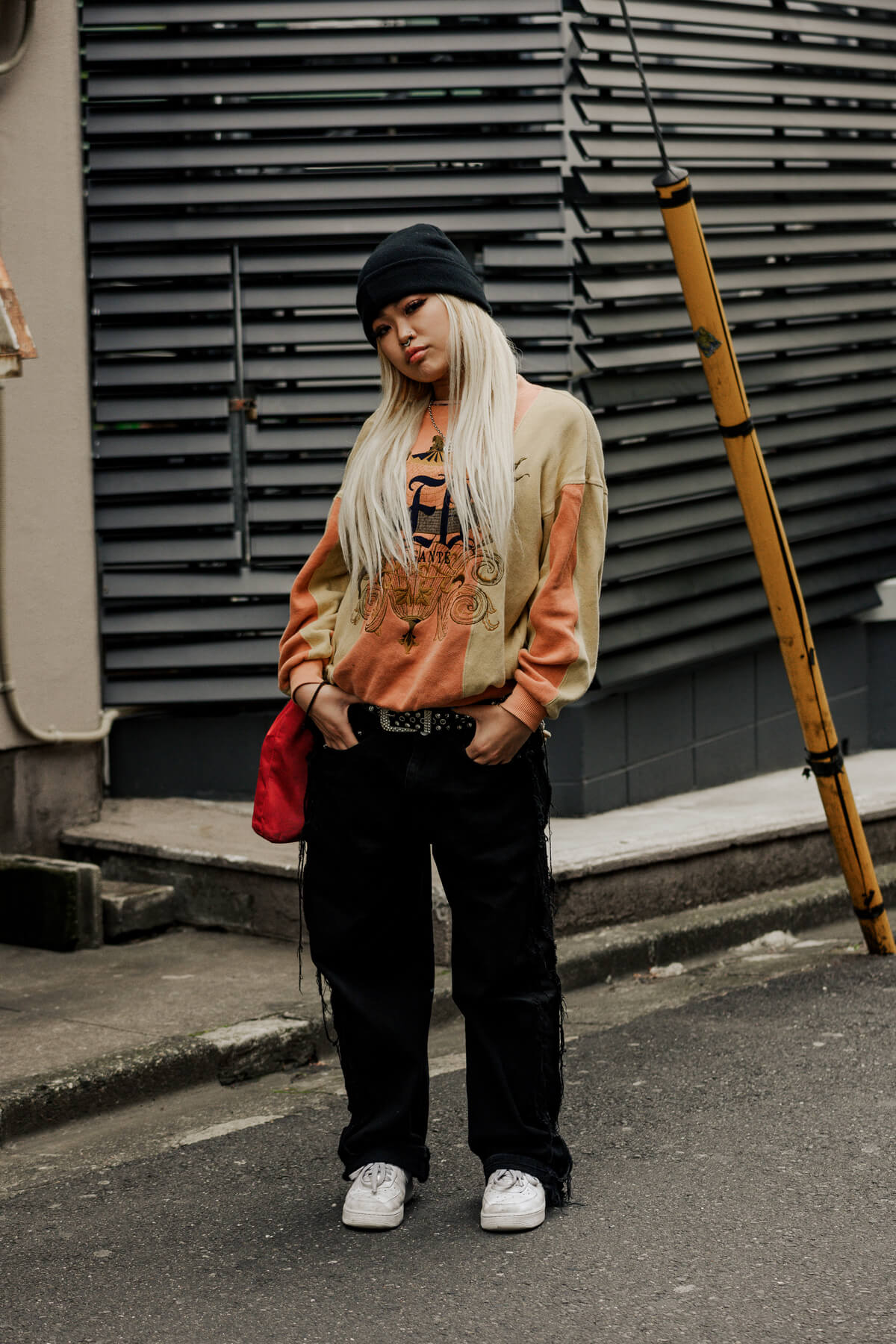
Something that also changed in the 00s was the reintroduction of high fashion & designer clothing, most notably Hedi Slimane's appointment as creative director of Dior back in FW01. Jeans became skinnier, coats became longer, and tones became darker. This trend would not only impact the fashion-nerds but also fast fashion as it would slowly begin to lean towards this direction and become bigger than ever. Once the 2010s hit, fashion in Japan & Tokyo began exceeding fashion. After the tragic earthquake on 3.11 of 2011, people began to rethink their lifestyle & way of life, and many people started to wear clothing not just to look cool, but as a means of life and an expression of themselves. Fashion began to shift more and more into smaller categories or "tribes", like Koenji known for its music culture, or Akihabara known for its hobby culture. But along with the spread of social media, people didn't have to be in these specific locations to be a part of these tribes. Hence, nowadays you might see a young punk kid dressed in head-to-toe Vivienne Westwood walking in the streets of the clean & elegant Aoyama neighborhood, or vice versa a "crow" (a fashion tribe of those who love brands like Yohji or CDG), walking through the toy-filled Nakano Broadway. Tokyo today is quite possibly the biggest mash-up of cultures when it comes to fashion. Starting in the small streets of Ura-Hara and expanding through all the things mentioned above (plus tons of things we can't fit into this article), there is a reason why Tokyo became what it is today. The city keeps changing, and with new things and technology being introduced every day, who knows where Tokyo will be in 5, 10, or 20 years? We'll only have to find out.


