






























London by Adelaide Guerisoli
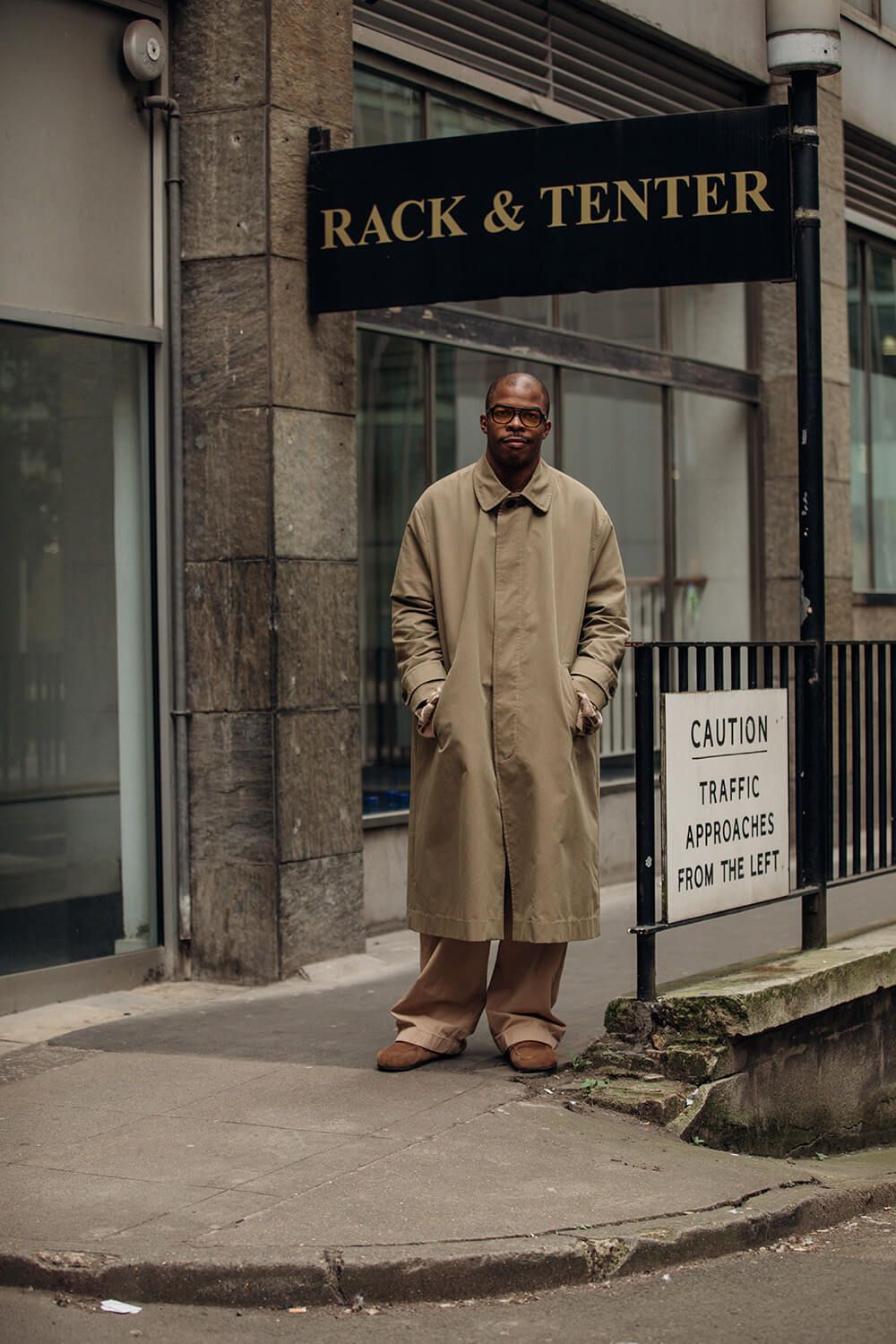
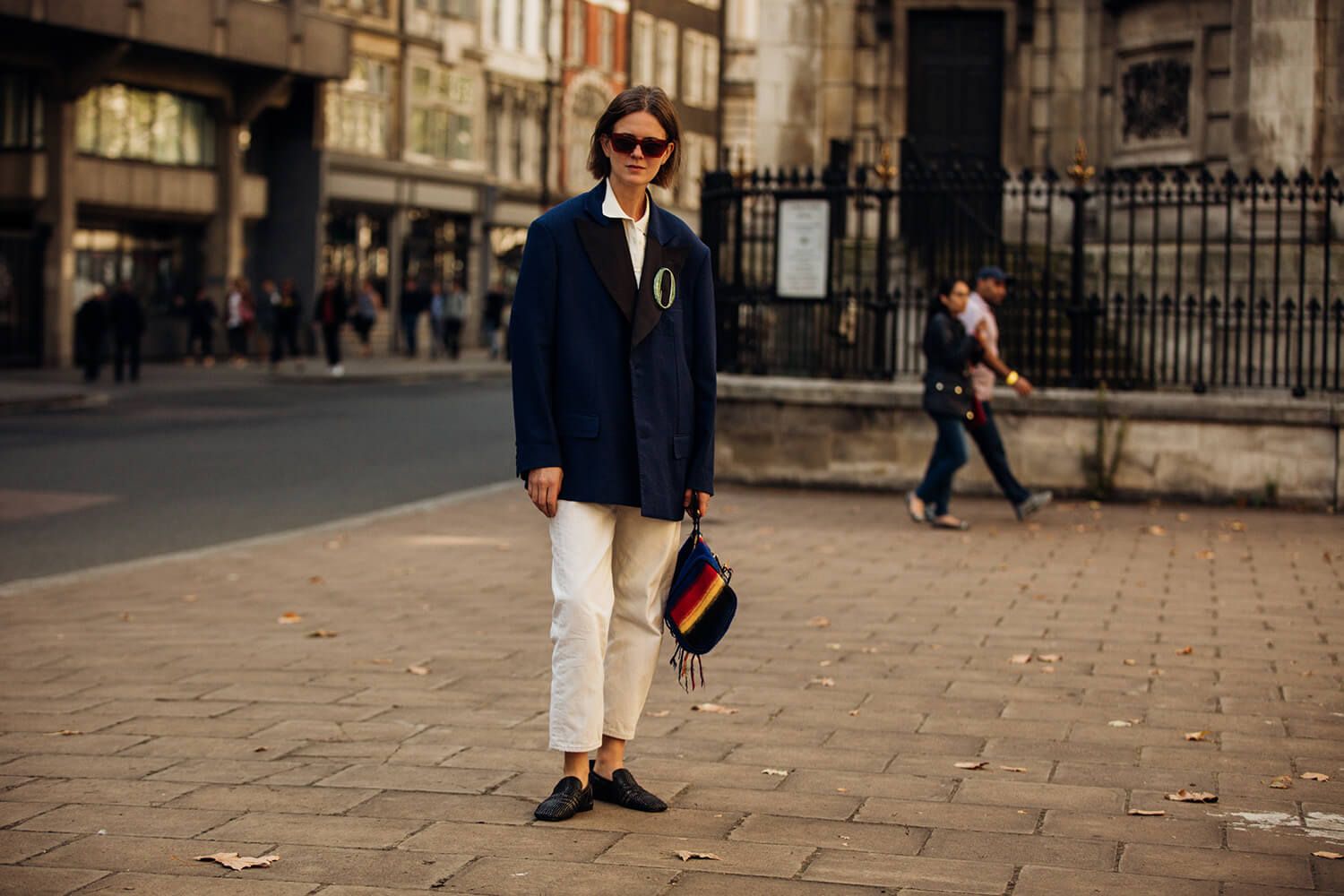
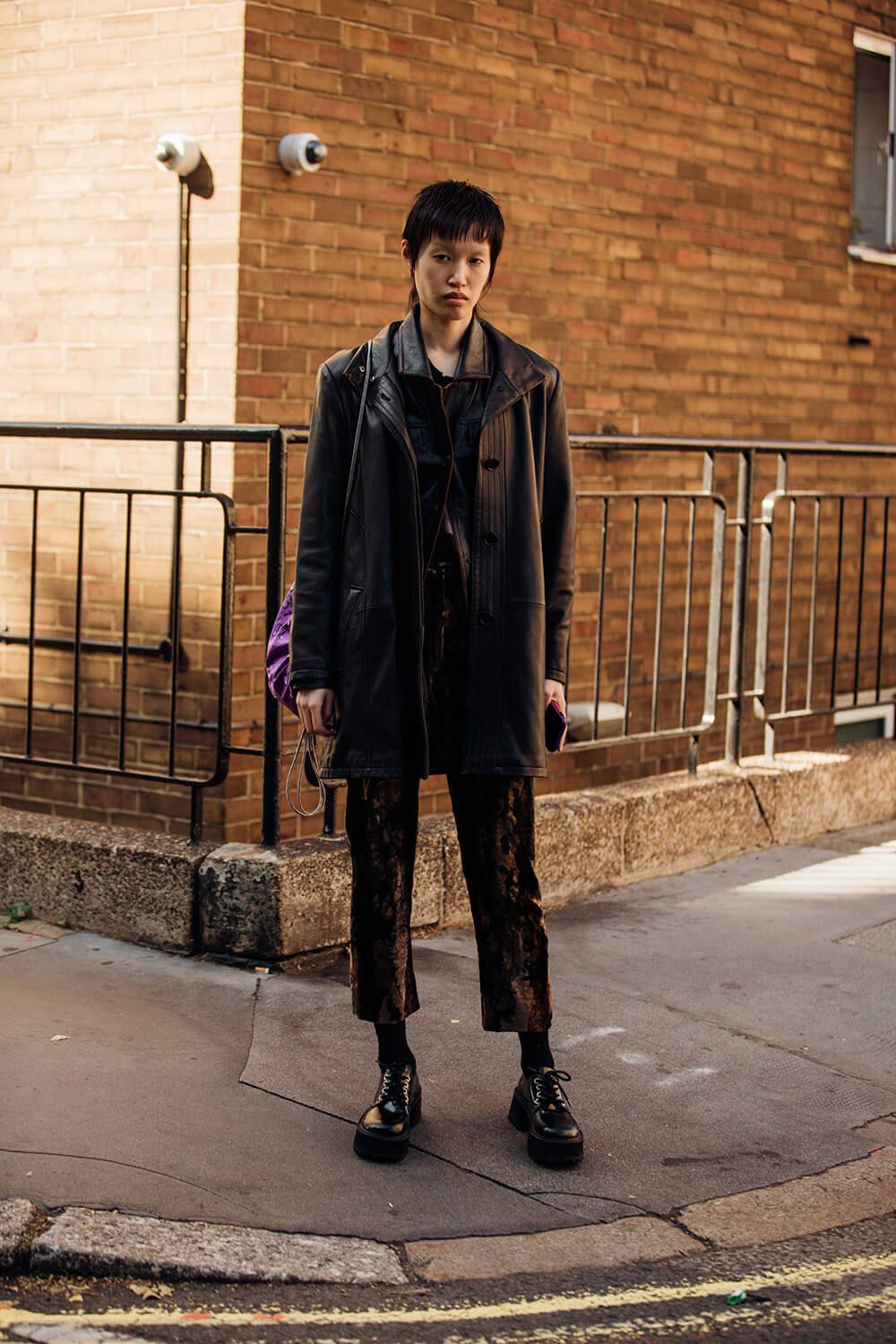
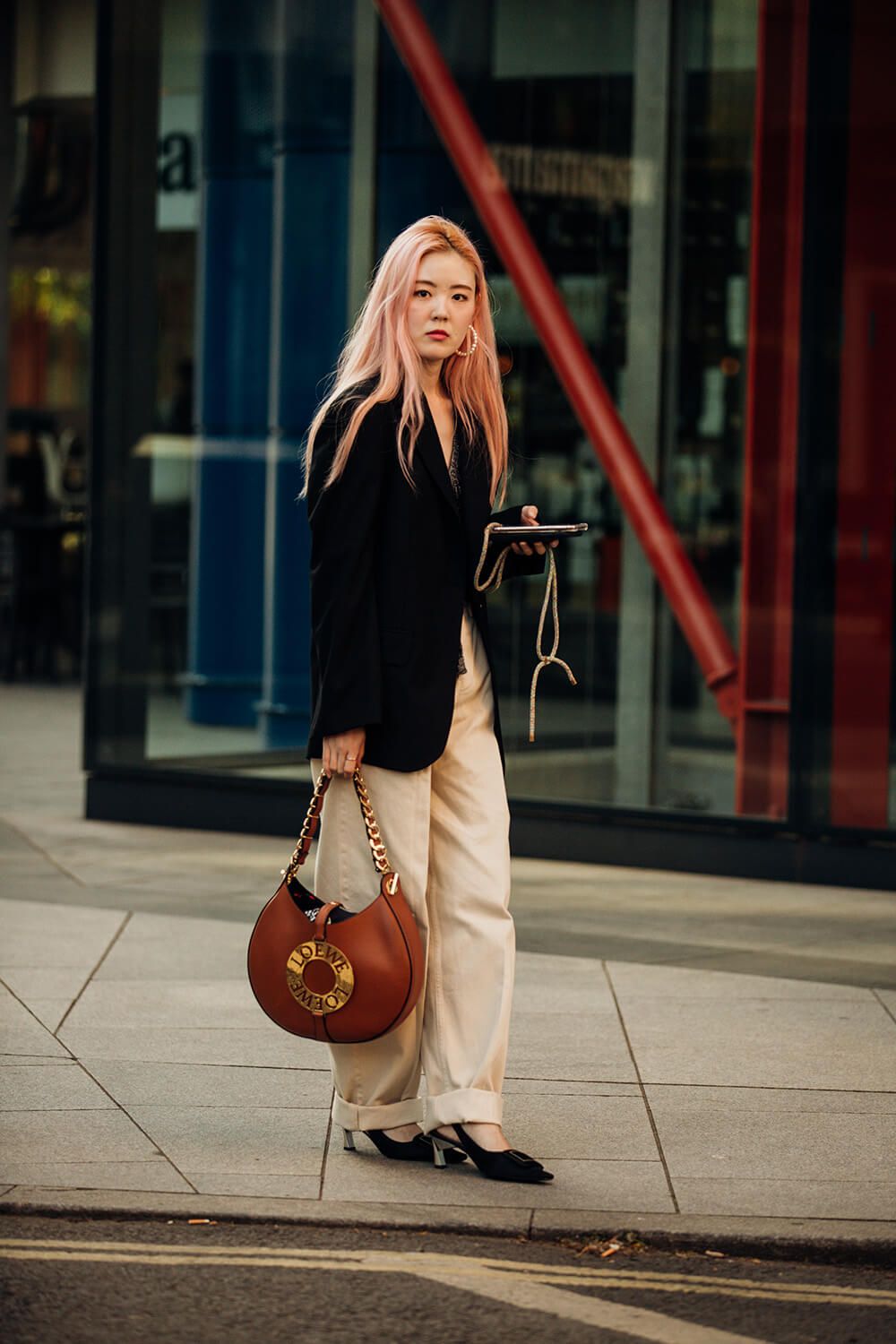
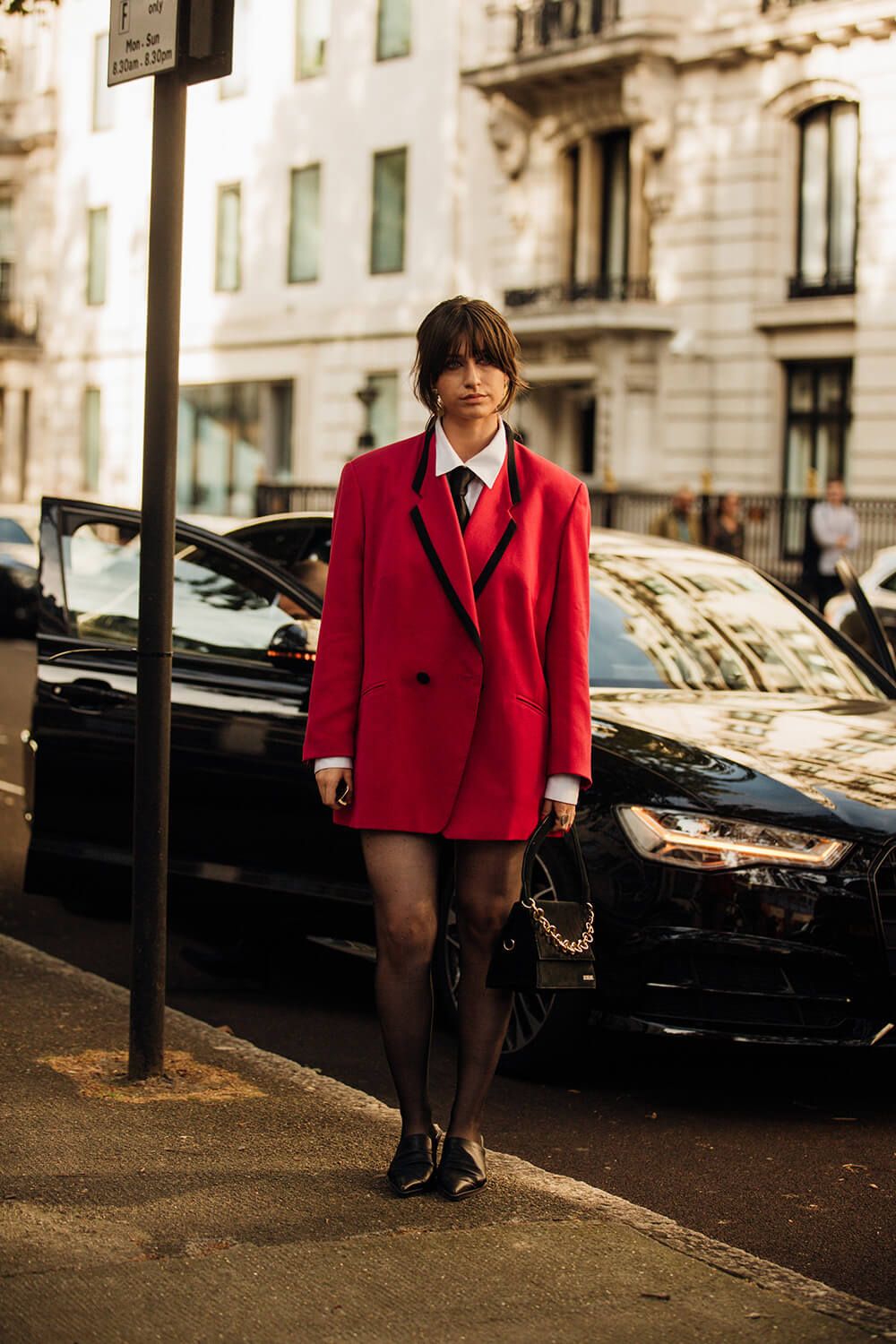
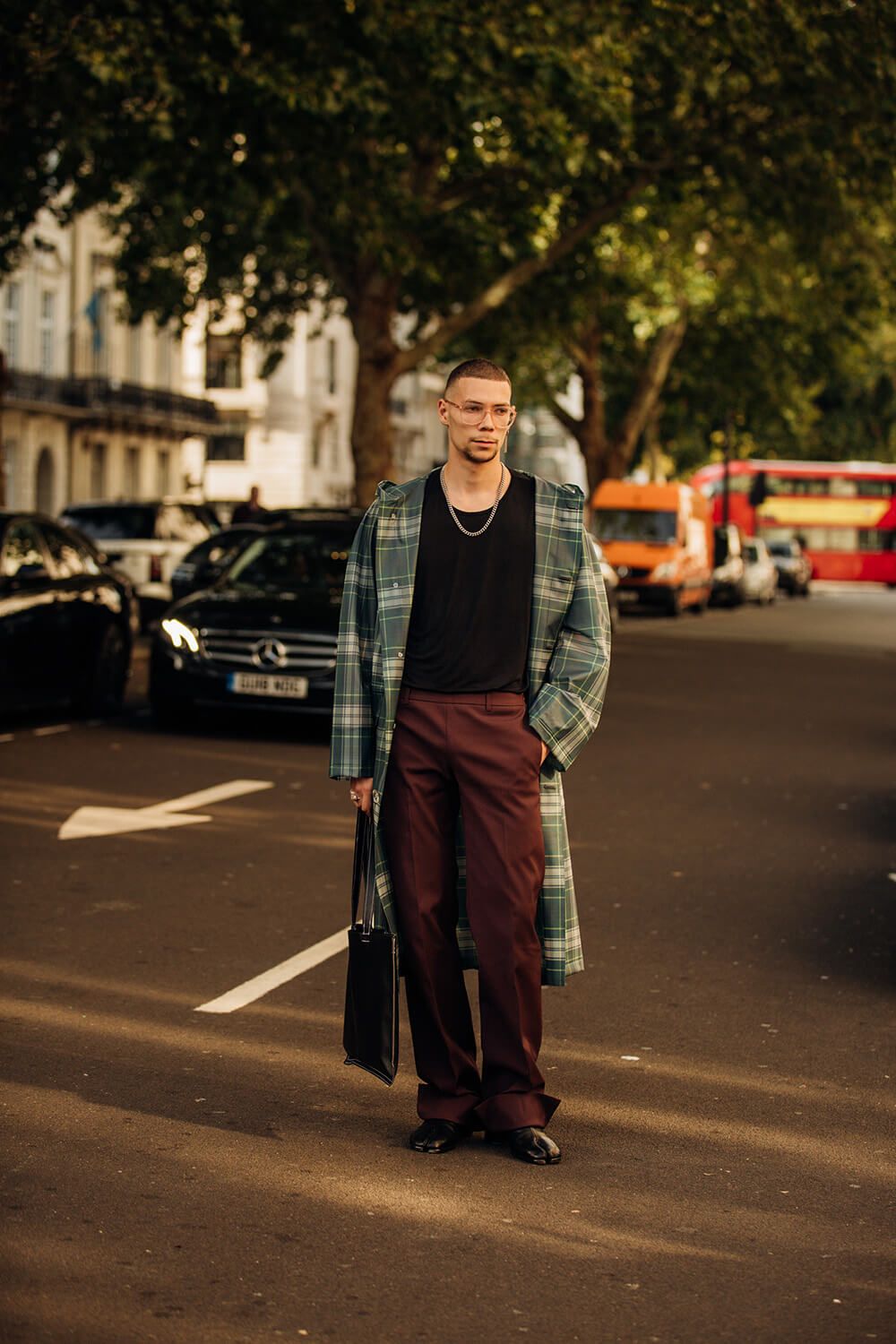
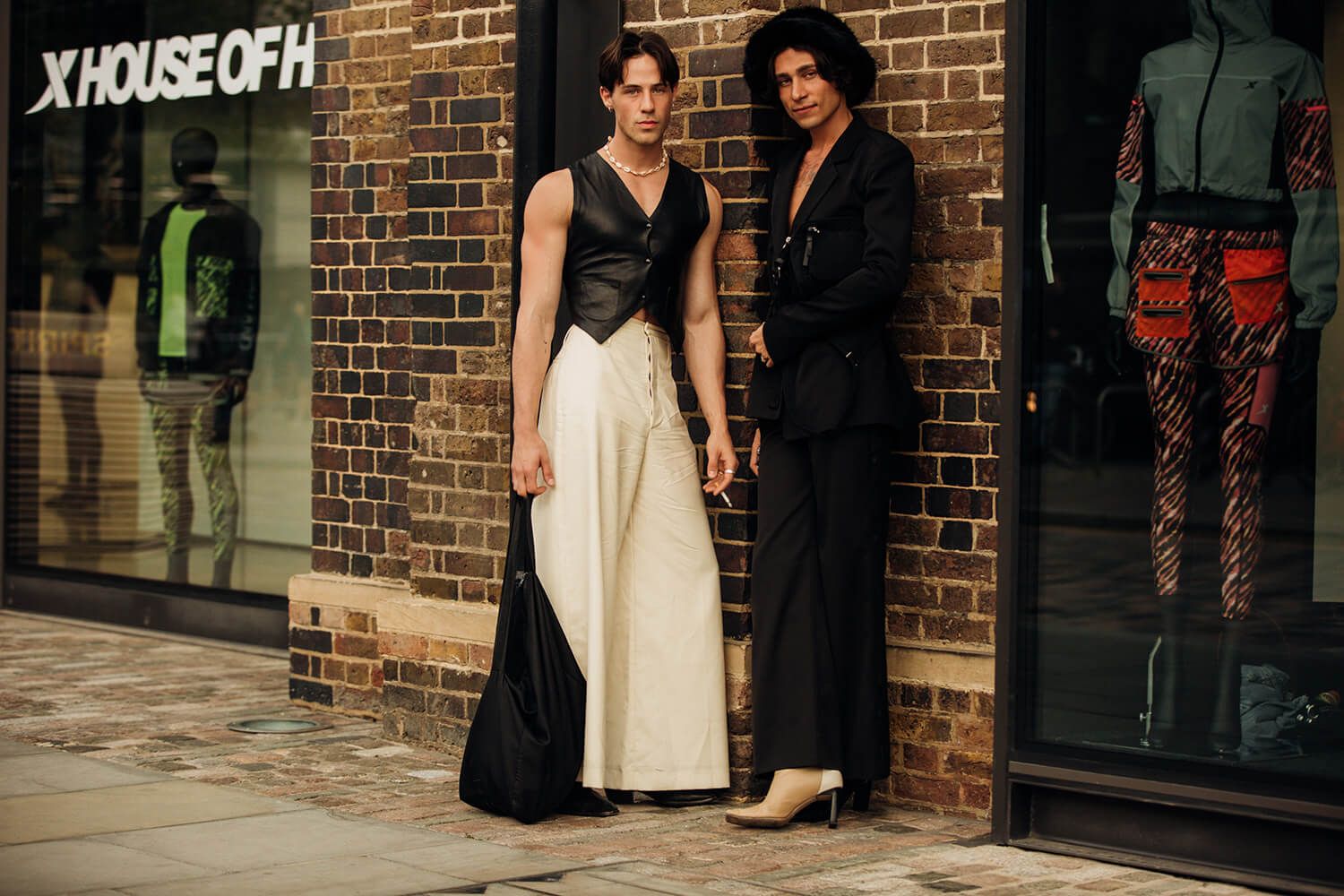
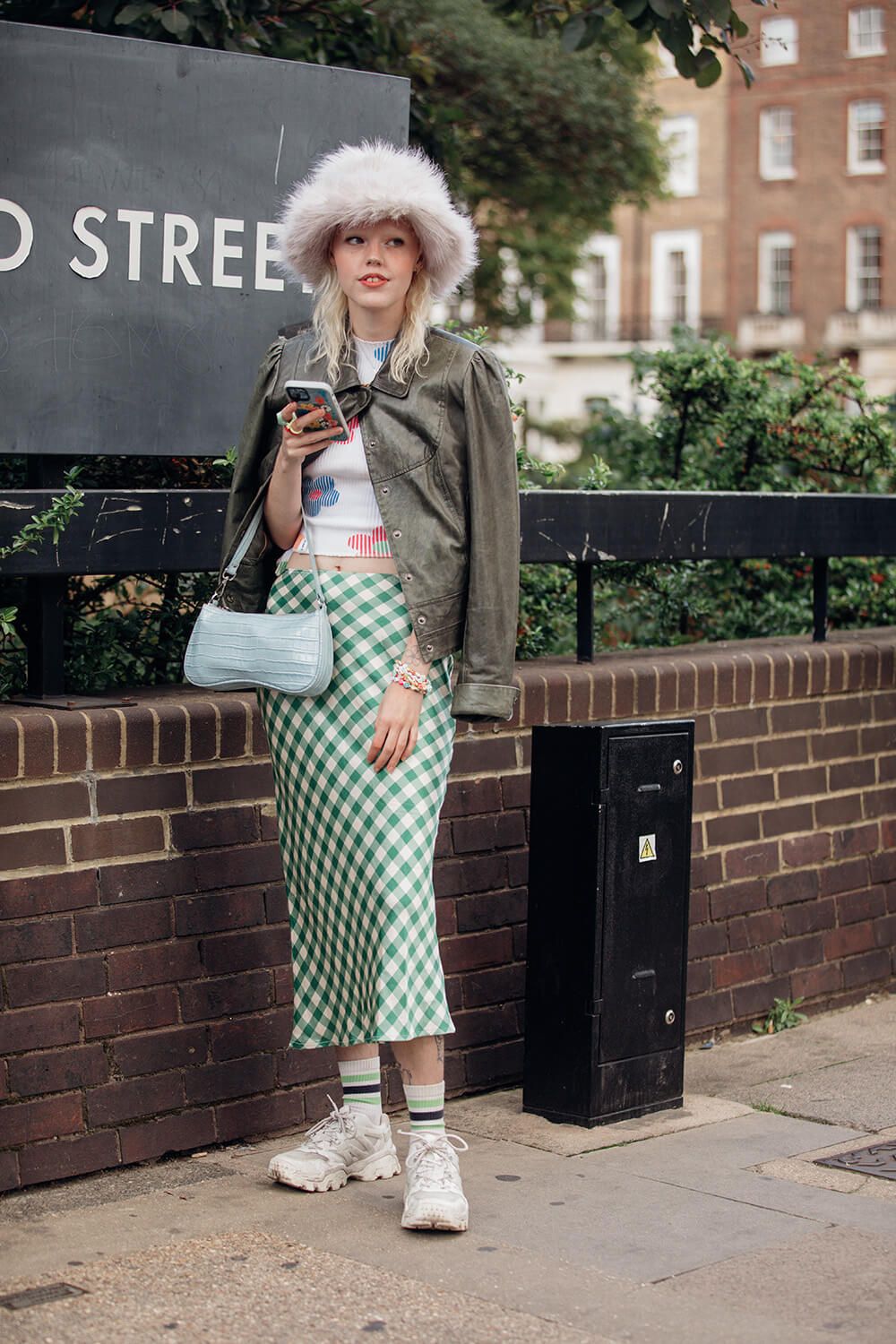
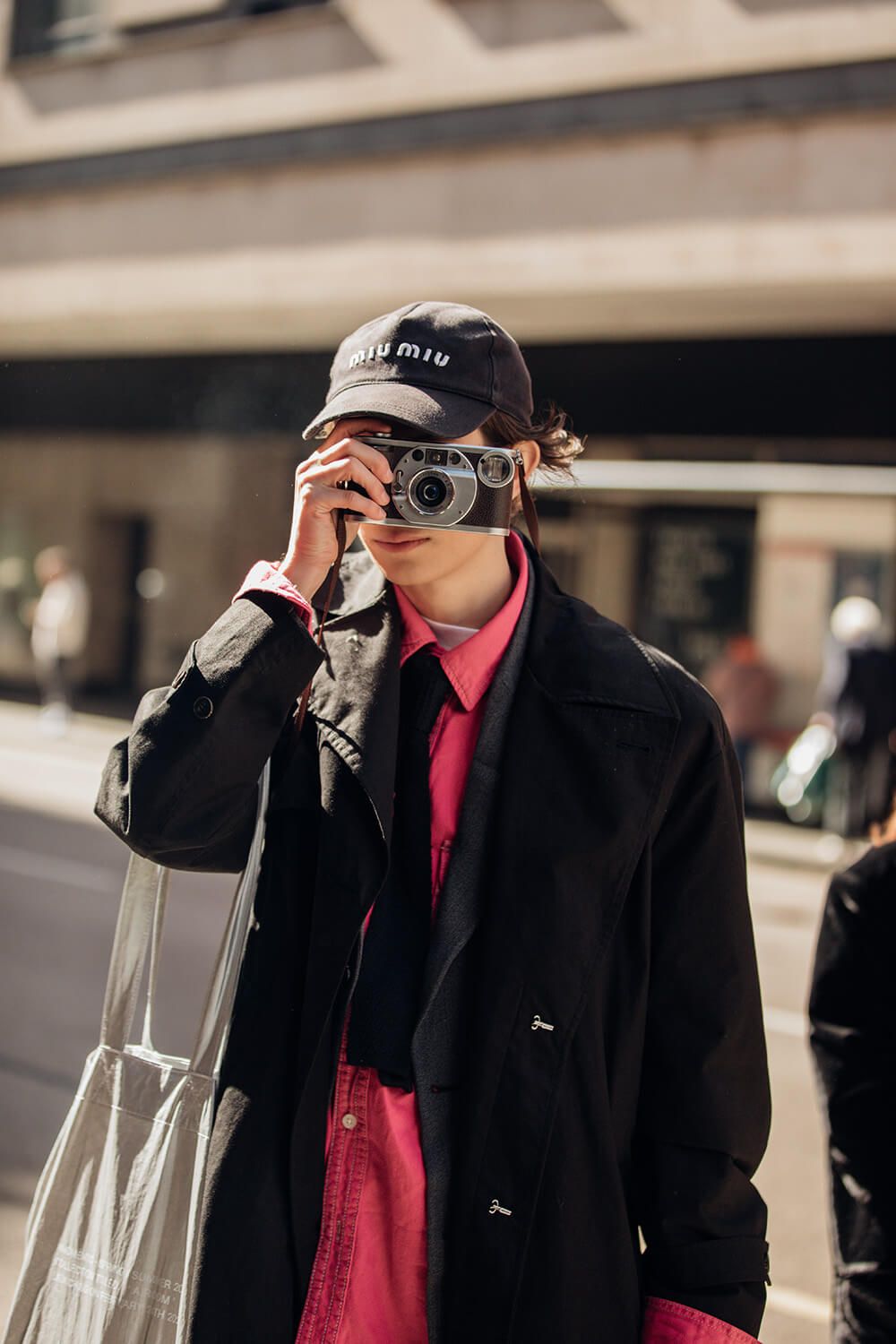
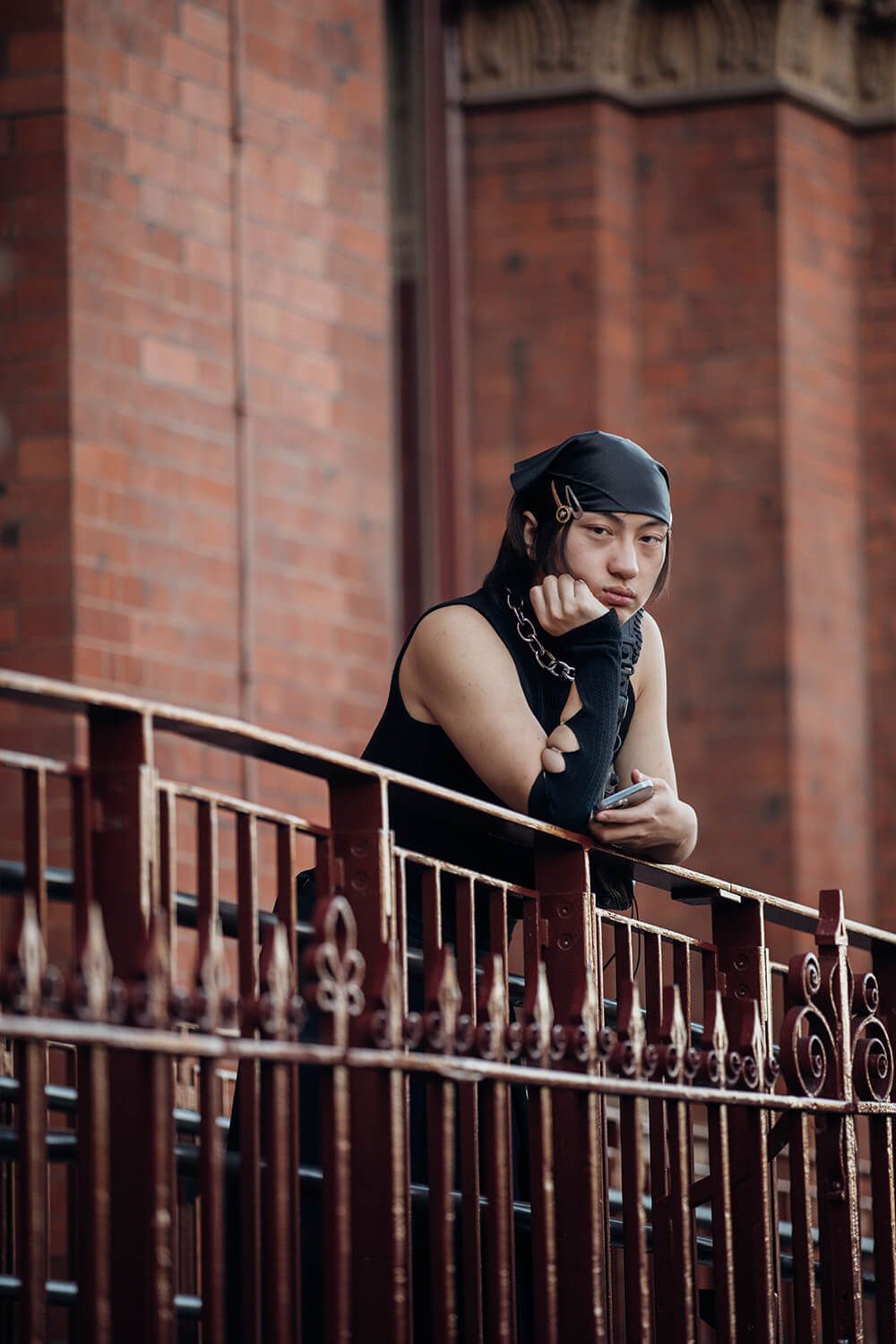
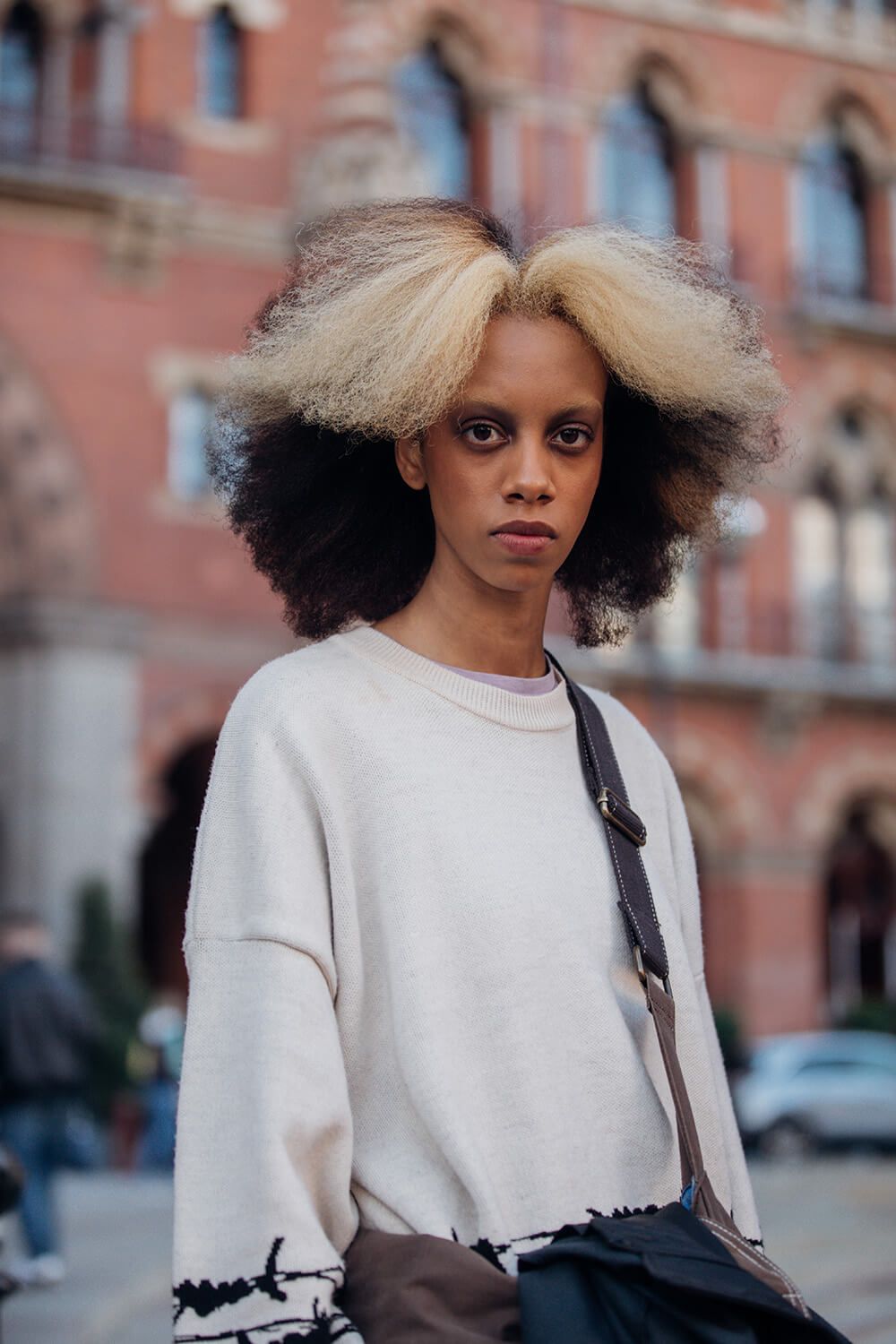
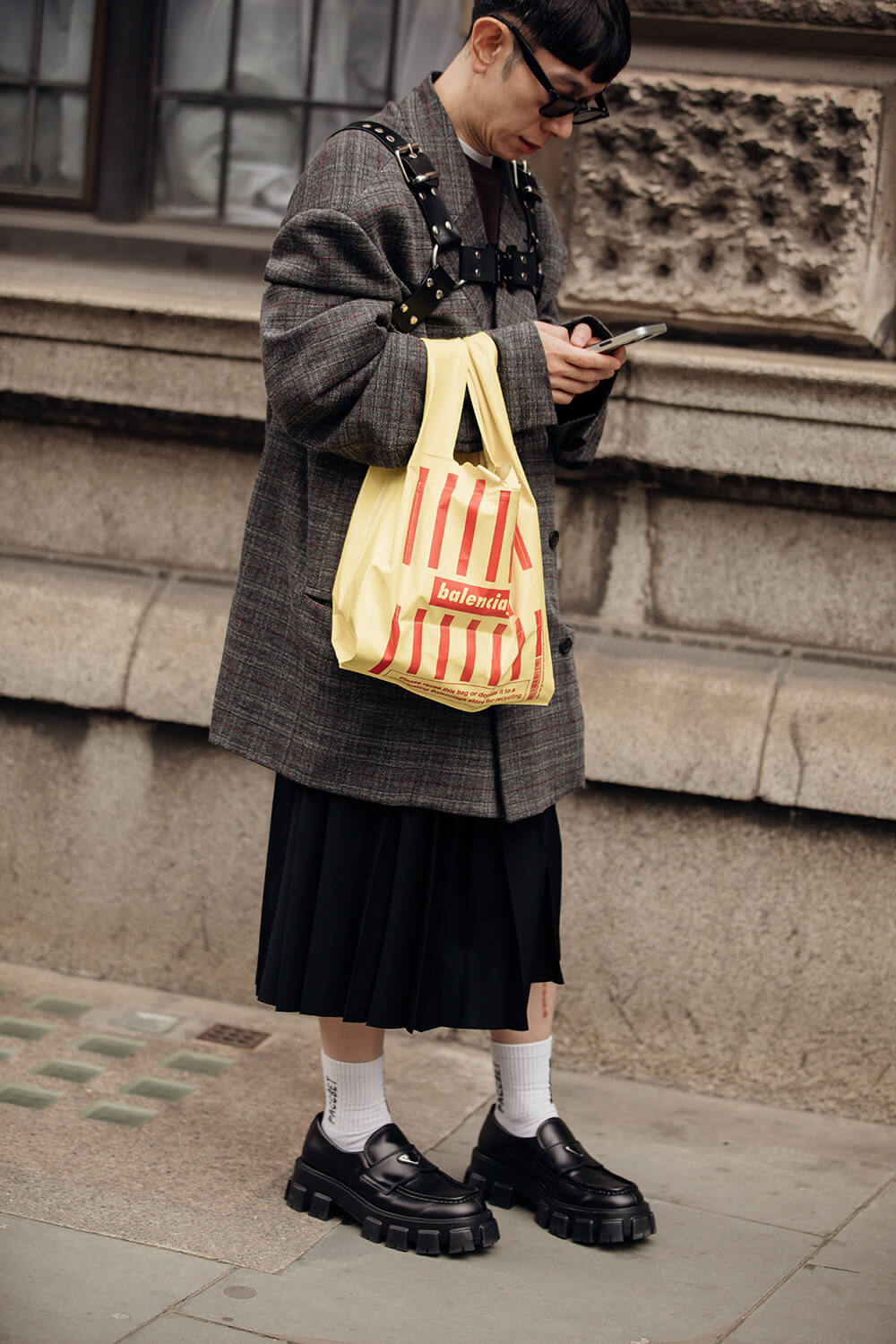
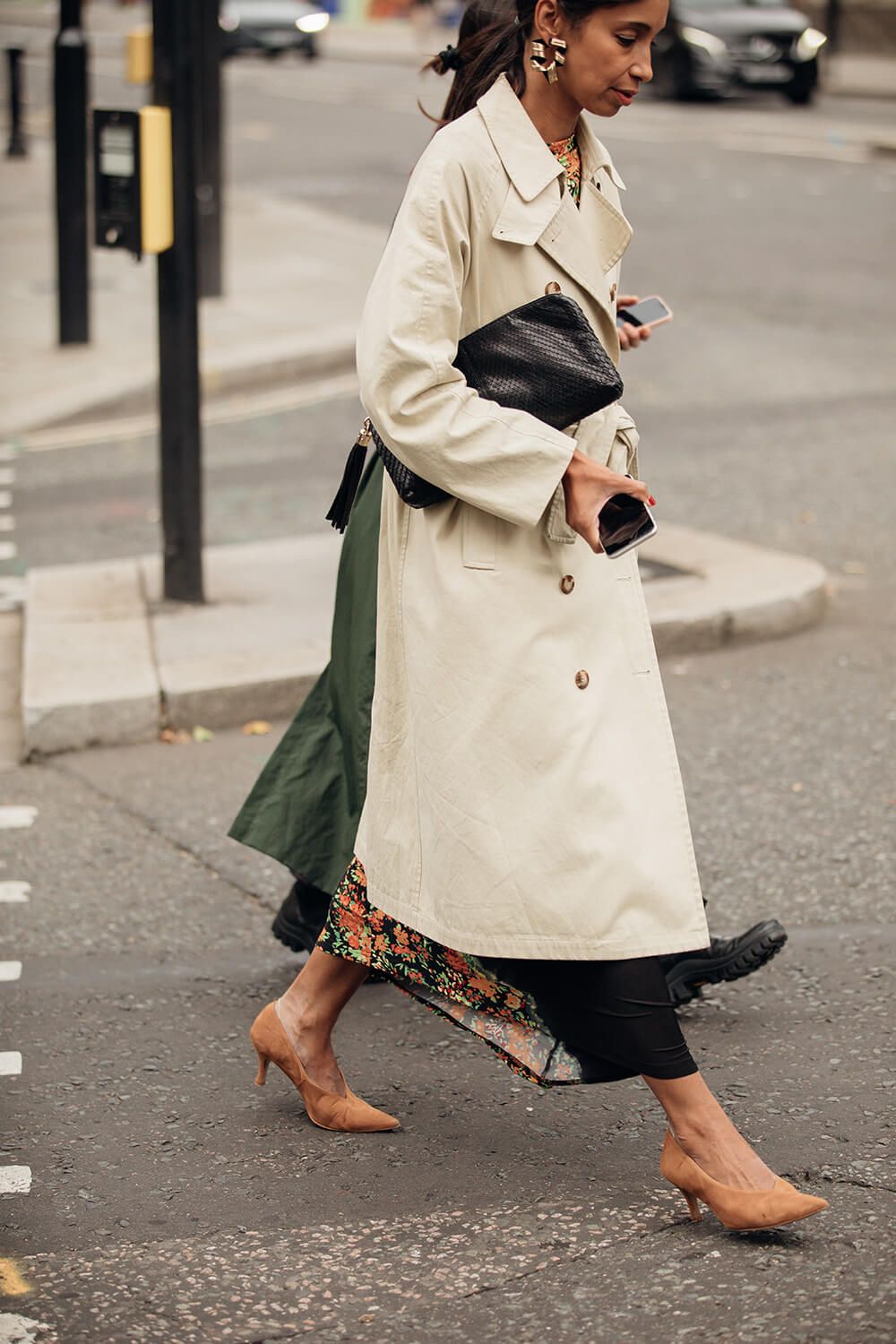
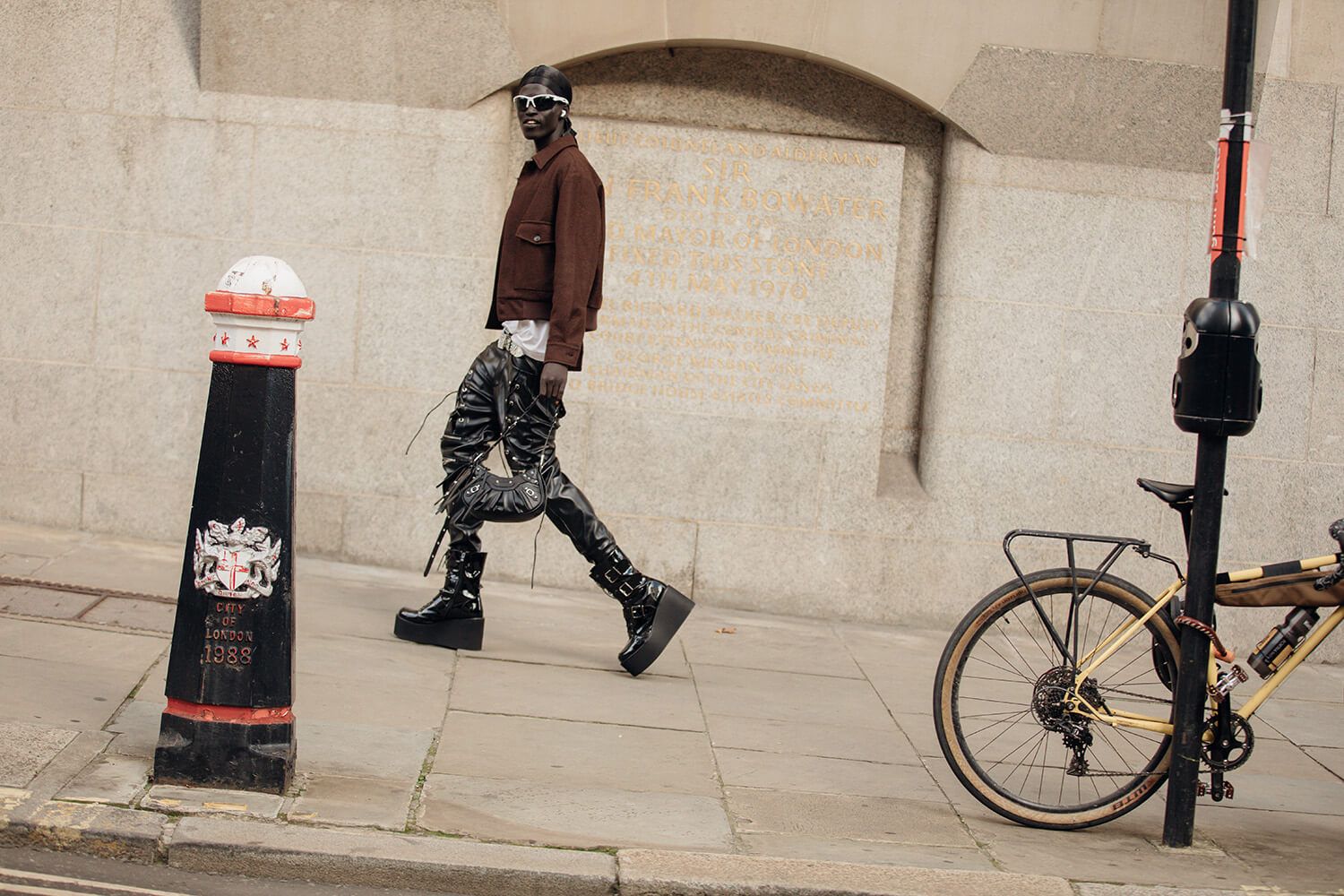

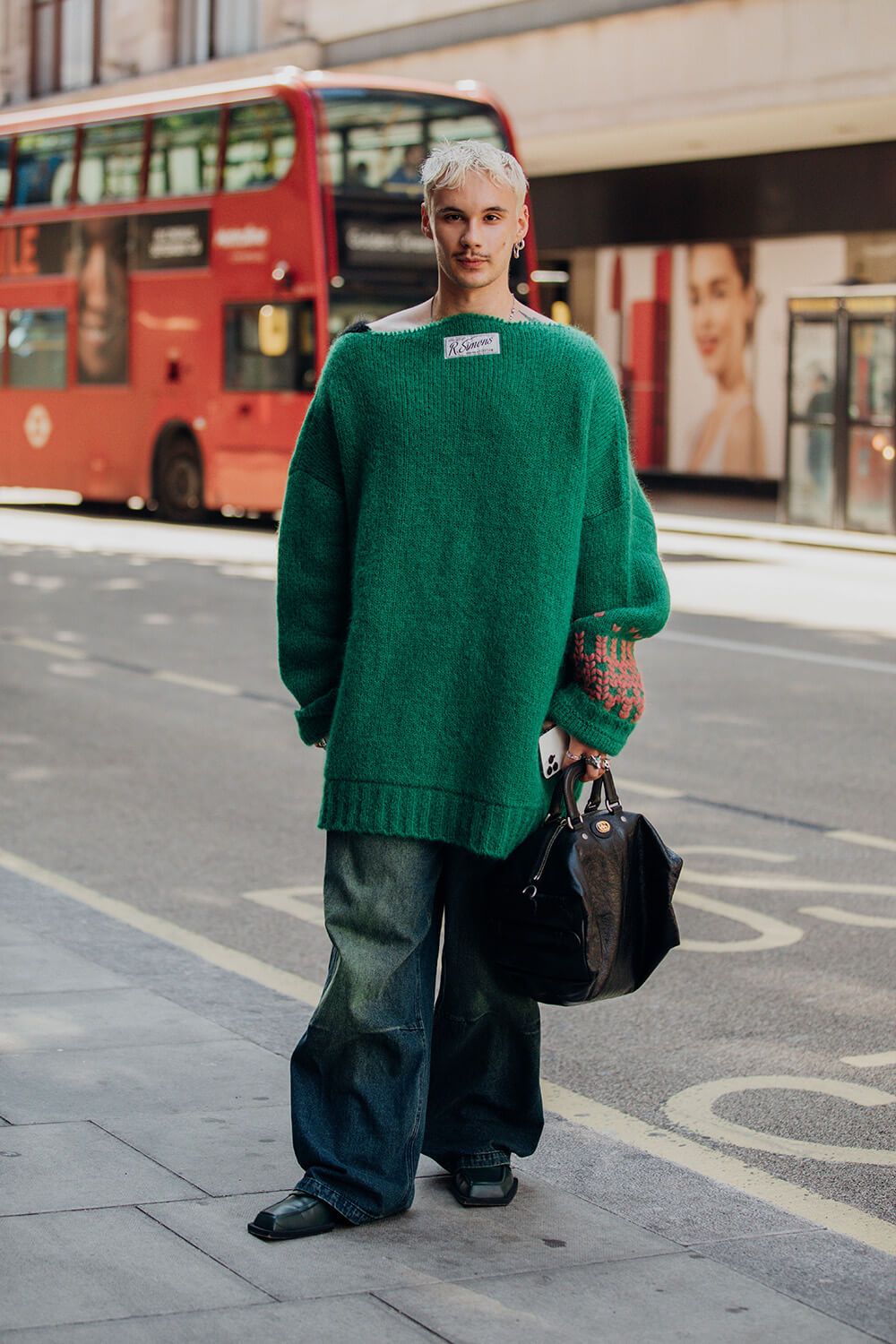
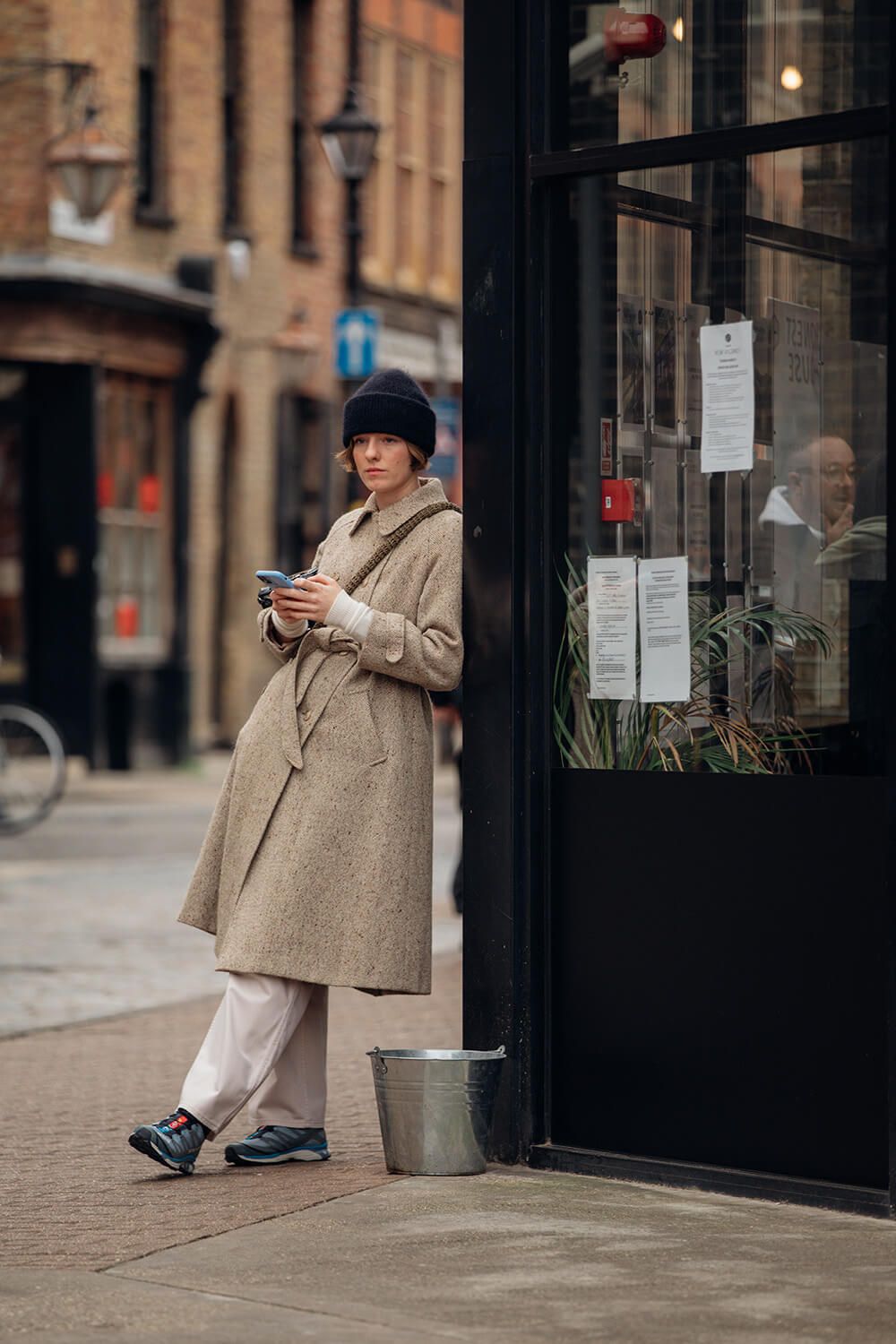
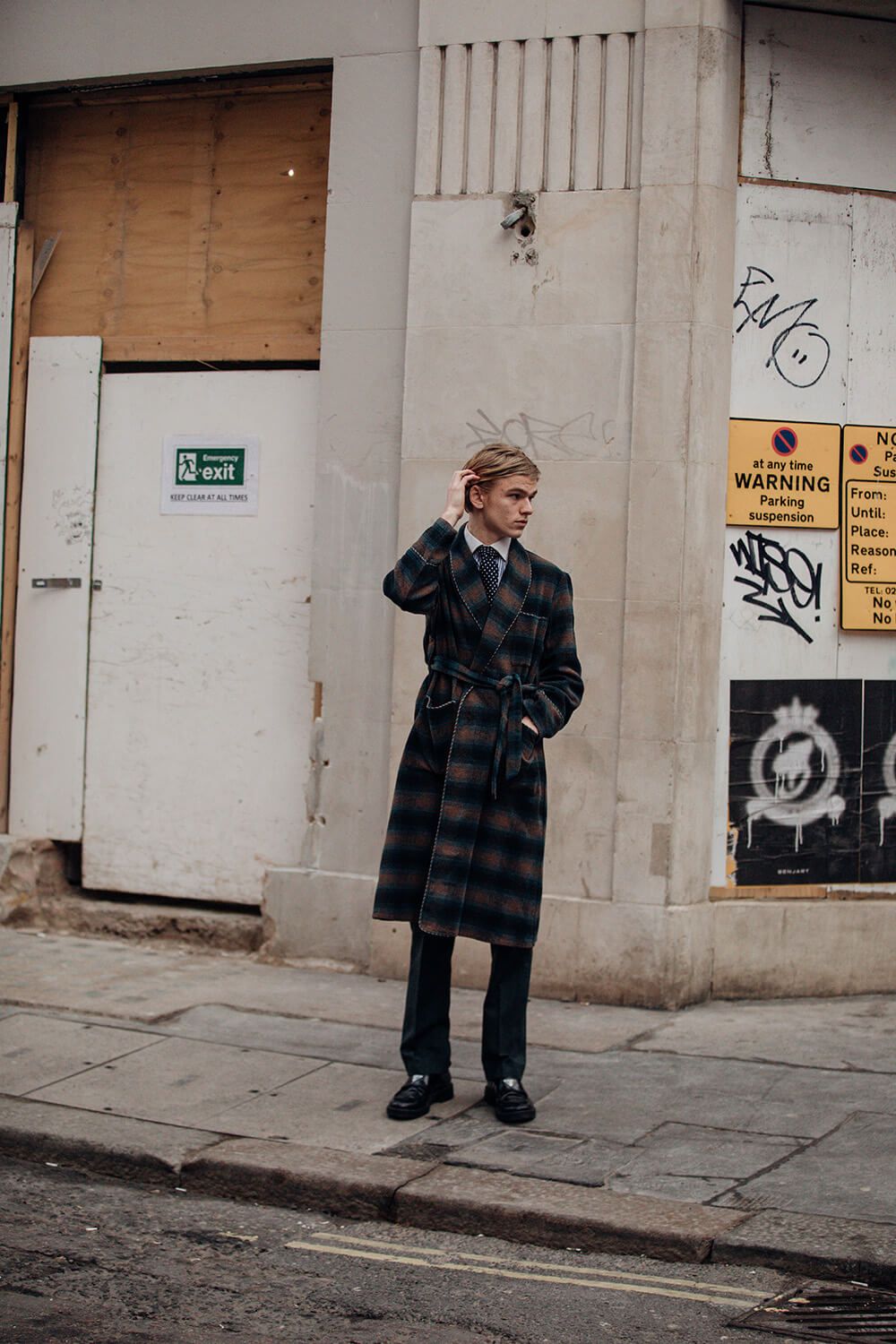
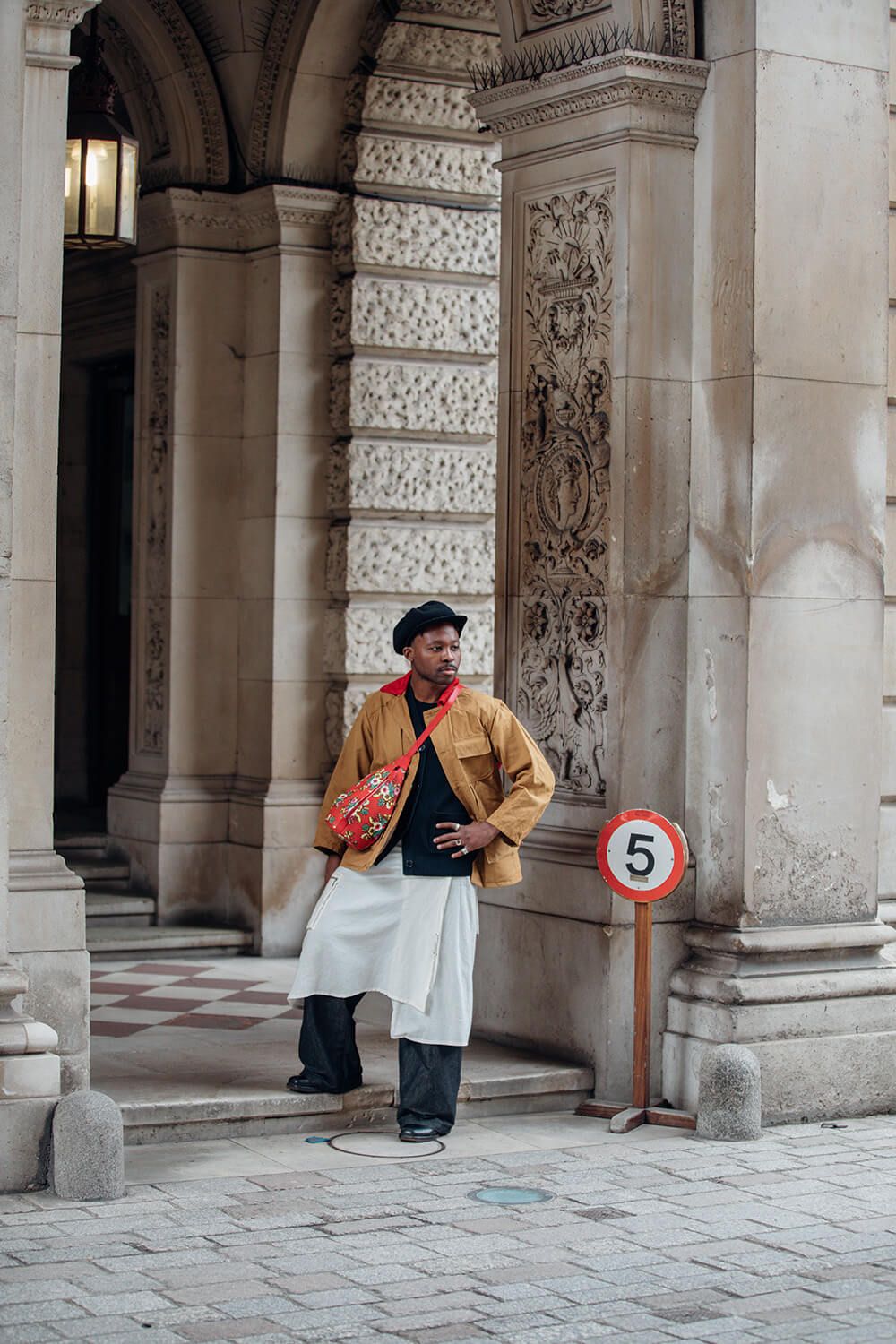
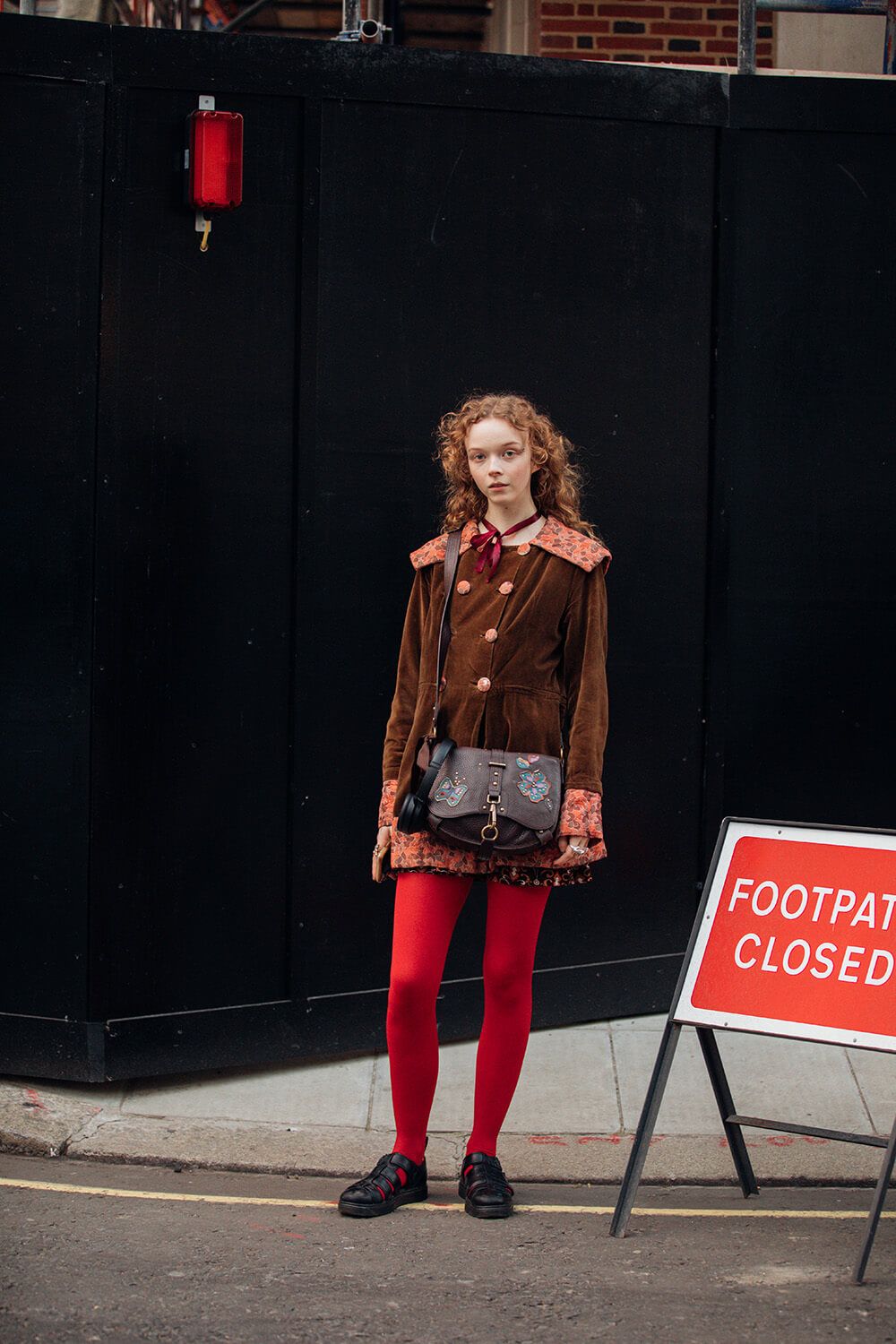
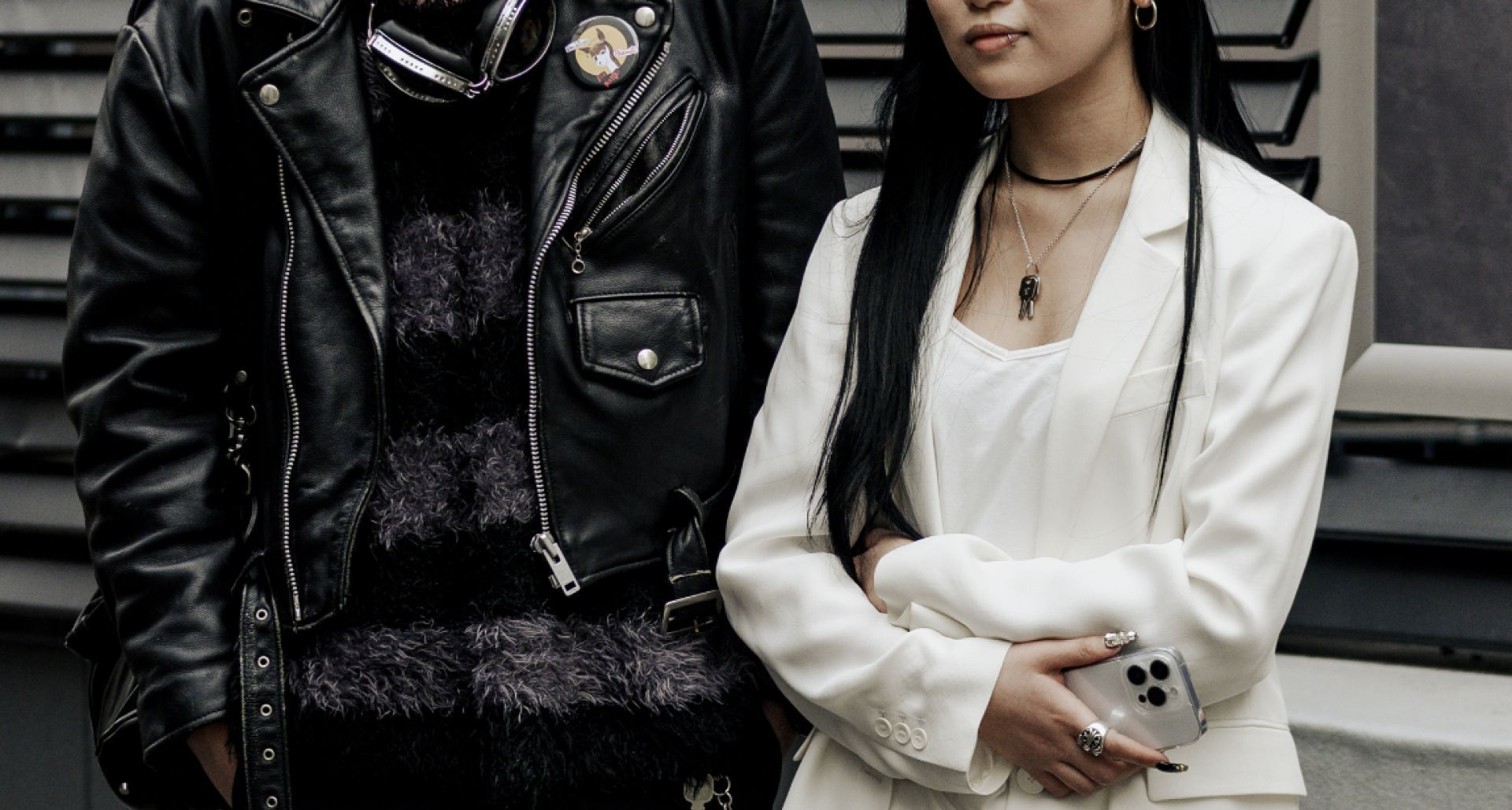
London's multifaceted street style is initially intimidating to those coming from abroad. Like its inhabitants, it is closed in, its streets endlessly and relentlessly intertwined, seemingly populated by people who do not belong to the City, but who have learned to play the part. As soon as you land in London, the cloudy skies, the grumpy stares you encounter on the tube and the readiness with which cafés manage to swallow and spit customers out on the pavements make you feel lost, alone in a place that perhaps has no identity; but unexpectedly, just as the characteristic grey-ish clouds of the English weather sometimes open up filtering through subtle rays of sunshine, London's cultural melting pot reveals itself in all its infinity, finally inviting you in to join its radiance.
London's street style is just as the reportages and films set here often portray it, crumbled into subcultures like pawns on a map, each characterized by distinctive colors and traits, depending on the neighborhood. The reddish bricks that make up the houses on King's Road, in the heart of Chelsea, have for years represented the pulsating energy of London's street style. Where Mary Quant and Vivienne Westwood stunned the entire fashion system, the former in the 1960s with miniskirts and geometric prints for mod girls, the latter in the 1970s with SEX, the anti-conventional boutique for punks with high Mohawks and statement T-shirts held together by safety pins, order now reigns. Fleets of young ladies in coffee-colored trench coats and designer ballerinas gush from shop to shop, chatting with one another about their last weekend in Paris and how easy it is to travel by Eurostar. Because in west London, all the way past Primrose Hill and the clubs of Soho, street style is now grown up, combed over, no longer eager to form new fashions, but happy to remain a minimalist, firmly anchored in the mod aesthetic that used to rule those streets fifty years earlier, amidst whizzing Vespas, ironed shirts and tight trousers.
It is a little further north, just outside the corners of Hyde Park but well beyond Kensington, that London really manages to shine with the intercultural spirit for which it is known to the world. Notting Hill and Portobello Road, though certain victims of the gentrifying encroachment that has now turned them into tourist attractions, are one of the world's richest cosmopolitan centers. In the streets of the neighborhood, one can still feel the deep cultural legacy of the Irish, Jewish, Moroccan, and Caribbean communities that have long been living there. It is the latter that has most influenced the style, from the bright colors of the Notting Hill Carnival outfits to the softer ones of the Wallabees, the suede shoes with crepe rubber soles, and icons of Jamaican style. Even Camden, the cradle of alternative style, leather jackets and fishnet stockings, despite being constantly stormed by tourists and the like, breathes its own air. People here still love Dr. Martens, steampunk style, tattoos, and piercings, although, compared to the old days, it has all been made much more Instagrammable.
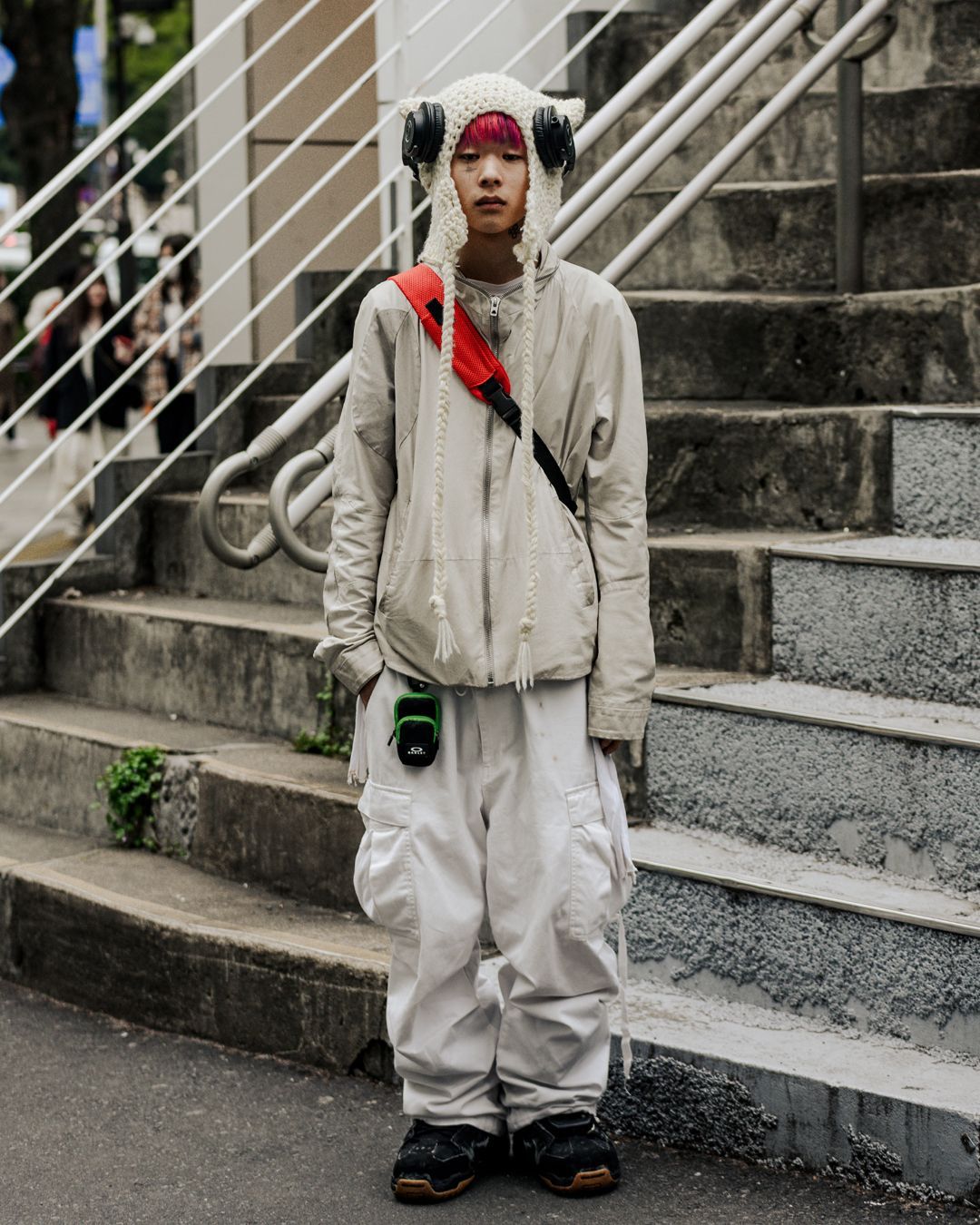
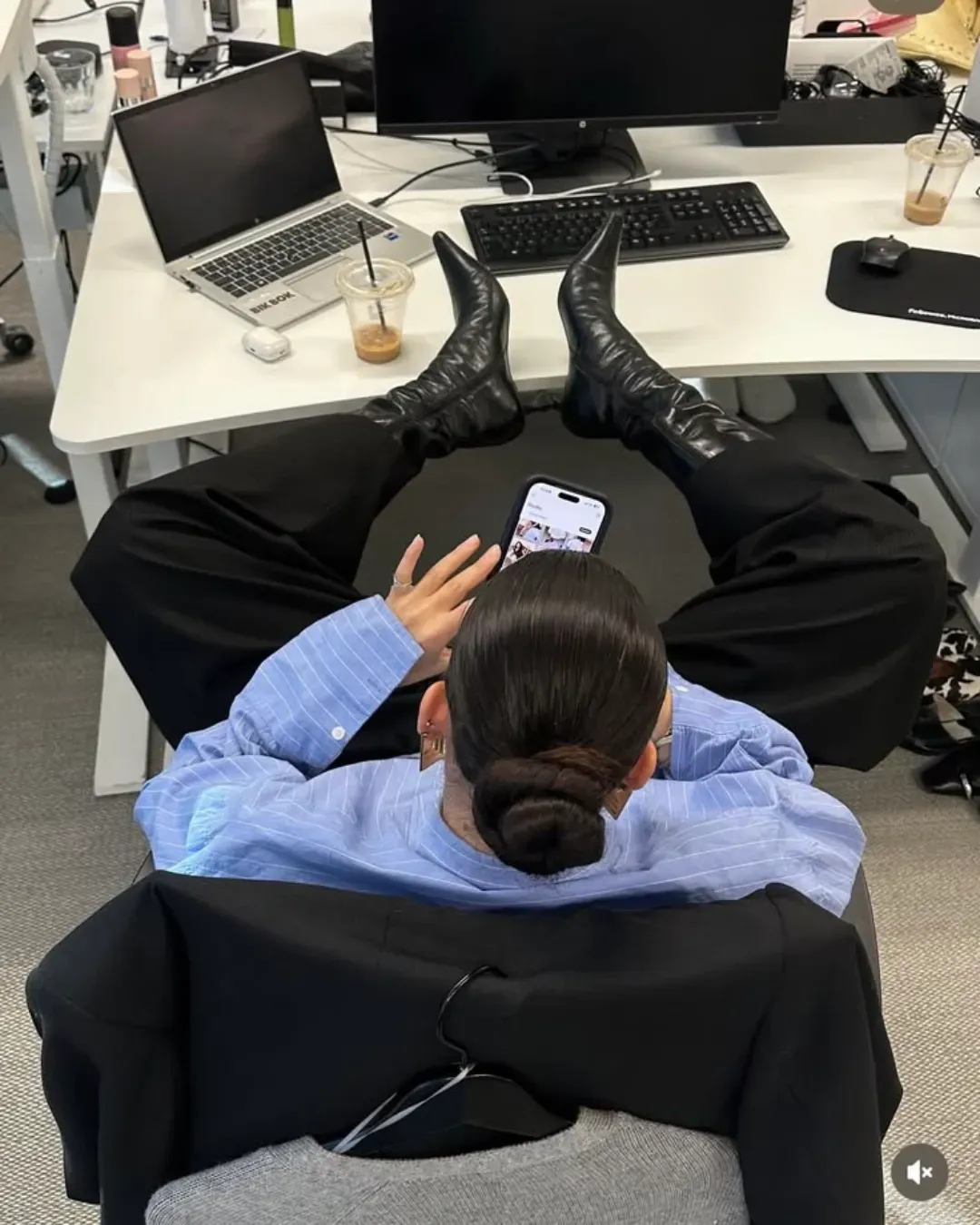
Moving towards the City center, a few stops after Piccadilly Circus and Covent Garden, one begins to meet the fashion students, those who, between the London College of Fashion in Oxford Street and Central Saint Martins in King's Cross, have just recently become part of London, yet perfectly reflect the City's street-style culture. There are among them those who love second-hand goods and prefer a pair of cowboy boots with a broken sole rather than a new pair of shoes; those who only ever wear head-to-toe black and white, oversized shirts and bags with logos in full view; and then those who, finally free from the social constraints imposed by parents and acquaintances in their small hometowns, experiment with hair dyes, piercings, surprising combinations, and contemporary-style make-up. Anything less than boring, as long as it turns out spectacular, leaving passers-by and tourists wondering, «How did they even think of that?» And then further east, starting in the Shoreditch district, there is a dense network of curated vintage clothing boutiques that have made the area a hub for those who love matcha tea and flower markets in the morning, and drinks and techno music at night. It is here that the first parachute pants and Salomon sneakers appeared a couple of years ago, and it is always here that girls usually manage to discover the perfect long, suede and fur coat, Almost Famous’ Penny Lane-style, or a 2000s Fendi Baguette in mint condition.
London's street style cannot be easily compressed into a single definition, precisely because each corner of the City, being so vast and rich in stories and anecdotes, has its own unique flair. For those who have lived there but then left, for those who have gotten to know it and decided to stay, the City's charm lies precisely in its elusiveness. London is a mirror of the world, for better or for worse, and even its street-style culture reserves this ambiguity; a dangerous City for those who have yet to discover their own identity, because it is itself subject to the incessant interceding of new trends and lifestyles, but the right place to experiment and indulge one's impulses, with fashion as well as with oneself.