






















Milan by Walter D'Aprile
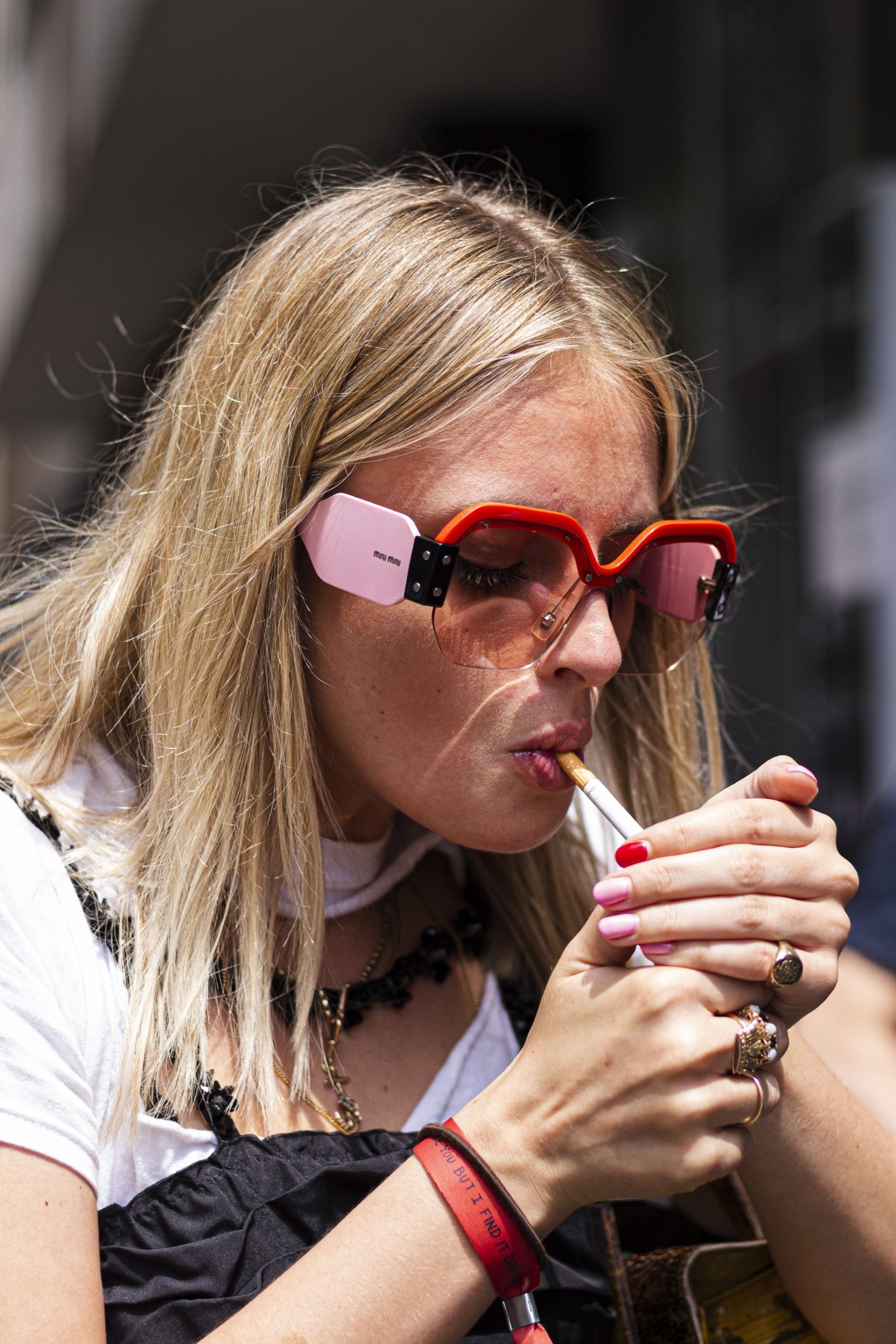
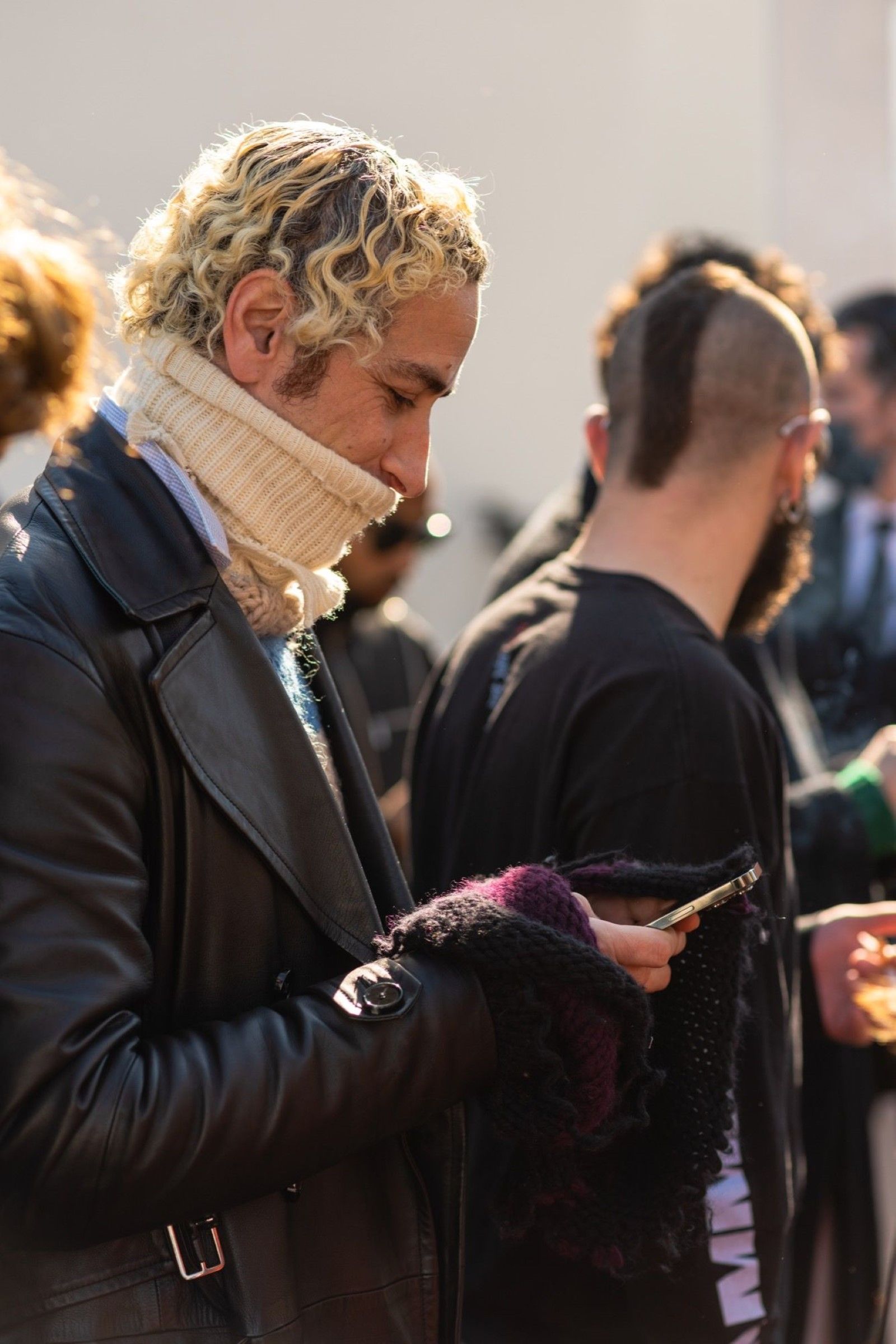
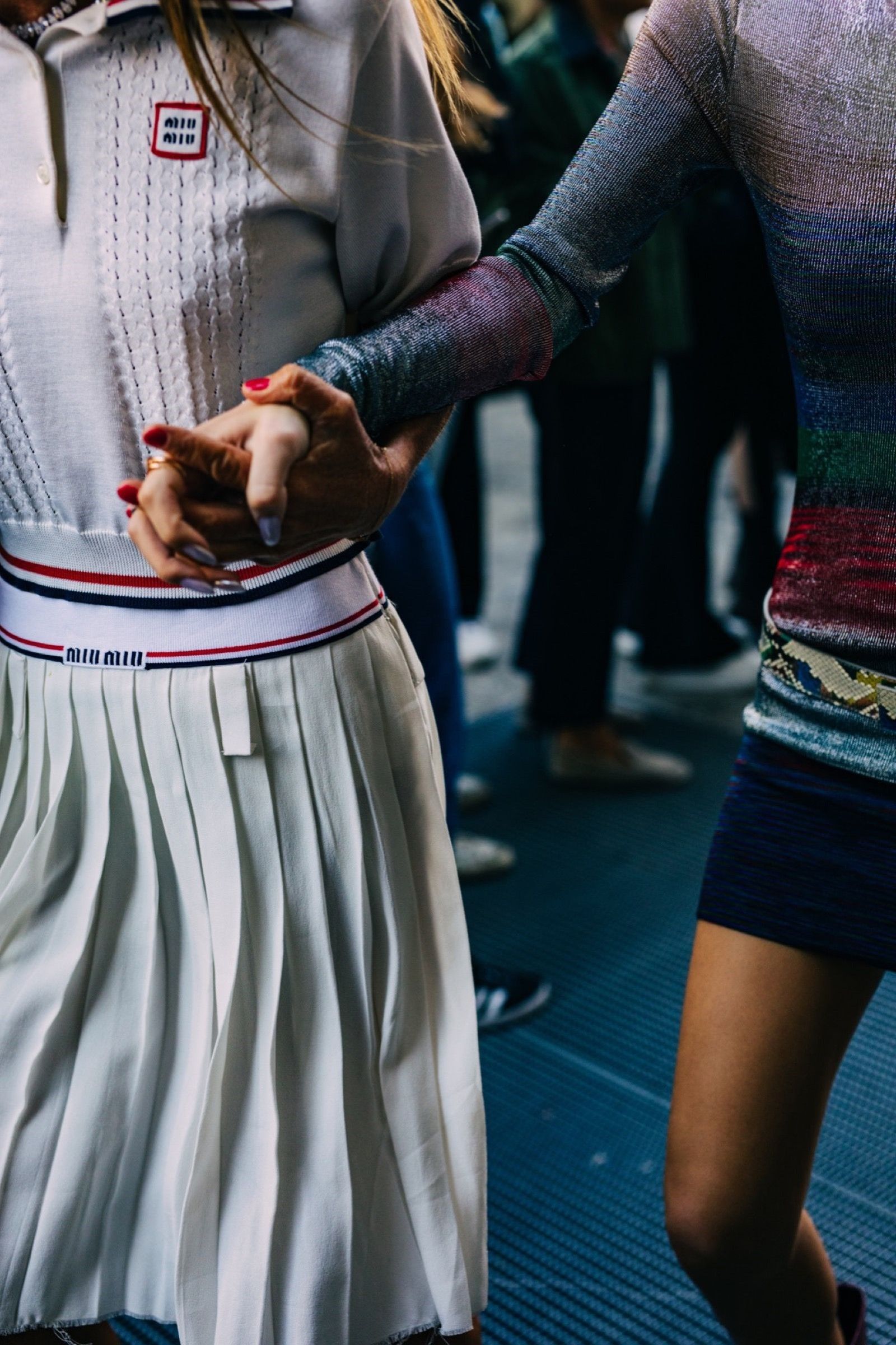
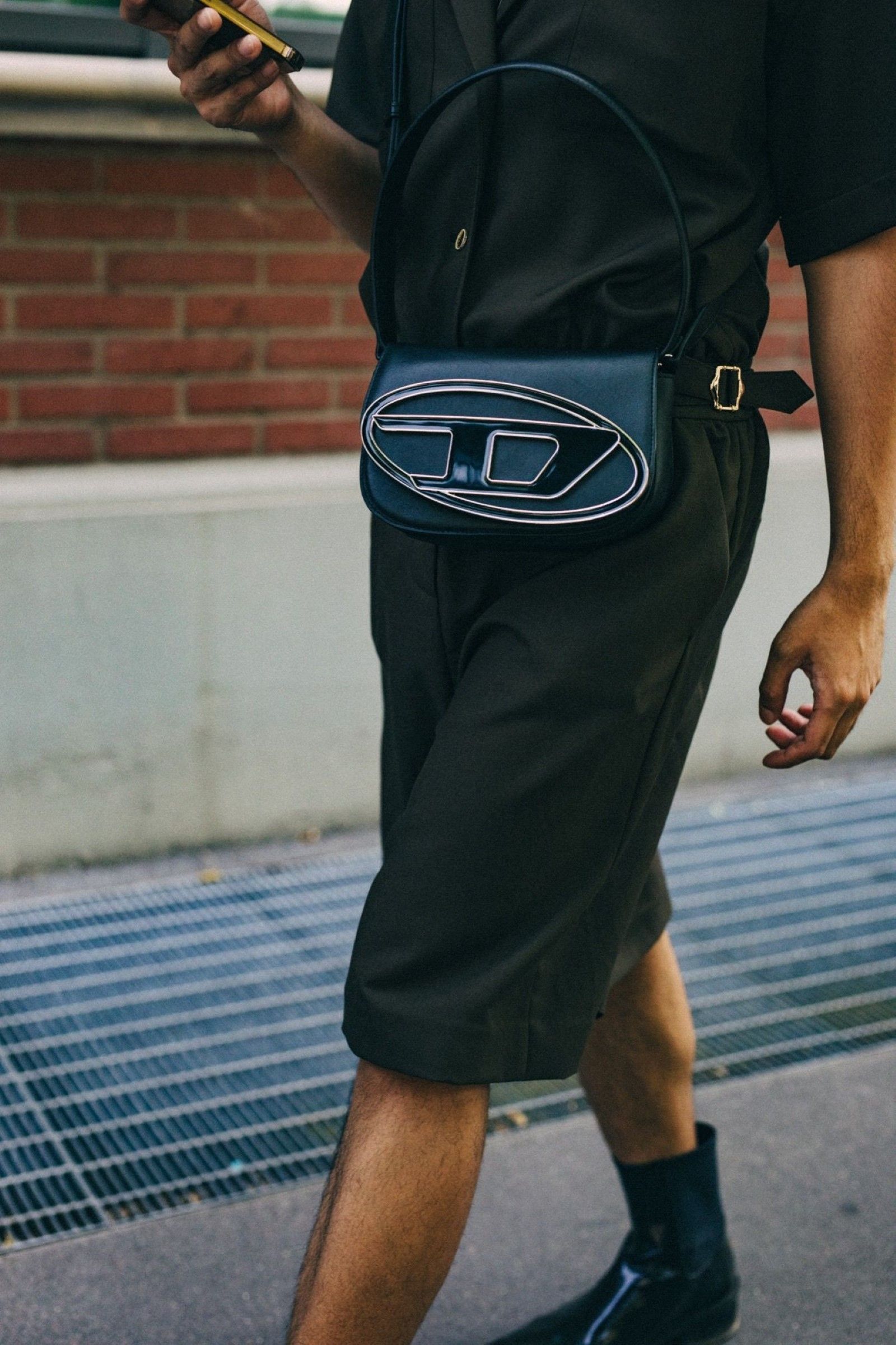
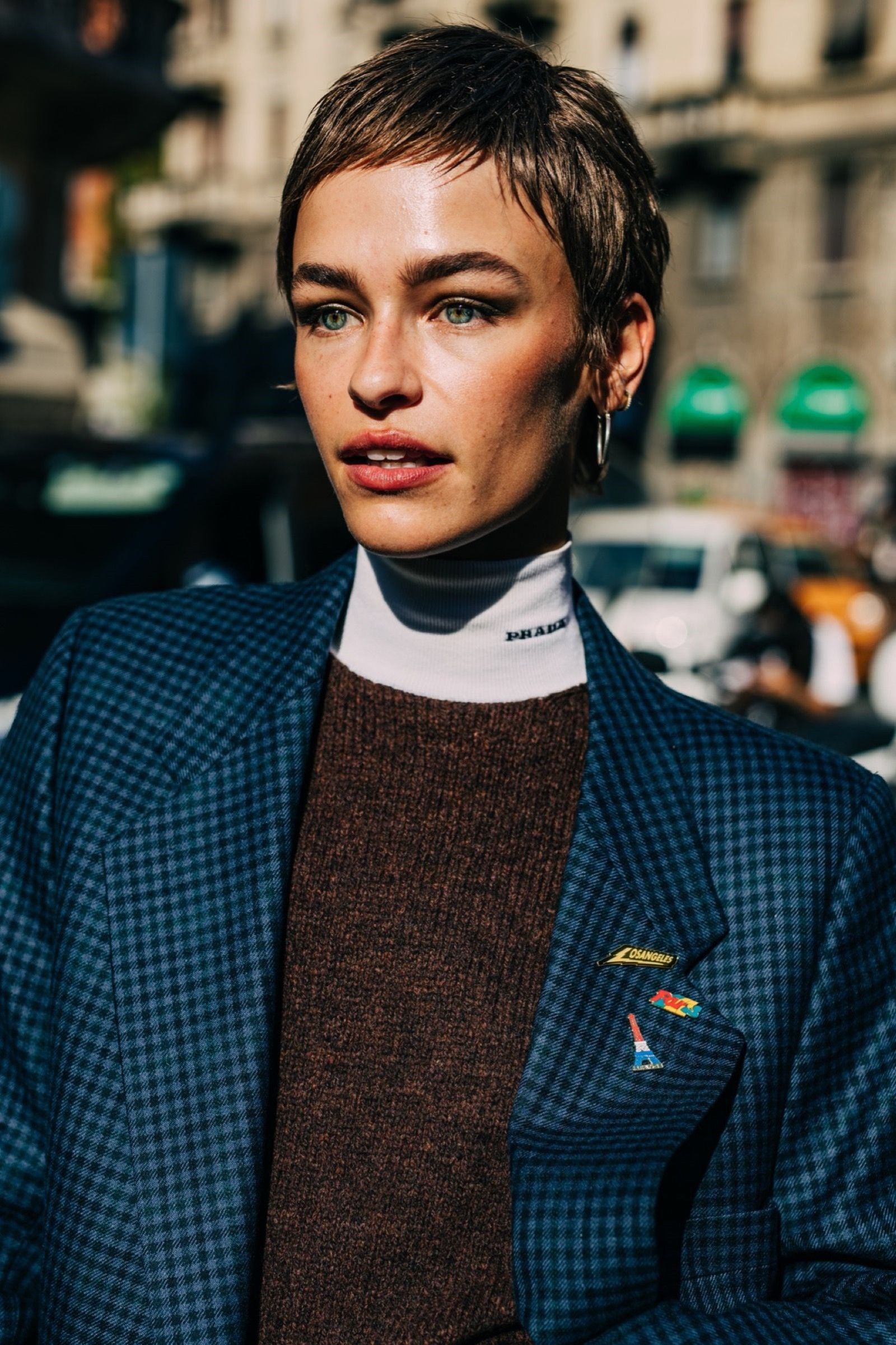
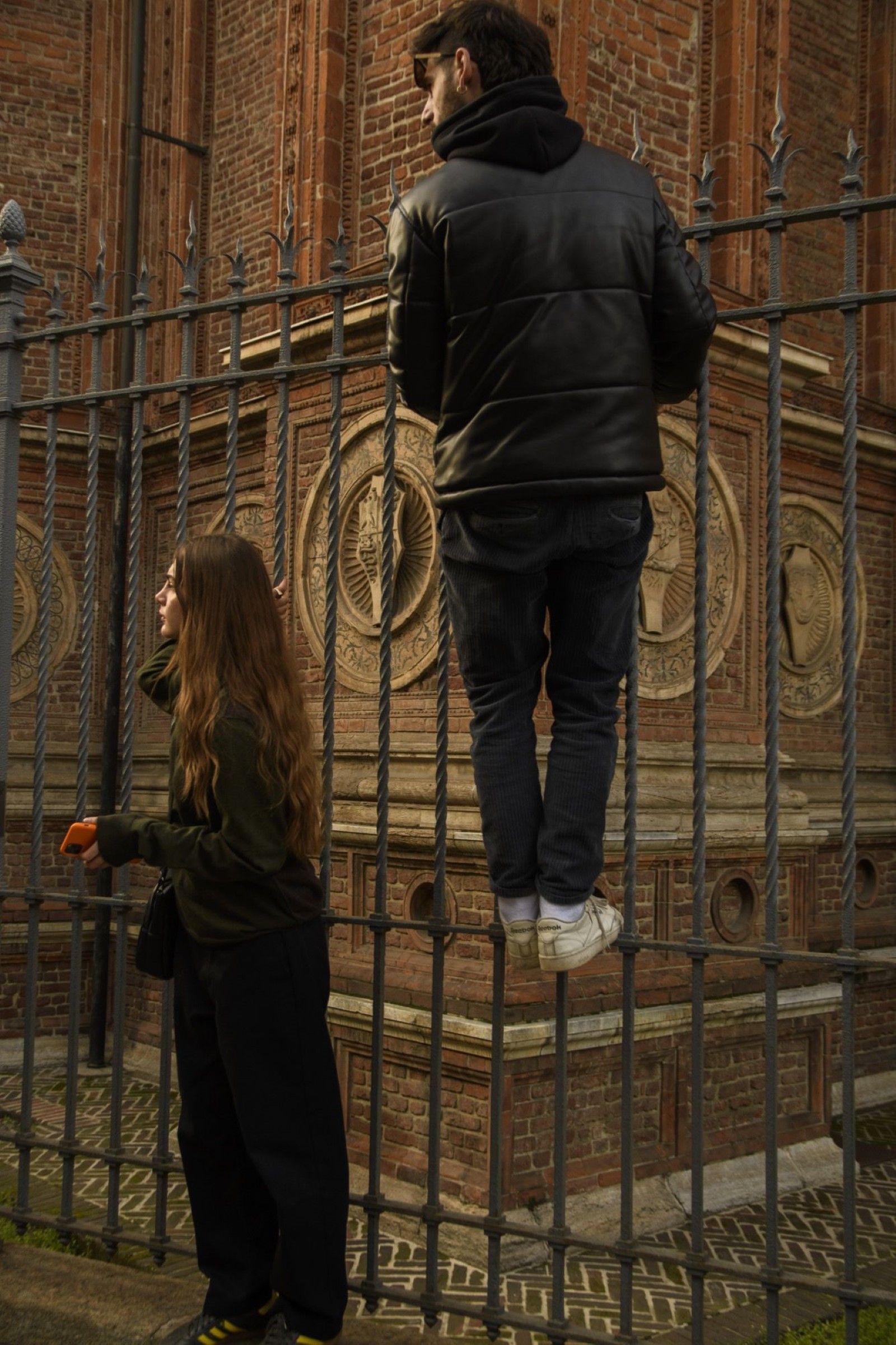
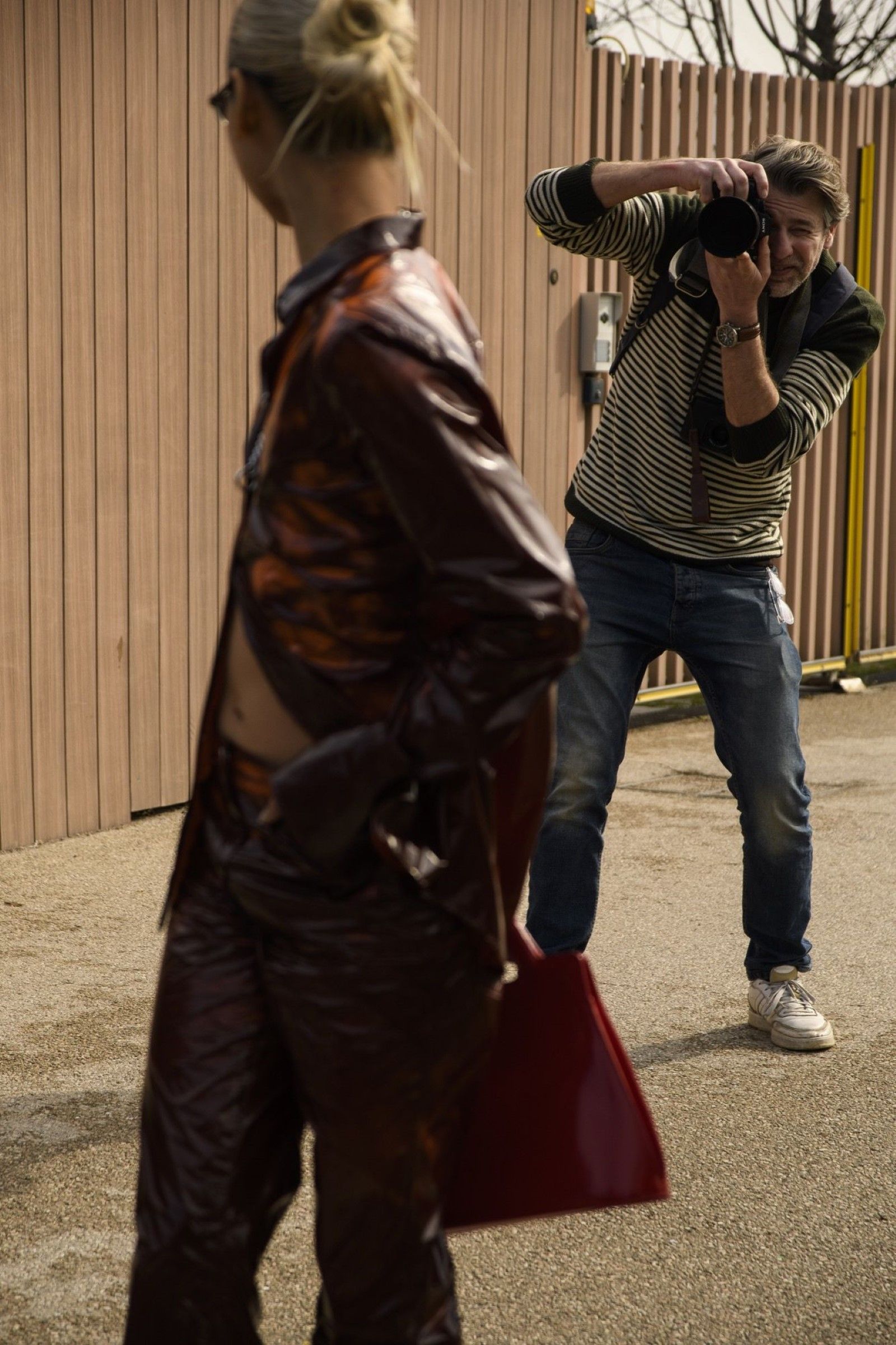
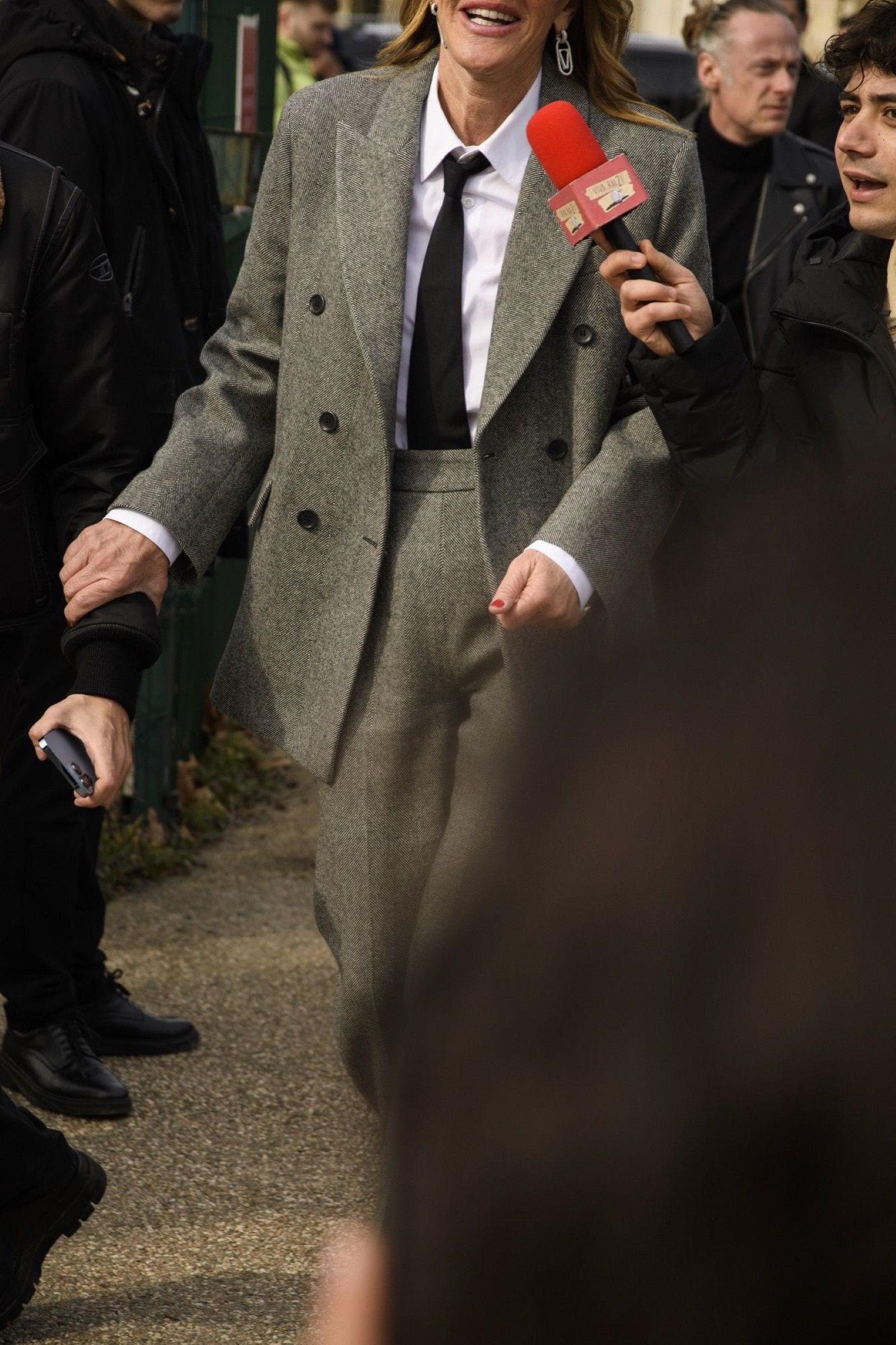
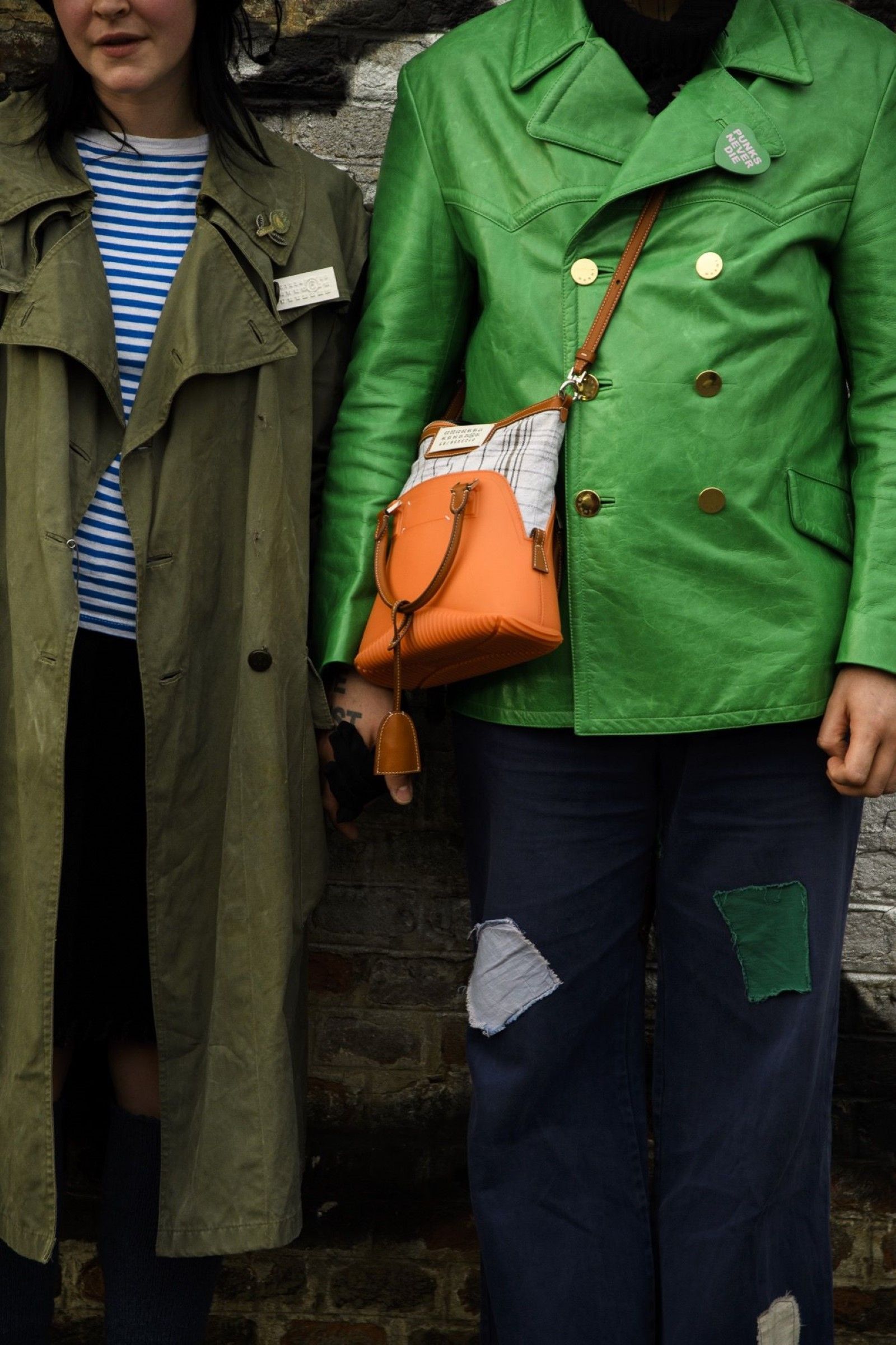
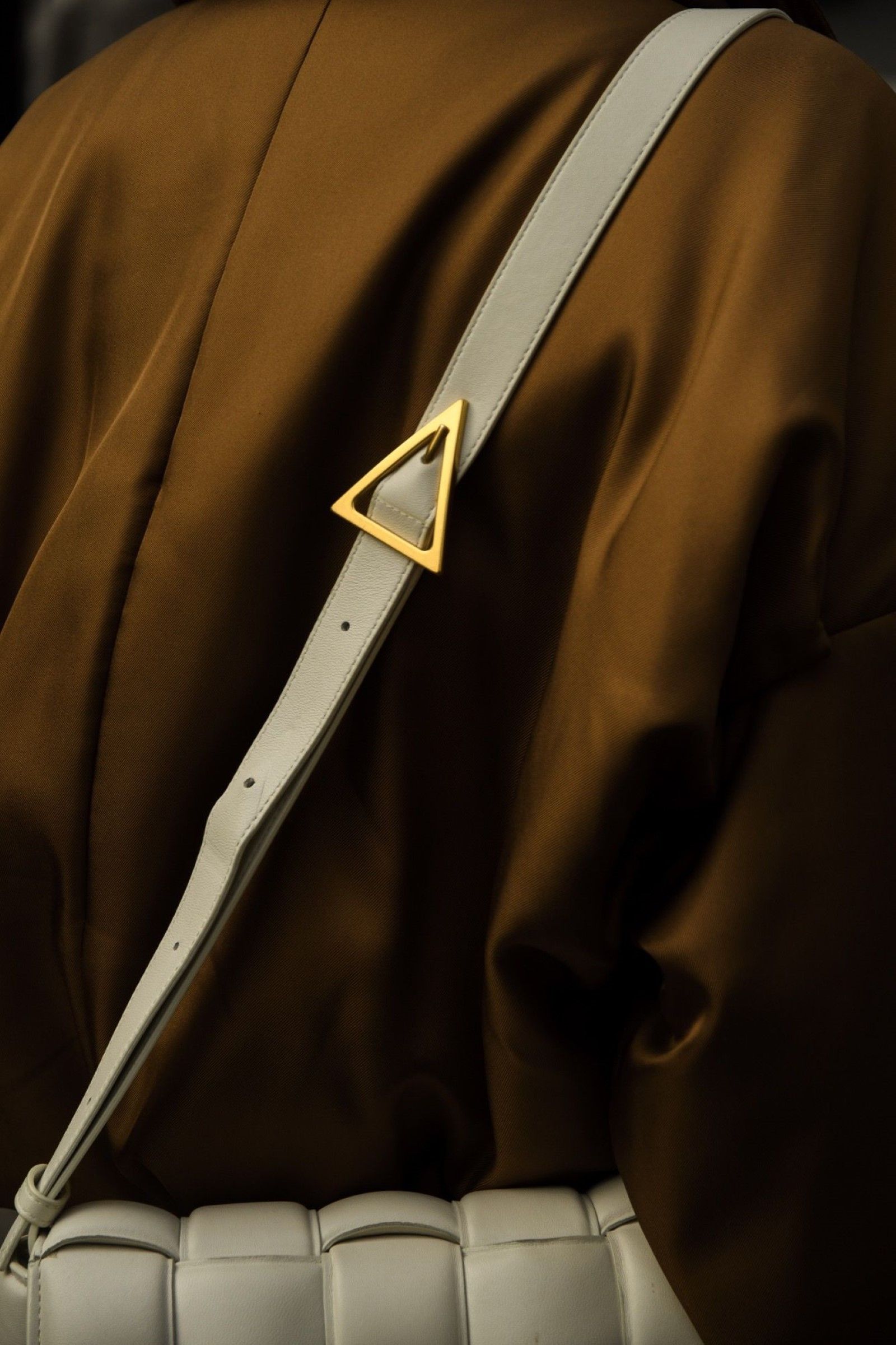
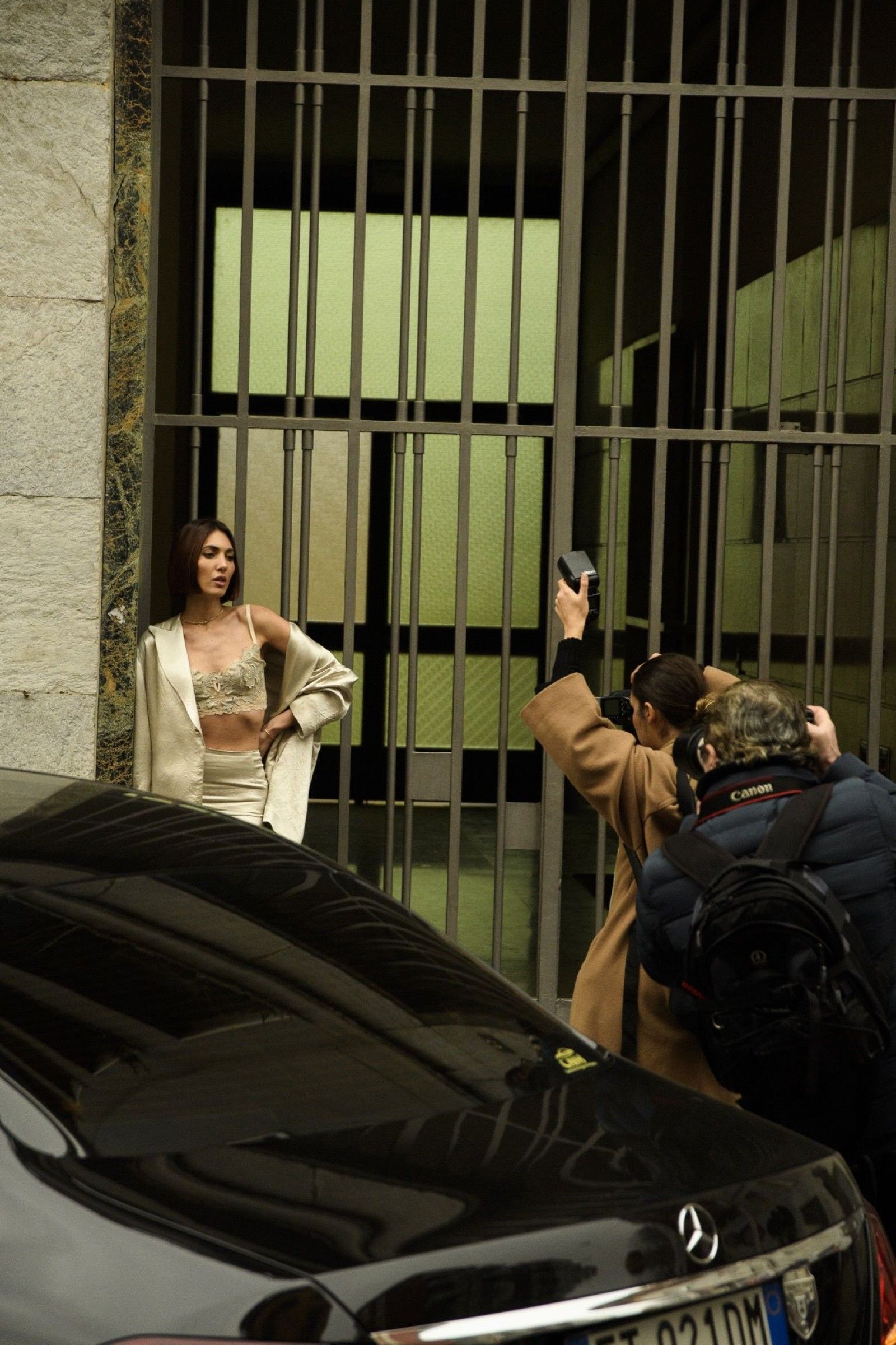
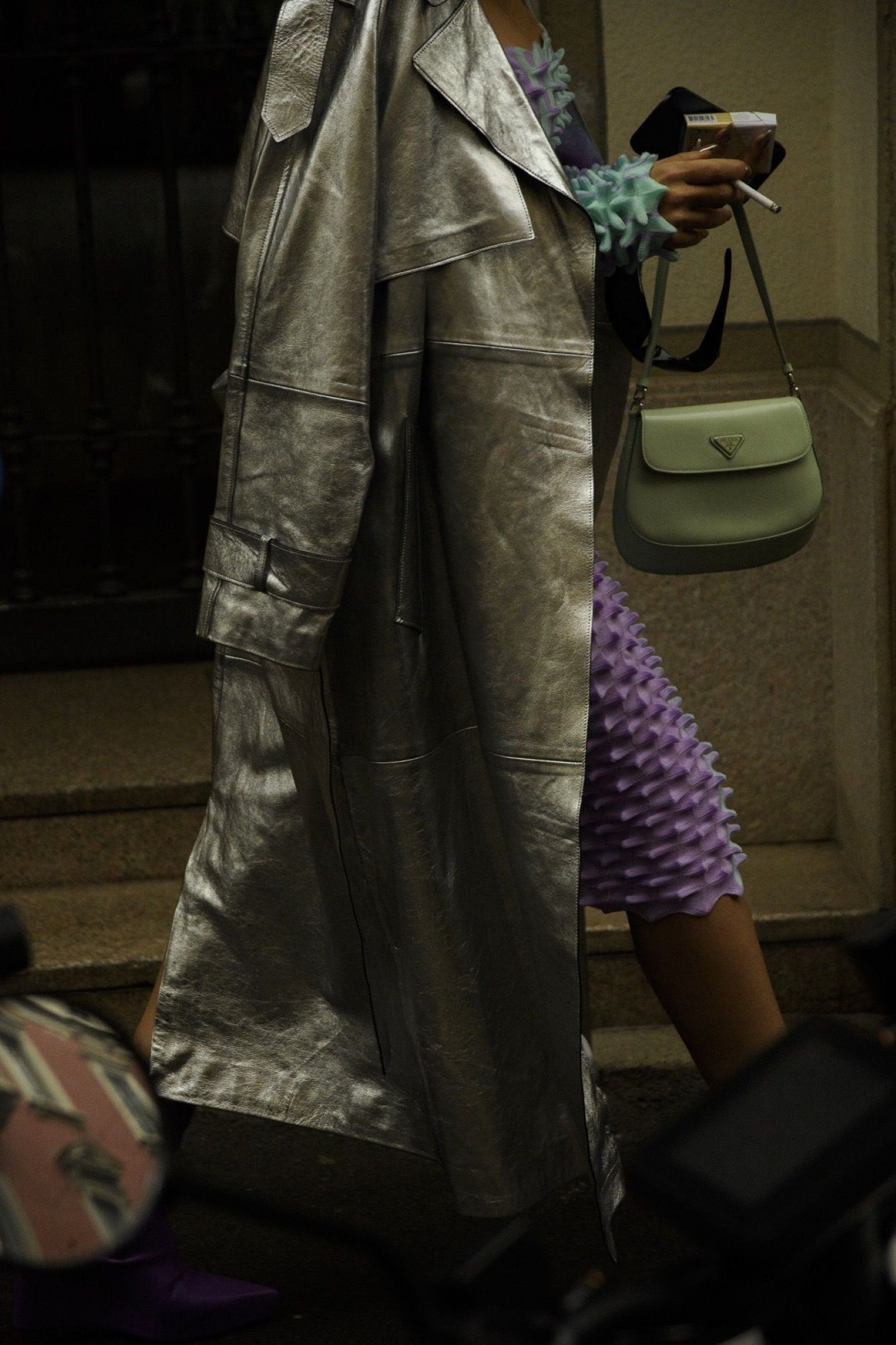
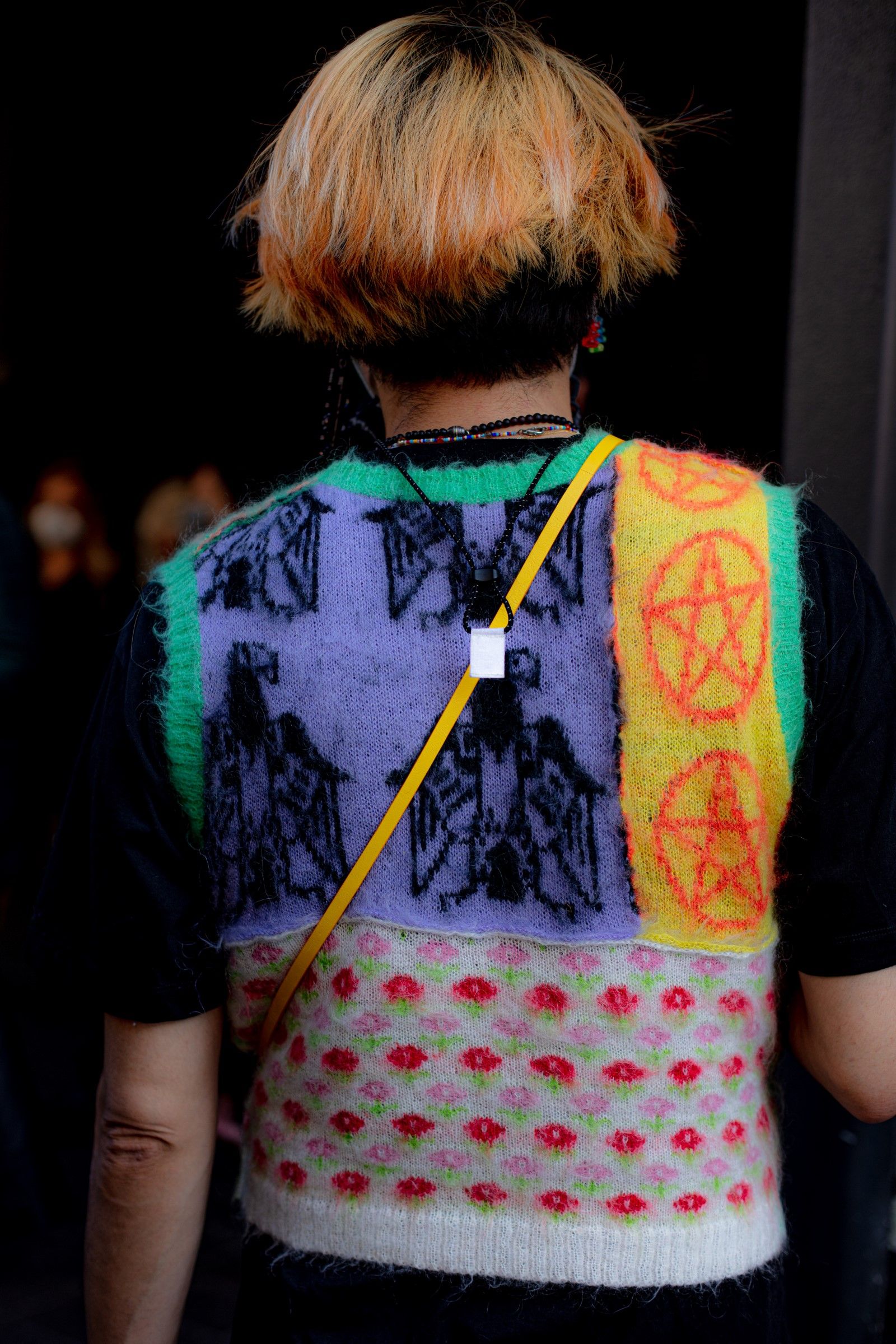
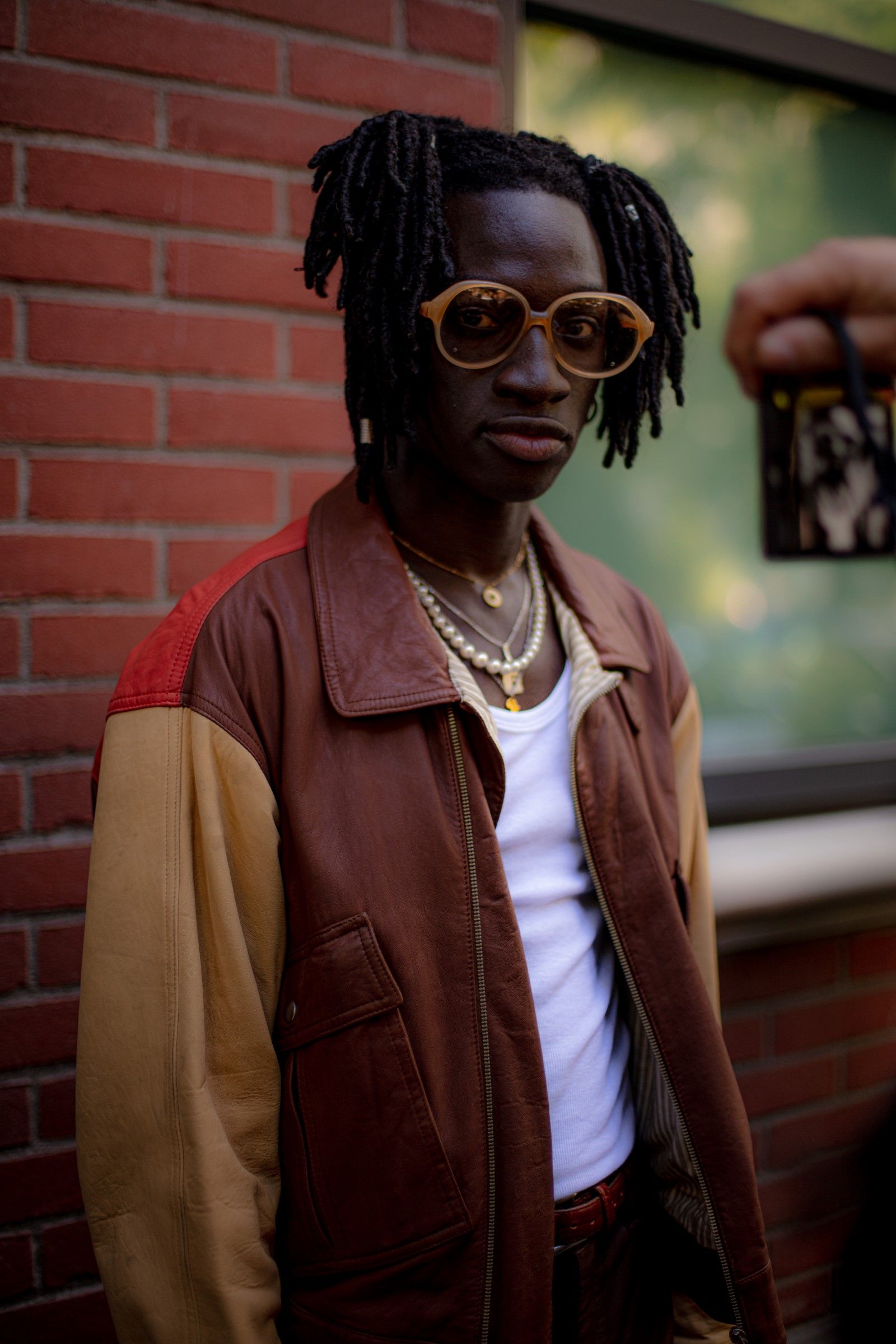
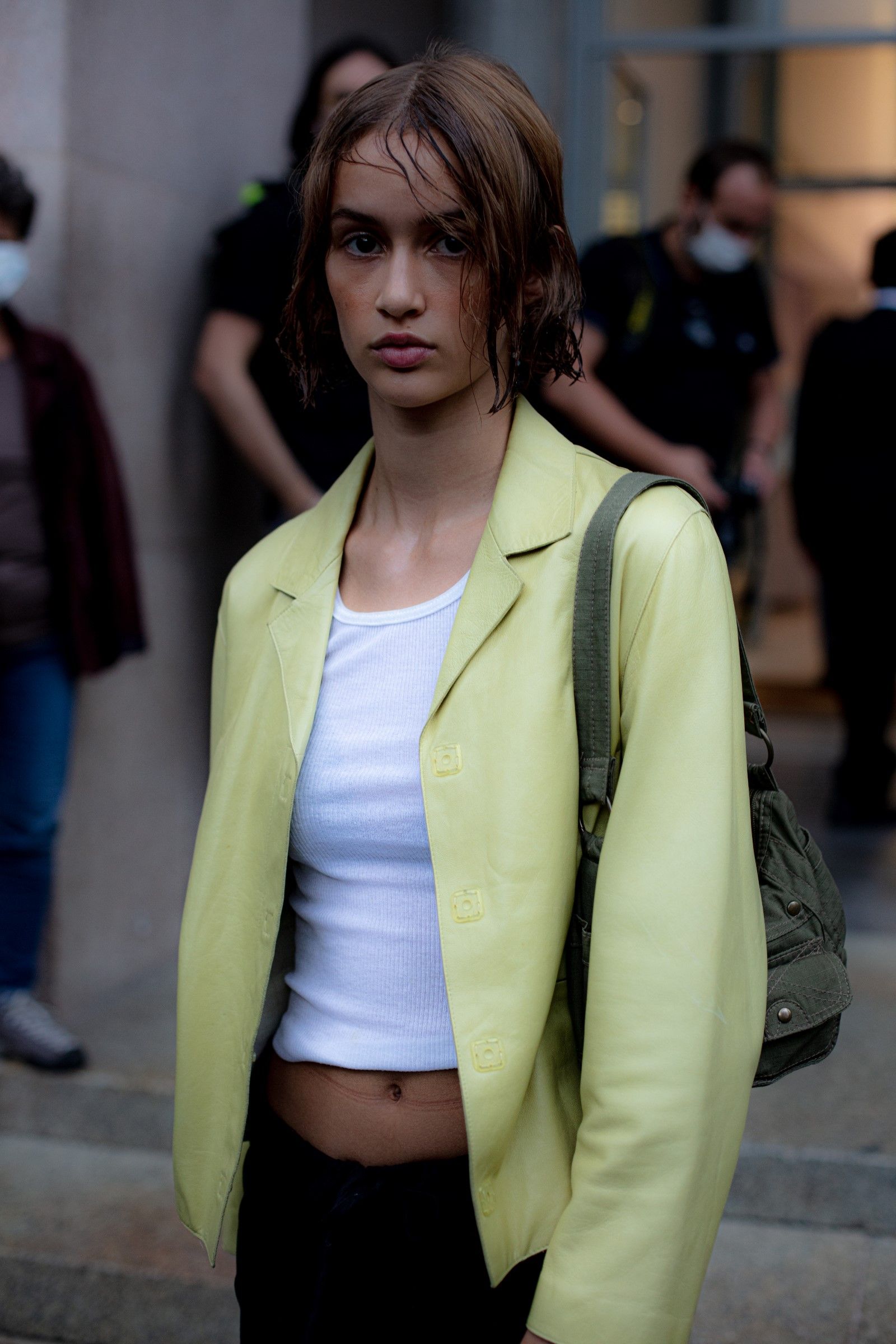
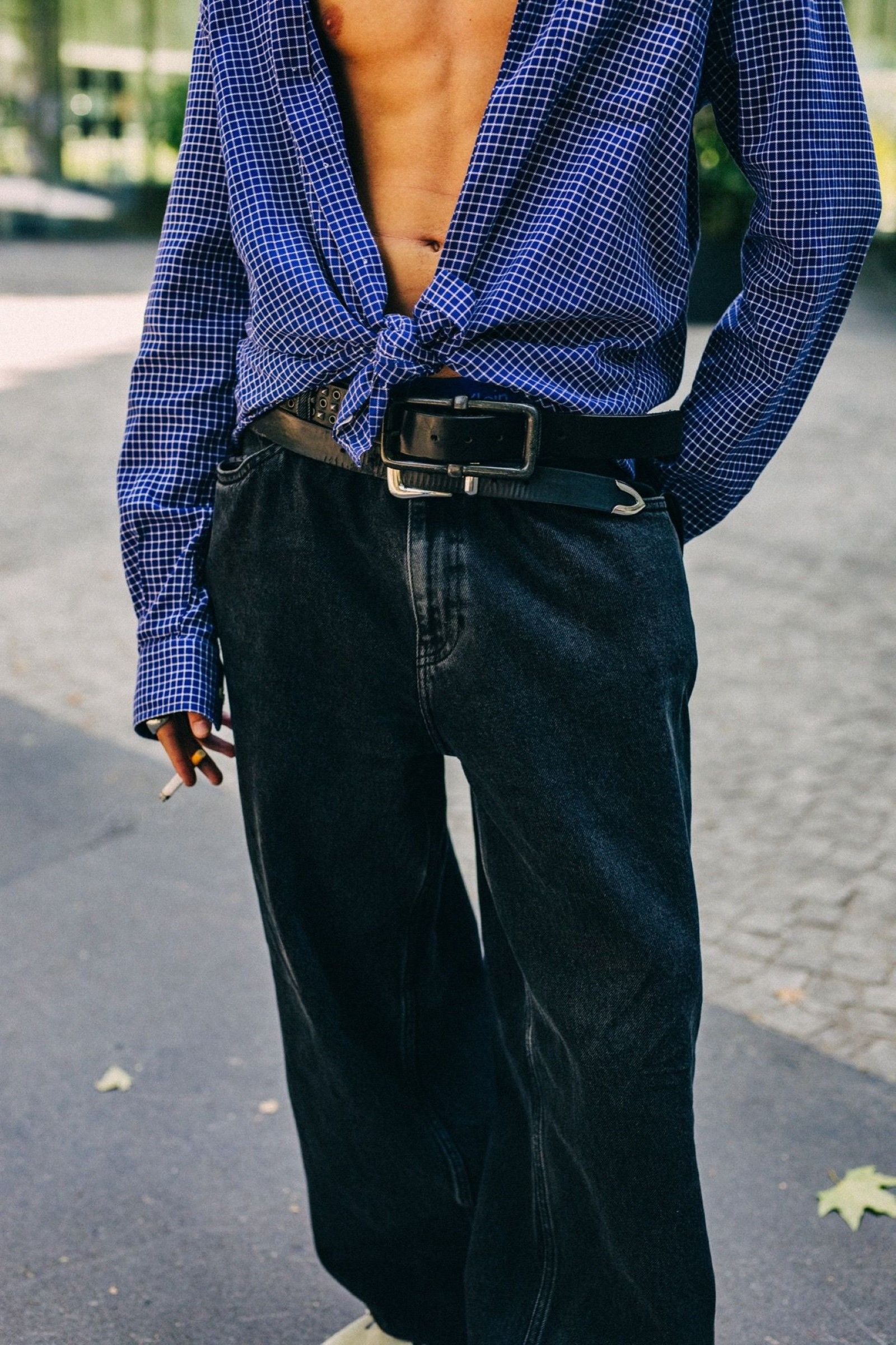
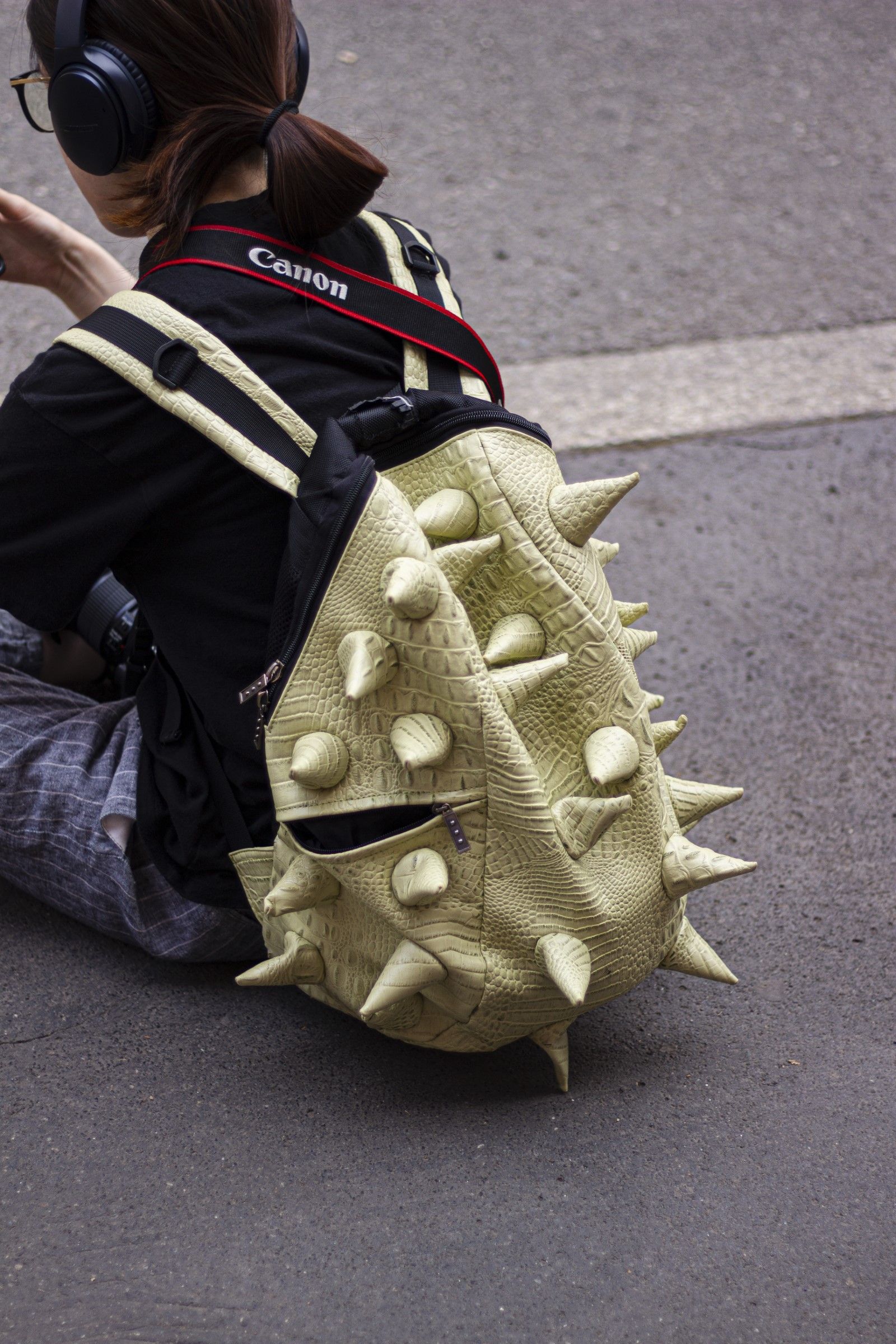
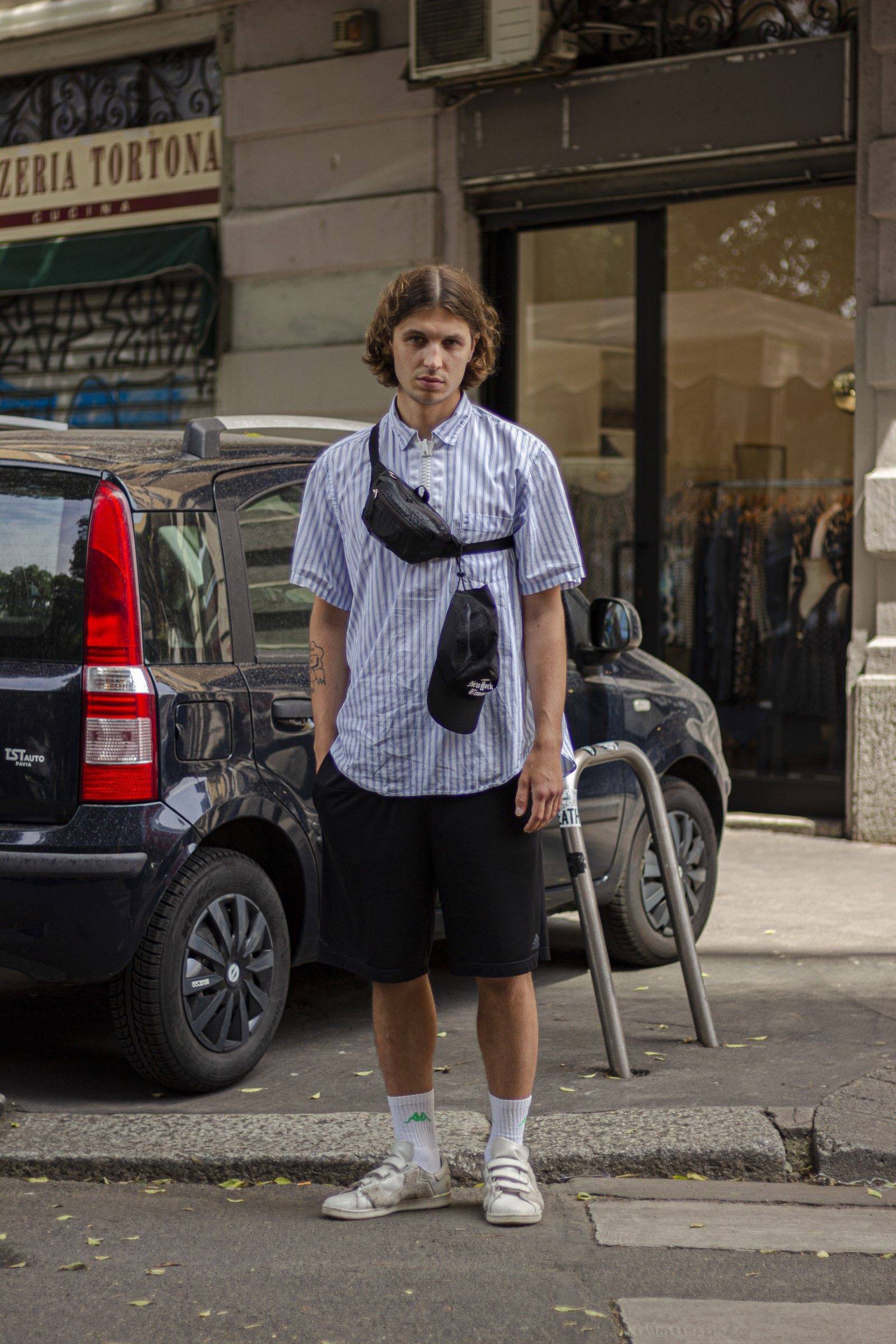
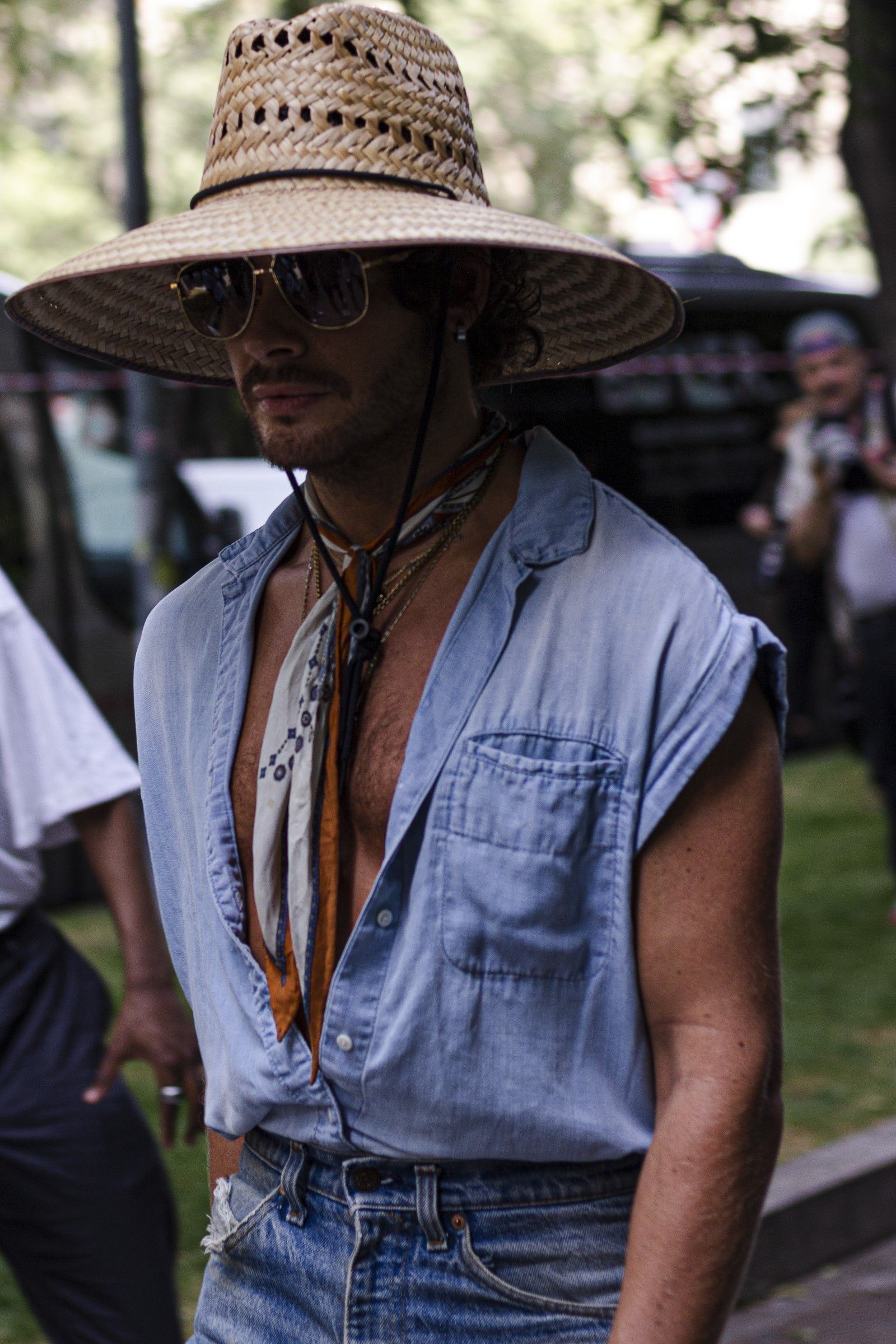
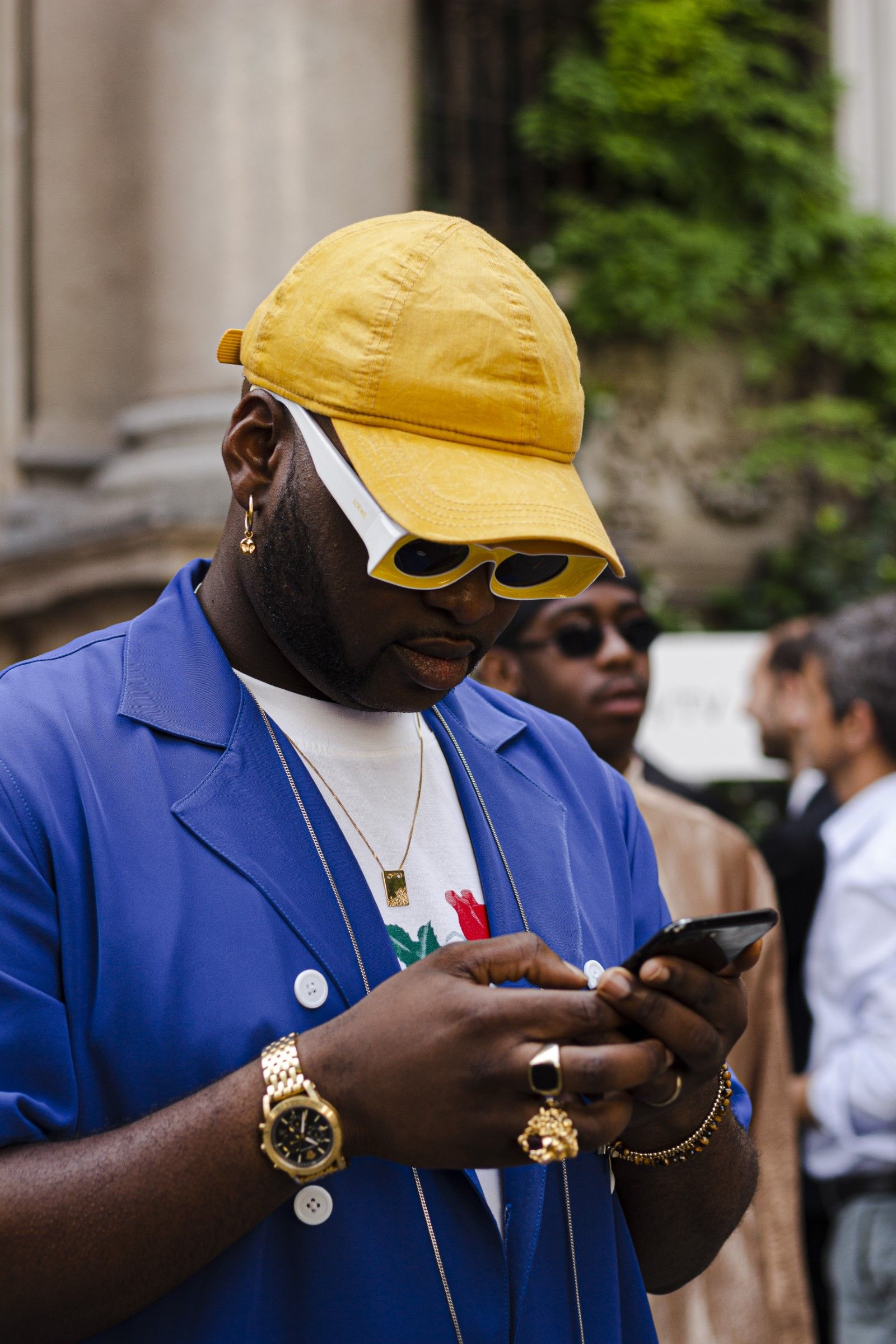
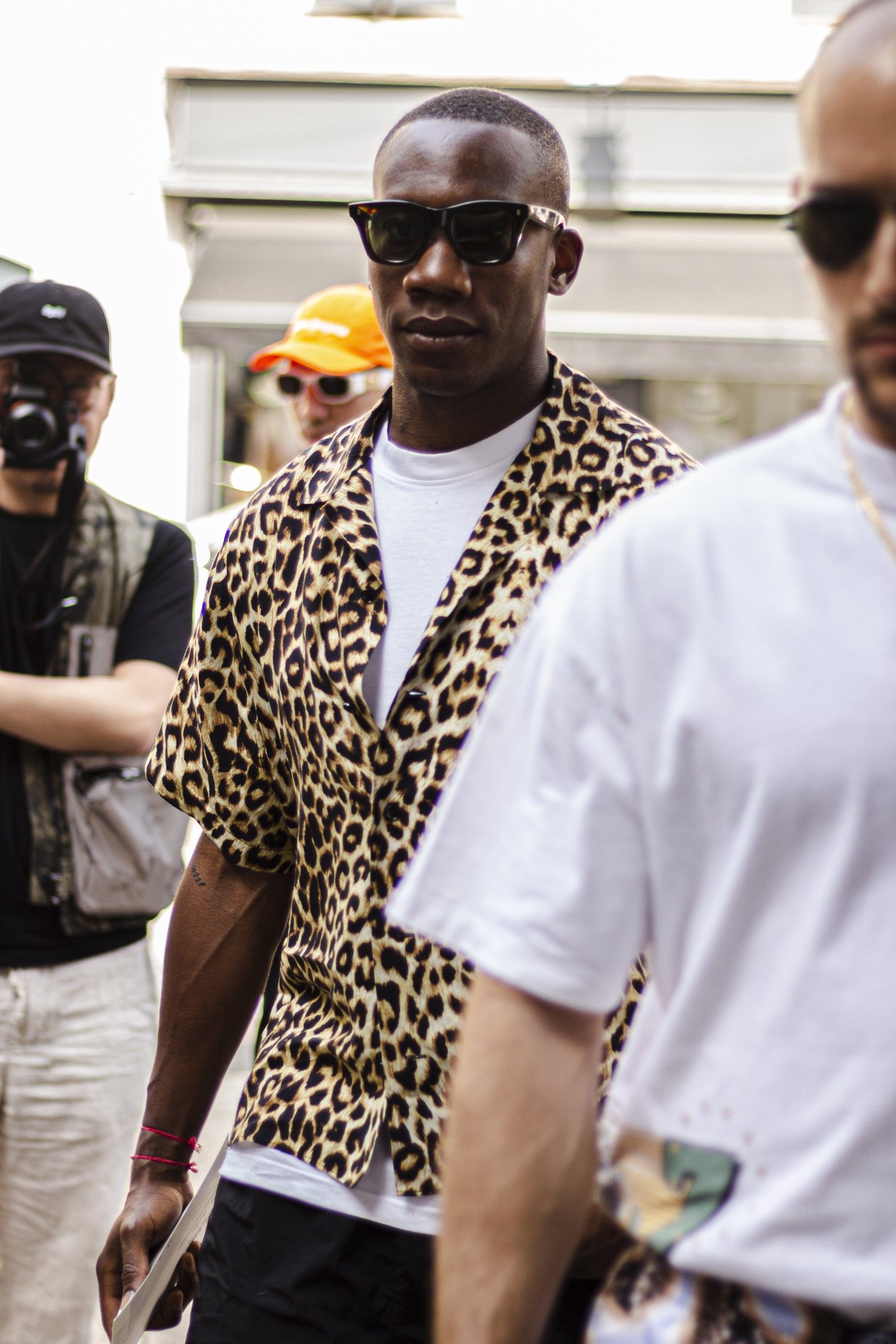
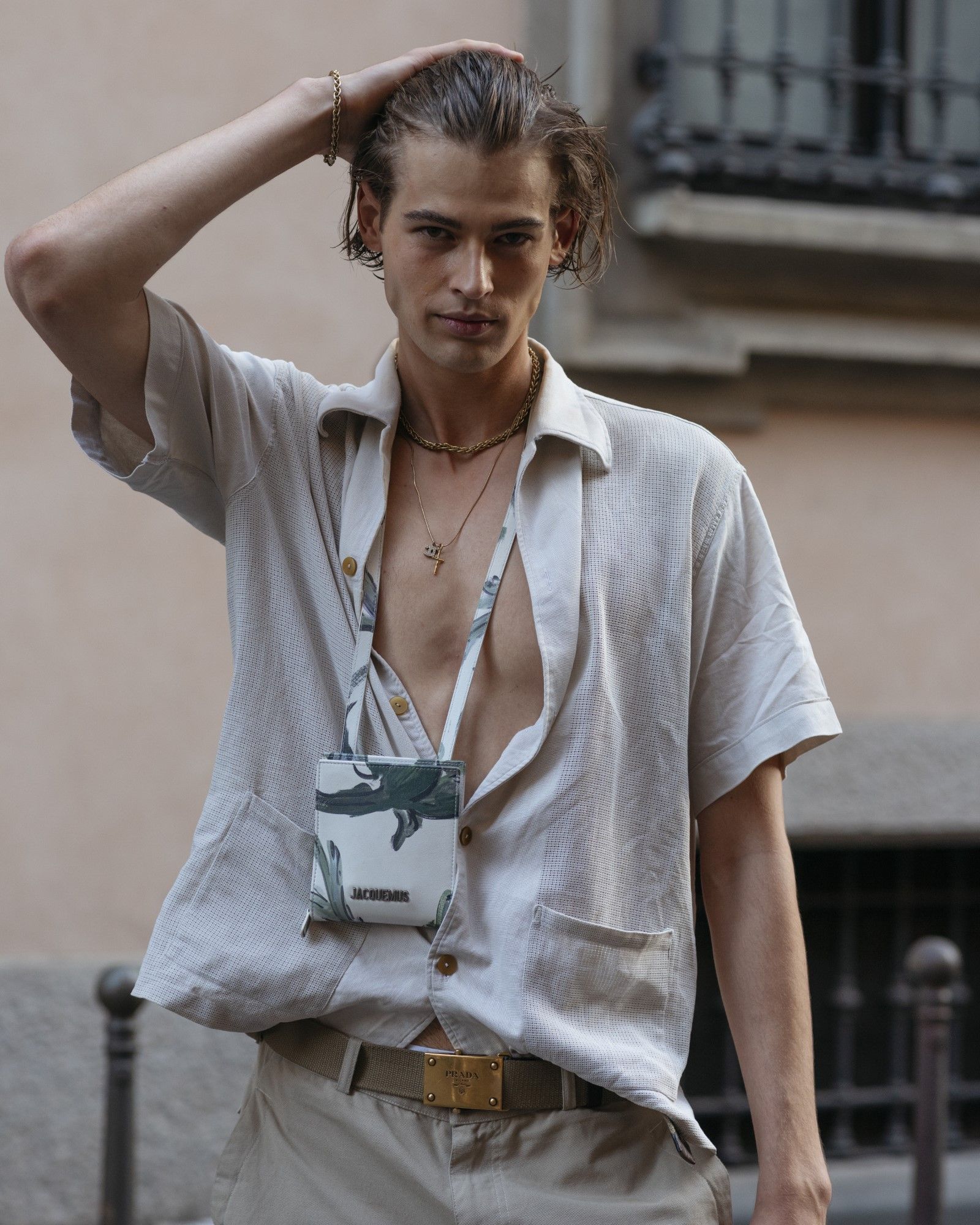
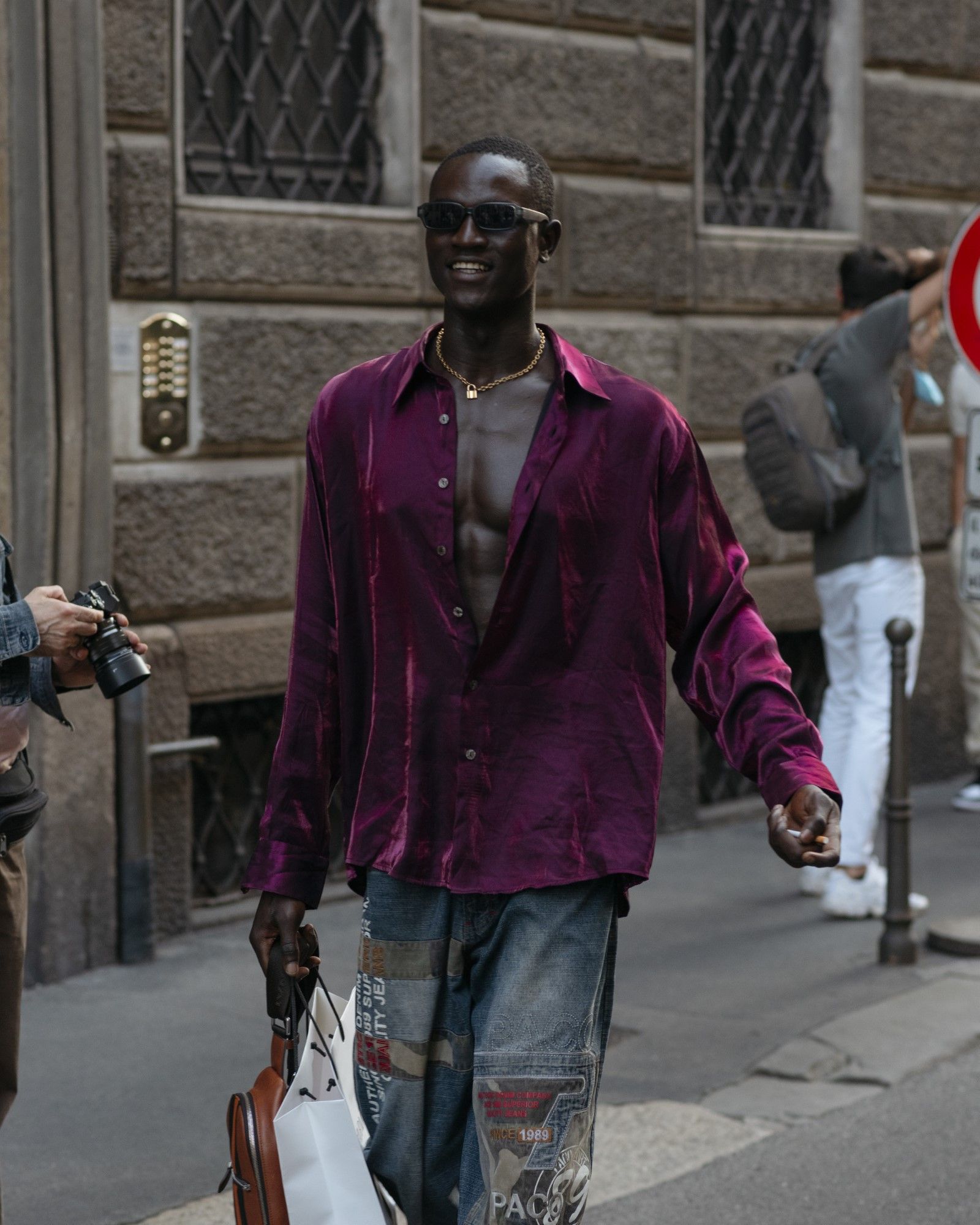
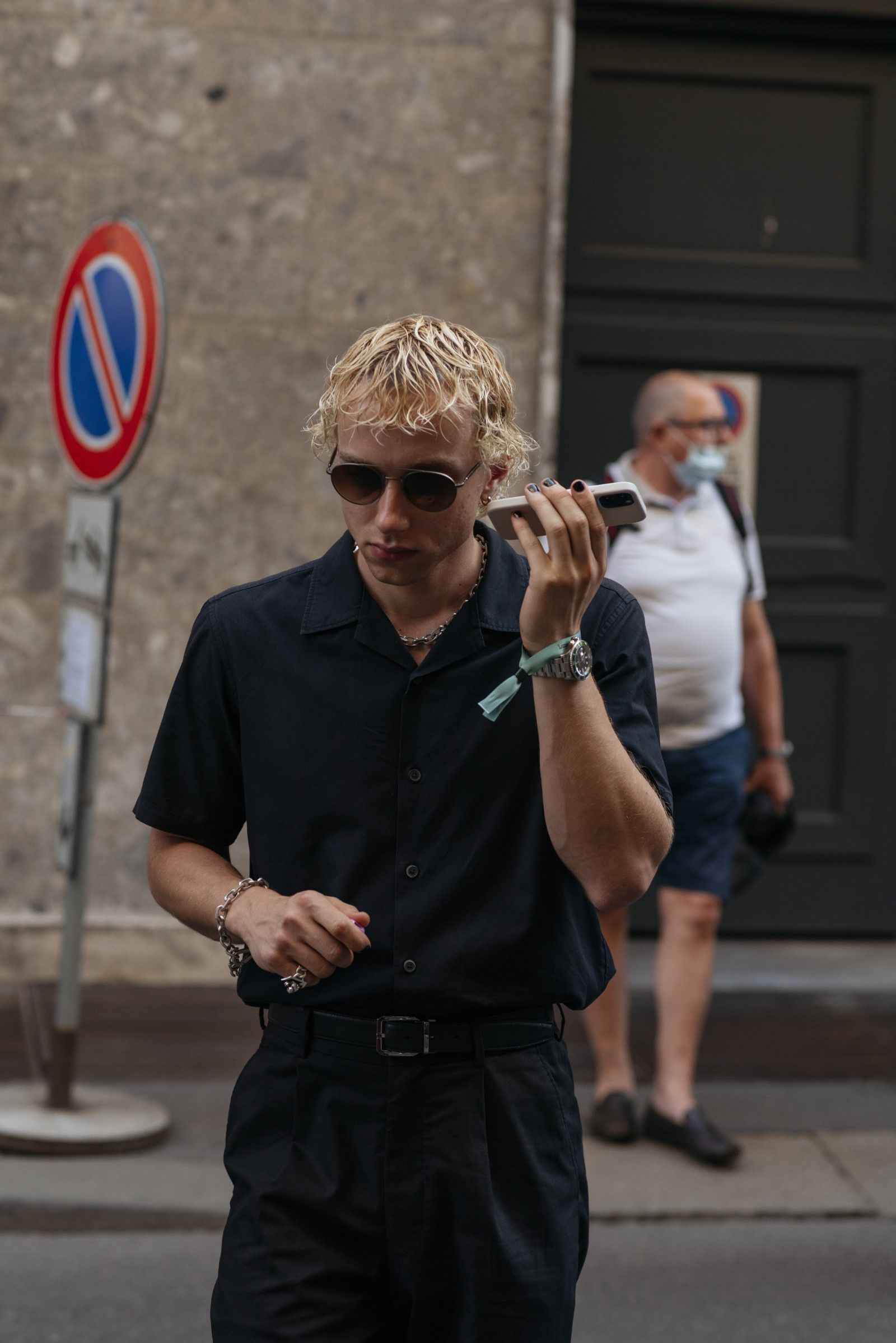
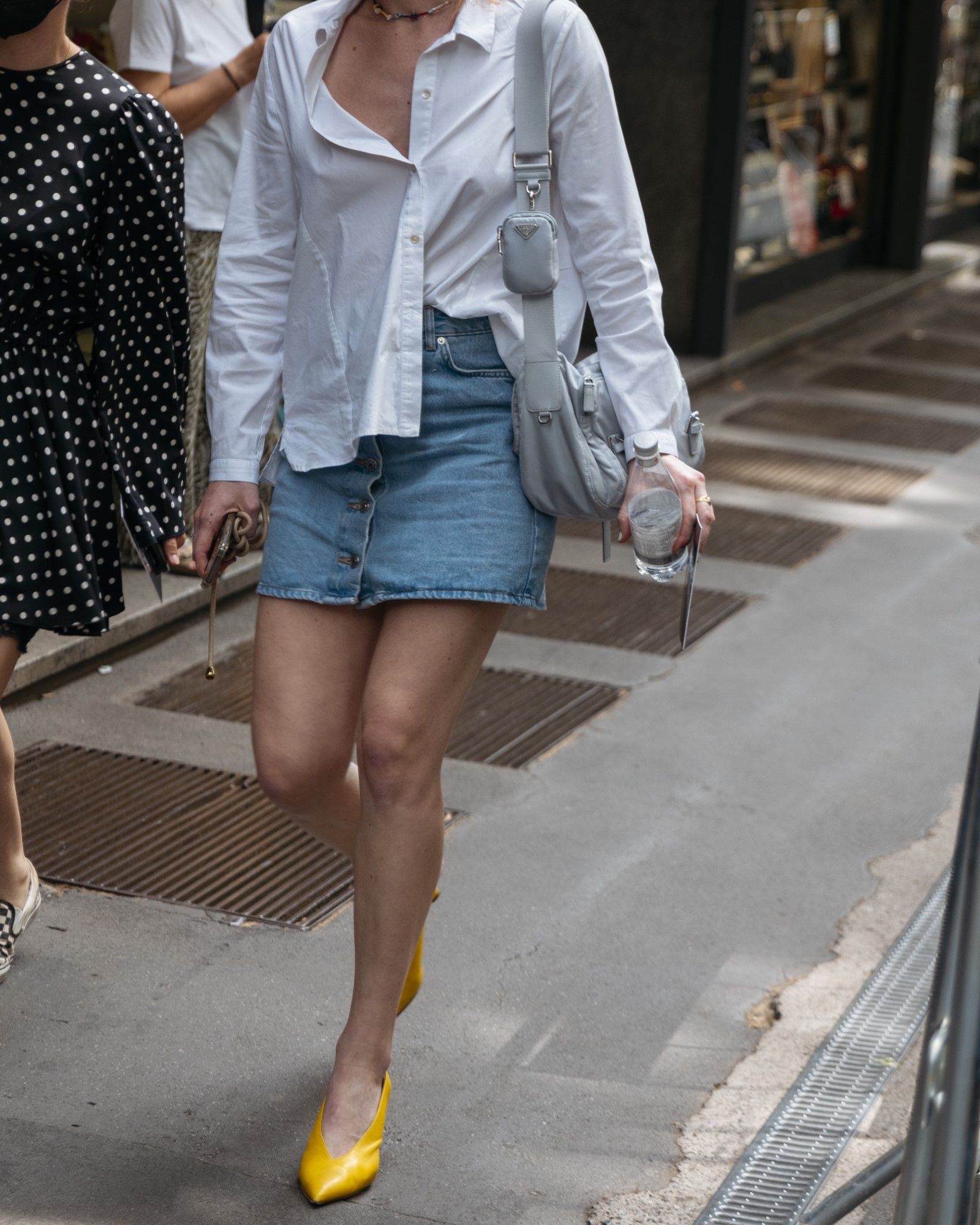
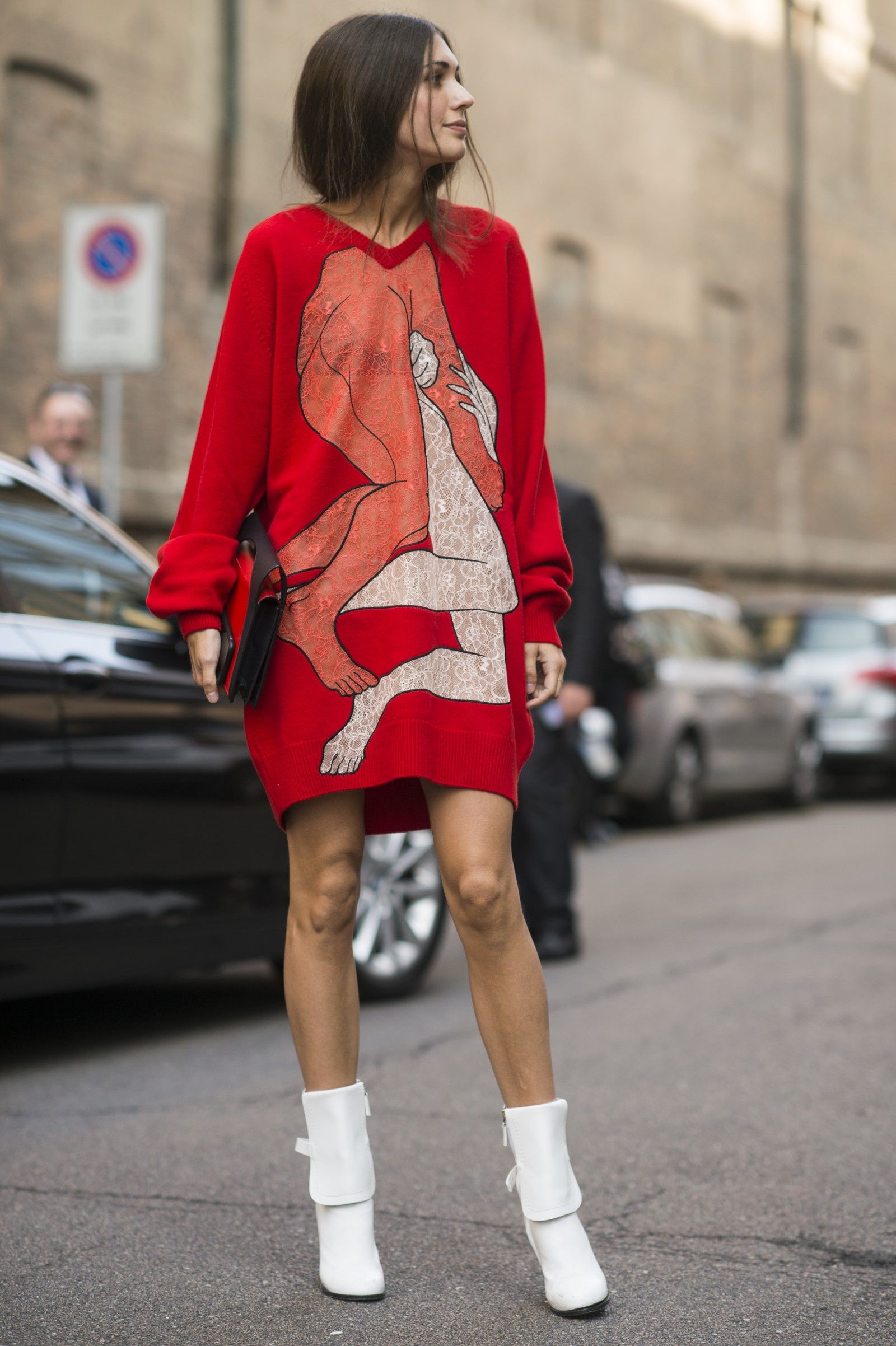
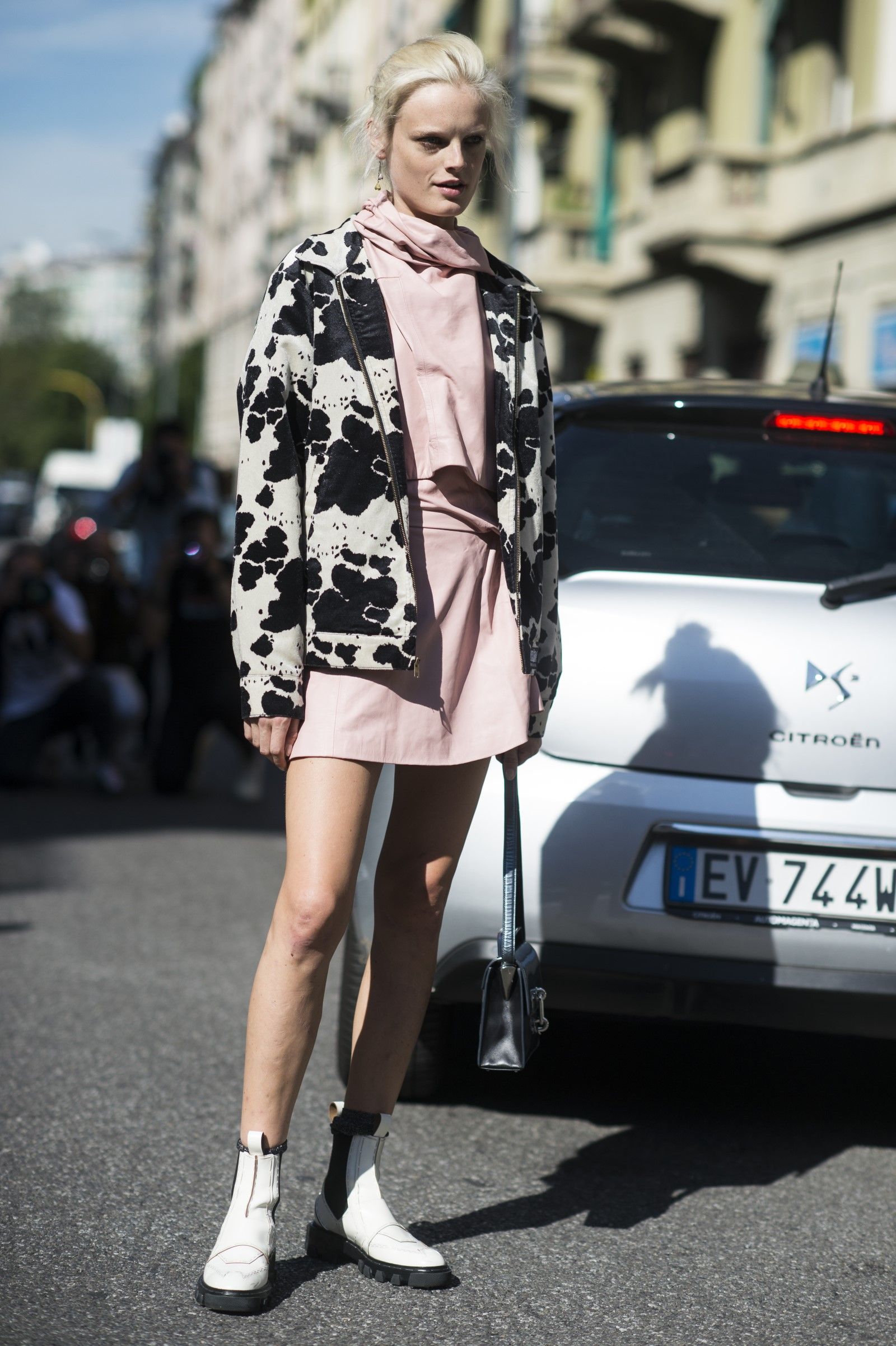
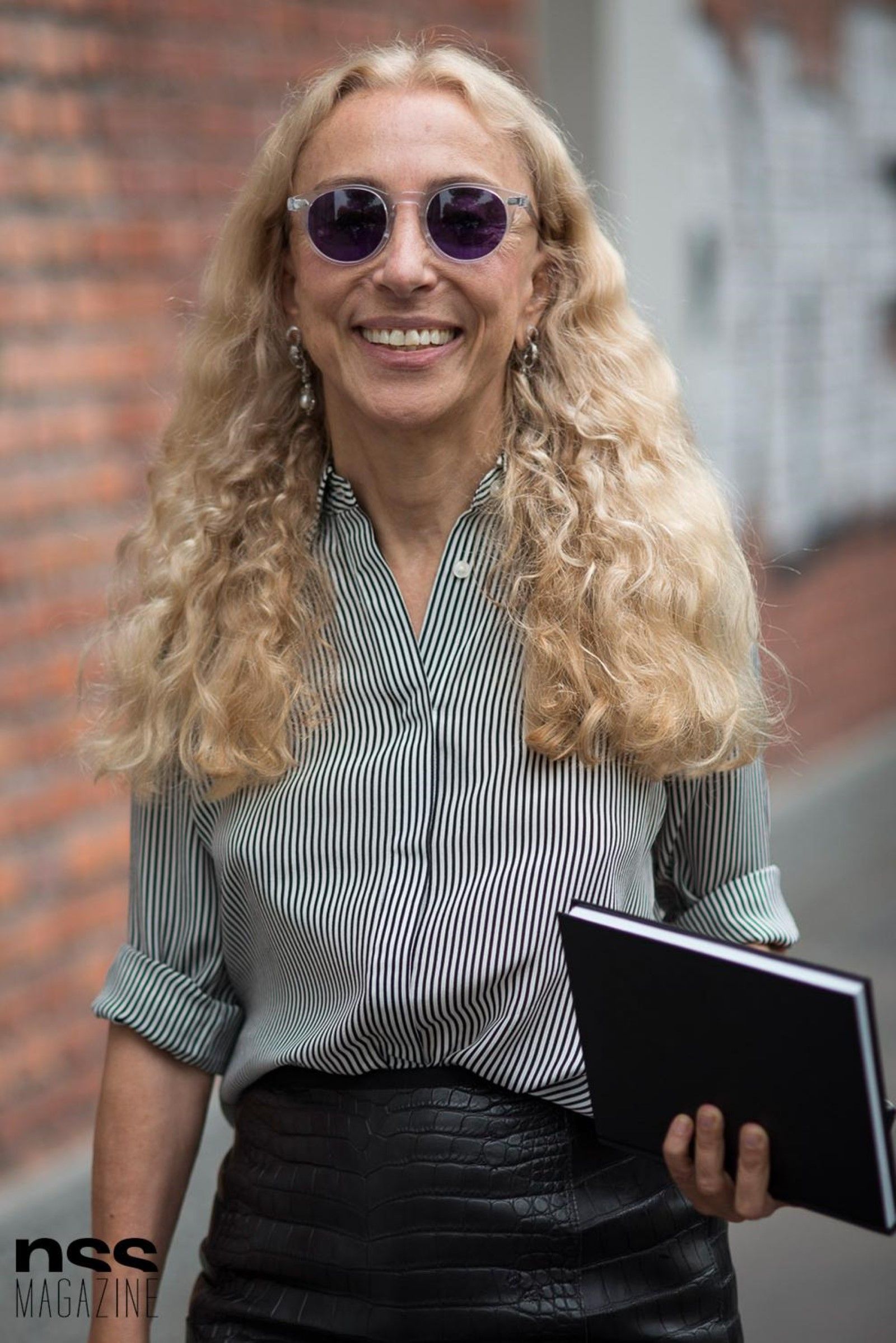
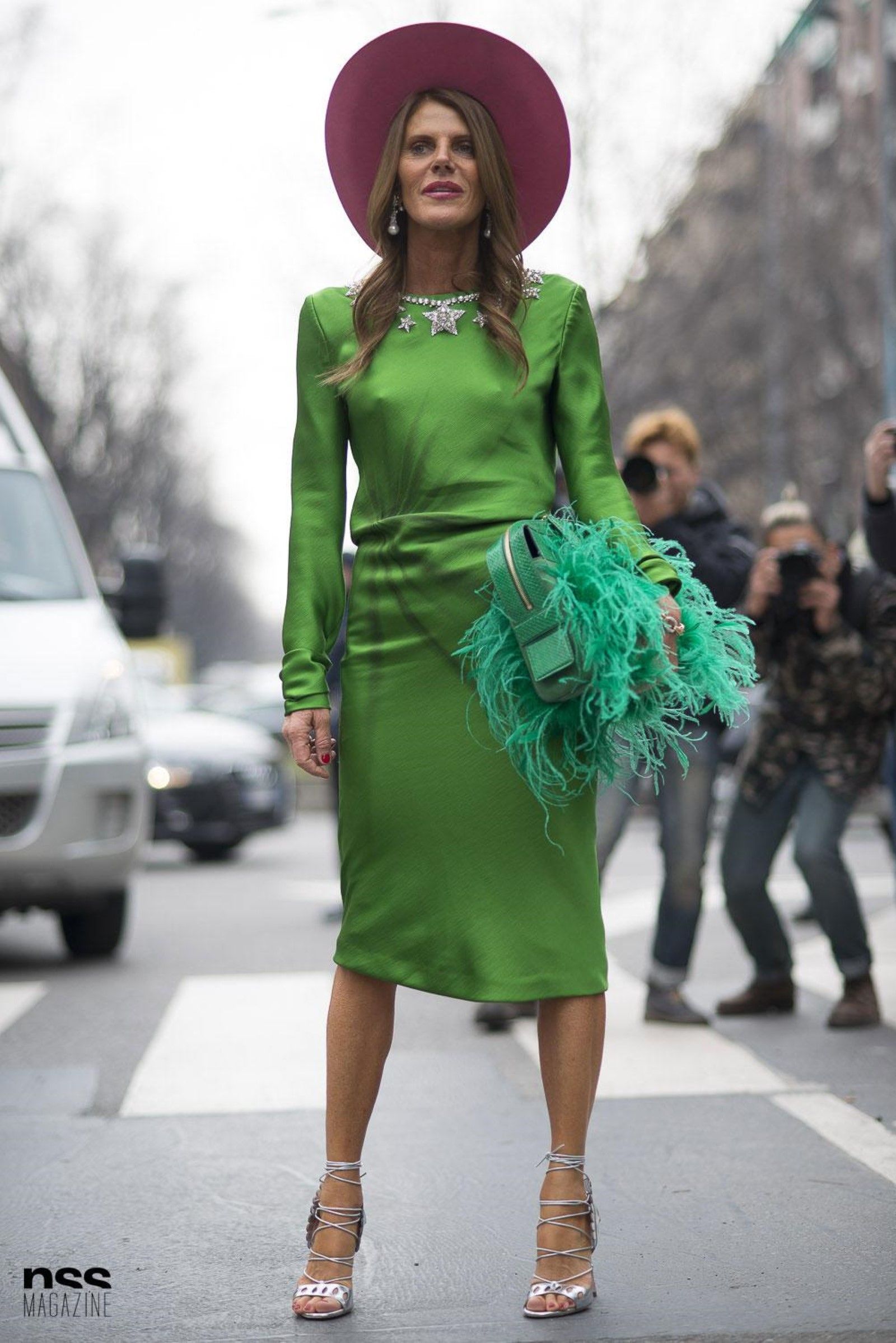

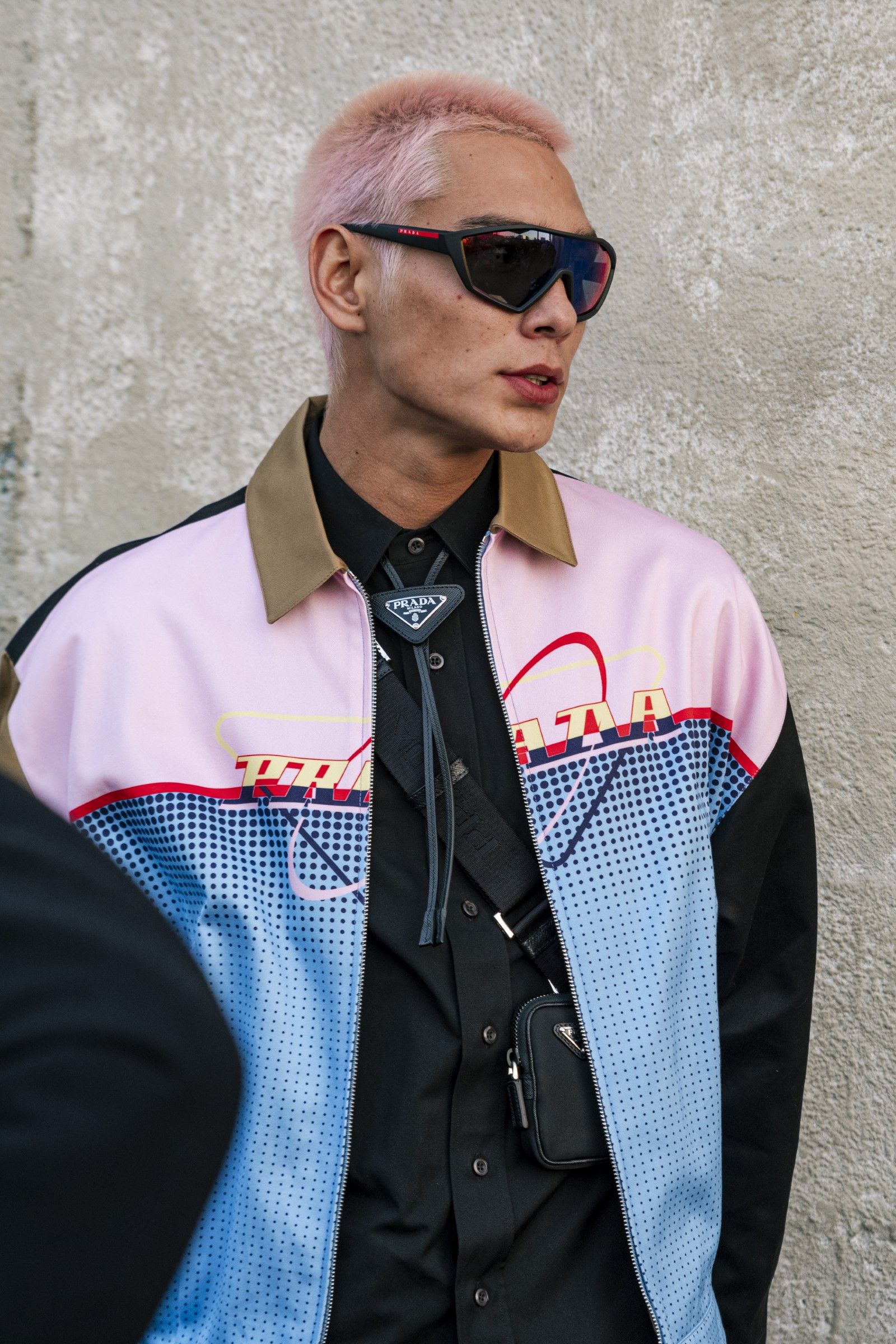
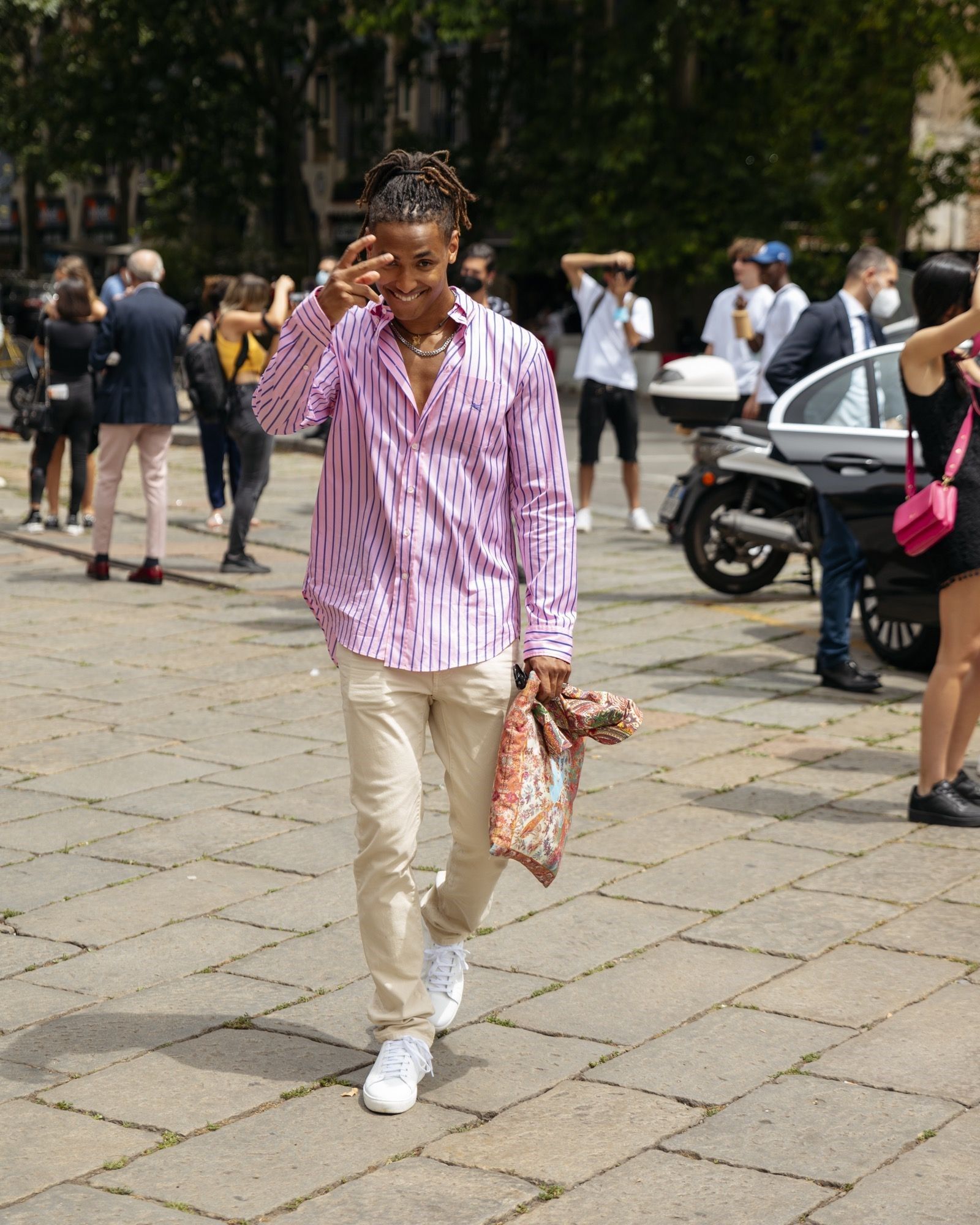
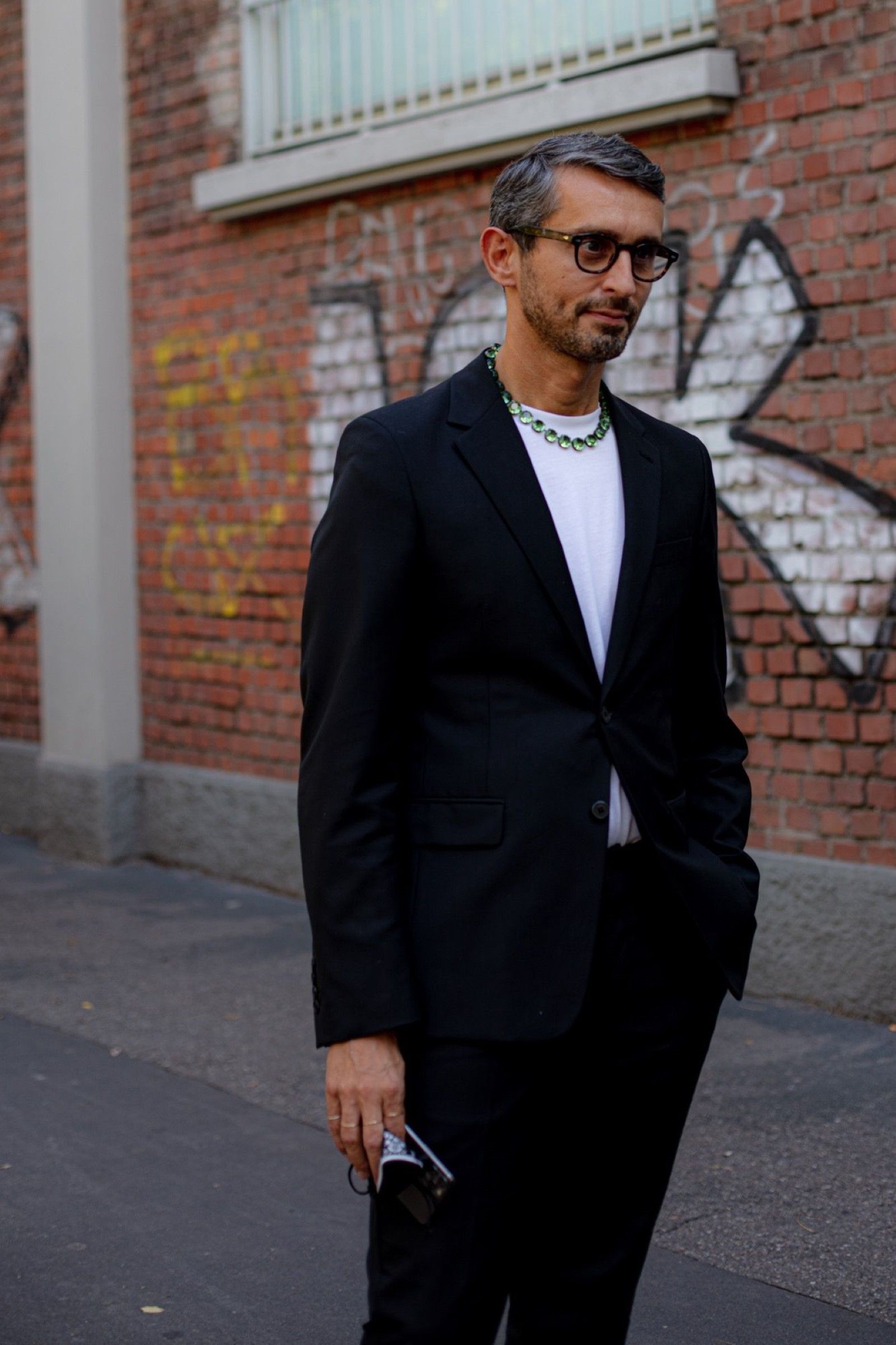
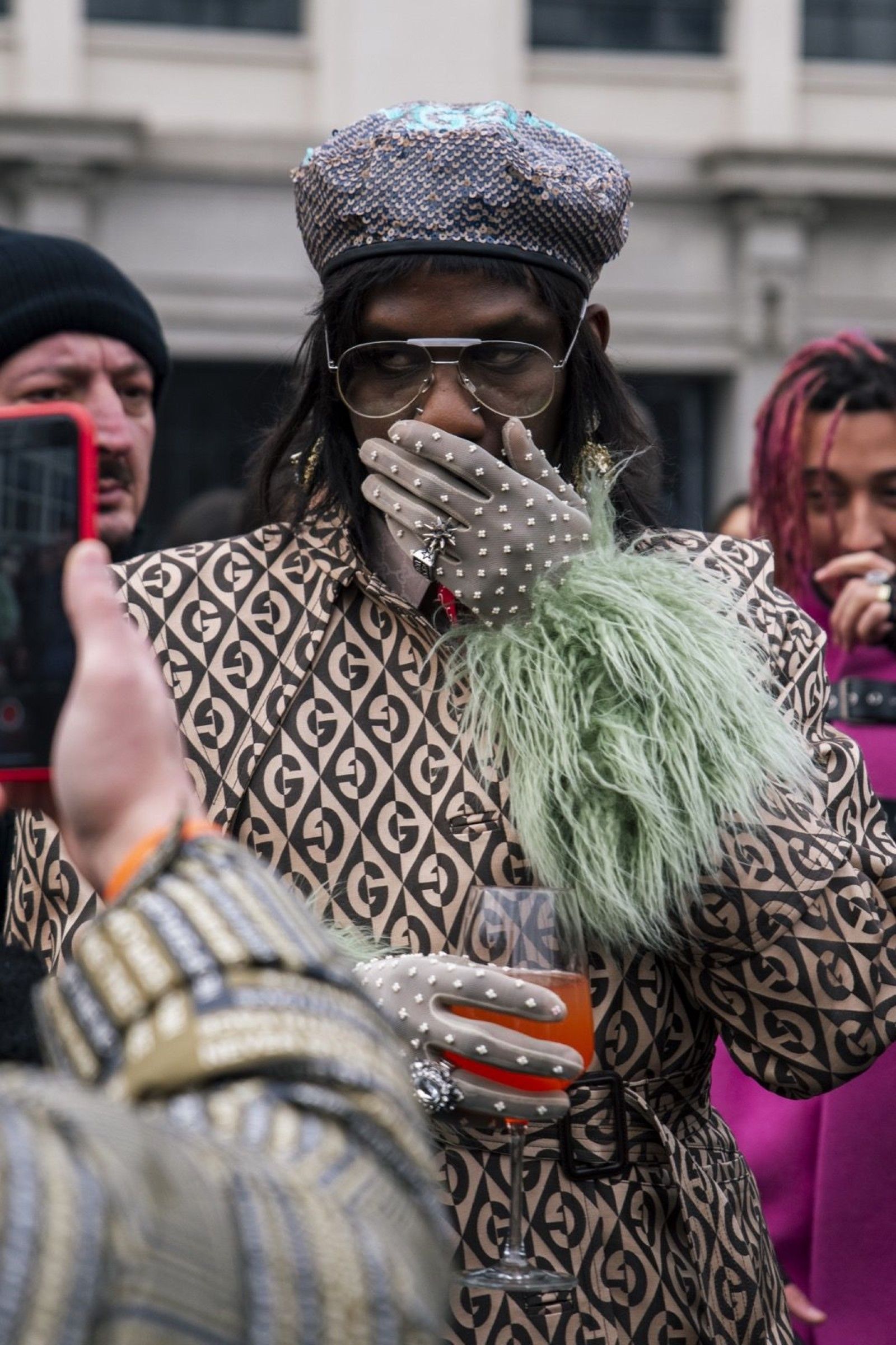
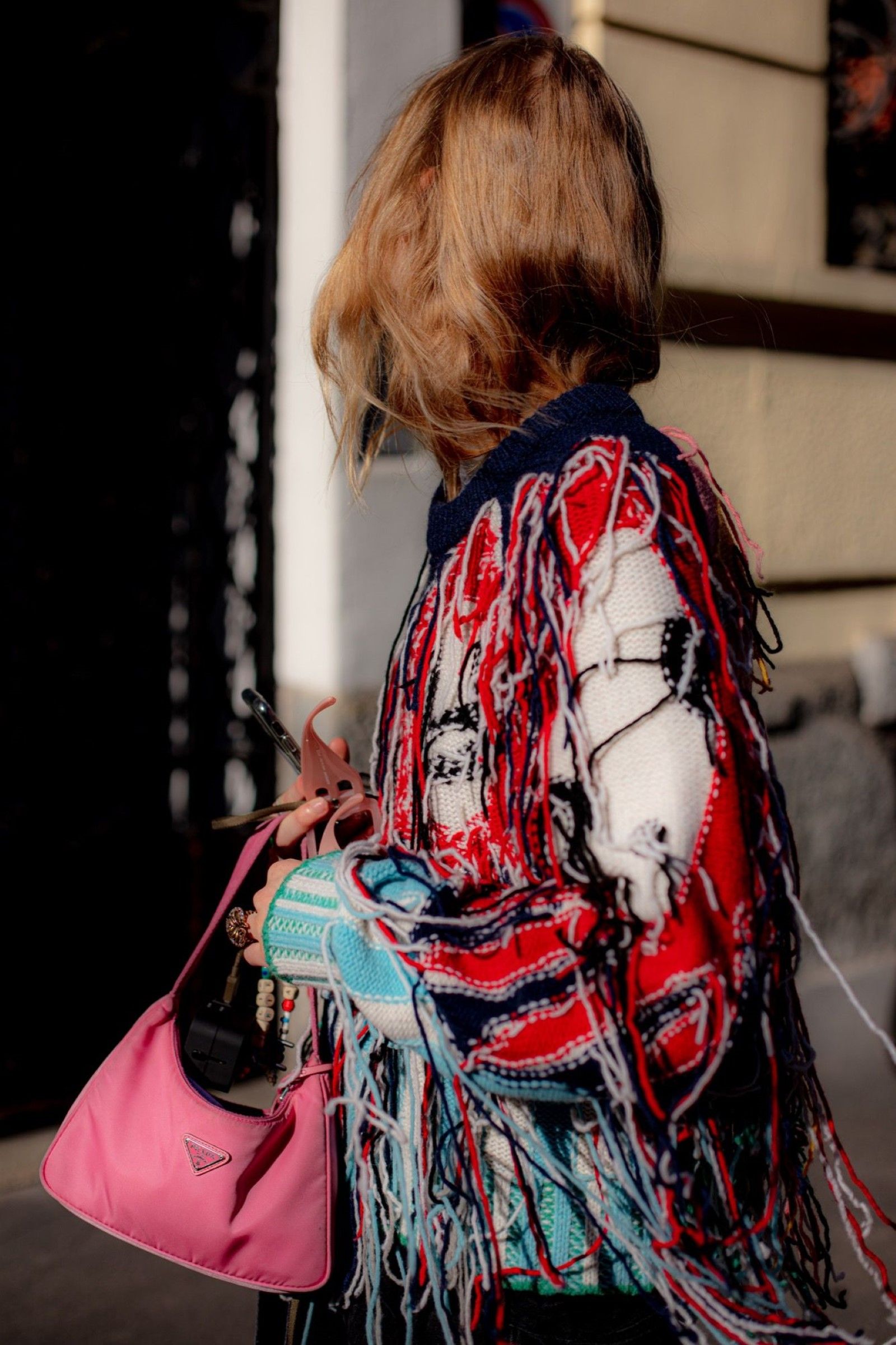
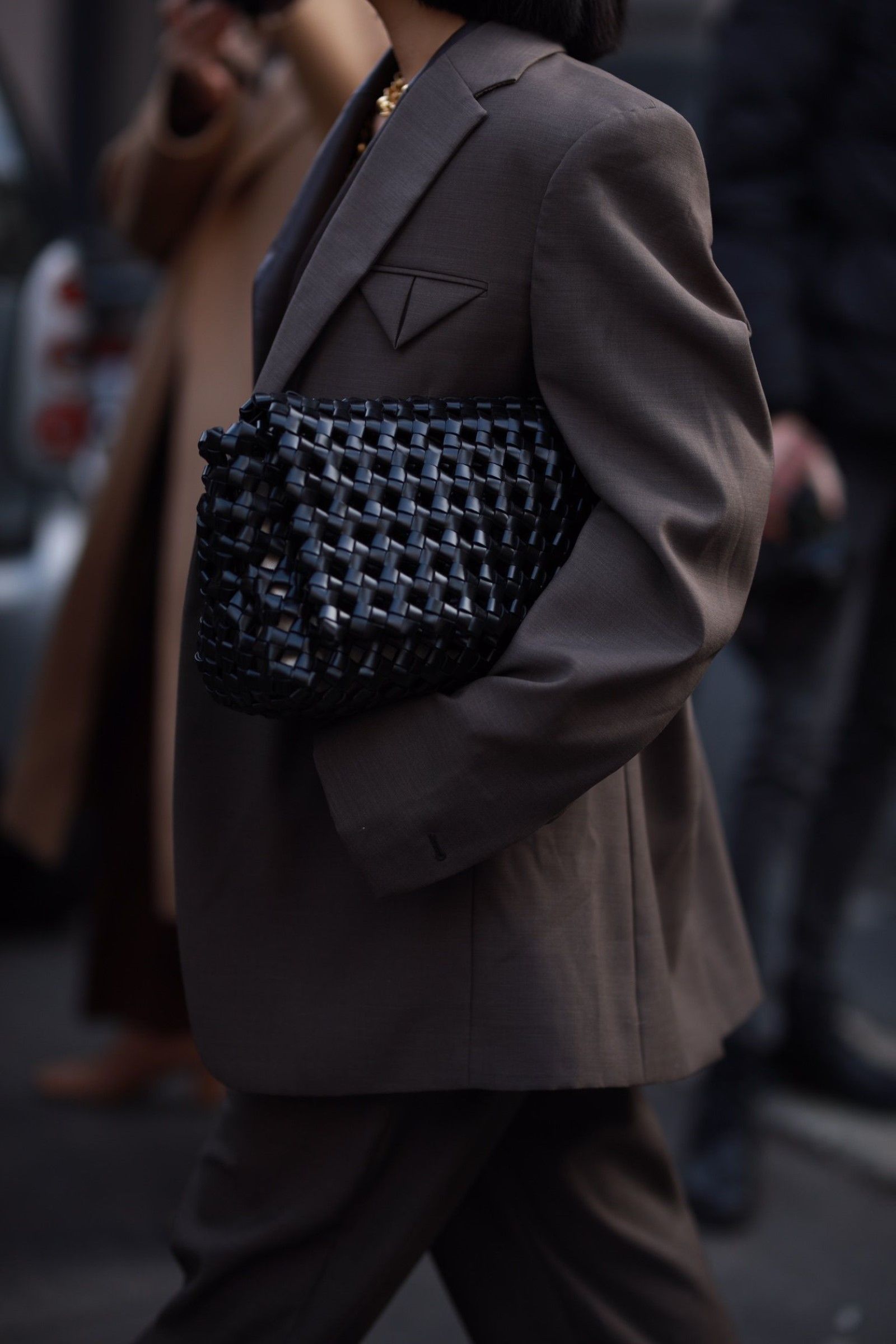
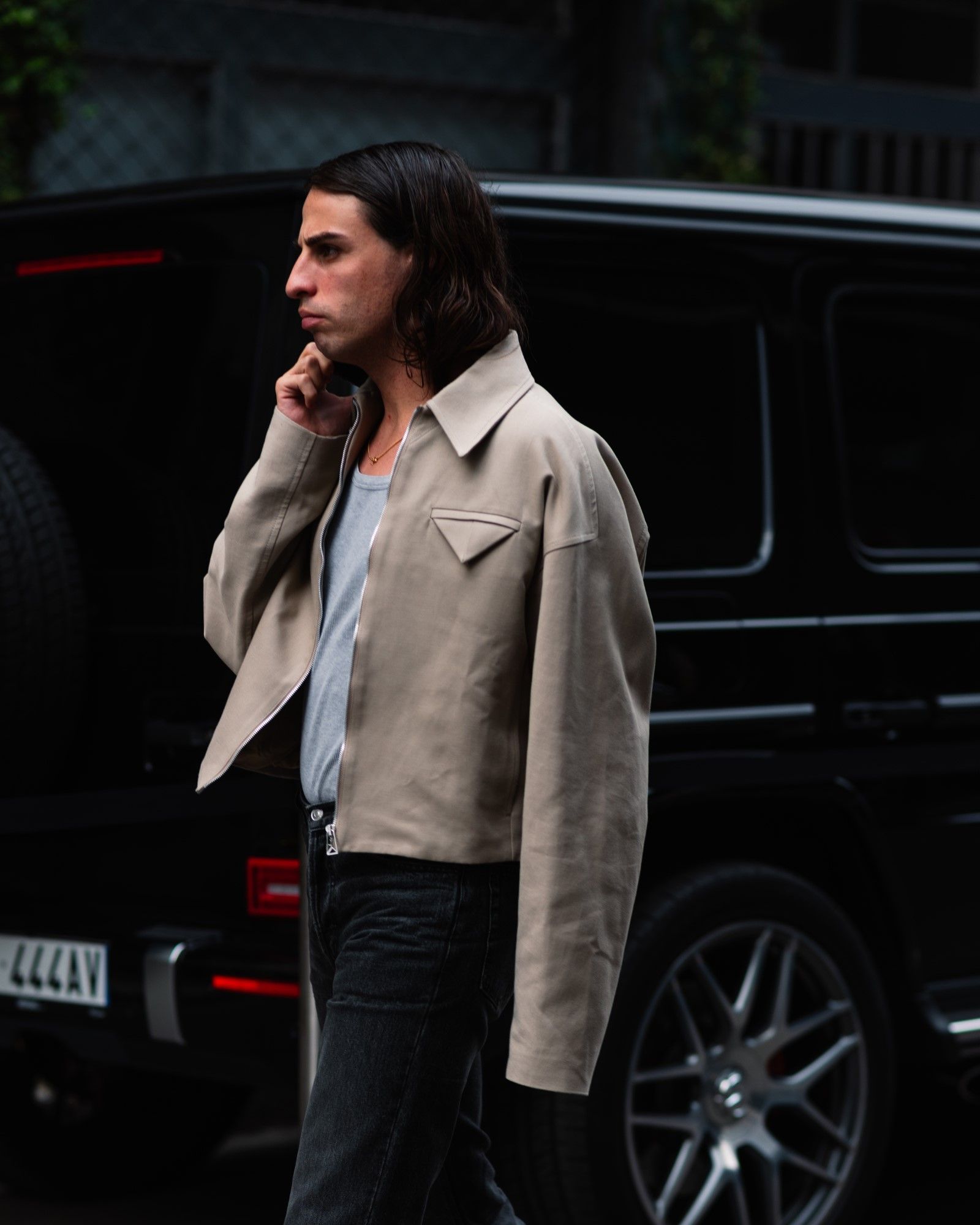
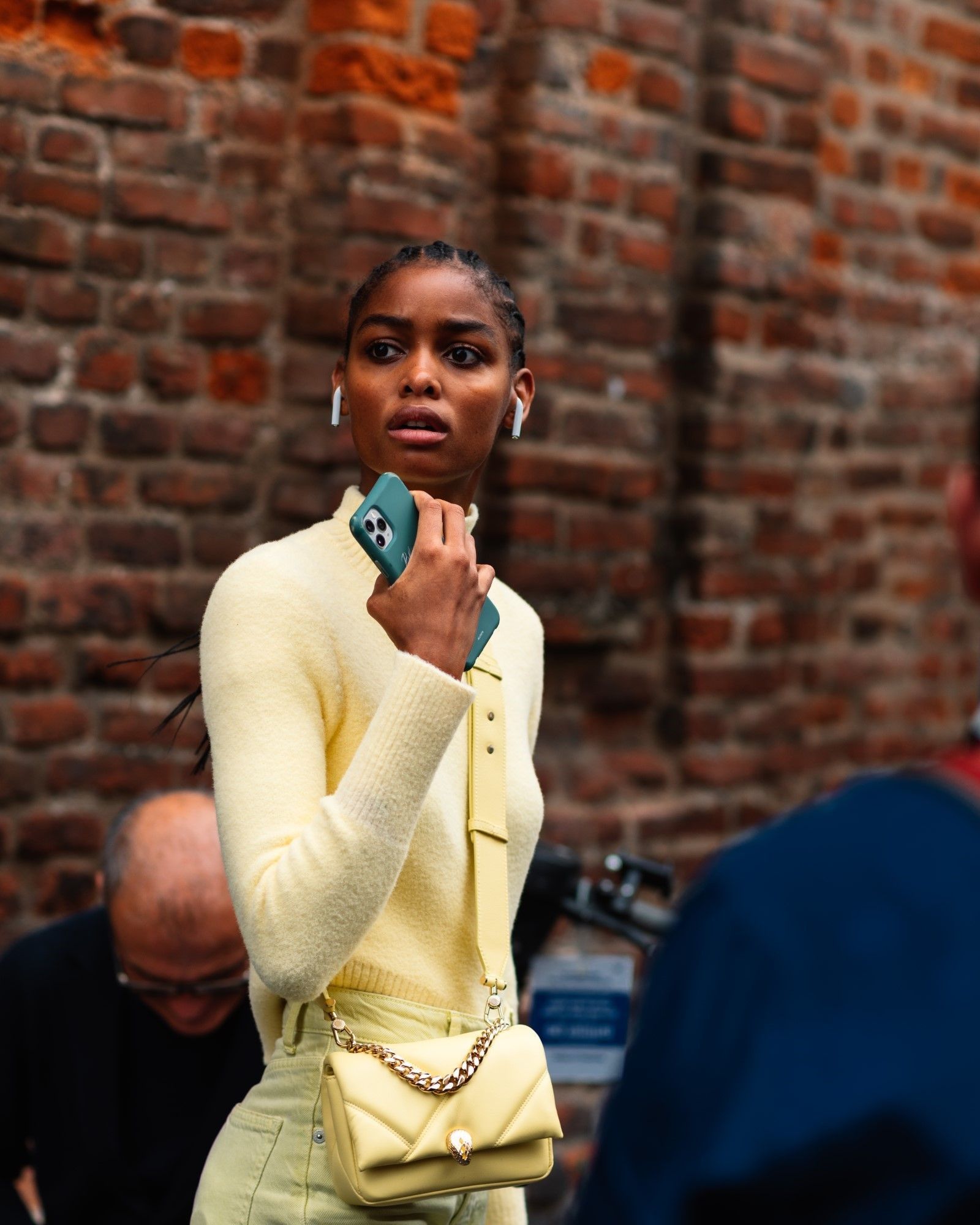
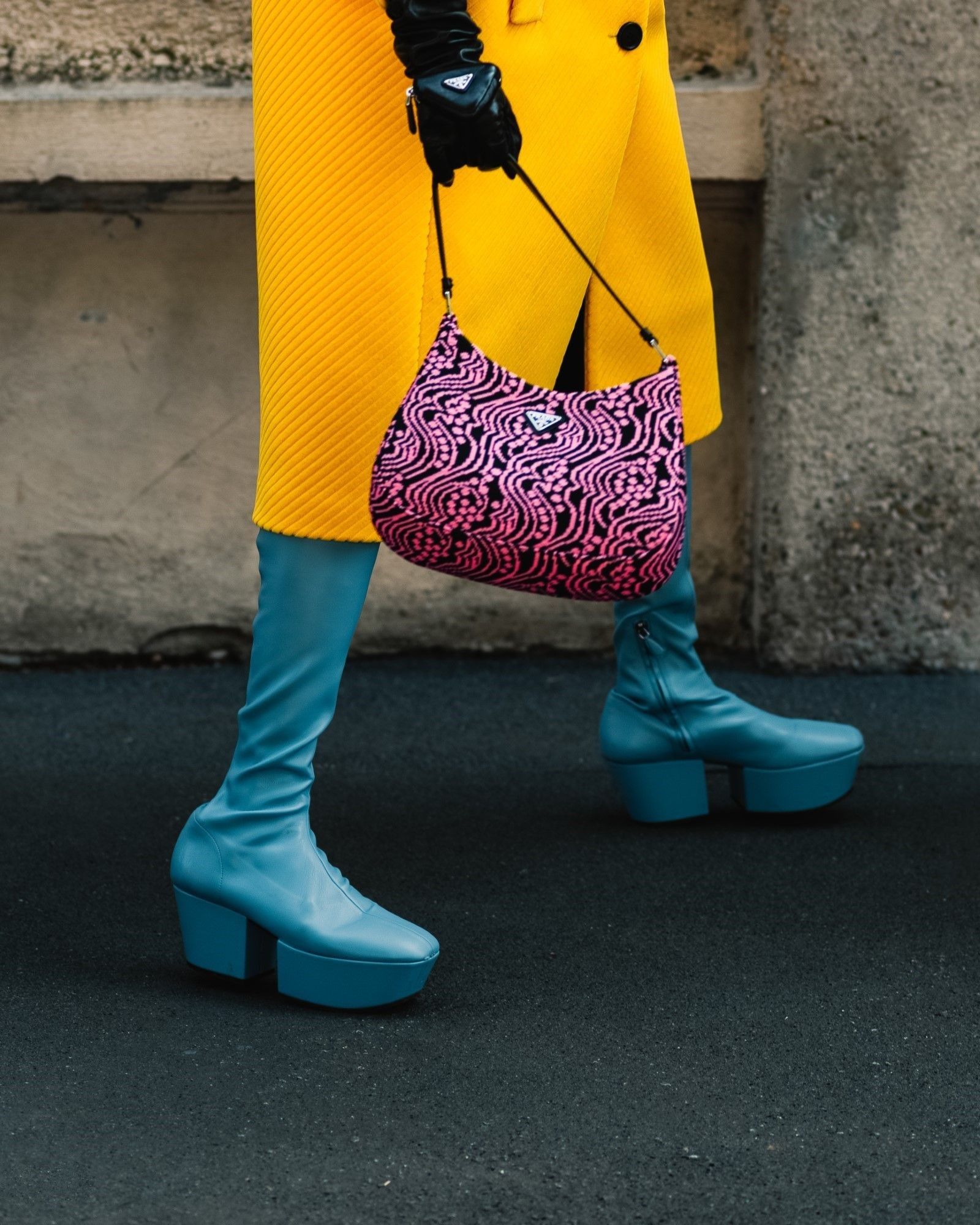
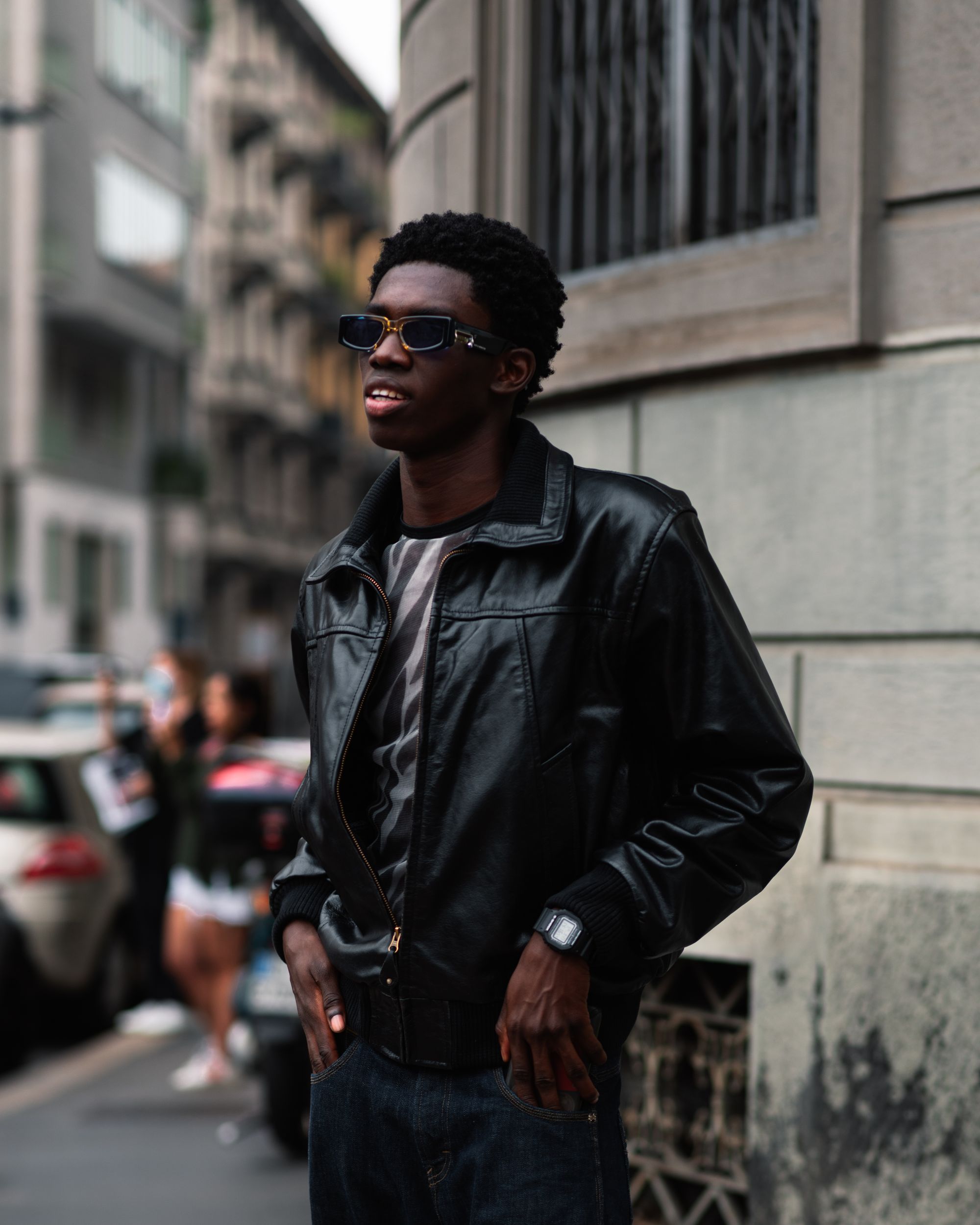
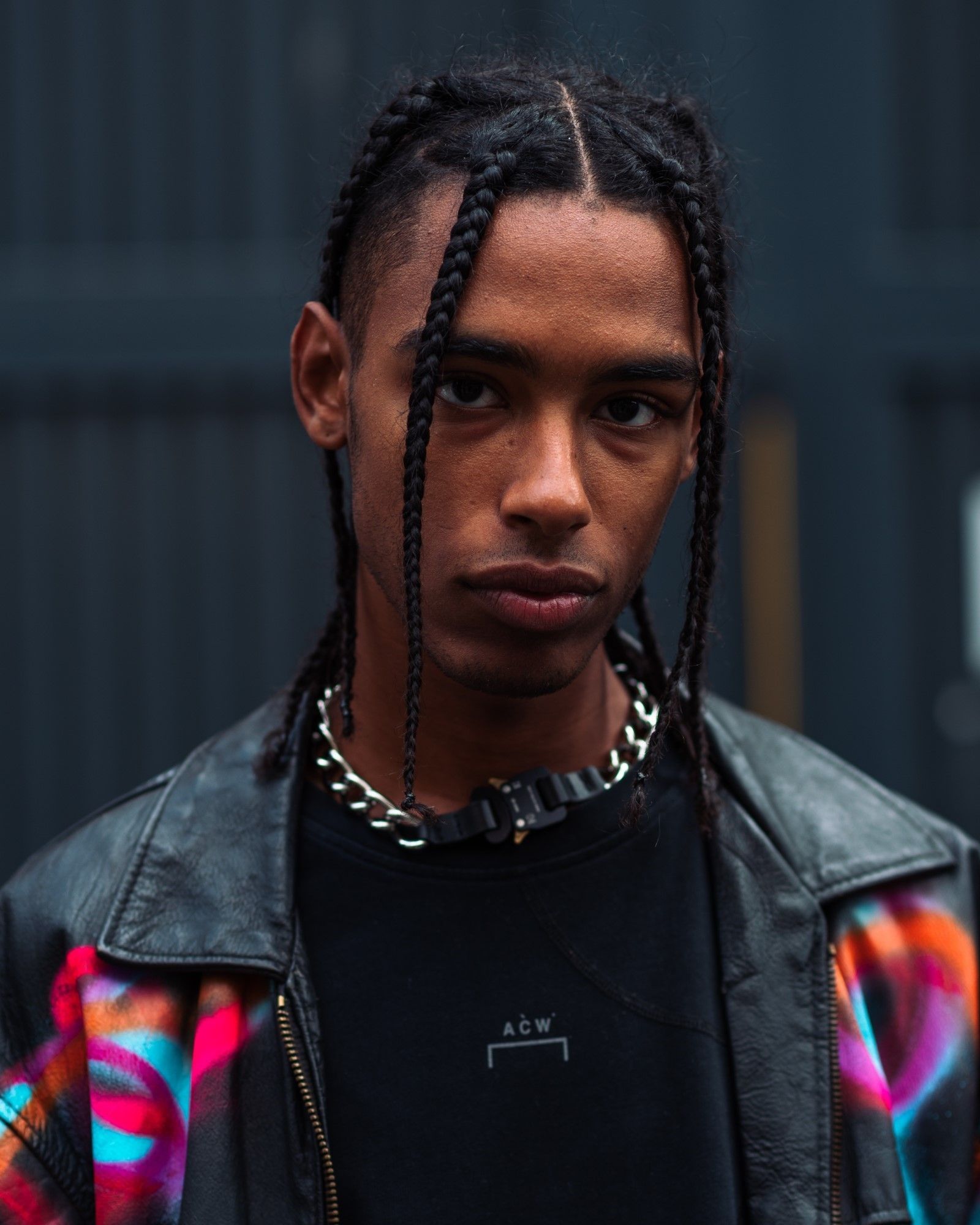
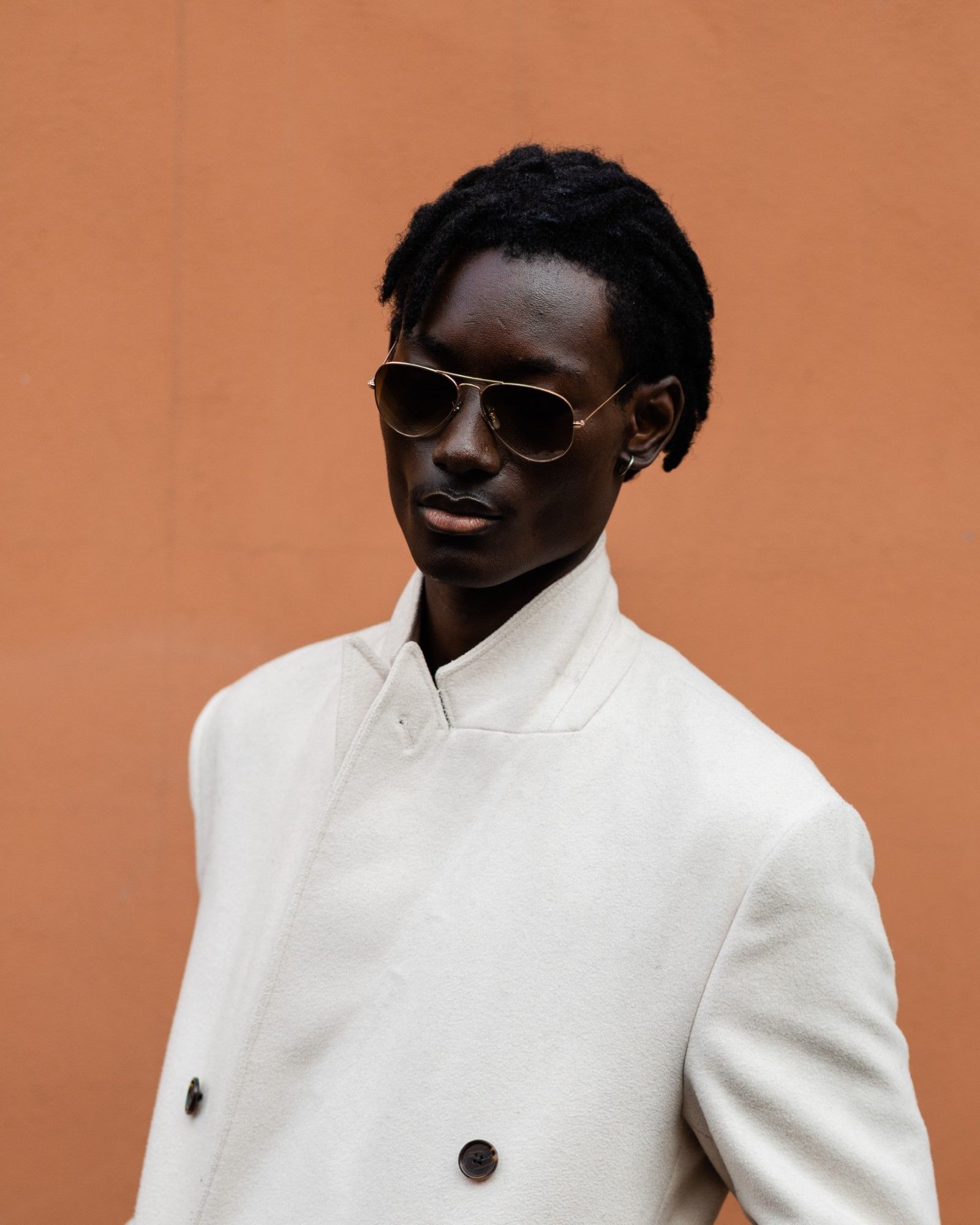
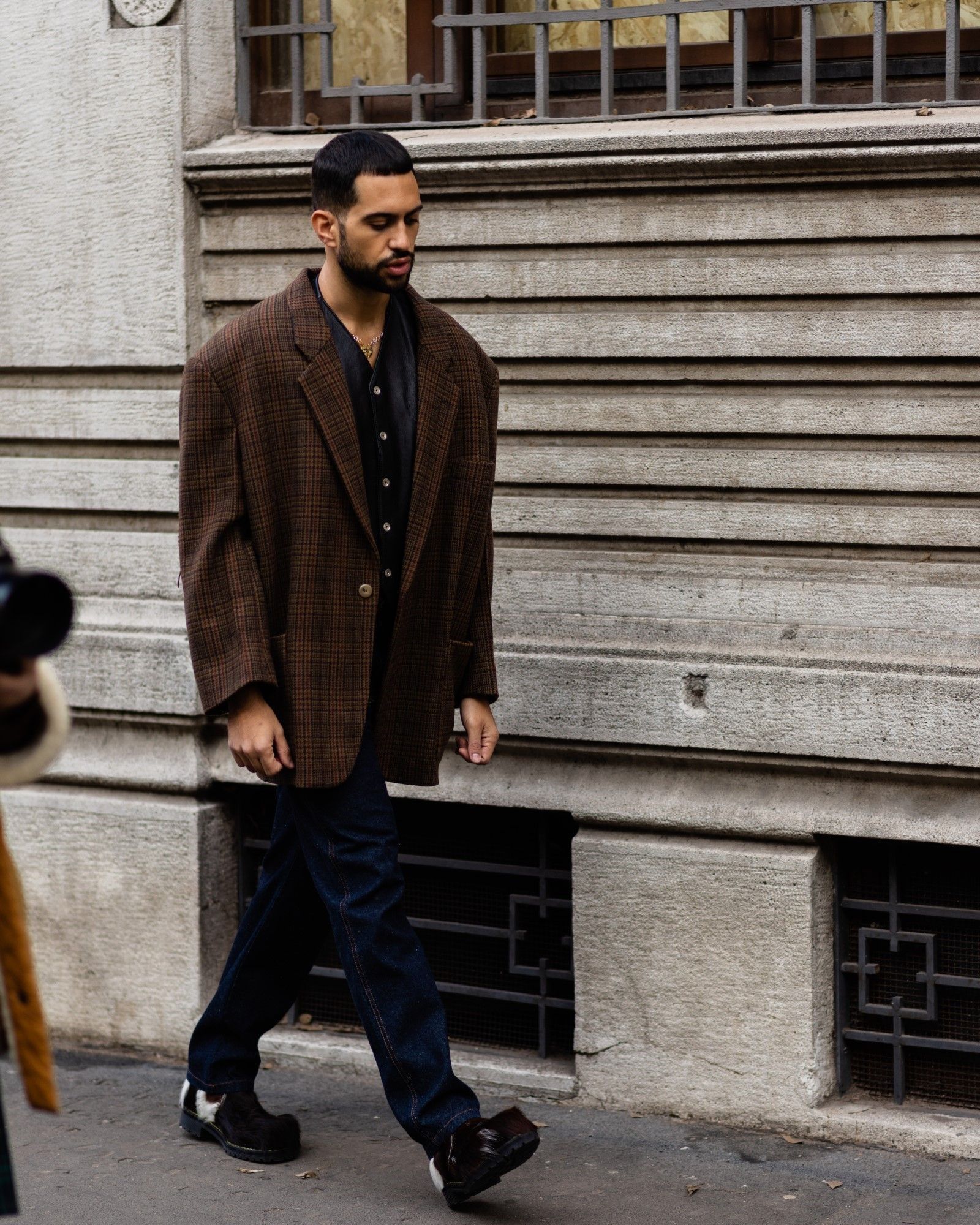
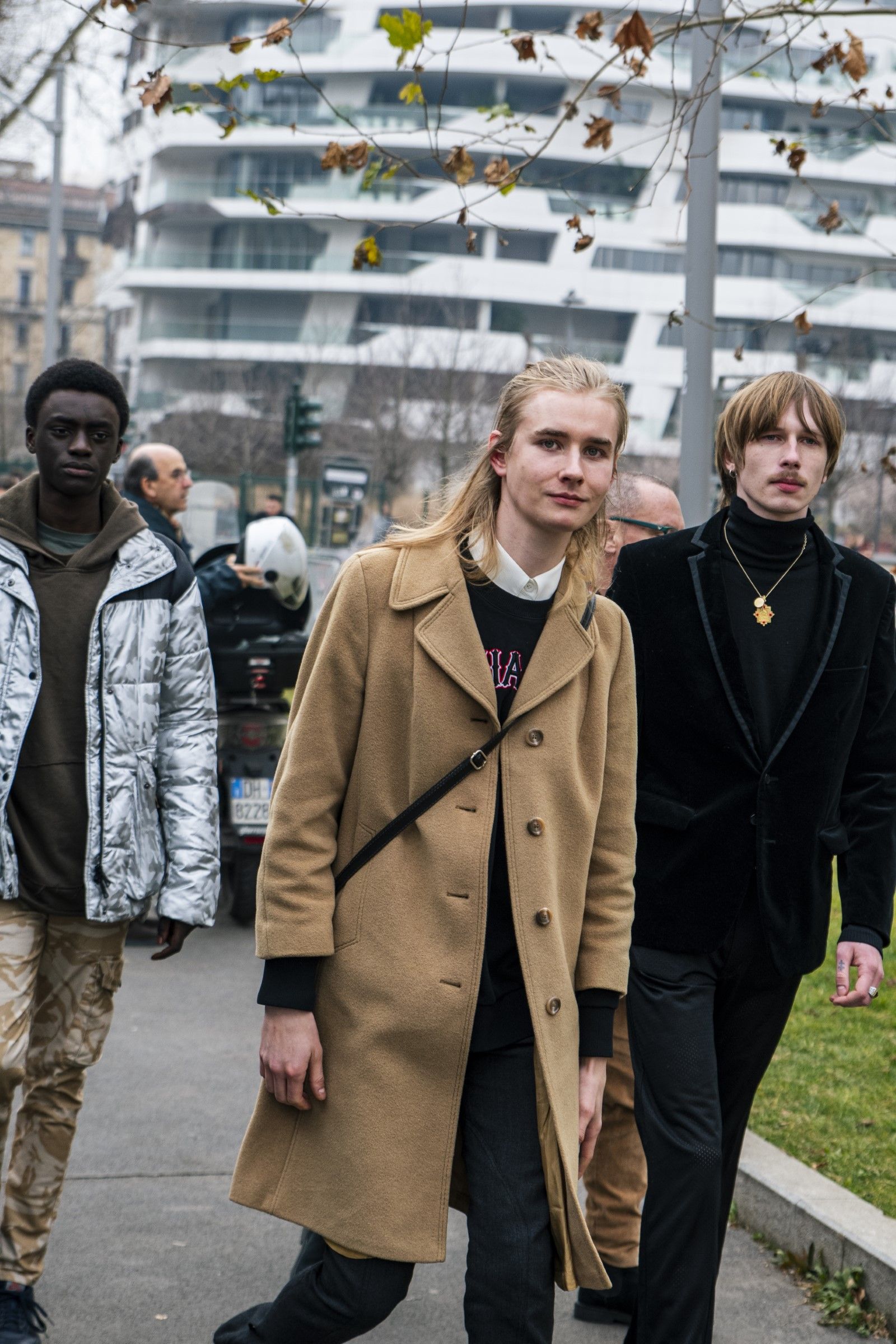
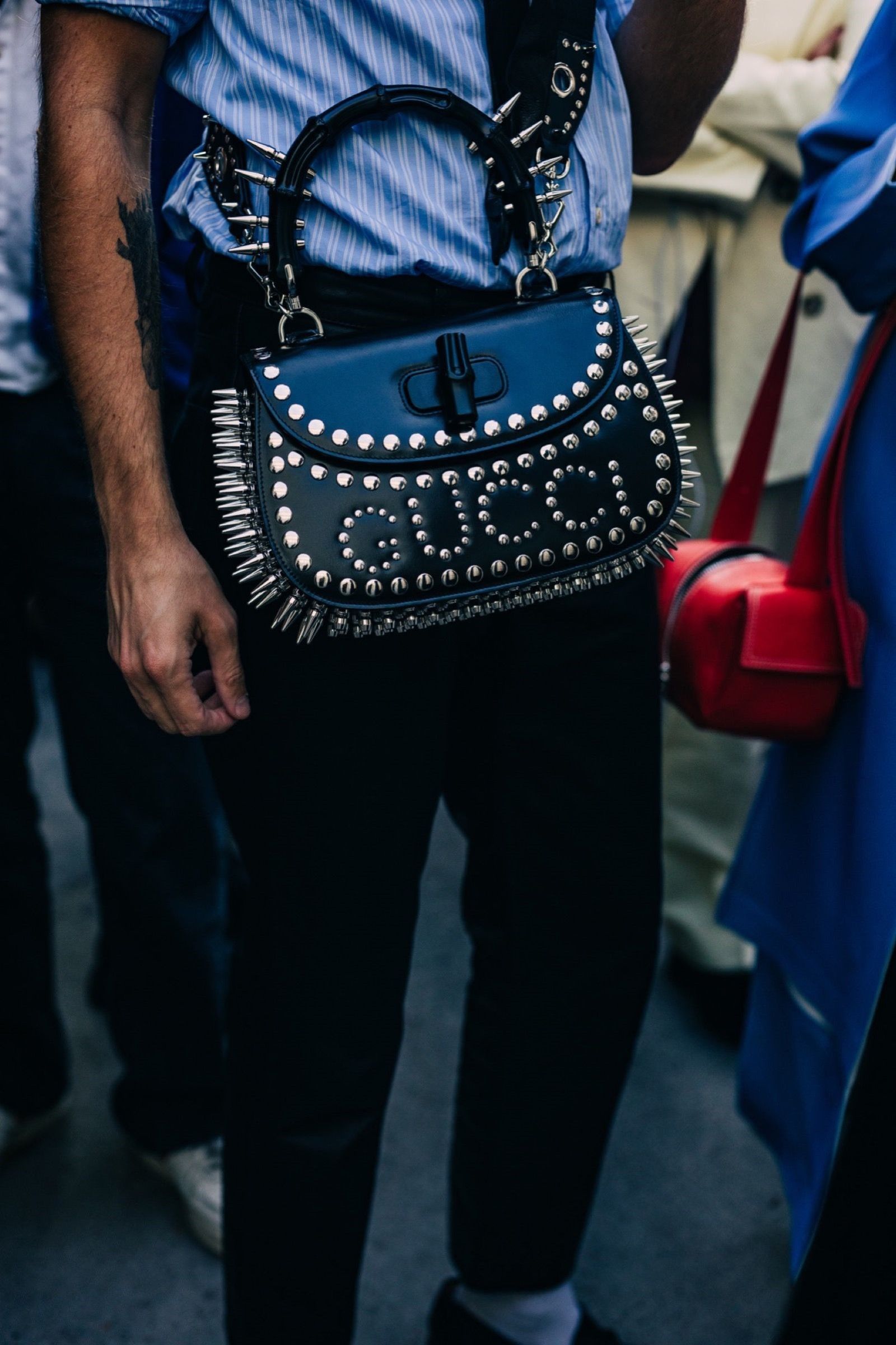
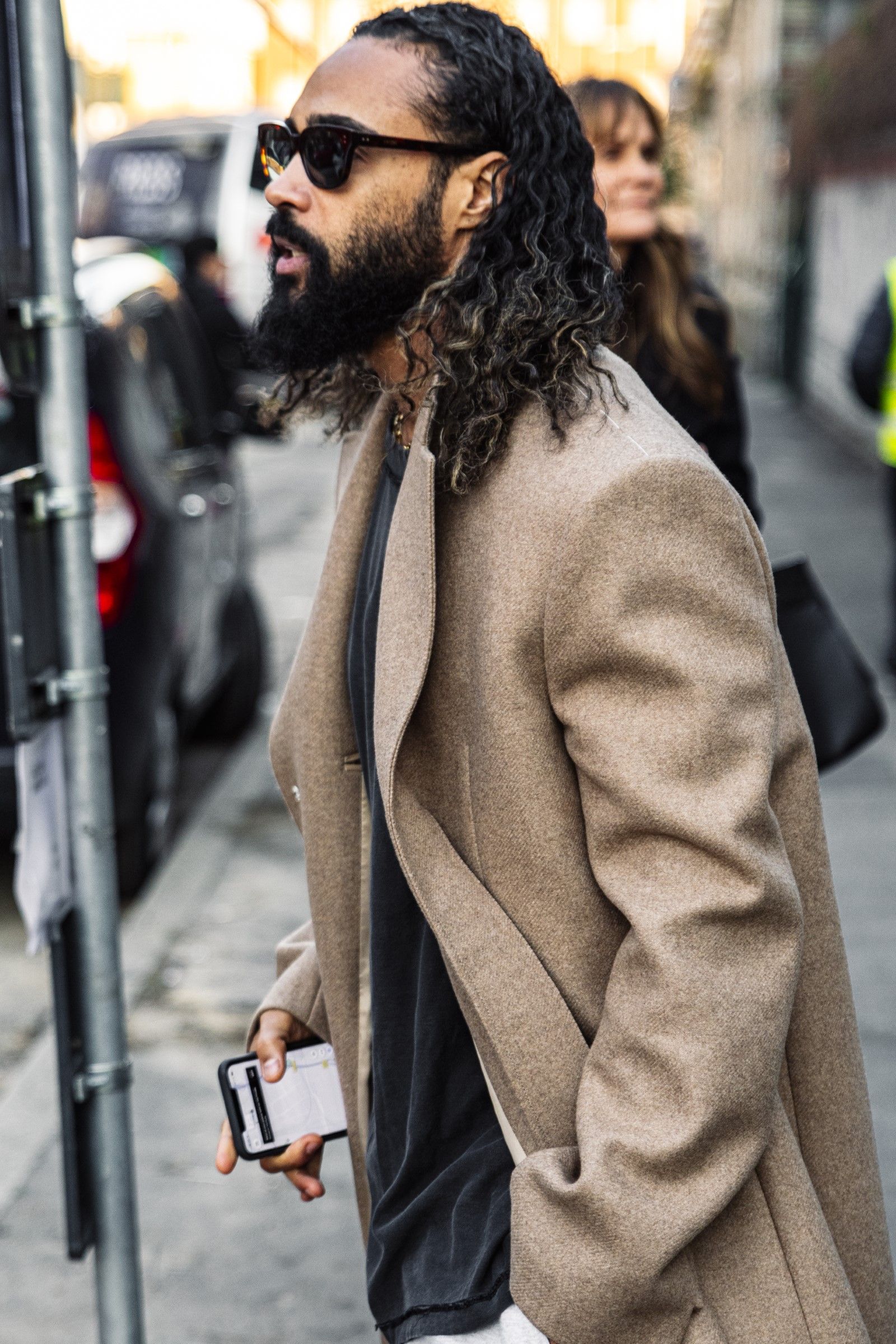
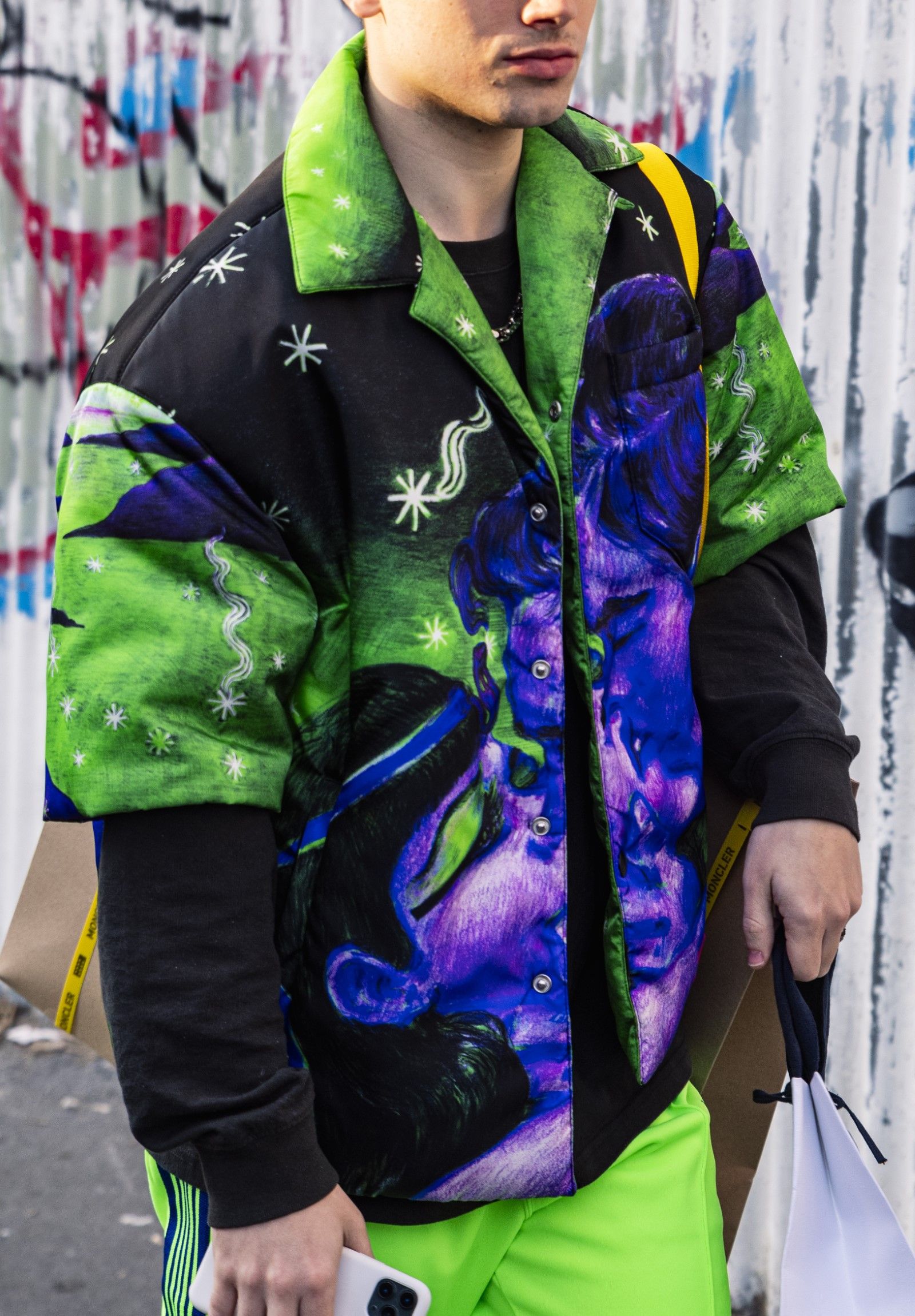
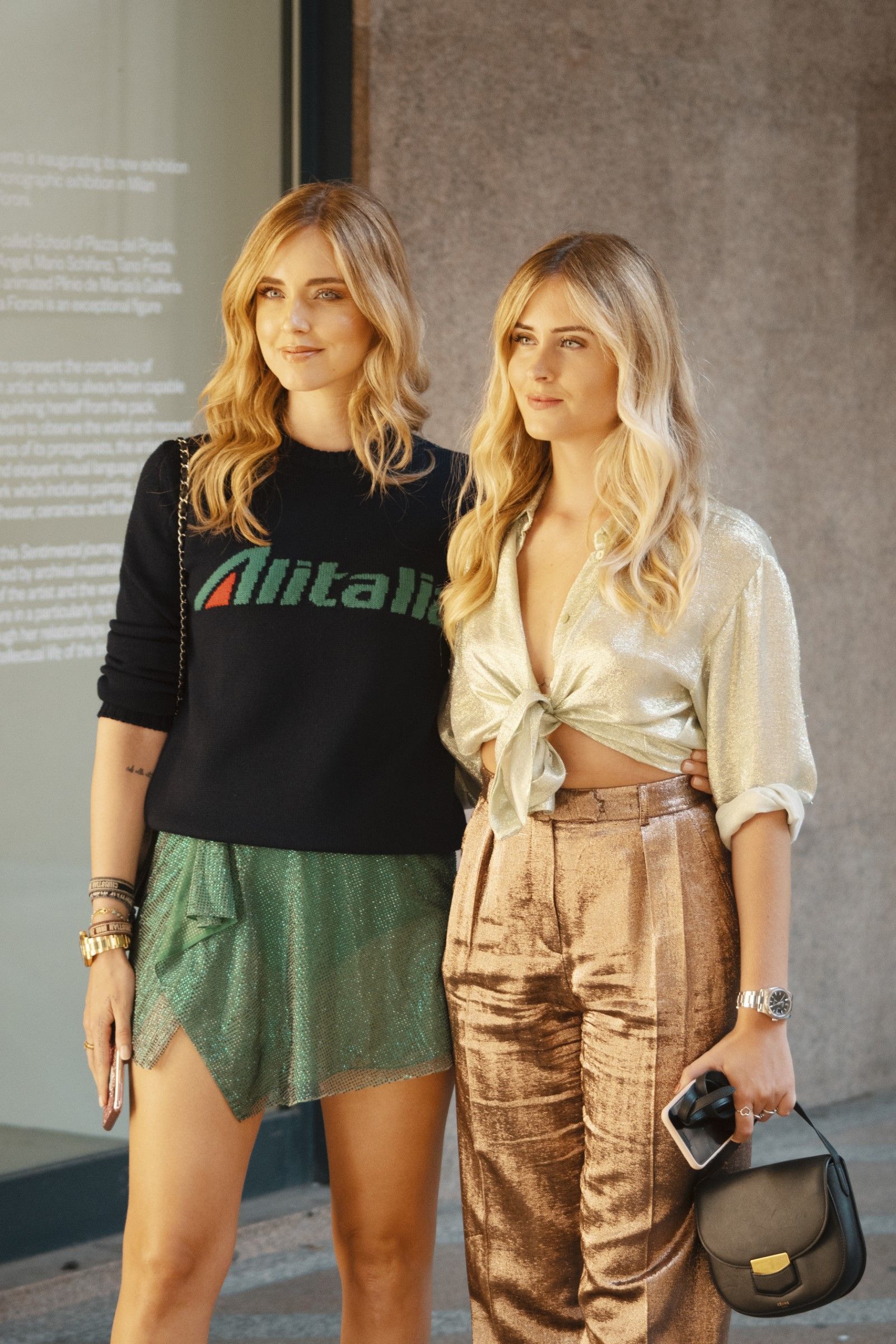
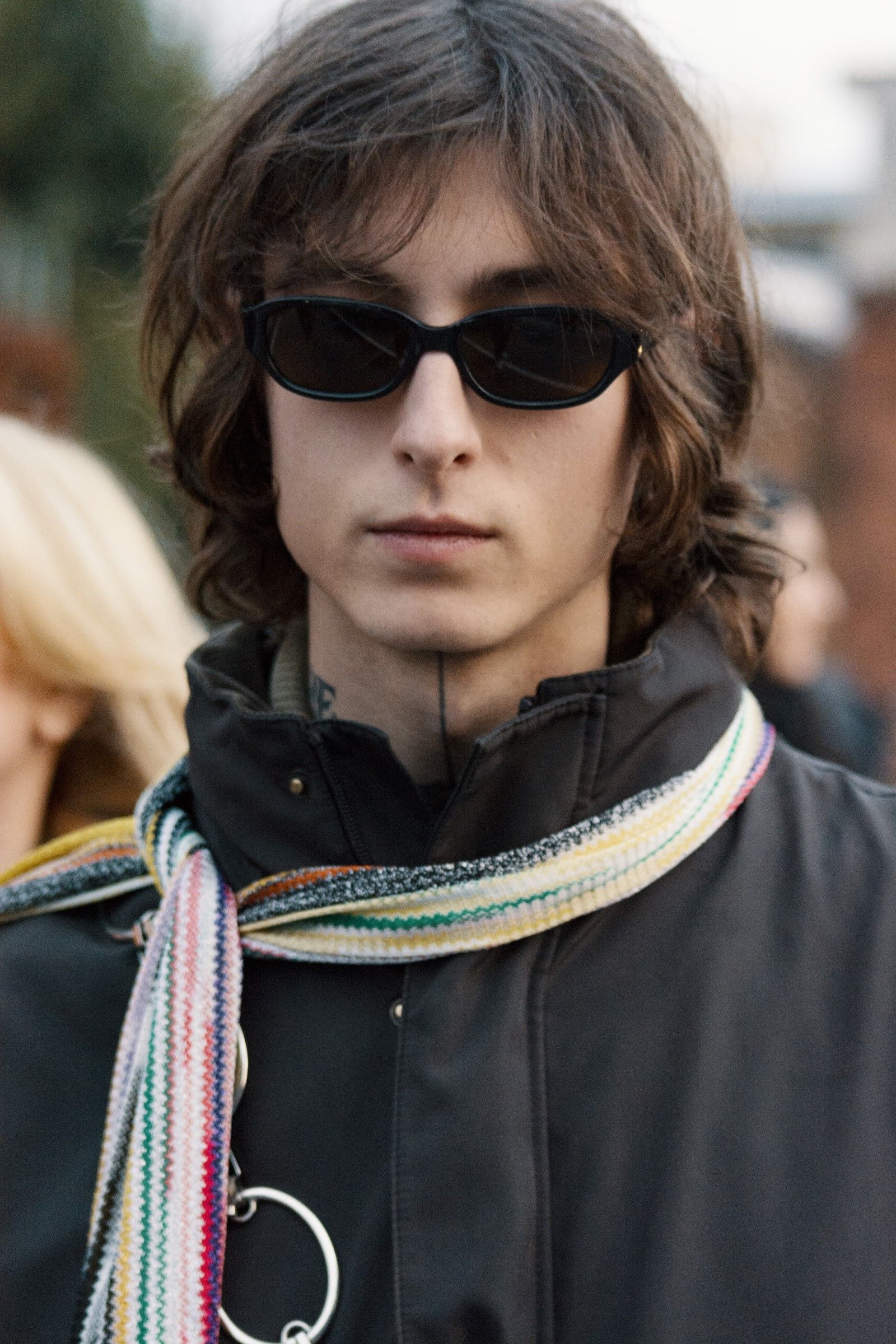
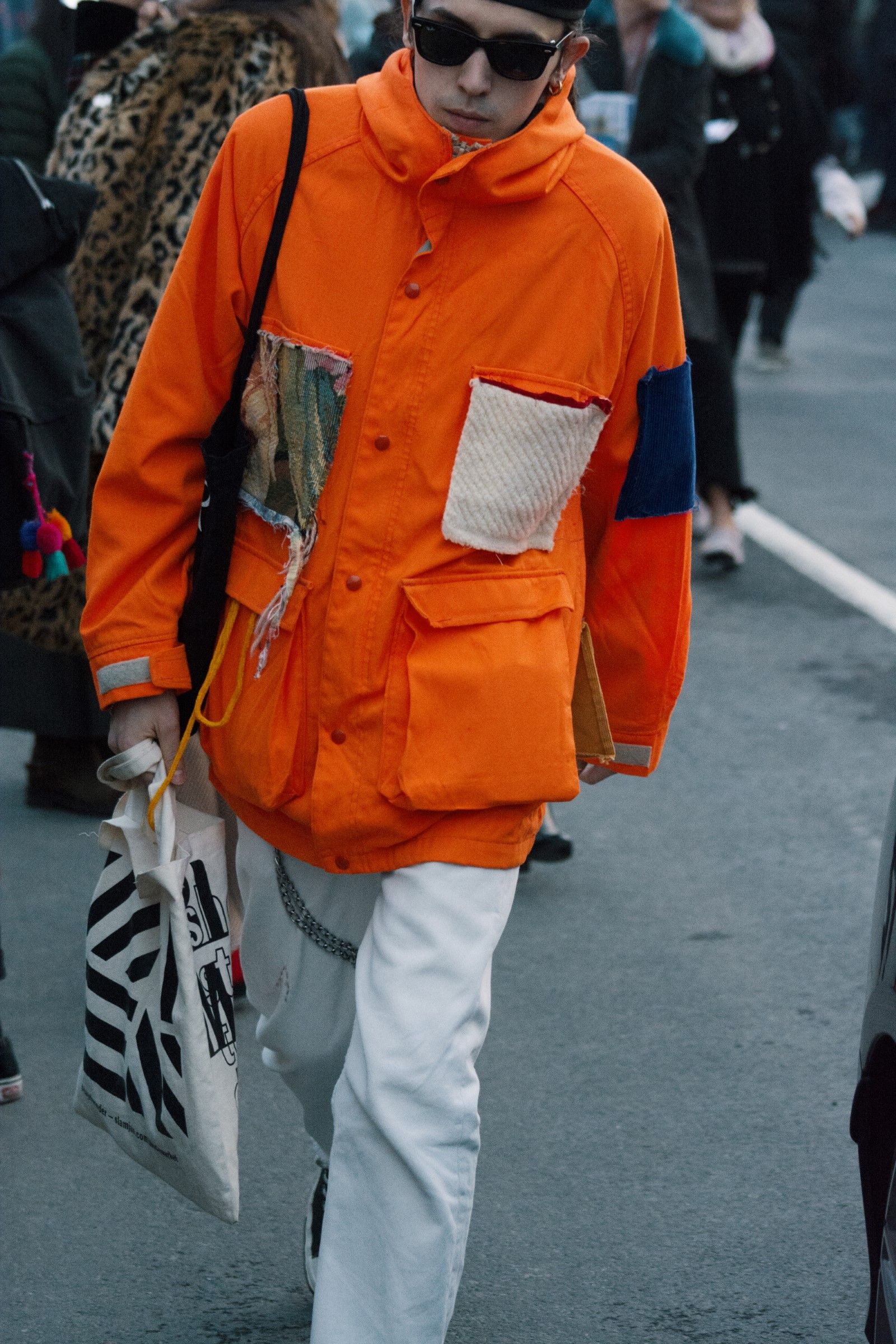
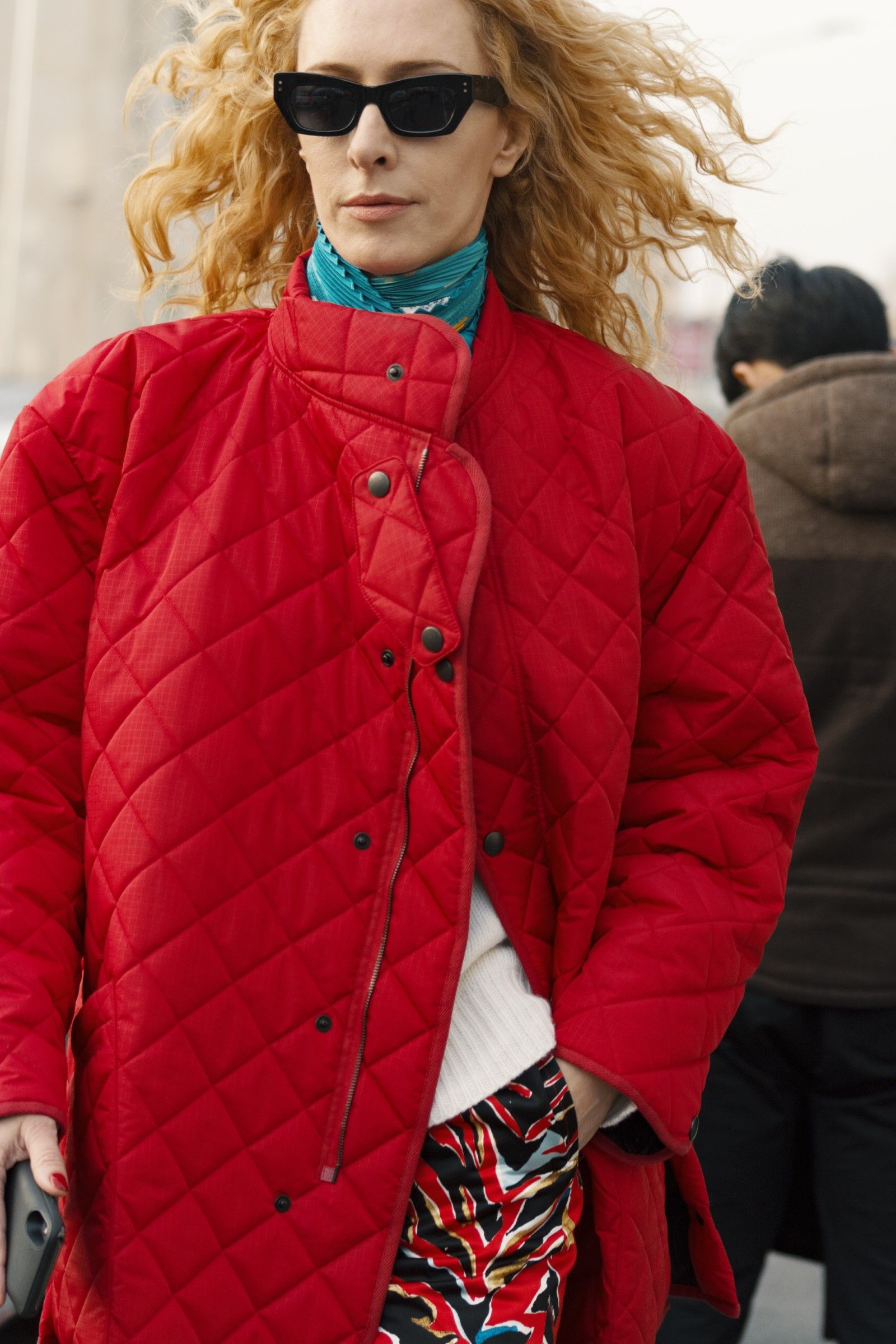
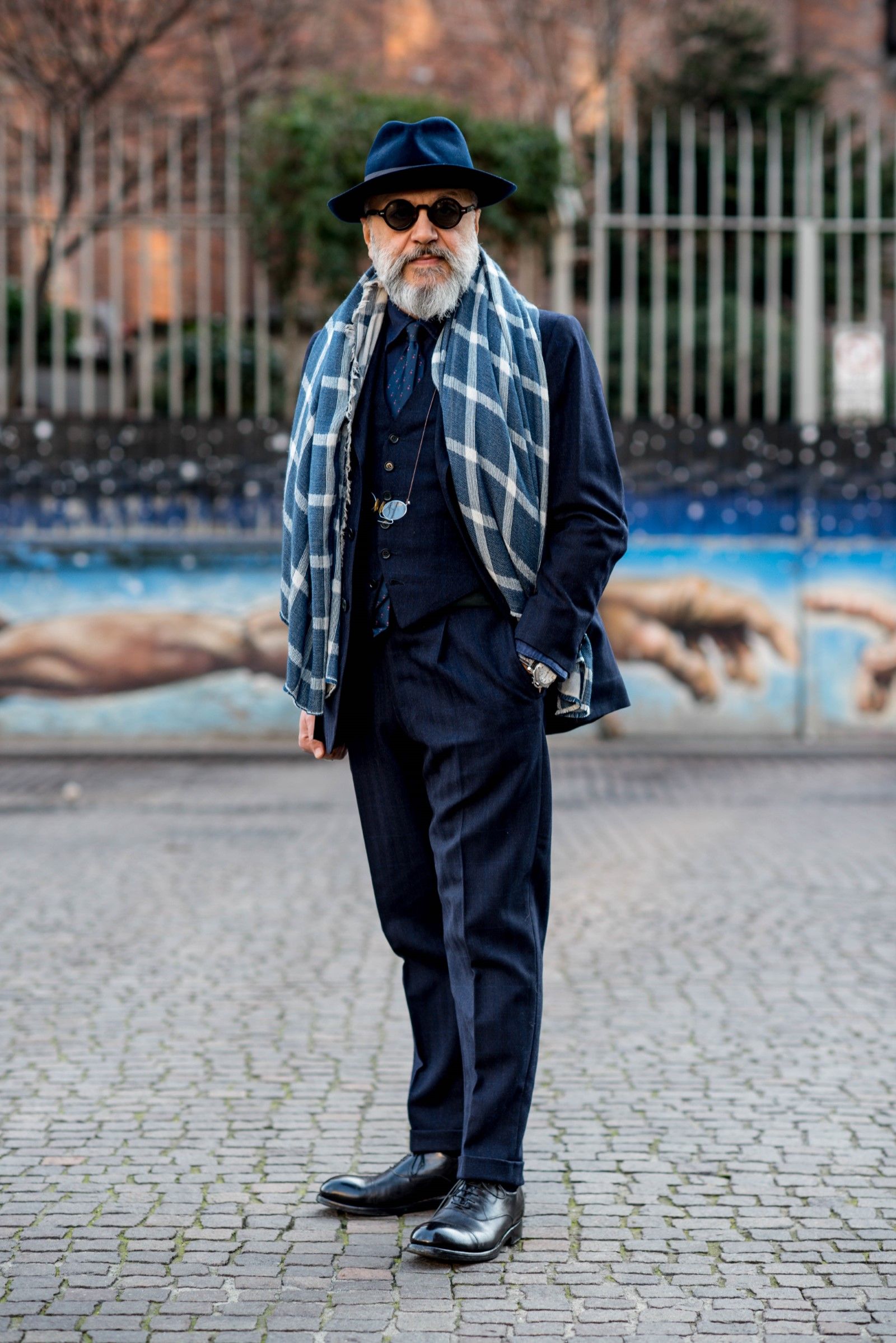
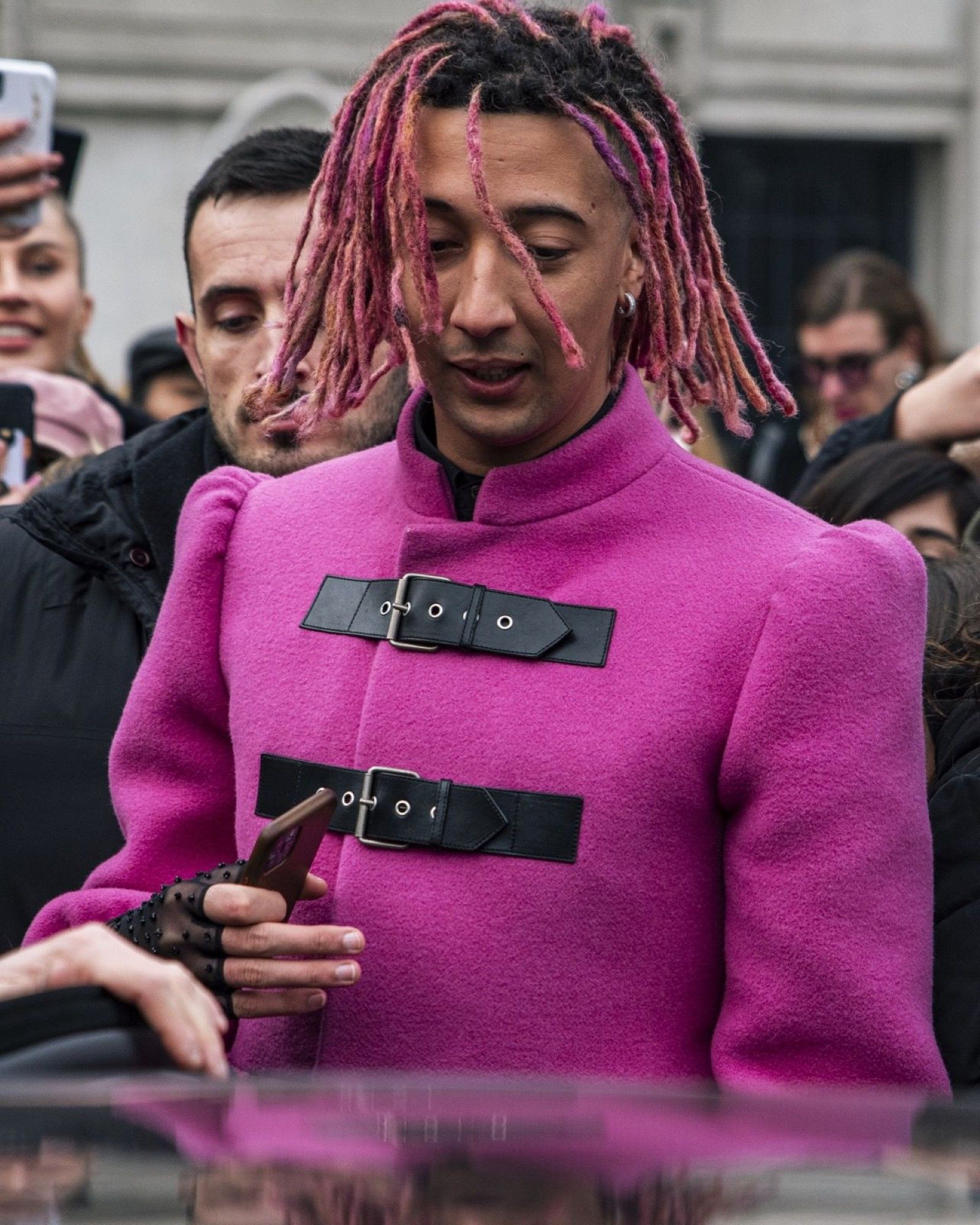
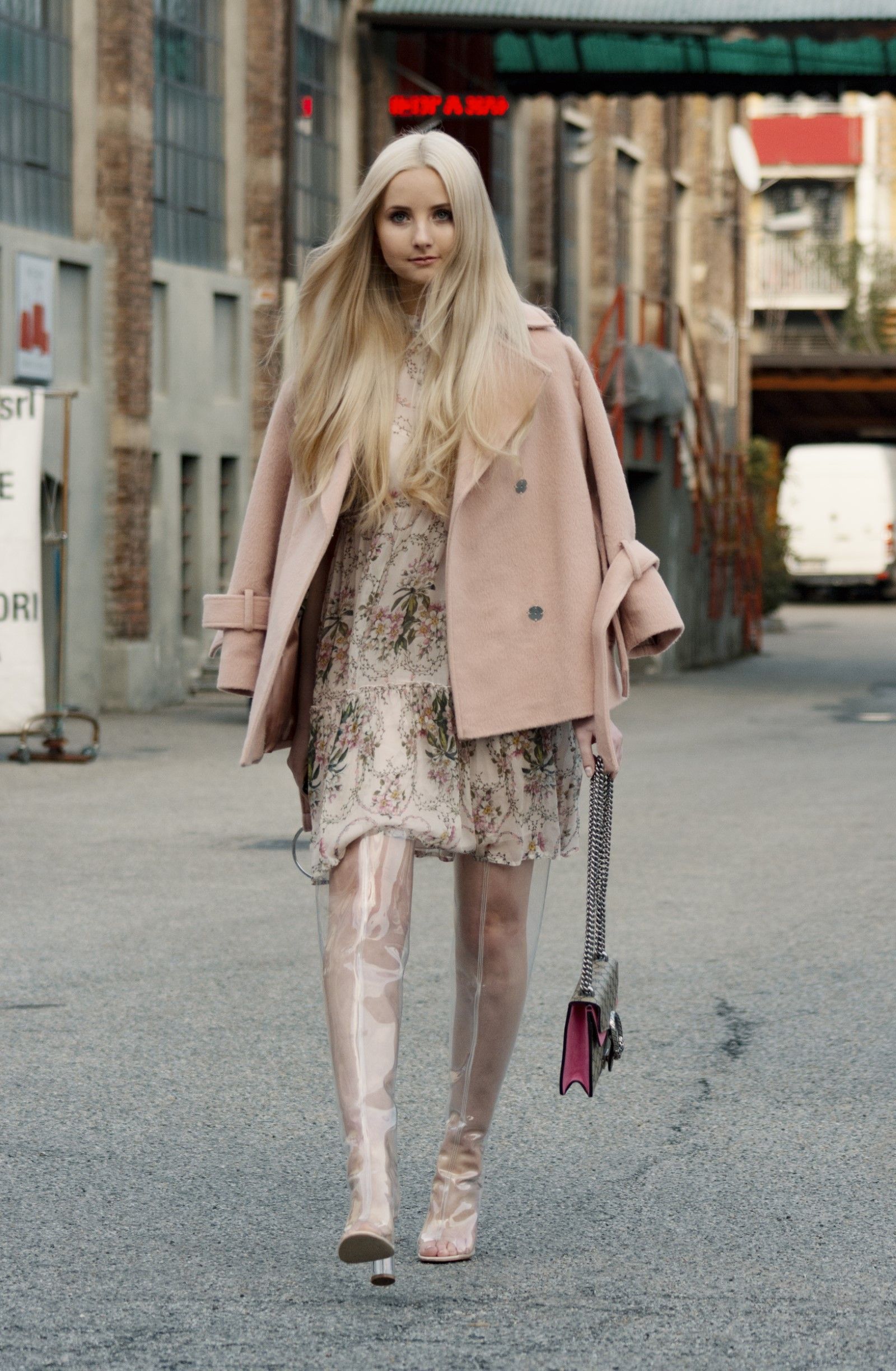
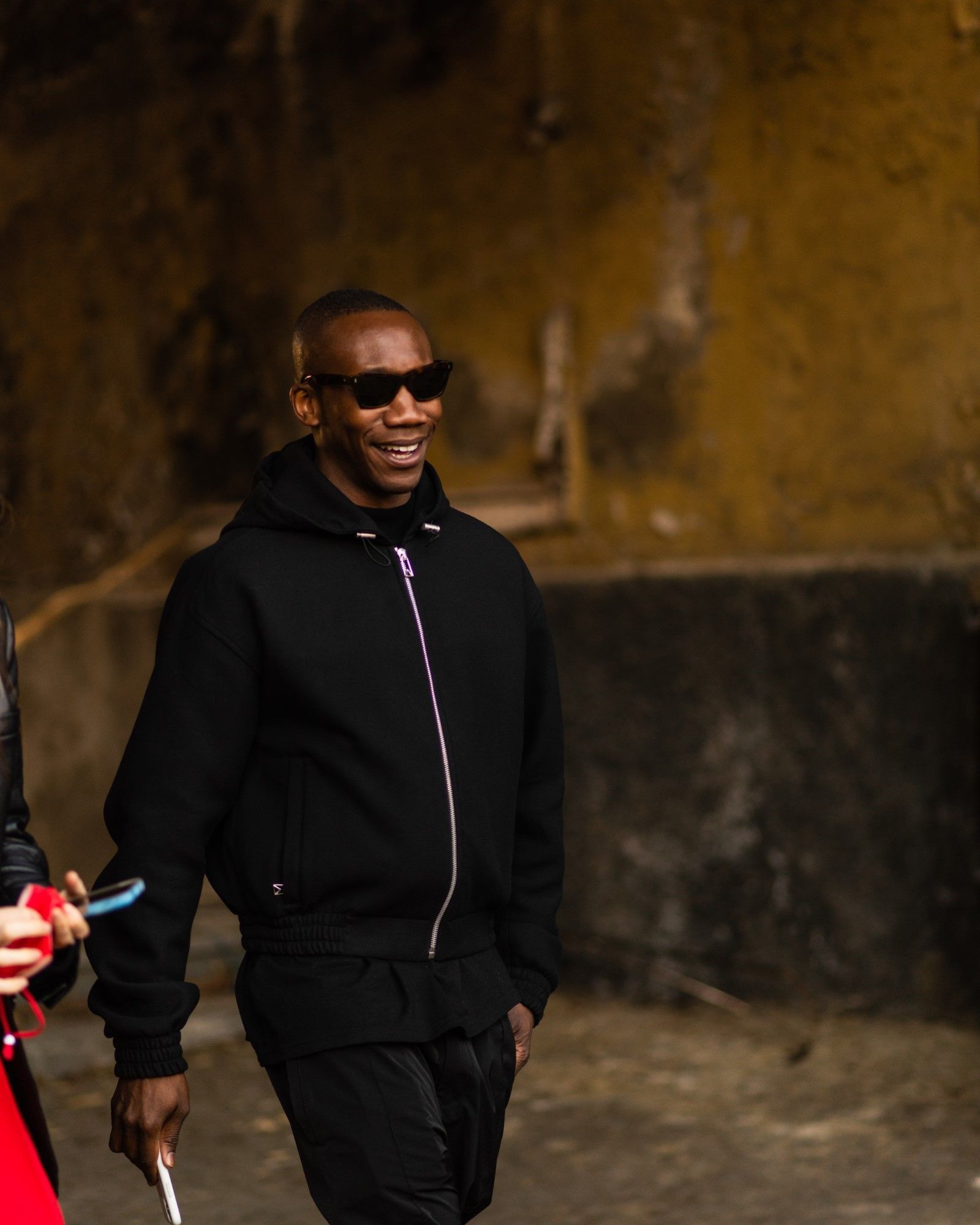
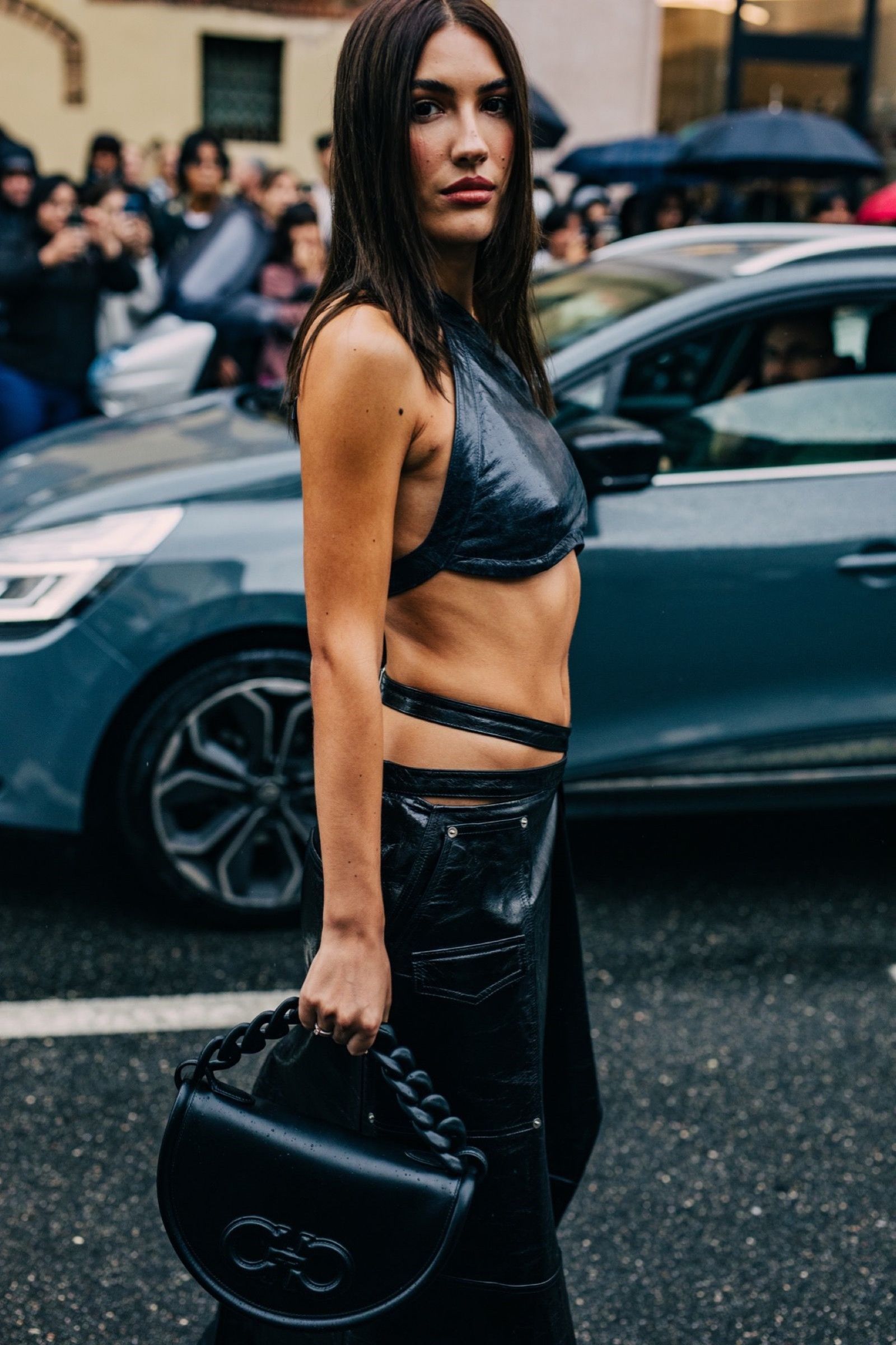
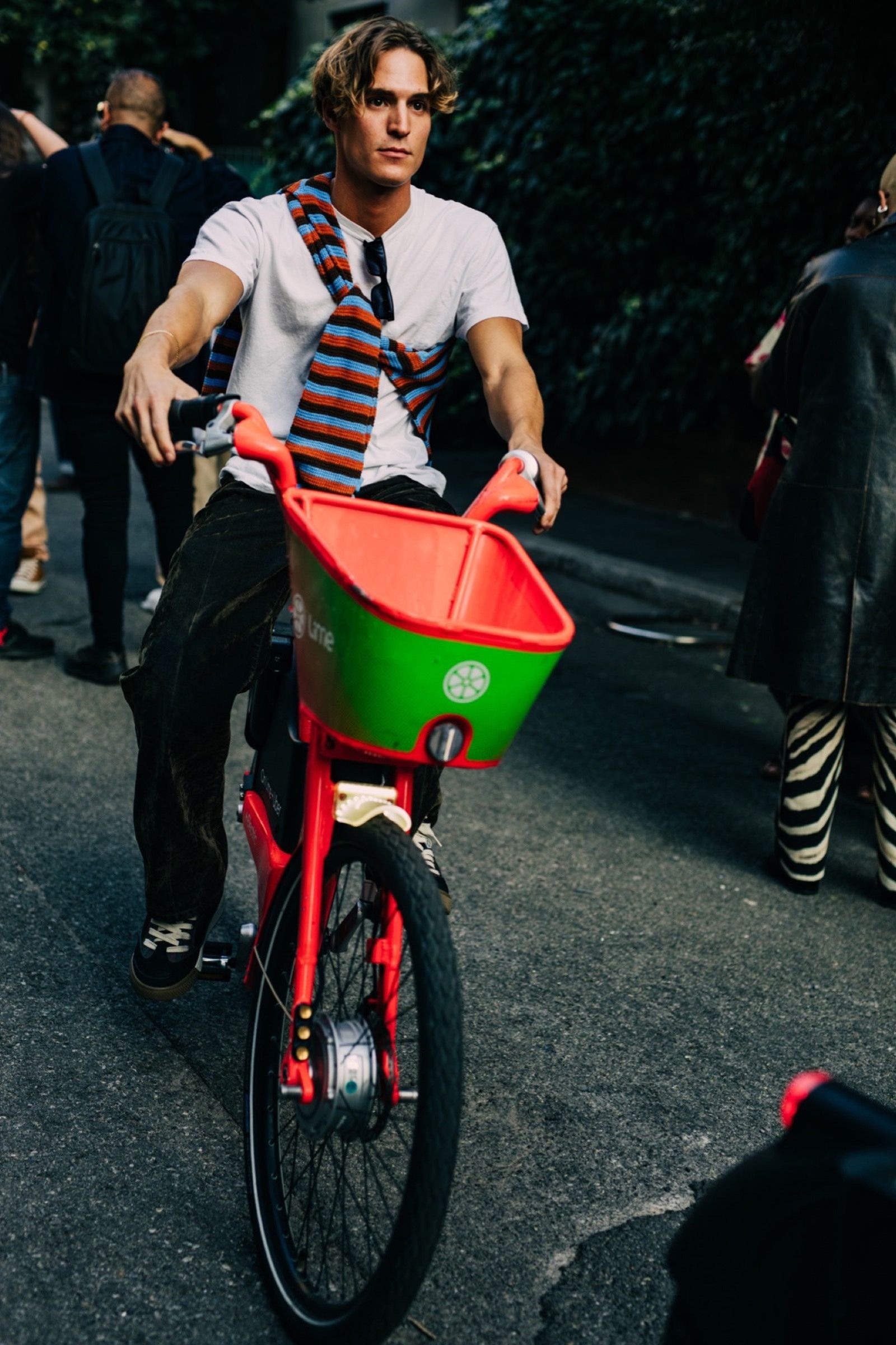
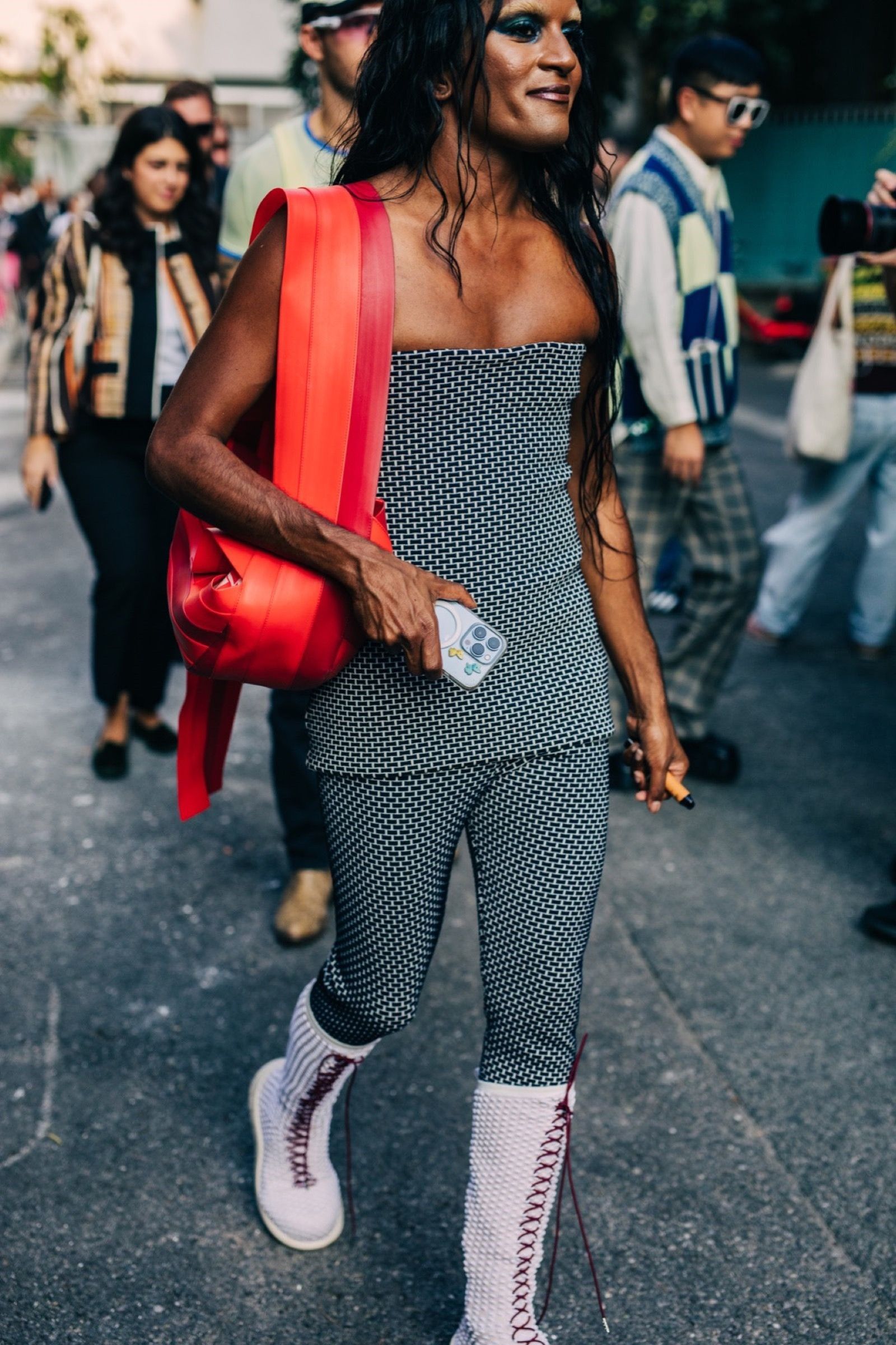
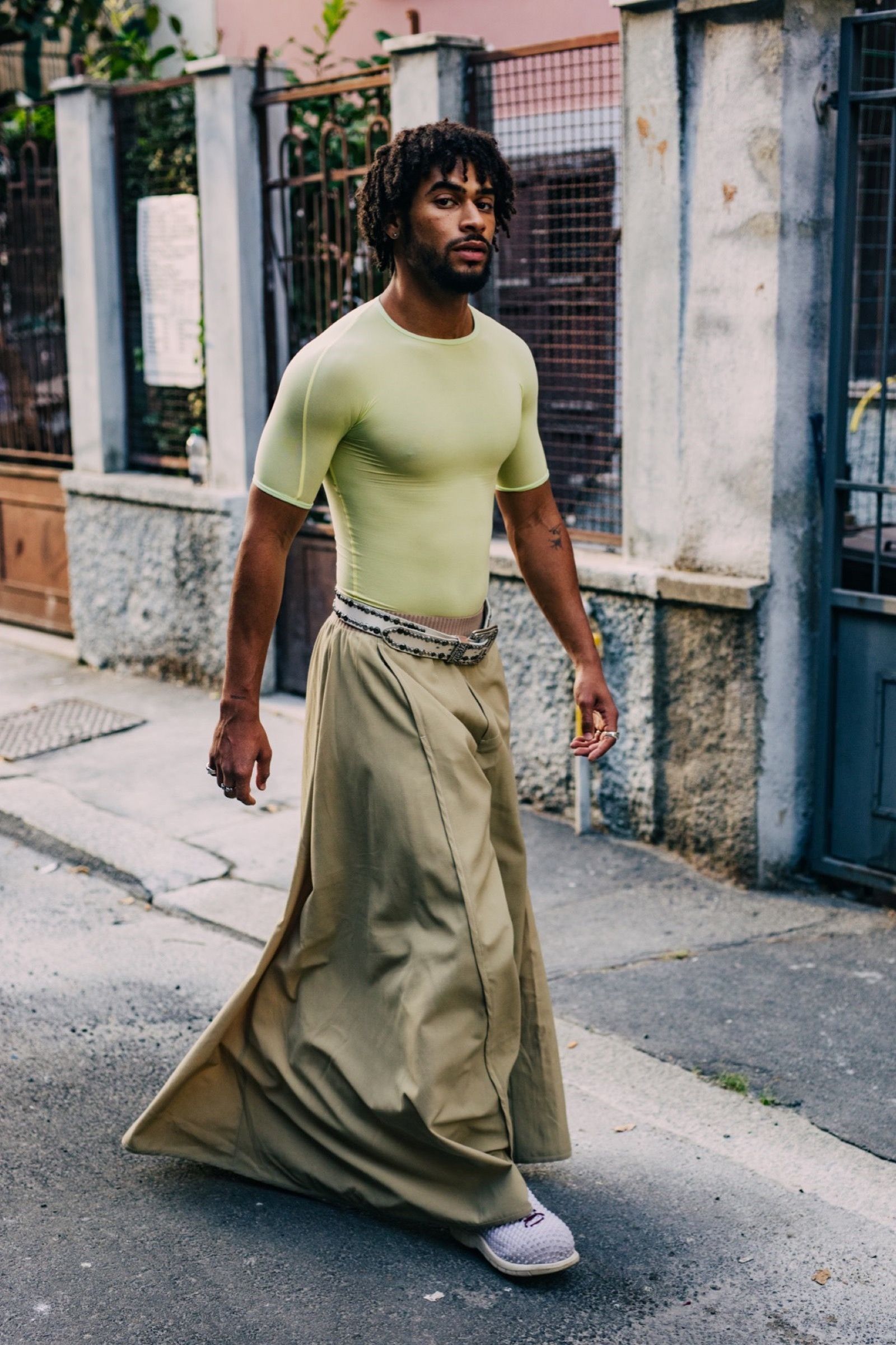
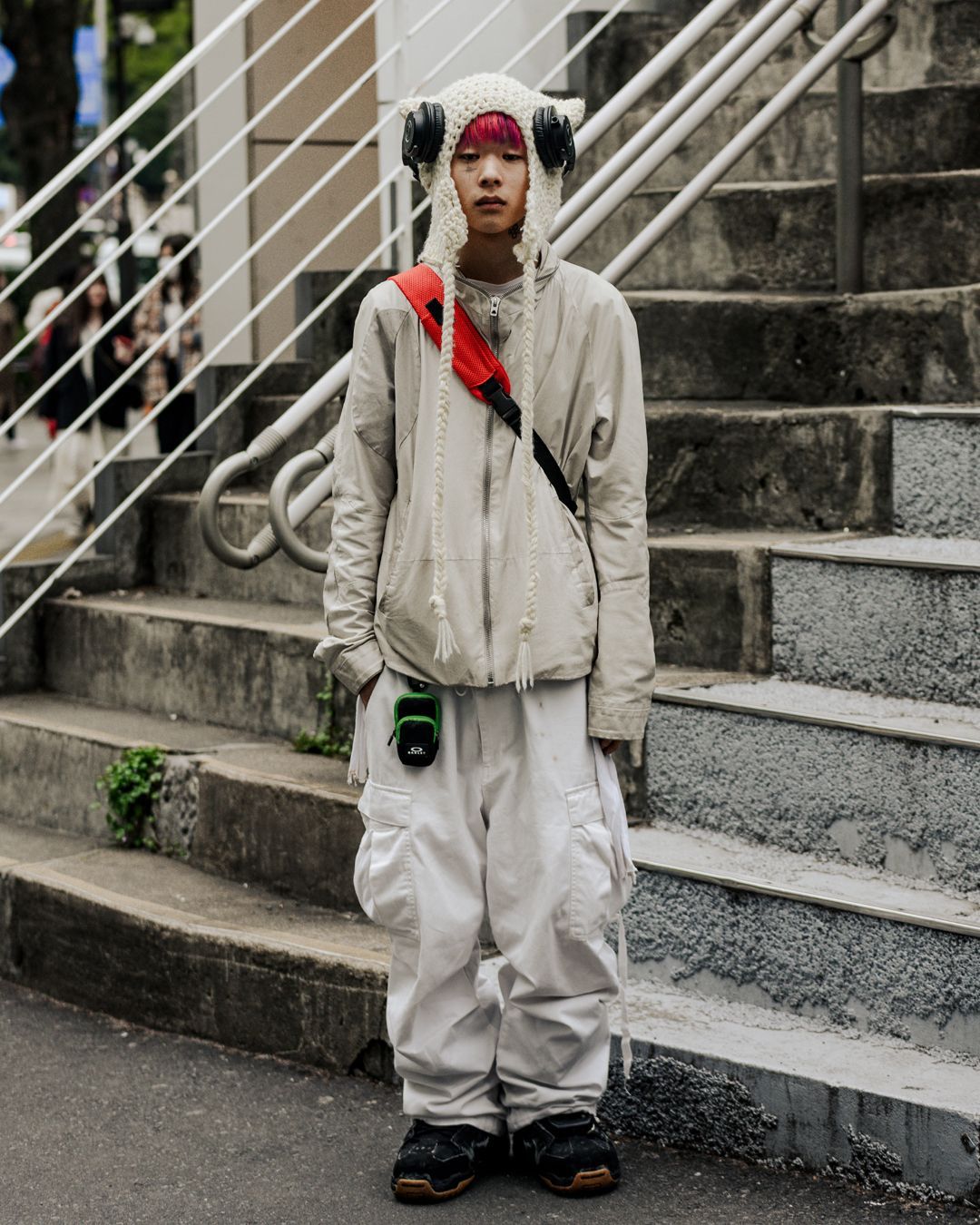
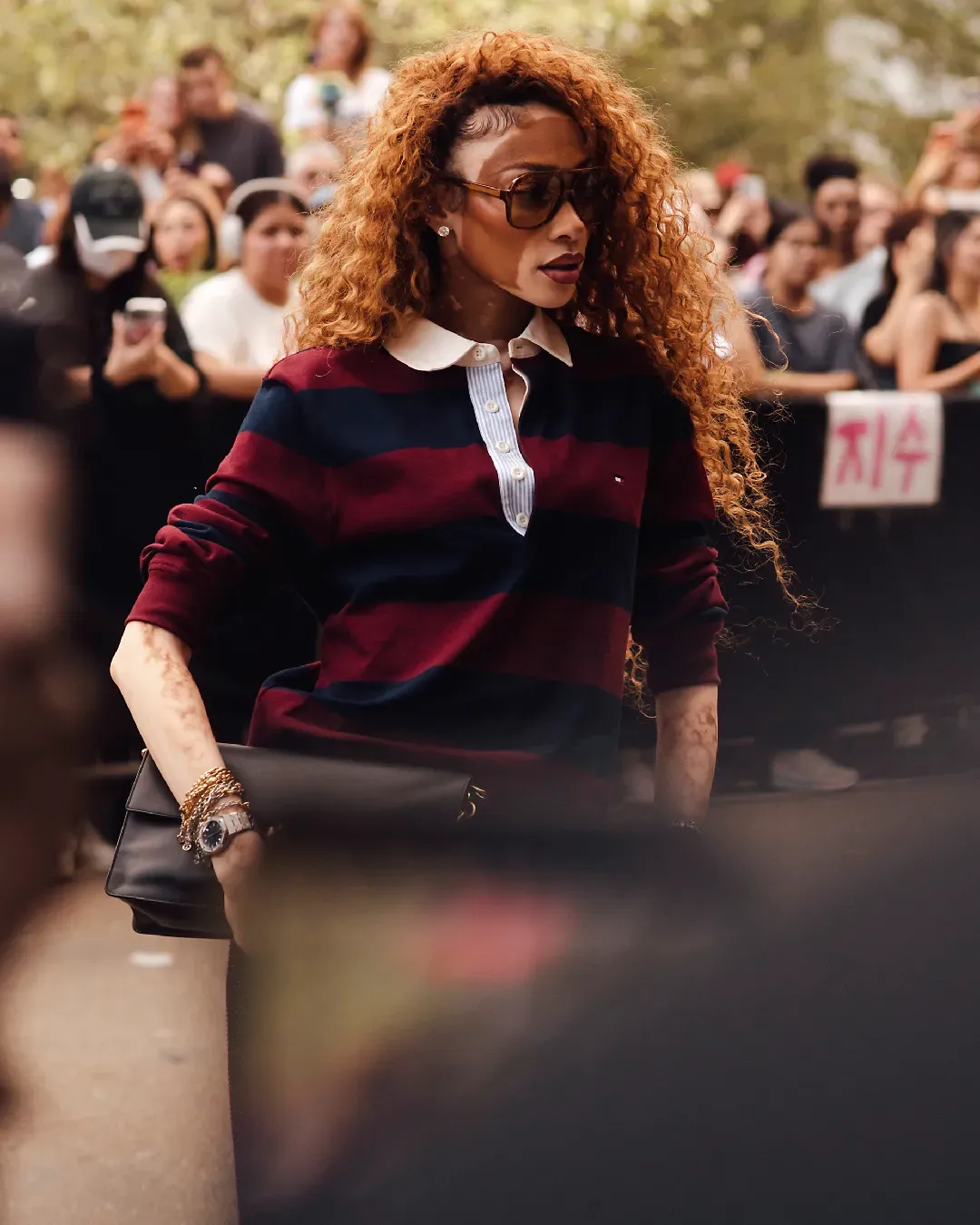
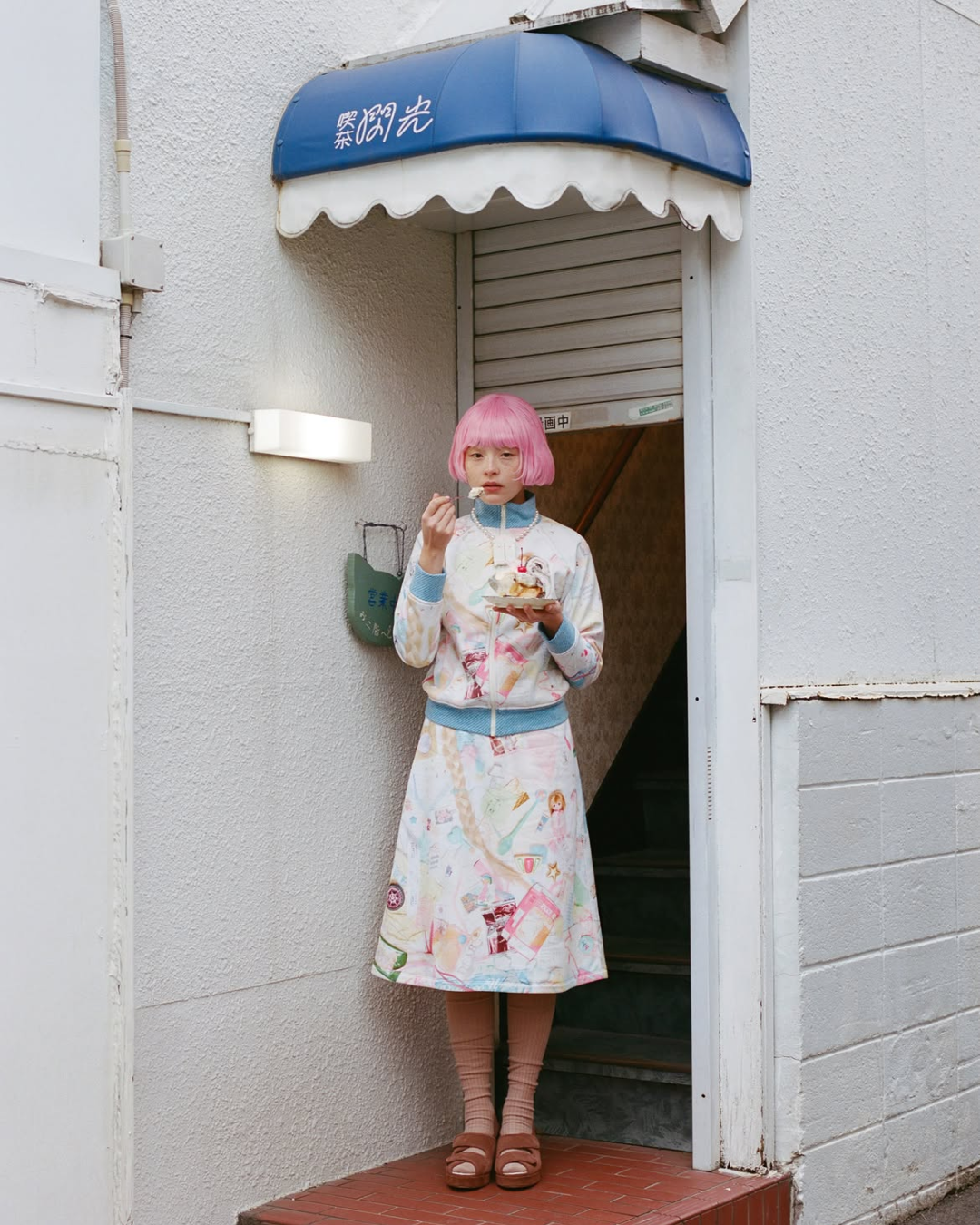
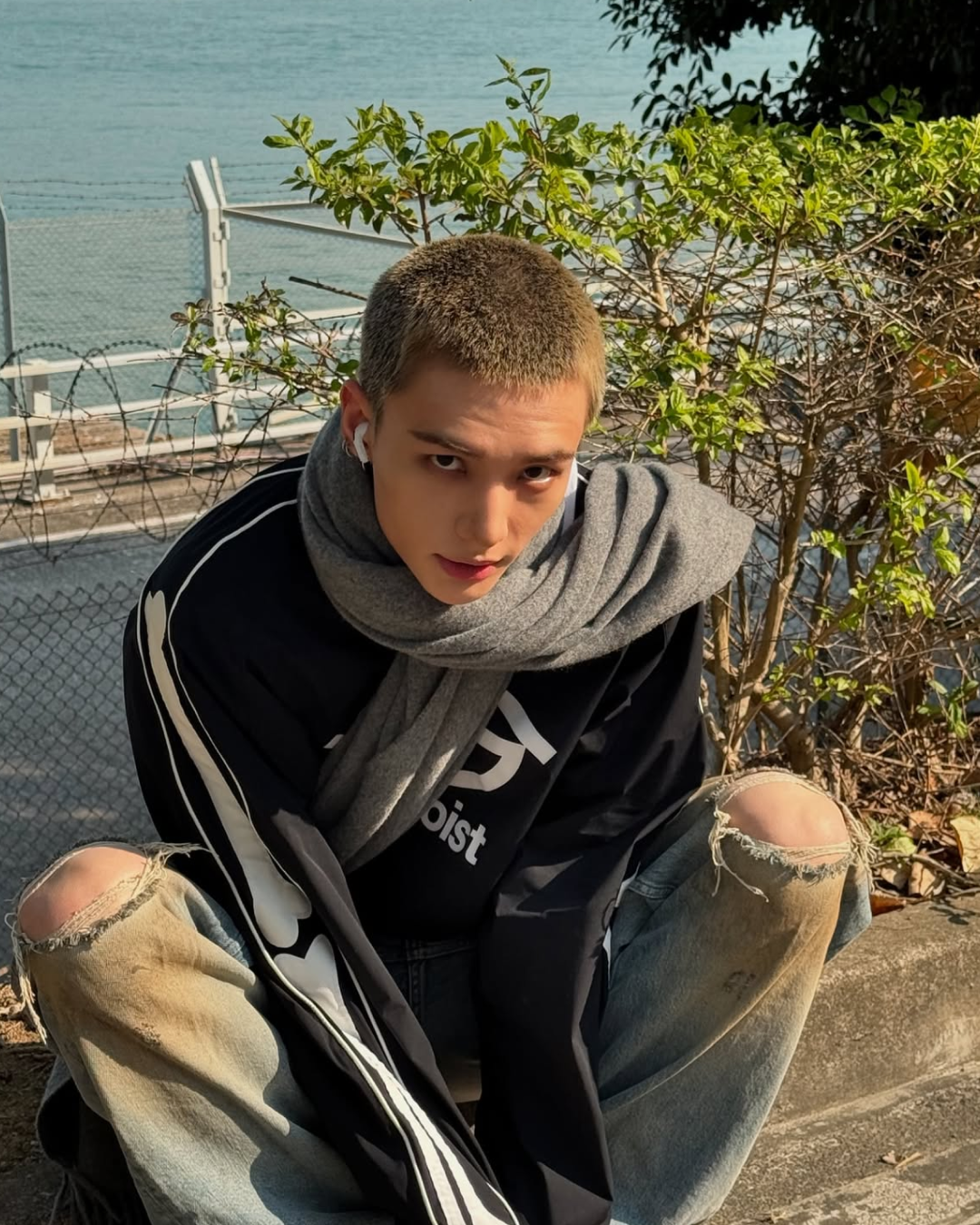
On the street you can grow, fight, learn, and, sometimes, all you can do is survive. We decided very early on that on the streets we would make fashion there, starting in Naples, arriving in Milan, until we tried to conquer those in the rest of the world. In 2009 first, then in 2012, we let the streets be our catwalks, the place where designers' creations and trends came to life, and then returned to influence the ideas of the designers themselves, in a sort of vicious creative circle that silently moves the system. Because fashion is an eternal return to the starting point, to the beginning of everything, to the street, the topical place of encounter and exchange in the most varied meanings.
Unlike traditional media, we have always maintained that everything could be born on the street and, at the end of its life cycle, die in the windows of some provincial mall. In Milan, we reported on what goes on inside and outside fashion shows, and following the kaleidoscopic panorama of the evolving streets over the years allowed us to observe the entire fashion system in all its extension, a pyramid that sees haute couture at the top and ready-to-wear, contemporary, fast fashion and streetwear to follow. Very often, however, when we talk about the latter, we refer only to hoodies and tracksuits, forgetting the whole phenomenon of subcultures that characterized the 20th century among the sidewalks of metropolises and certainly not on the catwalks. Because fashion is an observatory ready to steal influences that for minorities, subcultures, even crews have a symbolic, practical or affective meaning but certainly not an aesthetic one, but in the minds of designers they become trends, sometimes sterile sometimes iconic, depending on how good they are at their work.
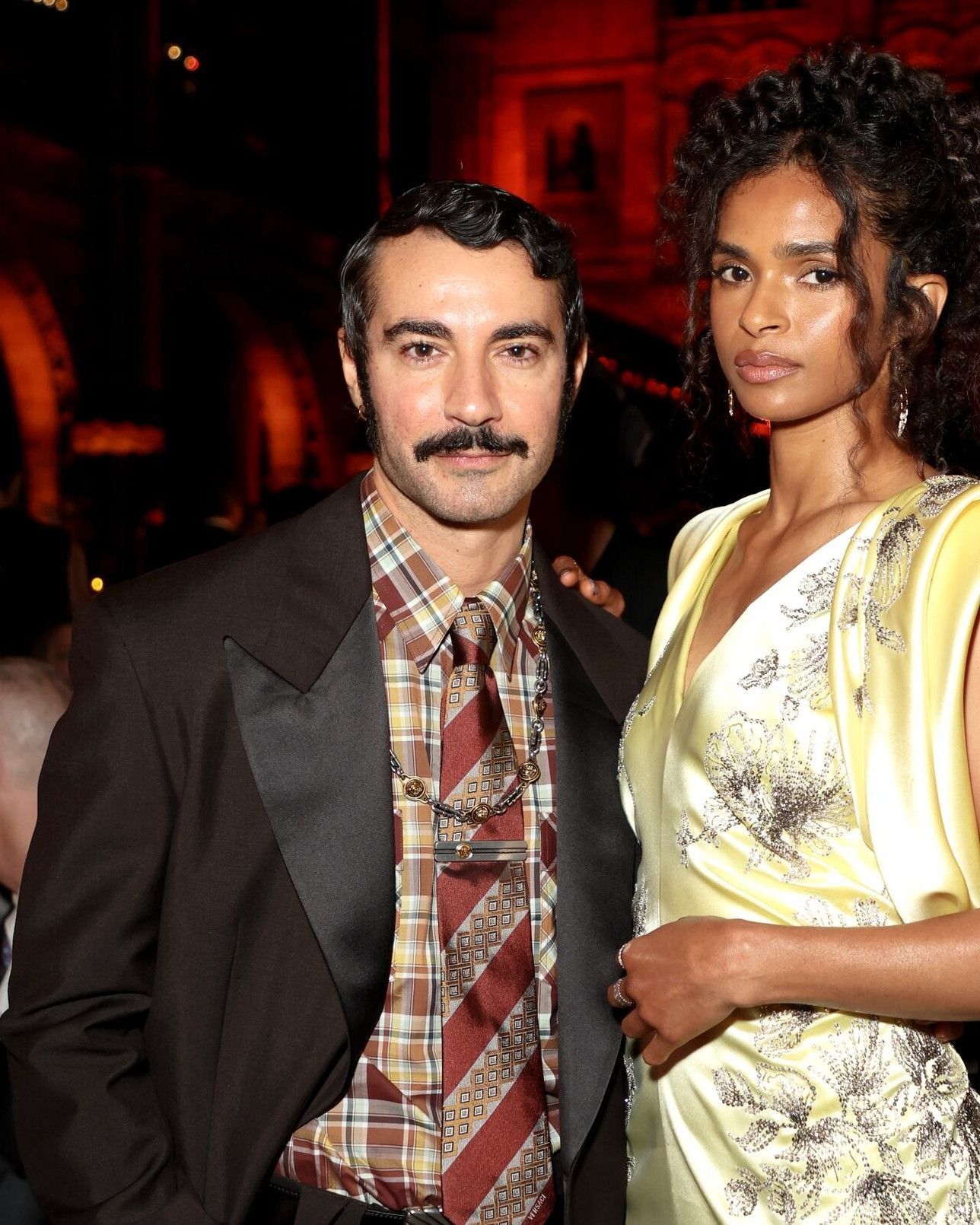
Today this pyramid moves from the catwalks to the streets and malls no longer in a gradual way, as it once did, when consumerism had other rhythms. But we care little, because we have always reversed the pattern: the streets influence ready-to-wear and haute couture, and each of us through cultural hunting can unearth trends before they become real cultural phenomena, veering into new creative horizons. The streets speak to us, and we have a duty to listen to them; even if today the noise of social media seems to have stolen our attention, offering privileged avenues to capture the interests and passions of the new generations. Yet places can still make a difference, as much in stylistic storytelling as in the emergence of new trends. It is clear that bringing the streets to the center of the fashion discourse has been the forced marriage between street culture and luxury-even if the resulting "new luxury" is much more related to ephemeral hype culture than to the idea that the streets can represent a space of cultural and stylistic formation through subcultures. In Italy and especially in Milan, the home city of luxury and Made in Italy, the union of street and luxury has finally succeeded in forcing the industry's snobbery toward street fashion, giving the chance for new scenarios to emerge, an opportunity that unfortunately has not always been managed in the best way.
The untimely death of Virgil Abloh, the only person who right here in Milan was able to tell the story of the new luxury of the streets, has stopped the process of change and awareness on the part of the entire sector that catwalks and shows, without the streets, are labyrinths with no way out. The goal now is to look for new doors to open in an industry that is closed in on itself and often far removed from reality, and to do this we need to reappropriate street style as a cultural tool for research and observation, which today lives on TikTok but perhaps was still born on the streets.