























Florence by Lorenzo Salamone
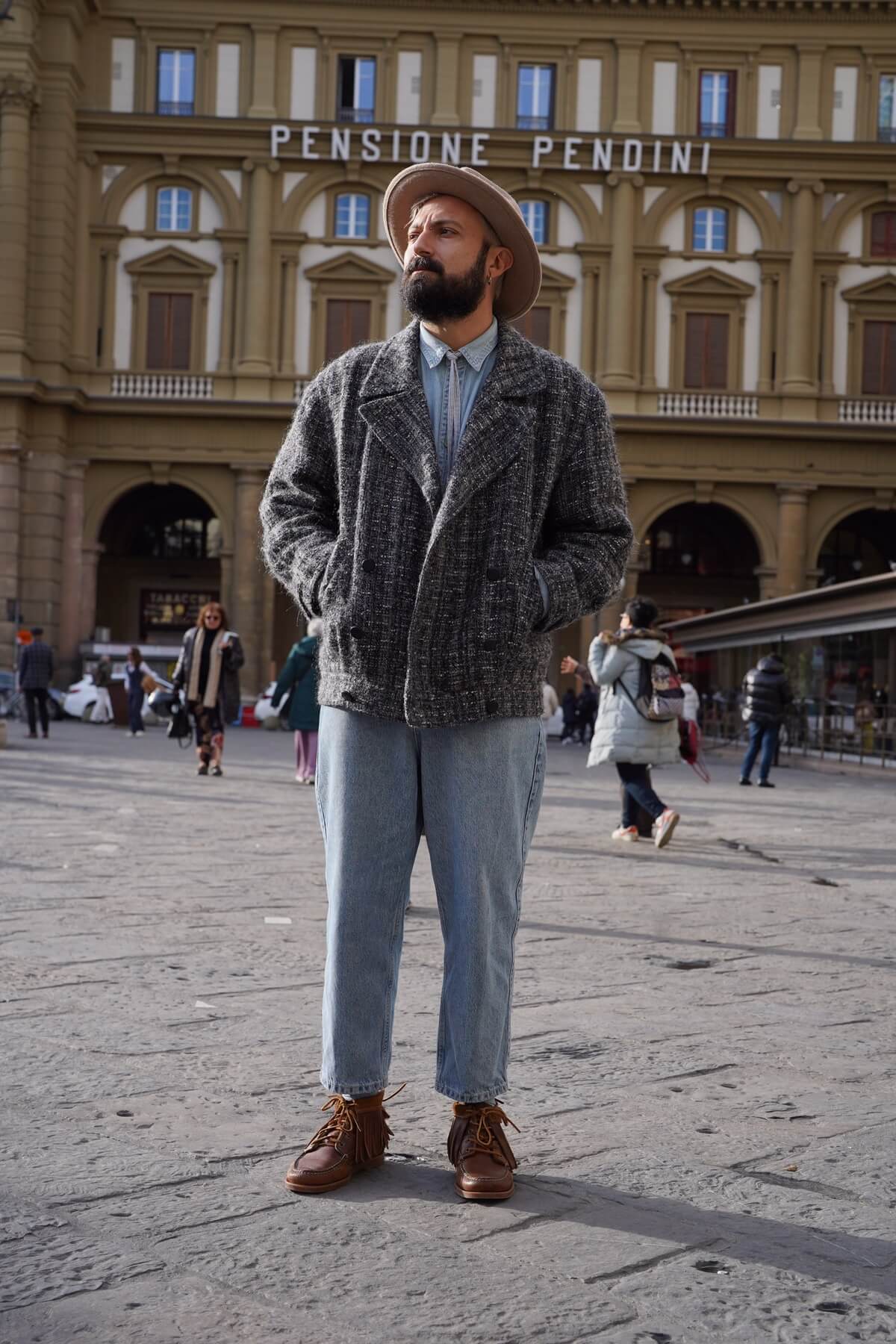
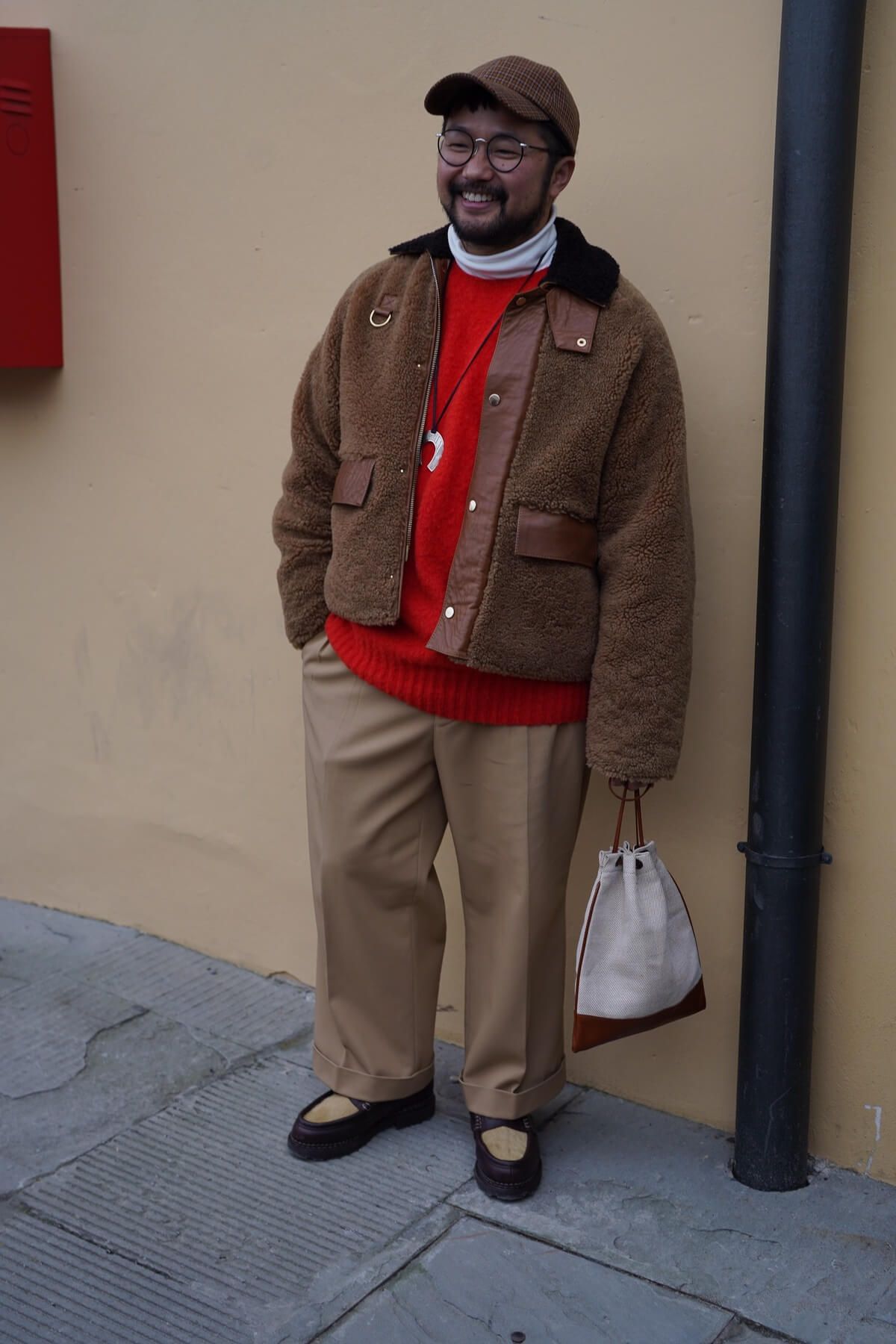
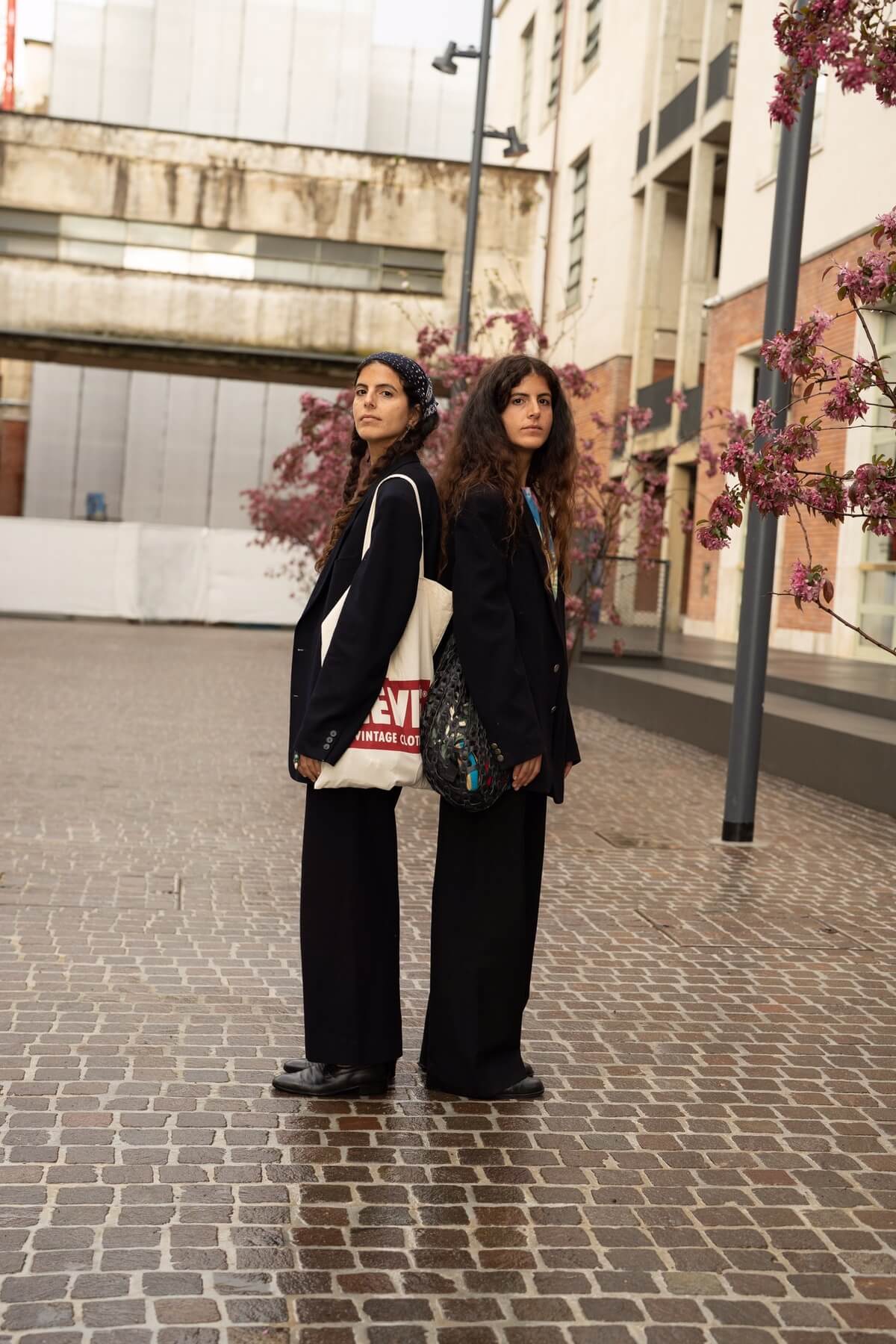
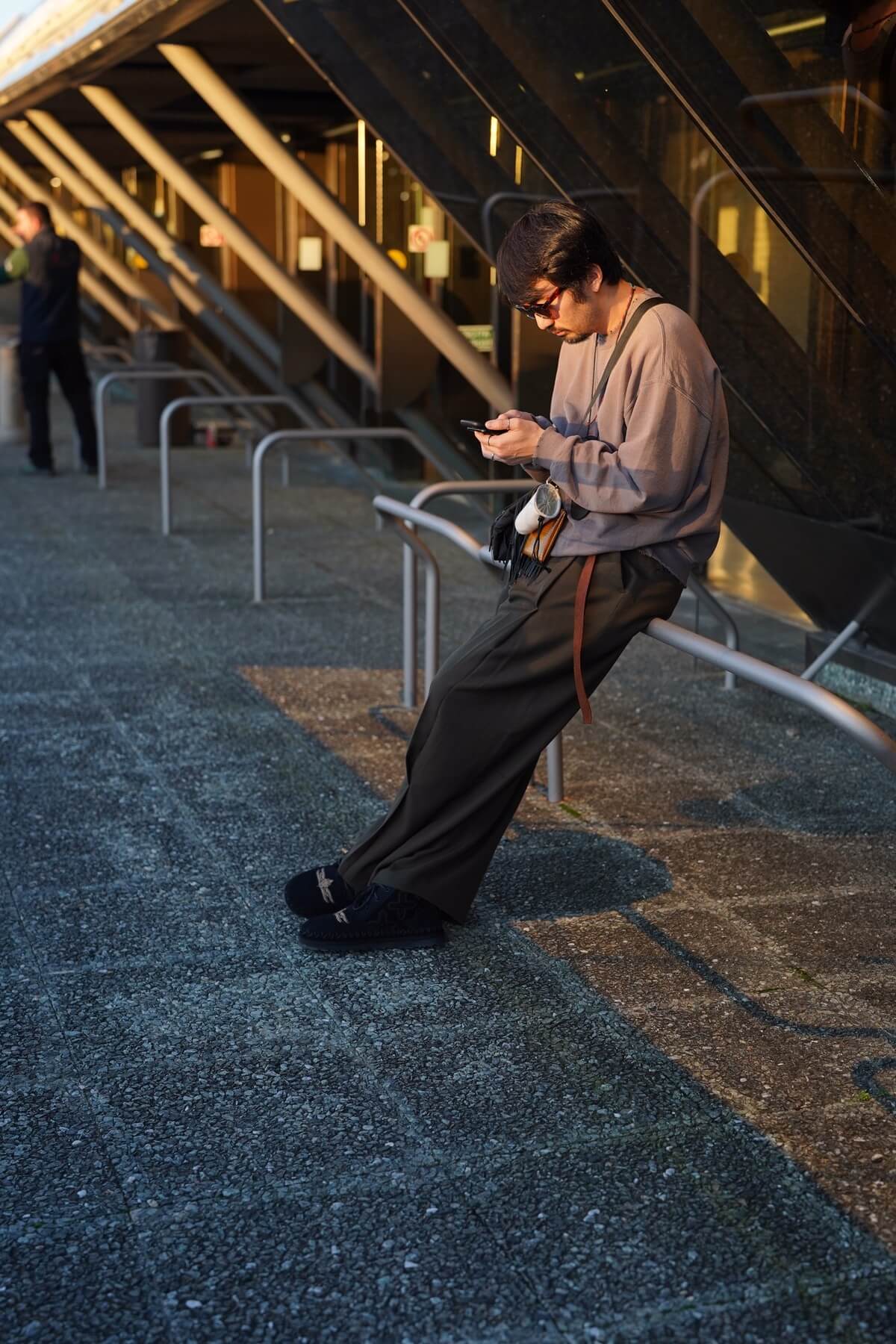
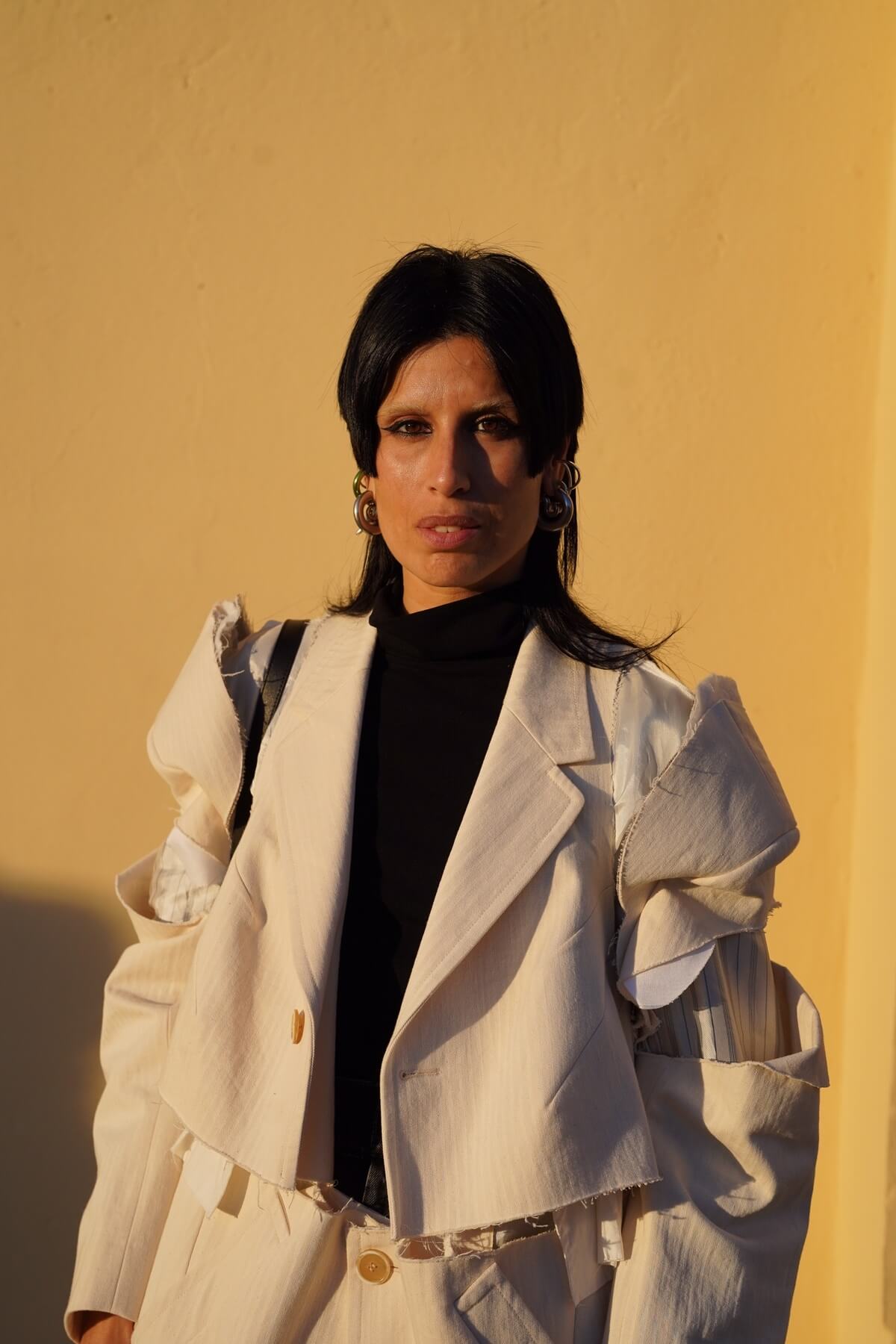
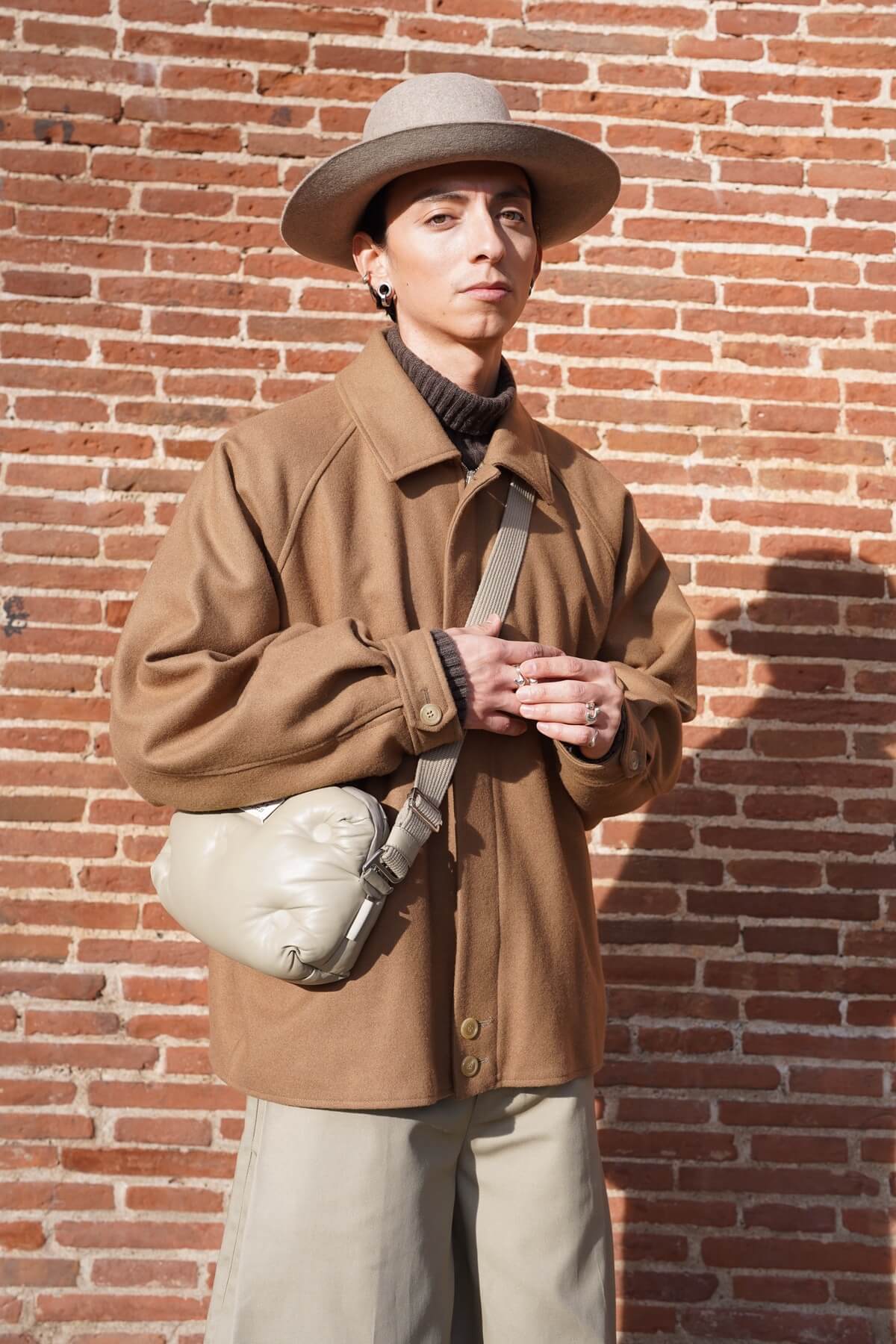
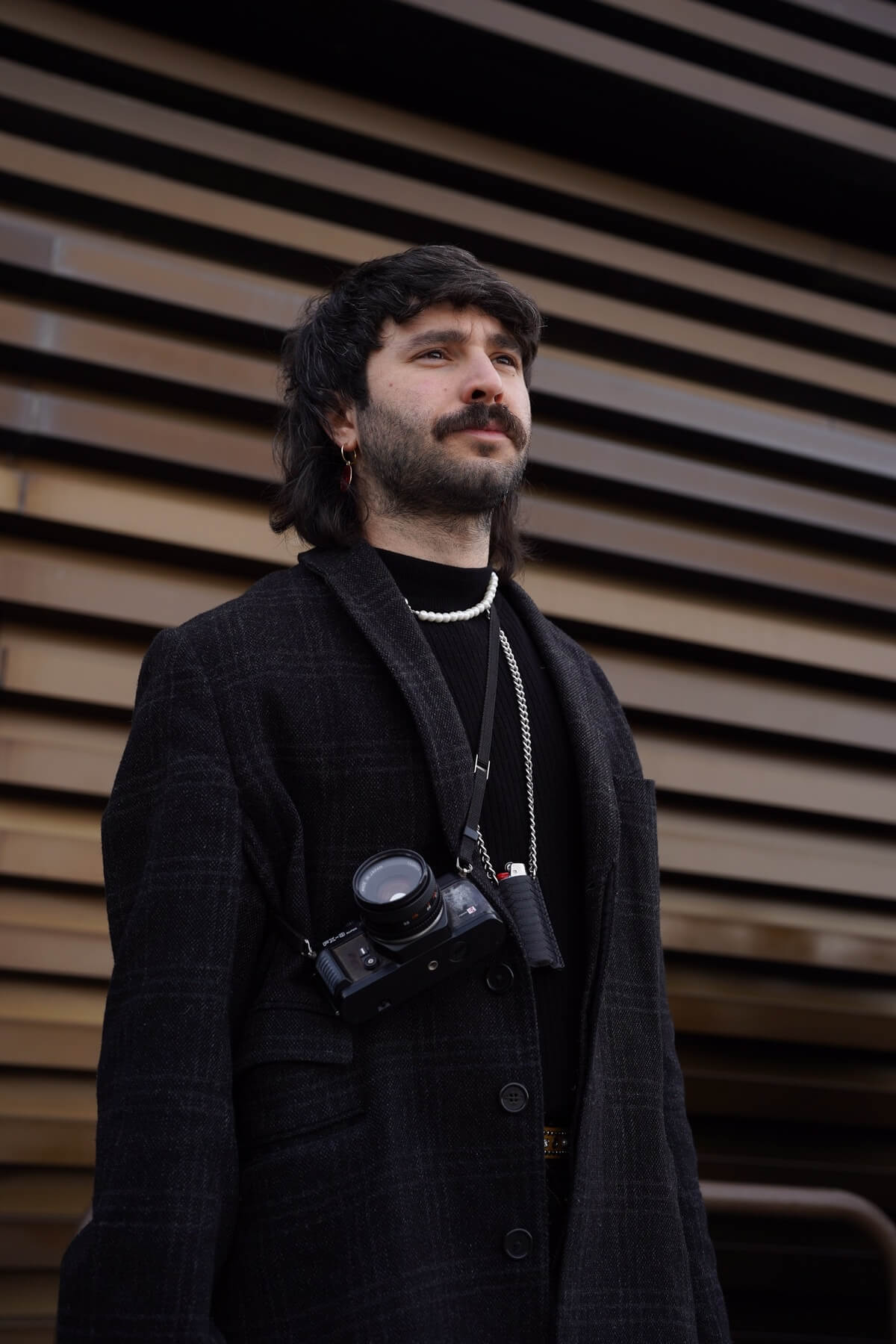
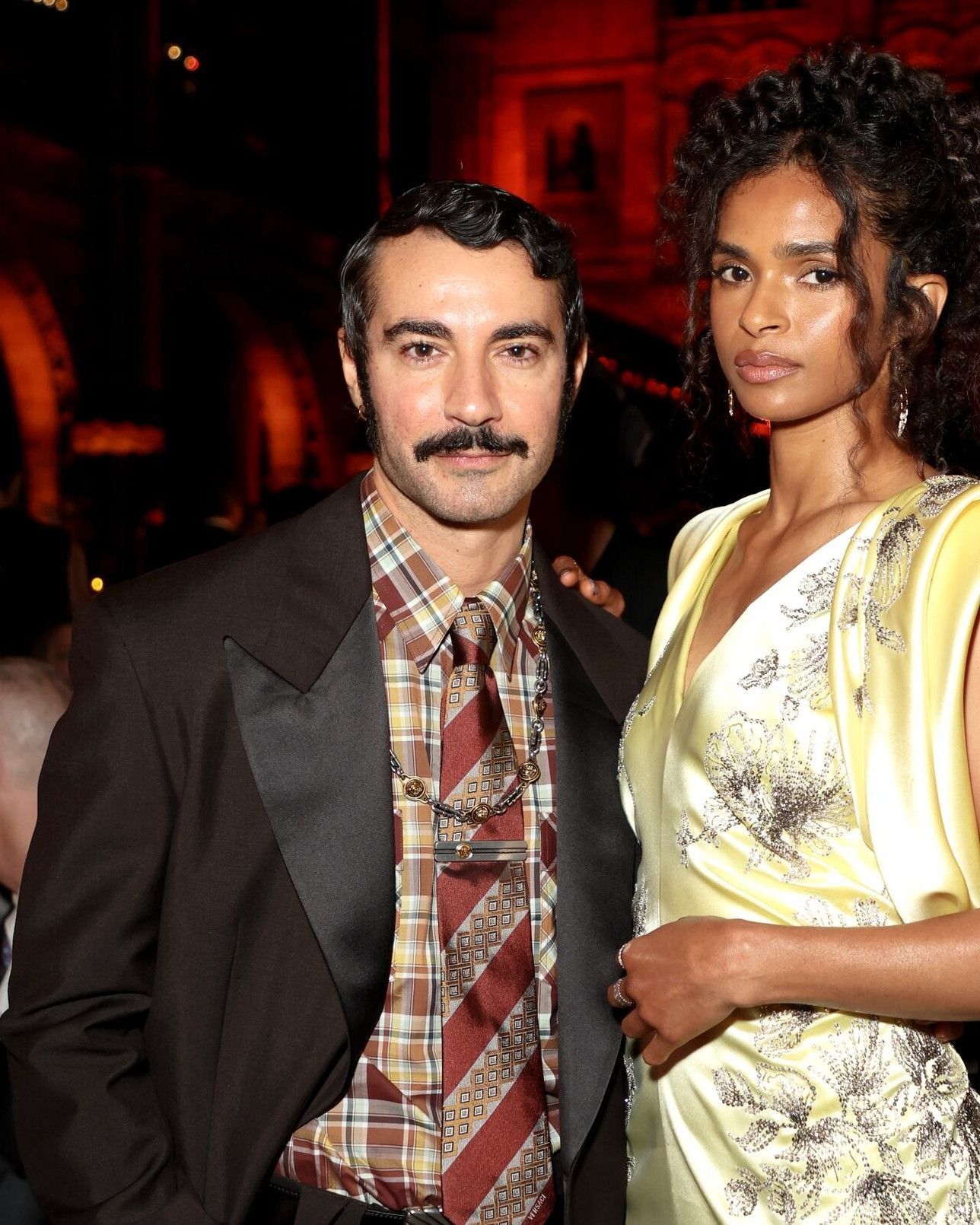
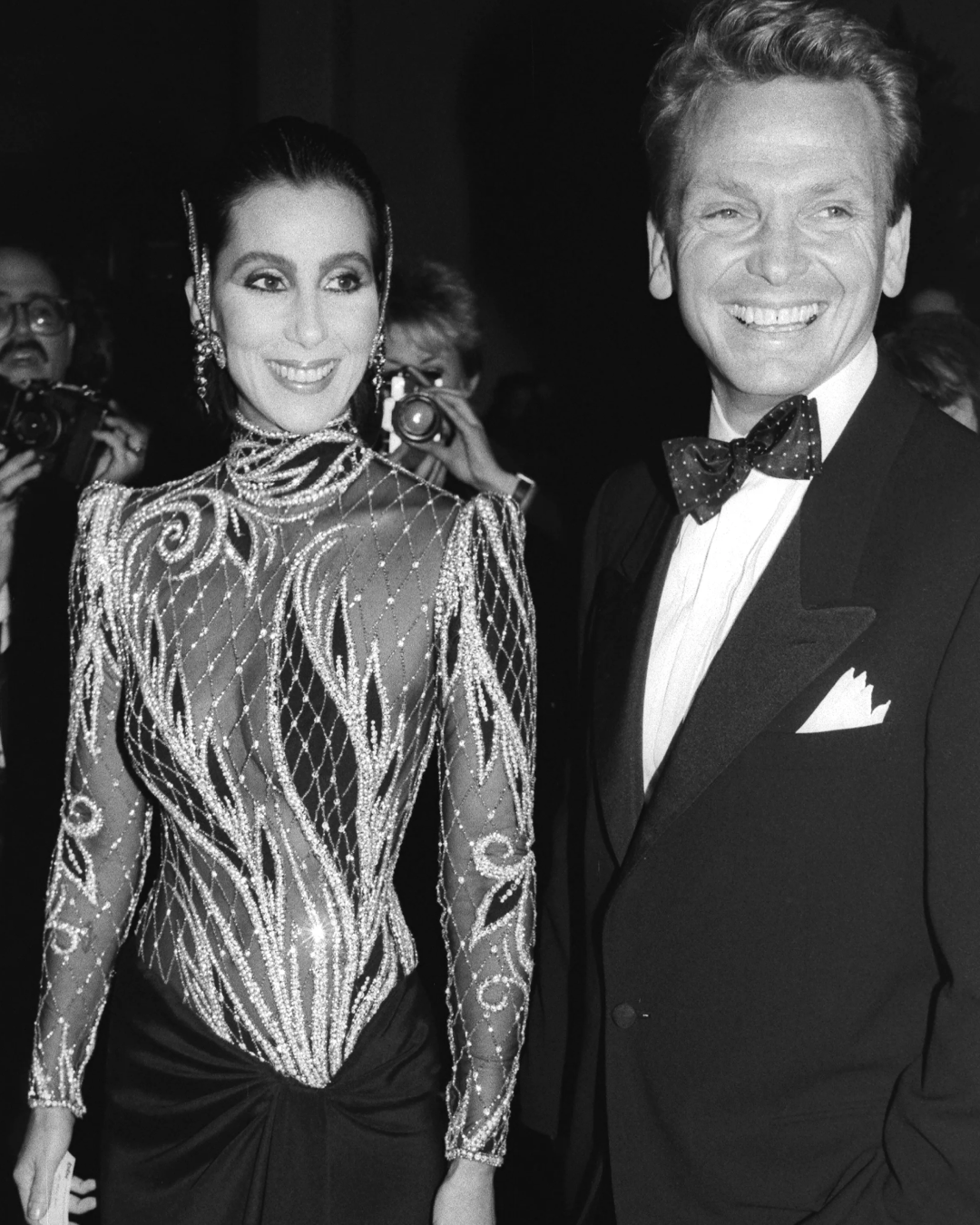
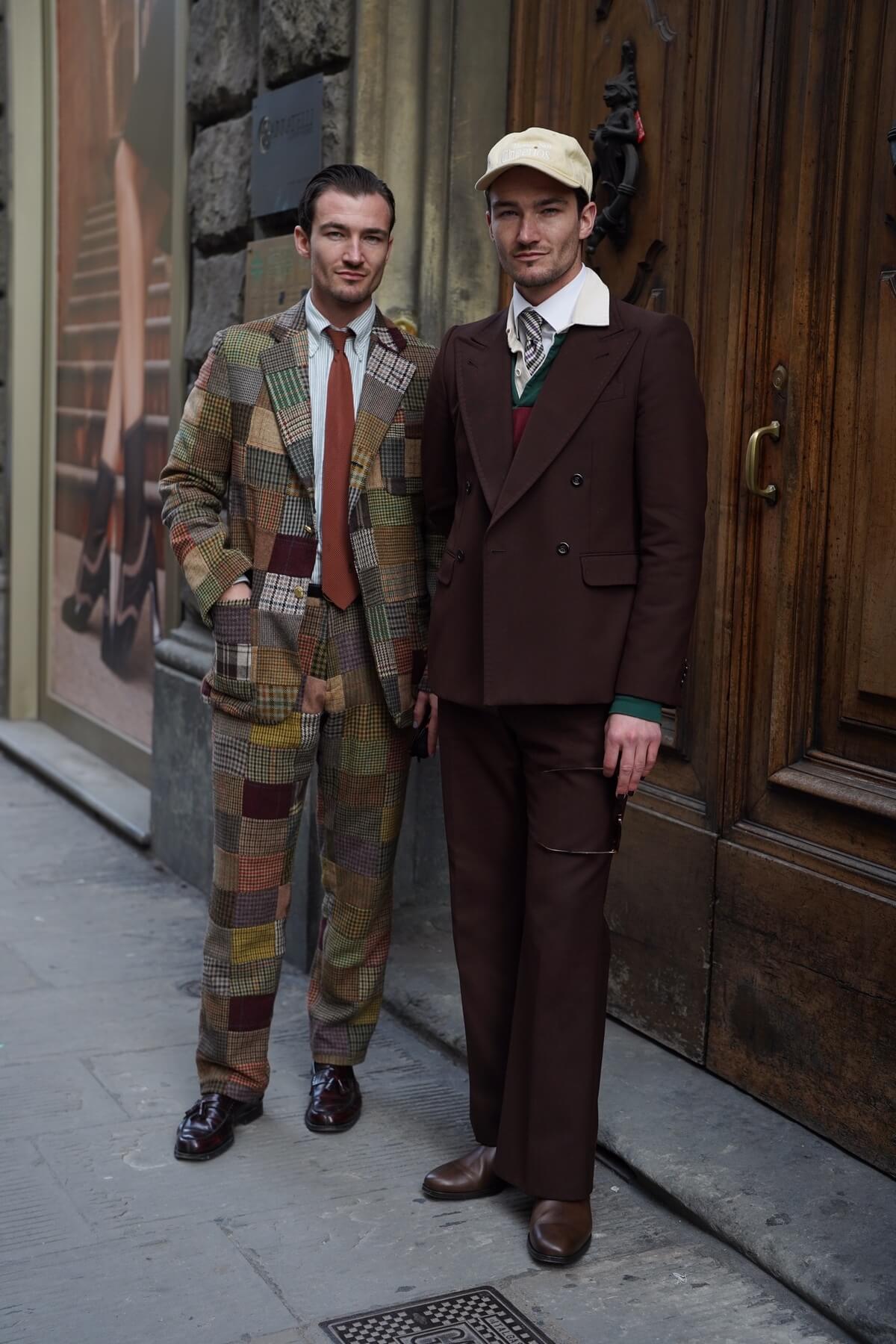
For decades if not centuries, before mass tourism and school groups on field trips, Florence was a proudly aristocratic city, its counts and princes gloried in their ancient palaces and estates on the hills of Fiesole, and around them developed craftsmen who had been unmatched in Europe practically since the Medici era. Masters in leatherworking, perfume-making, silk-making, cloth-dyeing, embroidery and lace-making for half the royal houses of Europe, and even master goldsmiths and jewelers - all arts so prosperous that they gave their names to the streets of the city, nurtured for entire generations by a very wealthy clientele of nobles and aristocrats. It was in this habitat that the idea of Italian fashion was first born, precisely at the hands of an aristocrat, Giovanni Battista Giorgini, who in 1951 managed to stage the first proper Italian fashion show in his home, Villa Torrigiani. In the following years everything moved to Palazzo Pitti, to the famous Sala Bianca, and then moved, decades later, to Milan. It was precisely the relocation of commercial fashion to Milan that left Florence the almost exclusive preserve of the more formal menswear, an attitude reflected in the kind of street style that, historically, one sees at the Fortezza da Basso during the days of Pitti Immagine: three-piece outfits worthy of Oscar Wilde, colorful pocket handkerchiefs, repertoires of fabrics and leathers so precious they make one's head spin, wide-brimmed hats, walking canes. Wearing them are the so-called "peacocks," today's interpreters of a demodé dandyism, who constitute a kind of subculture that still exists and that precisely in Pitti Immagine finds its most exuberant expression. No less, as a trade fair and not just a stronghold of the Italian manufacturing tradition, it is only natural that Pitti should have opened up over time to the winds of change, abandoning excessive pretensions to inactual formality and veering toward outwardly more casual but no less elevated dimensions.
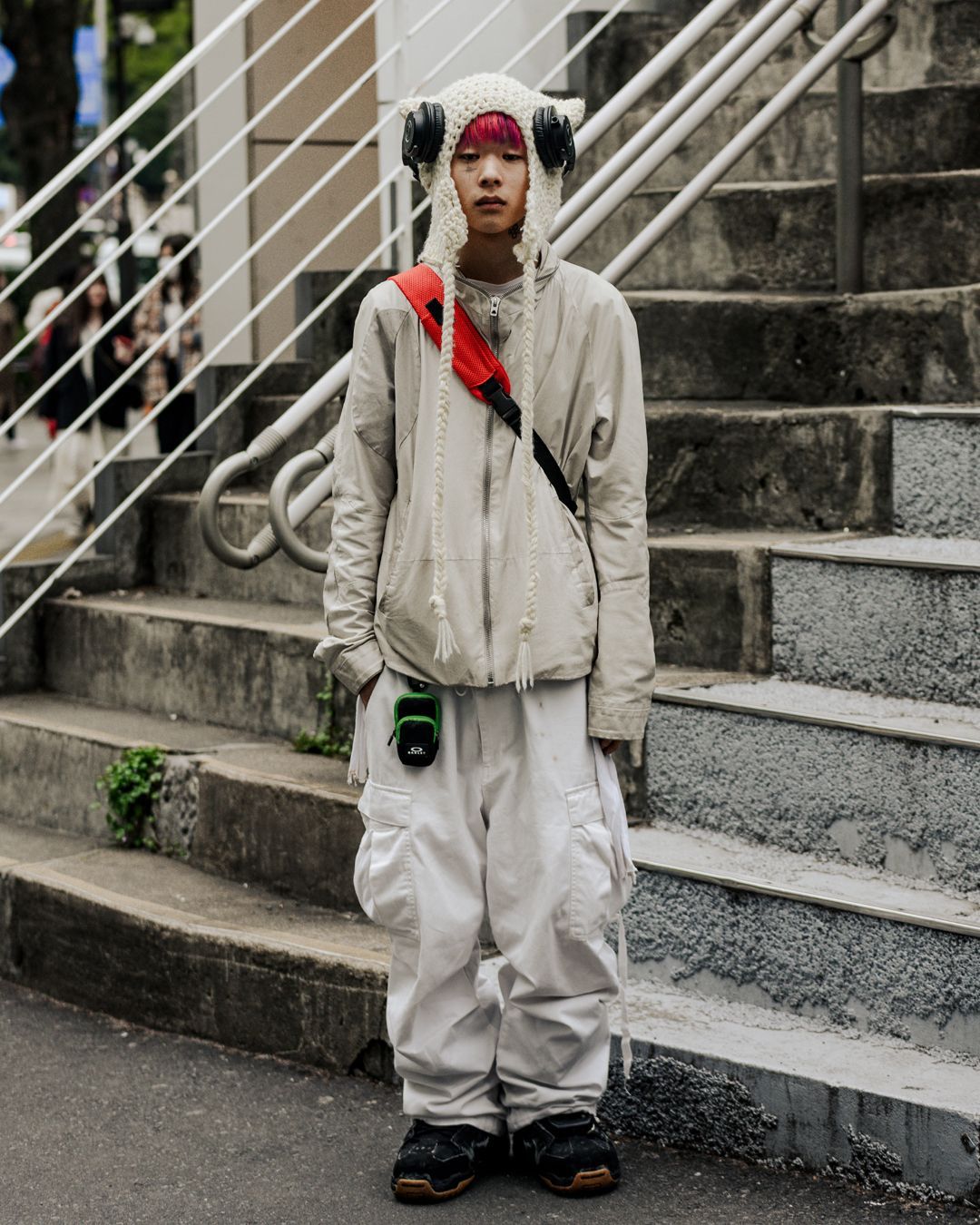
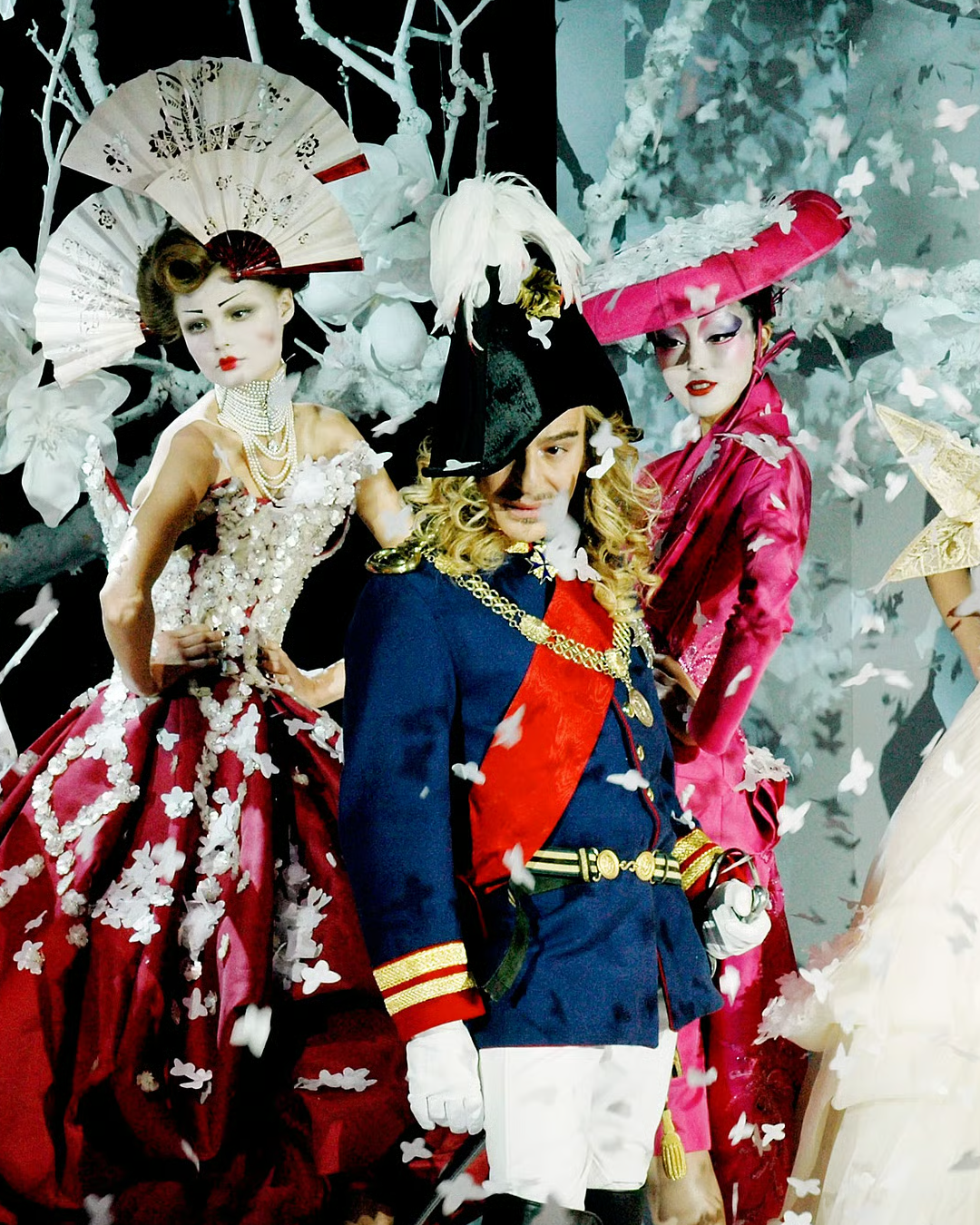
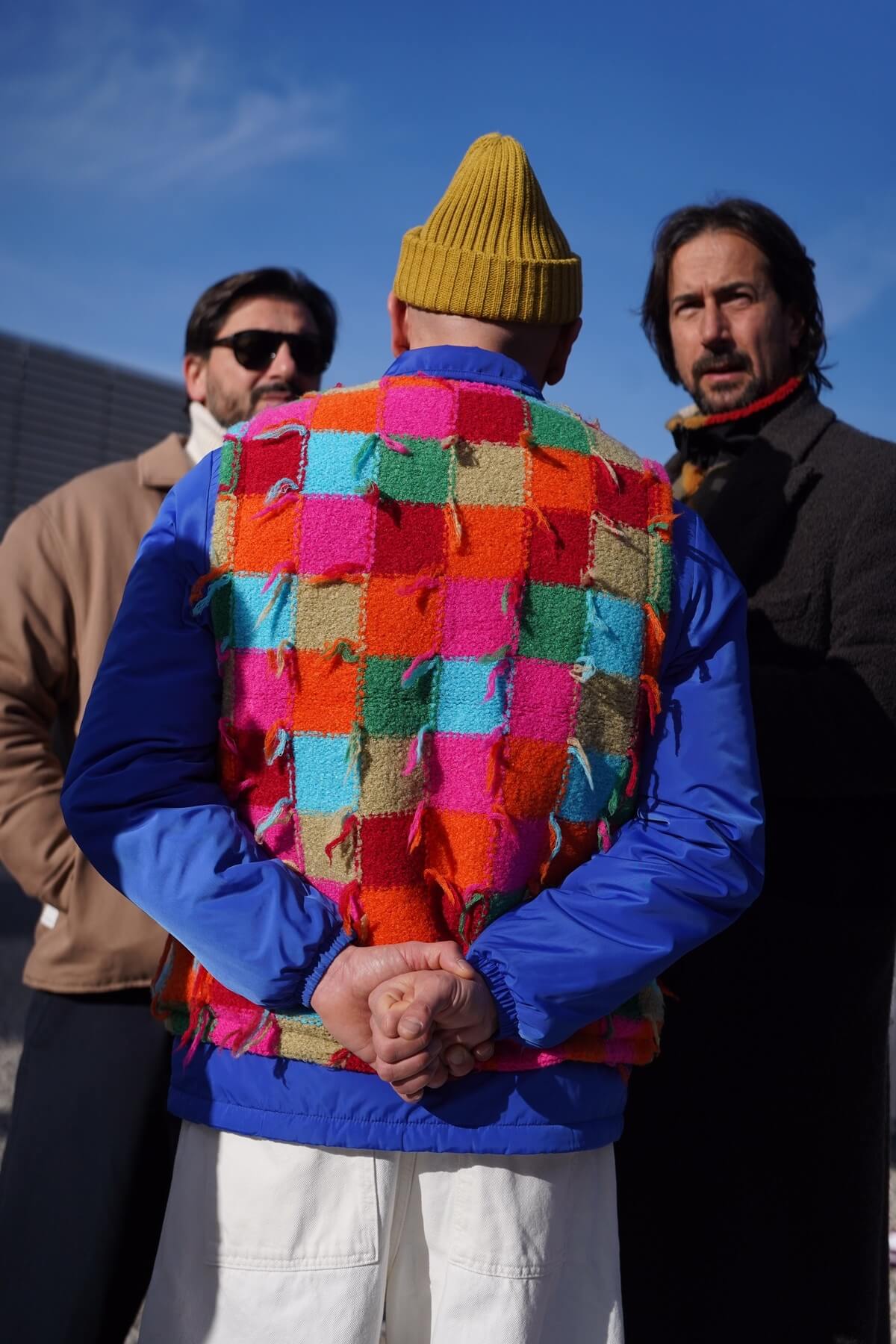
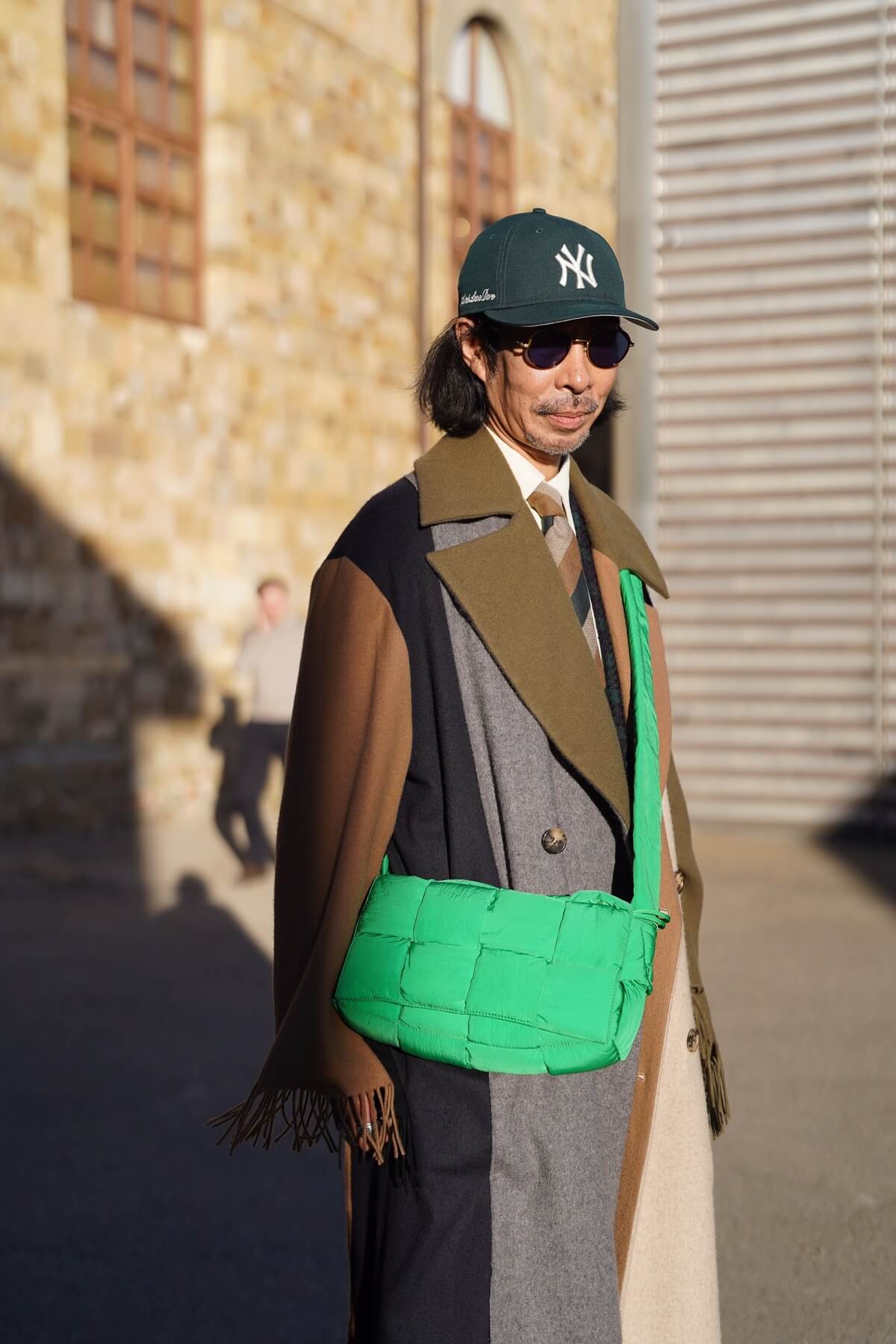
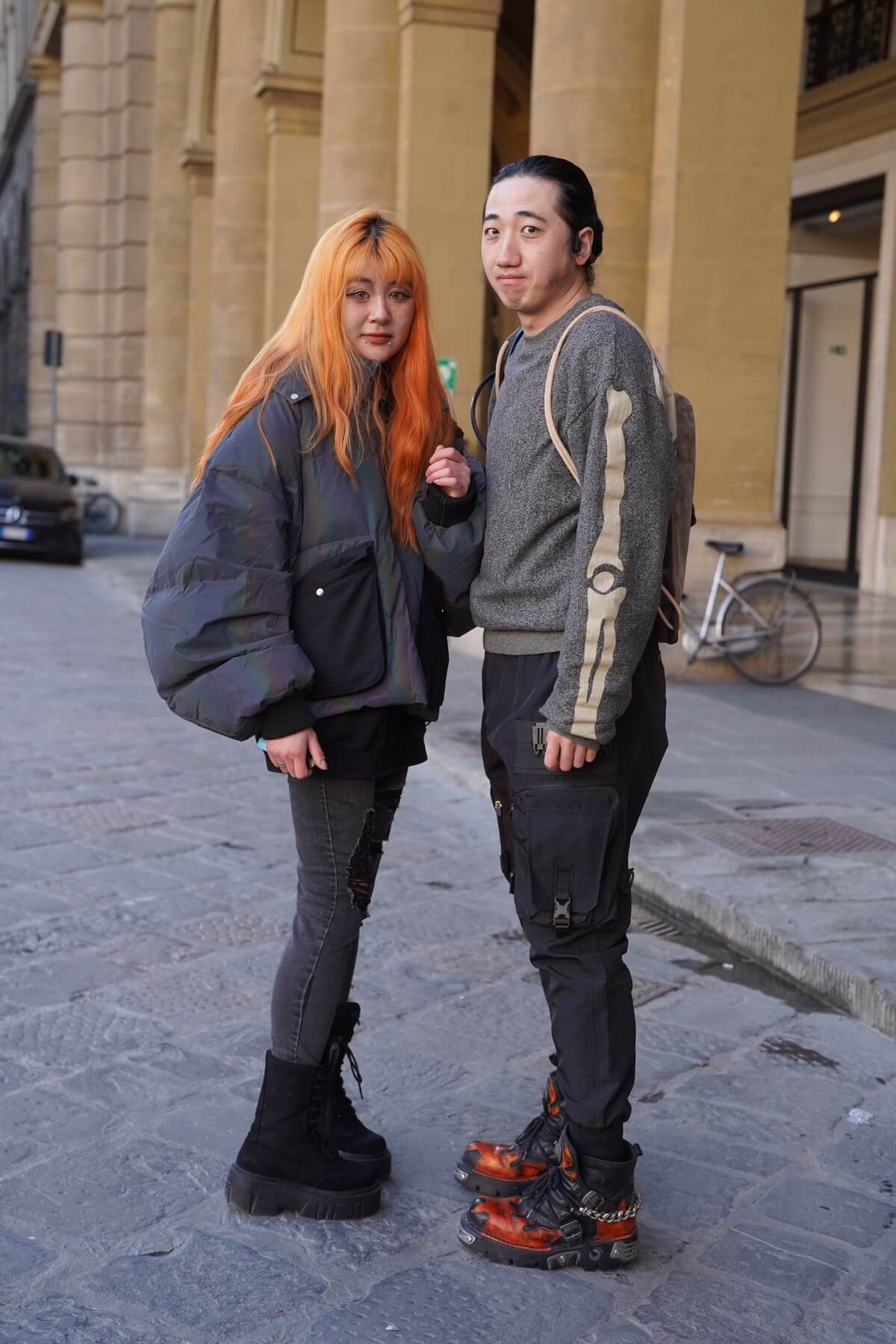
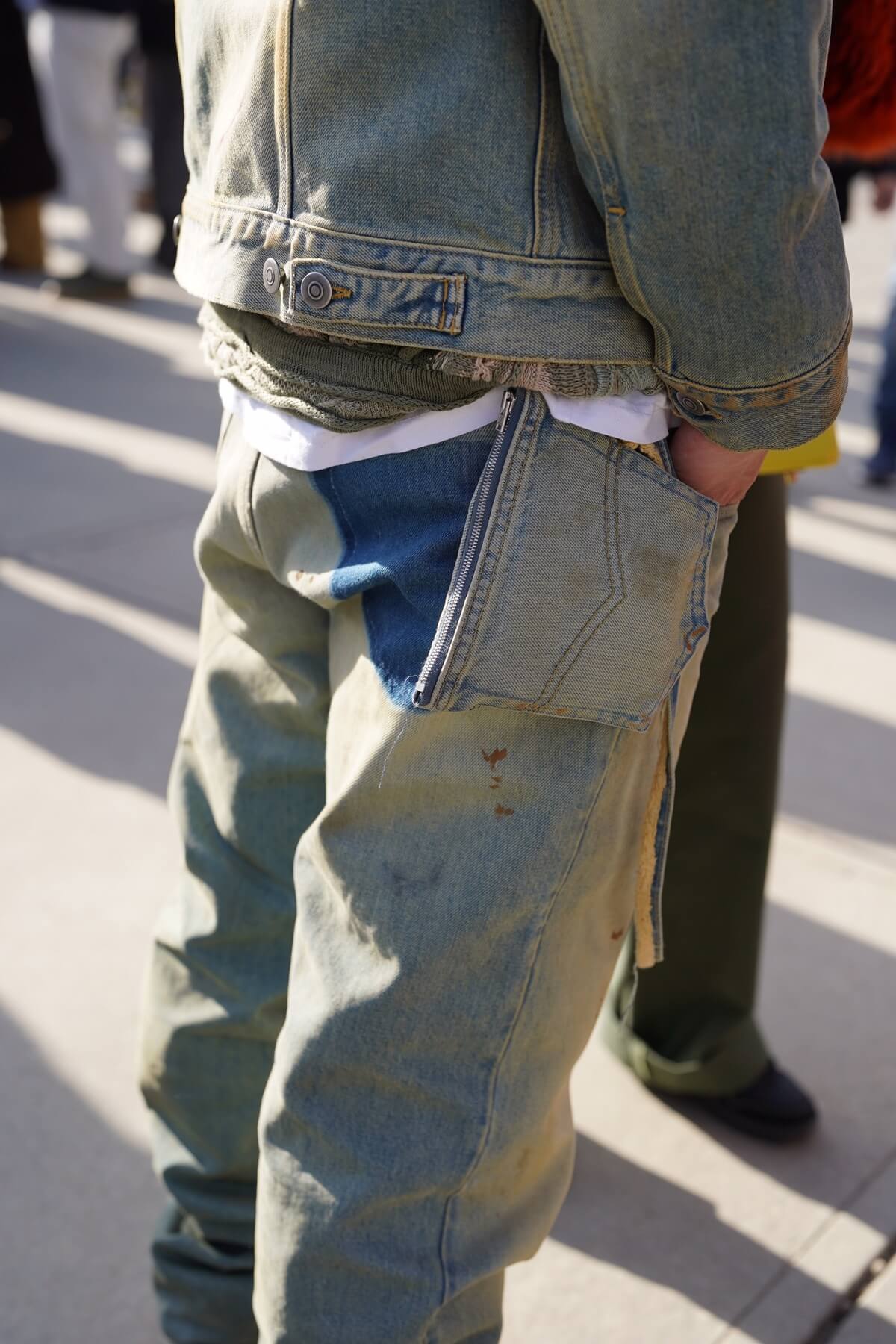
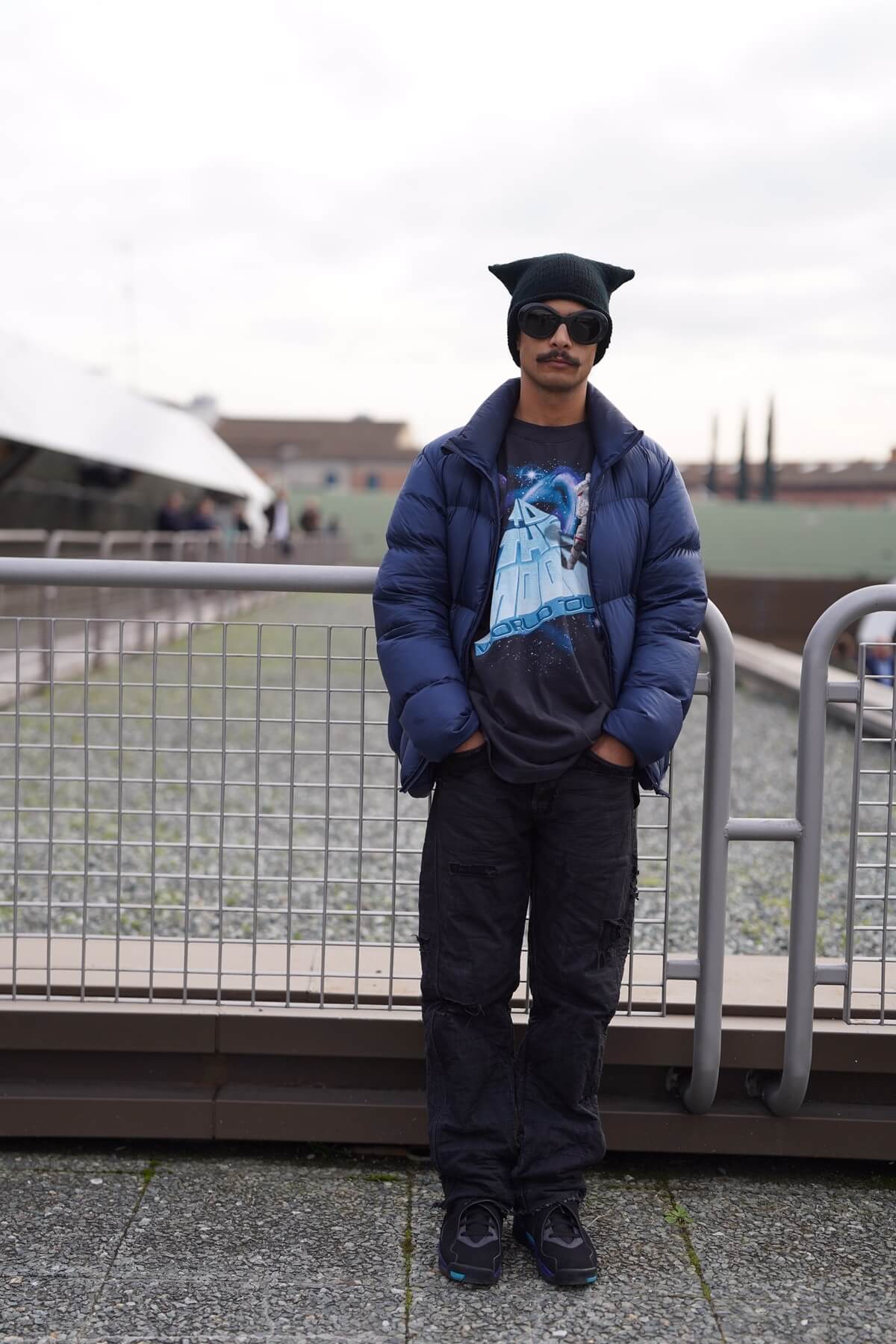
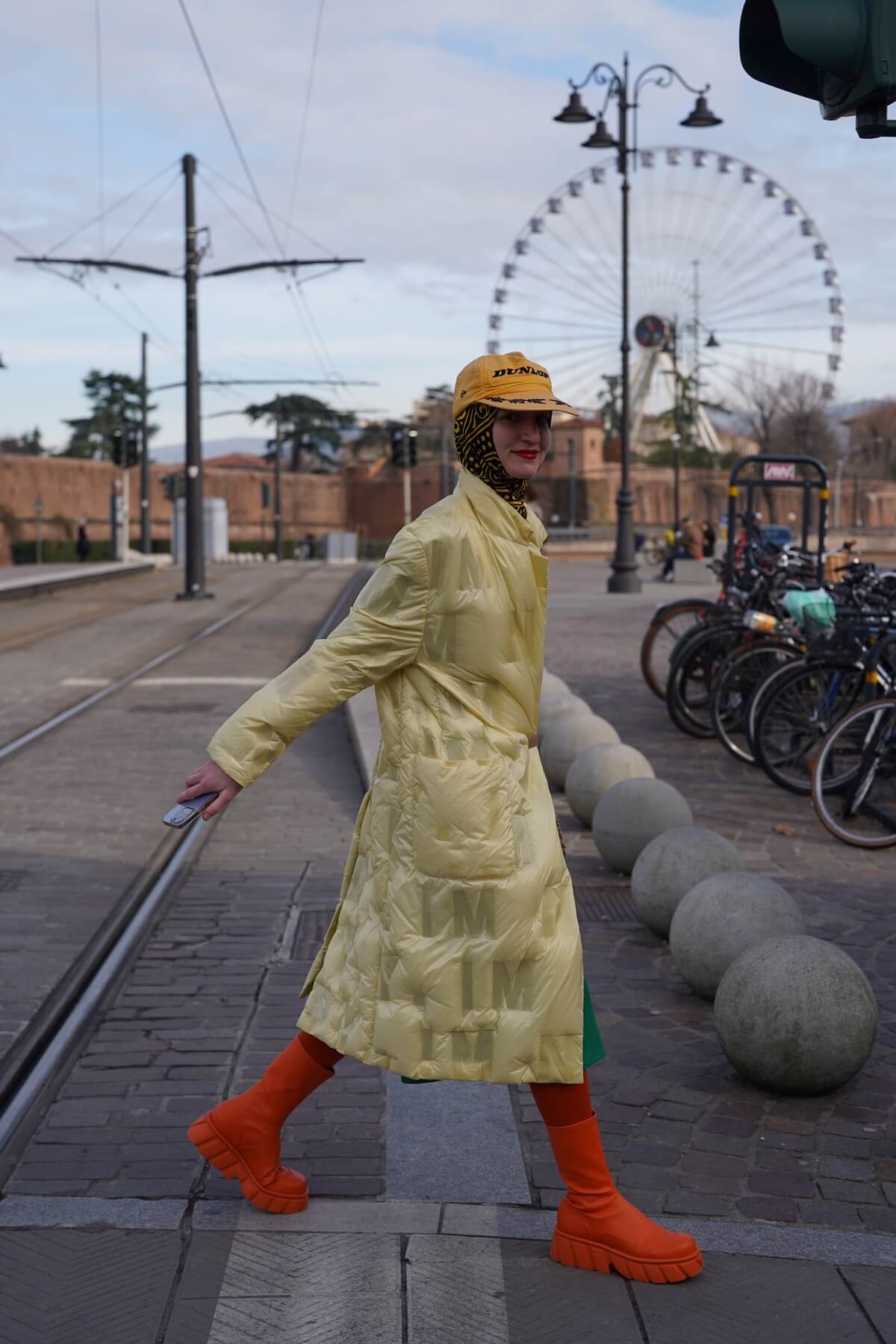
In the past decade, in which we have witnessed the spread of streetwear culture, the influence of modernity has been particularly felt. Not only have we witnessed the predictable appearance of sneakers and hoodies, but we have also seen the advent of more avant-garde tailoring, mixed with the presence of new items fresh off the runway and the excavation work done on vintage silhouettes. This has led to the creation of a nuanced and complex lexicon that certainly does not possess the same complexity as the more classic sartorial looks of the original peacocks, with their obsession with handmade buttonholes, artisanal stitching of silk linings, and the adorable sprezzatura of vests and handkerchiefs, but whose cultural reach is certainly broader since it embraces traditions and stylistic languages from around the world, Asia in the lead. And although it has sacrificed something of its original specialized complexity, the new vocabulary is certainly closer to our times and their needs. Thus also at Pitti came, along with the prophets of the most whimsical tailoring, the ensembles with a decidedly pop flavor to which the canonical fashion weeks have accustomed us. But there is more: with the broadening of Pitti Immagine's scope, which now also welcomes guest designer fashion shows, capsule collection launches and international guests far from the old-fashioned world of jackets and ties, a great many guests and visitors have completely abandoned the sartorial imprint that used to define the event, transforming Pitti into a veritable playground, on which numerous readings and interpretations of menswear codes are compared.
In recent times, other instances have emerged. Having overcome the fever of streetwear, which had brought so many strident contrasts to the courtyards of Fortezza da Basso, while also diluting the pomposity of the peacocks, out of time for better or worse, and their obsessive expertise in all things sartorial, a new kind of visitor has appeared at Pitti. A visitor who carries fewer preconceptions in his suitcase and, indeed, finds in this very eclecticism a very valid nourishment for his inspiration. Abandoning therefore the vestments of the peacock, but above all the protagonist of a cultural chessboard with a global scope, the new Pitti Immagine visitor makes different eras and geographies dialogue in his clothing, mixing American vintage, Milanese fashion, fabrics from Japan or India, dadcore and avant-garde. A new kind of multiculturalism that has also marked the rebirth of Pitti Immagine, a fair no longer relegated to its regal niche but open to two worlds: the world outside, of experimentation, hybridization and dialogue; and the world inside, of tradition, continuity and ancient teaching that never changes.