























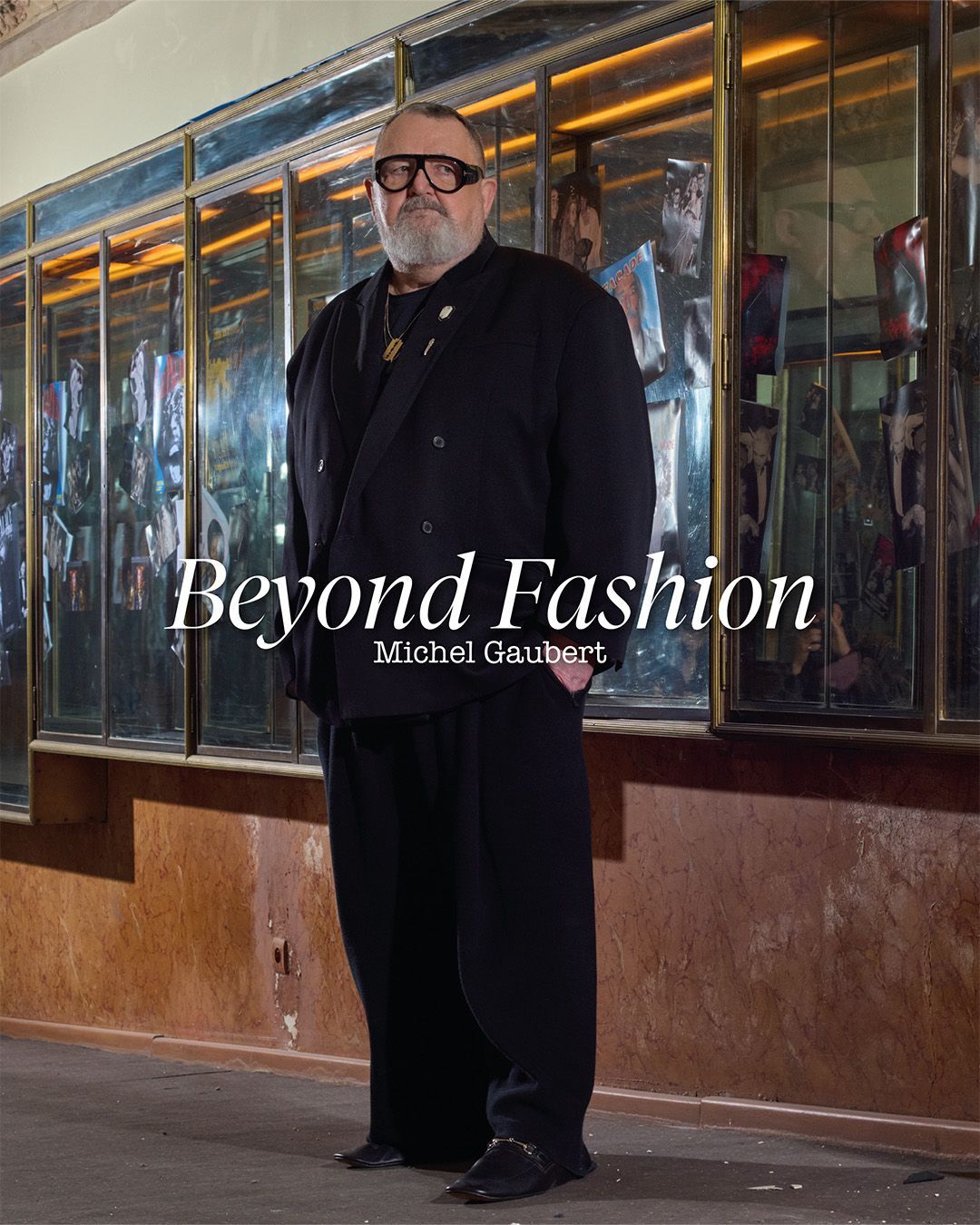


Why does design keep redesigning furniture that already exists? Chairs from the '60s and lamps from the '70s are making their way back into catalogues
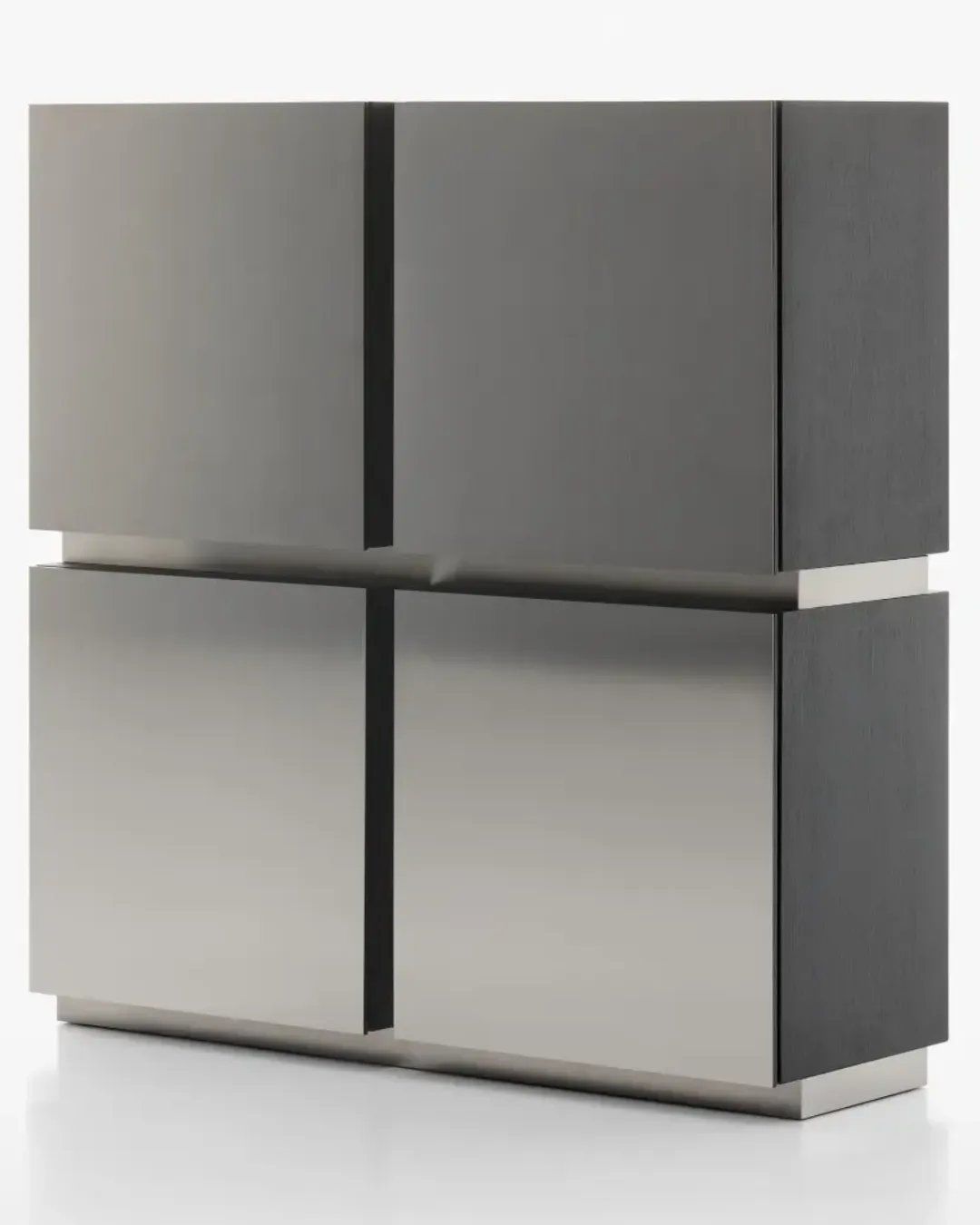
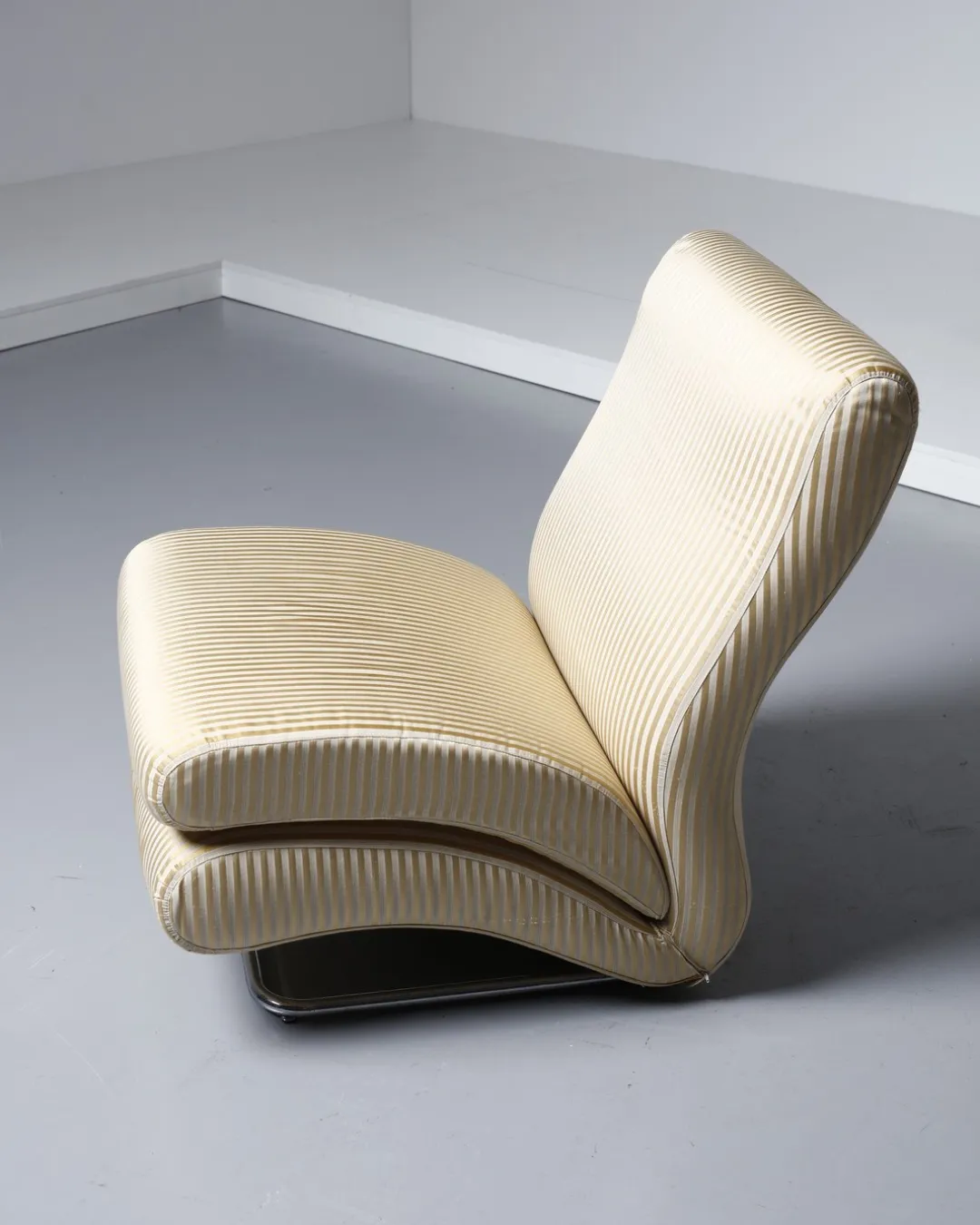
Looking at the design world's new releases over the past few years, one notices something rather strange: there are new designers, new materials, and new products, yet furniture from fifty, sixty, or even seventy years ago keeps coming back. Chairs, lamps, tables, and furnishing systems are pulled from the archives, slightly updated, and re-entered into catalogues as though they had just been drawn. In design, the past is reproduced, photographed, and sold to new generations.
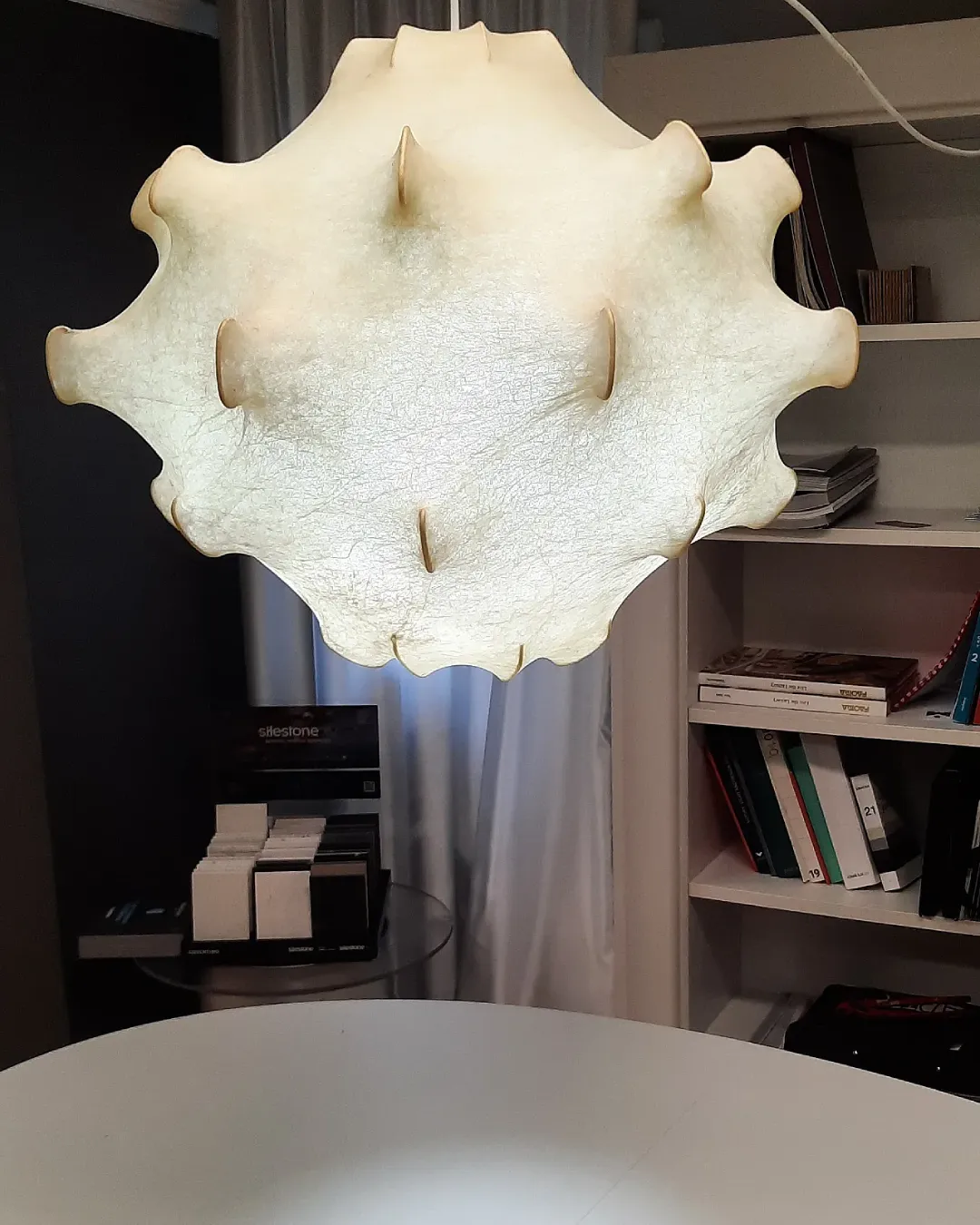
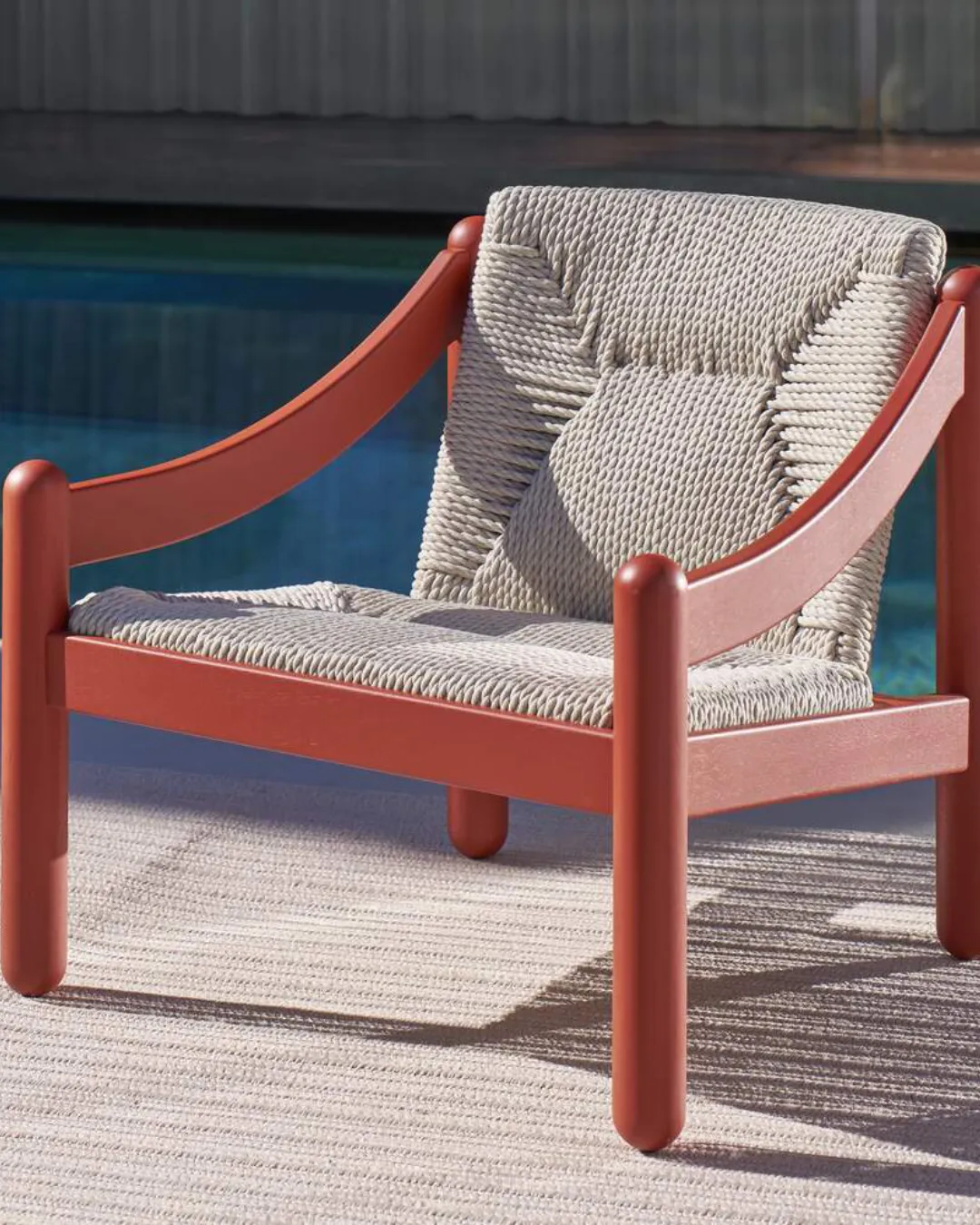
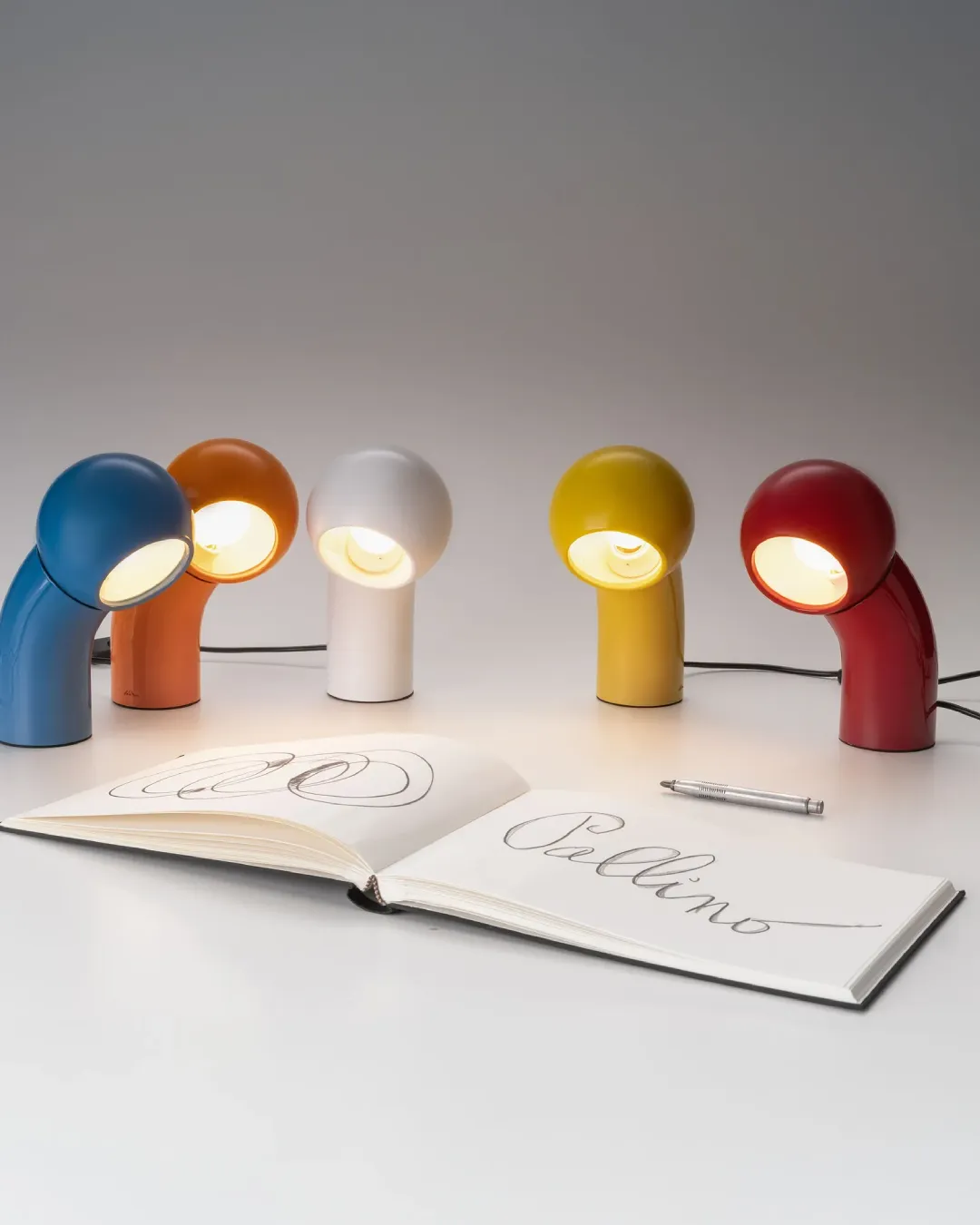
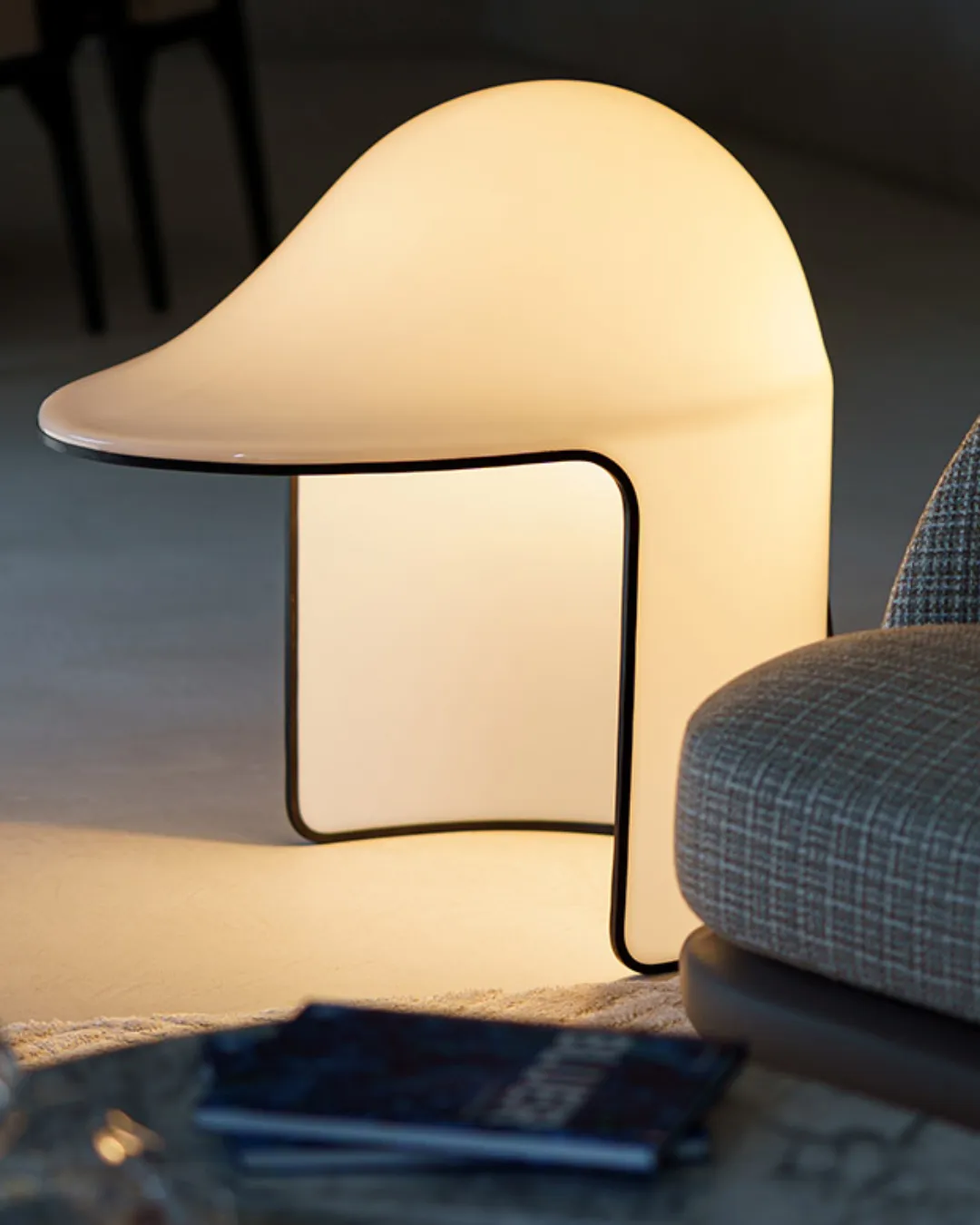
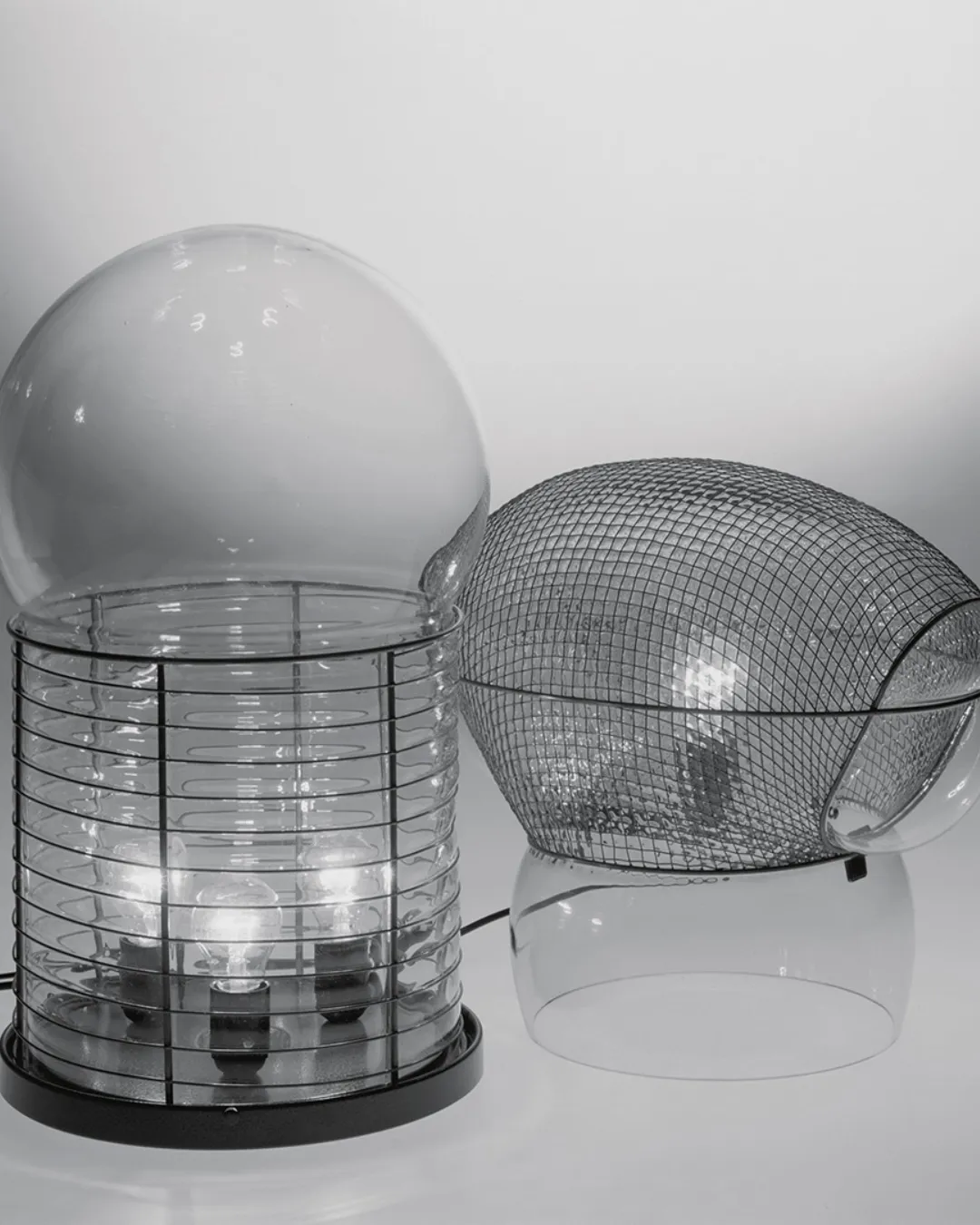
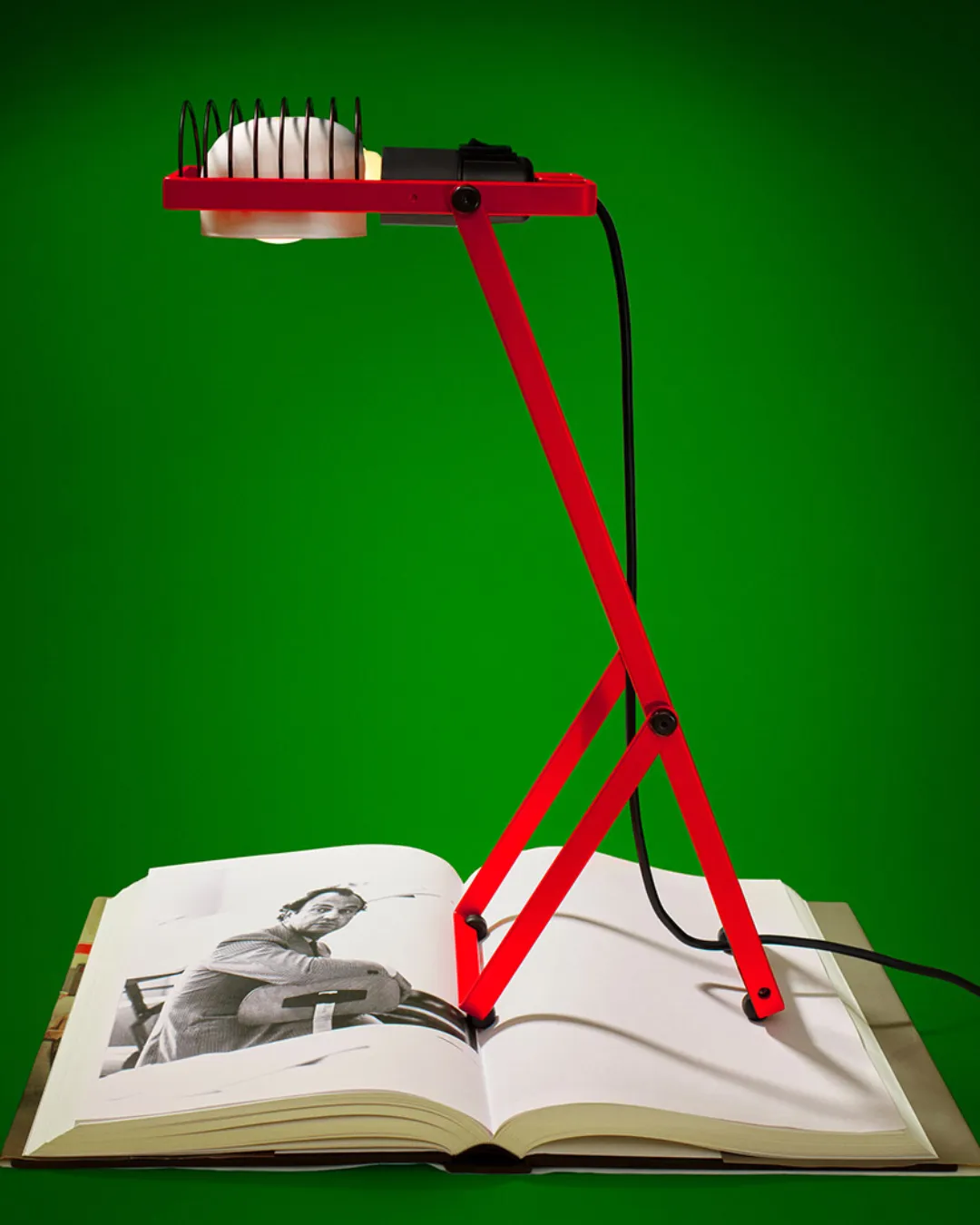
In 2026, the phenomenon is particularly evident. Wallpaper has gathered a new wave of reissues from Italian design of the 1970s, from Vittorio Varo's Cigno to Lodovico Acerbis's Parioli cabinet, along with Ernesto Gismondi's Sintesi, Gae Aulenti's Alcinoo, Cini Boeri's Papero, and Elio Martinelli's Pallino. At the same time, Cassina continues to bring its own archive into contemporary collections, as with Vico Magistretti's Novetrenta, which has returned in a new outdoor version as well.
There is nothing wrong with reissues — quite the opposite. If a piece of furniture manages to remain desirable, it has done its job. Yet when reissues begin to grow this numerous, one naturally wonders whether we are celebrating the history of design or whether we have simply found a very elegant way to avoid the risk of inventing something new.
Zanotta and Carlo Mollino
Italian design has always had an almost familial relationship with its masters. Companies like Cassina, Zanotta, and Flos have been working with their archives for decades. What seems to have changed is the archive's role: no longer merely a place to safeguard drawings, photographs, and prototypes, it has become a kind of parallel catalogue.
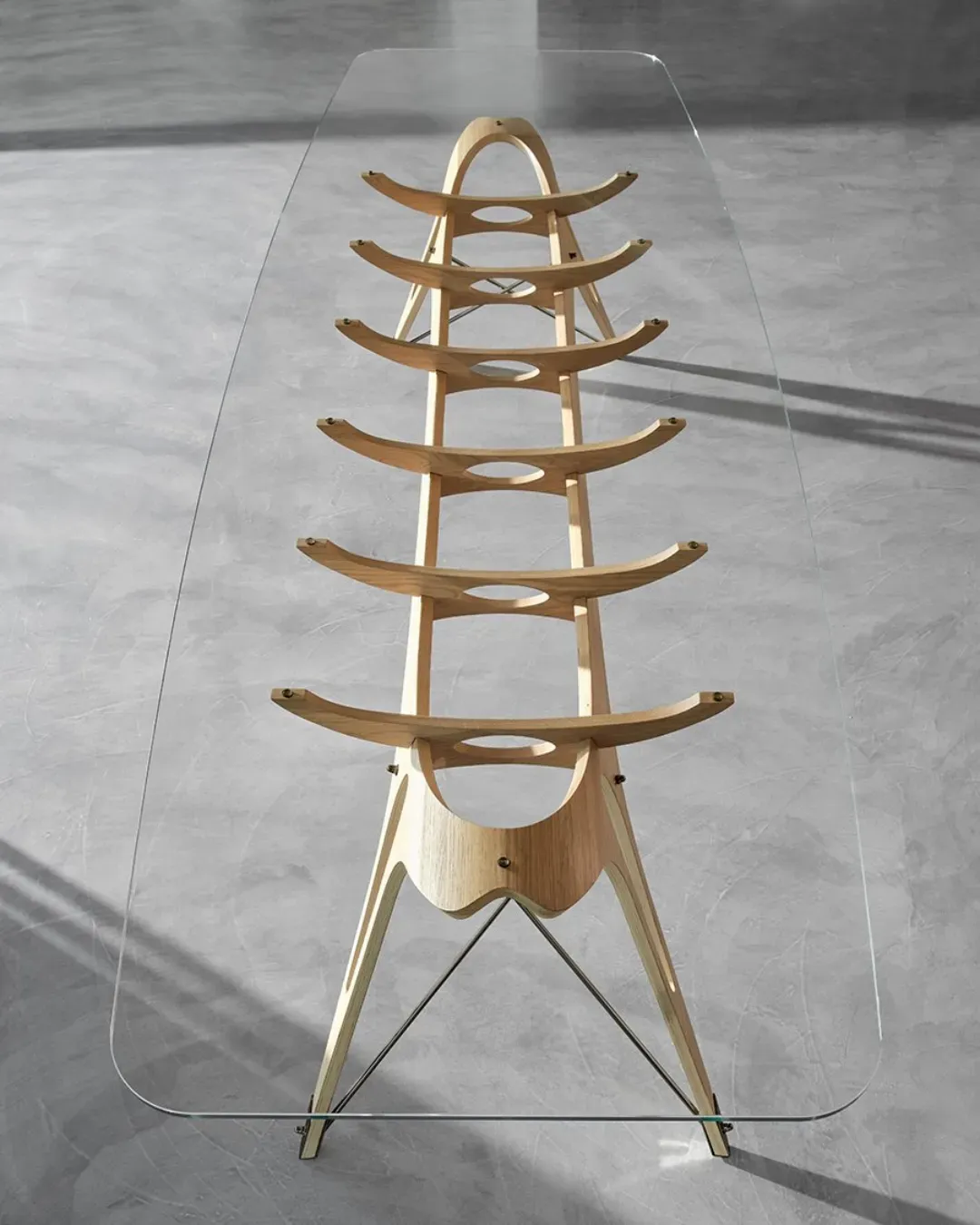
The case of Carlo Mollino illustrates this particularly well. This year, Zanotta obtained an exclusive licence from the Italian State to produce thirty of his designs, some already well known and others that never truly reached industrial production. Among these is Vertebra, a table designed in the 1950s and presented in 2026. Zanotta itself explains that it selected the projects by considering not only their historical value, but also their production and commercial potential.
And perhaps this is where one truly understands what is happening. The archive is no longer just memory. It has also become research and development — with the far-from-trivial advantage of being able to work with a designer like Mollino without having to convince the public that he is worth their attention.
The Cost of Innovation
Developing a new object means design, prototypes, engineering, tooling, testing, production, communication, and distribution — with no guarantee that anyone will still remember it three years from now. A historic icon does not eliminate these costs, but it starts out with something that cannot easily be bought: recognisability.
Putting a piece of furniture back into production does not, however, mean taking an old drawing and pressing play. The world around it has changed, and often one must update a design without ruining it. Tobia Scarpa's Seki-Han, designed in 1963, for instance, has returned with a dimmable LED light source and new materials. Cassina has transformed Novetrenta into a product suited to outdoor use as well, using iroko wood, new upholstery, and components designed to be disassembled and recycled. The form remains familiar, but the object changes.
The Past as an Asset
Design, after all, can afford a relationship with the past that other sectors cannot: a chair designed sixty years ago still has to support a body; a table still has to offer a surface; a lamp still has to light a room. There is no software update that can suddenly render a 1973 armchair unusable. If the proportions, materials, and concept still work, an object can pass through generations with an almost absurd ease.
And perhaps this is also why we look at that furniture today with such nostalgia. Much of it was born in a period when Italian design seemed to possess enormous confidence in proposing new forms. Not everything was beautiful and not everything has aged well, of course, but looking at Mollino, Magistretti, Aulenti, Scarpa, or Boeri, one often has the sense of standing before objects that were not afraid to be distinctive. If we keep returning to those designs, it is not only because they are still sellable: it is also because today it is far harder to produce something with the same capacity to assert itself without already knowing whether it will work commercially.
Design as Fashion
Fashion knows this mechanism very well. Major brands constantly open their archives because inside them they find codes, silhouettes, logos, and products that the public already recognises. It is an enormously powerful cultural shortcut — a logic that in design can be even stronger, because often there is no need to reinterpret the past at all.
The risk, however, is that the past becomes too convenient. Reviving Magistretti does not automatically take space away from a young designer, just as putting Mollino back into production does not mean that no one is designing new things anymore. Yet if an ever more visible portion of the market keeps betting on already consecrated objects, it is worth asking whether we still have the patience to wait for a new design to become important. After all, an icon is not born an icon.
Speaking about the new editions of his own work, Tobia Scarpa told Domus that returning to something already made can still be interesting. And it is hard to disagree: if an object can re-enter a home after half a century without seeming entirely out of place, perhaps that is one of the most concrete expressions of design quality.
The constant return of icons should, however, also prompt us to look more carefully at what we are producing now. The problem is not that in 2026 we continue to buy furniture designed in 1950, 1960, or 1970. The problem would be arriving at 2076 and realising that, in the meantime, we had designed nothing worth bringing back.
What to read next
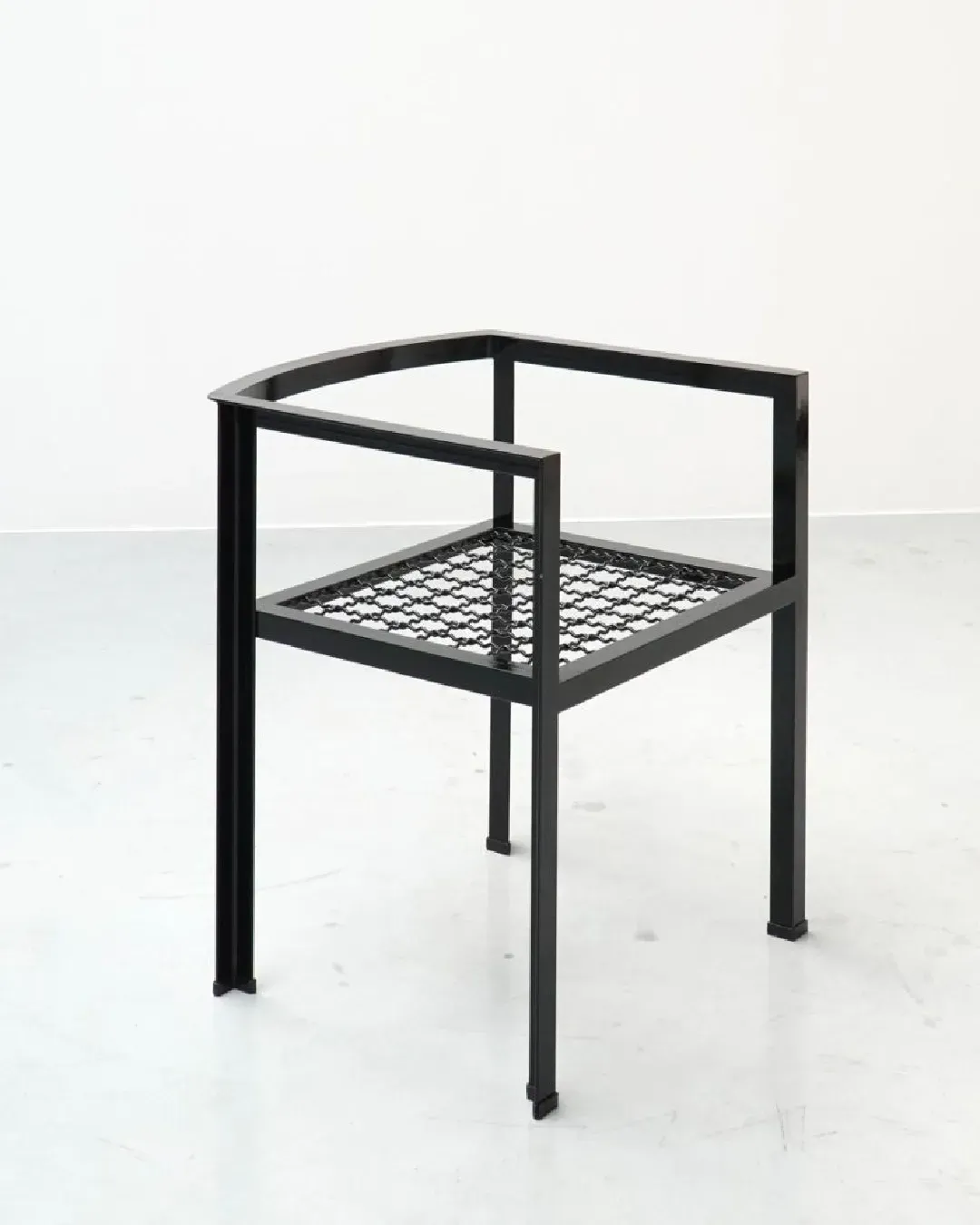
When Rei Kawakubo designed a furniture line
An experimental collection created by the designer in the 1980s for Comme des Garçons