






















Gen Z's passion for non-alcoholic beverages isn't just about health A generation that consumes solely on the promise of feeling better
In the era of hyper-monitoring, any wrong move can ruin a reputation. This is probably why Gen Z isn't very fond of alcohol: it inhibits the senses, lowers one's guard, and makes people more impulsive and distracted. And if the rule on social media is to share only the highlights of one's life, then it's fine to post about parties, carefree moments, the gym, and vacations, but not the actual state of drunkenness and embarrassing moments. It is even worse if it's others sharing our missteps.
This concern for the perception that others have of their image has heavily influenced the habits of the younger generations. It gave rise to soft clubbing, a divisive term that reinterprets raves in a less aggressive way (both in terms of hours, since it takes place in the morning instead of at night, and in terms of consumption, with drugs and alcohol replaced by coffee and matcha), and it has sparked a marked interest in everything related to wellness. In this new way of socializing, cocktails have ended up at the bottom of the priority list, replaced by alcohol-free options or palliative techniques like zebra striping.
Wine and cocktails are unappealing if they aren't healthy
@cucinaleo Il Kvass è una bevanda fermentata di origine estiva tipica dell’Europa dell’Est, in particolare della Russia e dell’Ucraina. Tradizionalmente conosciuto come il “pane liquido”, nasce come metodo di recupero per non sprecare il pane raffermo. Ingredienti per 3 Litri -3 litri di acqua - 400g di pane (io ho usato segale e integrale, ma ogni tipologia va bene) - 150g di zucchero - 10-12 ombrelle di fiori di sambuco (lievito selvaggio) o 5g di lievito di birra fresco - 30g di zenzero fresco Diventa leggermente alcolico intorno a 0,5 gradi Il Sambuco è noto per le sue proprietà diaforetiche e antinfiammatorie, utili per supportare le vie respiratorie e il sistema immunitario. Lo Zenzero aggiunge una nota piccante e apporta benefici digestivi, oltre a essere un potente antiossidante naturale. Puoi aromatizzarlo come meglio credi #bread #kvass #homemade audio originale - Leonardo Salerno
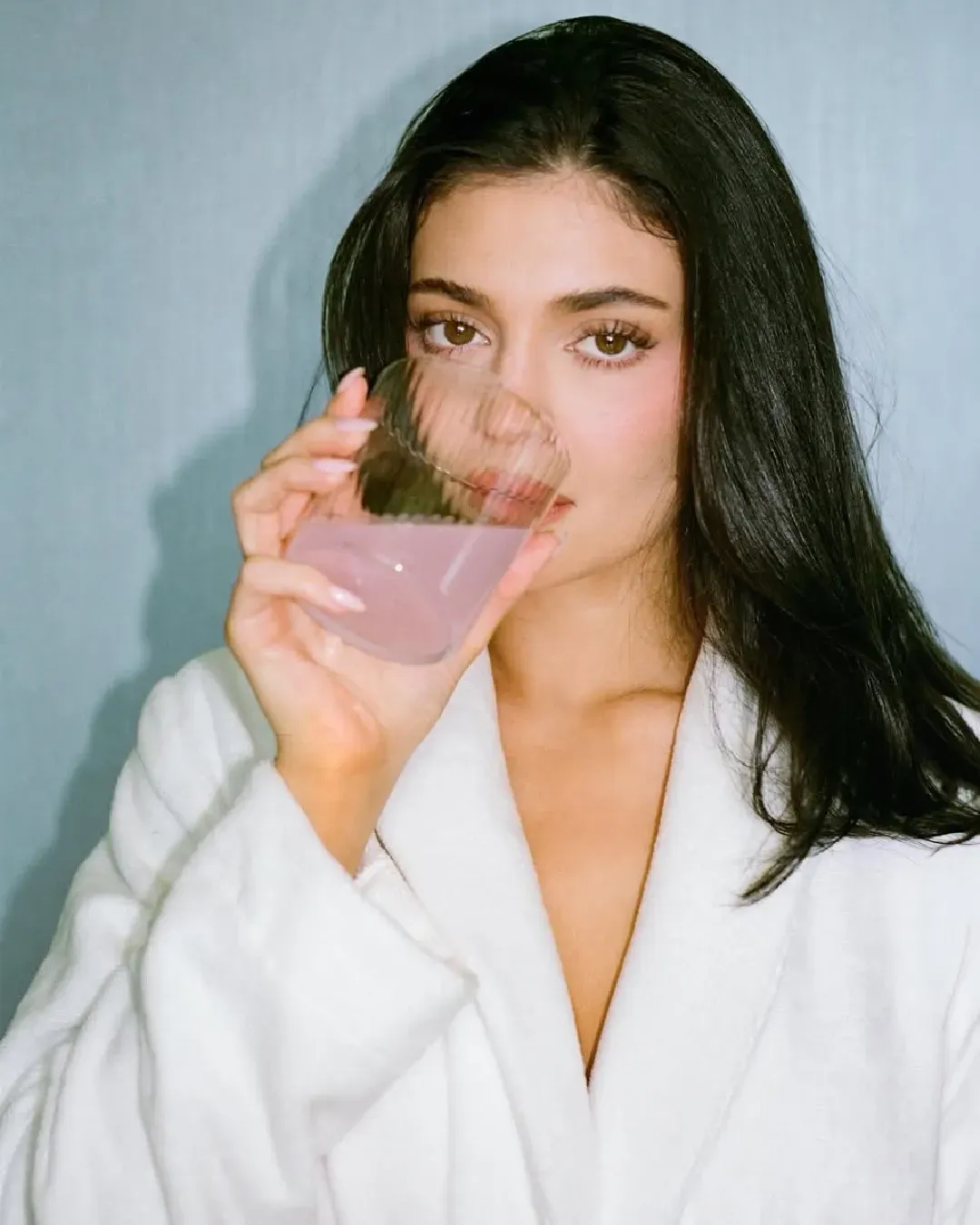
The popularity of non-alcoholic drinks hasn't grown just in America, the land of Erewhon and hyper-vitamin smoothies (where, by the way, Kylie Jenner has just decided to transform her now-former cocktail brand into an electrolyte beverage company named K2o), but all over the world. In Europe, wine consumption drops year after year, with Italy seeing sales of the product decrease by nearly 10% from 2019 to 2023.
In China, bars have emerged offering cocktails made with alcohol and traditional Chinese medicine ingredients to reduce hangover effects, while in France, where wine consumption is said to have decreased by 90% compared to the 1970s, new-generation mixologists are specializing in kombucha and other botanical and fermented drinks.
In short, while the arrival of alcohol-free or low-alcohol products on the international market was initially met with great skepticism, after an initial period of stagnation due primarily to social pressures, it has finally managed to gain the recognition it deserves. Last week, as reported by Ansa, its global market value surpassed 11 billion dollars, with a report by NielsenIQ showing that, in Italy, 63% of consumers now choose non-alcoholic aperitifs.
The obsession with health appeals to brands, too
As often happens with trends involving Gen Z, brands have also become passionate about mindful drinking. In addition to beer, wine, and spirits brands launching alcohol-free alternatives of their products - Moretti beer, Franciacorta wine, and Tanqueray gin among others - brands that usually have nothing to do with drinking are increasingly planning events centered around wellness and conscious consumption.
While up until a couple of years ago cocktails were brands' preferred way to present new collections and gather with their community, they are now opting for activities, hence the run clubs, pilates and yoga classes, and customization workshops. Over the past year, Heineken has intercepted younger consumers with projects dedicated to sharing rather than drinking, launching a dating web app for bars and an electronic bracelet designed for the Coachella and Nameless festivals, which connects to another when making a toast (hence the device's name, Clinker) to detect musical affinity by syncing with streaming platforms.
However, this doesn't mean that the new generations will give up alcohol forever. In fact, the widespread obsession with self-optimization may have reached its limit, exacerbated by the phenomenon of looksmaxxing, which by now seems to show only its worst side, encouraging isolation and self-deprecating thoughts. At a time when certainties surrounding work and the future seem more fragile every day, the new generations might finally decide to let go of this self-imposed obsession with controlling every aspect of their lives, and go back to having fun. Never say never.