







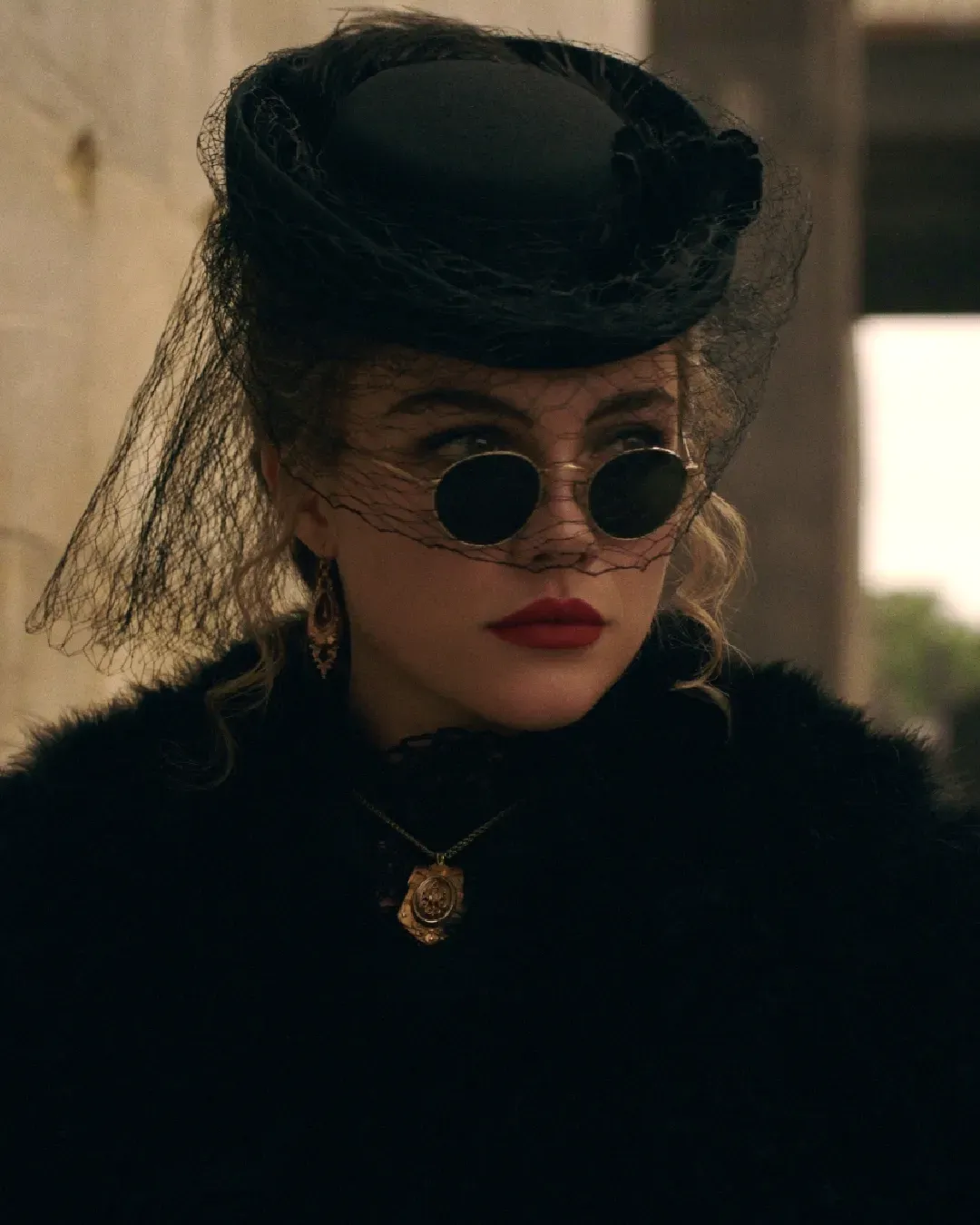




















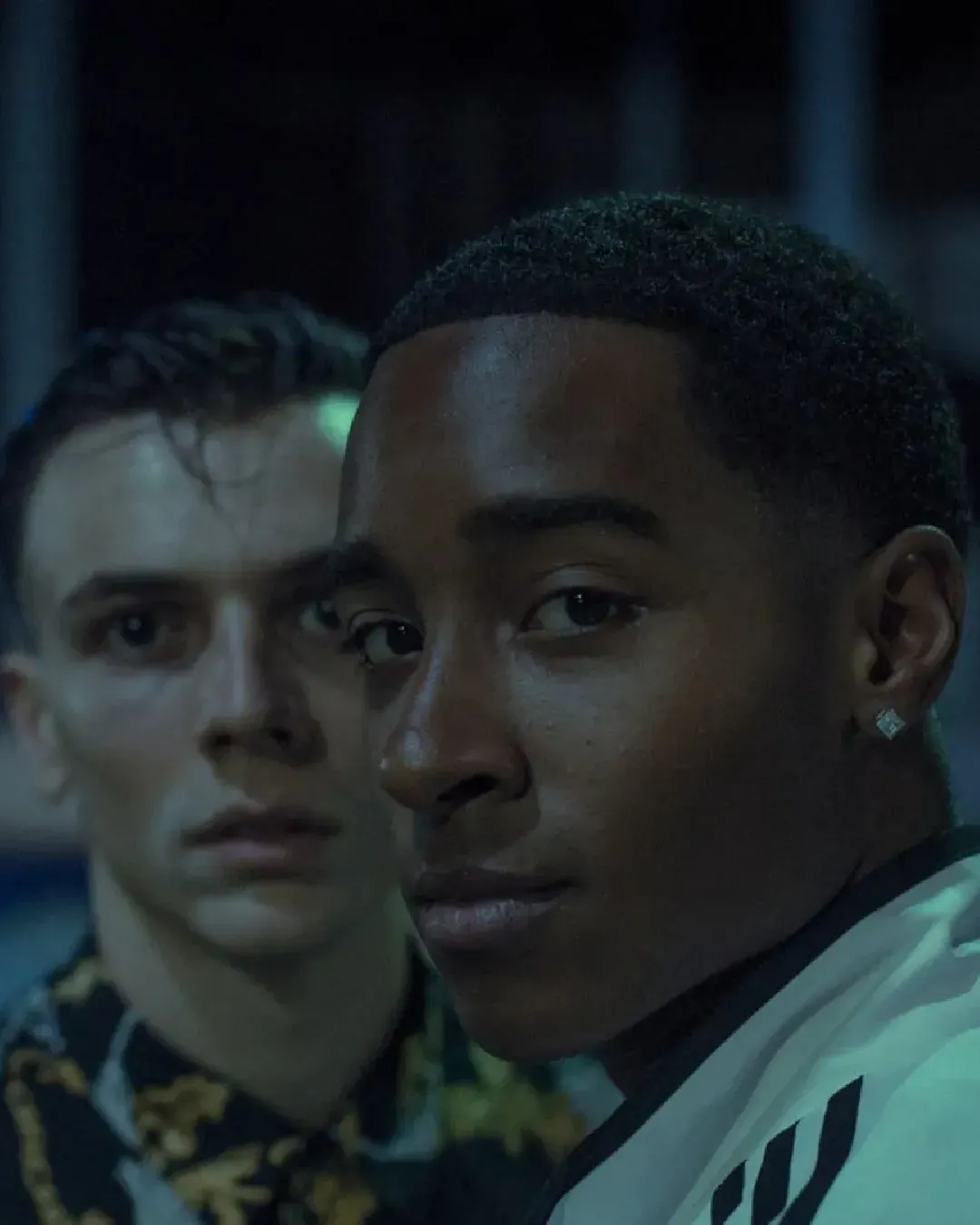
‘40 Seconds’ is finally taking Netflix by storm Despite a lacklustre cinema release, it's now one of the most popular films on the platform
40 seconds. 40 seconds are enough to change a life. Some, as in the film by Paolo Virzì, only needed five. 40 seconds is the time between life and death for Willy Monteiro Duarte, whose tragic story deeply affected the social and human fabric of Colleferro in 2020, and later resonated across Italy, making him a symbol of those who don’t back down, risking their own safety for others.
An event that had a strong impact, less so when it was adapted to the big screen in 2025, and again much with the arrival of the film on Netflix (in addition to five David di Donatello nominations). Yet 40 Seconds, in drawing from a real story and avoiding any easy tricks, is a work that respects Willy’s figure as well as cinematic language. It understands that bringing the young man to the screen, and therefore momentarily back to life, requires more than simple reportage or relying solely on tragedy to carry the story; it requires writing and narrative depth to tell not only what happened, but who Willy was, how he arrived at that moment, and what circumstances moved everyone involved in the story.
The screenplay has always been the core of 40 Seconds. Roberto Proia, producer of Il ragazzo dai pantaloni rosa, had long acquired the rights to the book by Federica Angeli "40 Seconds. Willy Monteiro Duarte, the light of courage and the darkness of violence", but could not find the right perspective to adapt it. He was convinced by a proposal from Giuseppe G. Stati together with Vincenzo Alfieri, also the director of the film. The twenty-four hours leading up to (here time returns as an unavoidable condition) the event that took Willy’s life at the hands - and fists - of brothers Gabriele and Marco Bianchi. A prism through which to recount each character’s day and reveal only at the end what led them to the eruption of violence.
Reserving the moment of death for the finale, structuring the story from multiple points of view, and having each intersect with the others like a Russian nesting doll makes 40 Seconds a device ready to explode. Before doing so, it restores the normality that should never be disrupted, as it was for the Monteiro Duarte family. It shows how an ordinary day can turn into the worst day of someone’s life, where brutality reverberates until it becomes lethal and unstoppable. The writing does not indulge in the pursuit or perpetuation of evil, relegating it only to the story’s conclusion - and even then, with the dignified ending Alfieri and Stasi wanted to give Willy. This delivers a subtle but perceptible sting to the viewer: what would happen could not have been predicted, yet a boy is gone.
Naturalness also distinguishes the protagonists of 40 Seconds, an ensemble cast that never overacts, neither in dialect nor in the traits that emerge from each character. There is great freedom in acting; there is a script to follow, but also emotional states to convey, interjections among friends to encode, and nuances that belong to reality, not fiction, which the actors manage to express even within the staging. While we are aware of the talent of Francesco Gheghi and Enrico Borello, it is the sweetness in Justin De Vivo’s face that carries a deep sadness for his character every time we see him. A tenderness rooted in the audience’s knowledge of what is about to happen. An actor who avoids making his character a martyr, avoiding turning him into an example, portraying him simply as a boy like many others who tried to help a friend. And did so at the cost of his life.
What to read next
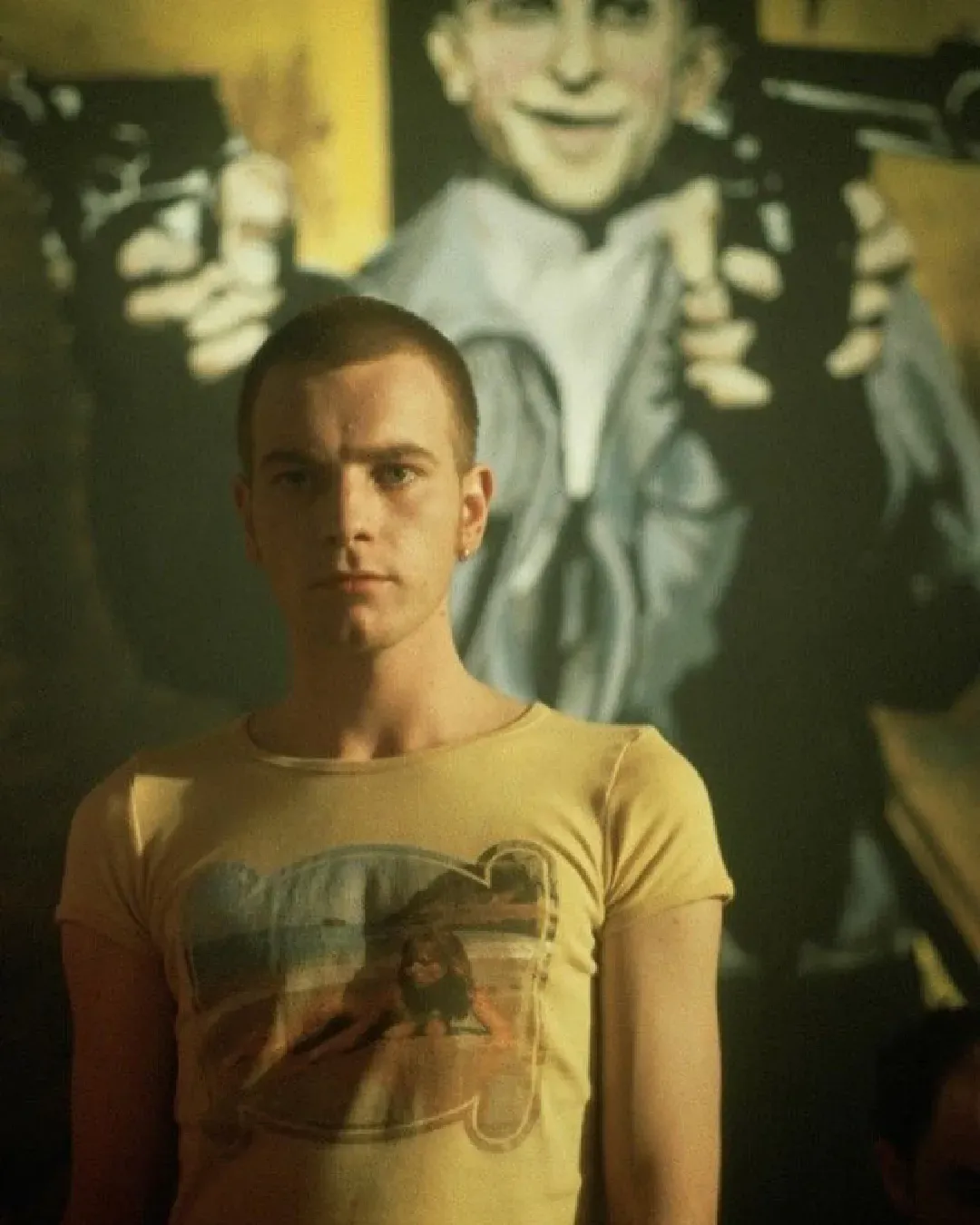
5 trends that Trainspotting anticipated Back in 1996
There is much more to the film than the famous Helmut Lang tank top
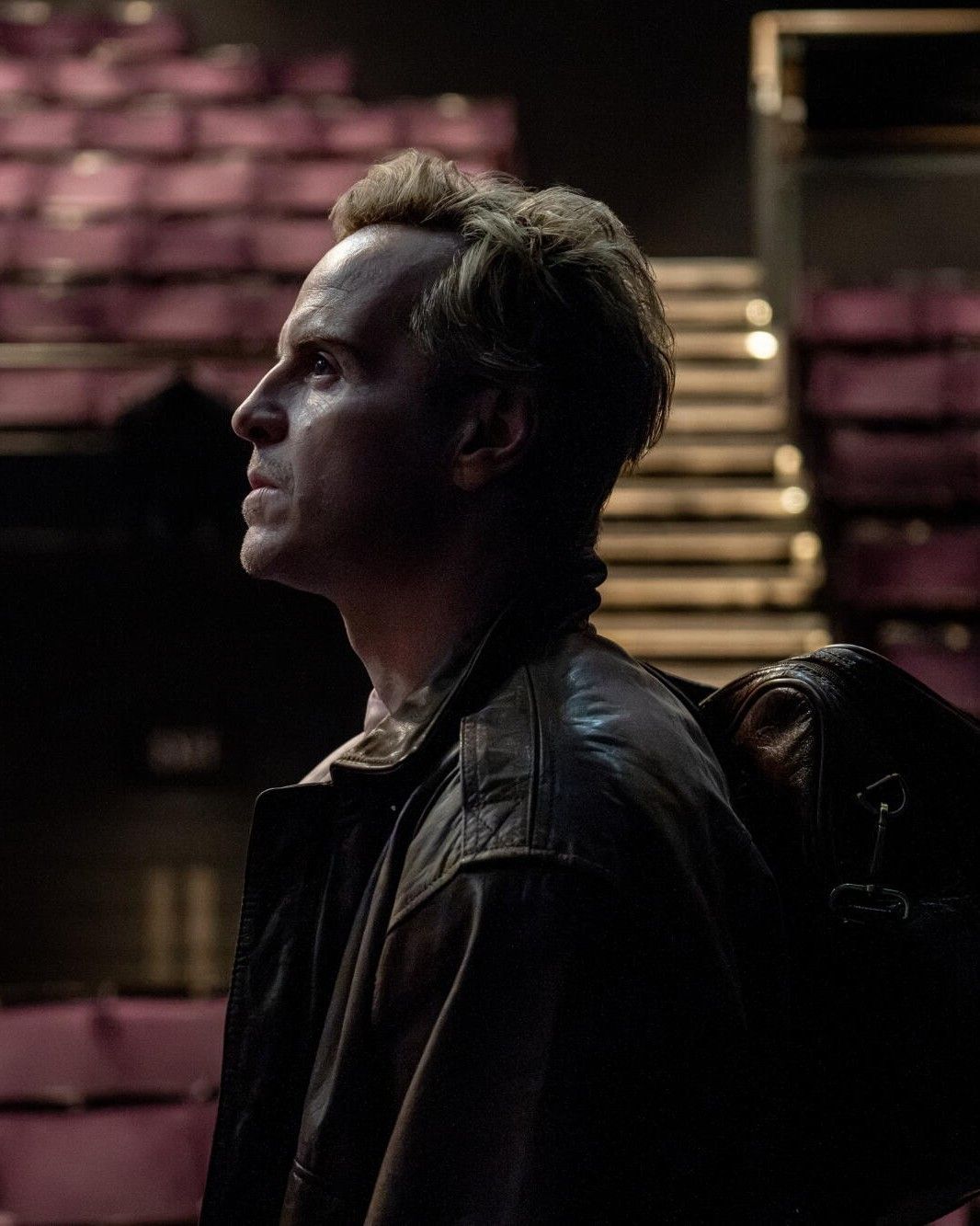
Andrew Scott gives the best performance of his career in "Elsinore"
Simon Stone's film tells the true story of actor Ian Charleson and his production of "Hamlet"
"Il rumore delle cose" by Paolo Genovese opens the 2026 Rome Film Festival
The film, adapted from Genovese's novel of the same name, is nonetheless the usual Italian drama