





Chefs are now more important than Maisons in the Quadrilatero district The food and beverage boom has also reached Milan
Back in 2000, Giorgio Armani decided to break a pattern that, until then, had seemed untouchable. The opening of Nobu inside the Via Manzoni complex, alongside the hotel, the boutique, and the bookstore, was a disruptive move for an area that for decades had been conceived exclusively as a shopping destination. Eating, stopping, slowing down were not really part of the experience, given that the options were few, established, and almost ritualistic, such as Cova, Il Salumaio, and Marchesi. Today, however, HoReCa (Hotellerie, Restaurant and Café) has stopped being a complement and has begun to occupy a central role even along Milan’s luxury streets. Between all the new openings of 2025 and the rumors surrounding future ones, this shift in paradigm shows how the value of the culinary experience has now surpassed that of the simple act of purchasing.
Michelin-starred restaurants in the fashion quadrilateral
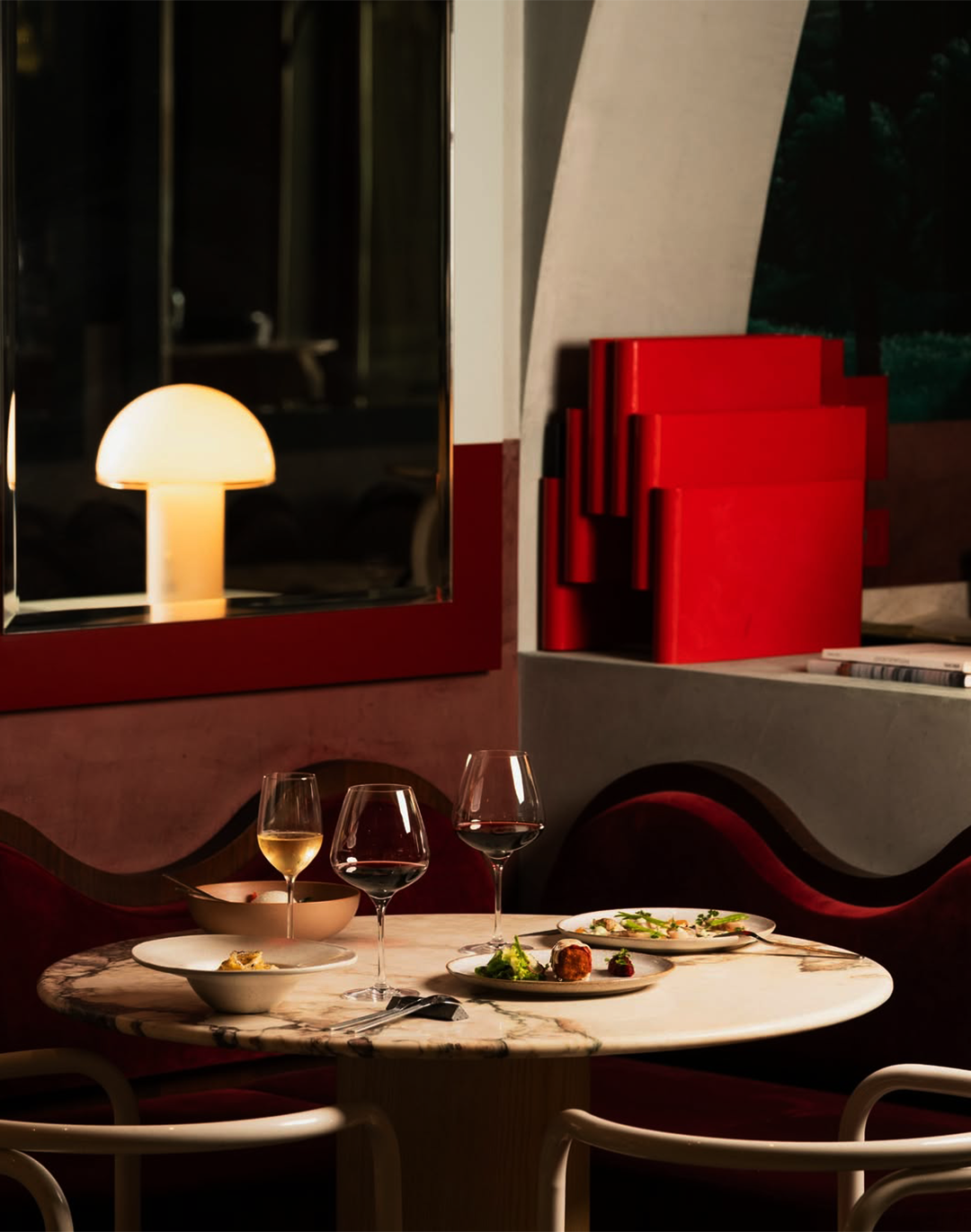
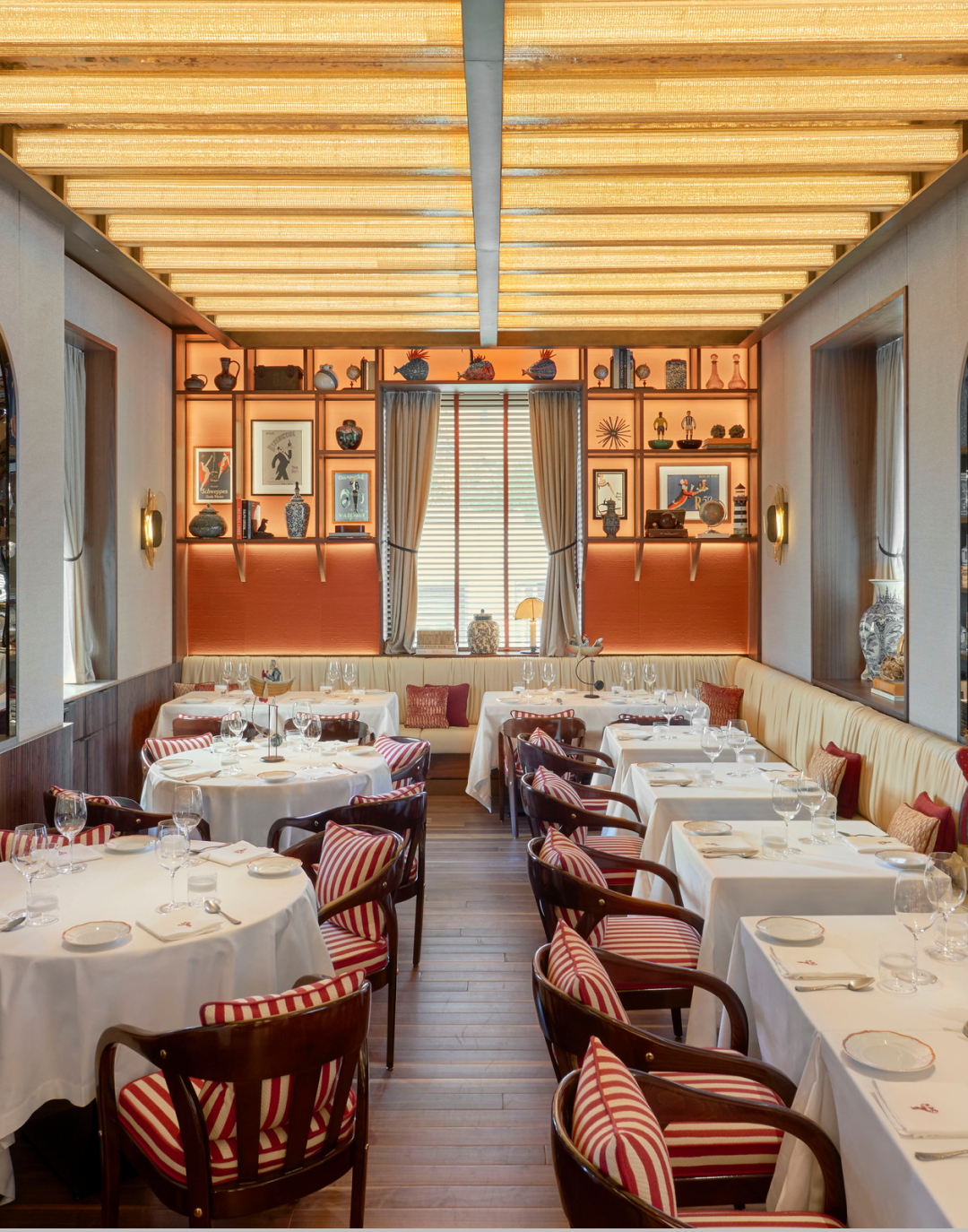
In April 2025, Louis Vuitton inaugurated its new flagship inside Palazzo Taverna Radice Fossati, officially partnering with Da Vittorio, the Bergamo-based haute cuisine empire. The multi-layered project brought the Cerea brothers’ dining vision into the boutique’s retail space with a café-bistrot and, above all, DaV by Da Vittorio Louis Vuitton, a fine dining restaurant with a separate entrance on Via Bagutta.
A similar logic applies to Langosteria, which last November opened its latest chapter inside Palazzo Fendi, at Via Monte Napoleone 1. The collaboration unfolds across multiple levels (literally), with the main restaurant on the fifth floor, led by executive chefs Domenico Magistri and Tommaso Garofalo. On the fourth floor, a communal restaurant is set to open in January 2026, while on the sixth floor the group’s first cocktail bar, Langosteria Ally’s Bar, has just opened, complete with a panoramic terrace and a private dining room.
Still within the LVMH orbit, industry rumors suggest that next year, alongside the new Dior flagship, a new restaurant project entrusted to Enrico Bartolini (15 Michelin stars) is expected to arrive, with an opening planned for the second half of 2026.
Why is fashion investing in dining?
@lvmh Giovanni, Store Manager at Cova, explains the importance of details in customer experience to make clients happy. #LVMH #Cova #TikTokAcademie #Food #Paris #Milan #Pasticceria #Retail #Job #StoreManager #France #Italy original sound - LVMH
The answer today is less romantic than it is often made out to be. Fashion alone is no longer enough: products struggle to sustain desire, flagships have lost part of their pulling power, and luxury, in the strict sense, no longer guarantees foot traffic or loyalty. Dining, on the other hand, does. Unsurprisingly, according to Milano Finanza, in recent weeks Remo Ruffini is said to have launched confidential talks to enter the share capital of the Da Vittorio group with a minority stake. A direct investment in one of the players that surpassed €100 million in revenue in 2024.
Ruffini’s move should be read within a broader framework that the industry knows well. In recent years, major groups have begun investing in food not for storytelling purposes, but out of necessity. LVMH took control of Cova when it became clear that a historic café could turn into a global asset. Prada has made Marchesi something more than a tribute to Milanese tradition, integrating it stably into its ecosystem, between Bar Luce and collaborations with younger realities such as nss edicola. Today, these are no longer symbolic operations, but businesses that work, keep margins high, and attract an audience.
Dining has a clear advantage over fashion in that it is less cyclical, creates habit, and brings people back to the same place several times a year. At a time when products struggle to justify ever-higher prices, eating and drinking become a concrete lever for staying relevant. Not because they “create experiences,” but because they work. And let’s be honest, who doesn’t enjoy a good dinner as an act of self-care?
Takeaways
– In Milan’s fashion district, dining has shifted from a side service to a core lever for attracting audiences and shaping experience.
– Remo Ruffini’s interest in Da Vittorio confirms that high-end dining is now seen as an industrial asset that generates value beyond fashion.
– At a time when products struggle to sustain desire, eating and drinking inside flagships have become one of the few effective ways for brands to stay relevant.