


























The Advent calendar Craze is getting out of hand The latest battleground for affordable luxury and social media virality
Originally, Advent (from the Latin adventus, «arrival») was a period of preparation and reflection. Early European Christians in the 4th century observed it with seriousness, contemplating the expectation of Christ’s birth, while 19th-century German Protestants began counting the days to Advent with candles or chalk marks. From there, the idea of the paper calendar with windows spread to make the wait sweeter, often with a sacred image or a small chocolate. Today, that thousand-year-old wait is no longer spiritual, but hastily commercial, transformed into a brand-a-palooza that defines the pre-Christmas hype.
Non-choc Advent calendars
@katie.taylor._ Swarovski Advent Calendar 2024 | Daily Reveal Pending #Swarovski #AdventCalendar #SwarovskiAdventCalendar #Fyp #Christmas #Advent #LuxuryAdvent All I Want For Christmas Is You - Mariah Carey
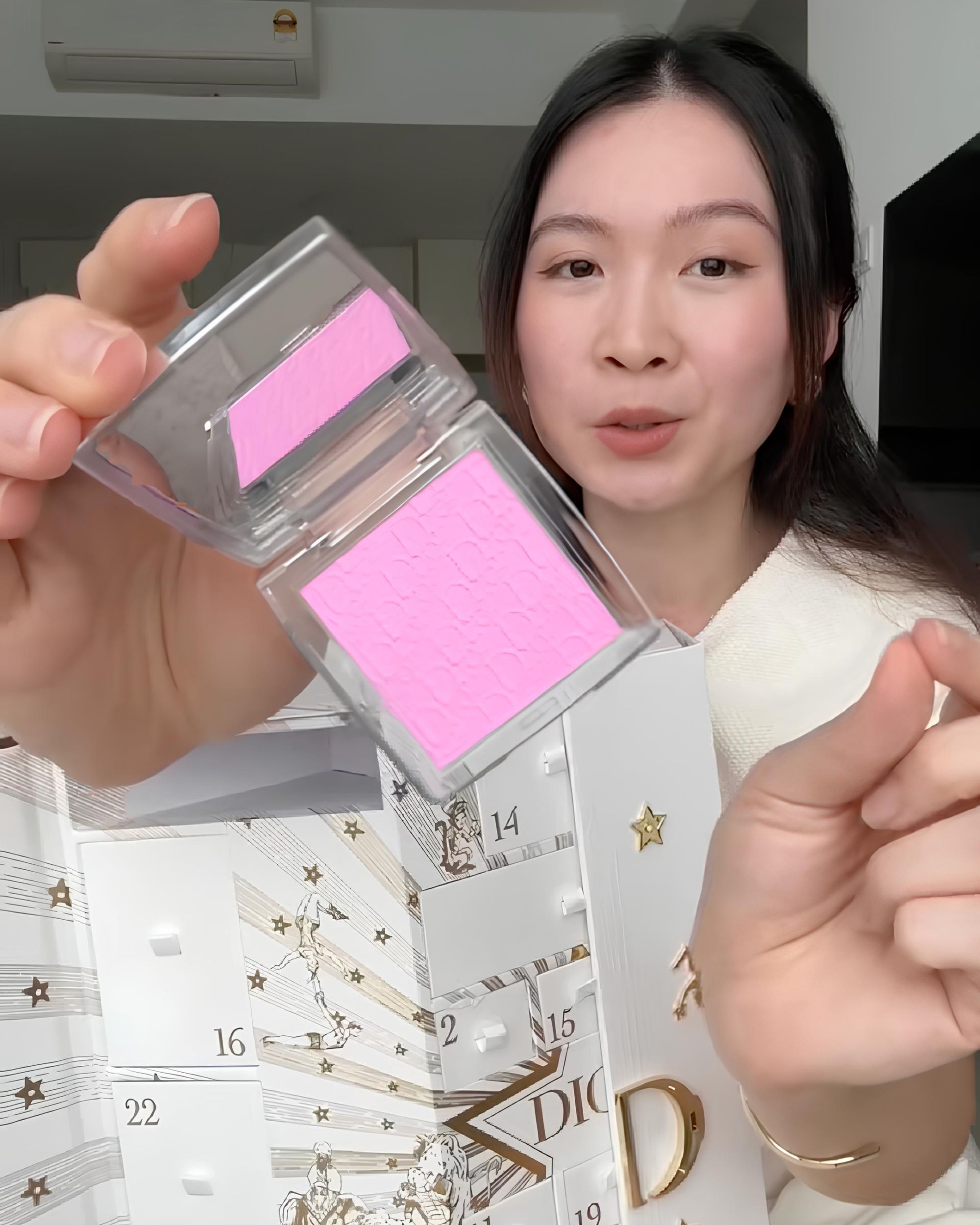
The evolution has been radical: calendars have gone from chocolate to containing anything that can possibly be purchased. It is no longer a surprise for children, but an object of desire for adults, a true status symbol to flaunt daily. The category has expanded to include designer lipstick, fine wine, selected teas, miniature whisky, beauty products costing hundreds of euros and even erotic gadgets. The calendar is no longer a simple gift, but a fragmented consumption experience that promises one emotion per day - for twenty-four days.
This craze is supported by impressive numbers. According to market analyses, sales of non-choc Advent calendars (cosmetics, beverages, lifestyle) have seen exponential growth, with segments surpassing 30% year-on-year increases in recent seasons. The European beauty Advent calendar market alone is now worth over 200 million dollars and continues to expand, confirming that the Christmas countdown has officially become a premium affair.
Small luxuries as gateway drugs and the role of social media
High-fashion and cosmetics brands like Dior, Jo Malone or Charlotte Tilbury release limited editions with prices regularly exceeding 300–450 euros, sometimes selling out within minutes. These objects are not designed to be affordable; they are gateway drugs to luxury, a way to own 24 signature products at a fraction of their total cost, allowing consumers to experience the brand’s aesthetic before a larger purchase.
The success of the phenomenon is closely tied to social culture. The Advent calendar is intrinsically viral, given its perfectly snackable nature for fast storytelling on TikTok and Instagram. The daily act of opening (the unboxing) generates constant content for 24 days, creating emotional engagement and an unprecedented sense of FOMO. The hashtag #adventcalendar generates millions of views on TikTok, where influencers make it a recurring event. Contemplation becomes a performance of consumption, with the expectation of a daily reward.
@nssfrance C’est all I want for Christmas !! Le calendrier de l’Avent YSL imaginé par Anthony Vaccarello avec 24 vinyles. Ils viennent tout juste de le lancer au Saint Laurent Rive Droite à Paris ! #saintlaurent #adventcalendar #christmas #fashiontiktok #ysl All i want for Christmas is you - jea7lous
In the end, the modern Advent calendar is a paradigm of emotional consumerism. It is the perfect synthesis between the ancient human need to count the wait and the modern obsession with buying the experience. We take part, perhaps unconsciously, in an ancient ritual, but instead of finding quiet, we find an opportunity to collect luxury miniatures. The perforated cardboard box has become the perfect metaphor for our era: the wait for the light is now measured in 24 small doses of instant gratification.
Takeaway
– Advent has shifted from a spiritual ritual to a commercial format that drives the pre-Christmas season through consumption.
– “Non-choc” calendars have become daily status symbols that turn anticipation into micro-doses of ownership.
– Premium editions work as gateways to luxury and thrive on the FOMO generated by social unboxing.