
















Who wins the eternal war between pandoro and panettone? Verona's iconic cake is seeking revenge
In Italy, there is a near-universal consensus that if, in the war between panettone and pandoro, you prefer the latter, there’s a good chance your age starts with a 1. That’s because, de facto, the Veronese cake is more appealing to younger people, who are often averse to candied fruit, dried fruit, and anything that isn’t made with chocolate. The Milanese baked good, on the other hand, is a bit like red wine: something you learn to appreciate with age, and which in recent years has enjoyed a remarkable resurgence thanks to chefs (and fashion maisons) who, Christmas after Christmas, continue to reintroduce it through new and modern variations. So if, on home turf, panettone has been declared the ultimate Christmas dessert, why has the New York Times claimed that “now it’s pandoro’s turn”?
Pandoro’s success in the United States
@theyoungnonno Who wants to pandoro party? @BILENA | ITALIAN BAKER BFF Buon Natale! #christmas #cake #funny #humor #fyp @Settepani Bakery original sound - The Young Nonno
The answer may lie precisely in the fact that pandoro has never tried to become something else. As reported by the NYT, in recent years the cake has been rediscovered in the United States for its adaptability, thanks to its neutral base, which lends itself to fillings and pairings with spreads such as jam, pistachio cream, hazelnut spread, vin santo, gelato, and zabaglione. Even tiramisù is part of the conversation, with pandoro replacing ladyfingers in some New York bakeries.
In Italy, however, the picture changes. By tradition and positioning, pandoro remains an essentially industrial product, not because it lacks quality, but because the market has decided so. This is also confirmed by Michele Bauli, interviewed by la Repubblica, who explains that while panettone, overall, sells more than pandoro, there is an interesting caveat: pandoro outsells both panettone with candied fruit and panettone without, when considered individually. A dessert with few pretensions, designed for a straightforward palate, saying very little, somewhat moderate-leaning, in a way.
It's all about reputation
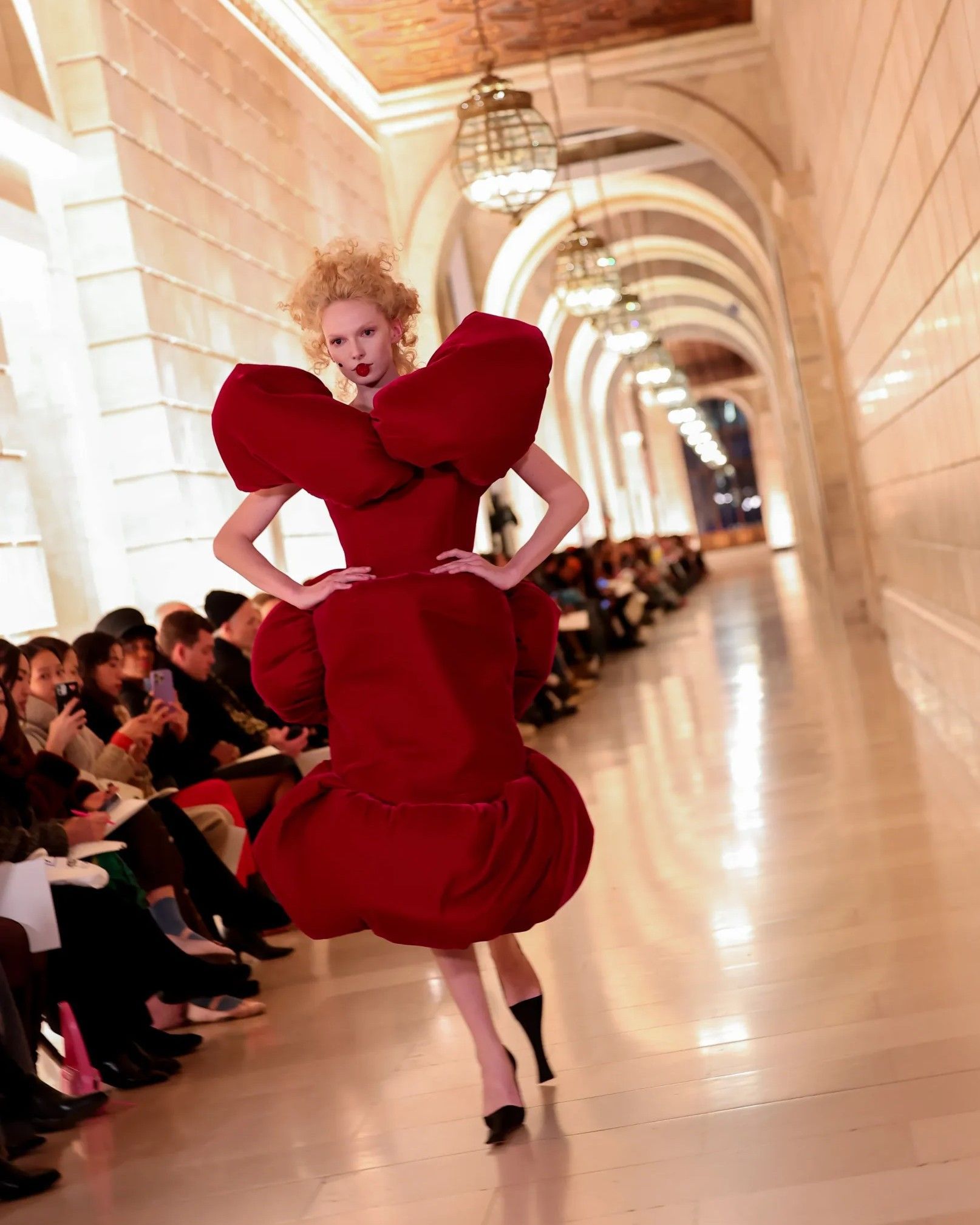
In recent years, panettone has undergone a clear process of gastronomic gentrification. Once a popular dessert, it has become a cult object, a Christmas status symbol, a display piece. While today a Bauli pandoro costs around 7 euros, an artisanal panettone from Pasticceria Marchesi can easily reach 75 euros (and there are even hand-decorated versions from the Prada Group-owned pastry shop that go as high as 600 euros). It’s no longer just a matter of taste, but of positioning - much like fashion. Today, panettone is haute couture, while pandoro is fast fashion. And as often happens, fast fashion sells more, but doesn’t carry the same reputation as high fashion.
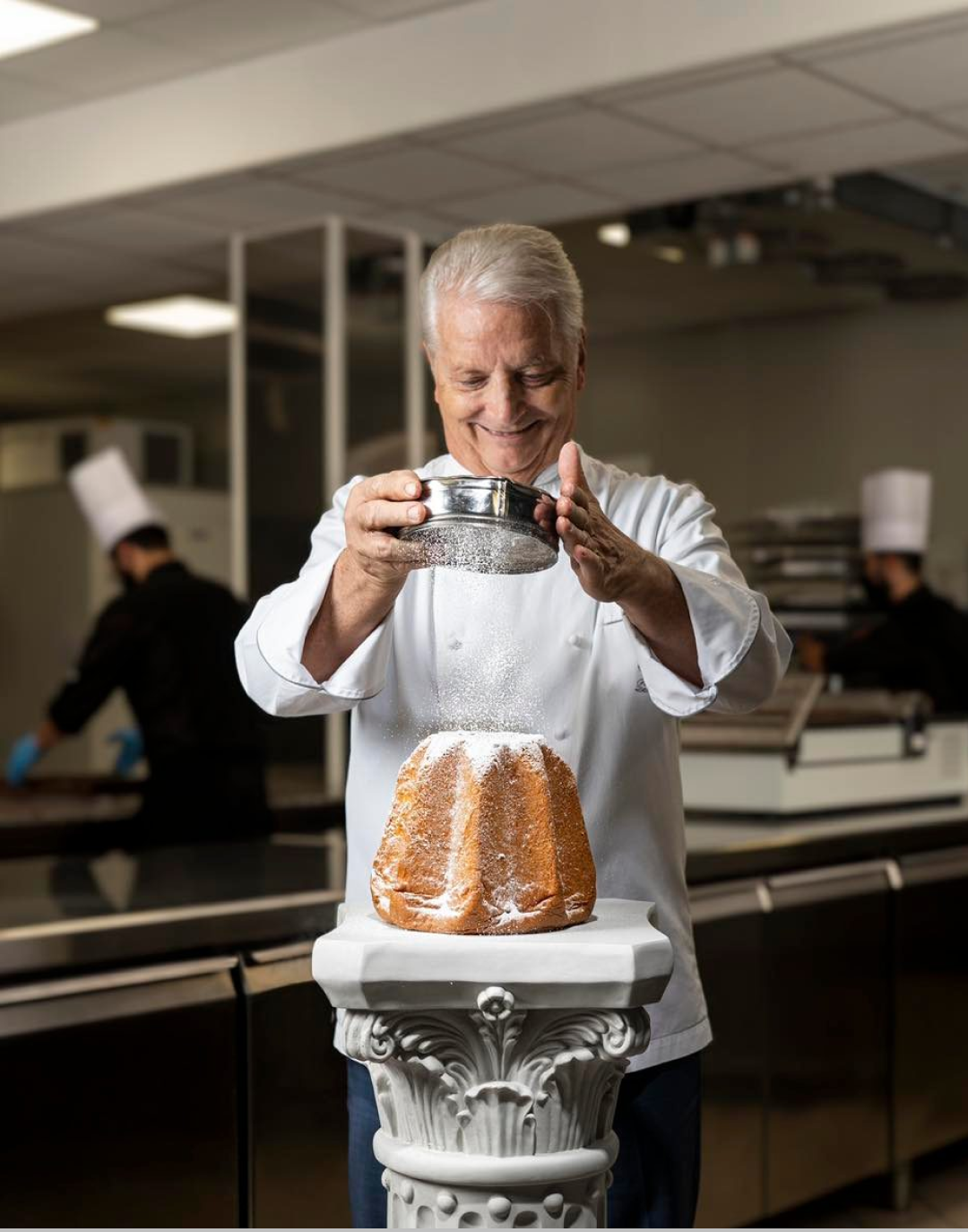
The reason why pandoro has never truly experienced an artisanal boom, however, is not only cultural but also technical. As explained by Linkiesta, producing a pastry-shop pandoro is extremely complex. The dough is heavy, packed with butter, eggs, and sugar, and difficult to manage during the leavening phase; the more flavor you pursue, the more you compromise the structure. Added to this is an absolute rigidity when it comes to flours, which must always be the same, tested months in advance, along with bulky molds that require space and investment. The result is a low-flexibility product, costly and risky.
So the international success of pandoro described by the New York Times is not a revenge against panettone, but rather a matter of timing. In a historical moment when everything seems to need to be premium, narrative, and experiential, pandoro remains a simple object, slightly national-popular in spirit, and perhaps that’s perfectly fine.