

















What are Gen Z's new favourite cities? No more Europe, no more USA
For years, we have looked at the world through two very specific lenses, almost opposites. On one side was the magnetic pull of Bali: the temple of slow living, that paradise of jungles and rice paddies that taught an entire generation the value of breathing, digital escape, and an organic aesthetic curated down to the smallest detail. On the other, the millimetric precision of Tokyo: a necessary pilgrimage through the temples of streetwear, archive culture, and that cyber-urbanism that seemed like the only possible answer to the future. Bali and Tokyo have not lost their allure; if anything, they have become the foundations of our inner geography, the sacred places where we learned to seek, respectively, peace and perfection.
However, Gen Z's desire to travel is shedding its skin, shifting toward a search for what we might define as "creative friction." It is no longer just about chasing the reflection of a dream or the formal cleanliness of a catalog, but about density, stratification, and that kind of energy that can only emerge from the chaos of cities that never sleep and, above all, that do not try to please you. It is a transition toward places that do not function as backdrops for a post, but as open-air laboratories where culture is something living, messy, and deeply real.
Bangkok, Thailand
@shan.kerr Save this for your next trip to Bangkok! My fav spots are below: Song Wat, Bangkok, Thailand Matcha Maru- great authentic Matcha Local Boys Coffee - Great vibes and coffee TAY Song Wat - Fun seasonal drinks and an art gallery upstairs. Currently doing a Byredo collab Aoyama Lab - awesome Japanese desserts and very cool green aesthetic Get back and jude records - cute records and vintage clothing shop Clay Songwat - the CUTEST pottery shop with such unique and fun designs #bangkok #travel #songwat #fyp miffy cafe - sakuracloud
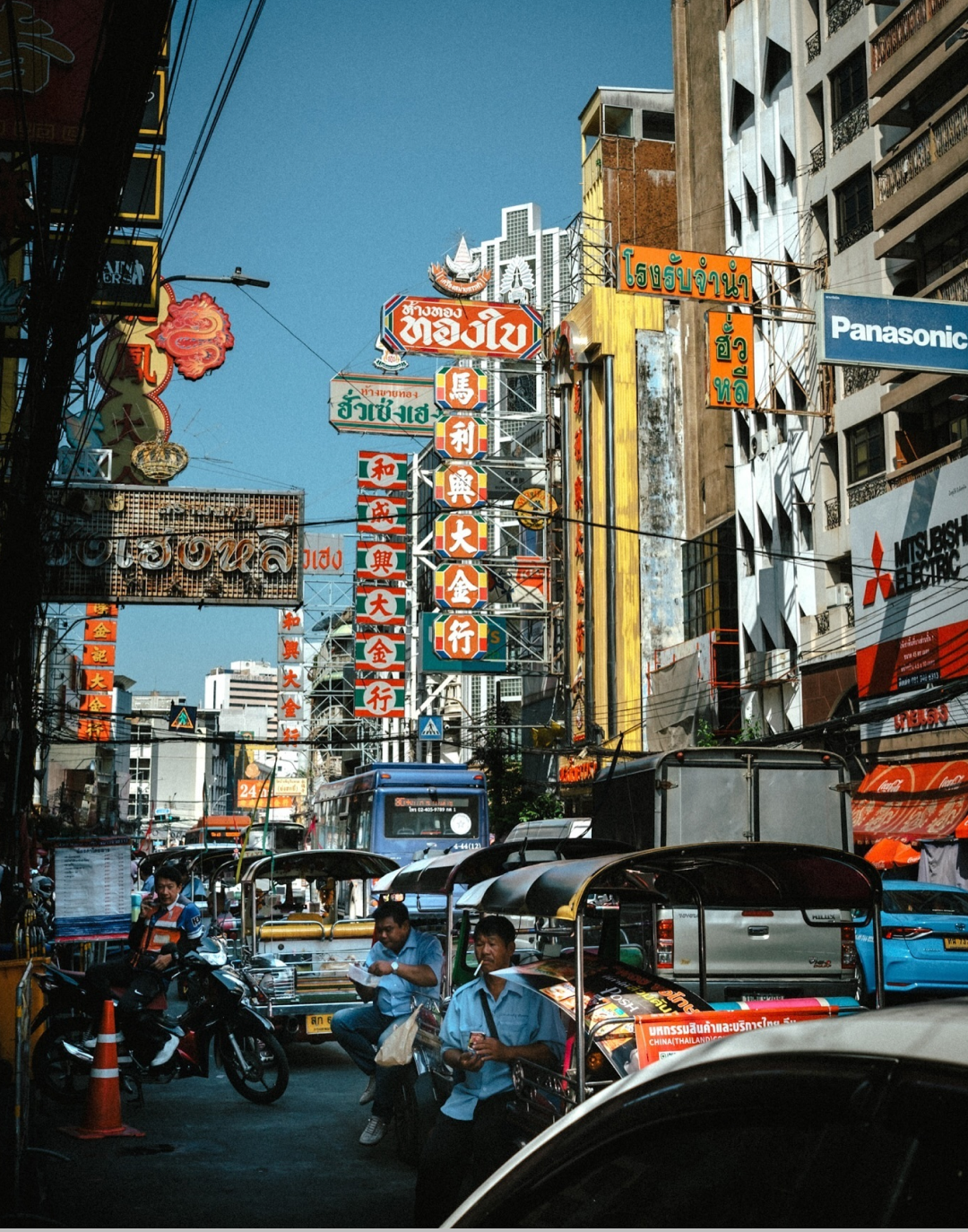
In this new atlas, Bangkok is taking on a magnetic centrality. The Thai capital has long since stopped being a mere technical stopover for those headed to the islands, revealing itself instead as a fiercely young and layered metropolis. It is a city fueled by sharp contrasts: ancient temples reflected in the glass facades of futuristic malls, and the alleys of Talat Noi where mechanical workshops coexist with avant-garde art galleries. Bangkok attracts because it is intense, real, and incredibly accessible, offering an urban experience that replaces the imagery of the tropical paradise with that of a creative concrete jungle, where luxury and street food merge into a single, vibrant language.
CDMX, Mexico
when i move to mexico city. what then. pic.twitter.com/2mfPna8URl
— . (@zoehuangxx) November 28, 2023
Moving westward, Mexico City has established itself as the creative lung of the Global South. CDMX is not a city to visit; it is a city to inhabit emotionally. Here, tradition and contemporaneity do not collide but intertwine in a continuous movement. It is a vast, chaotic, and deeply human metropolis, where the architecture of Luis Barragán speaks the same language as the streets of Roma Norte and Condesa, now populated by a new wave of designers, artists, and chefs who have chosen Mexico as a base to experiment outside European or North American circuits. The strength of Mexico City lies in its ability to generate culture through chaos, turning every corner into an opportunity for visual and communal discovery.
Seoul, South Korea
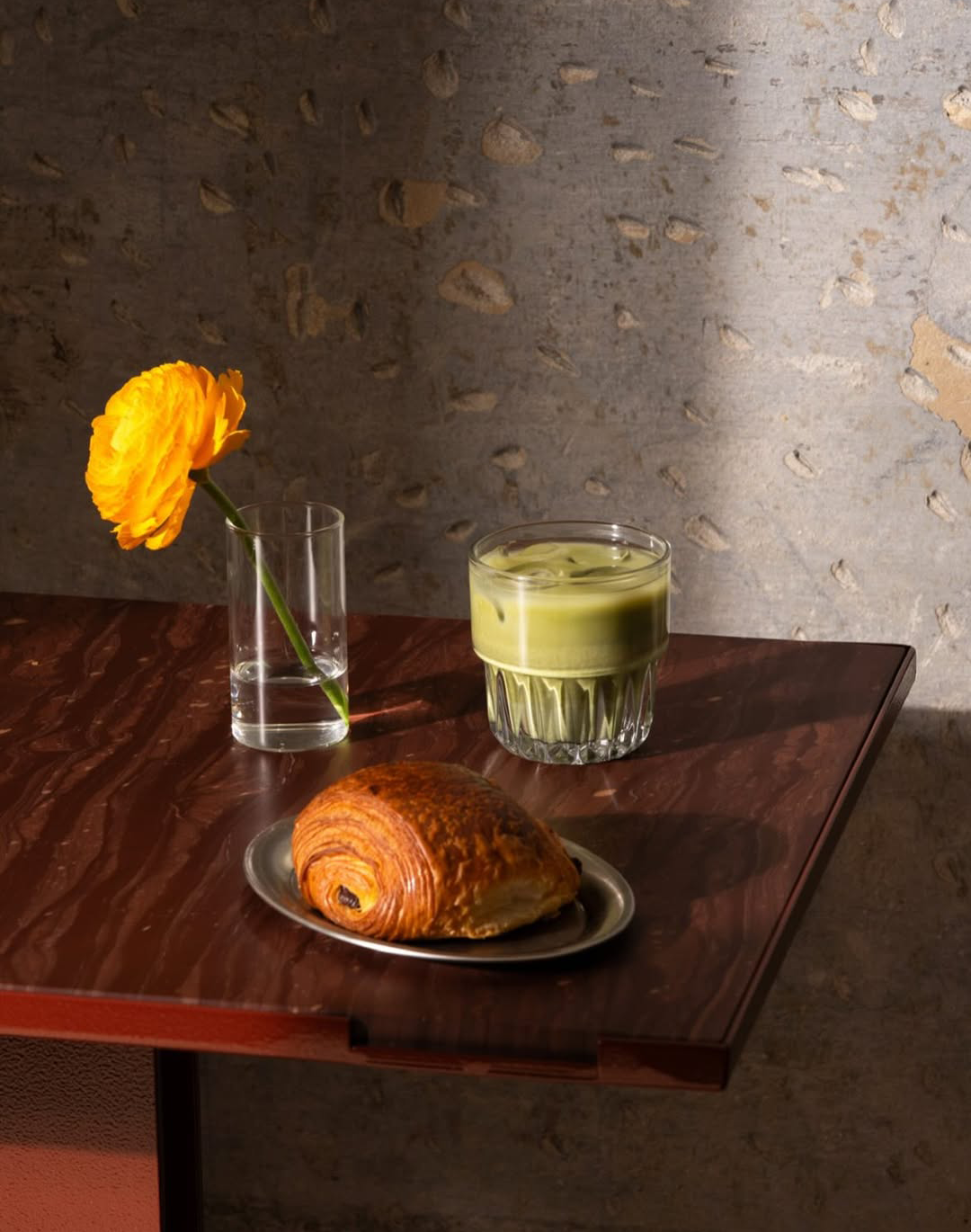
Finally, there is the silent yet unstoppable evolution of Seoul, and more specifically the district of Seongsu-dong. While the rest of the city races toward the future, Seongsu-dong has chosen to pause and reuse the past. This former industrial area has become the center of gravity for anyone interested in the future of retail and digital culture. Old red-brick shoe factories have been transformed into hybrid spaces where design blends with invisible technology and commerce becomes entertainment. It is here that experiments are underway on how we will live in the coming years: in environments that are industrially rough yet digitally ultra-refined, where the perfect cup of coffee is just the starting point for an immersive experience.