




























VIVONO commemorates the artists affected by AIDS The exhibition that reconstructs the forgotten history of the HIV-AIDS crisis in Italy
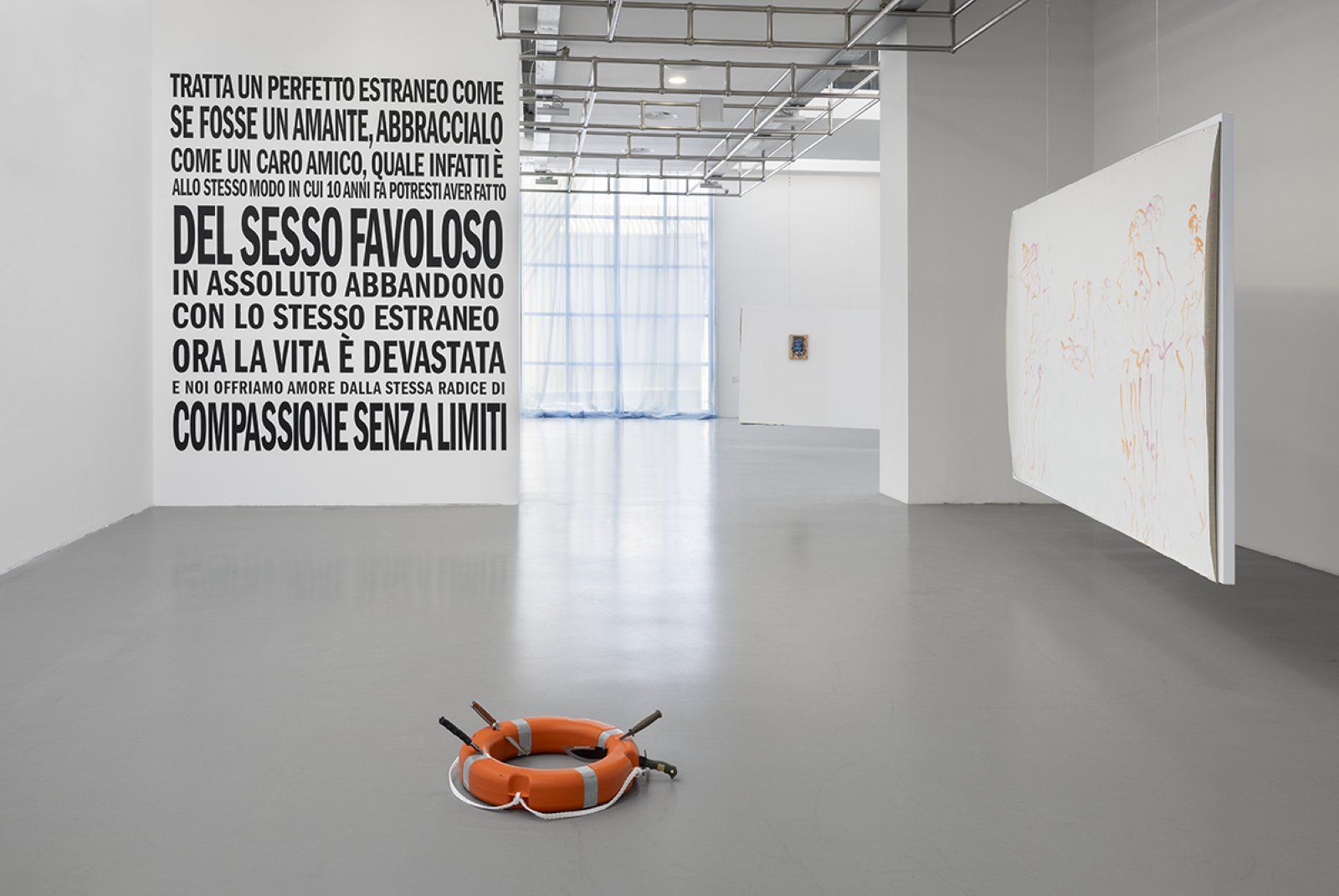
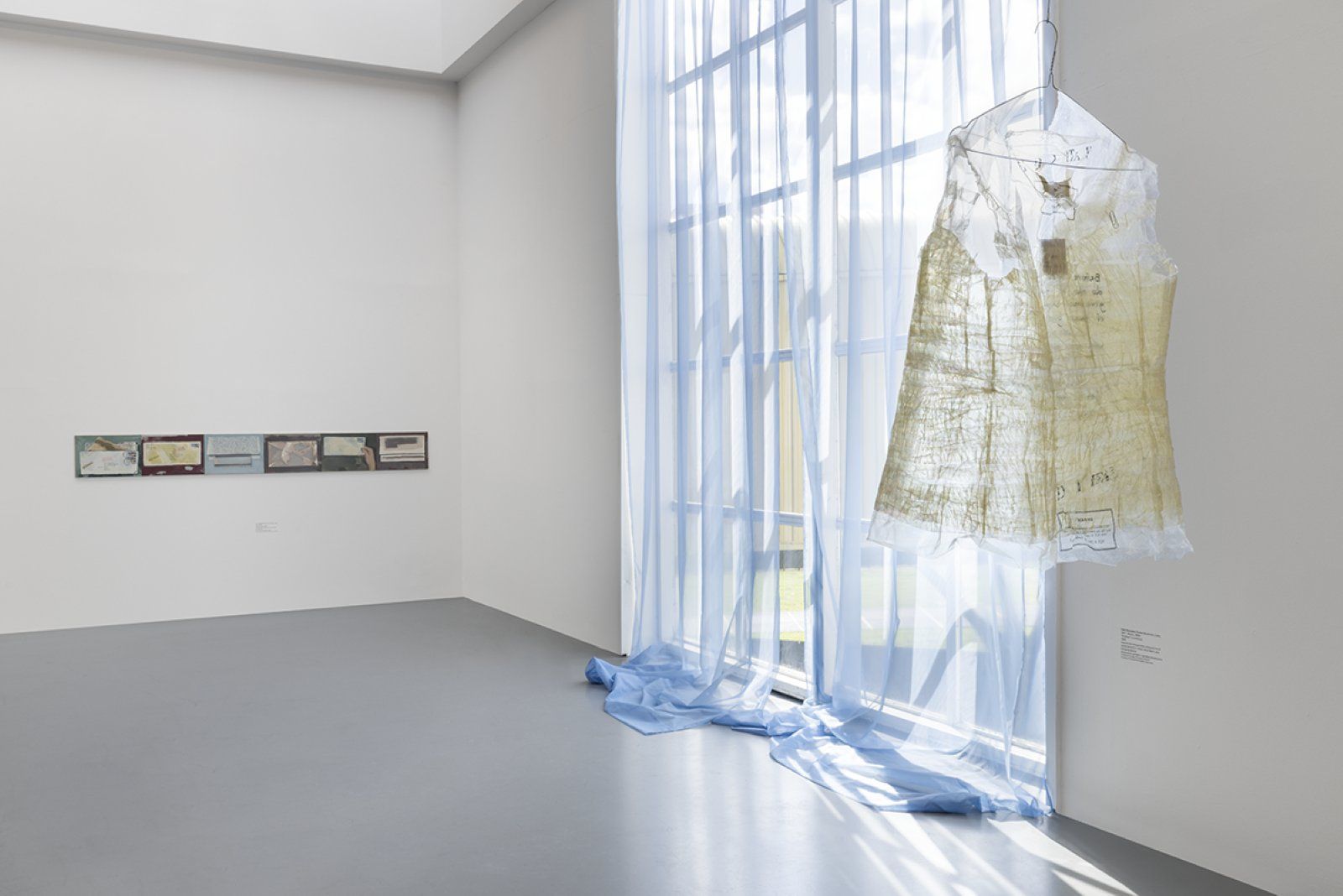
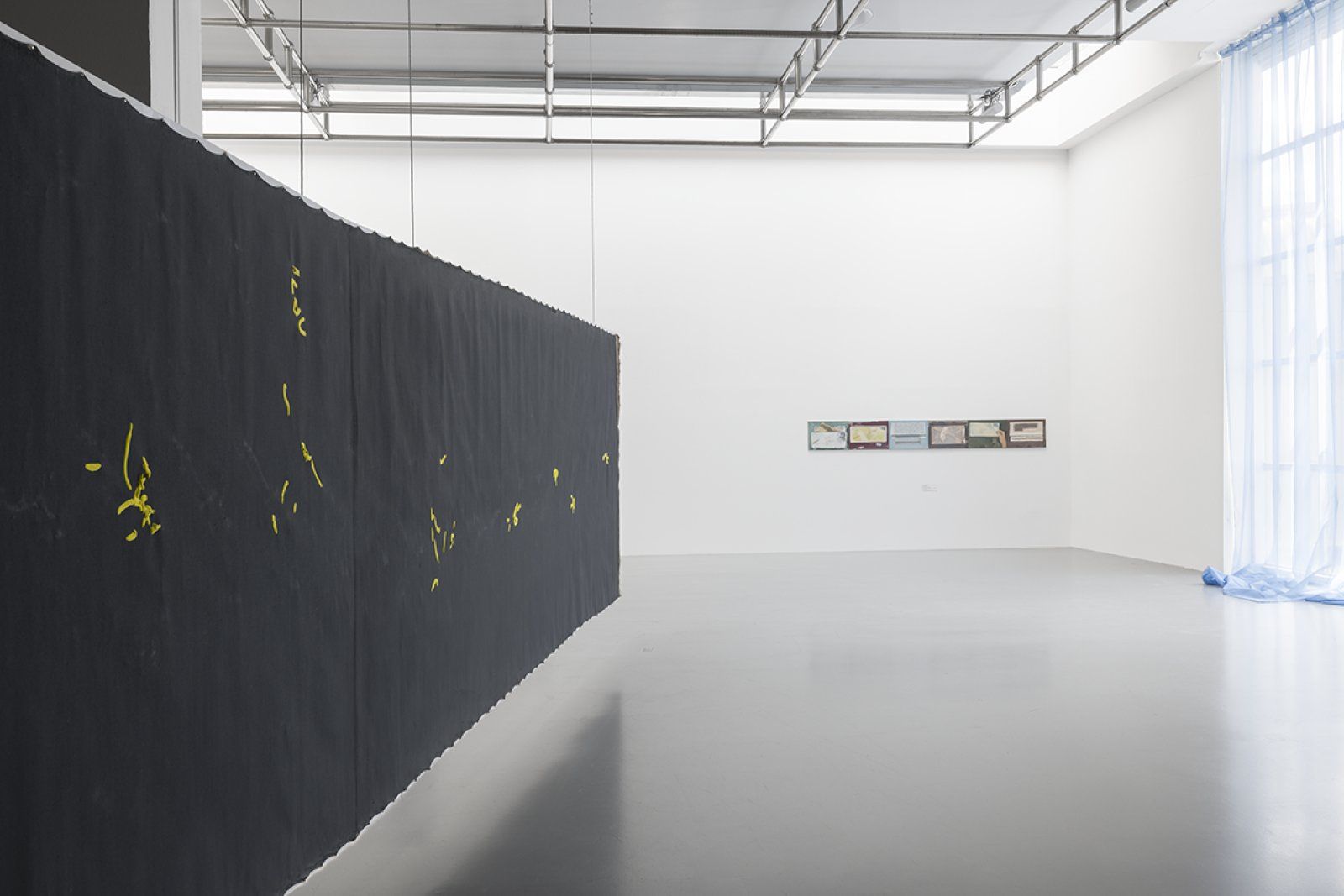
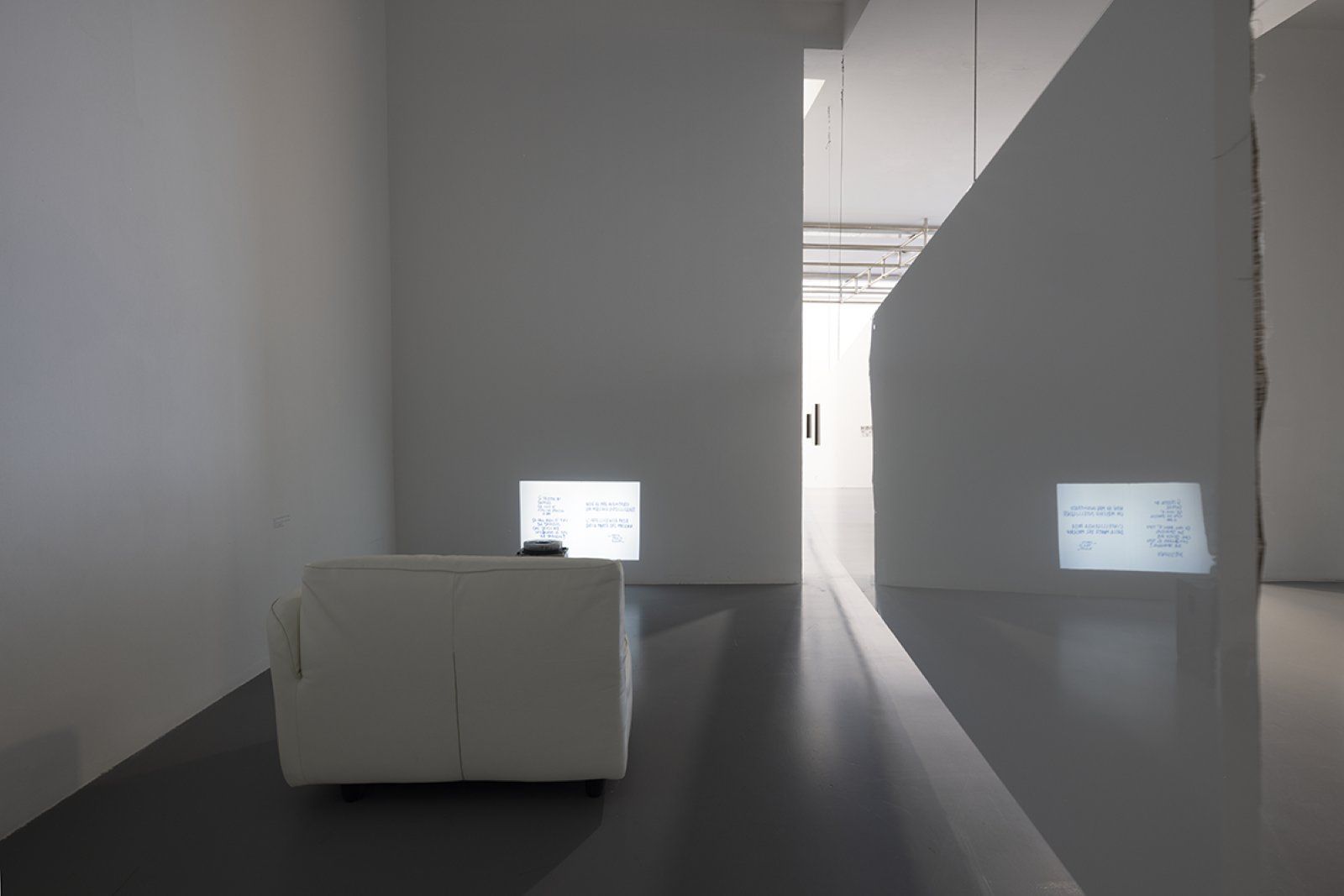
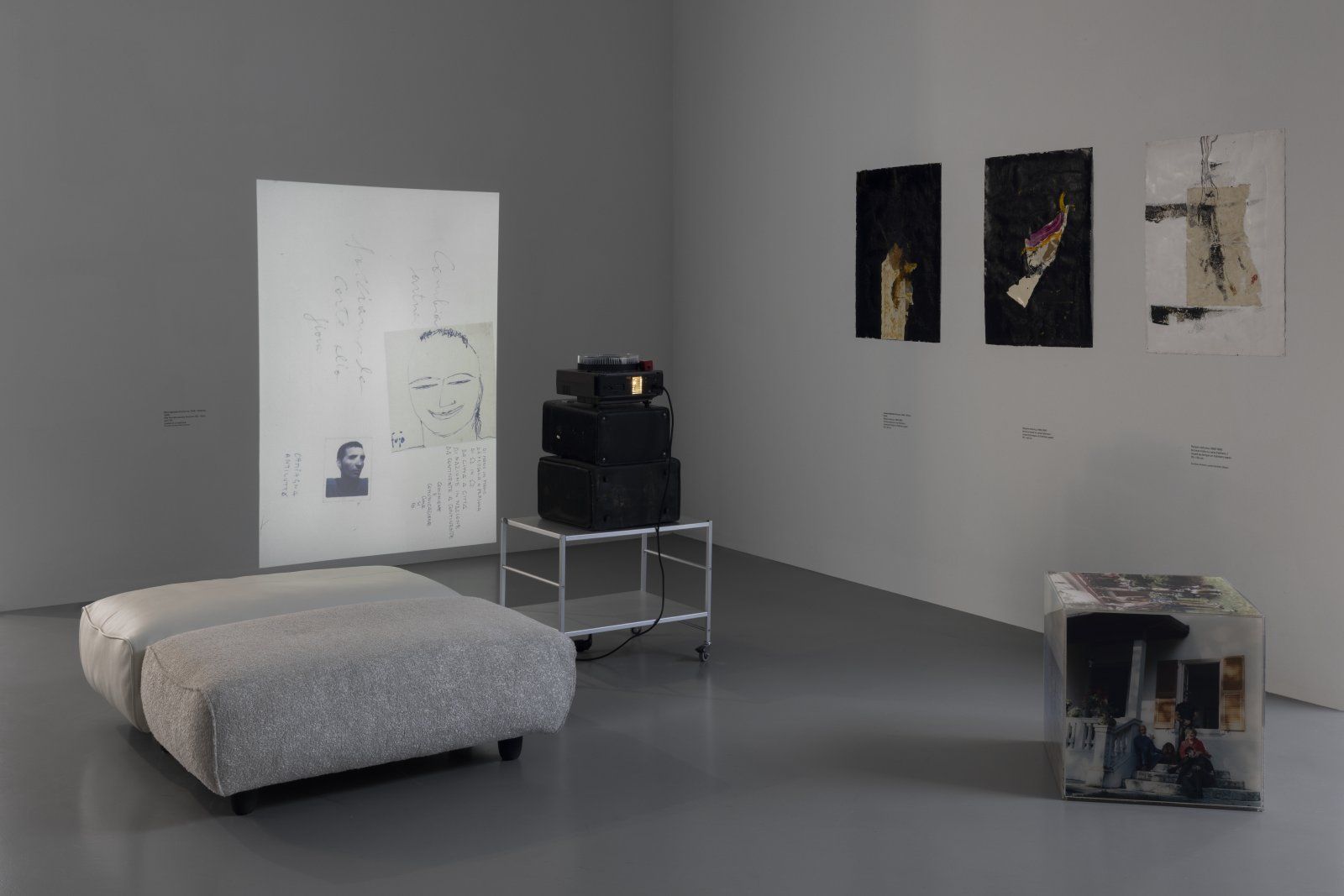
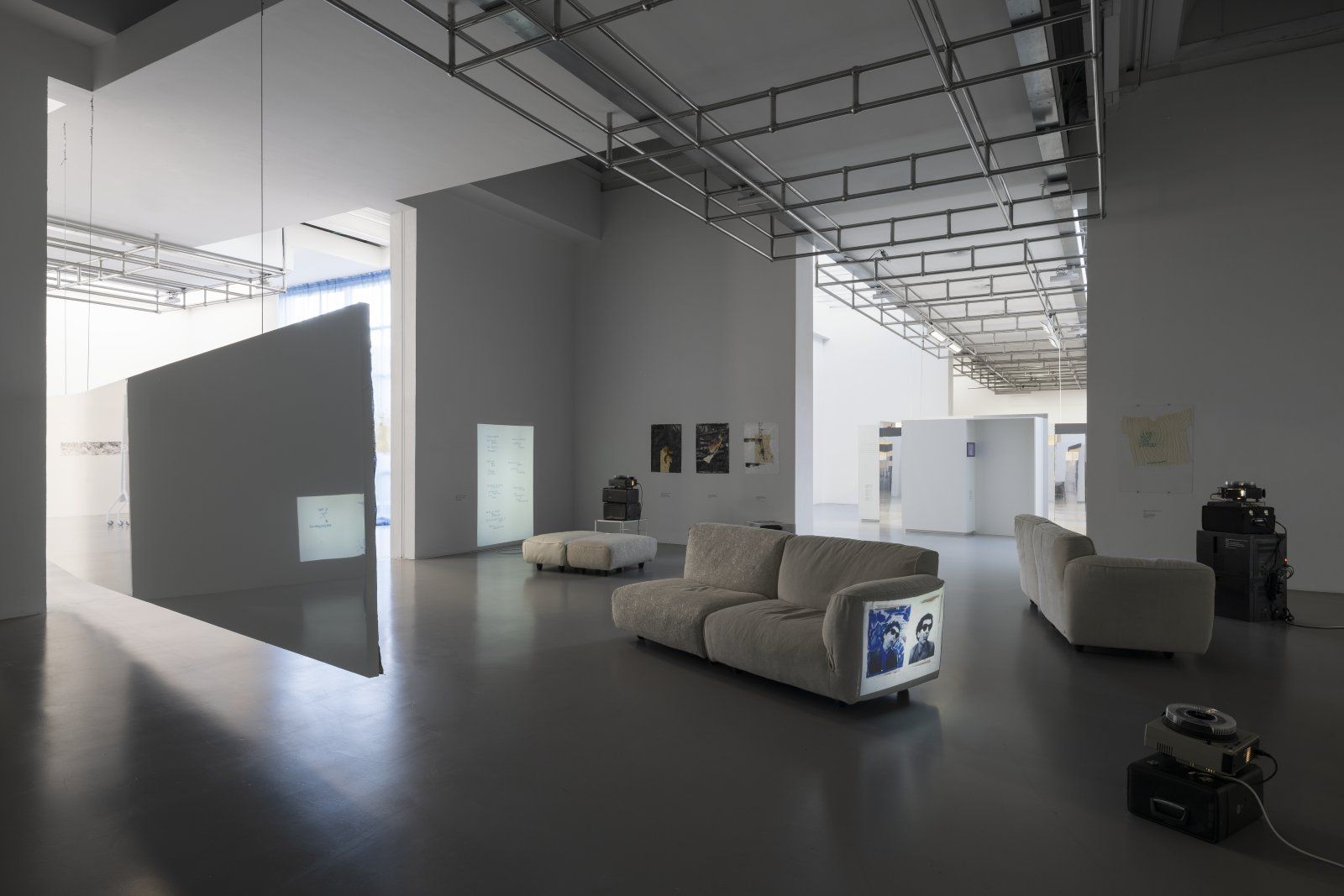
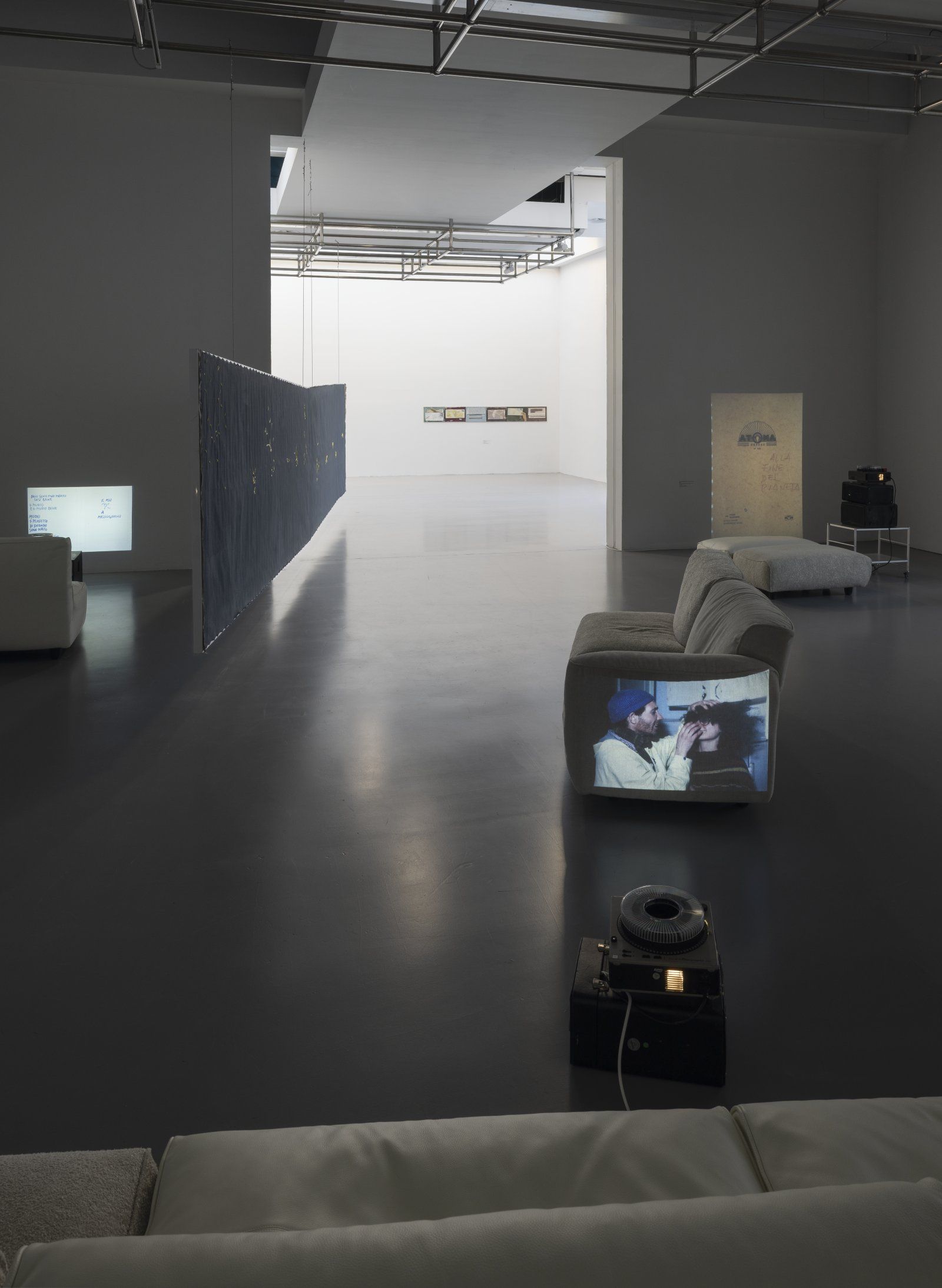
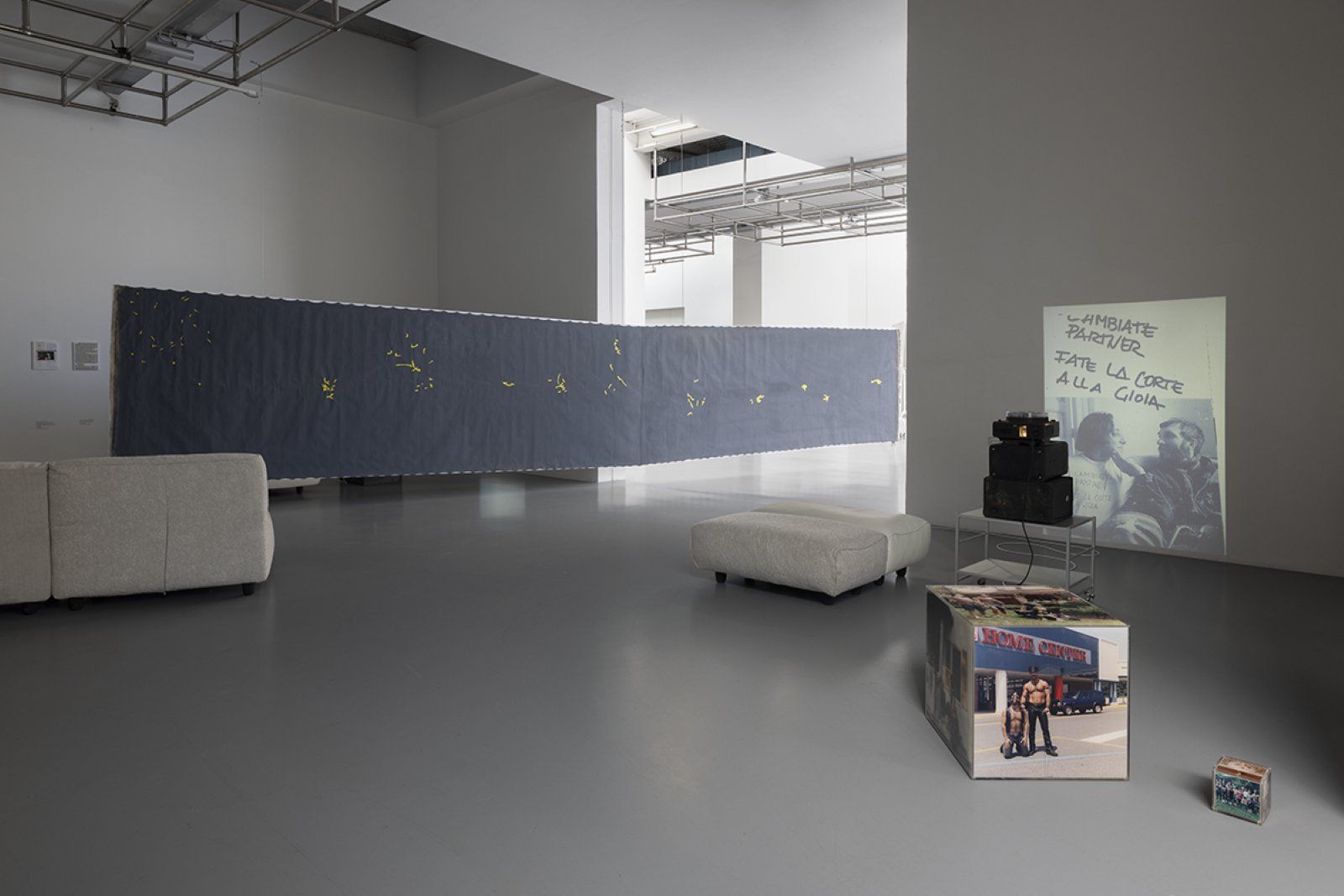
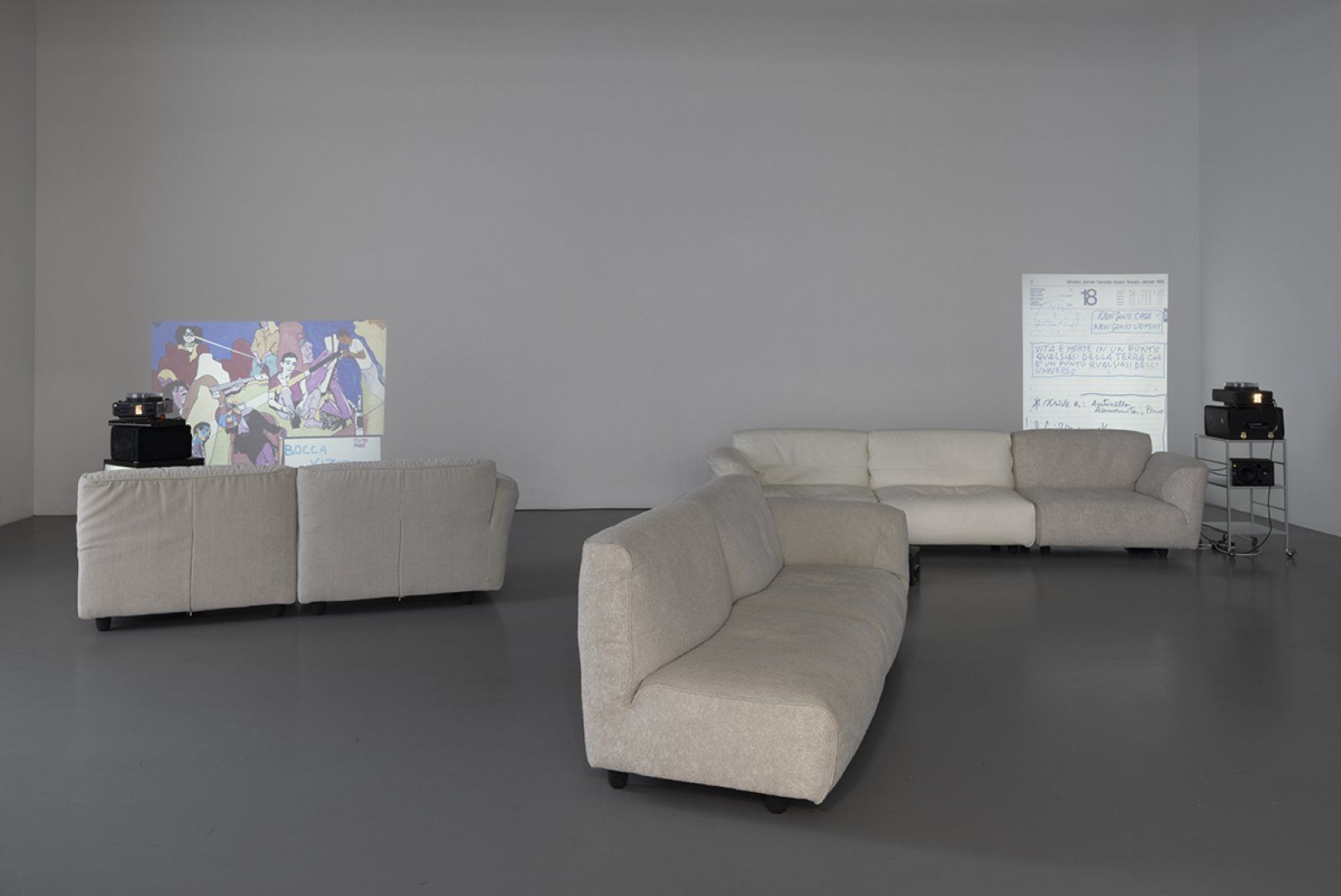
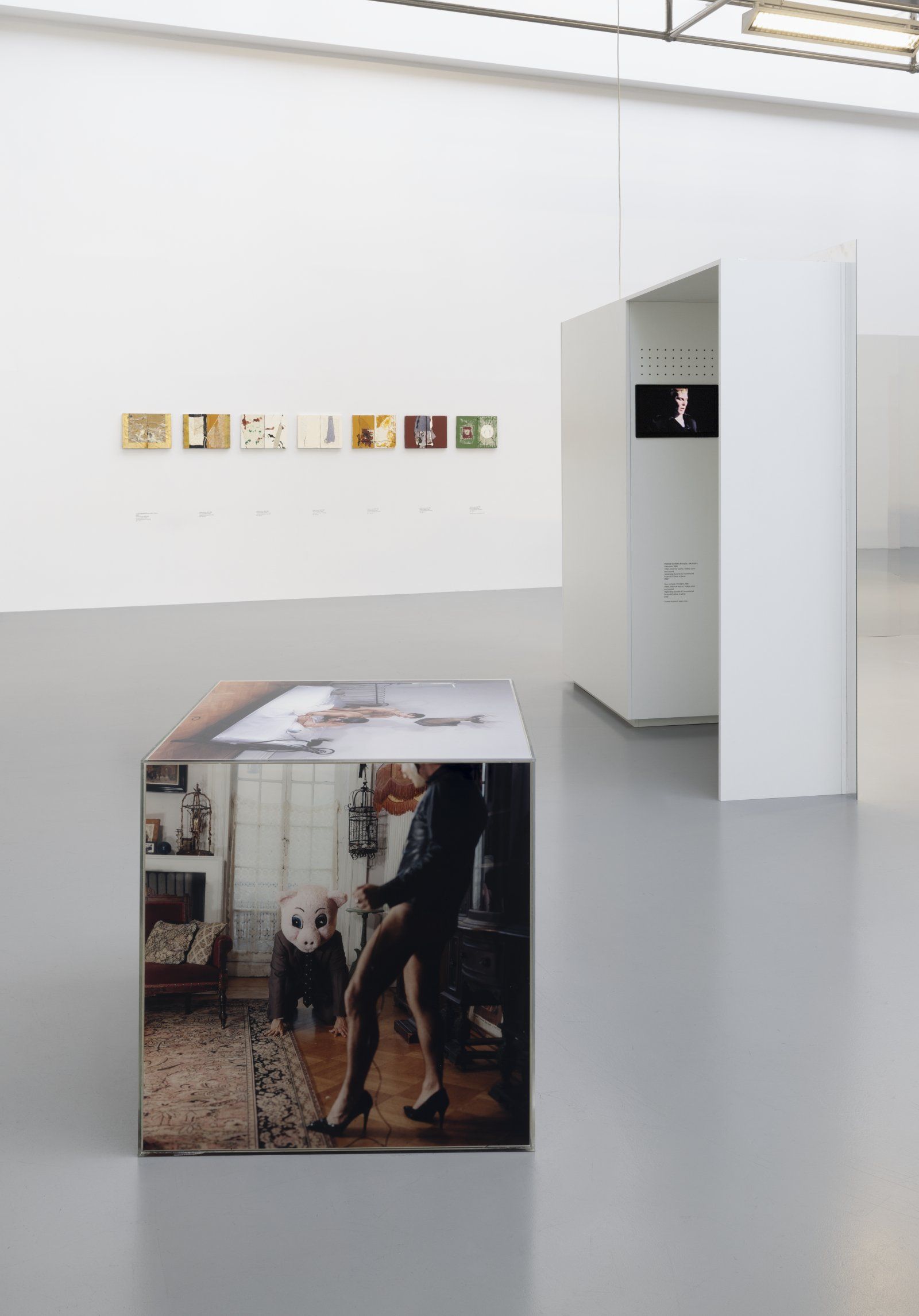
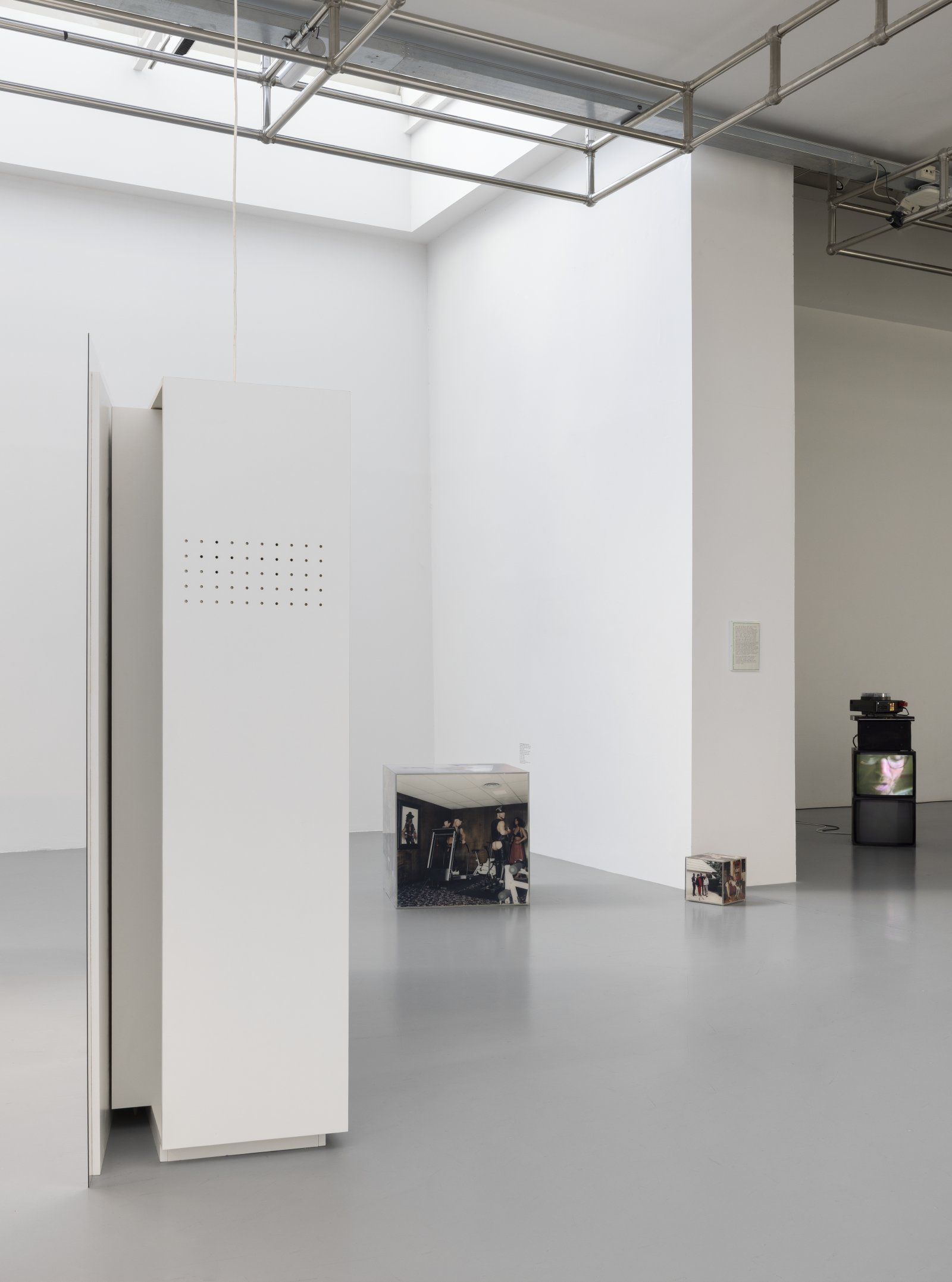
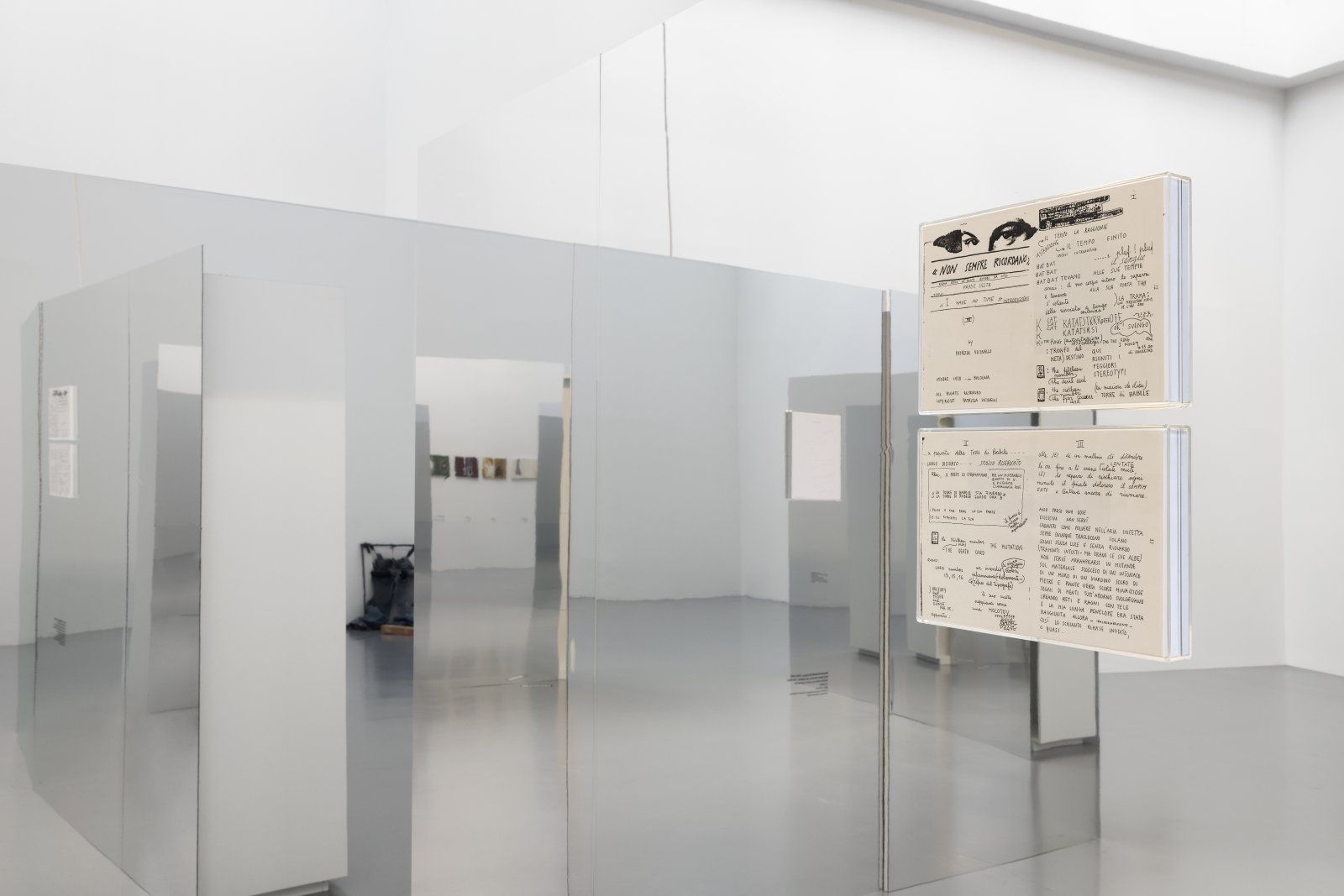
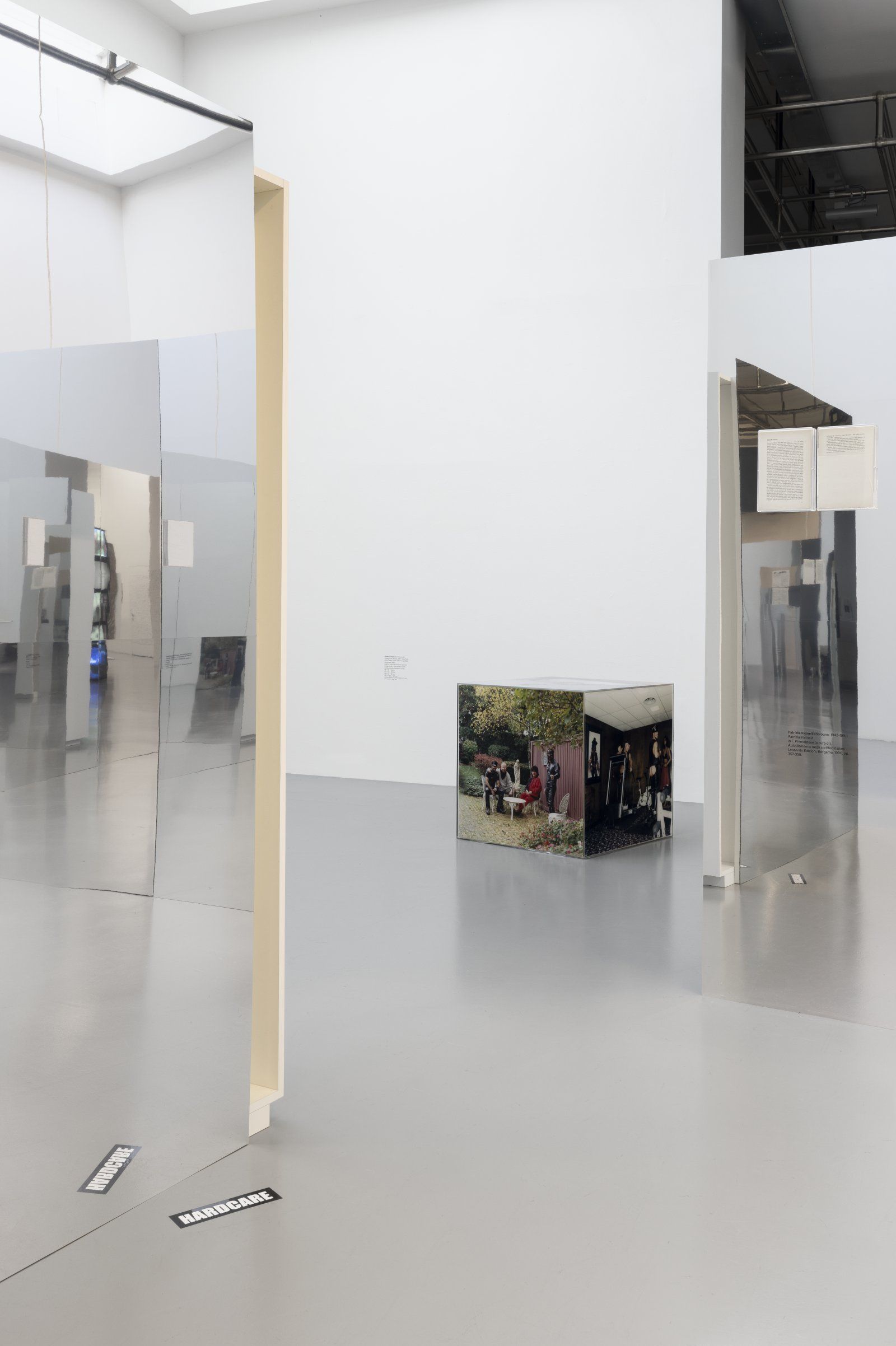
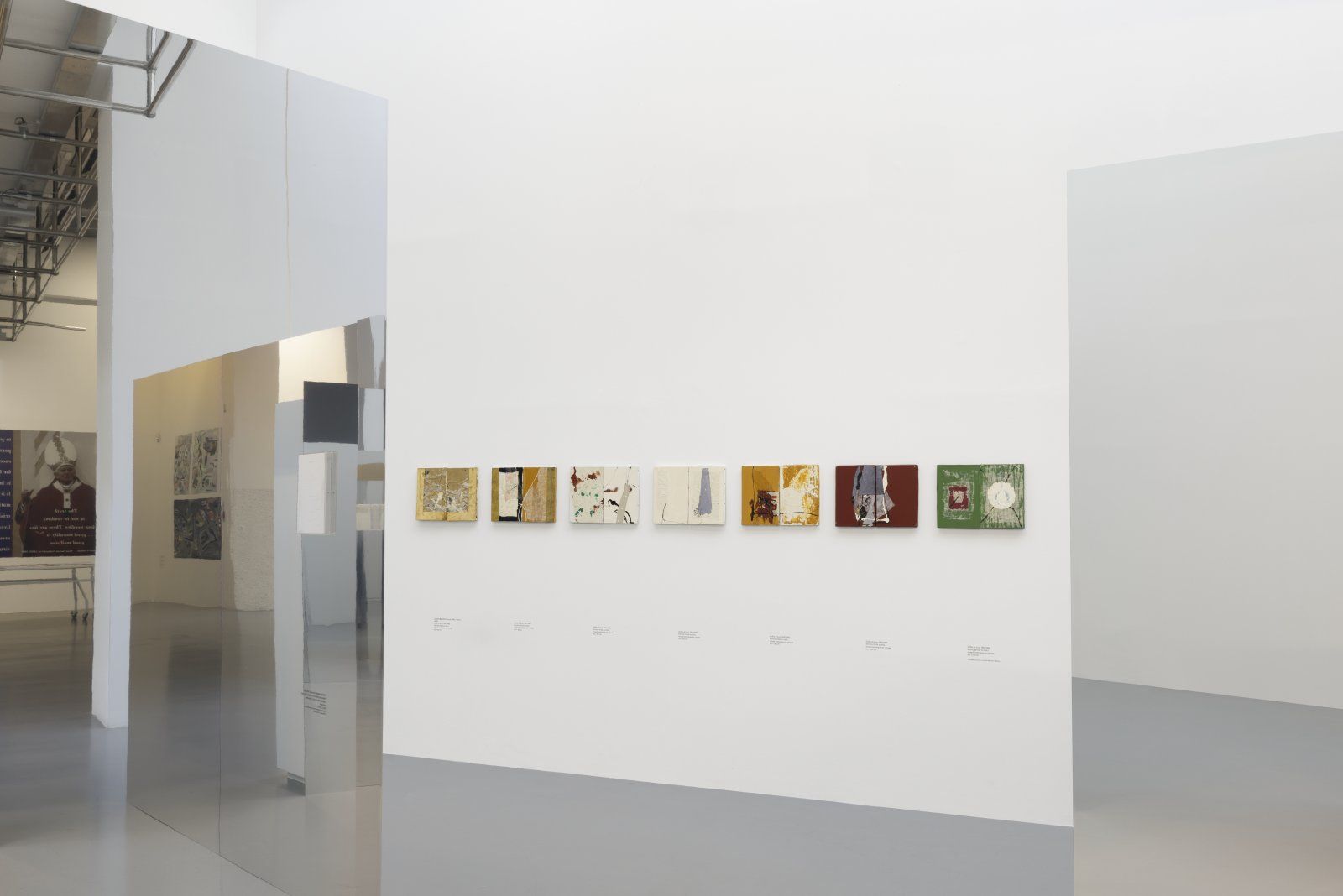
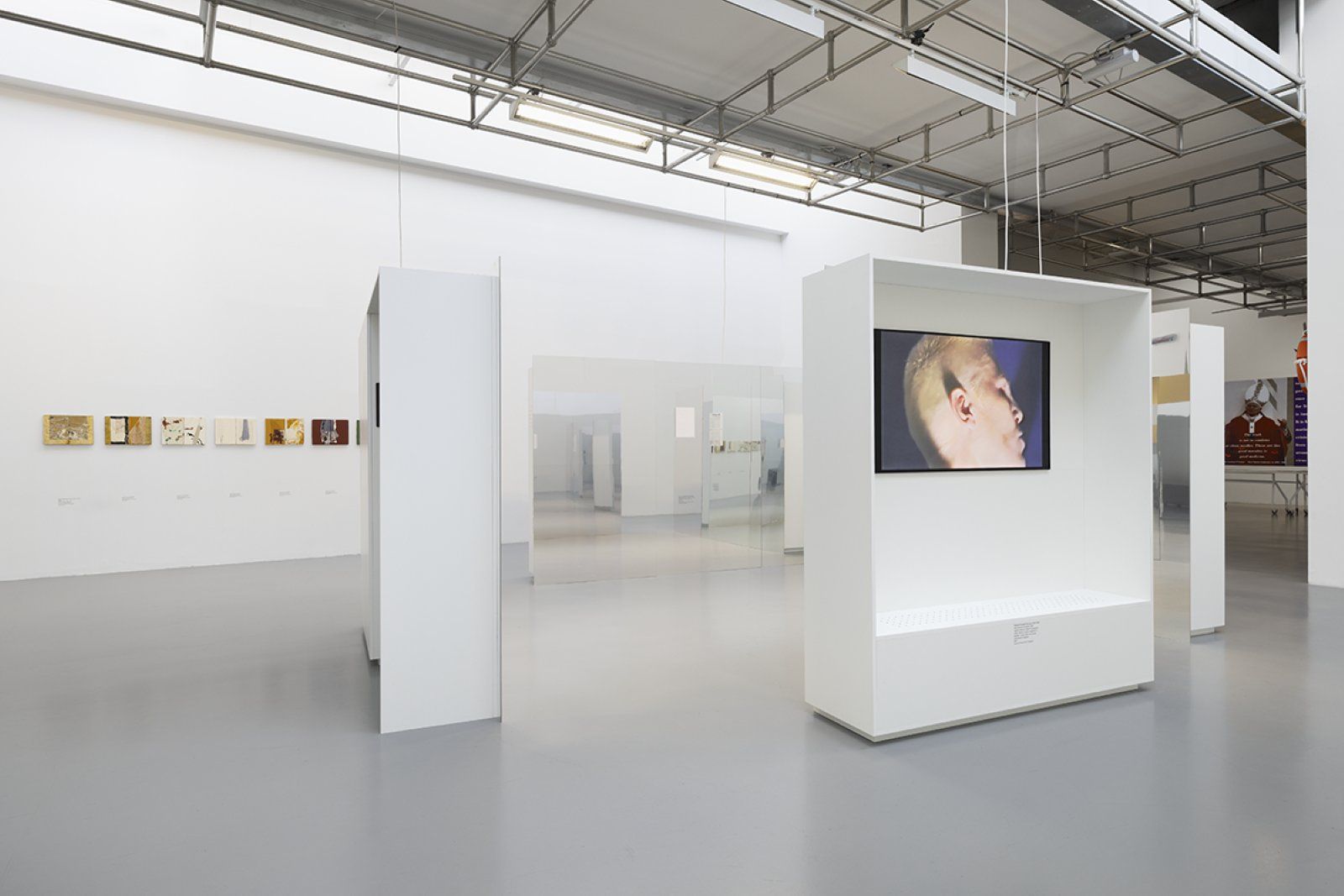
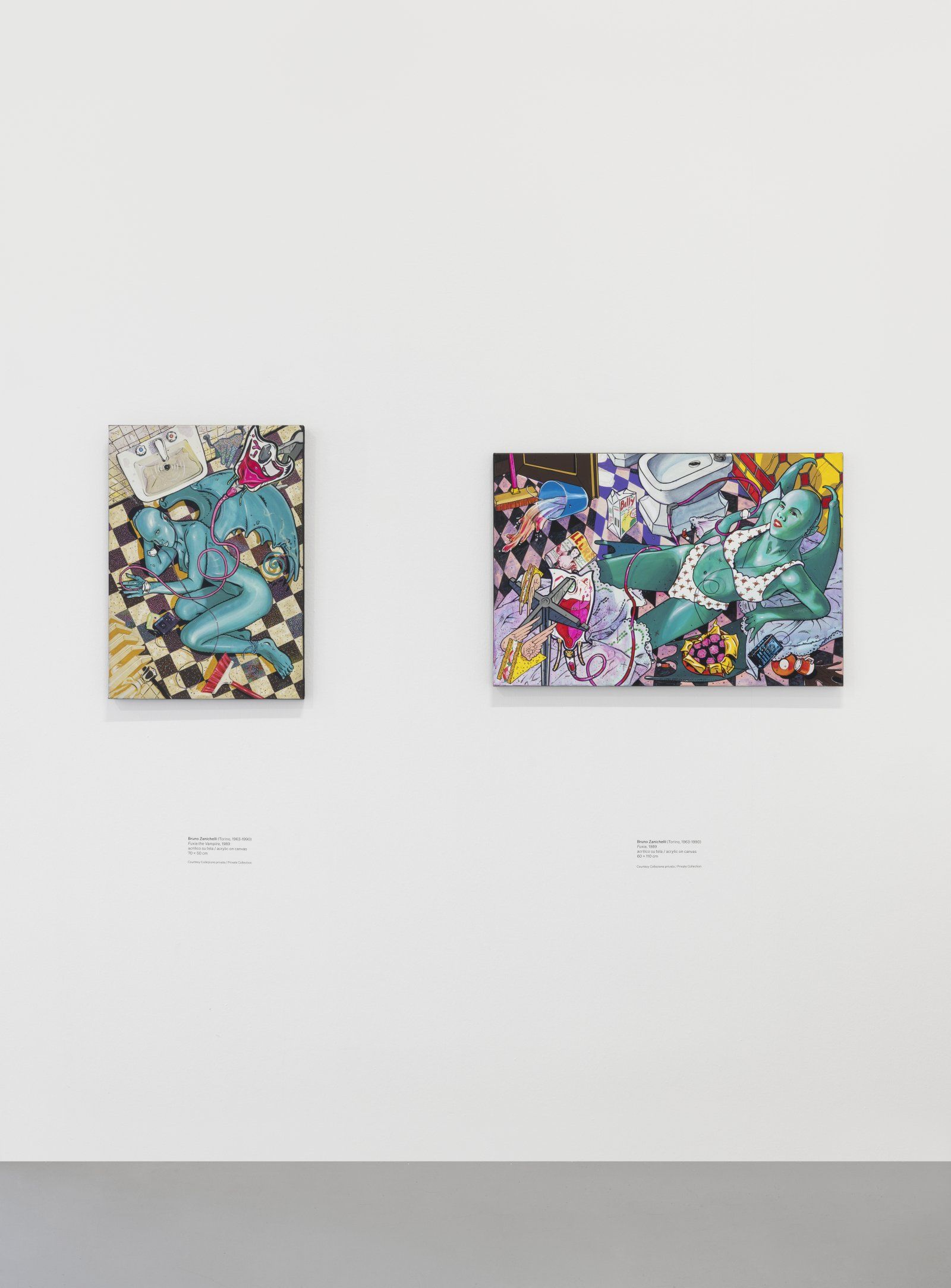
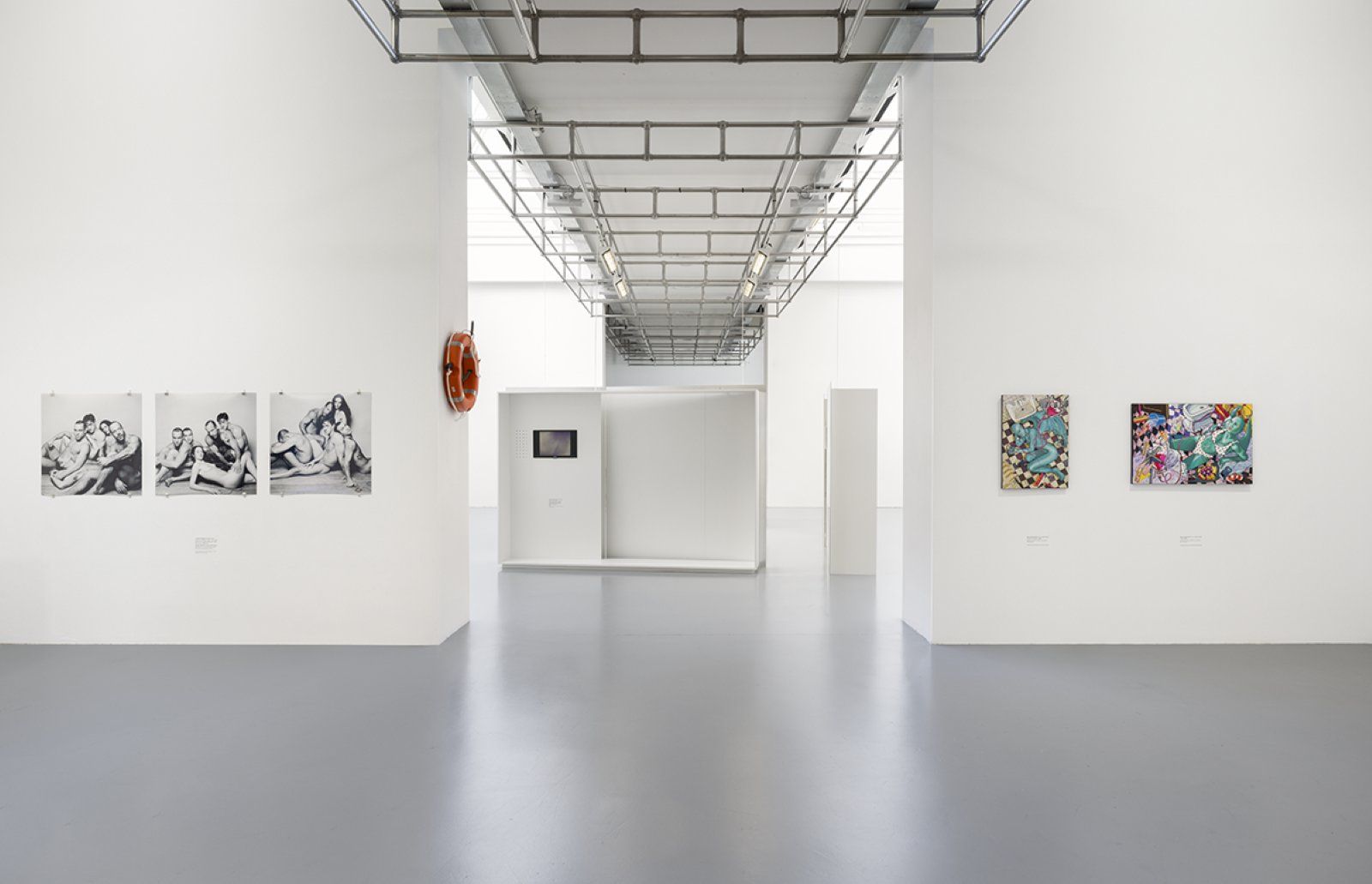
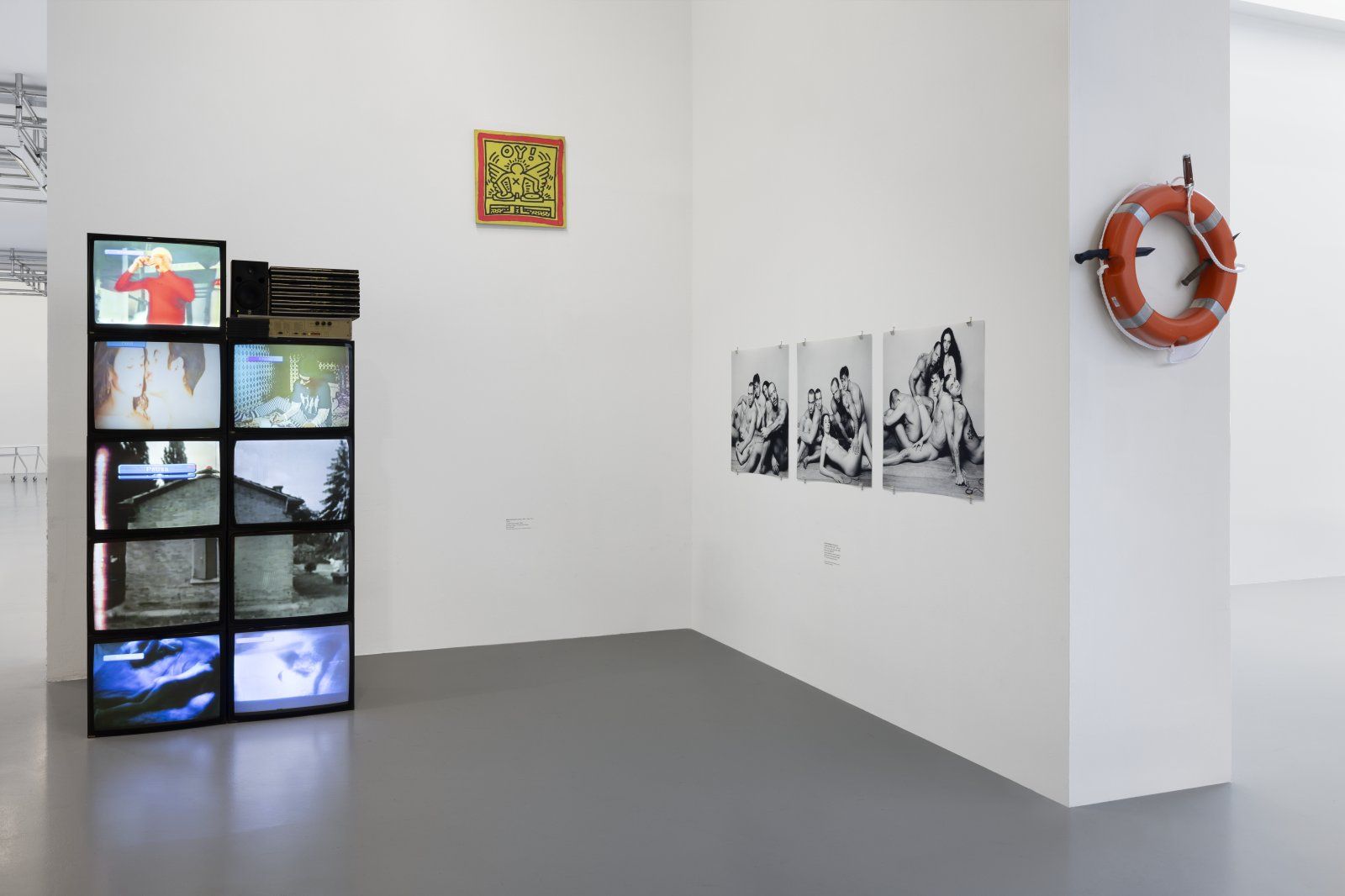
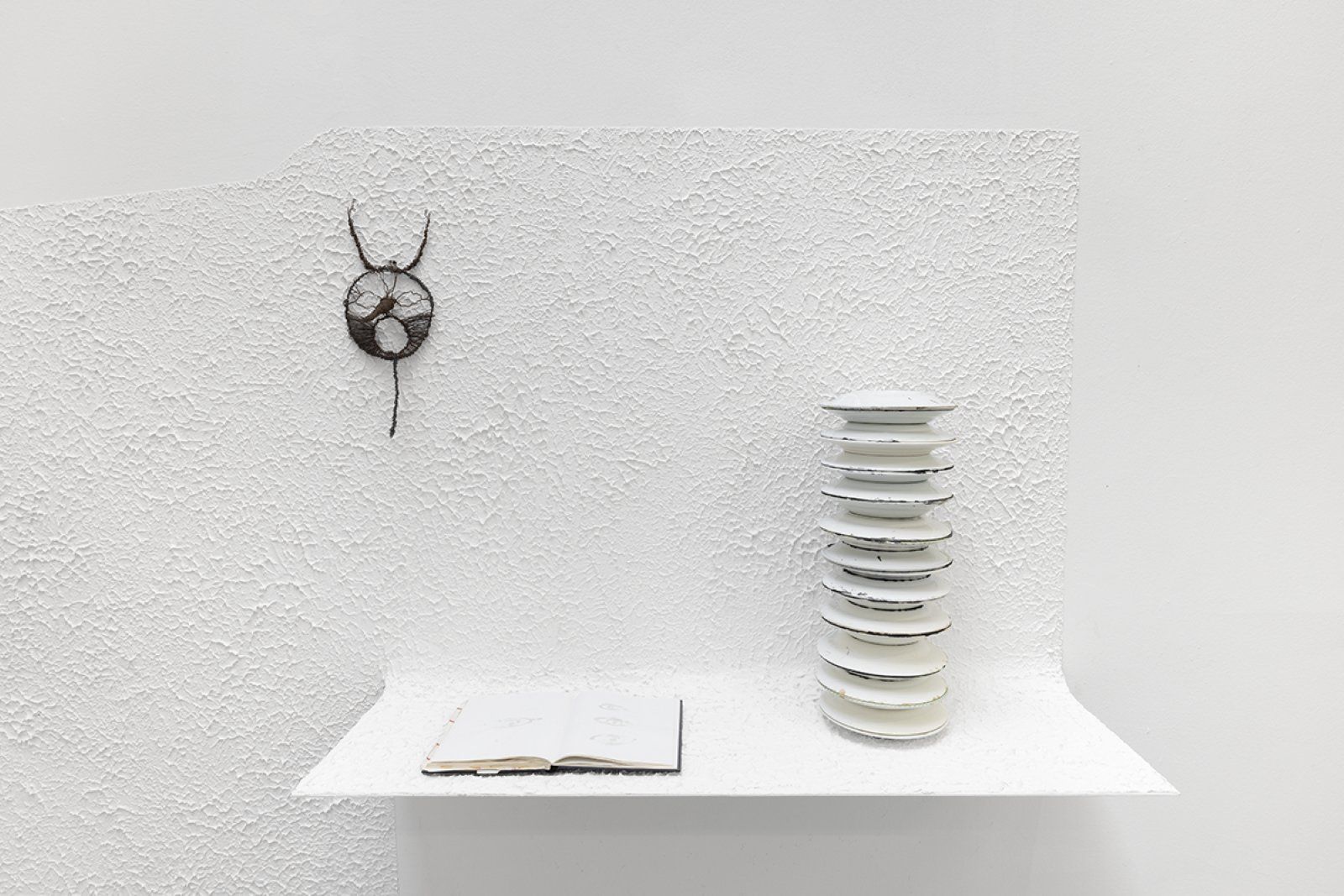
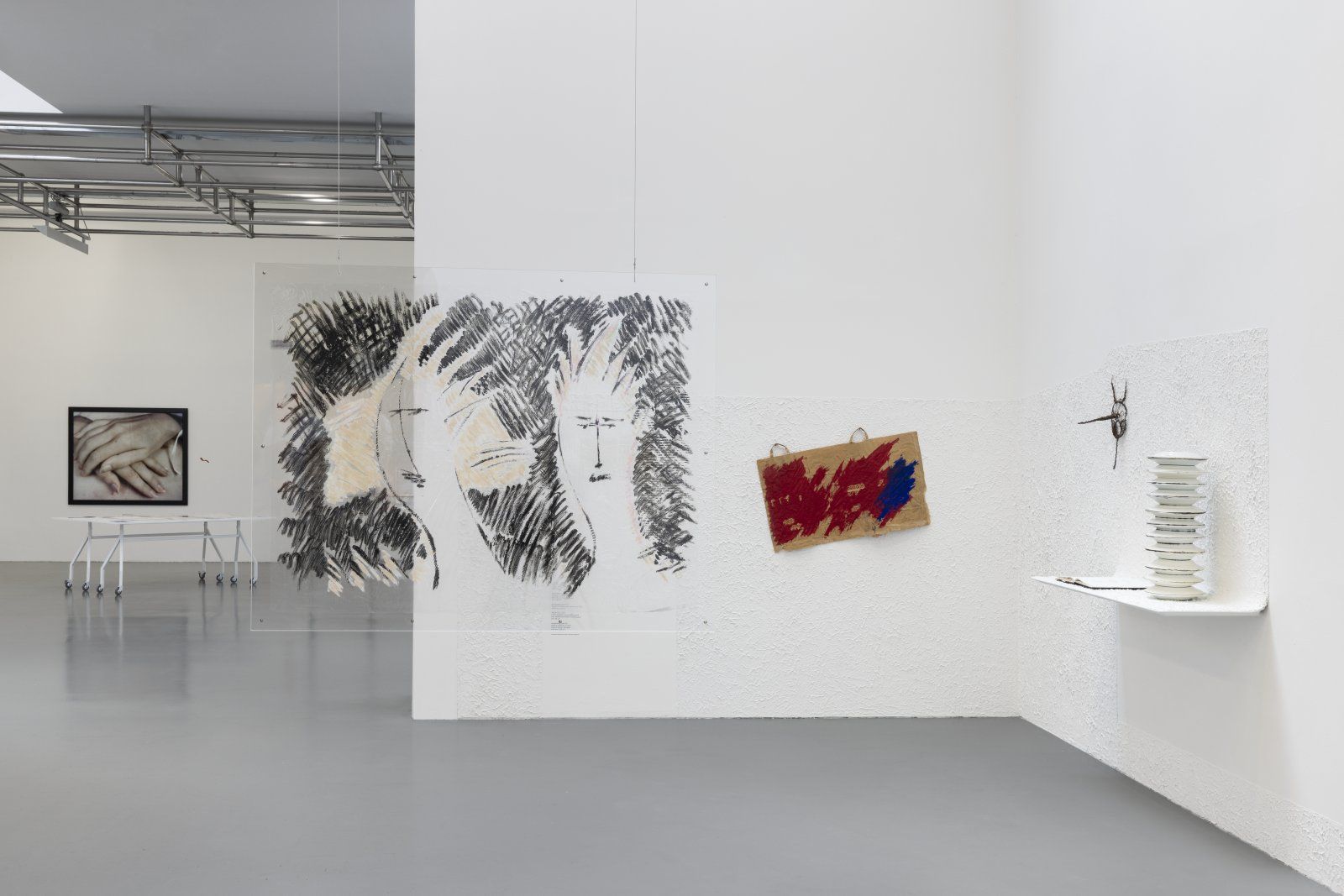
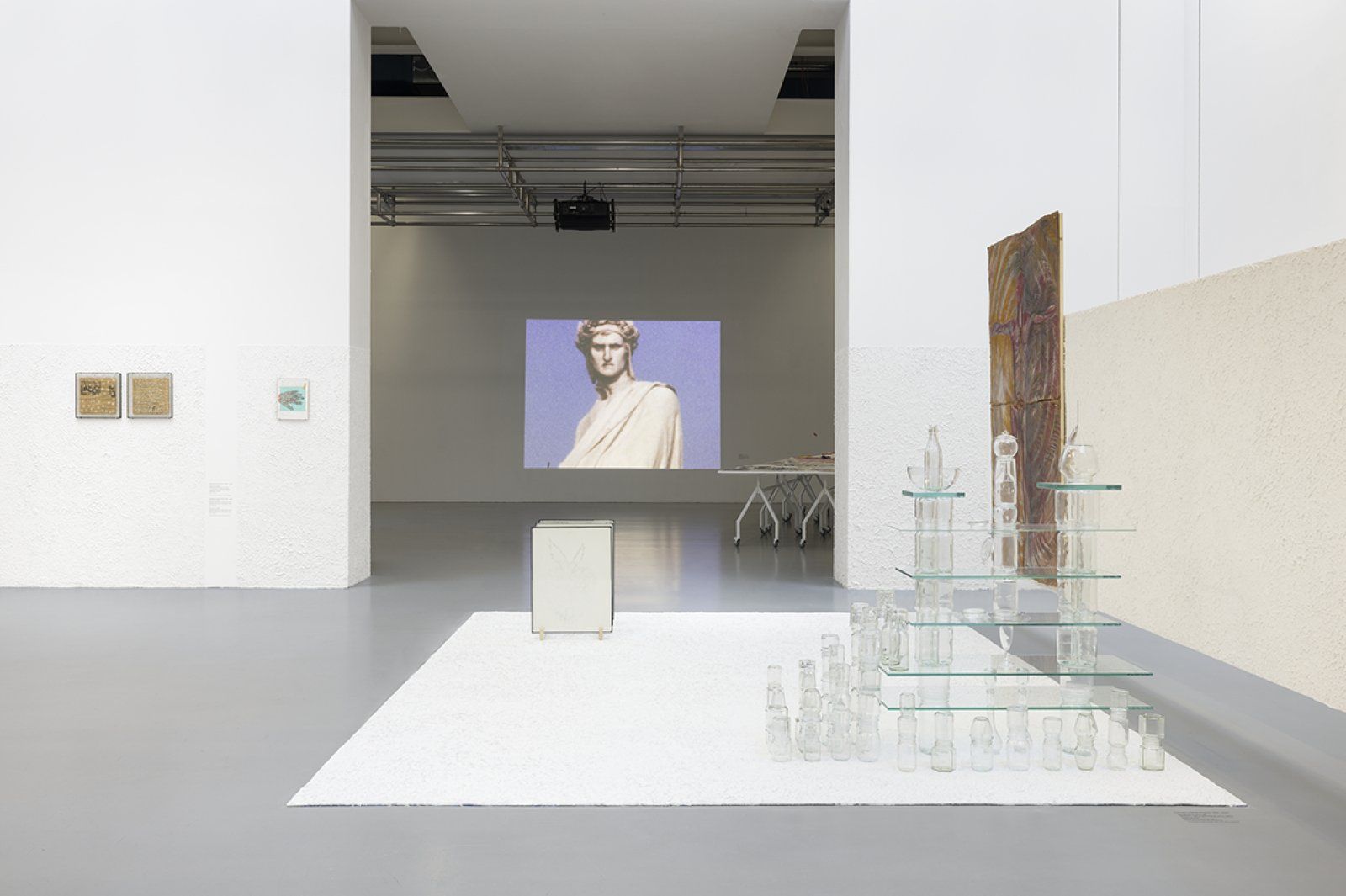
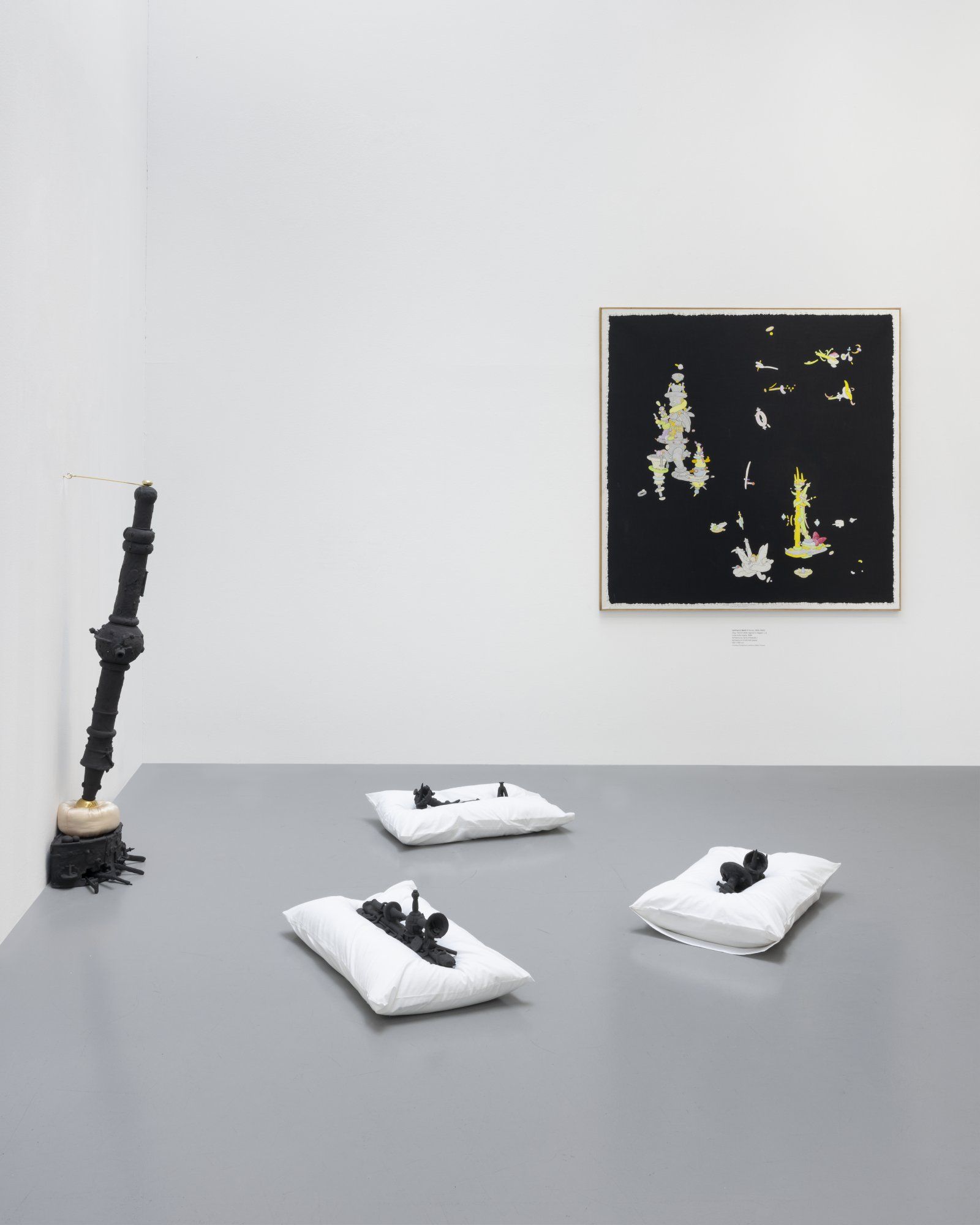
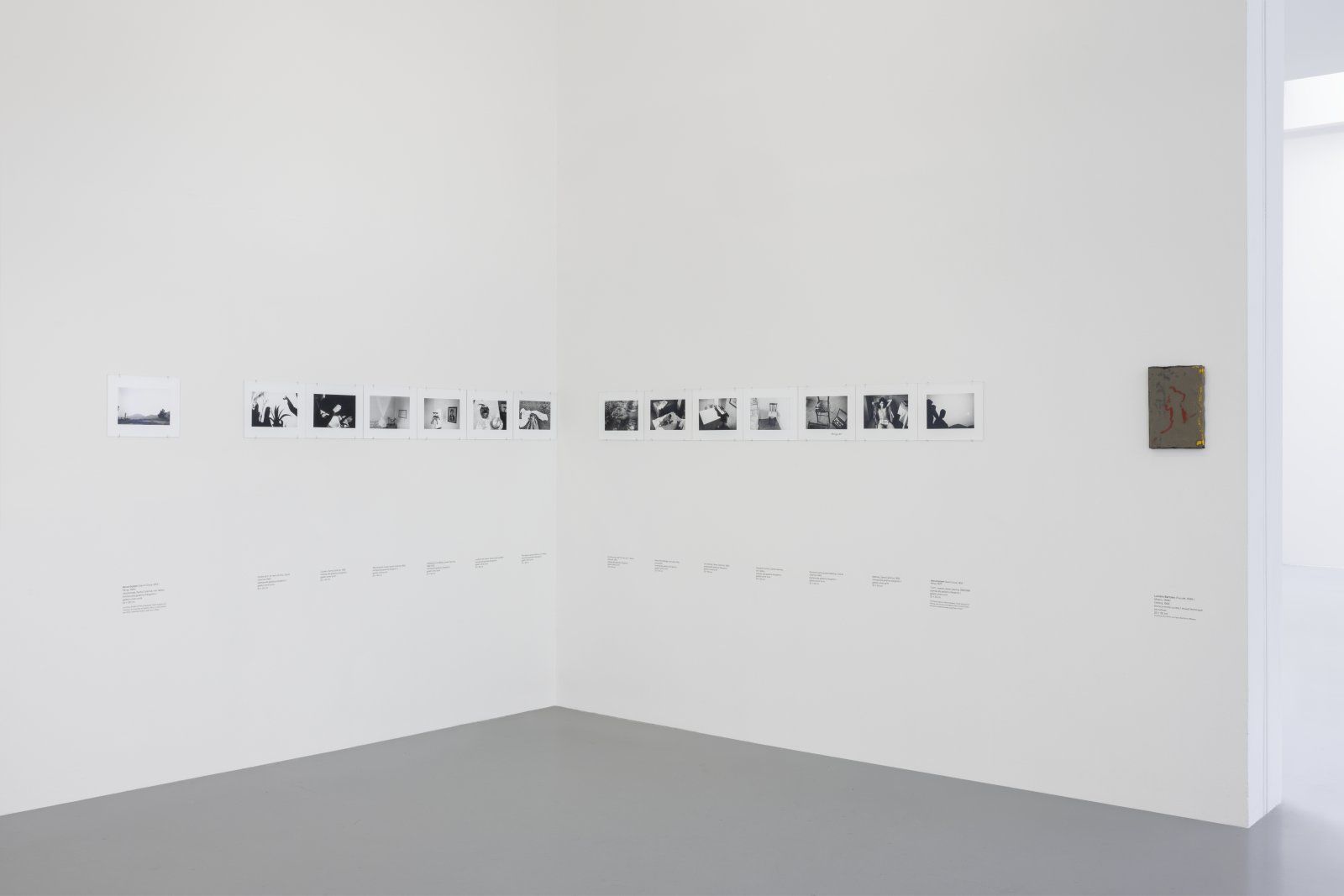
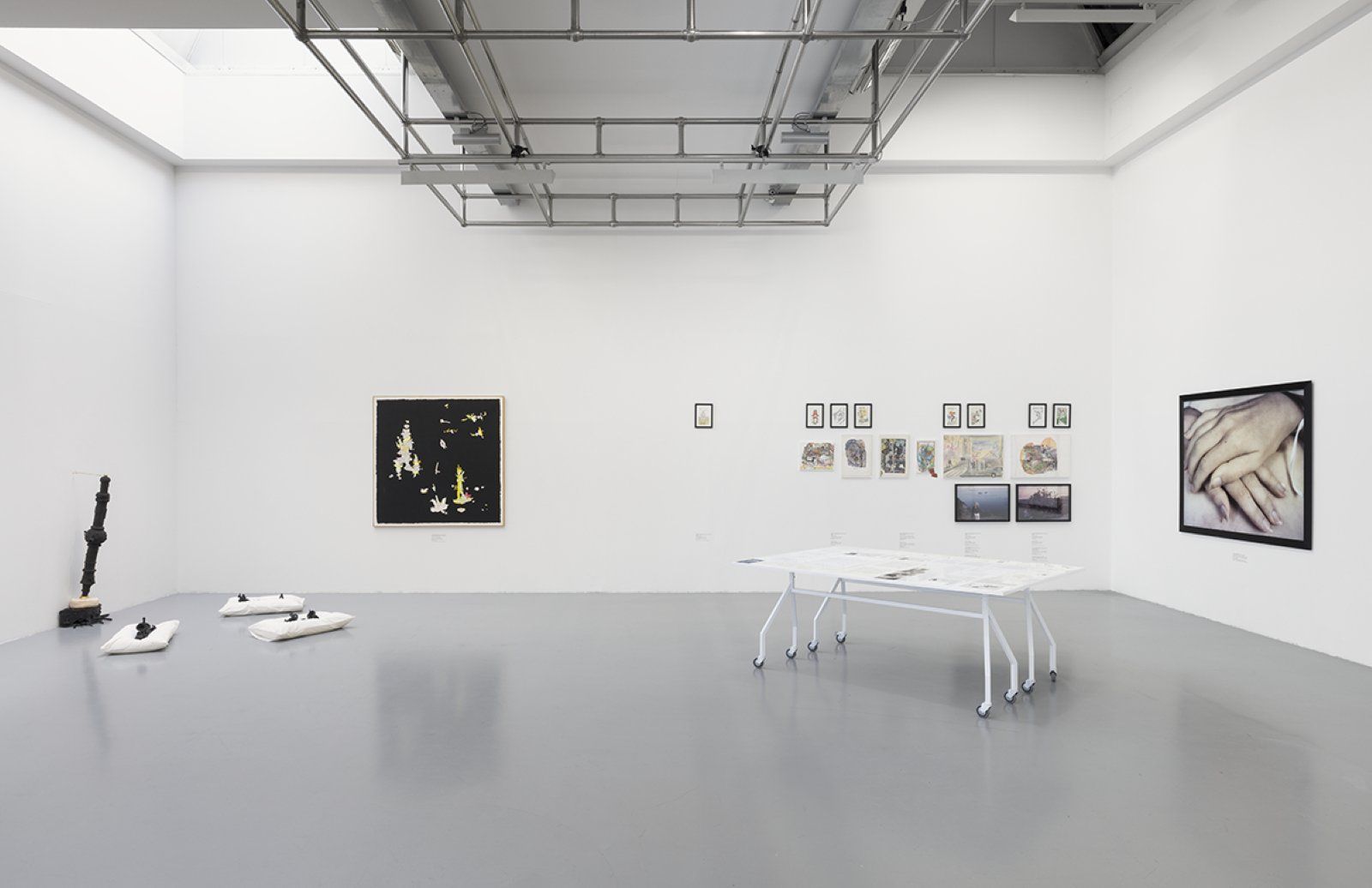
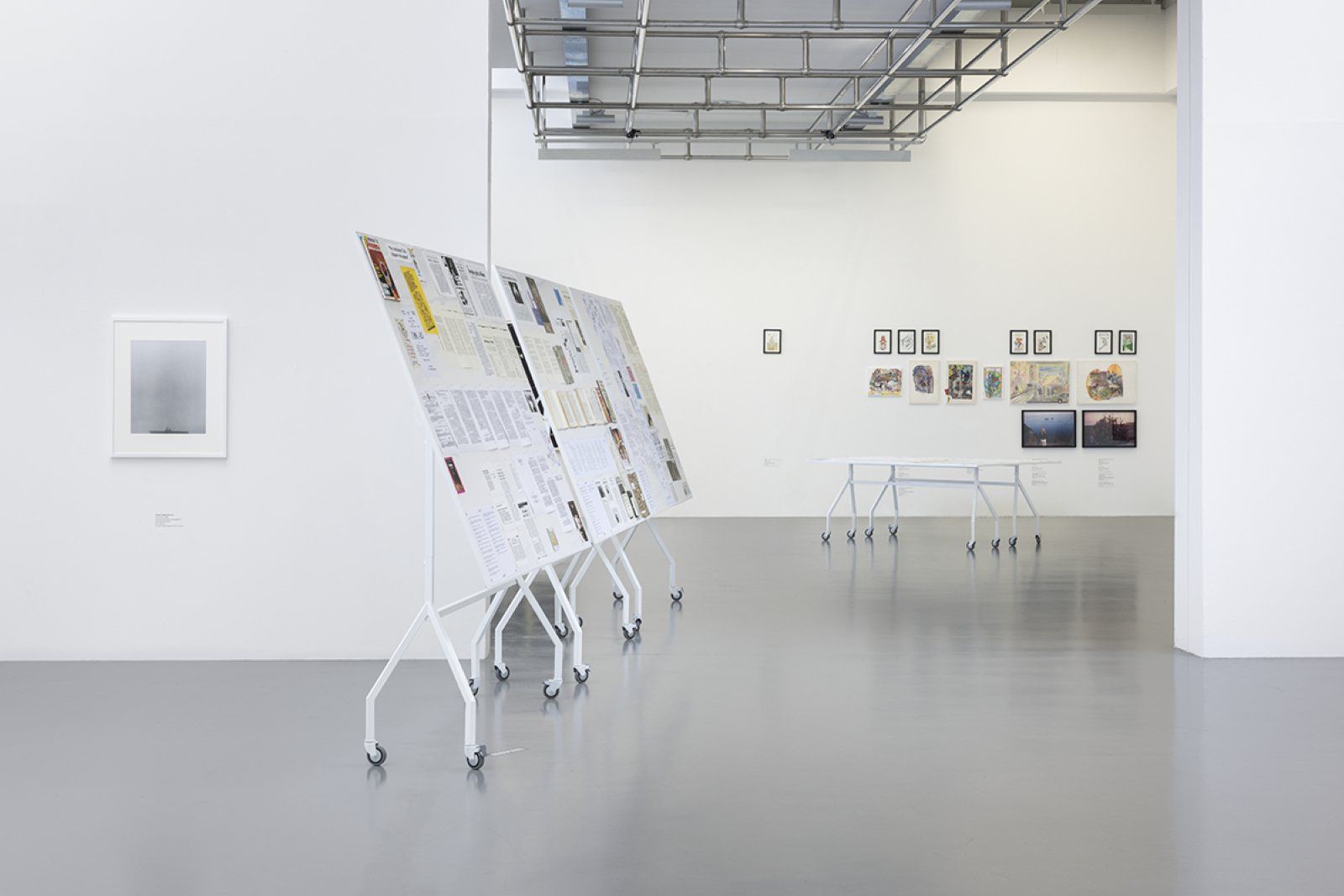
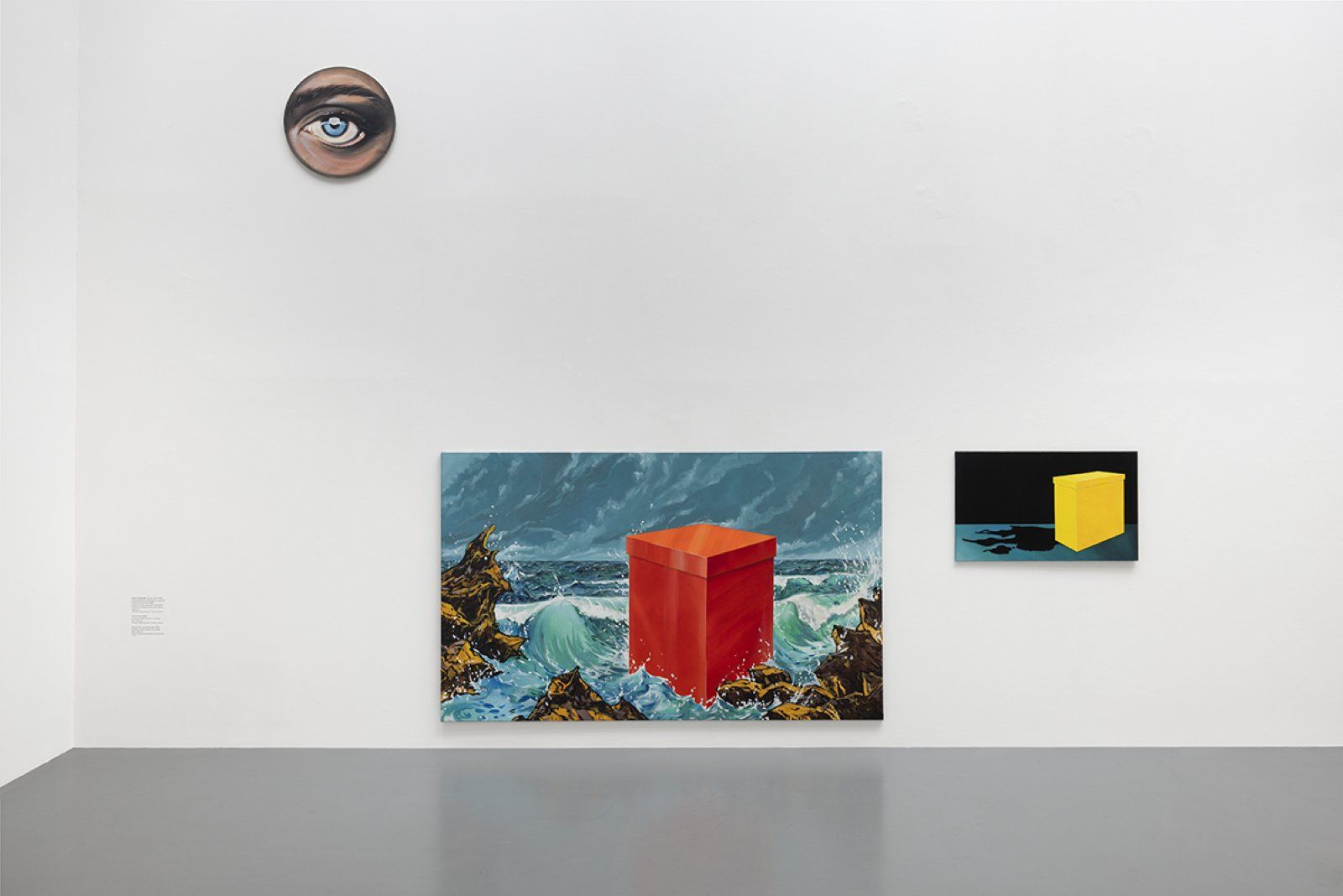
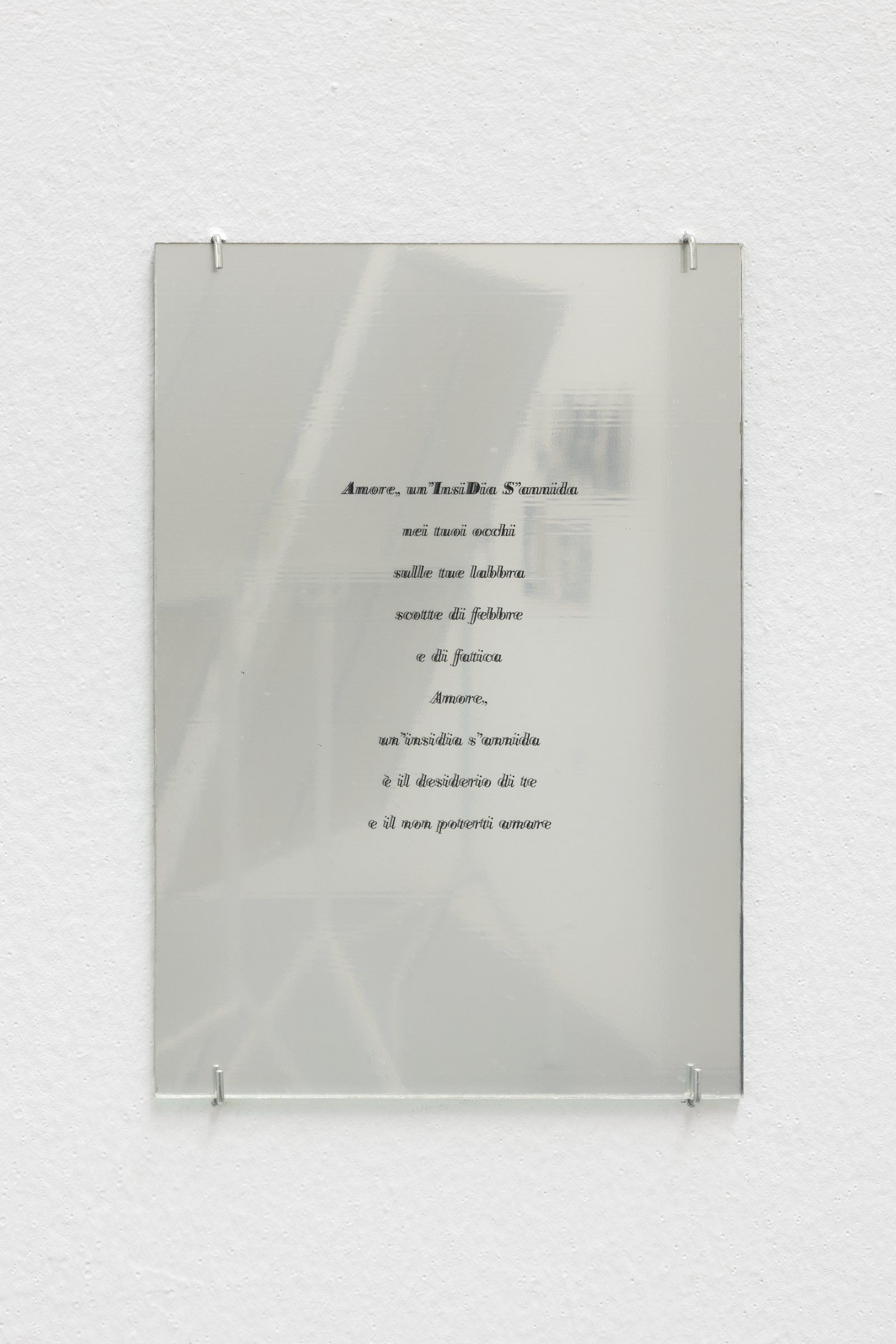
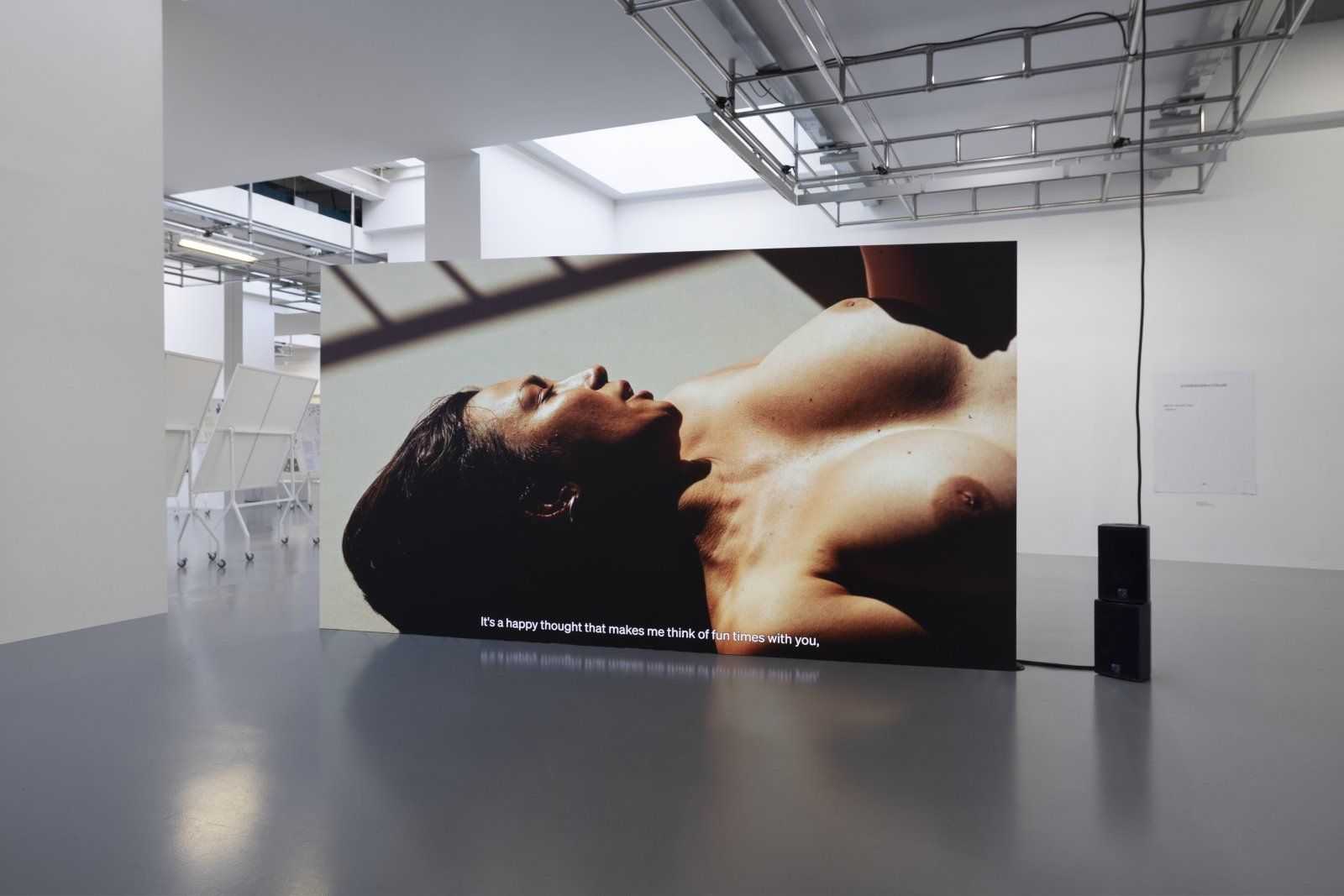
Since last October 4th, until March 1st 2026, the historic Centro Pecci is hosting a particularly significant event. VIVONO is the first institutional exhibition that reconstructs the forgotten history of Italian artists affected by the HIV-AIDS crisis, through an artistic journey recounting the years from 1982 to 1996. The exhibition aims to restore the urgency and the uniqueness of that time, from the first reported AIDS case in Italy to the arrival of antiretroviral therapies. The exhibition was created to respond to a series of questions surrounding the disease: how do you experience love and joy when everything around is darkness? What becomes of anger and hope when all seems lost? How do people act together to build a future in a time of widespread threat and shared vulnerability?
The origin of the exhibition
VIVONO looks at the years of the HIV-AIDS crisis in Italy as a generative moment, in which unexpected alliances were formed, in which love became a space of political action, translated into support, affection, care, flesh. VIVONO is a collective story, the portrait of a living generation: written words, images, voices, and languages intertwine with sex, imagination, and mourning.
The Centro per l’Arte Contemporanea Luigi Pecci was chosen as the setting for the exhibition because it has long been involved in numerous activities, exhibitions, cultural and social projects, aimed at combating stigma and misinformation around AIDS. Today, it preserves within Eccentrica, the museum’s permanent exhibition, Commemuro, a work by Francesco Torrini in memory of friends who died from AIDS. VIVONO recognizes this lineage and is realized together with a scientific committee made up of curators, archivists, and activists committed to interpreting the HIV-AIDS crisis through the lens of the present.
A multidimensional journey
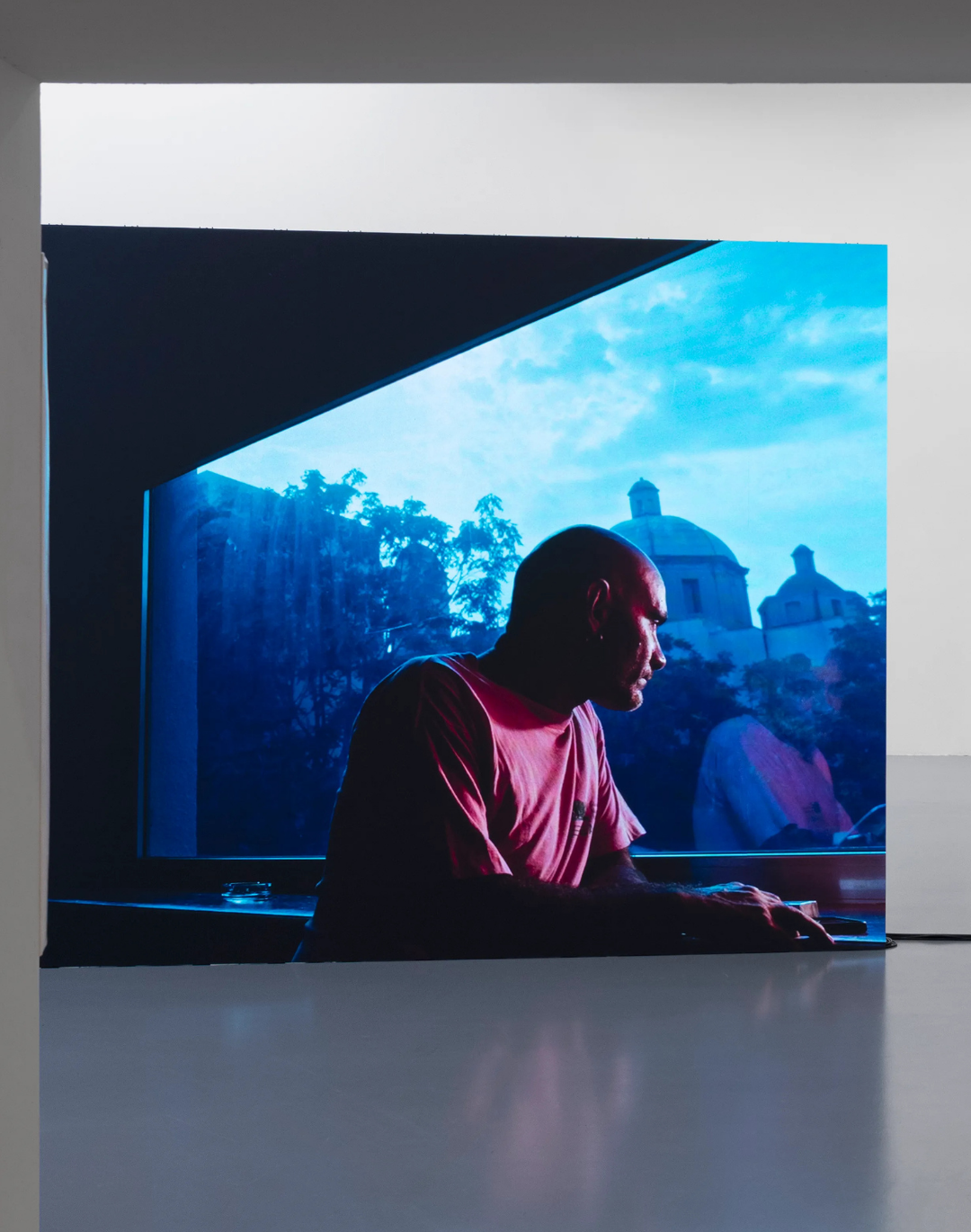
The film production that opens the exhibition features a series of poems read directly by activists and actresses, written by poets who lived with HIV and chose to recount their personal experience. From Dario Bellezza to Nino Gennaro to Pier Vittorio Tondelli, their words became a space of confession and laid the foundations for a reflection on love: how do we love together?
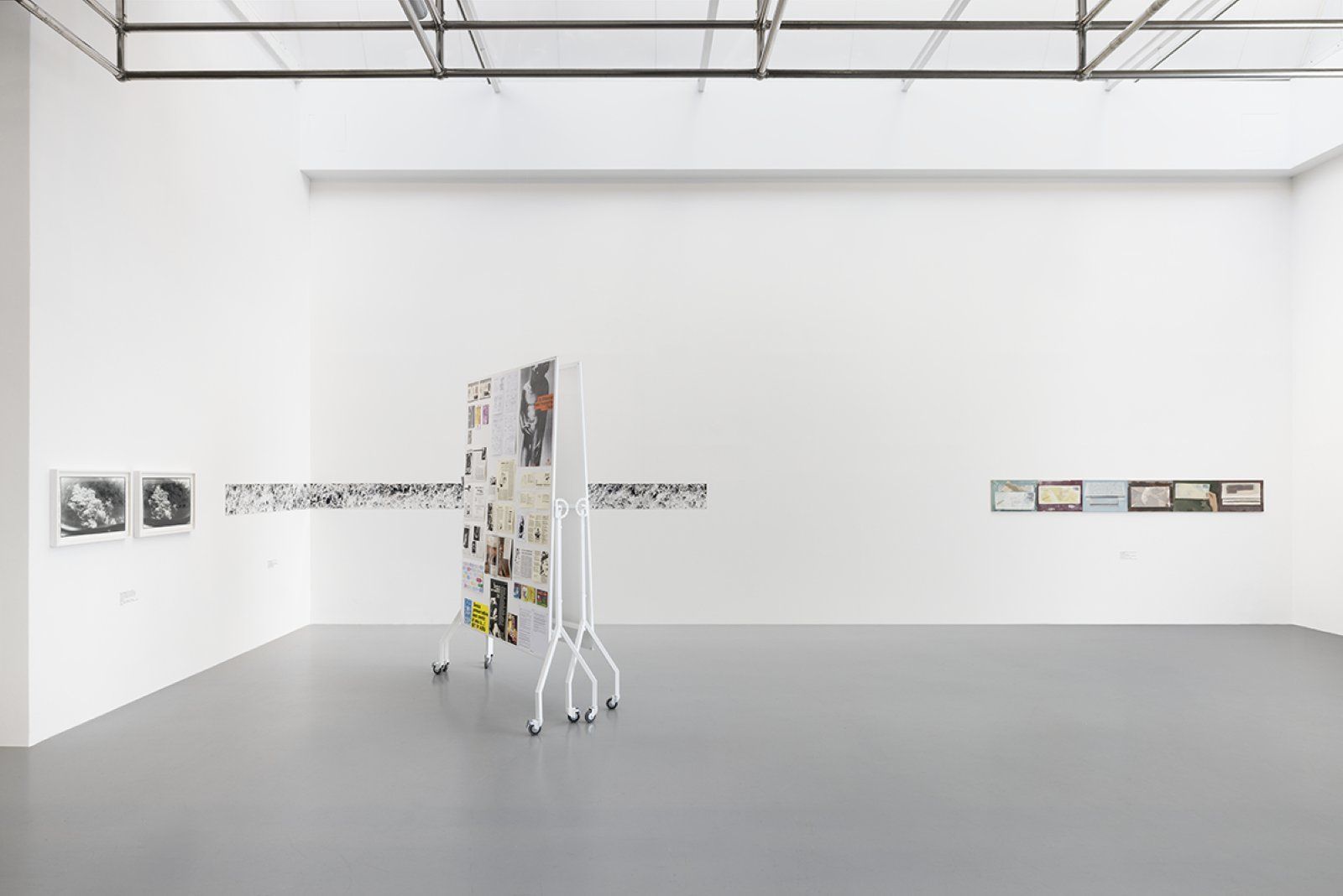
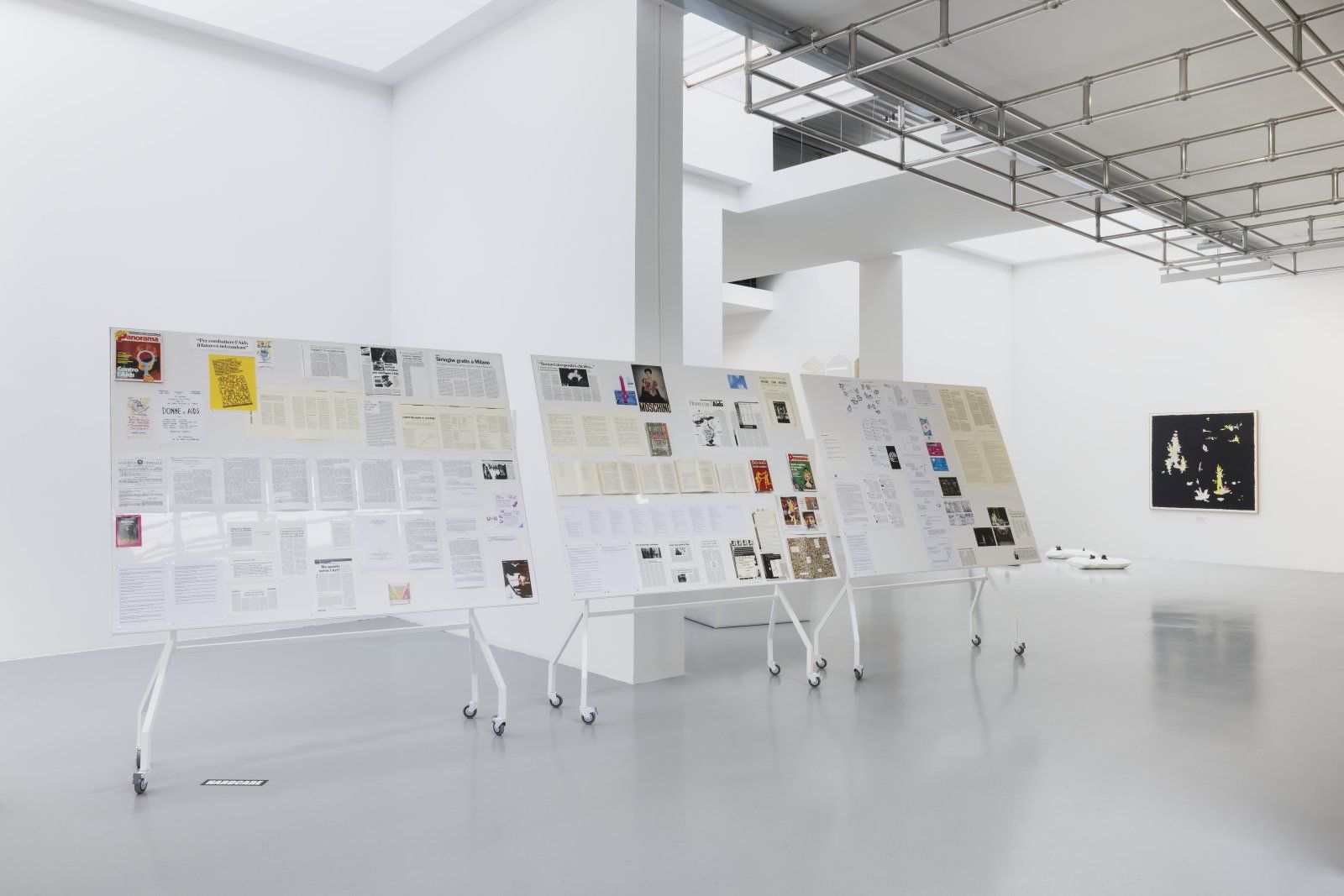
The archive is the exhibition’s backbone: built collaboratively with Valeria Calvino, Daniele Calzavara, and i Conigli Bianchi, it gathers documents, posters, newspaper articles, videos, and sound materials outlining the Italian historical, political, social, and cultural context between 1982 and 1996. Essential contributions by Emmanuel Yoro and Tomboys Don’t Cry offer contemporary perspectives that alternate with historical documents. A catalogue has been dedicated to the archive, published by Axis Axis, arranged chronologically and collecting the exhibition’s iconographic material.
The second published volume, VIVONO. Reader, gathers ten commissioned essays proposing historical-artistic interpretations and testimonies, along with an anthology presenting poems and letters by some of the artists featured in the exhibition.
The personal experience of the artists
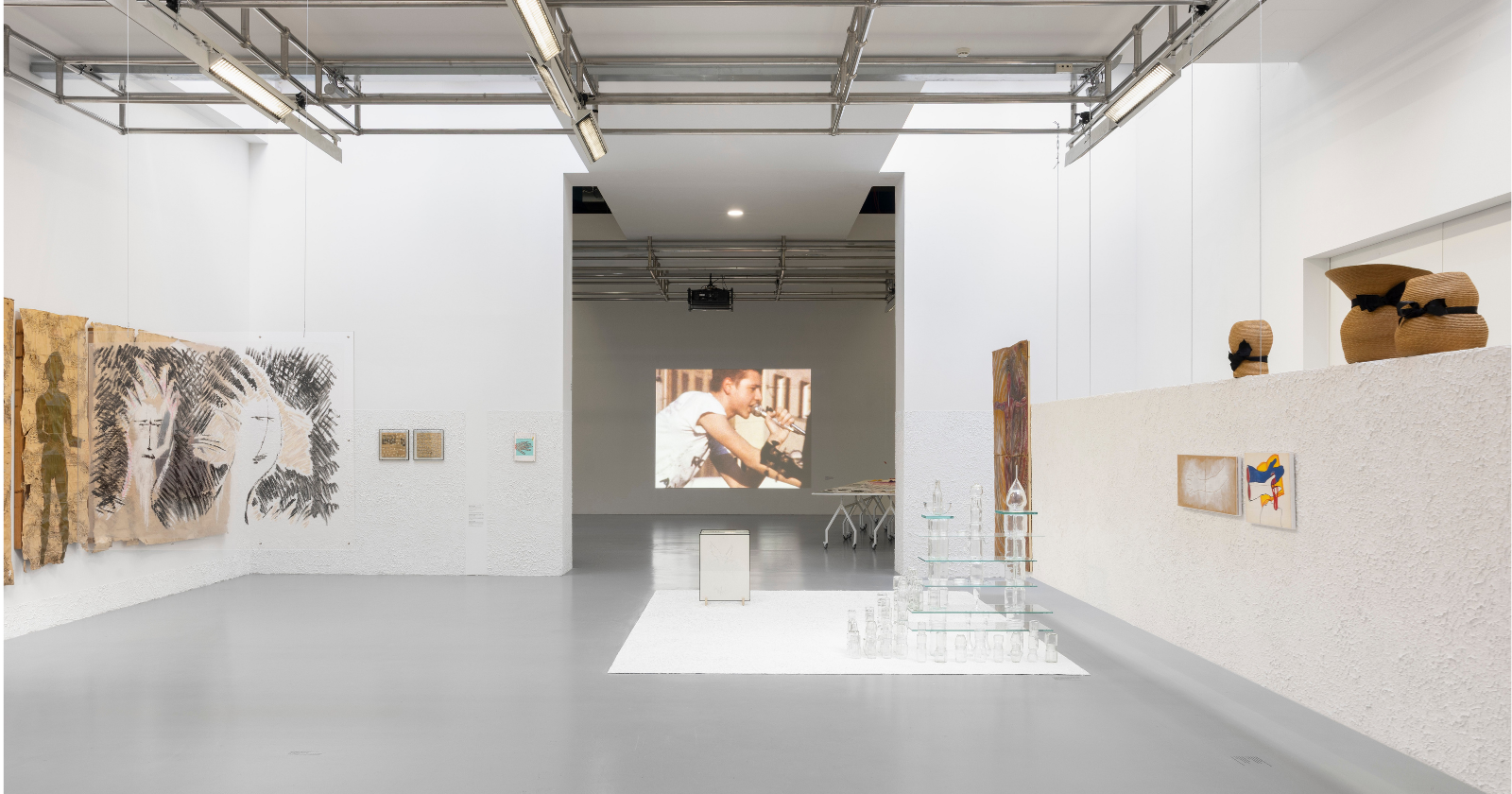
The artworks by Italian artists, traces and testimonies on display, provide opportunities to delve into specific topics: they speak of life experiences, describe emotional conditions made of happiness and pain, and combine aesthetic research, political activism, and personal stories. The international works further expand these reflections, presenting pieces that, exhibited in Italy between 1982 and 1996, had a significant impact on the artistic community: among them, the posters by Gran Fury, shown at the 1990 Biennale, are displayed in relation to the works of Keith Haring.
Three monographic rooms are dedicated to the work of three figures who propose different pathways through those years of crisis. From the physical weight given to the word in Patrizia Vicinelli’s art, longing for freedom; to the union of verbal-visual research, theatre, and collage in Nino Gennaro’s work, addressing affection, love and the right to housing; to the vision of the body as a place of memory in Francesco Torrini’s pieces, which embody spiritual attention.
HIV-AIDS is not a theme or subject of the artworks, but rather an interpretive framework through which to observe the world, grasp its fragility, and propose beauty, tactile, relational, and full of life, as a possible response to a pandemic too often silenced.
What to read next

" Peau d’homme " puts you in someone else's skin, literally
A queer musical comedy with powerful themes, driven by biting irony
" Un peu avant minuit " is made up of long, empty small talk
Nicolas Pariser's film was presented in competition at the 83rd Venice Film Festival