

























It’s time for Gen Z to embrace the “Millennial cringe” «To be cringe is to be free»
Taylor Swift's latest album was a flop (at least in terms of public perception) for several reasons. The main one, however, is that through the lyrics of her new songs, the pop star reminded the world of an often-forgotten truth — that she is the ultimate Millennial. “Did you girlboss too close to the sun?” and “Good thing I like my friends cancelled / I like ’em cloaked in Gucci and in scandal”, she sings in CANCELLED!, which many consider the worst song of her career.
The harshest criticism comes from Gen Z, the younger sibling generation that has never had a great relationship with the almost-forty-year-olds. The conflict between the two isn’t ideological, as it was between Gen X and Boomers, but aesthetic. The issue is called “Millennial cringe”: that genuine sense of embarrassment caused by the goofy, euphoric, and slightly awkward spirit of those who came of age at the dawn of the Internet, between Tumblr and Facebook statuses.
Yet that very cringe might be the key to their survival. Millennials have learned not to take themselves too seriously, to live with embarrassment and turn it into irony. Gen Z, on the other hand, seems trapped in a constant state of self-awareness, caught between performance anxiety and fear of judgment. A generation that doesn’t have sex, doesn’t drink, doesn’t do drugs, and most of all, doesn’t have fun. Maybe it’s time to embrace the “Millennial cringe.”
Millennial style as inspiration
@princesspearli An ode who i thought id be at 10 #2010s #hipster #twee #alexachung #nostalgia #throwback #indiesleaze #zoeydechanel #indiesleazeaesthetic #fyp #foryou #foryoupage original sound - princesspearli
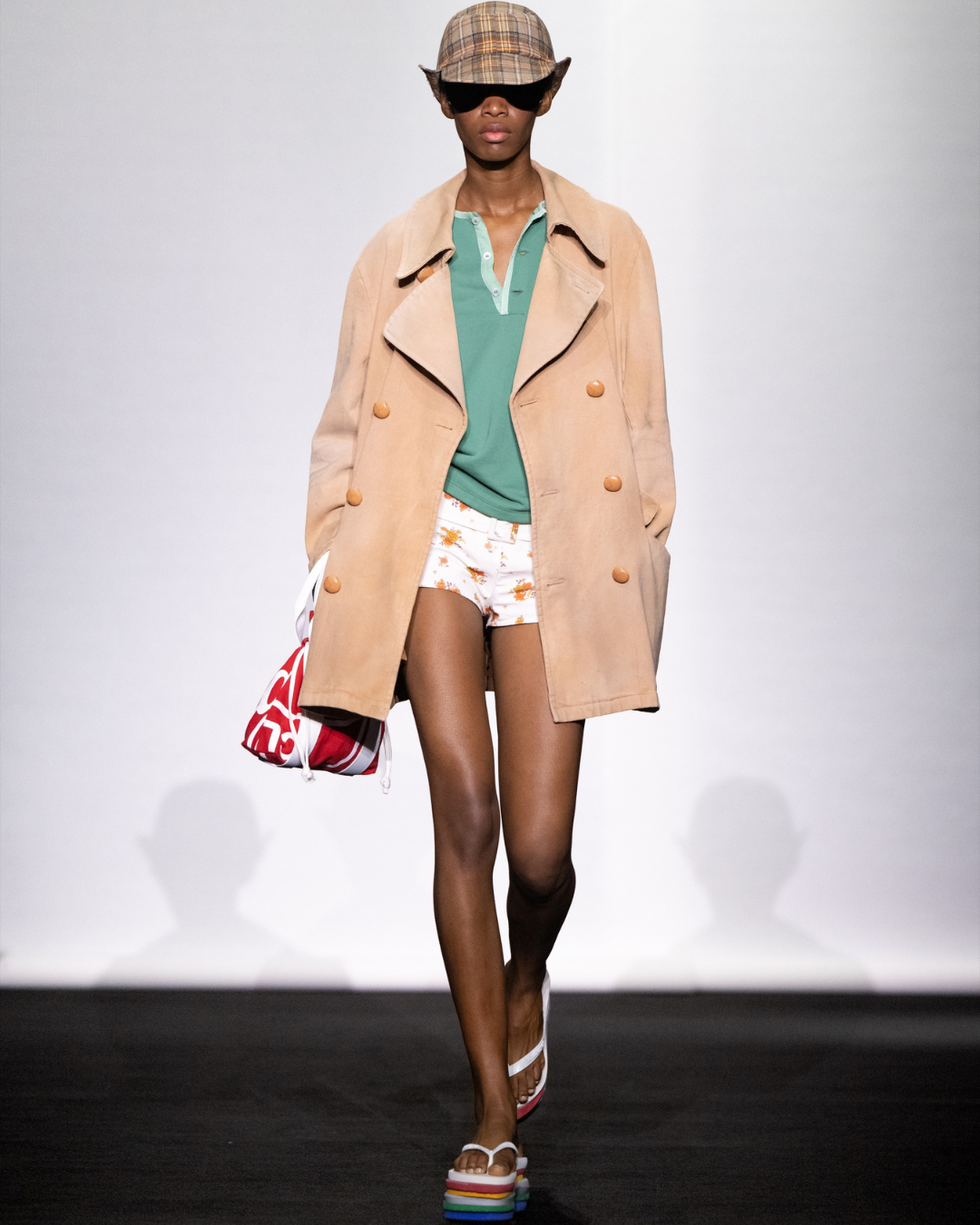
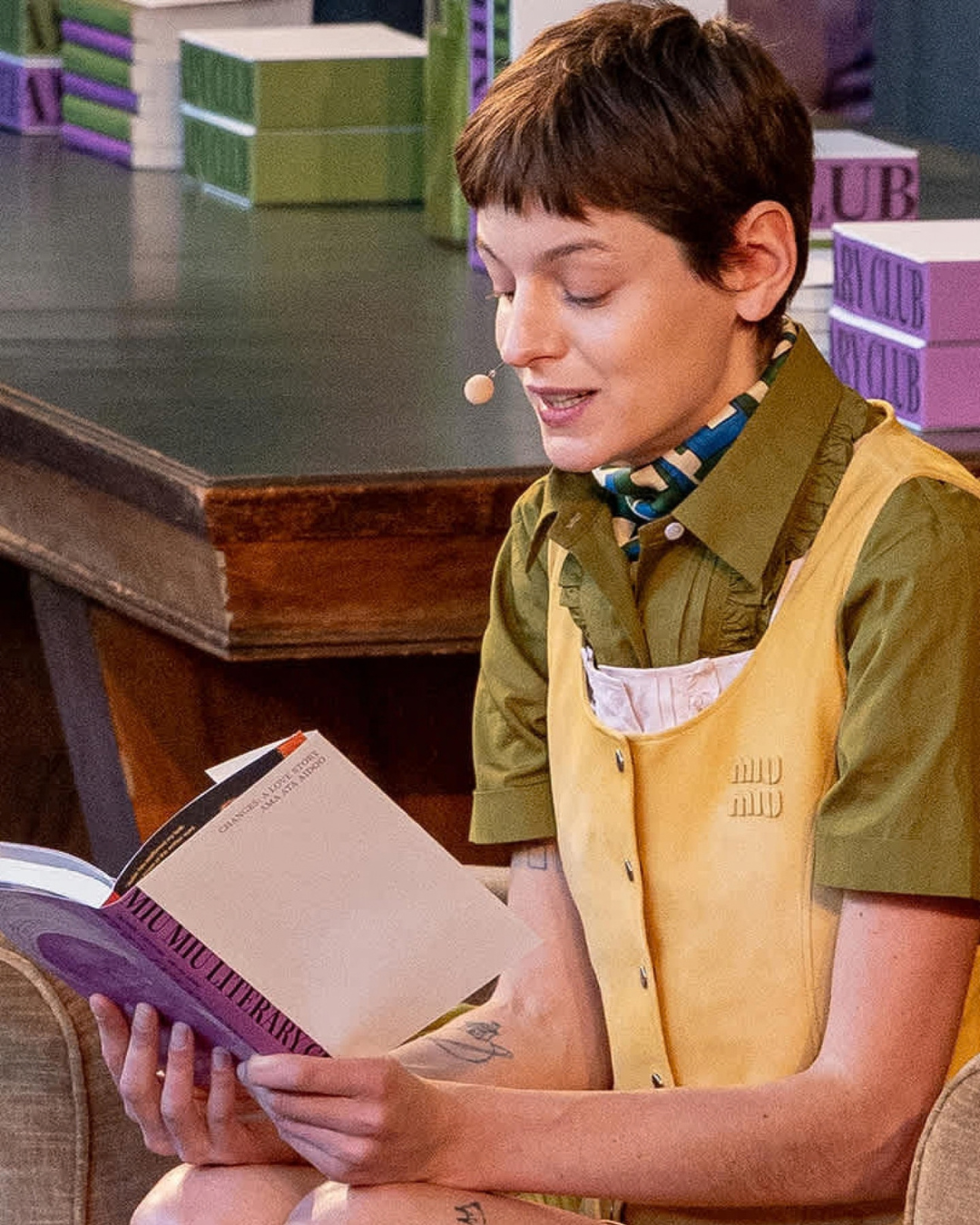
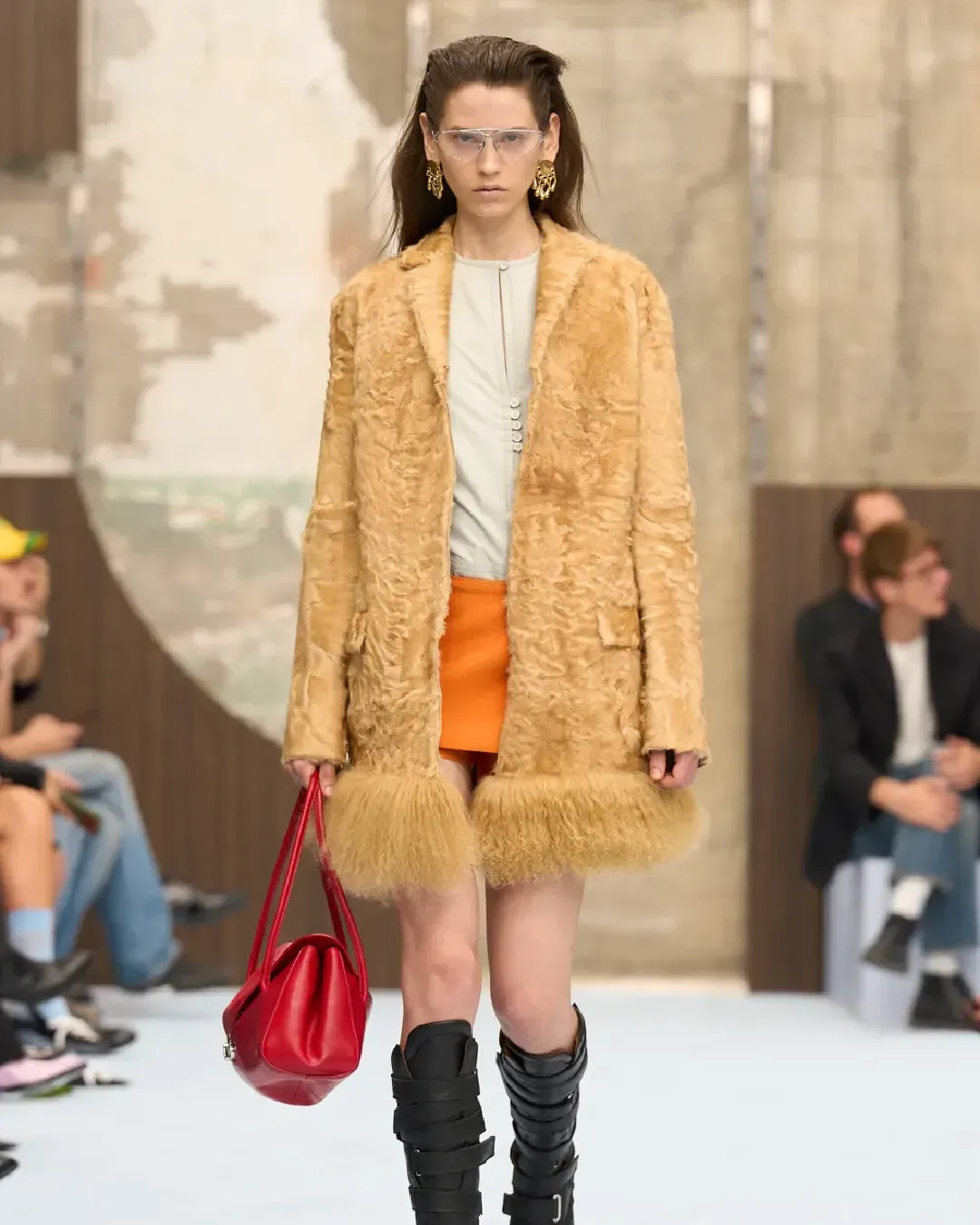
In fact, Gen Z has long been looking to Millennials for inspiration — perhaps without even realizing it. First came the Y2K craze, an aesthetic that recalls the years when most twenty-somethings today were too young to remember. Then came the rise of indie sleaze, the ultimate Millennial trend, immortalized by the cult series Skins. In recent months, there’s even been a comeback of the mid-2010s, with a wave of hipster nostalgia and a romanticization of the Twee aesthetic — filled with vintage-filtered photos (the original Instagram presets, for historical accuracy) and the resurrection of two former arch-nemeses: the side part and skinny jeans. In short, all the milestones of the Millennial coming-of-age have long been featured on the moodboards of younger generations. Just look at how many brands at the latest SS26 fashion week brought back lace-up shoes and floral dresses in mustard yellow or forest green tones, with Miu Miu leading the way.
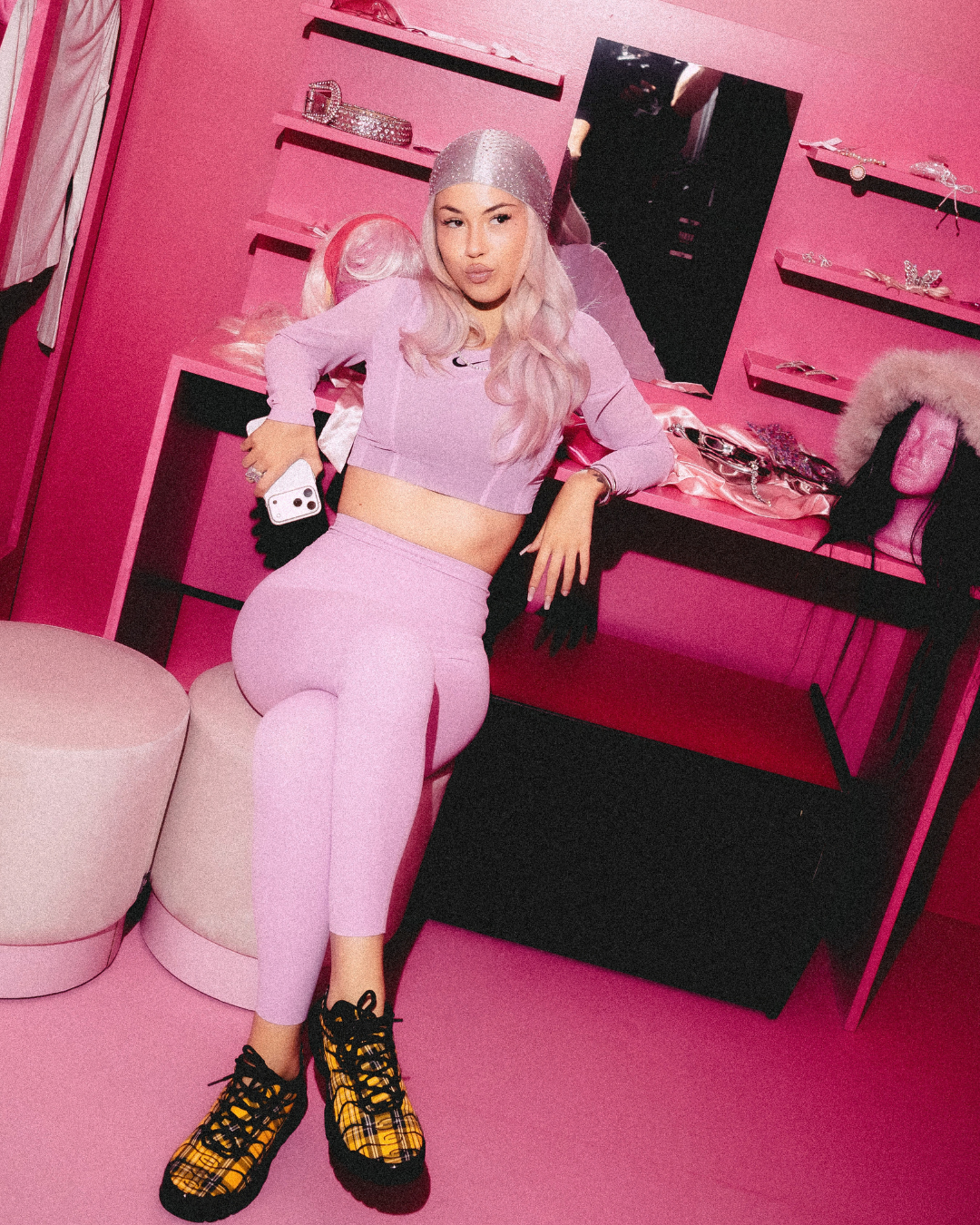
Confirming the timeless appeal of “Millennial allure” is Addison Rae, who, in less than a yea,r has perfectly decoded the balance between the aesthetic and the cringe of the previous generation, reinterpreting it for 2025. It’s not just about performance: the Louisiana-born singer has revived the spontaneity of “silly” selfies, the carefree charm of the manic pixie girl, and the grainy texture of an iPhone 4, turning nonchalance into a new form of freedom. She’s managed to win over even the audience who was most critical of her and solidified herself as one of the main it-girls of the new generation of starlets.
Because being cringe is being free
"cringe is dead! you have free will! do whatever you want!" i say as i shake with anxiety and embarrassment after posting any sort of art or writing because being perceived is vulnerable and Scary pic.twitter.com/UOfpMCOCnp
— kei / marcy (@offthem00n) October 6, 2025
Maybe Gen Z’s real problem is hyper-awareness. Every gesture, outfit, or sentence has to be filtered through a coherent aesthetic, a “personal brand identity”, or at least a potentially viral piece of content. It’s the generation raised in the age of algorithms and digital self-control, where even imperfection must be curated. The “how to be perceived” has become an obsession, paired with the nihilism of the historical moment in which Gen Z has transitioned from adolescence to adulthood.
Millennials, on the other hand, experienced the Internet in its most experimental and chaotic phase. They posted embarrassing statuses, grainy photos, and teenage thoughts without worrying too much about judgment. That freedom has now become a luxury. The “Millennial cringe” is nothing more than the ability to not be afraid of looking ridiculous, to show authenticity even at the risk of being mocked. Perhaps Gen Z, to save itself from judgment anxiety and life’s hardships, should learn just that. Because, as the Internet says, “to be cringe is to be free.”