




































Italy has too many empty houses 1 in 4, the highest number in the entirety of Europe
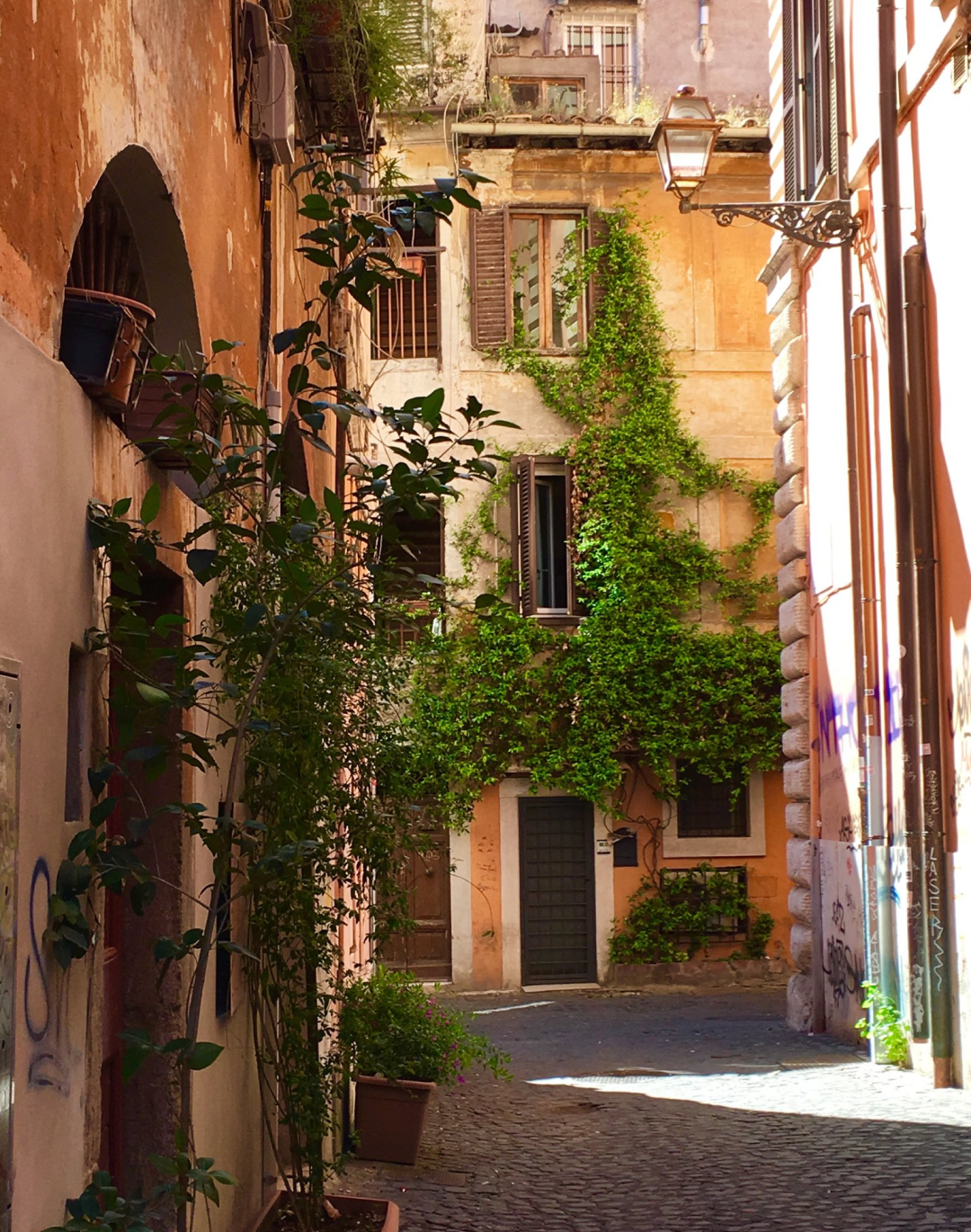
The meme about Gen Z being unable to buy a house is funny until it materializes in the actual housing market. While students and young workers struggle in major cities facing a surge in rent prices, incentives to buy a home in Italy remain virtually nonexistent. This is confirmed by a new study by the Ifel Foundation, which highlights a reality as paradoxical as it is predictable: Italy is the European country with the highest number of vacant homes, one in four to be precise.
Behind this figure lies a structural contradiction that says more than any slogan about the “dream of homeownership.” On one hand, Italian culture continues to equate economic stability with owning property; on the other, the real estate market is paralyzed, divided between abandoned houses, second homes, and a very limited supply of rental properties. In a country where public housing is minimal and social housing fails to meet new housing needs, the home has become a static asset, more symbolic than functional.
How many empty houses are there in Italy?
Dove ci sono più case vuote o abitate da non residenti? I dati Istat mostrano che si trovano perlopiù nelle aree interne, soprattutto in comuni delle Alpi o degli Appennini, ma anche nelle aree turistiche dove ci sono tante seconde case o case vacanze. pic.twitter.com/0sOqTZno4A
— Youtrend (@you_trend) September 2, 2025
According to data collected by Ifel based on Istat and Mef-Agenzia delle Entrate, 55% of Italian families live in an owned home, compared to 47% in France and 41% in Germany. A record that, when read in context, reveals a far more complex reality: Italy accounts for 27.3% of unoccupied homes, three times higher than France (7.8%) and six times higher than Germany (4.4%). In absolute terms, out of approximately 35 million dwellings surveyed, over 9.5 million are unused or only occasionally occupied.
As Alessandro Canelli, president of Ifel, explained, “Italy shows a significant anomaly: more than a quarter of homes are unoccupied.” A figure that cannot be ignored, especially considering that a large portion of these units, around 5.7 million, are properties “available” to families, often second homes or inherited houses that are not placed on the market. This represents a frozen real estate asset that could instead become a strategic resource to counter the housing crisis through targeted tax policies and incentives for rental or renovation.
Where is the social housing?
@francescobeggio Uno dei migliori esempi di edilizia residenziale pubblica ben funzionante di tutta Europa. Wohnpark Alt-Erlaa, Vienna Il complesso è facilmente raggiungibile in metro, si trova appena fuori la fermata omonima della linea U6. Il progetto risale al 1968 mentre l’effettiva realizzazione dei tre blocchi di cemento che costituiscono il complesso fu compresa tra il 1973 e il 1985. Si trattò di un’opera realizzata da un consorzio di architetti e di proprietà dell’impresa di costruzioni GESIBA. Il Wohpark Alt-Erlaa conta 3180 appartamenti, ciascuno dotato di balcone o loggia, distribuiti all’interno di edifici di 27 piani alti 85 metri. All’interno dei suddetti appartamenti vivono circa 11.000 persone. Oltre alle residenze il complesso multifunzionale vanta una moltitudine di altri servizi, come ad esempio tre scuole, una biblioteca, una palestra, un centro commerciale, una chiesa, bar e ristoranti, piscine indoor e outdoor e molto altro. Stiamo parlando di una città dentro la città. Anche dal punto di vista architettonico le torri di Alt-Erlaa sono molto affascinanti. Presentano questo design retrofuturistico/brutalista che sembra quasi ispirato alla fantascienza e che produce nell’osservatore un senso di nostalgia. #alterlaa #wohnparkalterlaa #publichousing #councilhouse #councilhousing #architecture #residentialconstruction #residentialarchitecture #retrofuturistic #brutalism #brutalistarchitecture #modernarchitecture #architecture_hunter #architecturephotography #architecturelovers #architettura #architetturaresidenziale #casepopolari #architetturamoderna #architettura_900 #vienna #vienna_austria #viennaarchitecture #viennagram original sound - AntiNightcore
The European comparison becomes even harsher when looking at social housing. In France, public or subsidized housing covers 11.7% of the housing stock; in Germany, the figure is around 2.5%, but within a rental market that is much more dynamic and accessible. In Italy, however, public residential housing (ERP) accounts for just 2.6% of the total and less than 20% of the rental market.
The report identifies about 781,000 ERP units, 334,000 of which are concentrated in the 14 metropolitan cities. Rome and Milan together account for more than 130,000 units, followed by Naples, Turin, and Palermo. But the issue is not just scarcity: the turnover rate is minimal, with around 16,000 new assignments per year, just 2% of the available stock. In practice, public housing moves at a glacial pace in an increasingly competitive market, where demand keeps rising while public supply has remained stagnant for decades.
Milan as a mirror of Italy
The data recalls the emblematic case of the San Siro neighborhood in Milan, where the promised social housing ended up being allocated to offices and apartments for families with an ISEE income between 10,000 and 40,000 euros. A decision that, according to unions, distorts the project, shifting it more toward social housing than true public housing. Similarly, at the recent opening of the Olympic Village at Porta Romana Yard, project managers announced that once converted into student housing, rents will average around €850 per month, while subsidized rates will cost €592 per month. Prices that are far from aligning with the concept of social housing and that will continue to exacerbate the city’s housing crisis.
Faced with this situation, it is increasingly clear that the problem is not only quantitative but also cultural and political. Italy still views the home as a legacy to be passed down rather than a space to live in, as a static investment rather than a social resource. Meanwhile, major cities are emptying of residents and filling with students and precarious workers forced to chase unaffordable rents or temporary housing solutions. Without a paradigm shift through modern housing policies, renovation incentives, and a real plan for accessible housing, the country risks remaining trapped in its own idea of stability.