


























The future of film is vertical? A TikTok trend raises questions about smartphone cinema
In a special edition of the DVD of Inland Empire, his latest work, David Lynch lashes out against those who use smartphones to watch films. “Now, if you watch the film on a phone, you will never, not even in a trillion years, fully experience the film. You’ll think you have, but you’ll be deceived. It’s so sad to think you’ve seen a film on your fucking phone. Be realistic.” Asking to be realistic from the most dreamlike author who has ever existed is certainly a paradox, but the feeling expressed by the father of Twin Peaks is legitimate, as much as having found in watching cinema on a phone an impoverishment of the viewing experience, both collective and personal. A further lowering of concentration that over time has focused more and more on the black boxes we hold in our hands every day and that have forever changed the way we understand the consumption of TV series and cinema.
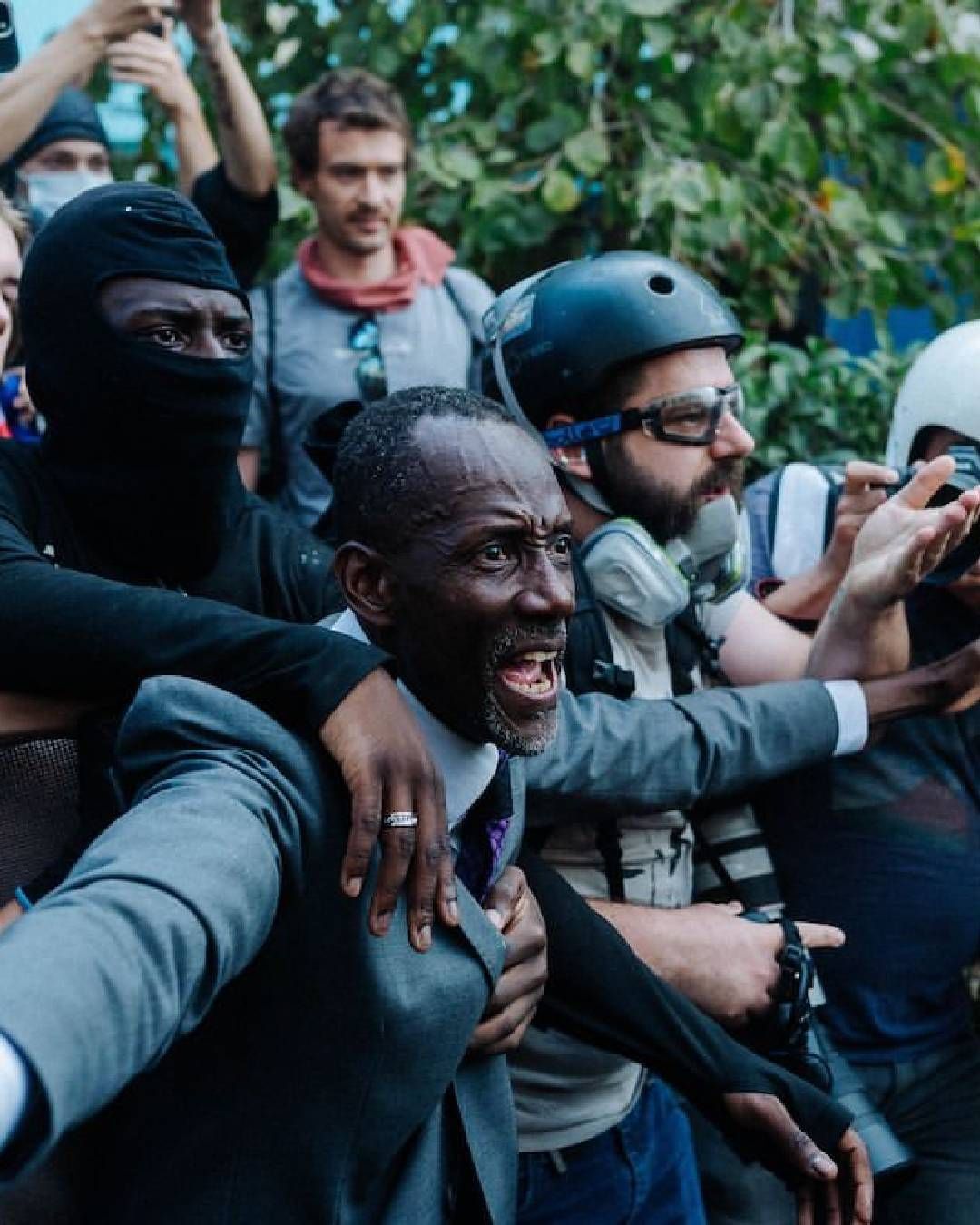
@volentless The Truman Show, but vertically… #thetrumanshow #trumanshow #nostalgia #corecore #cinema #film #movies #fyp Jacob and the Stone - Emile Mosseri
The first consideration to make about David Lynch’s words is how much smartphones were already becoming a force at the end of the early 2010s of the 2000s, when the DVD of Inland Empire was released. The second is that, just like many innovations that the seventh art ends up absorbing, even that of watching through an increasingly smaller screen has ended up becoming a circumscribed and limited experience, which has never really taken root and will never condition the hegemony of the theater—unlike home-video distribution, which instead has excellent cards up its sleeve.
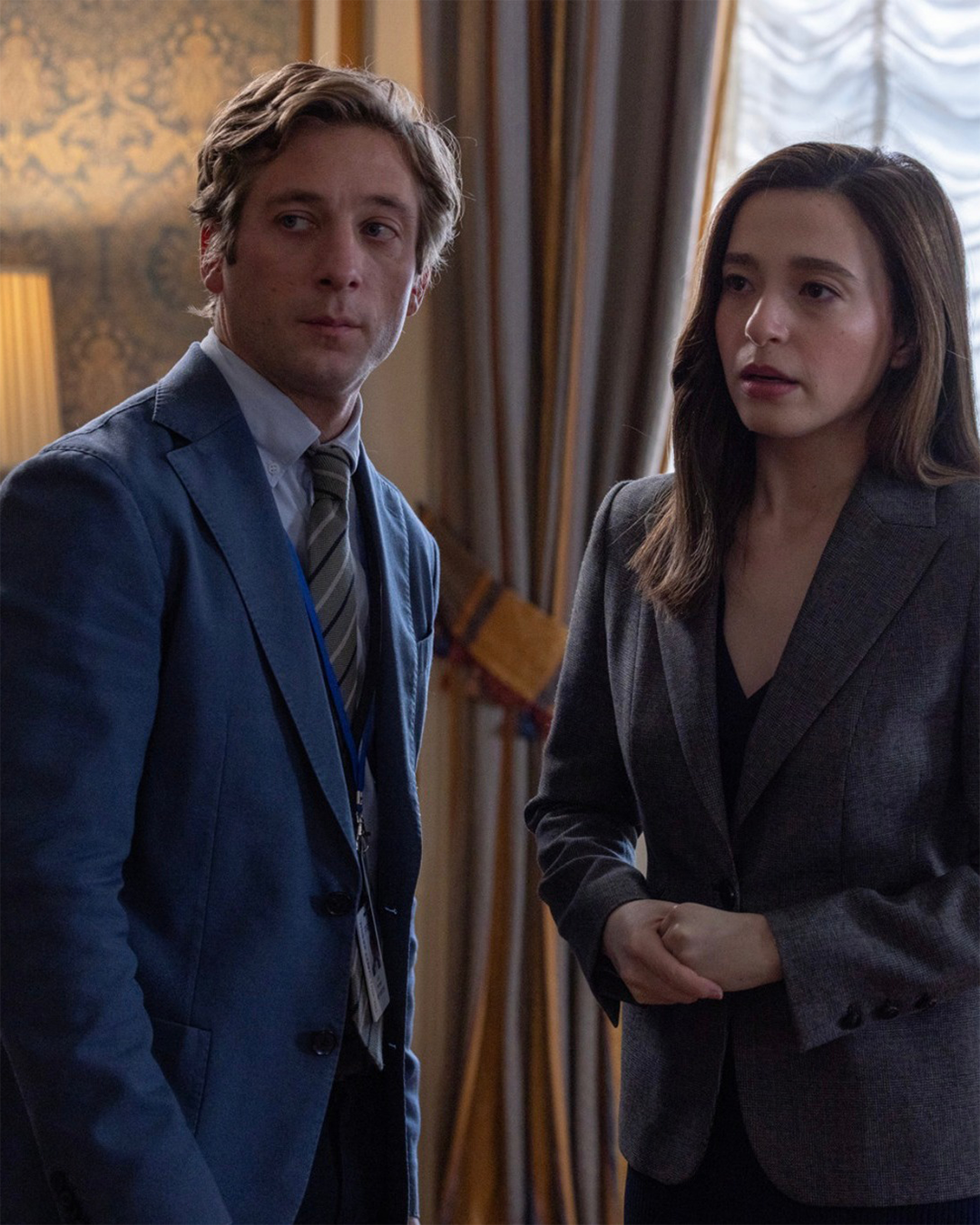
@secondminutehour_ what if The Virgin Su1sides was filmed vertically? #thevirginsu1sides #movie #verticalmovies #cinematic #drama som original - julia
If in recent times the use of smartphones, particularly iPhones, has returned to prominence, it is for two reasons that are distant yet both linked to the same device. On the one hand, there is a trend that has influenced and conditioned the phone-cinema relationship, namely the increasingly insistent—and annoying, it must be said—practice of taking photos of the big screen during the screening of a film. Whether it’s an indoor theater, a summer arena, a festival preview, or a promotional event, there will always be someone who timidly—but then not so timidly—raises their phone and tries to capture the most Instagrammable moment to post on their profile. On the other hand, attention has returned to the productive focus that smartphones attract, especially when wanting to work from the bottom (or the cheap side) or trying to find, through an unusual eye, the most original and innovative way to tell one’s stories.
Really enjoyed 28 Years Later, but those iPhone death scenes felt a bit gimmicky. Looked like they shot them with two iPhones from opposite angles instead of going full Matrix-style 180° POV. Abrupt and oddly staged. #28YearsLater pic.twitter.com/Ls1vFUtwMD
— Parag Sankhe (@ParagSankhe) June 24, 2025
It is no coincidence that the topic of films shot with iPhones was once again particularly discussed with the release of the sequel 28 Years Later, shot by veteran Danny Boyle, whose use of small devices led the director to expressive and formal freedom for his latest apocalyptic horror, leading to the rediscovery of those who preceded him in such a practice (among others Sean Baker and Steven Soderbergh) and to study the results.
All this, however, still has little to do with the actual invitation to watch films on smartphones, with the authors who, while using them for their works, always hope that viewers will go see them in theaters. Among the mentioned names, perhaps only Soderbergh has not always thought the same, quite the opposite. In 2018 came the release of his series Mosaic, a revolution for television (although the show did not receive much acclaim) where the story unfolded not only with its release on Sky Atlantic, therefore on a “traditional” device. Rather, it was through a dedicated app that had to be downloaded on one’s phones that one could choose how to continue watching the story and decide which storylines to delve into, giving carte blanche to the user thanks to interactive participation.
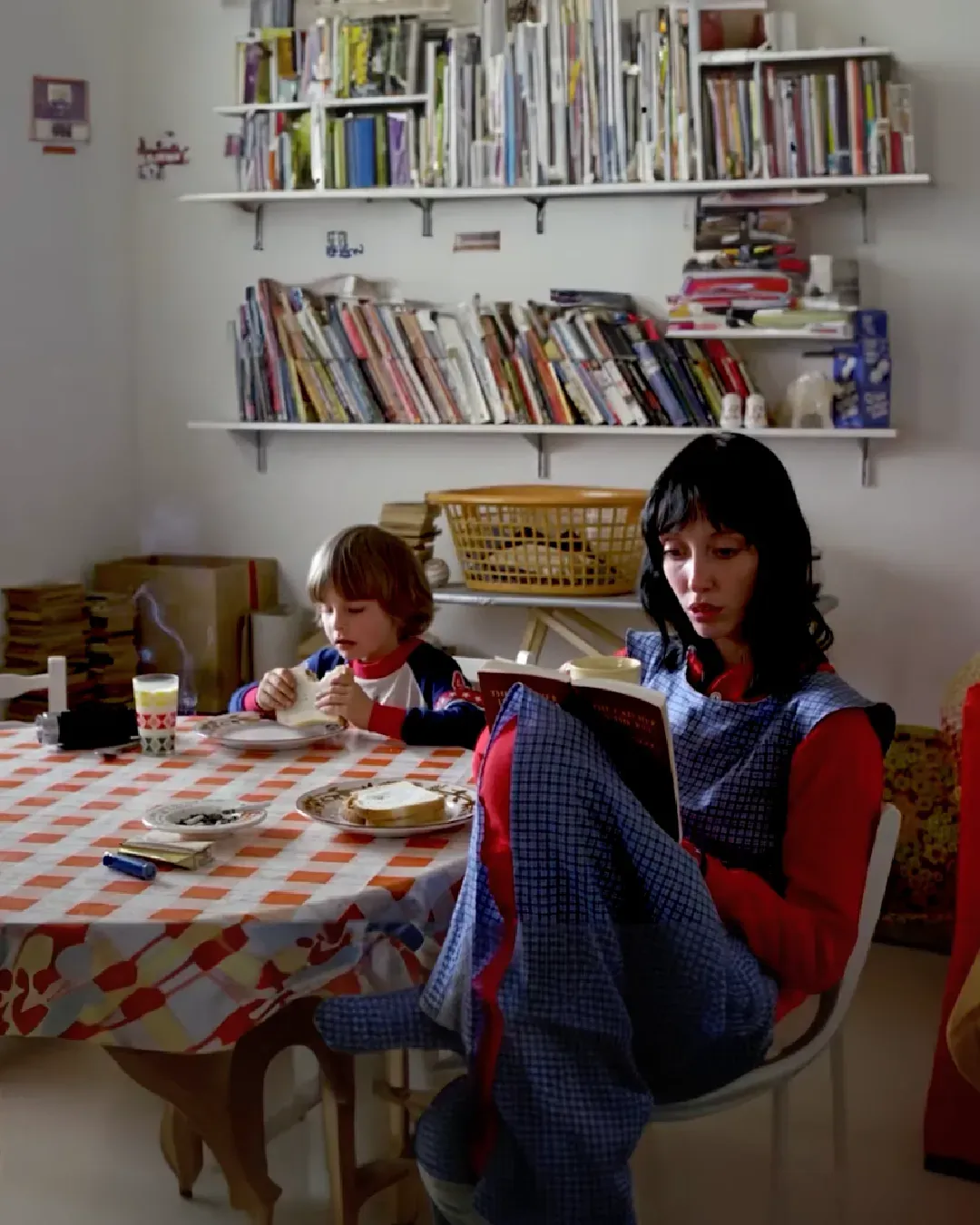
@cinematicvertical If Dirty Dancing was shot vertically Dirty Dancing, 1987. #dirtydancing #filmedvertically #verticalmovies #verticalcinema #romcom #moviescenes suono originale - cinematic
2018 is also the same year in which the Vertical Movie Festival was established in Rome, an event entirely dedicated to works shot vertically, a format that distinguishes videos on phones and social media and that aligns with the ways of consumption of our times, even leading a twentieth-century author like Peter Greenaway to announce that he wanted to shoot his first film vertically—although of those good intentions, no trace was ever seen again.
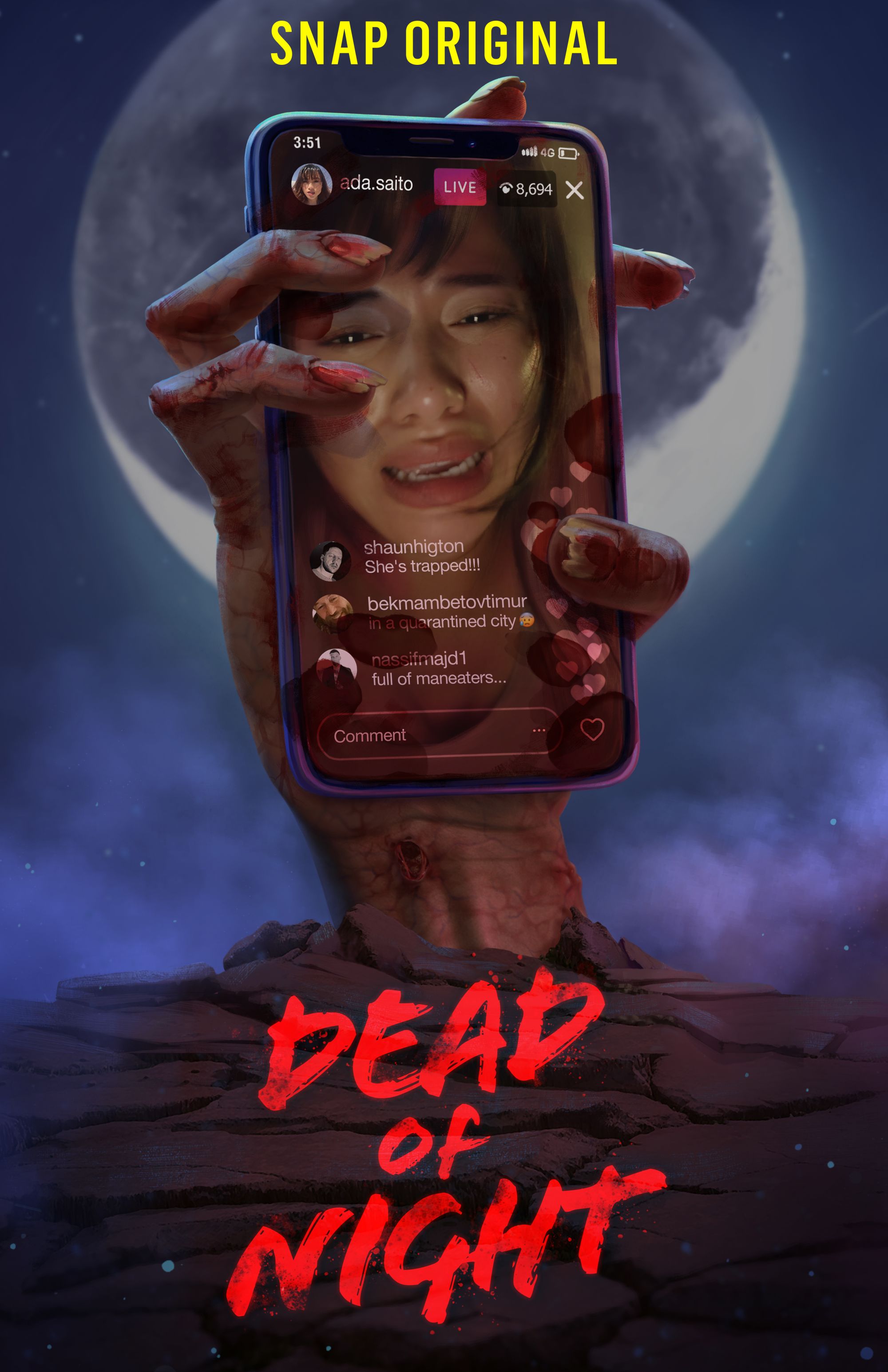
Beating him to it was Timur Bekmambetov, a director who, after a flashy action film like Wanted - Choose Your Destiny and a flop like the 2016 remake of Ben-Hur, released in 2021 the first vertical blockbuster, V2. Escape From Hell, which followed his serial experiment Dead of Night developed for the Snapchat app.
@madelaineturner happens all the time #shortfilm #fyp original sound - Madelaine
Even an institution like the Cannes Film Festival, which has never welcomed a vertical-format work among its titles, soon exploited the potential of video diffusion through devices to tell the event from another point of view, entering in 2022 into a partnership with TikTok for the creation and dissemination of content on social media, in addition to the short film competition #TikTokShortFilm. So if even the Mecca of cinema has given in to the lure of smartphones, why shouldn’t viewers?
I knew I was getting a first screening ticket for Christopher Nolan’s The Odyssey in IMAX 70MM but I was not prepared for how colossal it was pic.twitter.com/M9OfsSCb6v
— ambrr (@mbrleigh) August 27, 2025
In any case, even though people are increasingly seen not giving up watching their favorite series in unlikely situations, while walking down the street or on a crowded subway at eight in the morning, cinema—and David Lynch—should not fear too much competition with phones, even though they have certainly gained a place in the market and in people’s daily use. The numbers are not the most exciting, but there are surprising cases: exactly one year later, Christopher Nolan opened pre-sales for his next film The Odyssey, set to be released on July 17, 2026, with a record advance sale for Imax tickets, reserved for selected theaters. The exact opposite of watching on a smartphone—much bigger, louder, expansive, and with already sold-out screenings. So it seems many will continue to prefer films in theaters rather than on their phones, of which at most—and unfortunately—we will have to endure the lights of the screens while they snap a photo for their Instagram.