









City Guide for creative people in Milan Five places to discover the city beyond tourist stereotypes
We think we know everything about our cities, but in reality, there's always something around the corner that escapes us. The urban stage becomes a vast place for research, work, conscious relaxation, or mindful shopping. Thus was born the City guide for creatives: a list somewhere between a survival kit and an alternative map for those who live in or pass through cities with sensitivity, imagination, and critical thinking. A project designed for those who work in the creative industries or simply resonate with rhythms, spaces, and certain silences far from tourist chaos. We start from Milan to suggest five places that offer depth, pause, and vision. This guide is not a checklist of places to tick off like a mechanical to-do list, but an invitation to slow down, observe, and choose where to stop, even just for an afternoon. For those who create, design, write, or simply imagine, living in Milan today means looking for places that resemble one's way of being in the world. Places where one works better, thinks more calmly, or feels less out of place. Even if it may seem unwelcoming, summer is the right season to discover Milan up close.
Galleria Massimo De Carlo
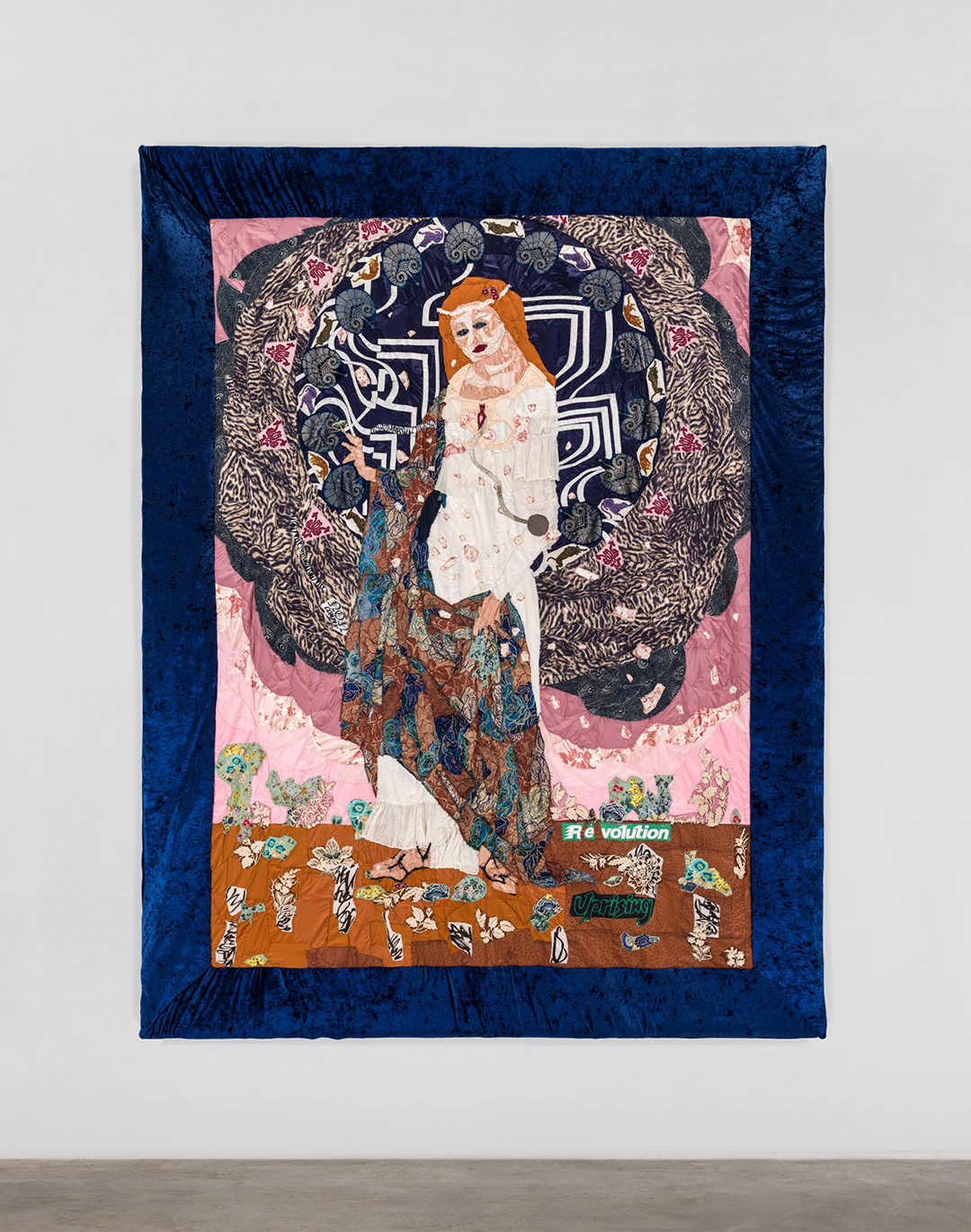
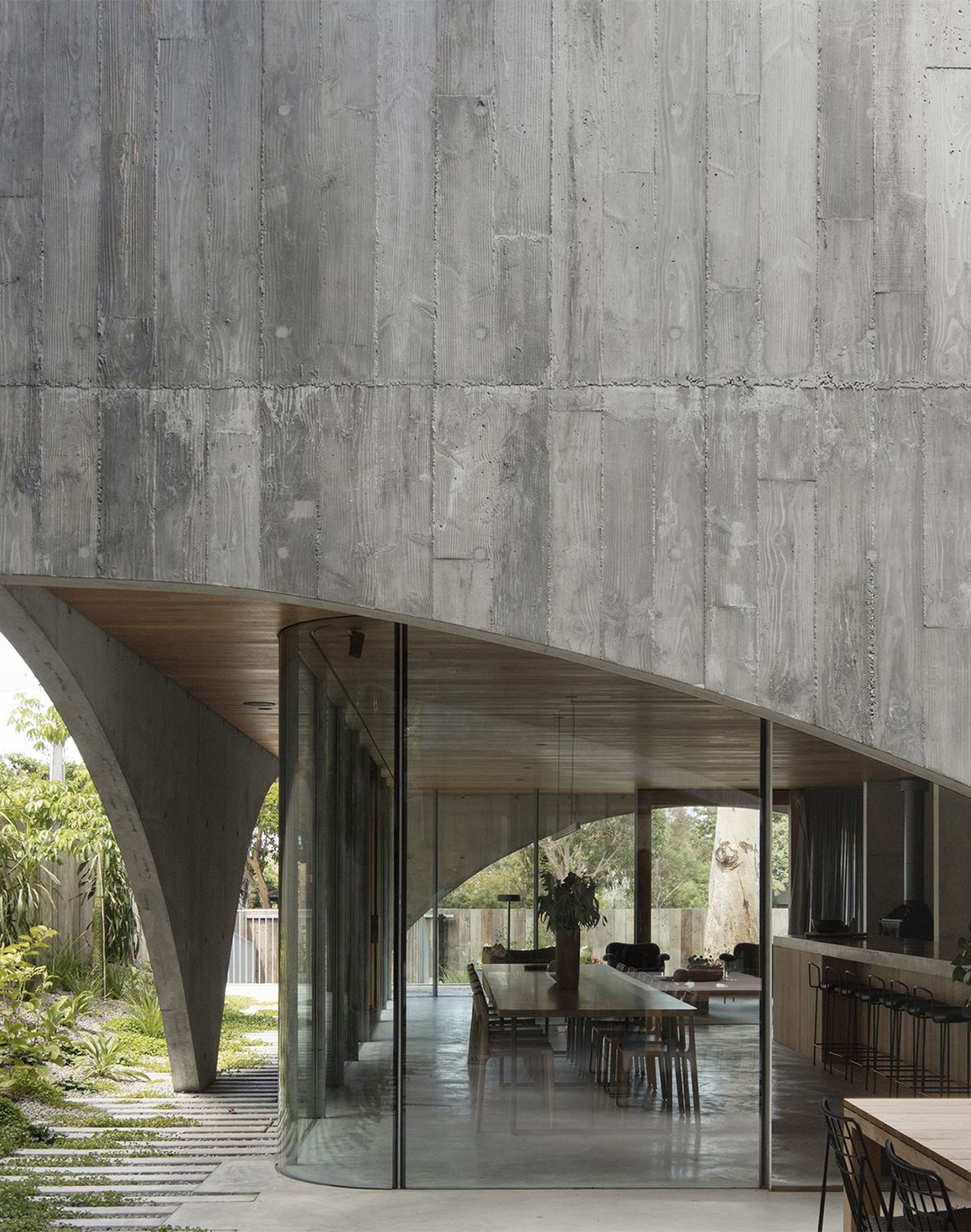
A stone’s throw from Città Studi, in a very quiet area reminiscent of a Milan from another time, the studio/gallery of one of the world’s most important gallerists, Massimo De Carlo, is located in the iconic Corbellini-Wassermann house designed by Pietro Portaluppi in the mid-1930s, an incredible and wonderful example of Italian Rationalism – those who think all Milanese galleries are the same have clearly never rung the bell at number 17 on Viale Lombardia. Massimo De Carlo has transformed a bourgeois home into a place where the exhibition experience can be lived, even by novices, as true collectors. In this relaxed and silent environment, one might find themselves alone and enjoy the free exhibitions for hours, featuring exceptional and elegant selections of international artists and an incredible ability to anticipate tastes and trends years in advance, giving the impression of being tuned into the changes of Contemporary Art (just think of the 2022 exhibition by Shannon Cartier Lucy, The secret ingredient is death, or the current one by Jenna Gribbon, Rainbow in shadows, open until September 6).
Micamera Isola
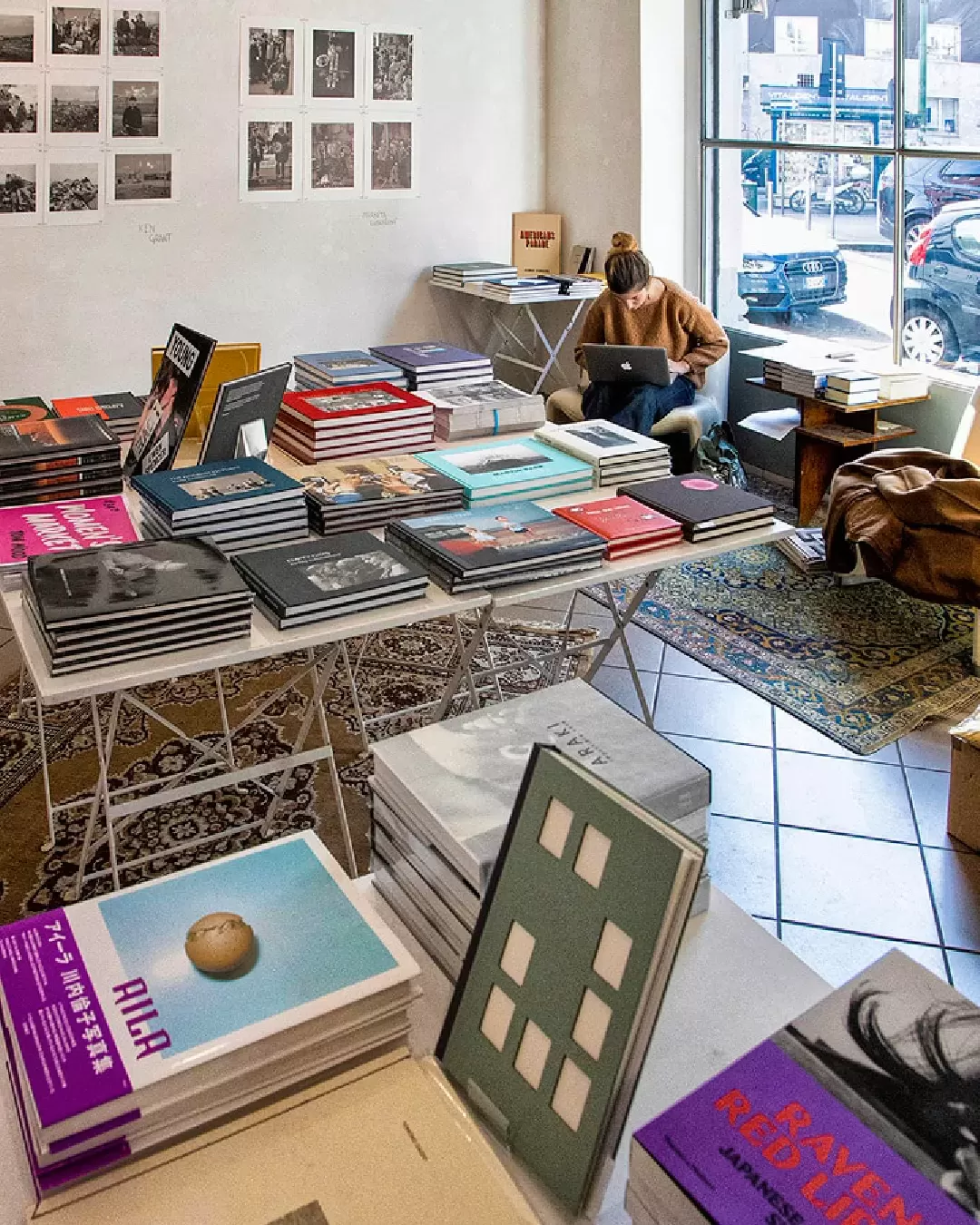
In the heart of Isola, among cafés-coworking spaces and barber shops, a place still survives where photography is still taken seriously. Micamera is a bookstore-gallery that thinks in images, but without forgetting the right words. It’s a happy space: its focus and research on photography make the possibility of getting lost in research a true act of liberation, a leap into the unknown—but with a clear focus area. Besides a vast selection of books, the space invites visitors to stay with comfy armchairs and a cultured, kind staff eager to help. The bookstore also organizes exhibitions and acts as an agency, supporting and helping creatives in the creation of their editorial work.
Triennale Gardens
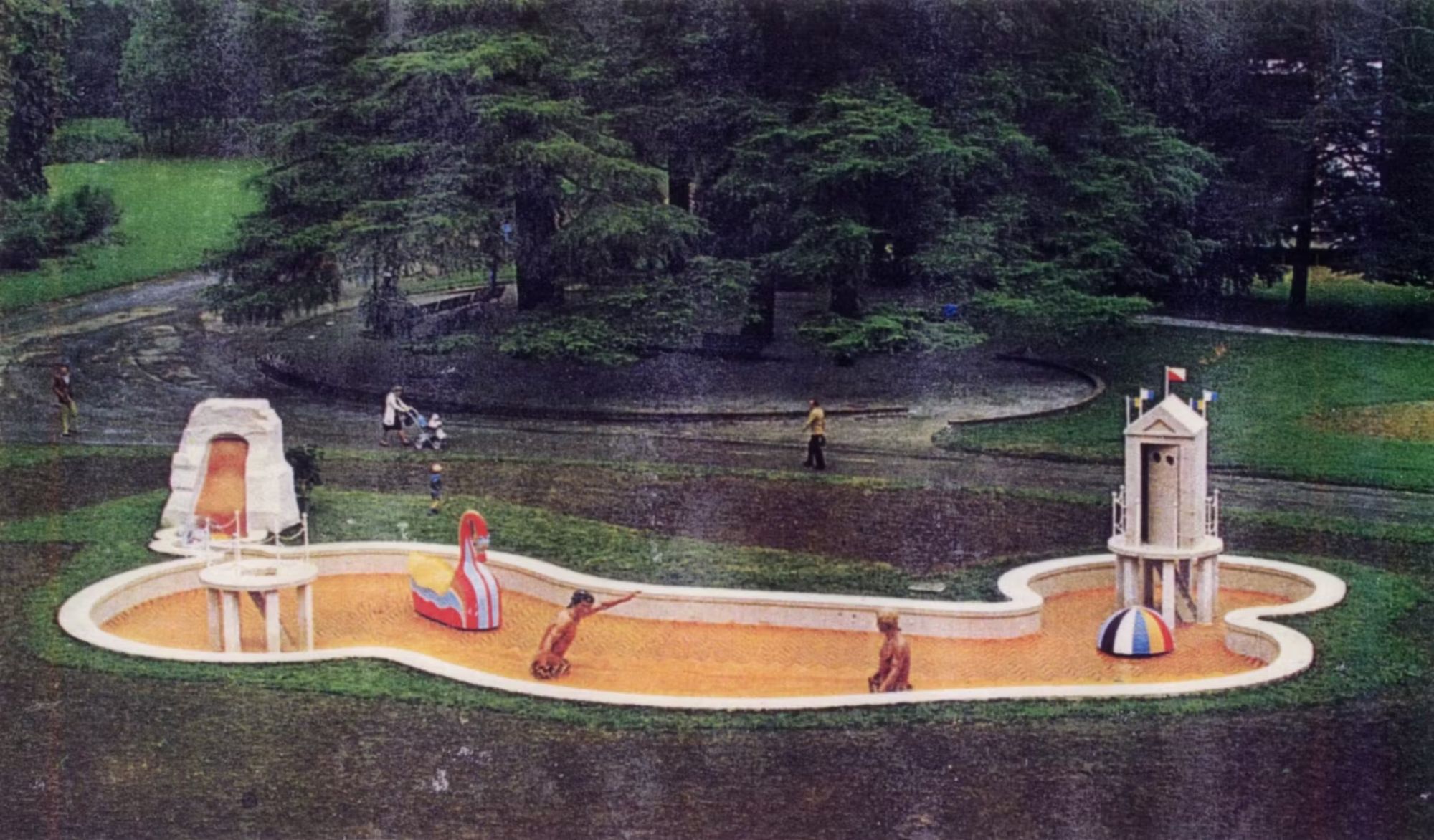
The city of design becomes more honest when it allows itself some perspective mistakes. The Mysterious Baths and that surreal portion of Parco Sempione seem to come straight out of a dream, and nowadays it feels like living inside a dream would be the best way to face the present. Parco Sempione is a welcoming place in summer and can also serve as a moment to revisit a slice of 20th-century art history. Between Burri’s Teatro Continuo and Giorgio De Chirico’s fountain, the park still holds fragments of the great utopia of the 1973 Triennale. Where once you could float among ephemeral installations and open structures, today there remains an echo of that idea: art as a space to inhabit, not just observe. The drawings for the Mysterious Baths were conceived by De Chirico for a staging of Cocteau’s Martyrdom of Saint Sebastian, and that detail alone would be enough to remind us that Milan, when it wants to, can still make us dream.
Issey Miyake Store
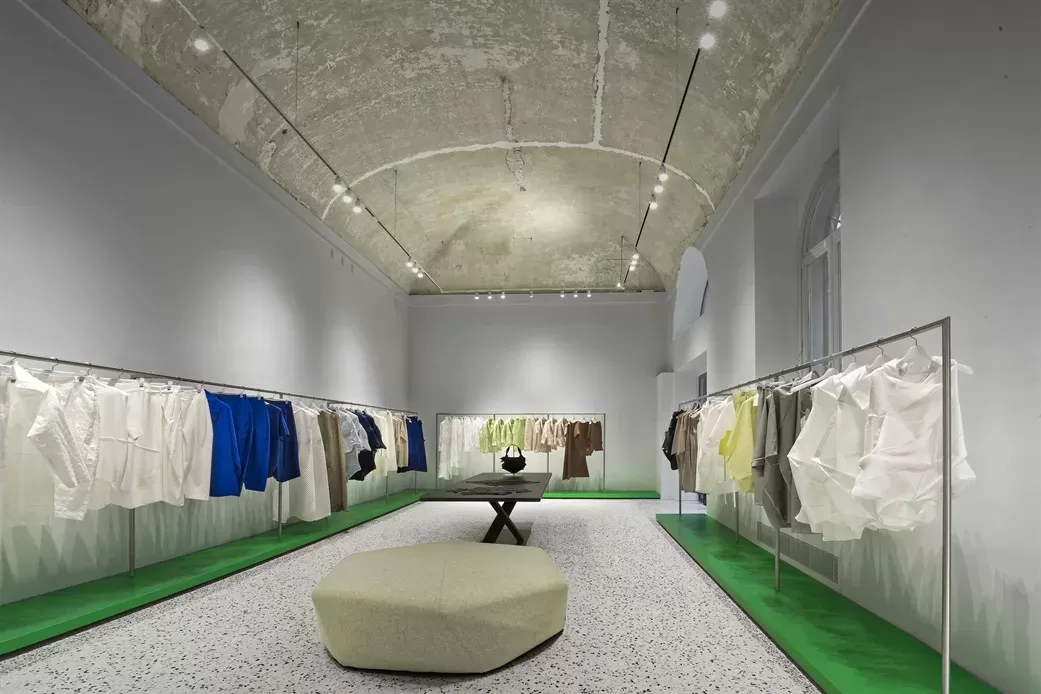
Not all of Via Napoleone speaks to the same audience. On a quiet little street just steps from the Fashion District, the Issey Miyake flagship store seems designed for those in no rush. Space and garments converse in balance, with much silence and great respect for the brand founded by the eponymous Japanese genius – who passed away in 2022 – and who graced the cover of Time in 1976. Designed by Tokujin Yoshioka, the store is conceived more as a listening space than a commercial one: it invites passersby to sit, explore, touch, and try until they find the perfect pleated second skin.
Cinema Godard
It might seem like an obvious suggestion, but it's not. The Prada Foundation is often perceived as a fashion show set, a symbol of gentrification, or a trendy museum—yet above all, it was designed as a gift to the city. To understand this, one just has to take a step back and move beyond the exhibition circuit: the outdoor spaces are public, accessible without a ticket, and perfect for a break at Bar Luce while waiting for a movie. The advice is simple: keep an eye on the Cinema Godard program, running until July 13. Designed by the OMA/AMO team led by Rem Koolhaas, the Foundation’s cinema is more than just a screening room—it's a manifesto on how to watch a film today. Affordable prices, student discounts, and a rigorously curated selection make this space one of Milan’s best-kept cultural secrets. Strongly supported by Miuccia Prada, the project dared to imagine a new Milan starting from one of its most forgotten areas. And it succeeded, never ceasing to speak to those with little to spend but much to think about.