























The iconic design of Italian beach clubs Between tradition, visual identity and transformation in Italy's most historic shores
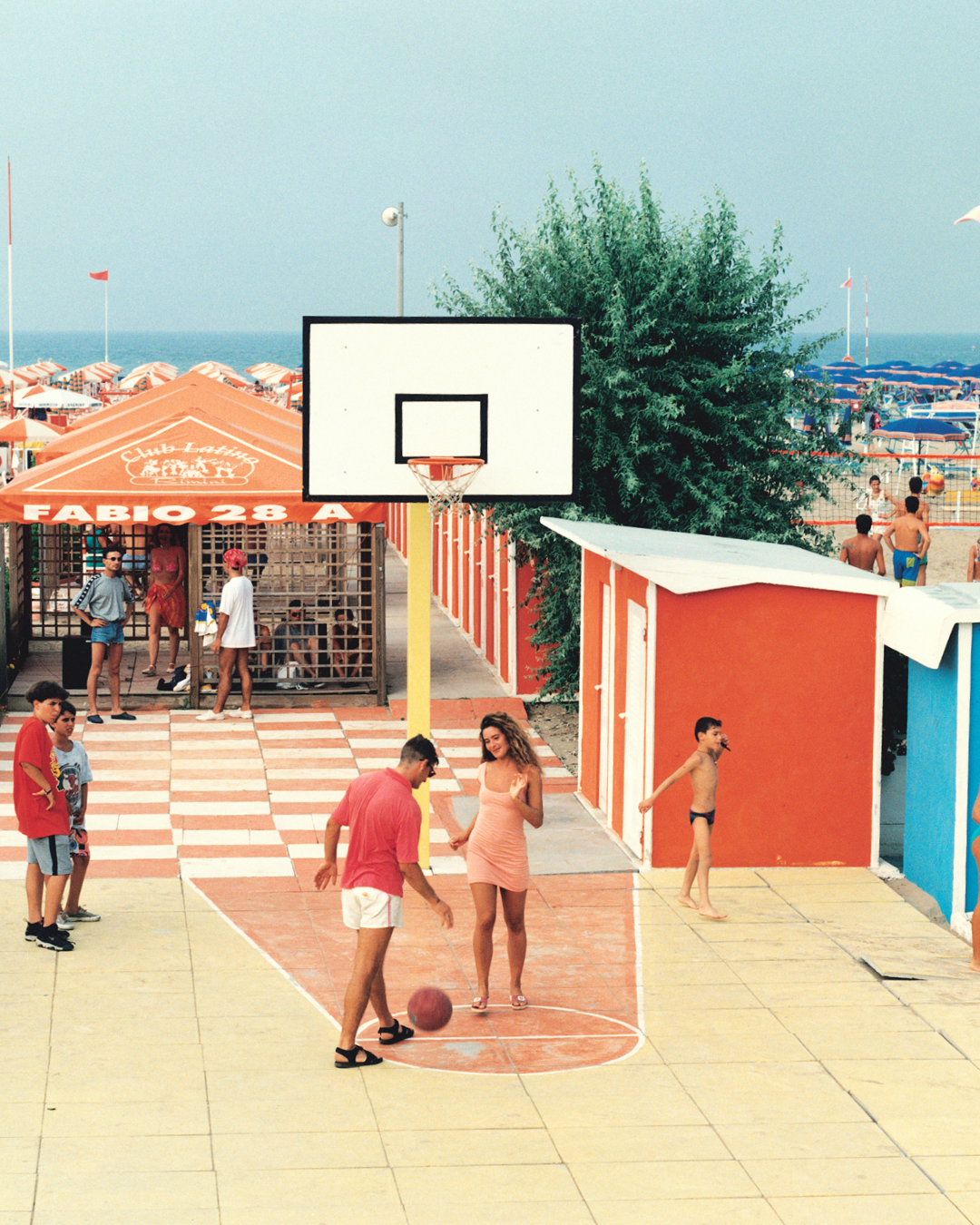
From North to South, Italian beaches are not simply places for leisure and relaxation under the scorching sun — they are authentic cultural microcosms, complex temporary urban structures, and semi-public spaces where aesthetics, collective memory, and social function intertwine in often unexpected ways. The design of beach resorts — from faded cabins that have witnessed generations pass by, to striped umbrellas sketching infinite horizons, and colorful kiosks where the scent of Sammontana ice cream blends with the sea salt — represents one of the most layered, evocative, and yet least studied forms of Italian landscape. And perhaps it’s time to take it seriously, recognizing its value beyond the surface. Consider Versilia, with its neatly ordered and monochrome resorts: white canopies and evenly spaced loungers, a seaside “mise en place” that echoes the bourgeois rigor of Forte dei Marmi’s architecture. Or the Lido of Venice, where the Art Nouveau style of the historic cabins resists homogenization, and where the aesthetic lives in glossy, nostalgic details, like the “Hotel Excelsior” sign in 1930s-style serif lettering. In the South, the beach resorts of Gallipoli or Mondello mix vintage geometry and visual chaos, with bright colors, signage, and plastic materials that have survived decades of sun.
@kcacoilo So good we had to go two days in a row #taormina #sicily #lidolapigna #sicilybeach #italiansummer #europeantravel #bucketlist #dreamtrip Can I Call You Rose? (Cover) - SOLOMON
This aesthetic heritage is often ignored or seen condescendingly, yet it holds a true expression of spontaneous design, shaped by the climate, available materials, local economies, and above all by Italian leisure rituals. And if some resorts today appear to have aged poorly, it's also because we’ve never truly protected or valued them as they deserve. In Italy, there are over 30,000 maritime state concessions for tourism and recreational use, about 50% of which are beach resorts. According to a 2023 Legambiente report, in some regions such as Liguria, Emilia-Romagna, and Campania, over 60% of beaches are occupied by resorts. These figures underscore how beach aesthetics are not marginal but rather an integral part of the coastal landscape and the national visual identity. Yet while beach resorts were once inherently popular places, accessible to various social classes, and often managed by local families who embodied a sense of community, today’s trend is quite the opposite: aggressive privatization and seaside gentrification. We are witnessing the rise of exclusive beach clubs, designed by renowned architects and often backed by major investment groups, offering neutral and “international” color palettes, canopy beds, and VIP areas inaccessible to most. These are places where the aesthetic experience is flawlessly curated — but also standardized, decontextualized, and often indistinguishable from Ibiza to Mykonos to Dubai. The risk is turning the coastline into a sequence of globalized non-places, losing the uniqueness and inclusivity that once defined traditional Italian lidos.
But what do we lose when everything becomes homogenized? We lose the historical memory of places and people, the cultural references that connect us to the past, along with that seaside grammar made of bold primary colors radiating joy, hand-drawn calligraphic fonts on kiosk signs, inexpensive but instantly recognizable tiles lining the counters, and umbrellas proudly displaying the logo of childhood-favorite ice cream. In short, we lose not only a local identity but a shared visual language that has shaped the imagination of entire generations of Italians. That’s why today, amid a climate crisis that threatens our coastlines and an over-tourism wave that risks stripping them of their character, it’s urgent to rethink the seaside landscape not just aesthetically, but also ethically, socially, and culturally. We must ask ourselves: who can truly afford this new aesthetic? And more importantly, what are we losing in terms of identity, accessibility, and sense of community in the process of this transformation?