
Do we still love Chrome Hearts? Hype Culture may be over, but Its success isn't
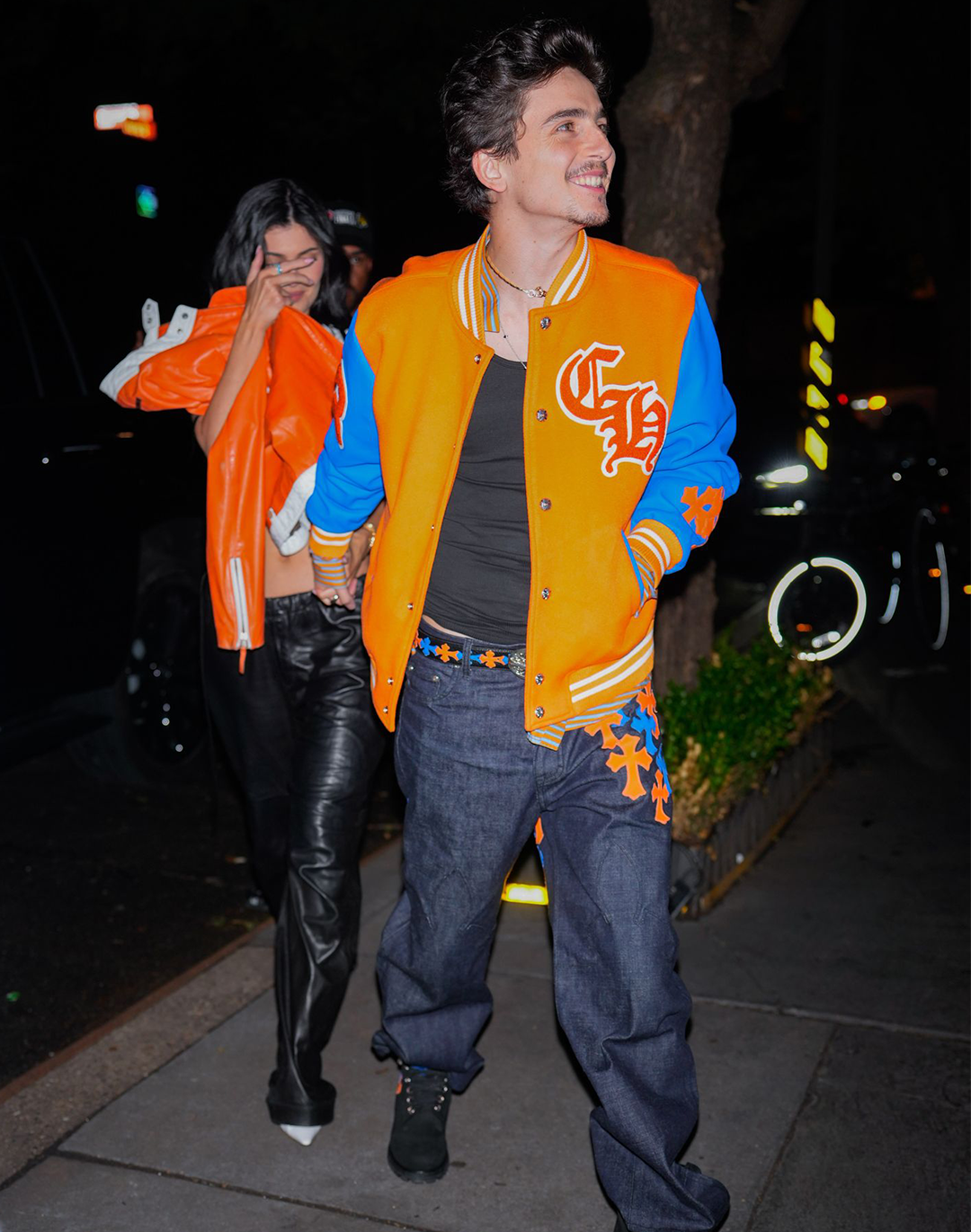
Chrome Hearts has never truly been a brand enslaved to hype culture. If anything, it could be argued that it helped shape it, albeit not in the conventional sense of the term. Today, the brand founded by Richard Stark is experiencing one of the most visible moments in its history, fuelled by the interest of younger generations and the influence of K-pop, hip-hop, rap and trap culture. Yet its most coveted pieces continue to evade the mechanisms of fast fashion and contemporary virality.
Through its clothing, jewellery and leather goods, Chrome Hearts still retains that distinctive “If you know, you know. And if you don’t - f*** you” attitude—as the Stark family motto famously goes—even though it has become a global luxury business with dozens of boutiques and nearly four decades of history. Gaining access to certain stores often requires securing an appointment after lengthy waiting lists, while many of the brand’s most sought-after pieces remain difficult to obtain even for those who can afford them. To this day, many wonder how the brand has managed to survive the culture of ephemerality, limited releases, logo mania and the relentless visual and media overload. Its success, however, lies precisely in having done the exact opposite: withdrawing from it.
The Making of a Myth
Founded in 1988 by Richard Stark alongside John Bowman and master craftsman Leonard Kamhout, Chrome Hearts began as a business specialising in leather jackets, motorcycle accessories and belts. From the outset, the brand developed a highly recognisable aesthetic built around an imaginary that blended biker culture, American craftsmanship and Gothic iconography. Its public image emerged organically through the music world. Long before influencer marketing and celebrity strategies existed, figures such as Steve Jones of the Sex Pistols, alongside members of Guns N' Roses, Mötley Crüe and Aerosmith, began wearing the brand, helping cement its mythos.
From the very beginning, Chrome Hearts was never conceived to follow trends but to create an autonomous universe. More than a fashion label, it positioned itself as a cultural community built on craftsmanship, exclusivity and belonging—what today might be described as an aspirational lifestyle. It is likely this very characteristic that has enabled the brand to navigate decades of change within the fashion industry without losing its relevance.
@nssmagazine Cher is a long-time supporter of Chrome Hearts. Her close relationship with the Stark family even prompted Richard to ask her to present him the CDFA Accessories Designer of the Year award in 1992 #chromehearts #stark #richardstark #pop #fashion #cher #cdfa #chromeheartsjeans #accessories out thë way - user18786667805
If encountering Chrome Hearts once felt rare, today the brand’s appearances continue to fuel desire, particularly through bespoke pieces that embody the most authentic expression of its identity. From Kim Kardashian and Timothée Chalamet to Cher, a longtime supporter of the brand, and Karl Lagerfeld, who appreciated its jewellery and made-to-measure leather craftsmanship long before its mainstream rise.
The younger members of the Stark dynasty continue to embody the brand’s aesthetic. Jesse Jo Stark, singer and artist, and Kristian Stark, who appears more rarely on social media, help sustain an imaginary composed of baggy denim, graphic T-shirts, polished metal hardware and Chrome Hearts jewellery—a perfect synthesis of luxury and subculture.
The Other Side of Chrome Hearts
It is worth noting that Chrome Hearts’ true value lies in being iconic and instantly recognisable through a handful of signature products: Gothic cross rings, rock-inspired necklaces, graphic T-shirts, socks and logo-emblazoned underwear—items that resonate more directly with a mainstream audience. Yet what remains invisible to many newer fans are the strategic moves the company has made within today’s market. While most consumers focus on acquiring rings and logo-heavy garments, the family-run business continues to expand, also benefiting from the momentum of a thriving vintage and collectors’ market, which in Japan has become one of the most profitable forces within the fashion industry.
What sets Chrome Hearts apart from many contemporary brands is that its value does not end at the moment of purchase. For many collectors, the real journey begins afterwards. The scarcity of certain items, the difficulty of obtaining them and the constant growth in demand have contributed to the emergence of an exceptionally robust secondary market. Within Japan’s luxury scene, Chrome Hearts has cultivated a parallel ecosystem built on rarity, authenticity and the value of its legacy. Purchasing a piece directly from the brand can involve barriers comparable to those associated with Hermès: appointments, limited availability and an increasingly sporadic presence of certain sterling silver jewellery lines.
At the same time, the company has expanded its offering far beyond jewellery, producing virtually anything, from childrenswear to embellished denim that can exceed $10,000, as well as leather furniture and a wide range of lifestyle objects. In districts such as Harajuku, shops specialising in Chrome Hearts operate almost like archives—cultural hubs for collectors. One such example is Kouhey Ishii, a reseller who has become widely recognised within the industry for building his reputation through an in-depth understanding of the brand’s heritage, a network of private sourcing channels and an ability to interpret the collective desire surrounding Chrome Hearts.
Aspirational Value in the Market
Among these spaces, The Used, both an online and physical store, is arguably one of the most recognised. There, Ishii acts as authenticator, buyer and manager, developing sourcing networks while closely monitoring shifts within the Japanese Chrome Hearts market. Speaking to Jing Daily, Ishii explained that his passion for Chrome Hearts began in 2013. “At the time, the K-pop group BigBang was hugely influential in Japan and many of its members wore Chrome Hearts. Their popularity helped spark what I consider the brand’s second major boom in the country.”
His testimony demonstrates how, despite gradually moving away from its purely rock-oriented roots, Chrome Hearts has continued to function as a cultural marker of quality, belonging and subculture. A subculture that, over time, has learned to engage both with those who originally built those scenes and with a broader audience, steadily cultivating its desirability. According to Ishii, the most sought-after products have changed over the years. While larger, more ostentatious pieces once dominated demand, today the market appears to favour smaller pendants, understated rings and denim embellished with the brand’s iconic leather crosses. Yet the mechanism that fuels desire has remained remarkably unchanged.
“Back then, just as today, trends were primarily driven by celebrities and artists wearing the brand.” In recent years, however, the phenomenon has taken on a truly global dimension. Before the pandemic, most customers came from Asia; today, it appears that people from all over the world are seeking out Chrome Hearts.
One of the brand’s greatest strengths is its ability to speak to different audiences. Some begin by purchasing sterling silver jewellery, while wealthier collectors gravitate towards pieces crafted in 22-carat gold set with diamonds and precious stones. Although its roots lie in biker culture, Chrome Hearts is equally capable of engaging with streetwear and even formal wardrobes. It is precisely this versatility that has made it one of the most enduring and recognisable brands of the contemporary era, as Ishii observed.
From Music to the Collective Imagination
Today, Chrome Hearts is perceived by Gen Z, both in Japan and beyond, as a truly aspirational brand. The growing popularity of hip-hop, trap culture and its predecessor, rap, has further reinforced its appeal, with many artists continuing to showcase it as a symbol of status and cultural belonging. At the same time, the high cost of its products often places them beyond the reach of younger consumers: some turn to counterfeits—which indirectly reinforce the brand’s perceived value—while others save for years in order to purchase their first authentic piece.
What truly distinguishes Chrome Hearts from other luxury brands, however, is its ability to adapt to different cultural languages—or rather, to assert itself within different contexts without ever compromising its identity. Karl Lagerfeld wore it with tailored suits and structured jackets. Duff McKagan integrated it into his rock-and-roll lifestyle. Drake, Travis Scott and Playboi Carti use it as an extension of their own musical language.
@legossssssclippage Italian rapper Sfera @Sfera Ebbasta original sound - LegosclipsNYC
Chrome Hearts moves across genres, scenes and generations without ever appearing outdated. Perhaps that is precisely why it has never faded into obscurity. Not because it is immune to trends, but because it has managed to build something that exists beyond them. While many brands depend entirely on the success of their latest collections, Chrome Hearts continues to thrive simultaneously in its boutiques, vintage markets, collectors’ archives and the specialist stores of Harajuku.
Its success is not solely tied to what it produces today, but also to the value that pieces created ten, twenty or even thirty years ago continue to hold. According to Ishii, Chrome Hearts’ longevity stems from the convergence of a timeless visual language, strong cultural foundations, a disciplined business strategy, exceptional resale value and a narrative universe that continues to expand without losing coherence. In an industry that rapidly consumes its own symbols, Chrome Hearts has managed to transform collecting into culture, rarity into desire and the secondary market into an integral part of its mythology.