























Which is more important: viral merchandise or the quality of the movies? When cinema becomes fast fashion
It was 2024 when we wrote that the film merch of independent production company A24 was revolutionary, a glimmer of light for cinephile collectors. Two years later, amid an increasingly relentless stream of drops, ever more aggressive campaigns and a press tour like that of Marty Supreme, we can officially say we are experiencing A24-merch-fatigue. And no, it wasn’t Josh Safdie’s film that delivered the final blow, but rather the upcoming drama by Kristoffer Borgli starring Zendaya and Robert Pattinson, The Drama.
The merch of The Drama
@a24 The Drama: The Card Game. Coming soon.
original sound - A24
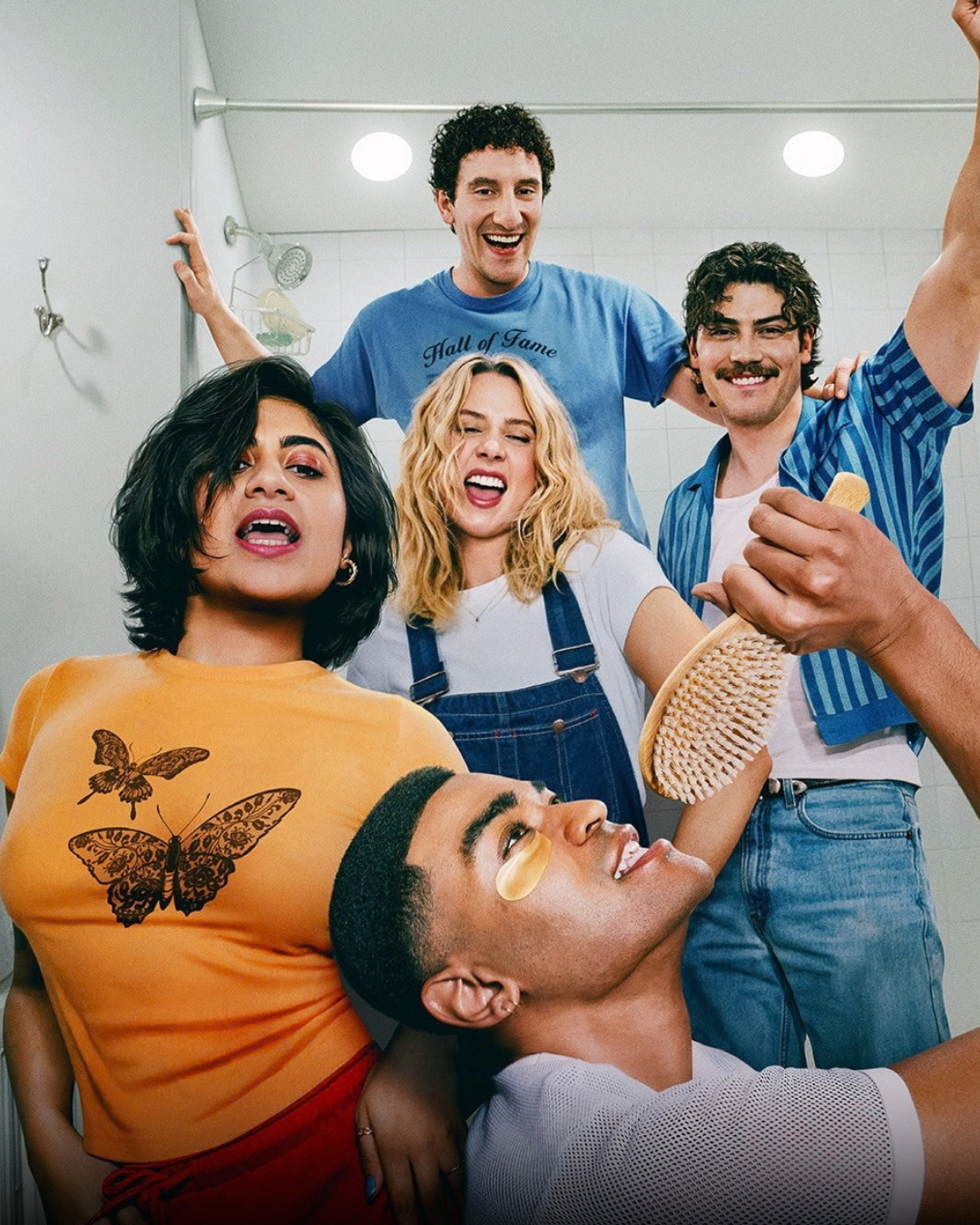
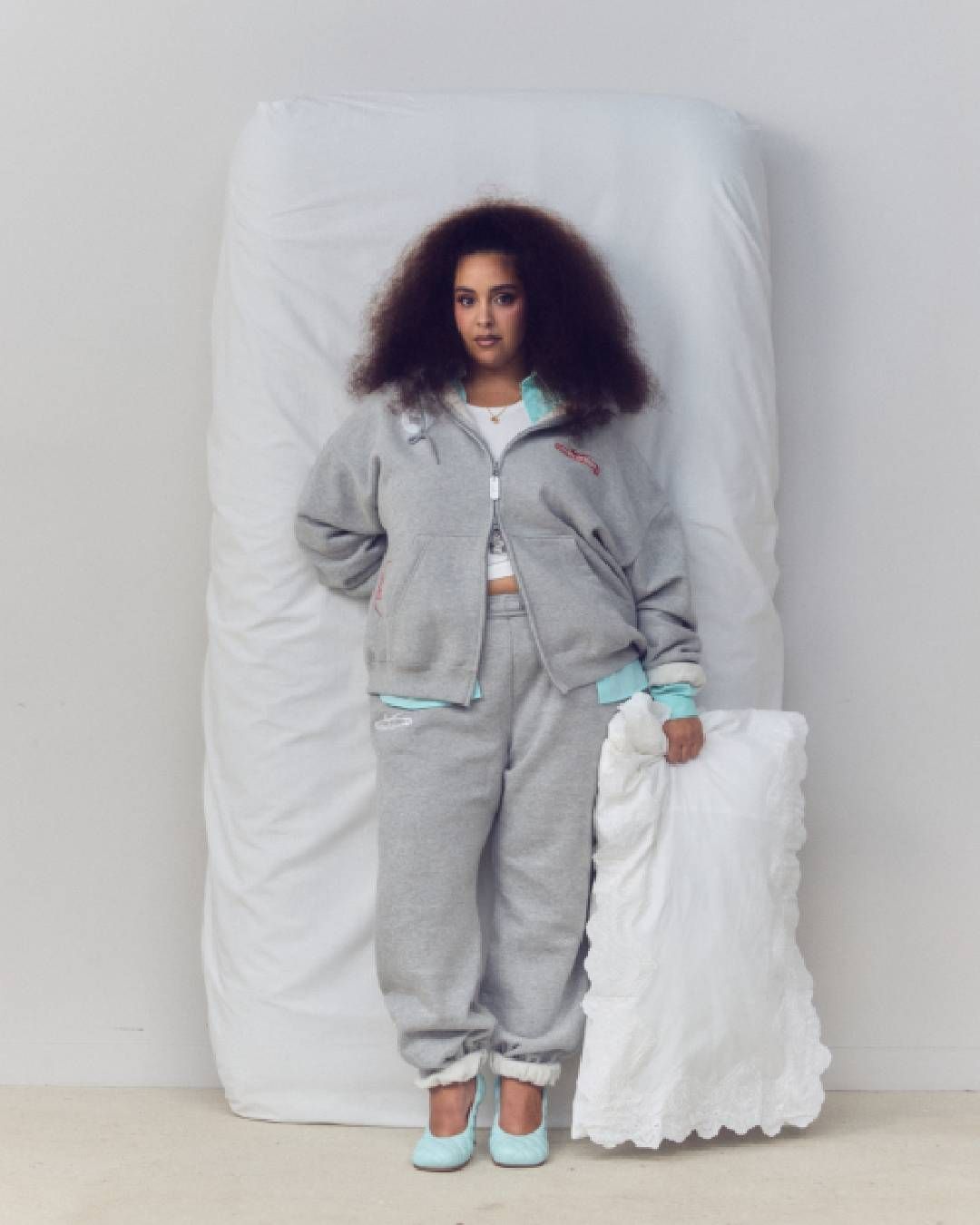
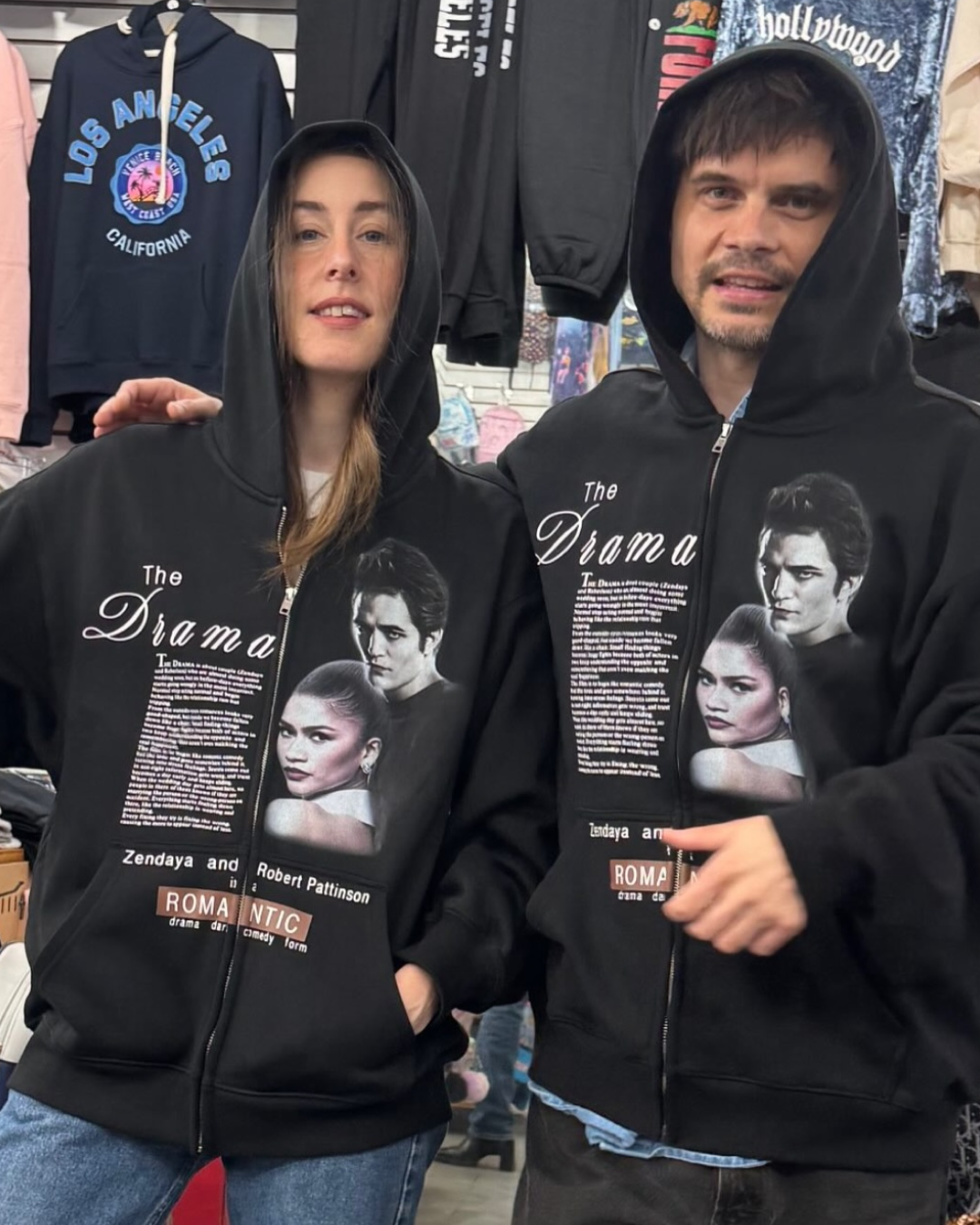
To promote the film, set to be released next week, the production company has decided to launch a series of hoodies with a deliberately meme-driven aesthetic, quite explicitly reminiscent of the posters of Twilight. And this is only the first drop, designed to accompany the very first press tour activation, held in Las Vegas, where several couples got married inside the A24 Chapel. According to the company’s official website, it is already possible to pre-order the film’s official card game, in which couples put their relationship to the test through questions such as «who would cheat more easily» or «which of their friends do you find more attractive».
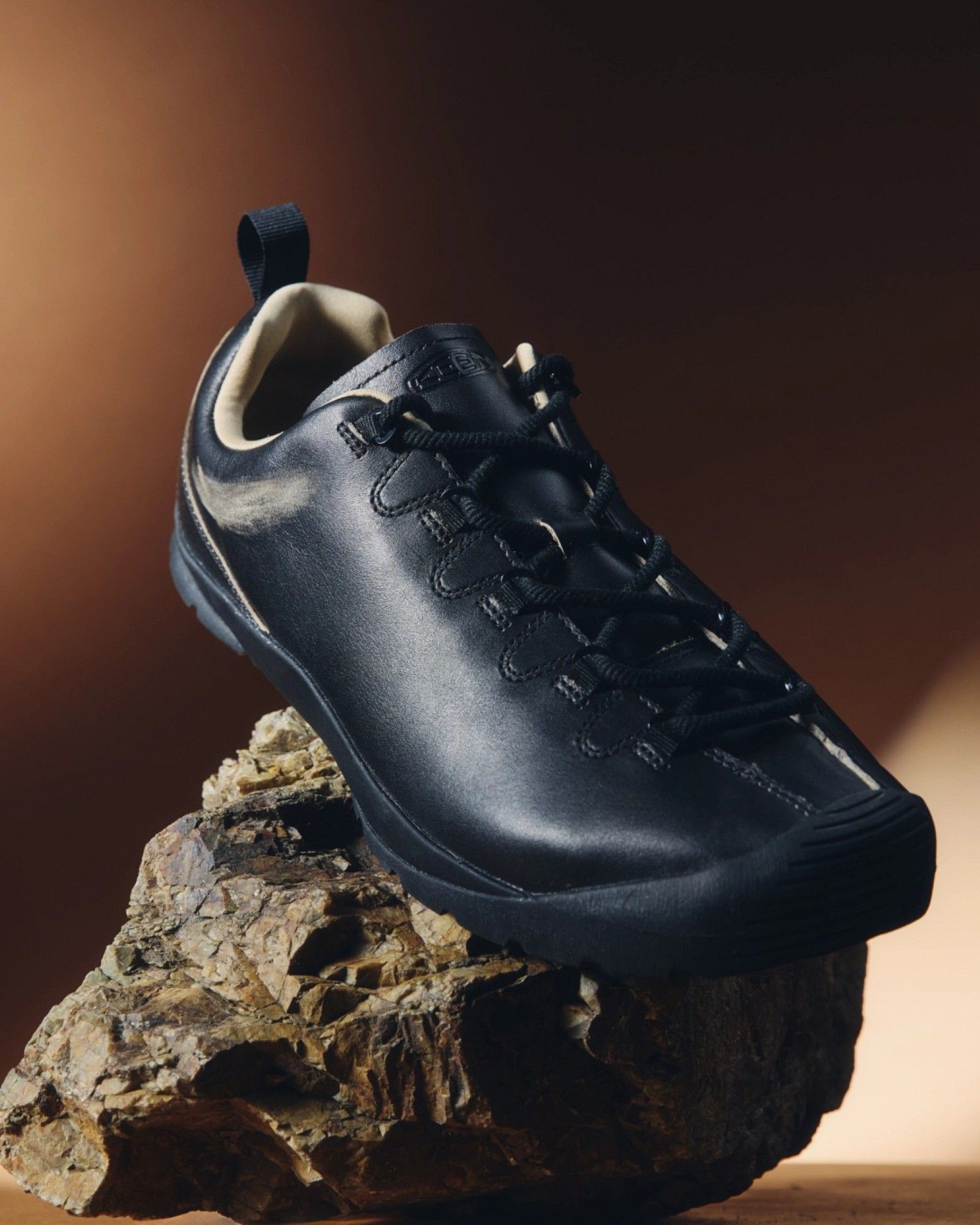
It is still unclear whether these will be the only collectible items tied to the film, but if the hype follows the same trajectory as Marty Supreme, that seems unlikely. In fact, the very film that contributed to a shift in Timothée Chalamet’s public perception still has an entire section of the official shop dedicated to it, including made-in-Japan shoes and a branded ping-pong table weighing 75 kilos and priced at $850.
A24 on the runway at PFW
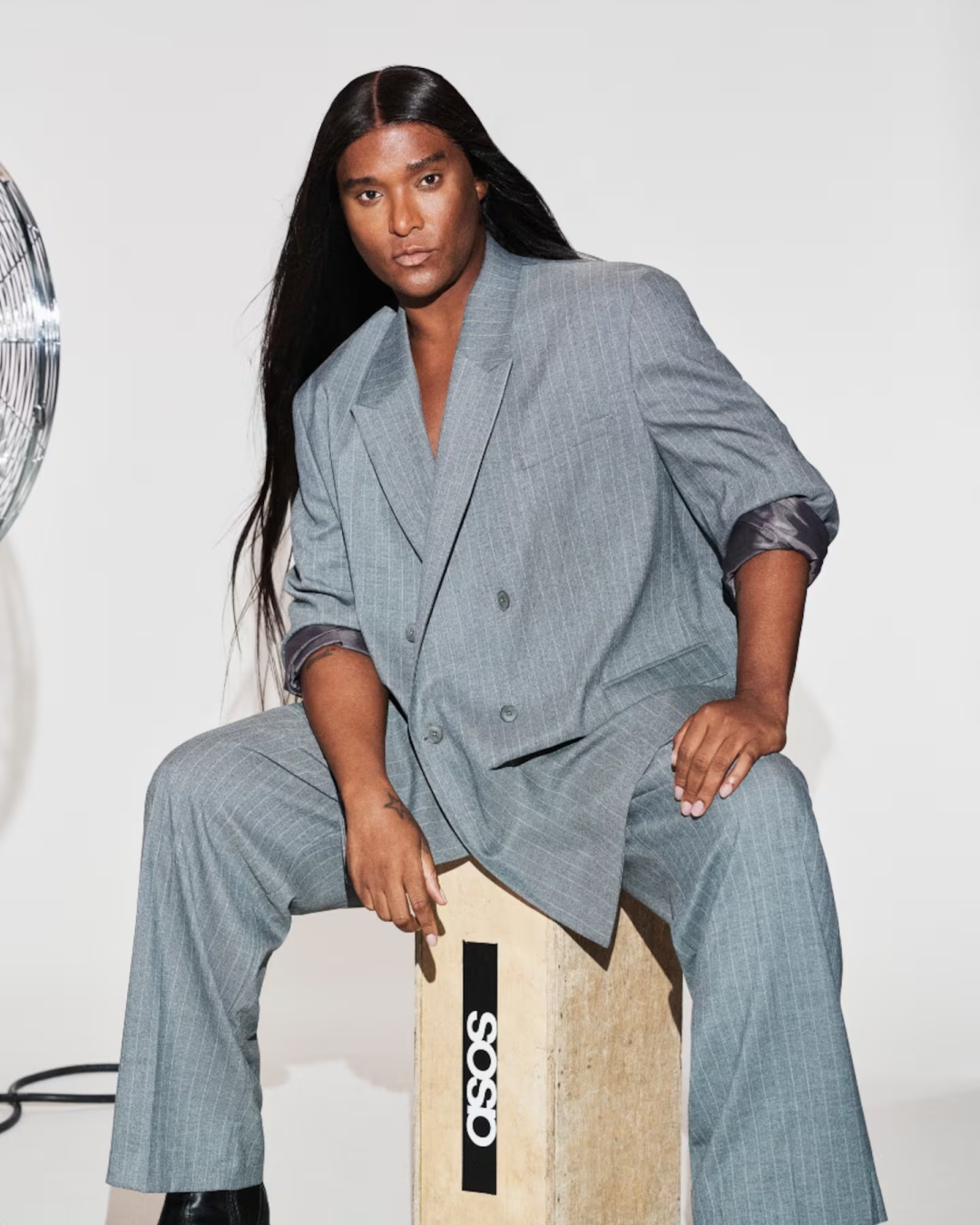
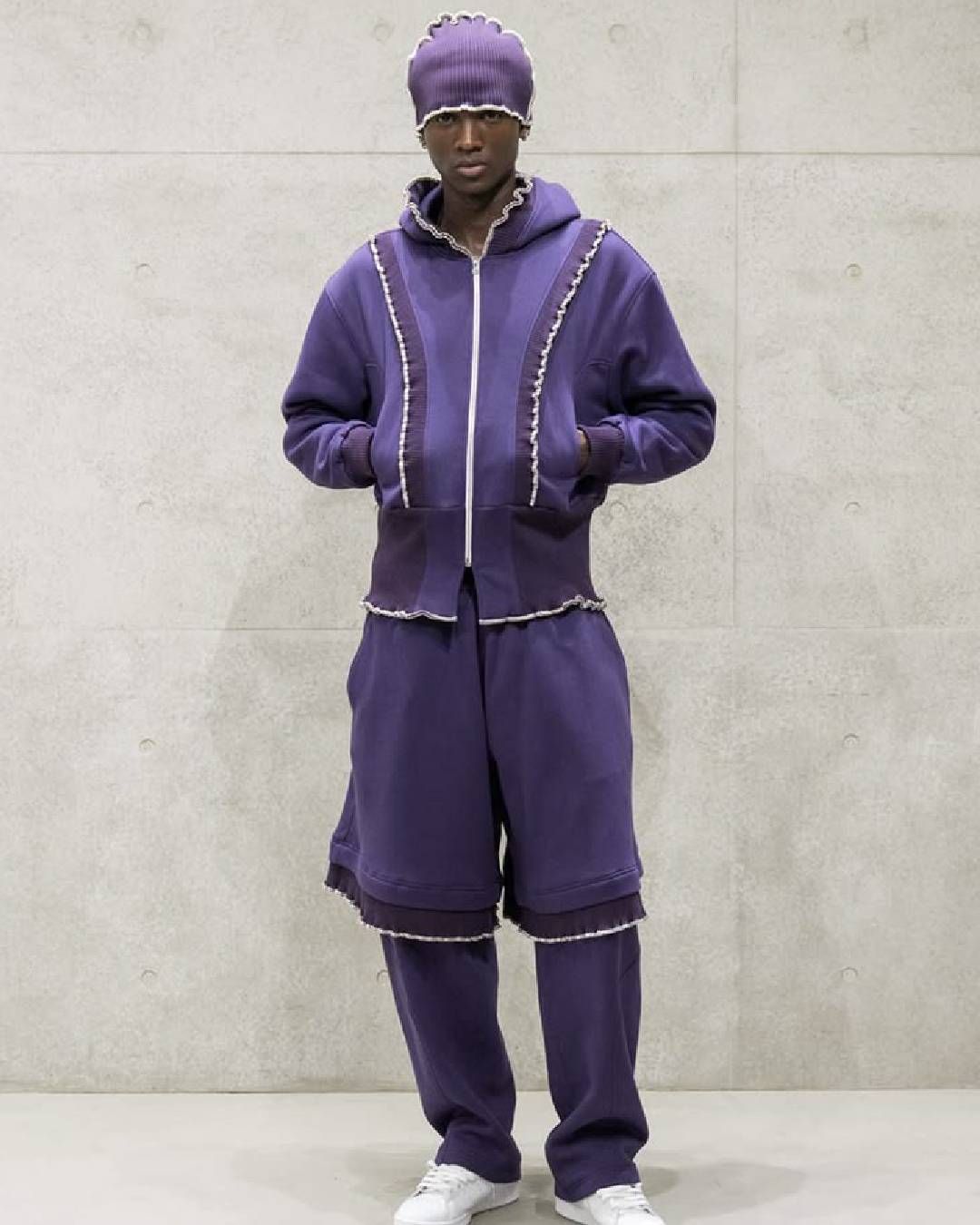
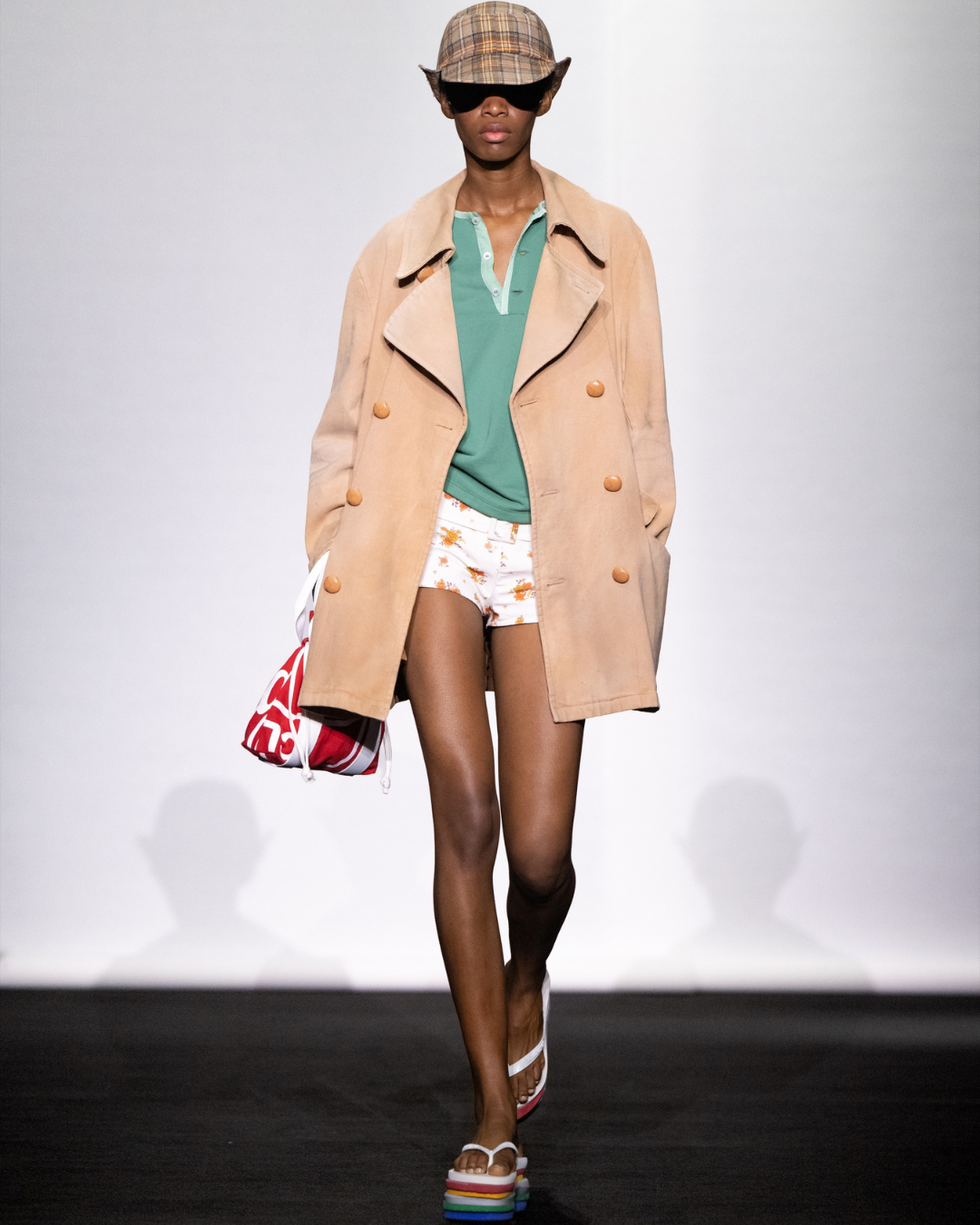
A24’s merch, this year, didn’t stop at the boundaries of e-commerce. It also made its way to Paris Fashion Week, with an official collaboration between Euphoria and Balenciaga for Pierpaolo Piccioli’s second collection. A collab that, however, was not particularly well-received by the public. Partly because the show’s third season took arguably too long to arrive, with a time jump and a reduced original cast. But the main issue was the price point. Euphoria is the show that has influenced the aesthetic and stylistic choices of Gen Z for years, but in the current political and economic context, it’s hard to imagine that young adults are willing to spend hundreds of euros on A24 merch.
A matter of quality
Got me a Blu-ray and a bowl of cereal! pic.twitter.com/kImBMHbRf4
— van watches movies (@alejandroxpadi) March 21, 2026
At this point, the issue is no longer just aesthetic but structural. Because if you look at the numbers, A24’s 2025, without Marty Supreme, would have been an extremely weak year in terms of box office. Just looking at a few titles is enough to understand the scale of the problem. Opus, with a $10 million budget, stopped at just $2.2 million at the box office, while Ari Aster’s fourth film, Eddington, cost $25 million and grossed only $12.7 million. Even more ambitious projects underperformed, such as the first solo project by one of the Safdie brothers, The Smashing Machine, which, with a $50 million budget, managed to make less than half of that.
There were exceptions, of course, such as Material Love, which surpassed $100 million at the box office, and Bring Her Back, which reached $39 million, but these are isolated cases that fail to compensate for an increasingly uncertain production slate. Added to this is an award season that was significantly underwhelming compared to the standards the production company had set in previous years.
The risk, then, is that merch, press tours, and the entire marketing apparatus are becoming more central than the quality of the films themselves. A shift in priorities that, in the long term, could completely redefine A24’s positioning, especially in a market where it used to be one of a kind, while now NEON –its only direct competitor – is steadily gaining ground. Because when the volume of drops exceeds the narrative need that justifies them, the difference between A24 and fast fashion brands like Bershka, which produce random capsules tied to films and artists, becomes increasingly thin. With one key difference: Bershka, at least, sells its T-shirts for €20.