


































VICs are more important than ever in fashion In times of crisis, brands have sought refuge in the villas of billionaires
In 2025, fashion suffered. Or rather, the fashion industry: LVMH, Kering, but also Inditex and ecommerce platforms, reported losses and slowdowns in sales, with more or less substantial recoveries towards the end of the year. To withstand the crisis, brands and major luxury groups are said to have turned their backs on aspirational customers - namely a segment of non-regular consumers - by raising prices and focusing insistently on VICs, or Very Important Clients. In 2025, fashion was for the rich, the ultra-rich, pampered by companies through ultra-exclusive experiences and destination shows, precious gifts, and one-of-a-kind adventures.
Who are the VICs?
@beccaxbloom Come shopping with me (and my sister) #dior #diorama #ladydior #diorevent #diorclothing #hautecouture #privateshopping #neimanmarcus #fashiongirl #fashiongirlies #shoppinghaul #shopwithme #shopaholic #shoppinghaul #designerfashion #luxuryfashion #designerhaul #designerbags #luxurybags #readytowear original sound - Becca Bloom
VICs are the brands' regular customers, i.e., those who spend hundreds of thousands of dollars, euros, or rembi on clothes every year and have privileged contacts with staff and even creative directors. The reason behind the direction taken by luxury brands in 2025 is simple: the ultra-wealthy hold greater spending power. According to data from Altagamma, worldwide only 3% of the adult population owns 40% of total financial power, and about two thirds of this fraction consists of consumers who invest from €50,000 to €1 million per year in luxury goods or experiences. Proportionally, a VIC is worth to fashion as much as 230 aspirational customers, who instead spend up to €2,000 per year on luxury items.
At this point, it is fairly evident why this year VICs have been so essential to the fashion industry’s resistance to the crisis, just as it is understandable why brands have courted them so persistently. According to the latest industry analyses, the entire luxury sector is increasingly dependent on VICs, who account on average for 30% of brands’ revenues.
Who manages the relationship between VICs and brands?
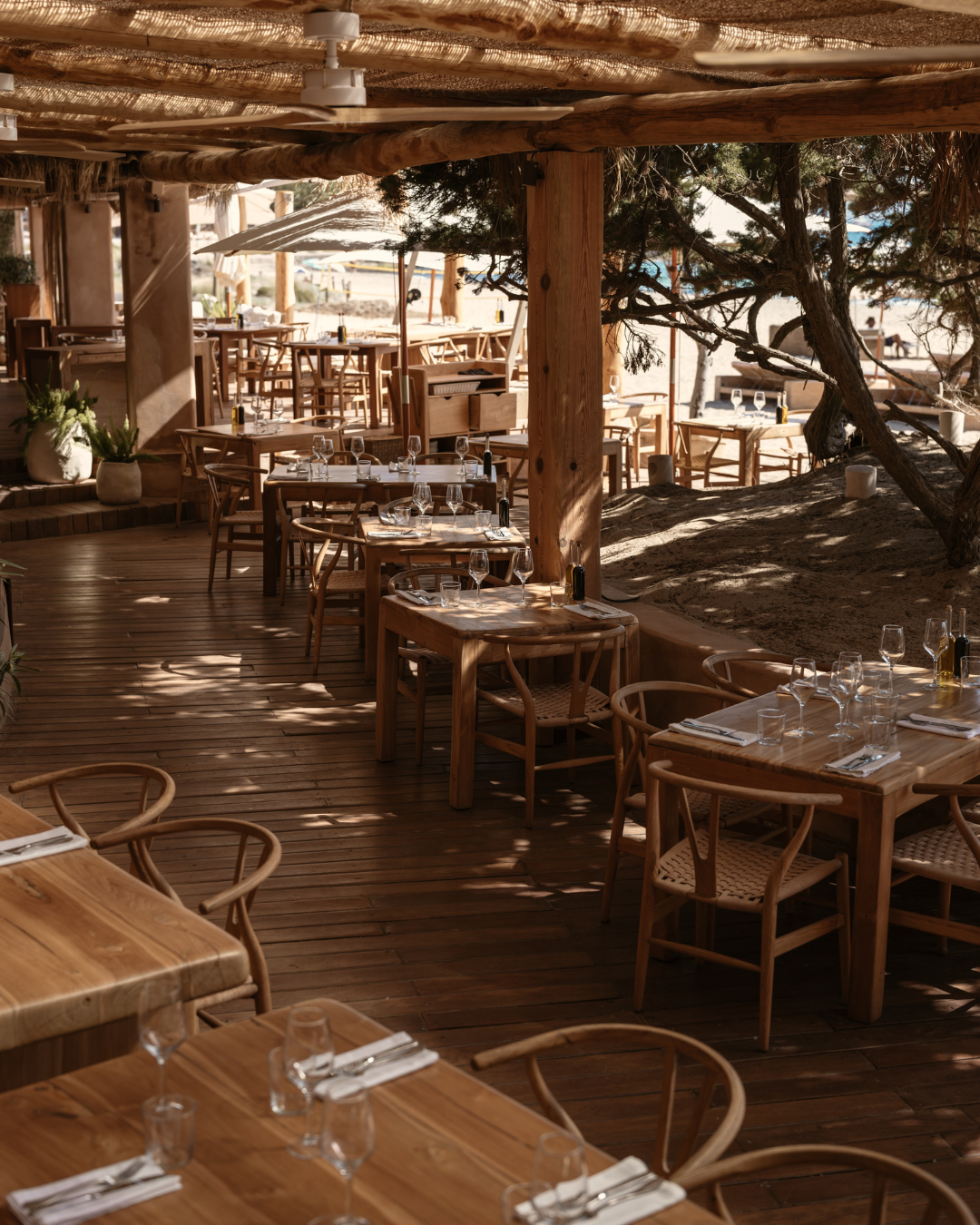
Crucial figures in building and maintaining relationships between VICs and brands are Client Advisors, professionals capable of managing every detail of the shopping experience for the most demanding customers. Private dinners, helicopter trips, holidays, gifts, paid expenses (including hairdressers and make-up artists) to visit Paris during Fashion Week: to get affluent clients to spend more, Maisons paradoxically have to spend a great deal themselves.
And aspirational customers?
Before the crisis hit, aspirational customers made up a large market share. Through small luxuries - that is, designer items at a more accessible price - brands were able to increase sales also thanks to less affluent consumers. This year, however, the crisis has led large companies to completely lose interest in this group, so much so that, again according to Altagamma, in recent months the luxury industry has lost a total of around 50 million aspirational customers.
The reasons behind this loss can be found in the general increase in prices, which has served both to drive aspirational customers away from brands and to make them increasingly exclusive (and therefore attractive) in the eyes of VICs. And while China, once fertile ground for cultivating relationships with VICs, continues to face a period of economic slowdown, Maisons are looking to the West and the Middle East with shows, cruise shows, and new openings planned for New York, Los Angeles and Dubai - not by chance, the United States and Saudi Arabia are two of the countries with the highest concentration of billionaires in the world.