



























Politics is only about engagement nowadays What is Giorgia Meloni trying to prove by appearing on Fedez’s podcast?
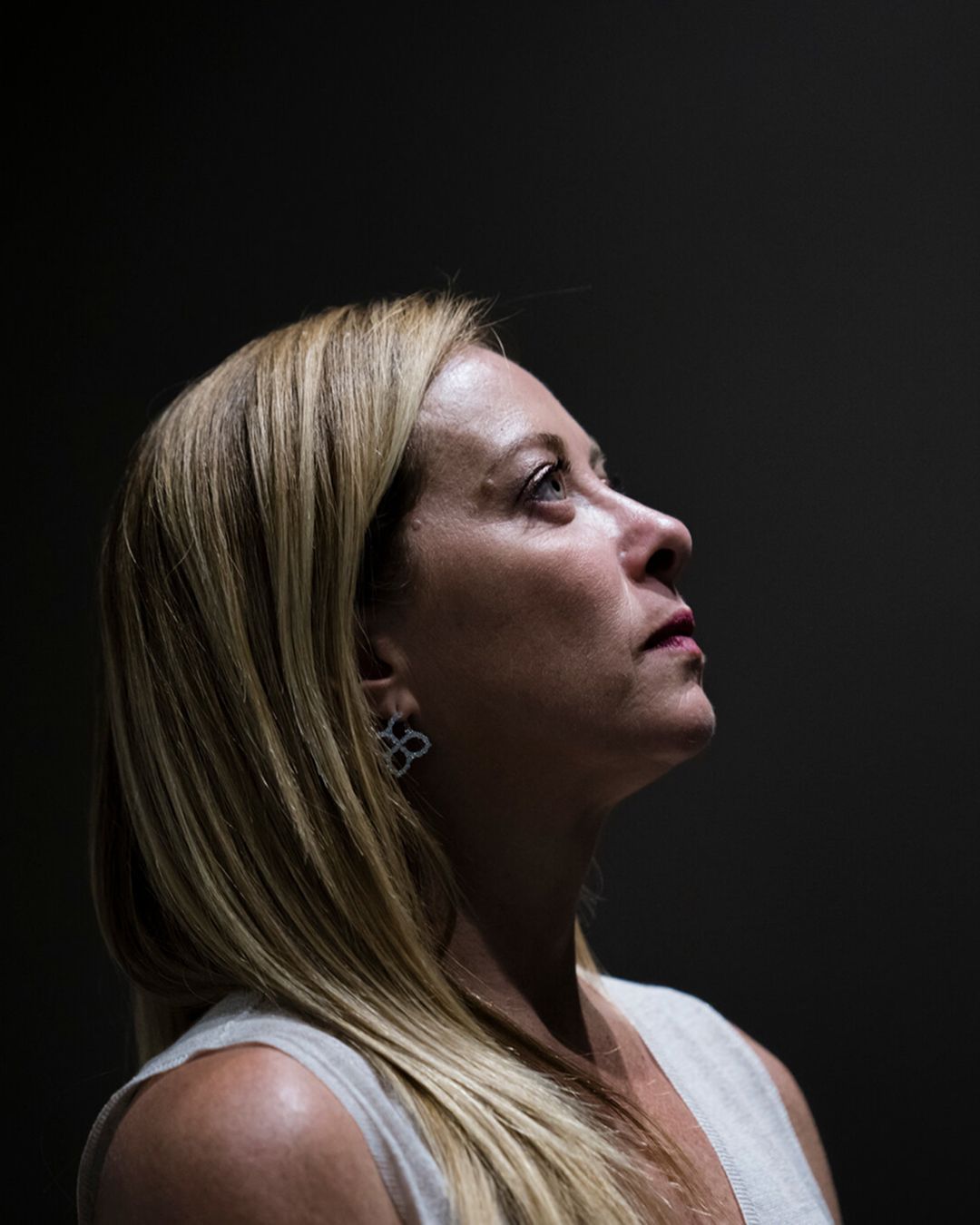
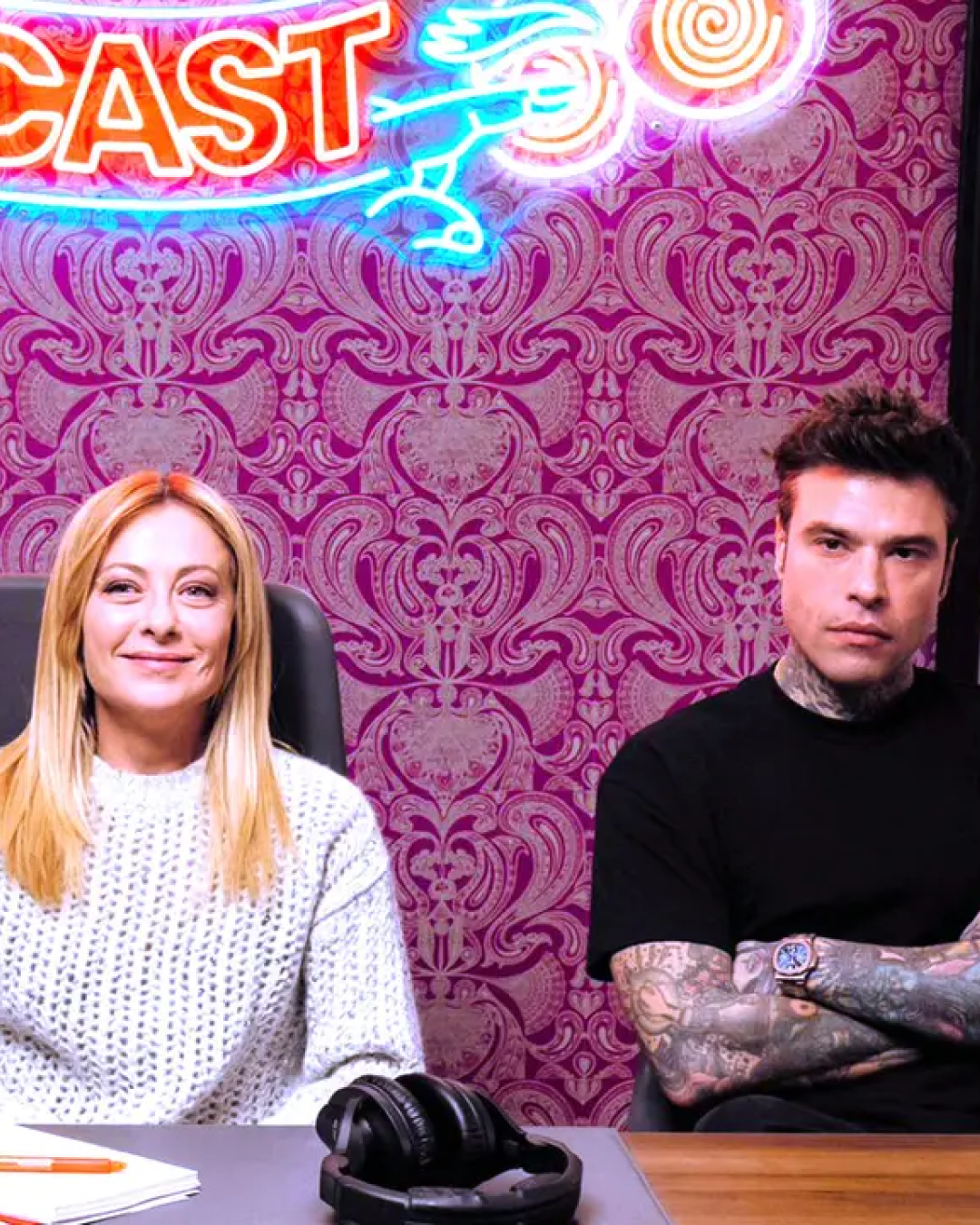
Announced during an anonymous lunch break on an ordinary Tuesday, the next episode of Pulp Podcast, the second podcast by Fedez after his experience with Muschio Selvaggio, will feature Prime Minister Giorgia Meloni as a guest. The episode will be released next Thursday, just hours before the start of the electoral silence for the justice referendum, a vote that is shaping up to be highly contested between the Right’s Yes and the center-left’s No. According to Mr. Marra, co-host of Pulp, the editorial team had also invited via email the President of the Five Star Movement and the Secretary of the Democratic Party, Elly Schlein, but received no response.
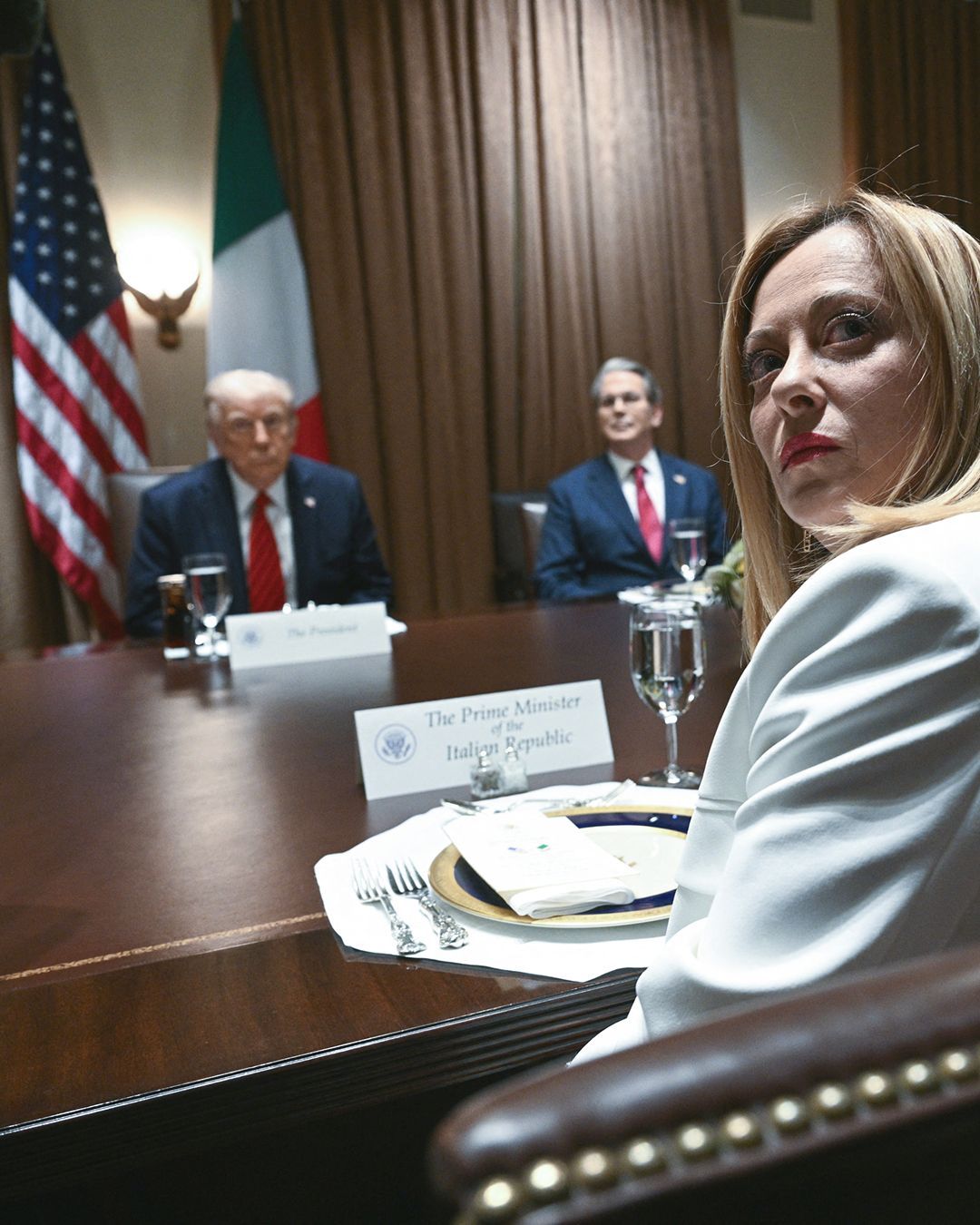
Giorgia Meloni on Pulp Podcast with Fedez
@pulp.podcast.official Giovedì ore 13:00 su #pulppodcast @fedez @marracerbero #meloni #perte suono originale - Pulp.podcast Official
As of today, less than five days before the vote count begins, the latest Ipsos data shows a neck-and-neck race, with the most uncertain group of voters being those under 30. Not surprisingly, Meloni has decided to carry out campaigning on Fedez’s platform, an idol for millions of young people, who has gone from being a champion of justice and civil rights during his marriage to Chiara Ferragni to becoming a supporter of the Italian far right, taking part in Fratelli d’Italia rallies, inviting Gasparri (despite years of social media feuds) onto his podcast, and praising Salvini for supporting him during his illness.
The issue, however, is not so much Fedez himself, nor Meloni’s choices — because «all is fair in love and war» — but rather that while the Right is trying to win over the missing share of voters for this referendum, the Left prefers to remain confined to the official channels of La7, with Giuseppe Conte saying sensible and valid things, but to an audience that is already on his side.
Podcasts, celebrities and the spectacle of consensus
Now, it’s not that the top figures of the Italian government should all discuss domestic and foreign policy with Fedez, but what the Left still hasn’t fully understood is that, if it wants to win, it also needs to speak to young people through non-traditional means: it needs to embrace a degree of populism. Is it normal that Marco Ballarini, mayor of Corbetta and a member of the center-right, is described by Google as a “internet personality” rather than a politician? Absolutely not, but it’s also not normal that the main drivers of the No campaign on social media are political content creators such as Alessandro Barbero, Flavia Carlini and Avvocathy, rather than party spokespersons defending the Constitution. We’ve even reached the point where a wave of celebrities, including Elio Germano, Fiorella Mannoia, Pif and many others, have publicly declared they will vote No. But when did Italy become the new United States of America?
Because this is exactly what we are experiencing: a constant Americanization of the Italian political system, through podcasts, TikTok, celebrity endorsements and a whole spectacle that turns politics into a form of entertainment rather than a guarantor of democracy. The approach adopted by our Prime Minister mirrors the same formula used by Trump when, during his election campaign, he appeared on major manosphere podcasts, including those of Adin Ross, Joe Rogan and Theo Von. A strategy that, in fact, helped make Donald Trump the 47th President of the United States — a winning operation.
Has politics become entertainment?
Perhaps the greatest dilemma of the modern Italian Left is a lack of awareness, the idealization of an information system that, even if it is not active on social media and does not speak to young people, will somehow still manage to reach them. Still used to a time when media were traditionally partisan and individuals chose their channel or newspaper (if you were right-wing you watched Mediaset, while if you were left-wing you bought l’Internazionale), Giuseppe Conte and Elly Schlein have refused to adapt to “low” media, those defined by abrupt cuts and designed for sharing short, entertaining content. On the one hand, this is commendable for left-wing politicians, who do not give in to new forms of political simplification, as seen in the US between #KamalaIsBrat and the YMCA trend linked to Trump, also because politics is not a form of entertainment — nor should it ever be. At the same time, however, this very elitism could be the reason behind the loss of the No vote in the referendum. What is the better choice: to be interviewed by Fedez or to lose yet another vote?