






















What did the brands at Milan Fashion Week want to tell us? by Andrea Varano
In recent years, talking about fashion means dealing not only with aesthetics or the history of costume but with brand strategy. If in the times of authorial fashion the development of a branding strategy was something relatively simple, intuitive and organic, today the difficulties have evolved and branched out. Brands speak to us and persuade us not only with the sole charm of their opulence, but also with the undertones of their communication, the hidden meanings between the lines of the show notes. A complex chess game with the psyche of an increasingly astute and disenchanted consumer who, during last fashion week in Milan, updated its rules.
For this reason, we asked brand strategist Andrea Varano to become the guest editor of our monthly newsletter and tell us his point of view on the alternative formats of runway shows seen in recent weeks.
During the last Milan Fashion Week, brands communicated a lot through the medium. Medium as a channel through which the message travels and medium as a format that defines its form, style and structure. However, channel and format are not just containers or vehicles for messages, they are an integral part of them. This dynamic reflects a broader trend of the SS26 season, where fashion houses have embraced hybrid presentation formats to find a balance between material exclusivity and digital accessibility, responding to a drop in social engagement and a series of pricing policies that alienate the young public. «The medium is the message» said Marshall McLuhan.
During the Milanese week, four episodes stood out in which the medium spoke as much as (if not more) about the collection, the result of perfect coordination between creative vision and marketing strategy. Among these, presentations emerge that fused cinema, urban interactivity and conceptual performances, marking an evolution from the traditional runway to more immersive narrative experiences, in line with a season of debuts and creative transitions. In this context, the democratization of fashion emerges as a common thread, with strategies that break down the barriers between elite and general public, making the fashion experience no longer an exclusive privilege but an inclusive dialogue that exploits hybrid and narrative spaces to reconnect disillusioned consumers.
The Archetypes of Gucci
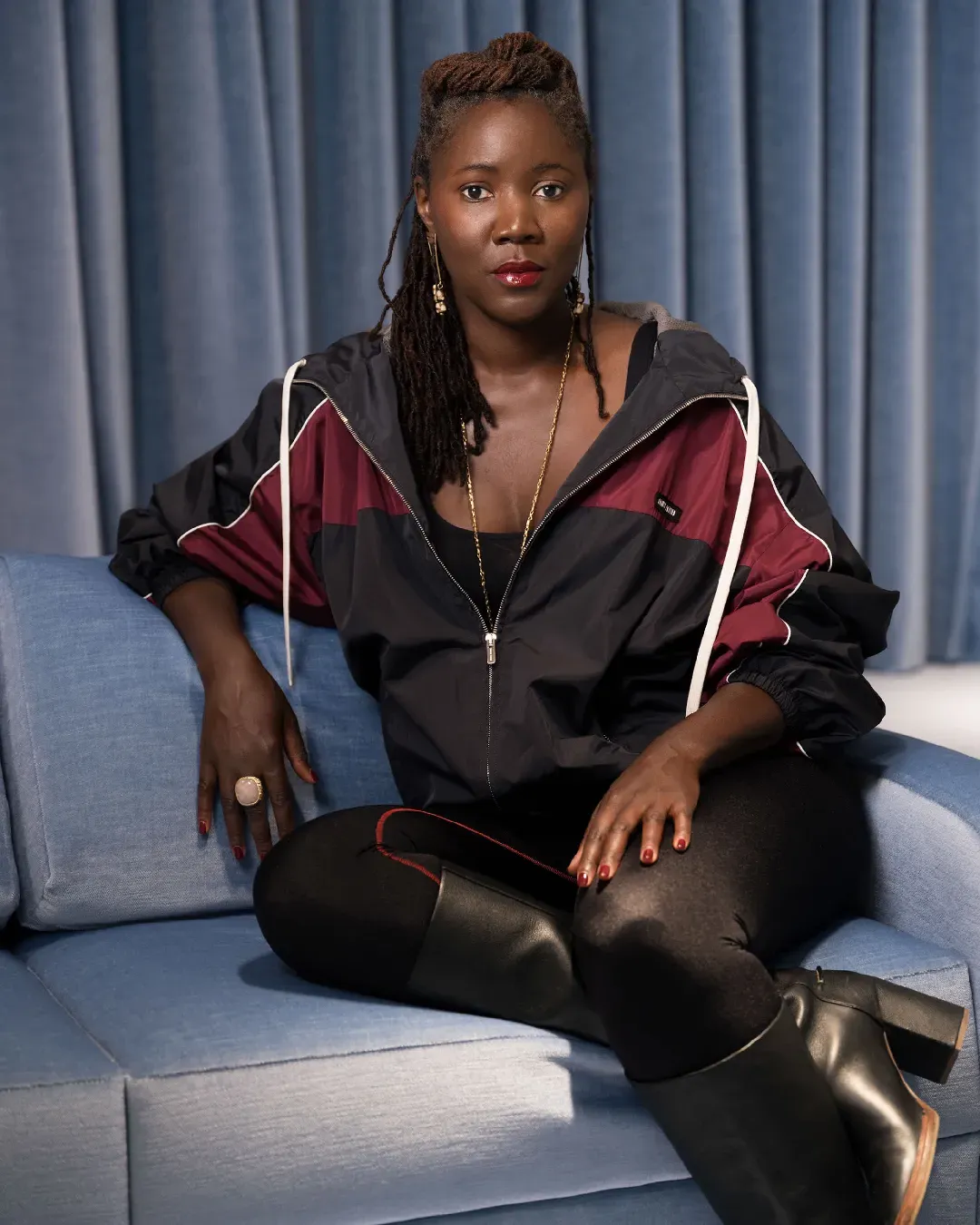
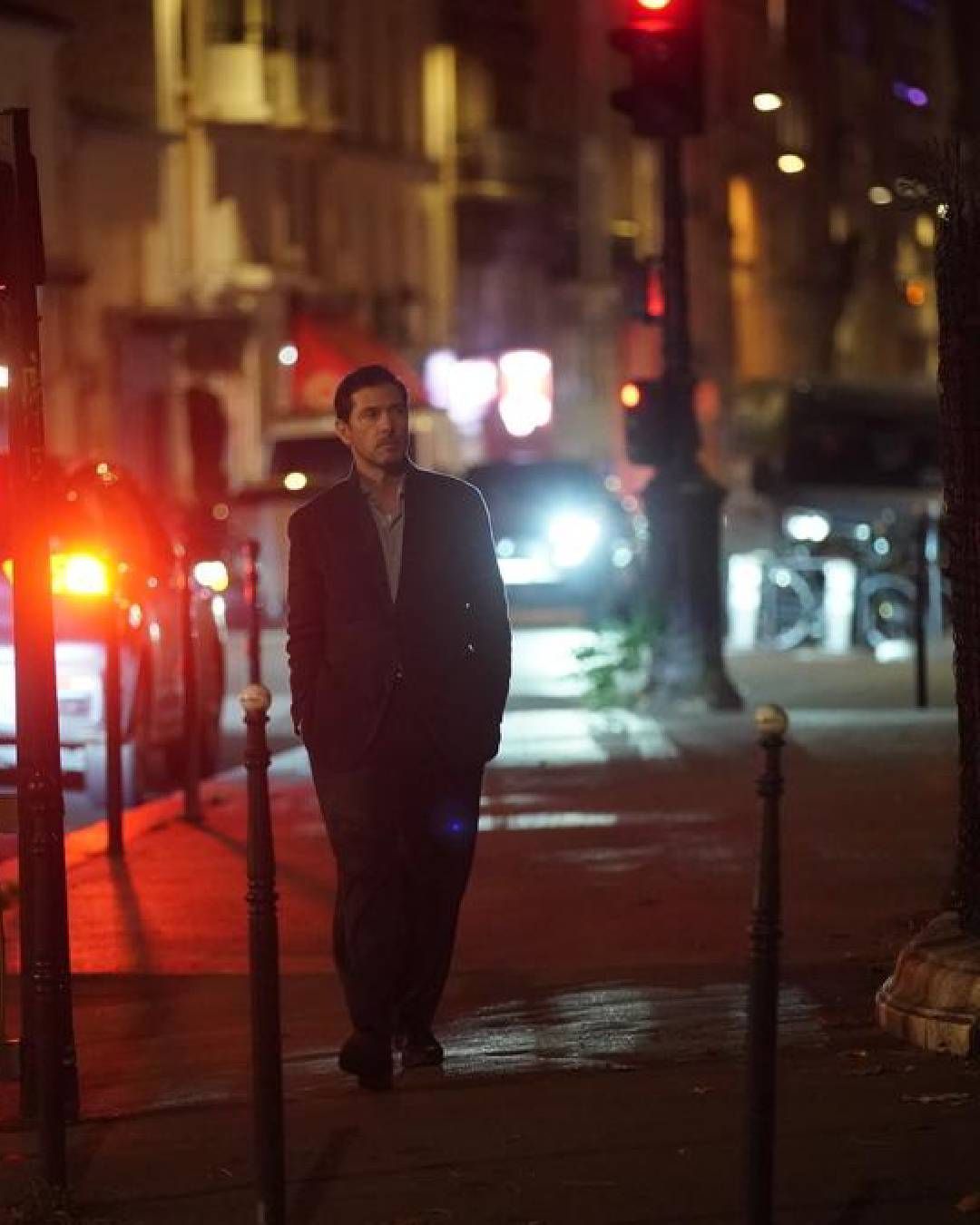
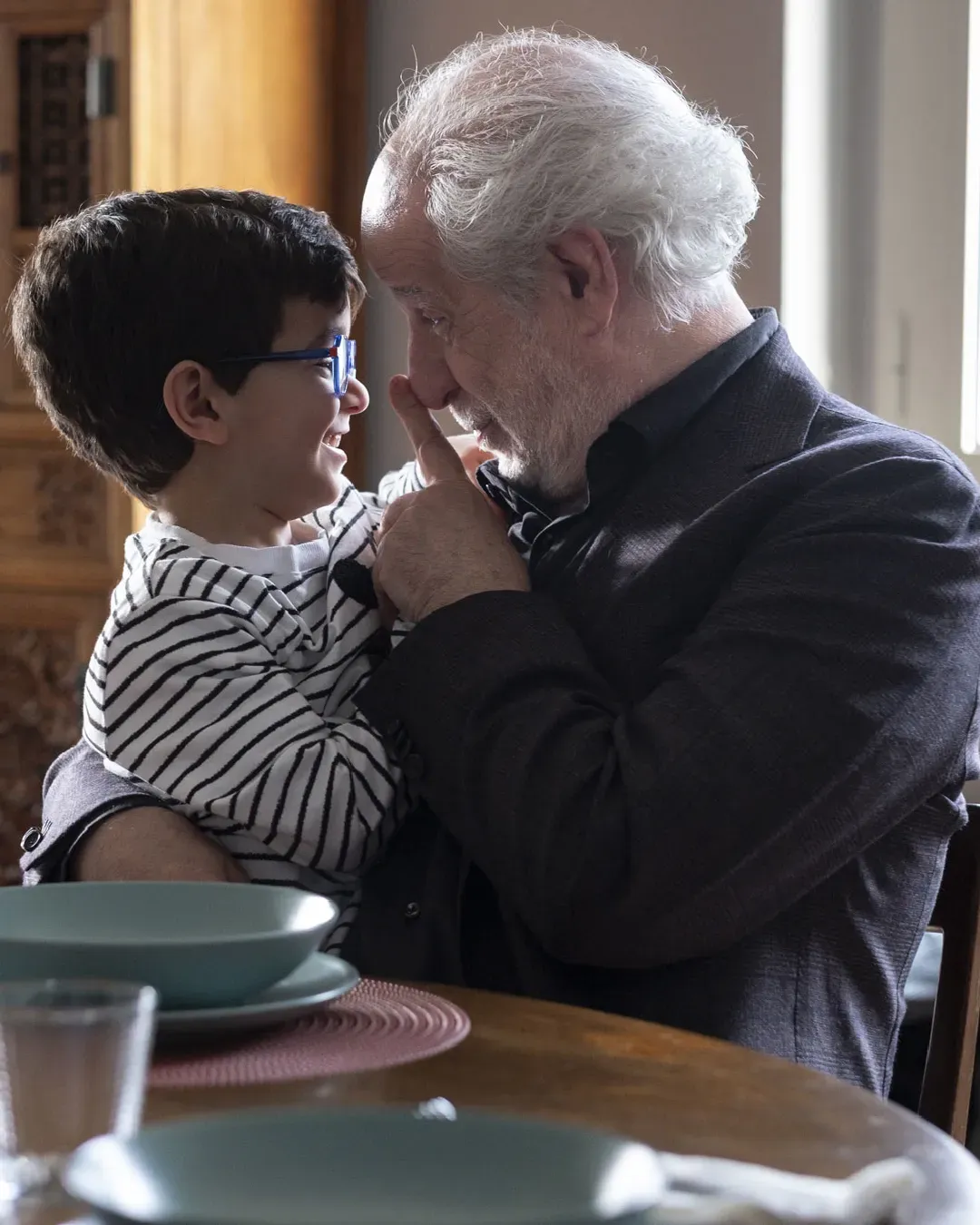
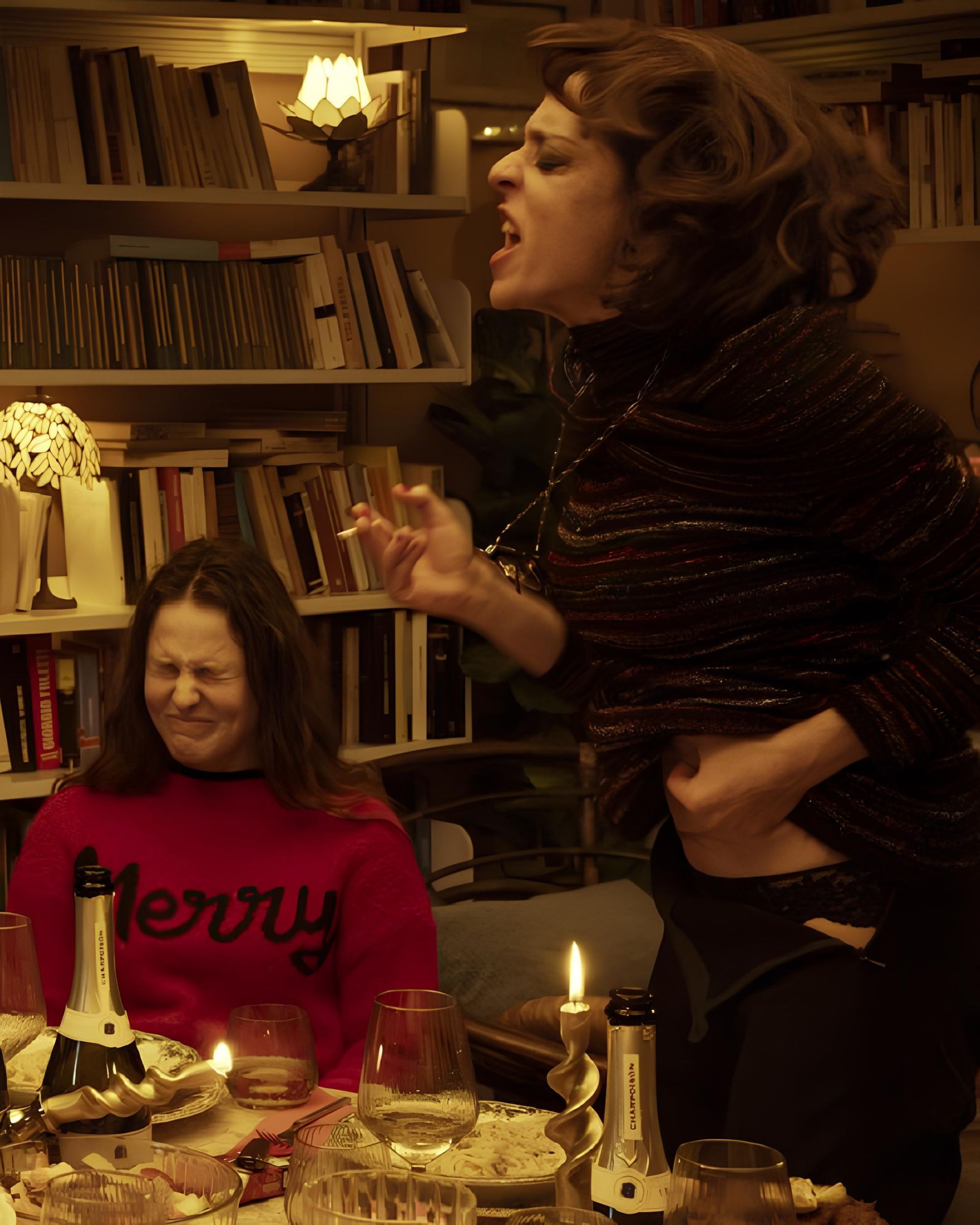
Gucci and Demna presented the “La Famiglia” collection unveiled surprisingly first through the format of a portrait gallery and immediately after told through “The Tiger”, the short film directed by Spike Jonze. The film, lasting about half an hour and with nearly half a million views on YouTube in one day. In Milan, a cinematic premiere was then held with the traditional red carpet where the cast's arrivals became the actual runway.
Interesting is the similarity with “The Royal Tenenbaums”. The contrast between apparent order and disorder that emerges, the concept of the black sheep, that mix of eccentricity, affection and fractures that brings to light the hidden complexities of family relationships. With the character of Margot Tenenbaum finding echo in La Bomba and precisely Gwyneth Paltrow, the original Margot, in the role of La V.I.P. The presentation evokes a comedy populated by ironic Italian pop archetypes, portrayed with sprezzatura and Demnian irony, mixing campy elegance and swagger to make Gucci "real" and relatable. Here, the bond between fashion and cinema becomes palpable: not only as a narrative tool, but as a bridge to democratize access to fashion culture, transforming a film into a vehicle to make the brand's archetypes universal and readable but above all pop.
At the center, the use of archetypes, a theme well-known to those in marketing, figures that embody specific personalities, behaviors, tastes and lifestyles. The 37 looks of the SS26 collection are built on Italian archetypes, integrating Gucci's historical codes, from Tom Ford's sensualism to Alessandro Michele's baroque, in a "Demna-esque" register that balances nostalgia and contemporaneity, with classic pieces reinterpreted through bold volumes and playful attitudes. This choice marks a turning point in the way fashion is presented, shifting the focus from the traditional runway ritual to a cinematic story open to all.
Perhaps no one knew anymore what Gucci represented and so the choice fell on distributing the brand's DNA into a portfolio of looks that recalled some of the eras and styles that defined the maison in the past. In this way, “La Famiglia” becomes an in-depth study on “Gucciness”, an invitation to recognize oneself through different codes and lifestyles. And the archetypes work perfectly because they increase the possibilities of selling more products (oxygen for Kering) and increase the probabilities that people choose to buy the entire look, while for those with less aesthetic sense, many ideas from which to draw inspiration are offered.
Diesel's Egg Hunt
Diesel has transformed the city into a diffused runway through an egg hunt that involved multiple locations scattered around Milan. This format shifts the focus from passive consumption to a collective form. The 55 looks of the collection were enclosed in transparent eggs, disseminated on a digital map accessible via app with QR code, inviting the public to search, discover and interact. The event, beyond the actual egg hunt, is culminated in a party that served as the true presentation, mixing fashion and public engagement.
Glenn Martens explicitly stated that “everyone can have a front row”, thus democratizing the runway experience and dissolving the barriers between stage and spectators. The egg hunt is not just an experiment, but also an engagement strategy that leverages the digital and collective participation to create the story around the collection. Designed to involve the Milanese Diesel community by making fashion accessible and interactive in a limited but inclusive format, the urban hunt aimed to create a situation in which fashion intertwined with the urban context and stepping out of the four walls of the classic runway.
The channel becomes the urban space, the public becomes part of the narrative transforming from mere observer to active protagonist, and the city becomes the medium fusing urban and fashion into a single experience. This fusion exemplifies how brands are reinventing marketing through "third places" (from Nike and Alo Yoga hubs, passing through Margiela and Louis Vuitton bars but also Miu Miu book clubs and so on) to meet consumers in hybrid contexts, democratizing access to fashion beyond the boundaries of traditional retail and fostering authentic connections in an era of digital isolation.
The channel becomes the urban space, the public becomes part of the narrative transforming from mere observer to active protagonist, and the city becomes the medium fusing urban and fashion into a single experience. This fusion exemplifies how brands are reinventing marketing through "third places" (from Nike and Alo Yoga hubs, passing through Margiela and Louis Vuitton bars but also Miu Miu book clubs and so on) to meet consumers in hybrid contexts, democratizing access to fashion beyond the boundaries of traditional retail and fostering authentic connections in an era of digital isolation.
The Auction of Sunnei
During the Sunnei show, nothing walked the runway, neither models nor collections. But both the brand and its stylists were sold “to the highest bidder” through a fake auction complete with an auctioneer on the podium, display cases and bids in “fashion dollars”. The brand was "sold" for 111 million, the two designers valued at 95 million. Loris Messina and Simone Rizzo, who are leaving Sunnei after nearly a decade, orchestrated this farewell as an auction in which they themselves are sold, accompanied by a collection that serves as the perfect swan song, managing to speak with the usual irony about the paradoxes of fashion.
It is not the runway that sells the garment, but brand, identity and creativity that are commodified in real time. The channel shifts from the runway to the auction, the format unites sales, critique and active public participation. The gesture questions the value we attribute to talent, authorship and aesthetics in a context obsessed with the market. The auction, as a participatory performance, democratizes the debate on the value of fashion, transforming guests into participants in a mise-en-scène that becomes a space for collective reflection on the sector.
Versace and the Return to Culture
Versace chose to talk about culture. The narrative that anticipated the runway through a series of archive shots, custom artworks and even a poem serves to put the city and its symbols at the center. Embodied is a prism that multiplies the maison's codes. Culture was also the protagonist of the location for the presentation, an art space like the Ambrosiana Library. Under Dario Vitale, debuting in place of Donatella, the SS26 collection resets the brand's codes with vibrant chromatic contrasts, vintage-inspired designs and a highly unusual cast for the brand so far that has generated much discussion on sensuality and polarizing reactions in an intimate exclusive showroom format.
Also here, the channel expands beyond the runway and embraces photography, poetry and archive. The format represents a choral and stratified project through the codes of culture. Returning to where it all began, to understand who we are now. This hybrid approach, far from the clamor of classic runways, privileges a controlled type of engagement and immediately communicates the new dimension in which Versace wants to position itself.