























Can British fashion save itself by escaping from London? That's what the relaunch of Manchester Fashion Week asks. And it looks promising
The city of Manchester is famous for football, music, but also for the textile industry. After ten years since its last edition, this September the city has relaunched the Manchester Fashion Week, an event taking place at the same time as New York Fashion Week and just before the same event kicks off in London. The project seems to be part of the plan to renew the English fashion industry, which the new CEO of the British Fashion Council, Laura Weir, has been promoting since she took office this year.
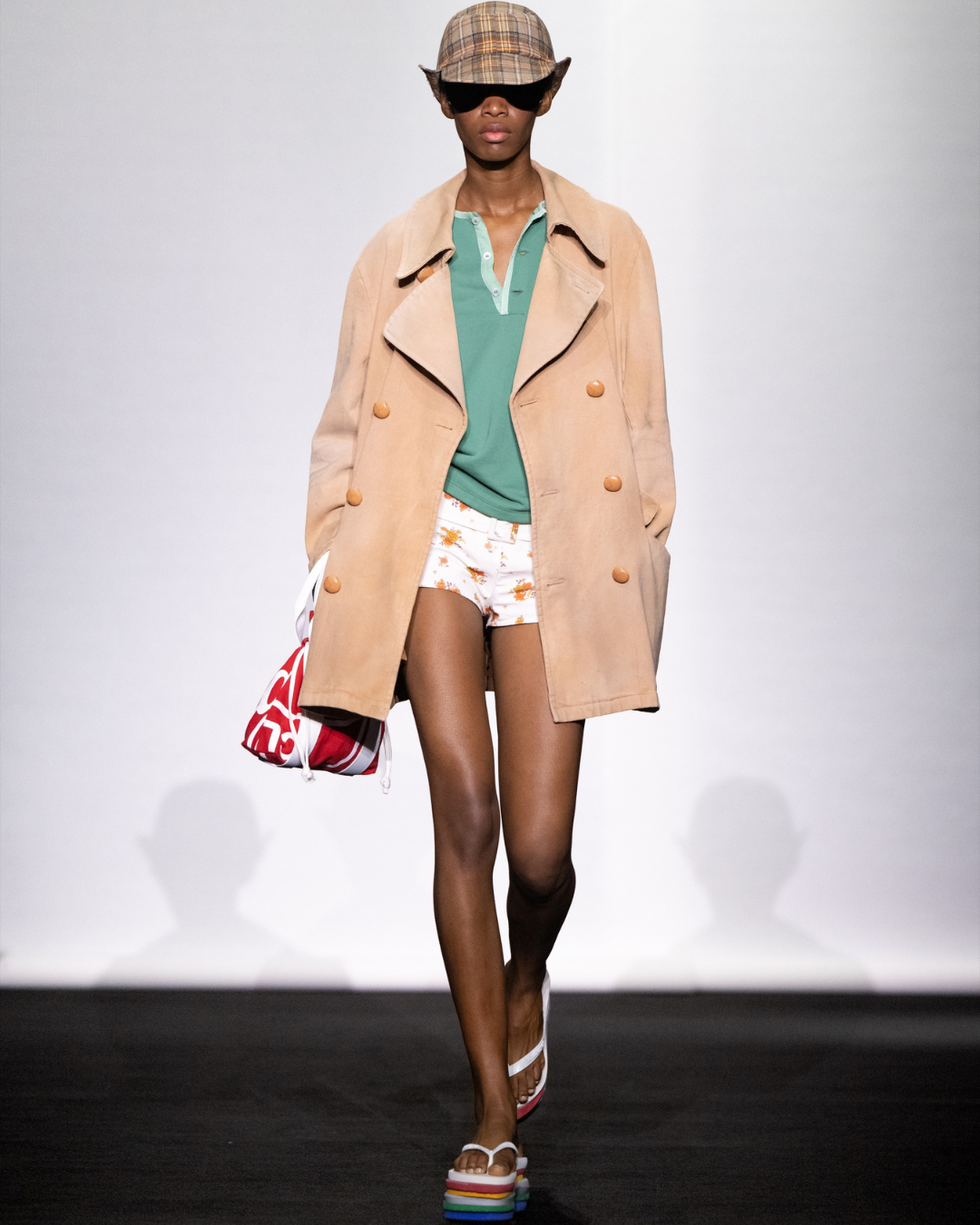
At a time when more and more English designers and brands are moving to Paris and Berlin, the London Fashion Week calendar is becoming emptier and the press is showing clear signs of disinterest towards the city. The problem, publicly acknowledged by Weir in her first press conference as President of the BFC, is being addressed precisely through the decentralization of London in the English fashion scene. Events around the country such as Manchester Fashion Week and the Fashion Assembly Pilot, which will bring established English designers back to their former schools, demonstrate that the leadership of the fashion industry has understood that such a wealth-generating industry can no longer be concentrated in just one city. Just as the importance of new talents is crucial for the sector: this September, thanks to Weir’s new plan, participation in the official London Fashion Week calendar is free.
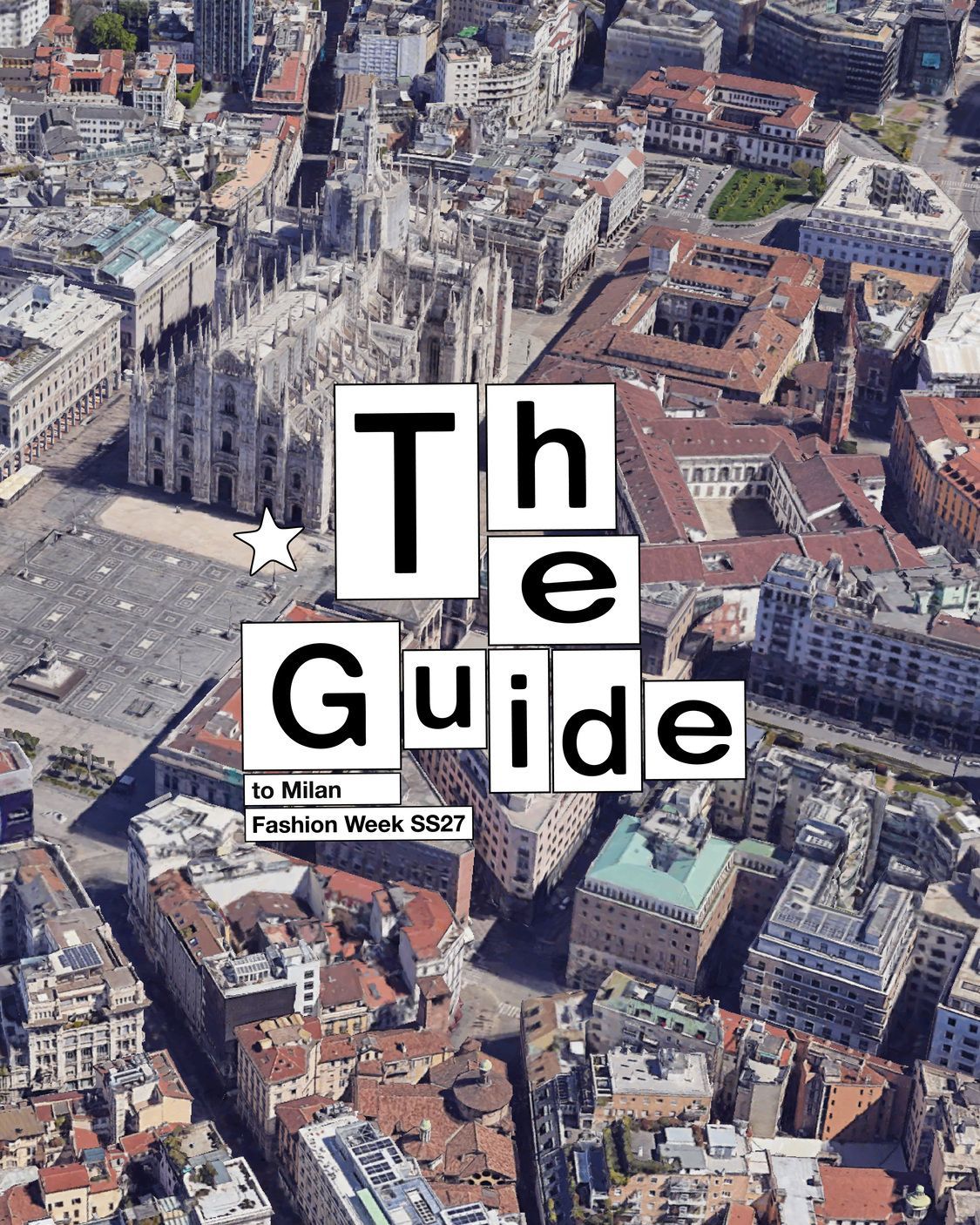
Last spring we spoke with some independent designers and Italian executives about the possibility of creating fashion away from the country’s capital of the sector: Milan. With a market that is hard to access for smaller brands and the cost of living skyrocketing, the city seems to be the least suitable in the country for a creative who has just launched a business. Moreover, taking the example of Federico Cina, Luca Magliano or Massimo Osti, one can see how, for brands that make their craftsmanship a strength, staying close to their roots can be an added value both from a production and communication standpoint. “For a short time I thought about moving the brand to Milan,” said Cina, “but I considered it appropriate to keep the roots firmly in Romagna. Here I have direct contact with the companies that belong to the local production network.”
The same topic in London was previously addressed by 1Granary, an independent media outlet that, in an article on the centrality of London, wrote that although design students are taught that to succeed in fashion you need to live in Paris, London, Milan or New York, “you don't need proximity to build something beautiful.” Values such as local production, sustainable design and a strong community are far more important than proximity to retailers or fashion shows, the English magazine states.
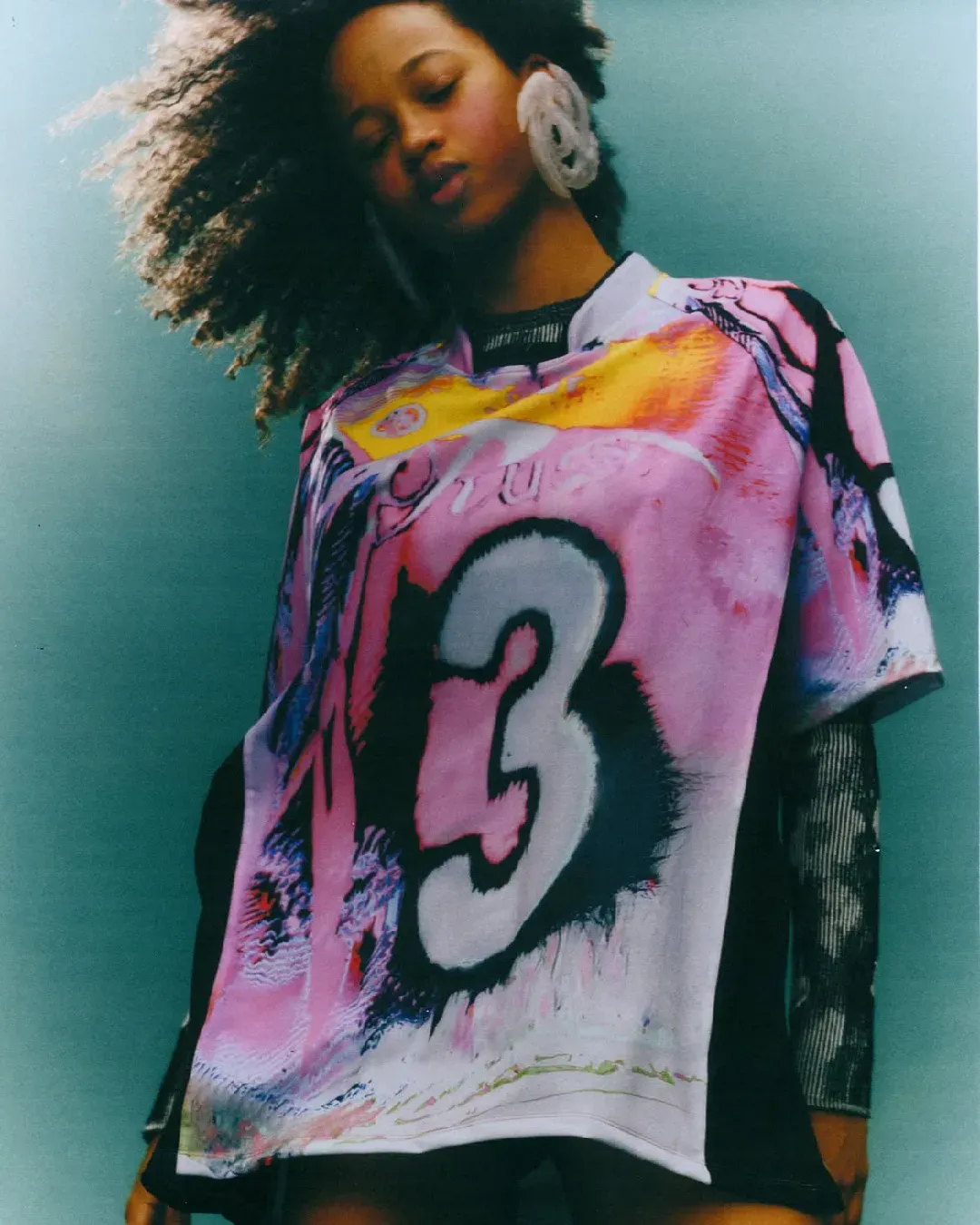
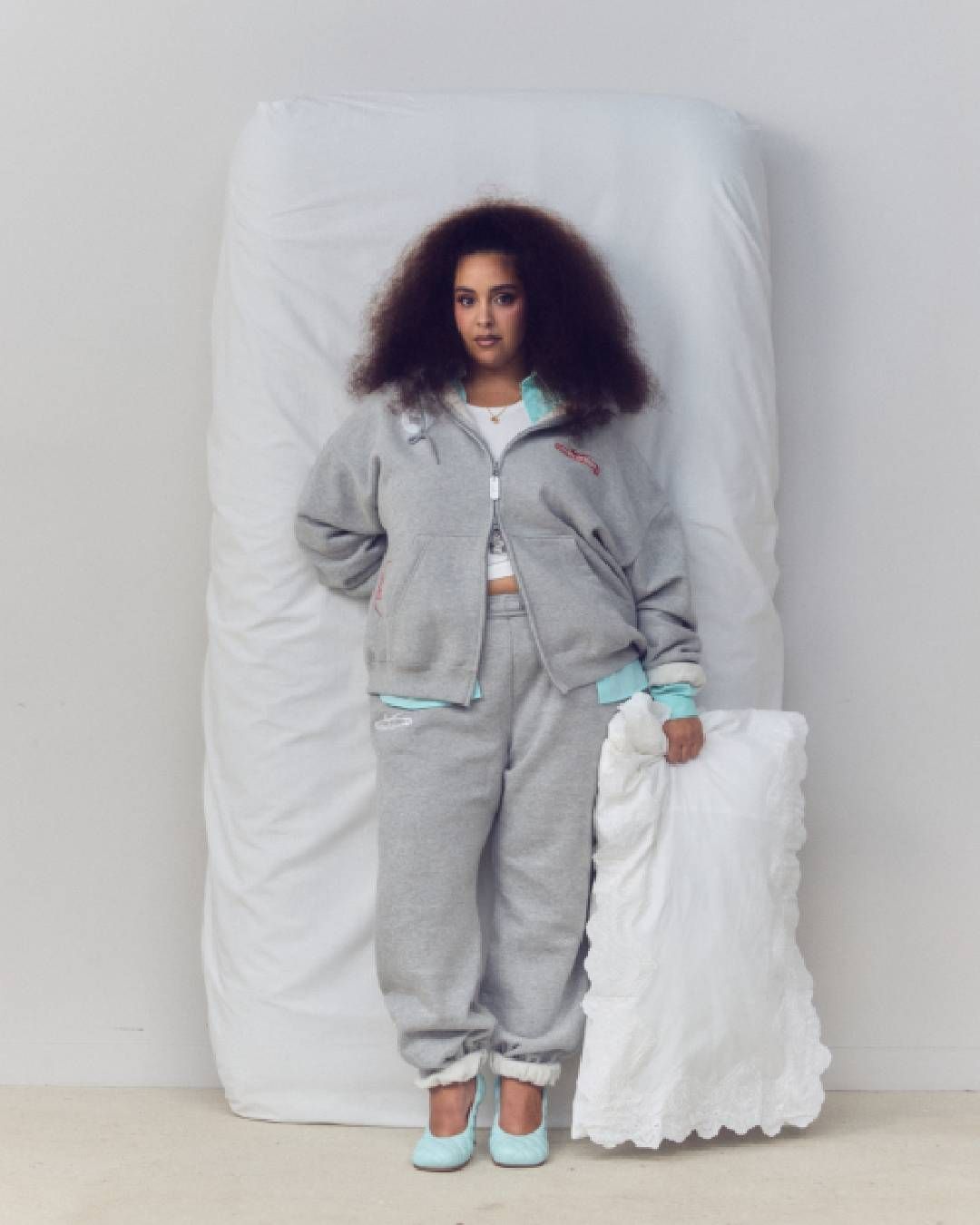
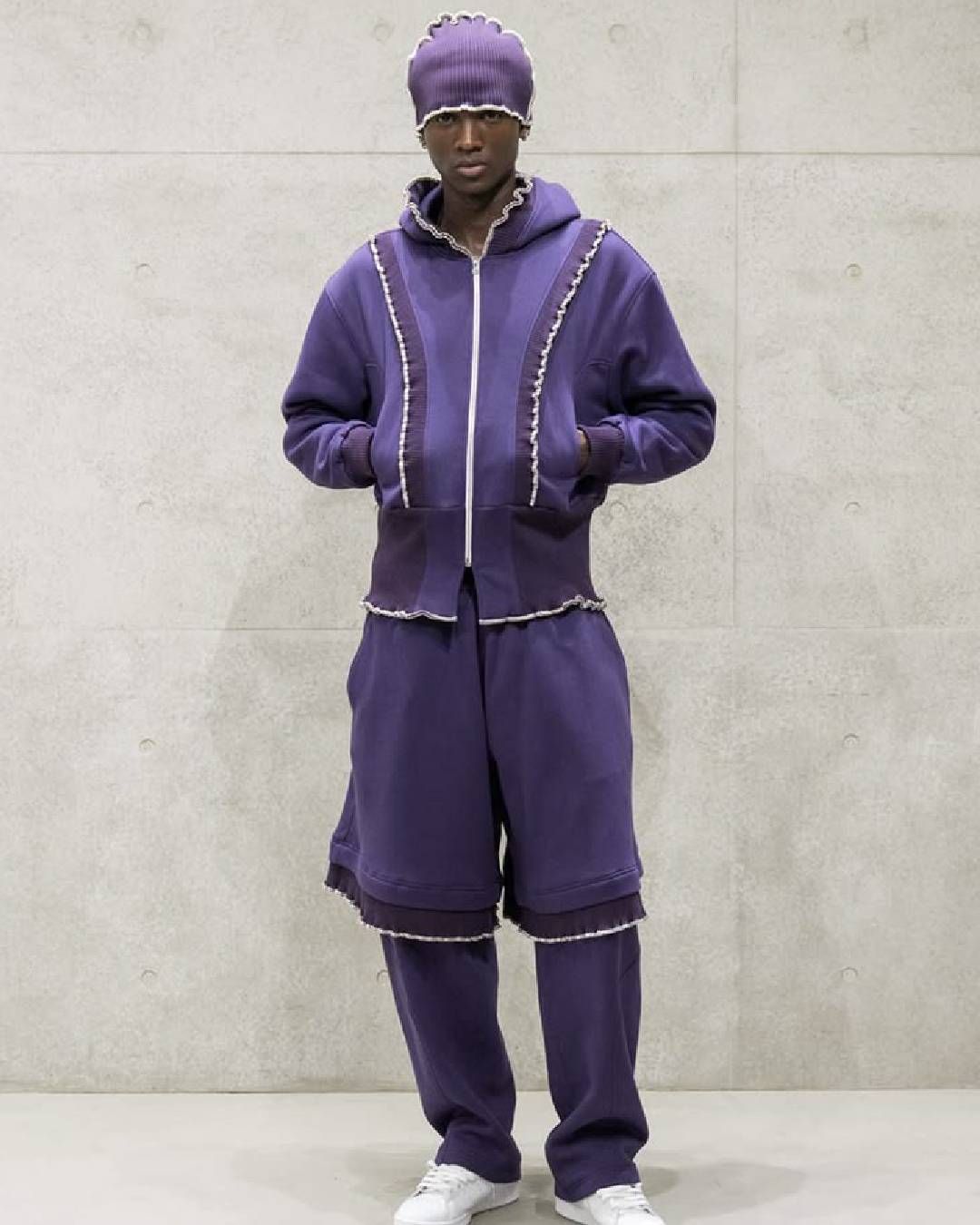
With a focus on sustainability and a completely self-funded production, the new edition of Manchester Fashion Week – whose last one was supported by the fast fashion brand Missguided – is, to find a fitting word, extremely punk. The designers presenting their collections on the runway are all very young and represent some of the most alternative voices in English fashion; the association has chosen to have no sponsors in order not to work with companies whose values differ from theirs, and – surprisingly – among the big brands that decided to join the initiative is Vivienne Westwood, which organized an event inside its Manchester store. Now, at the end of this first re-edition, we will have to see if this alternative Fashion Week will truly be able to establish itself as a standard-bearer of a younger, more inclusive, richer, and more authentic fashion, fully competing with London.